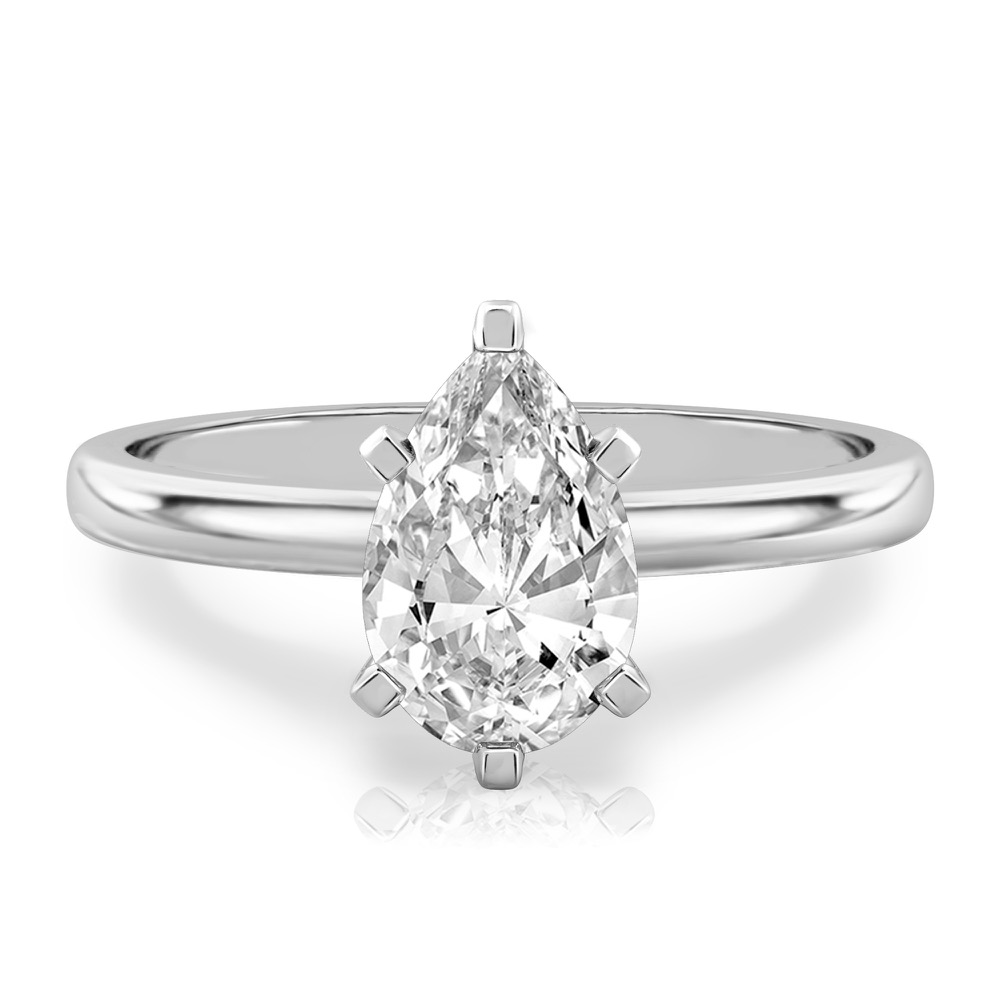
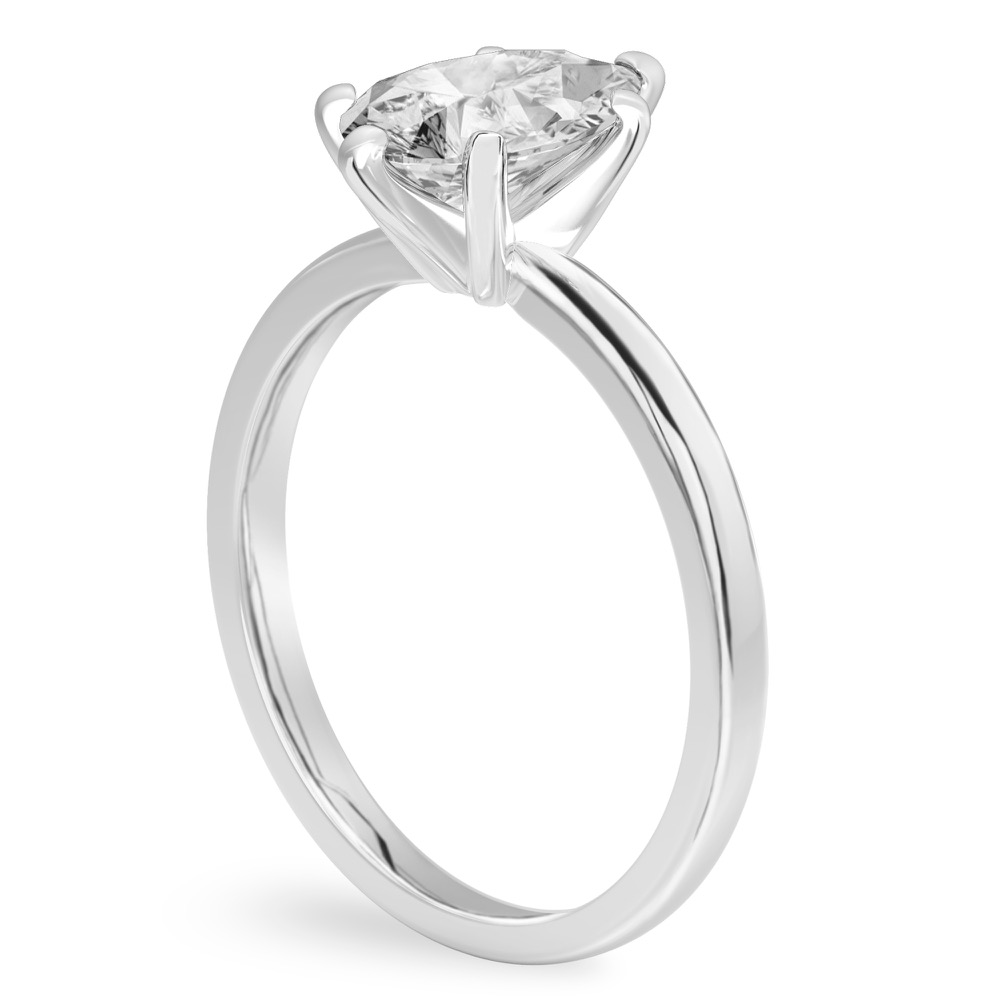
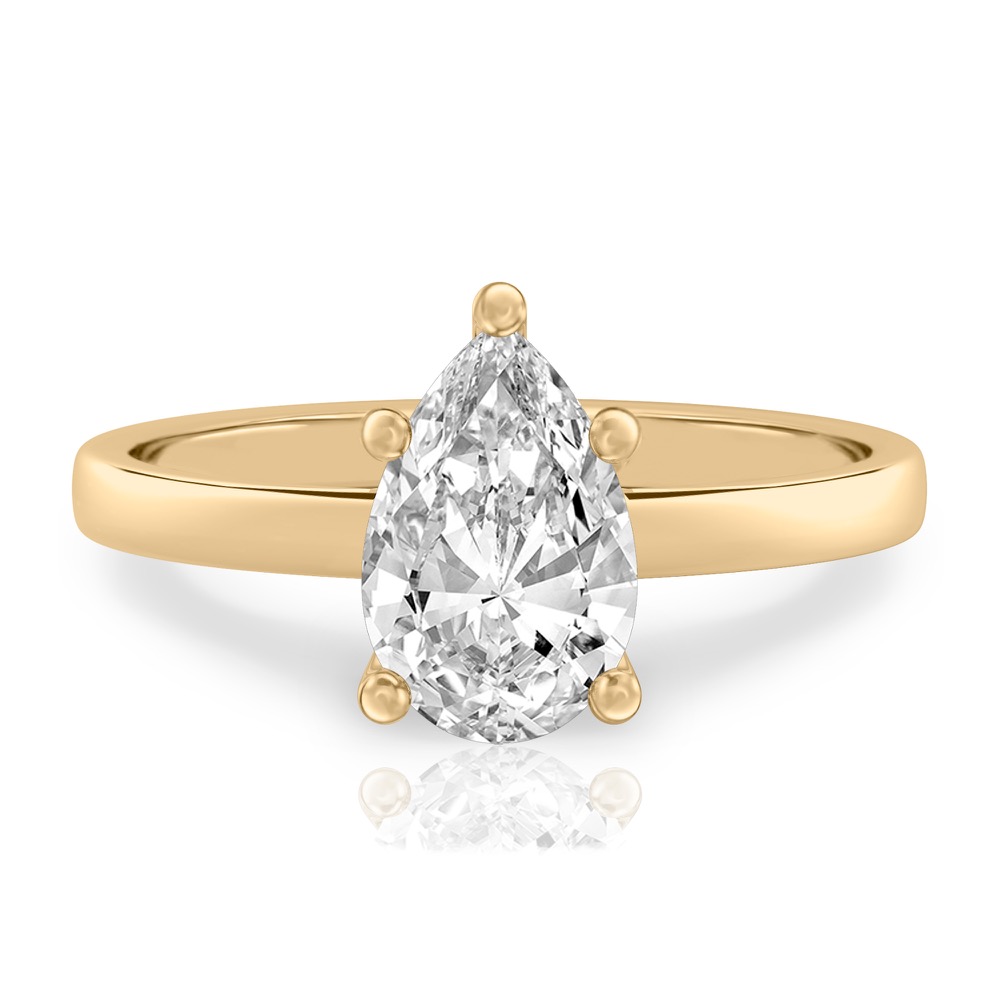
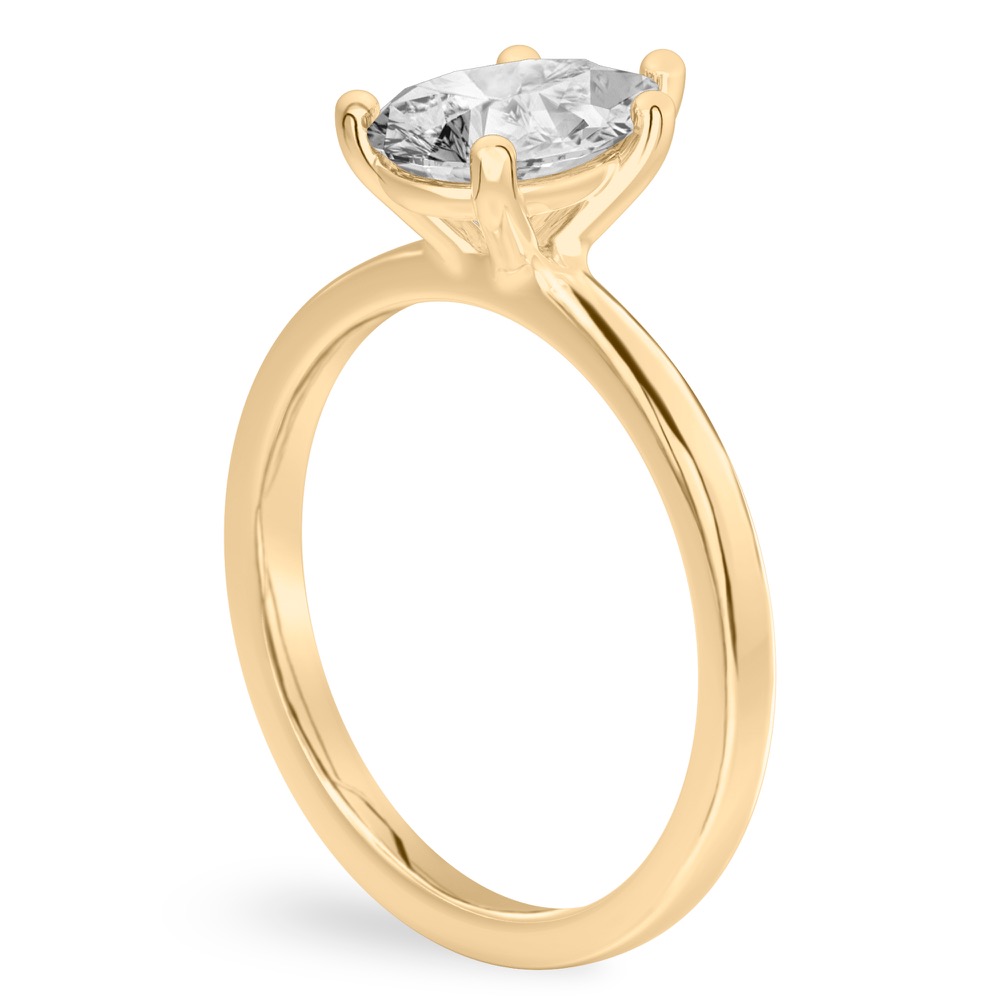
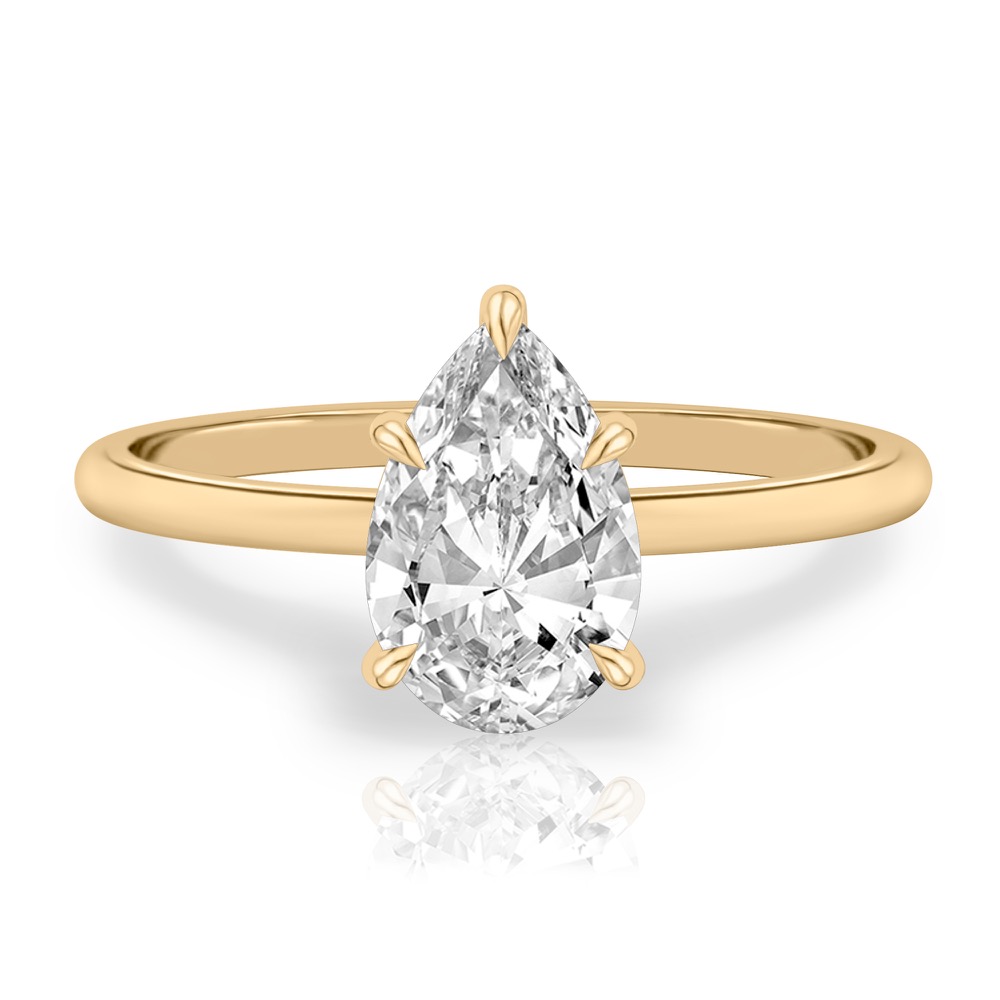
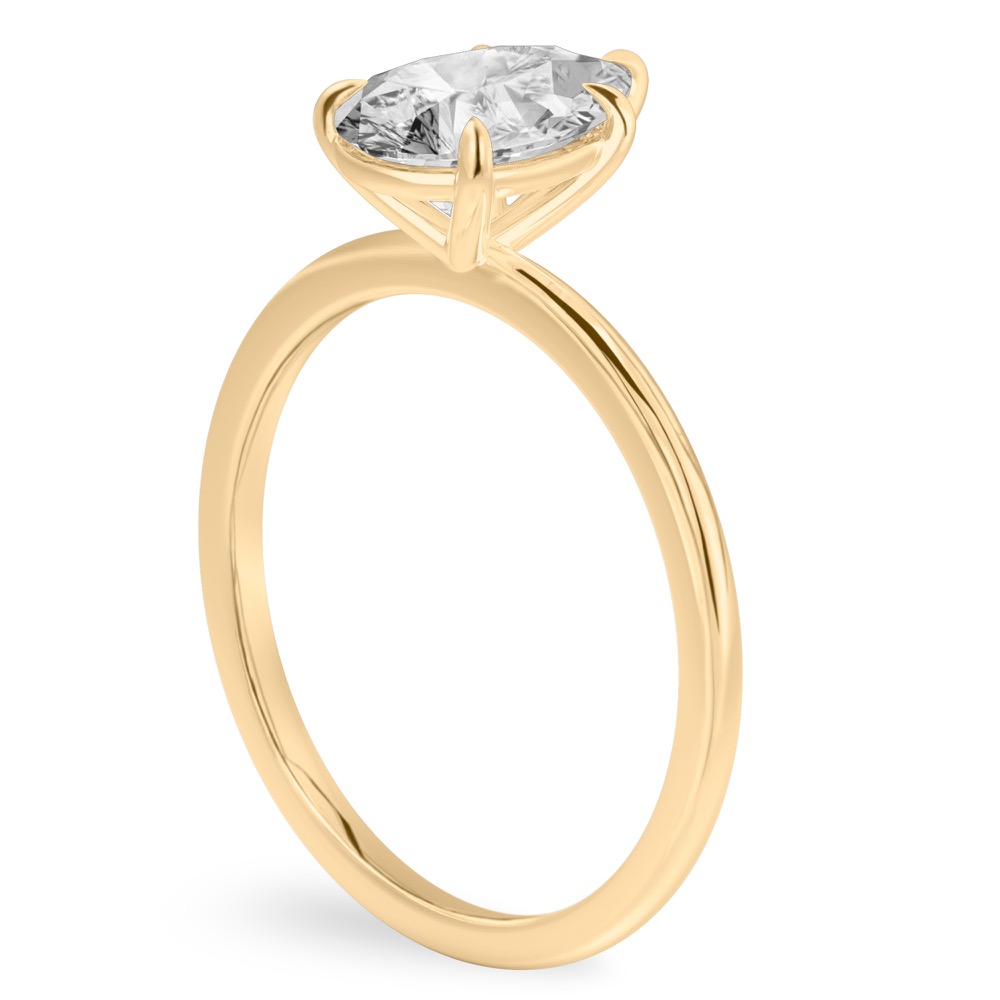
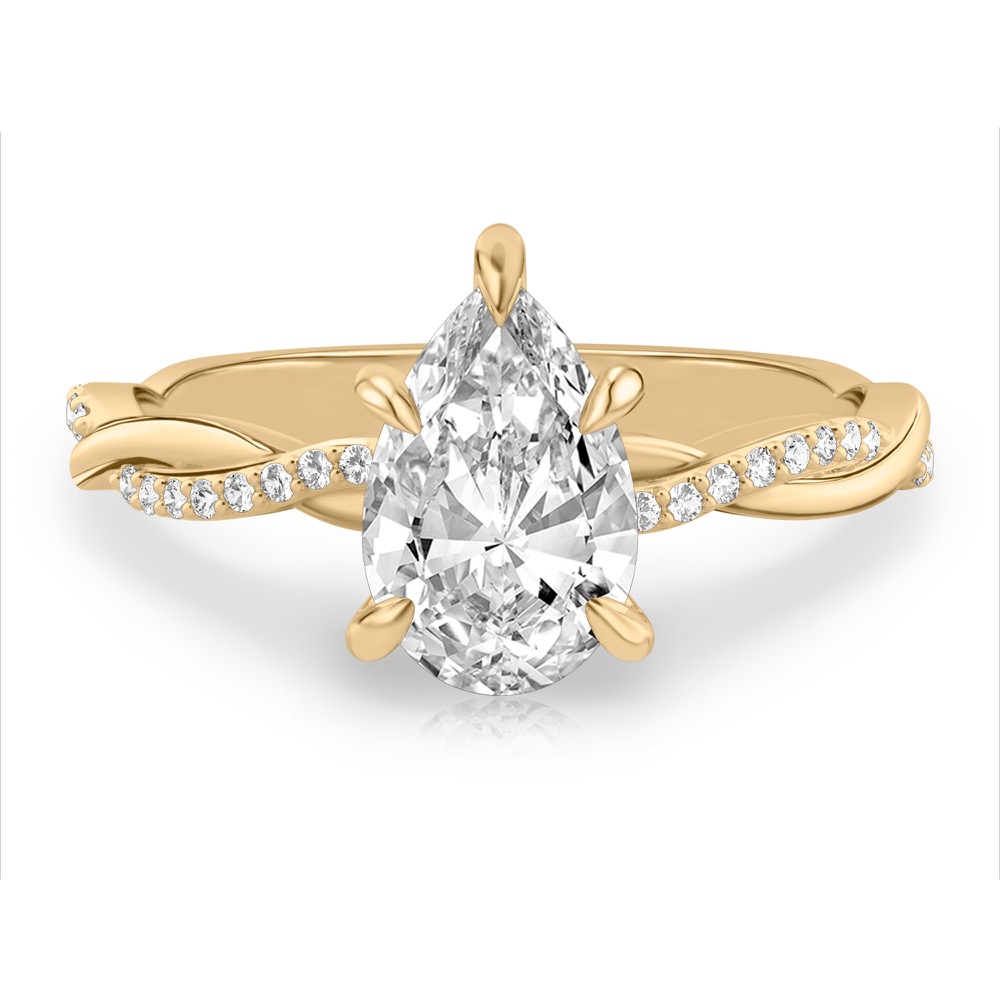
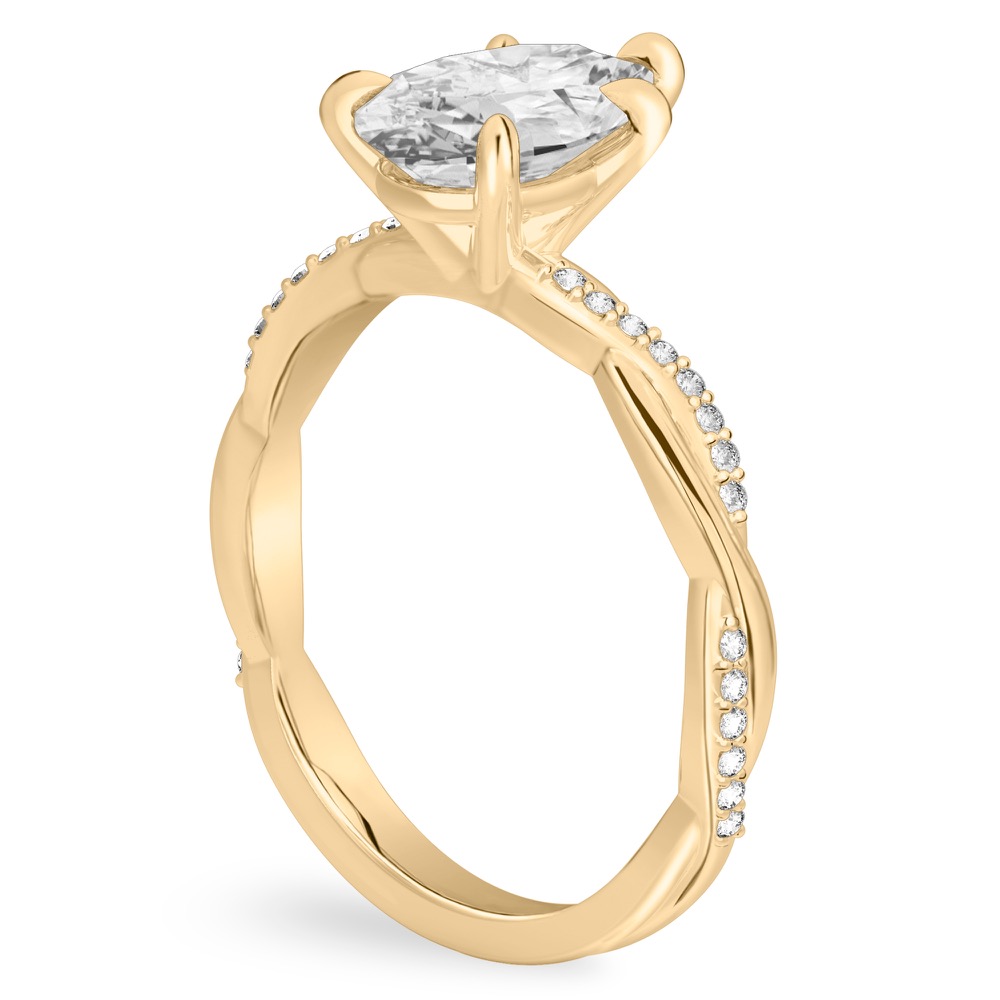
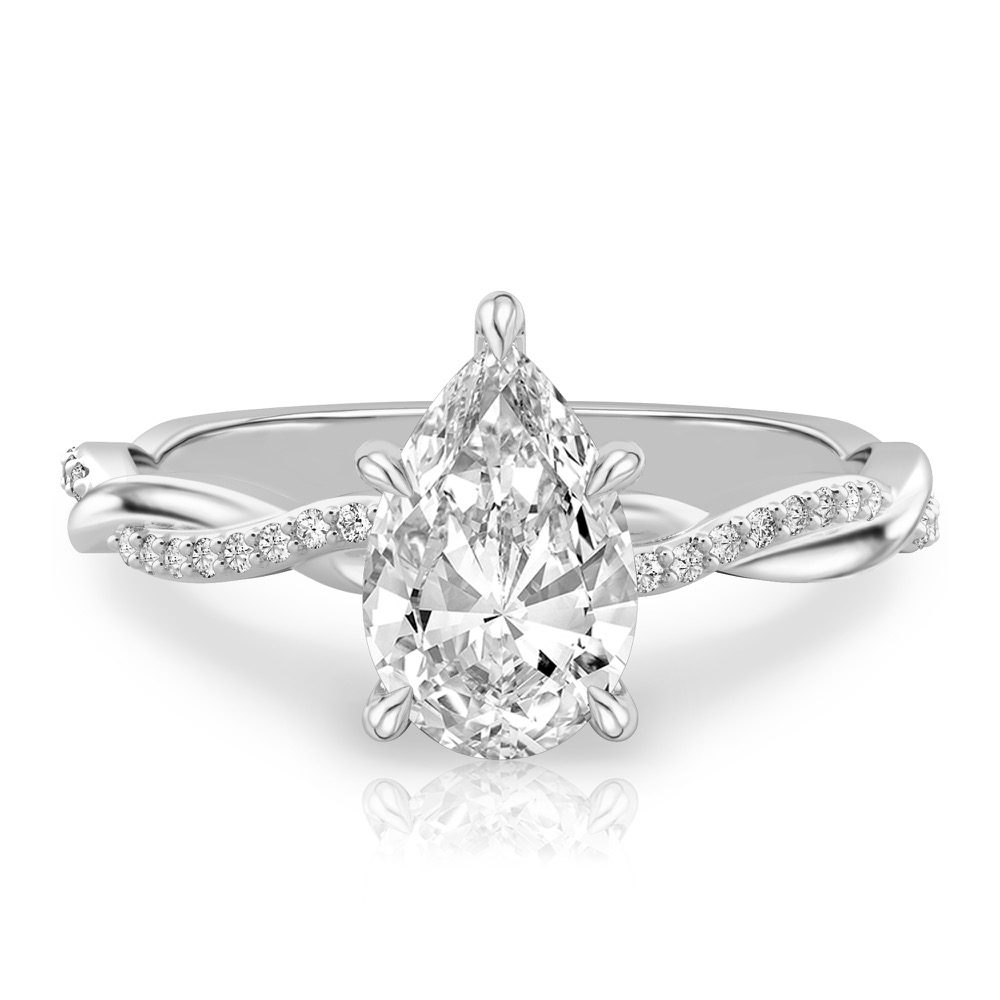
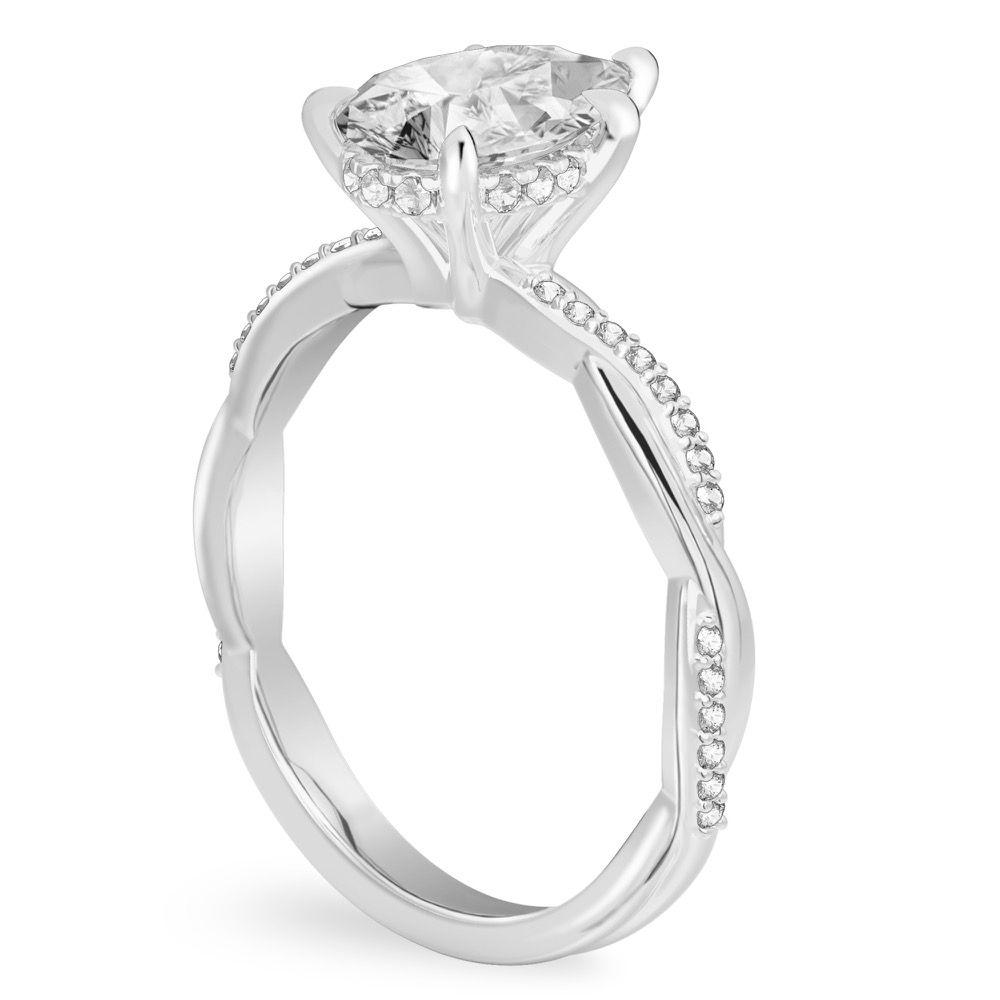
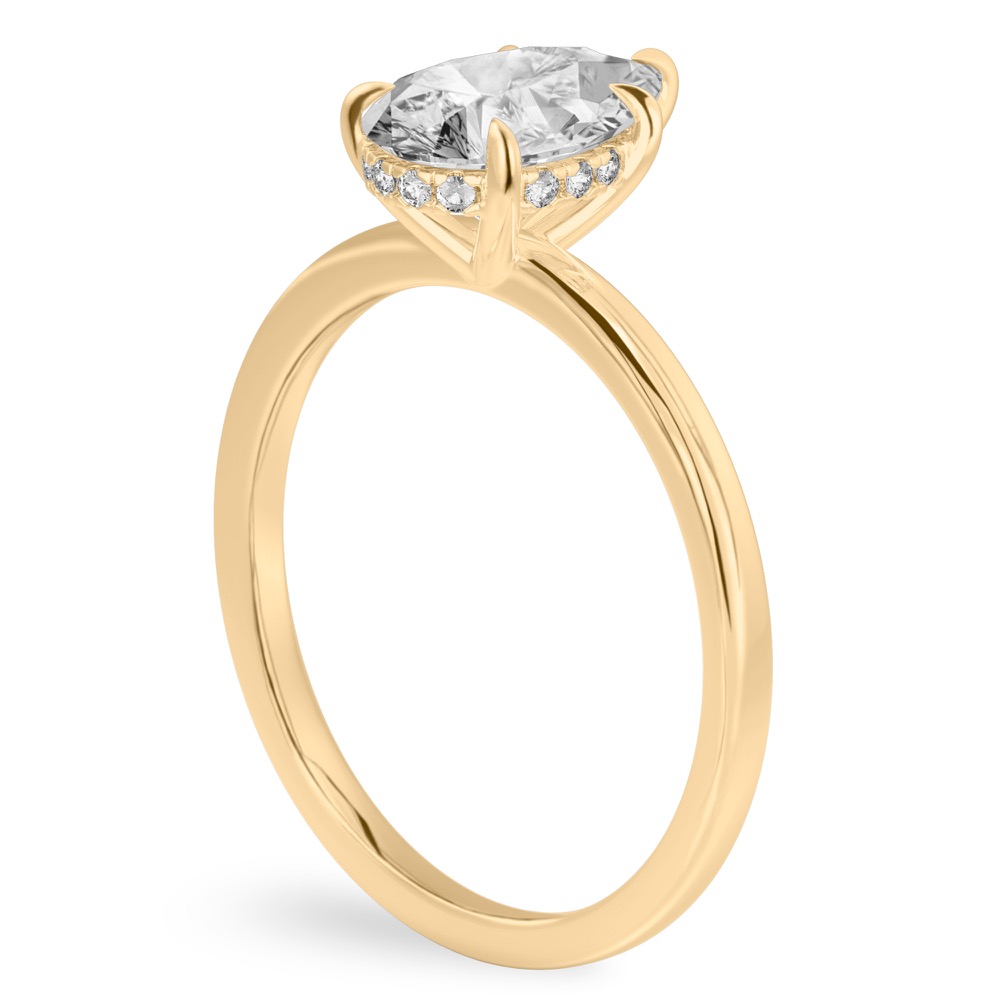
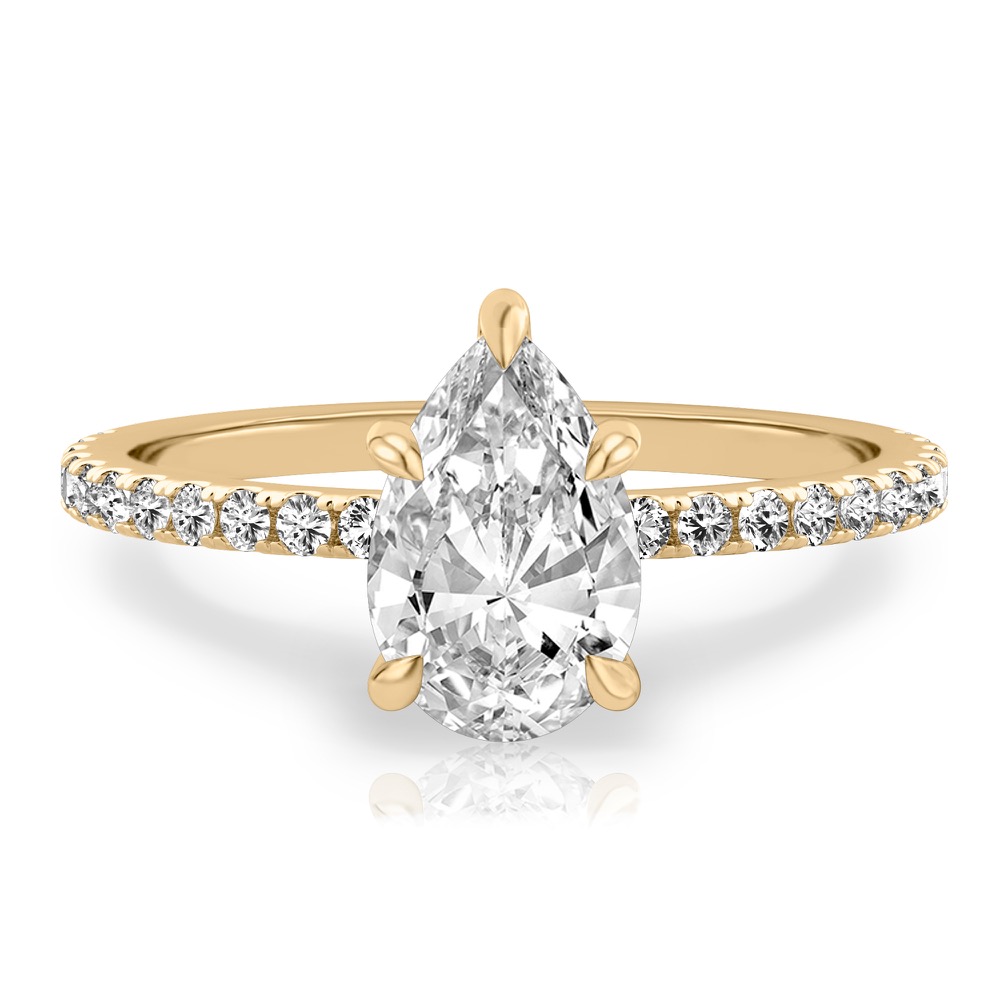
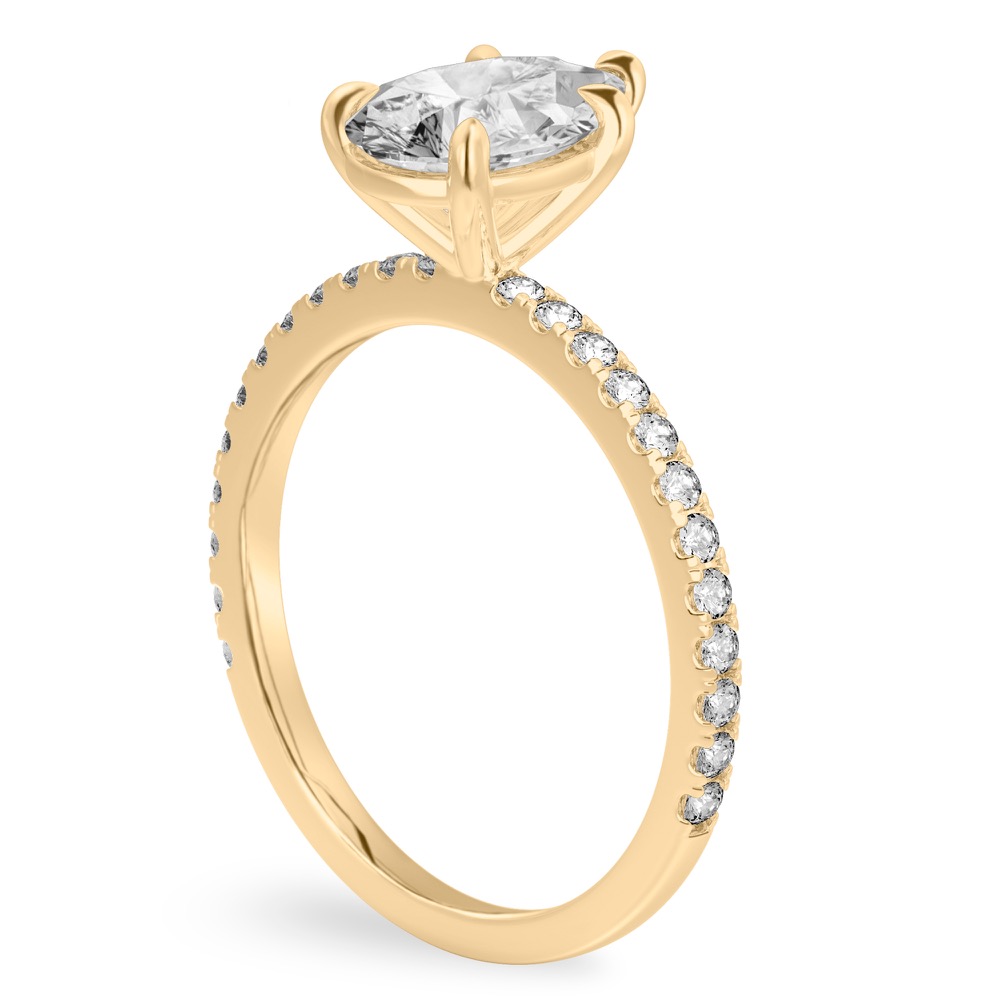
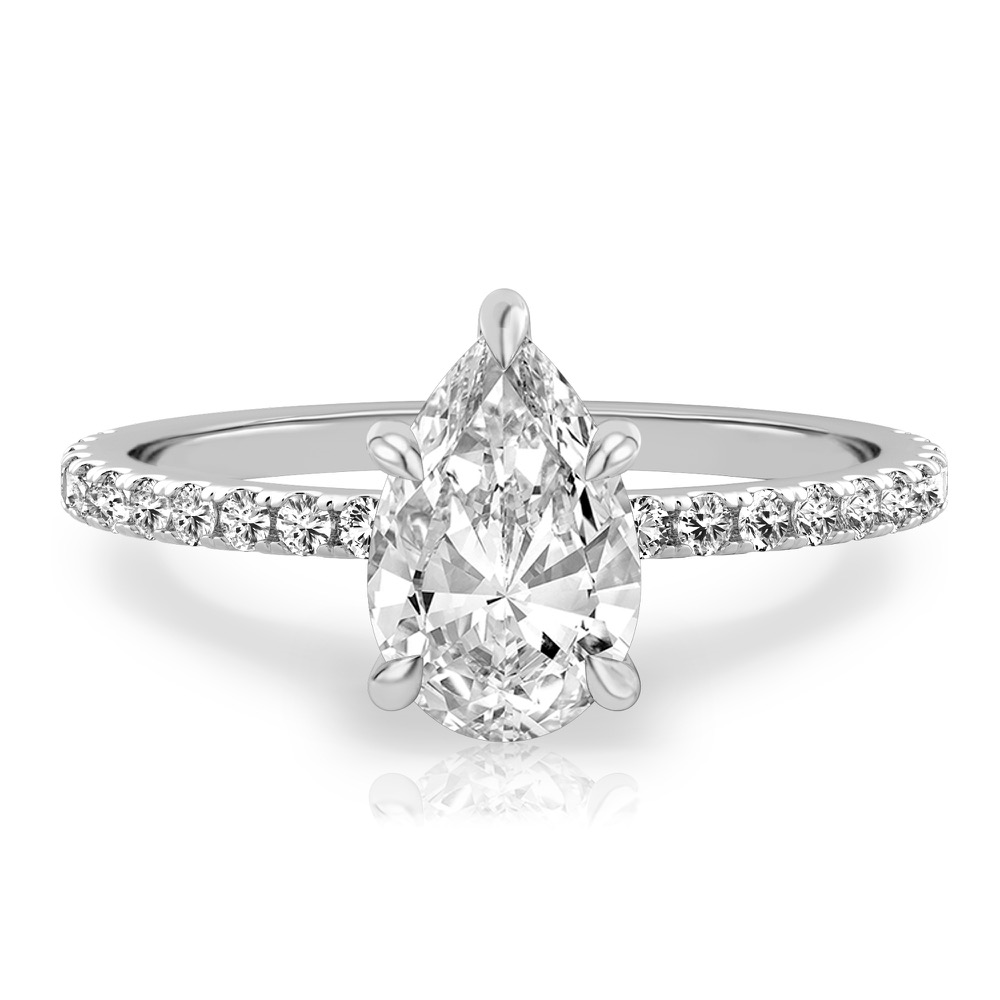
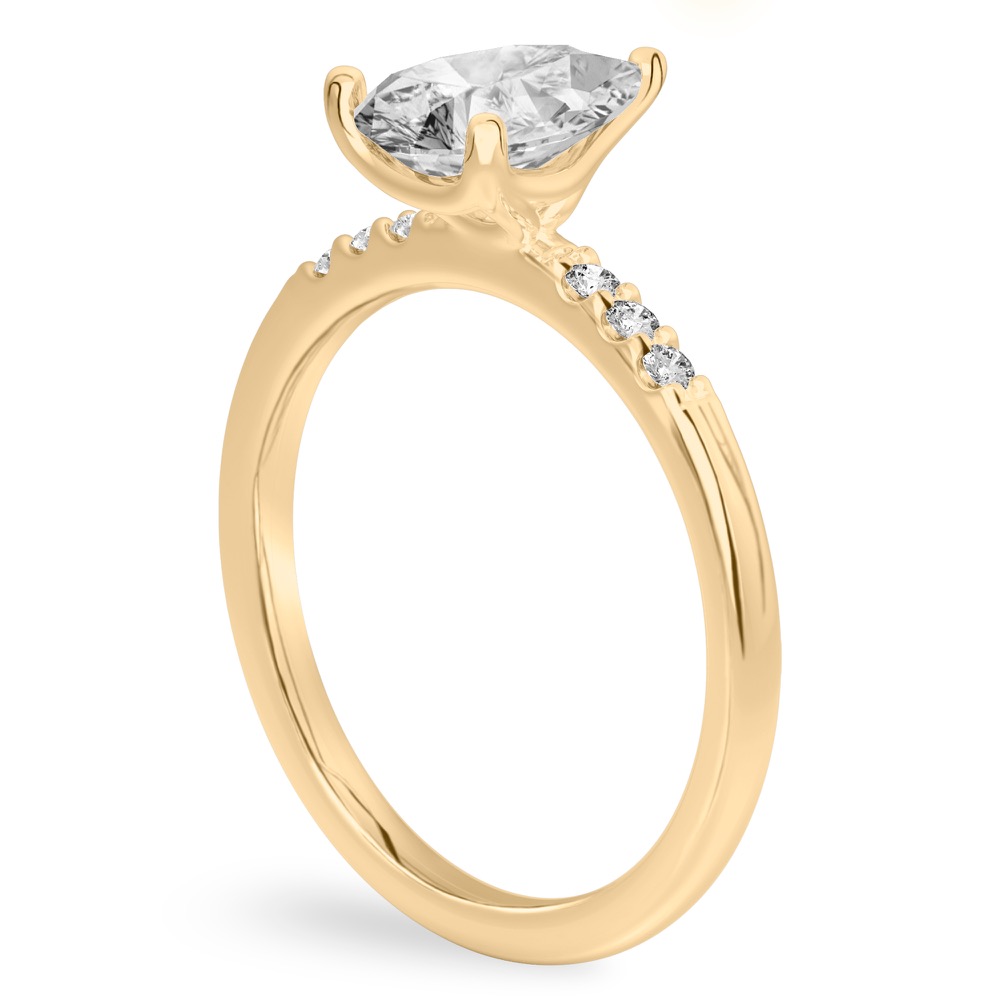
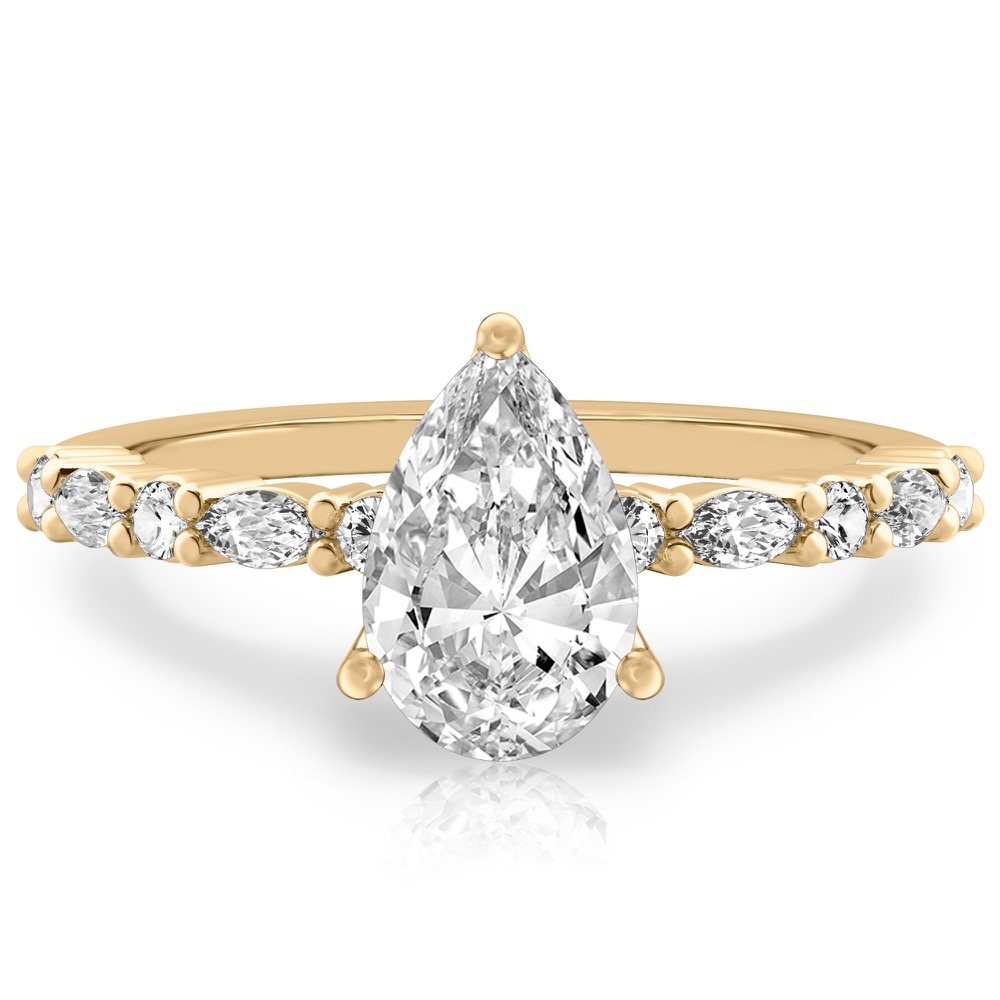
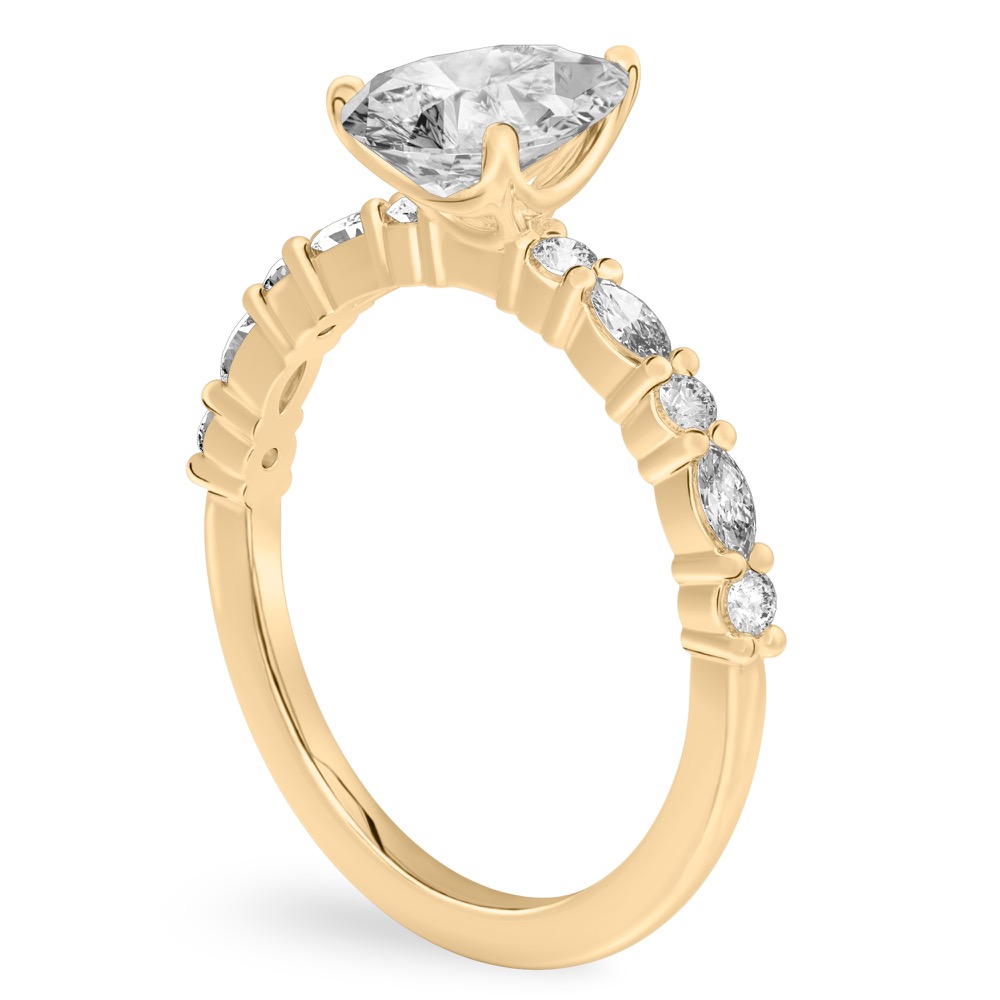
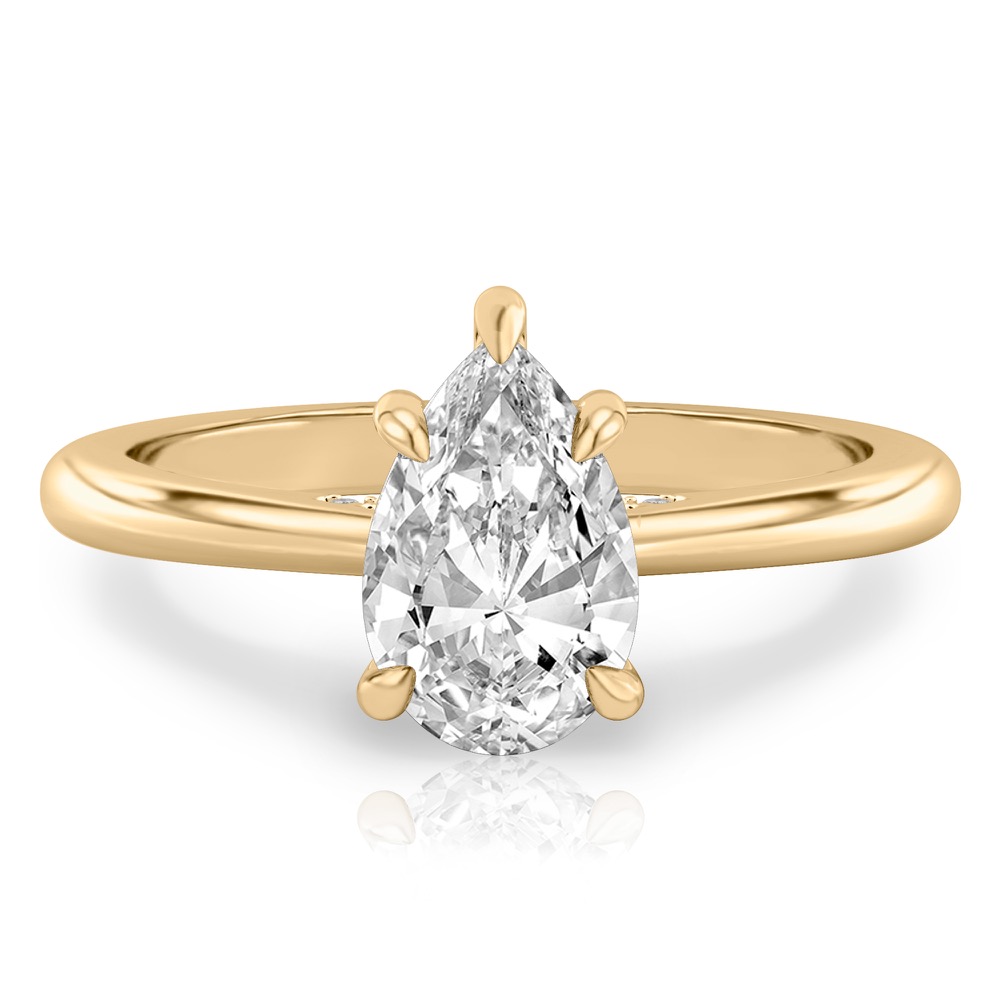
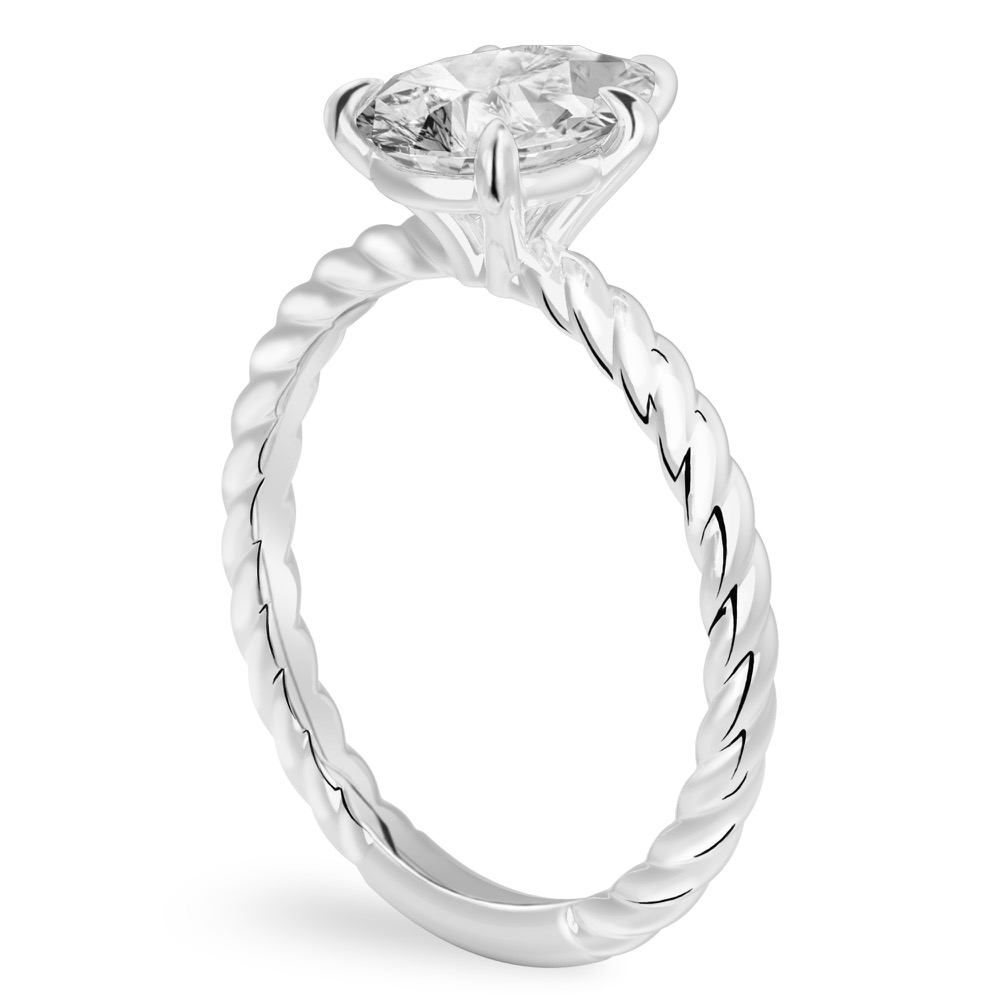
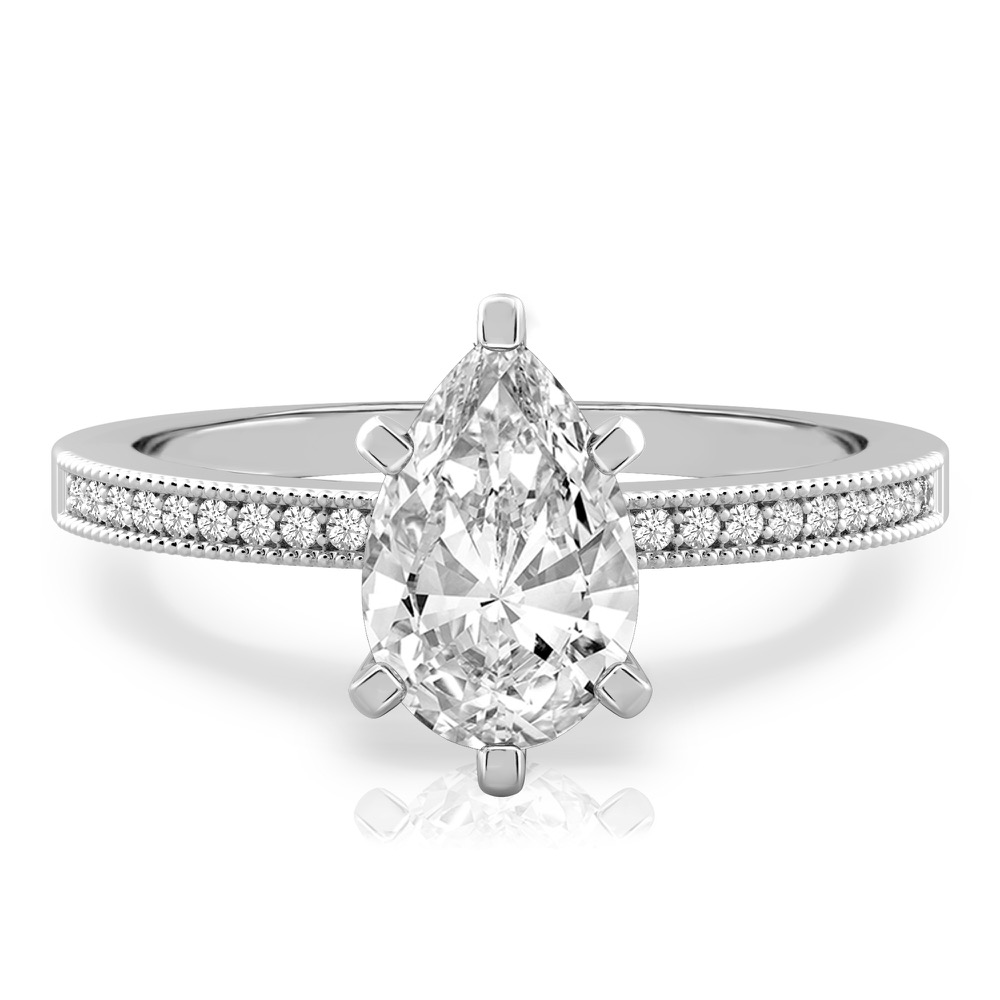
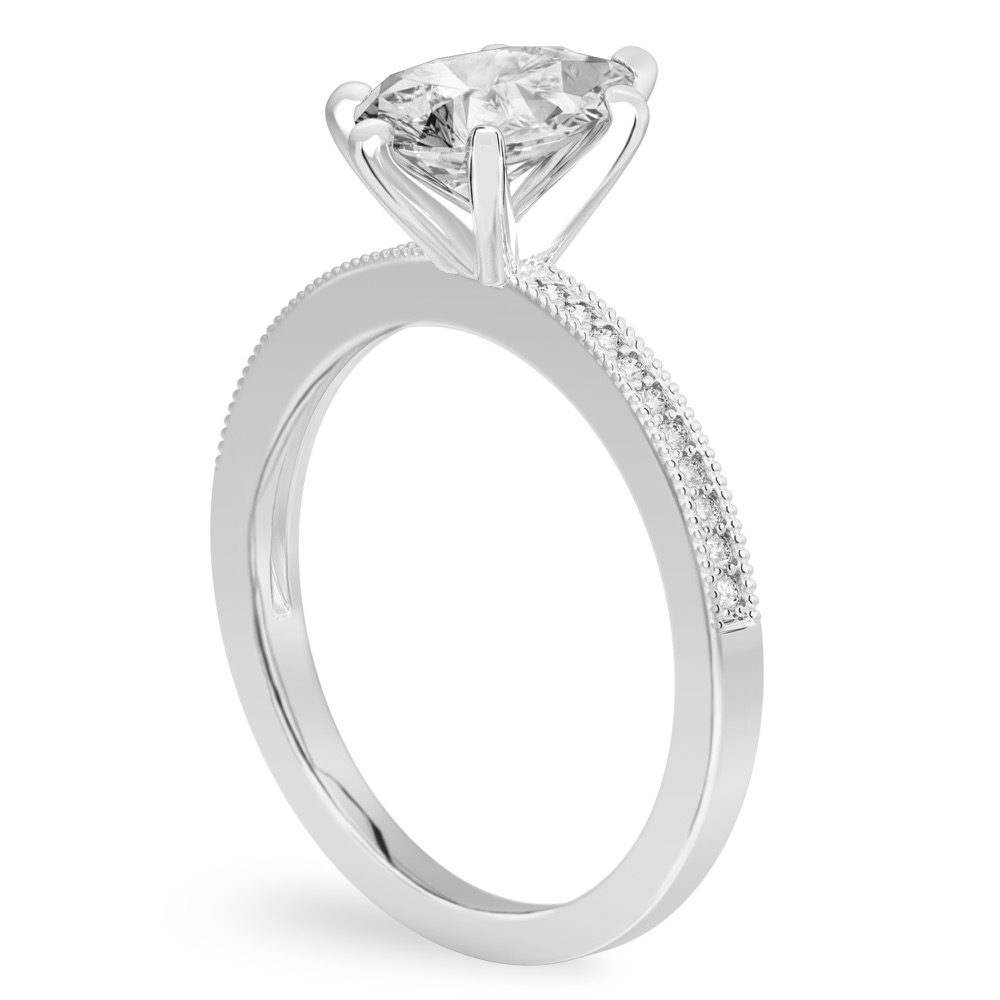
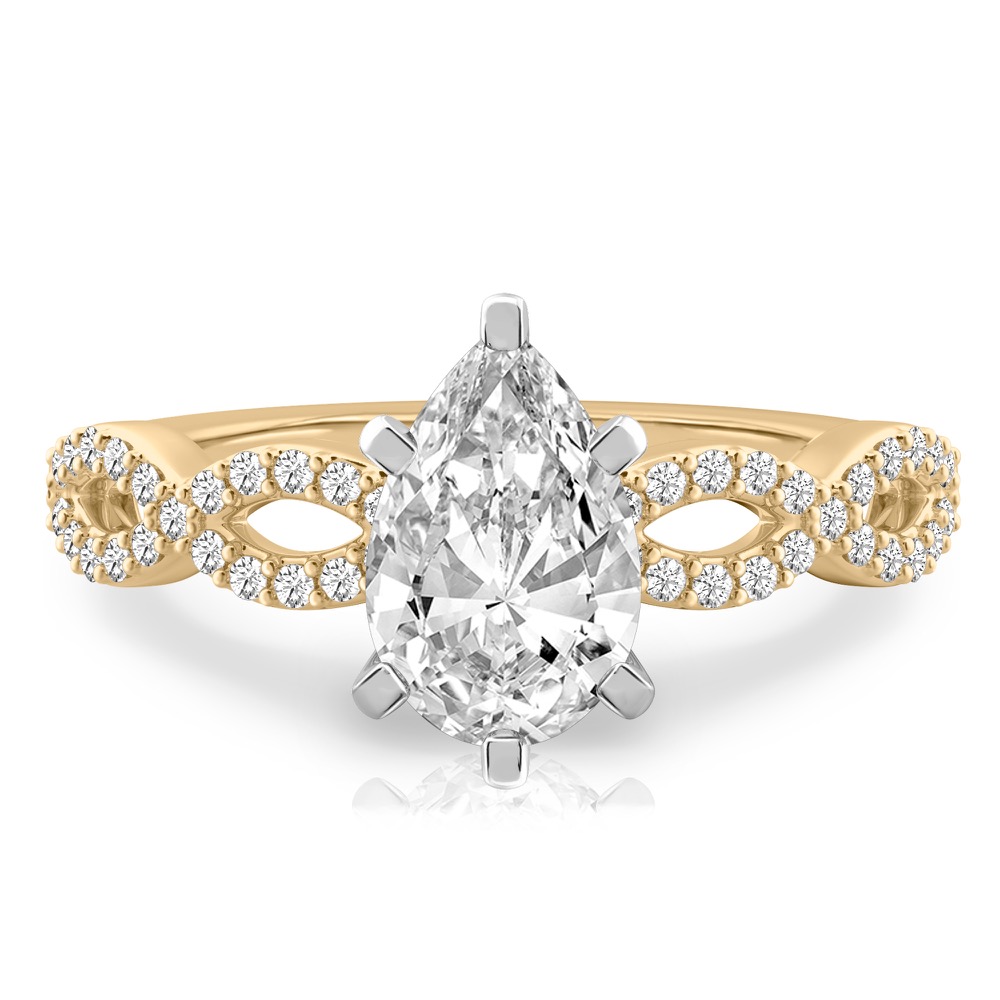
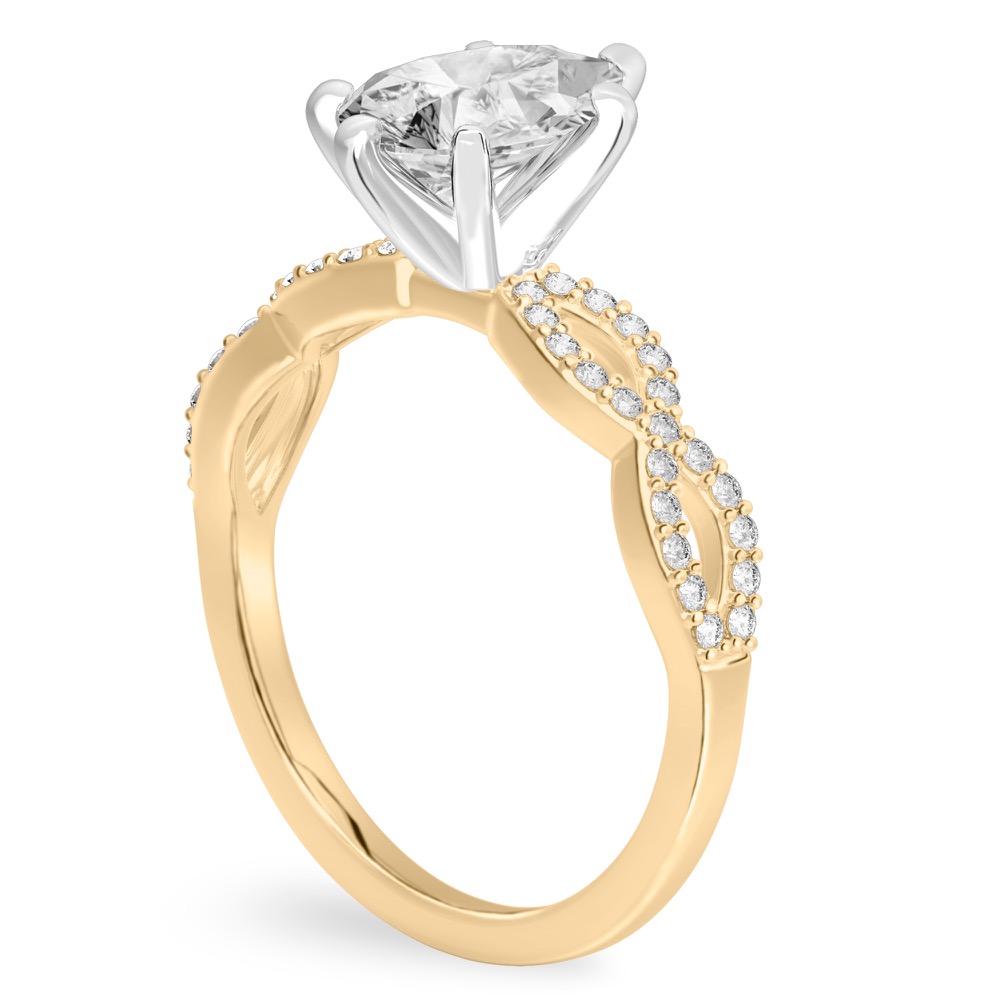
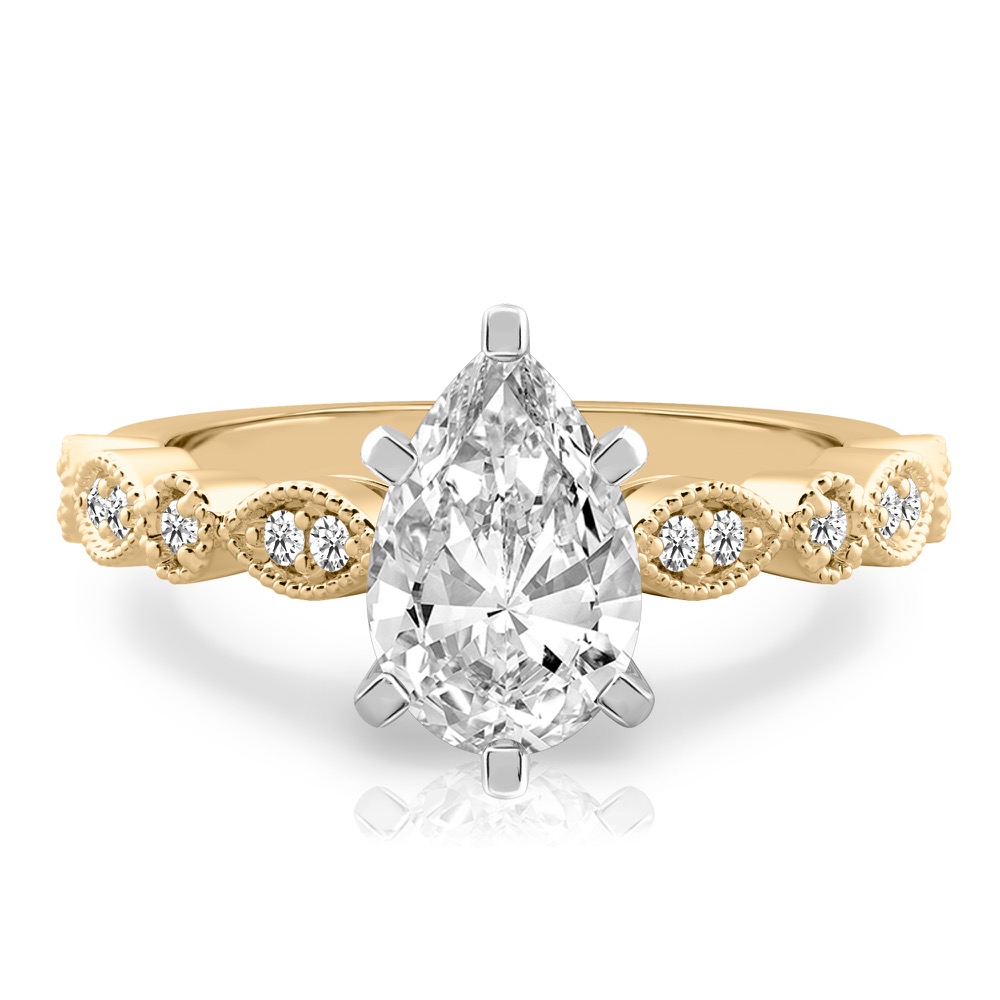
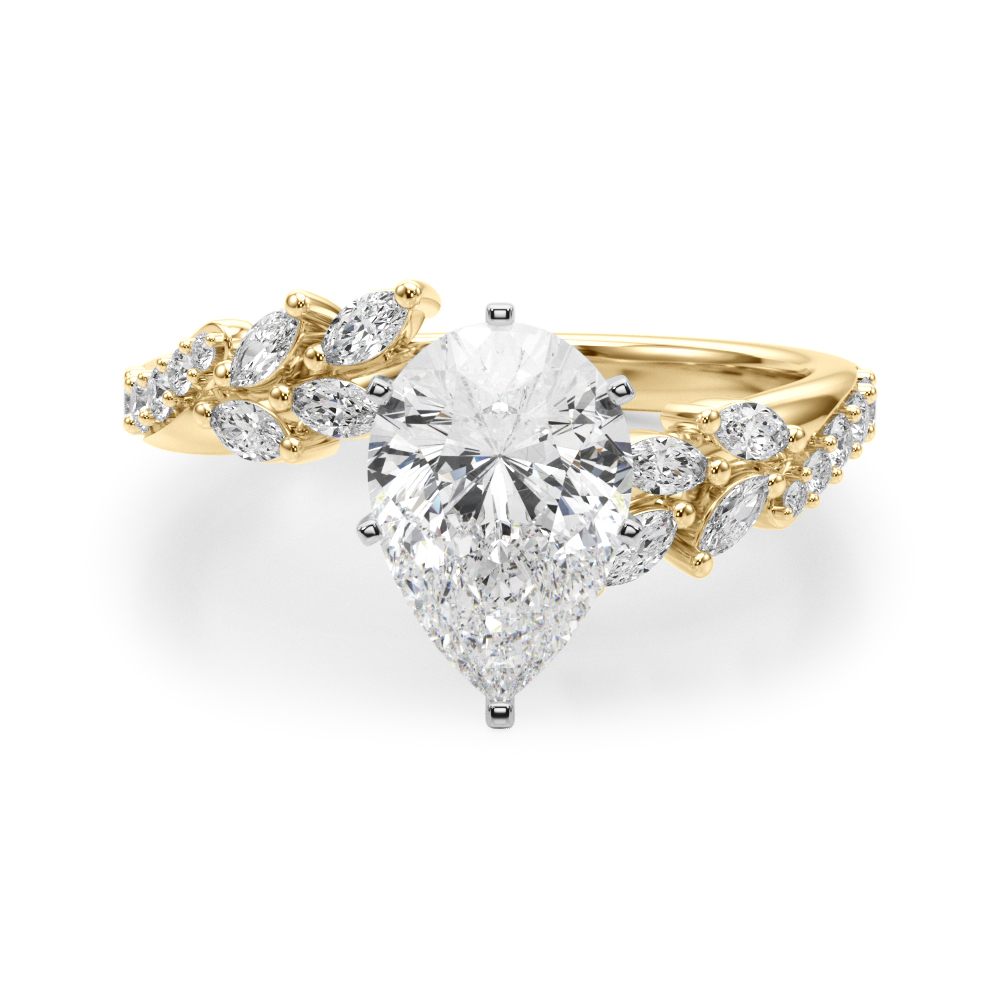
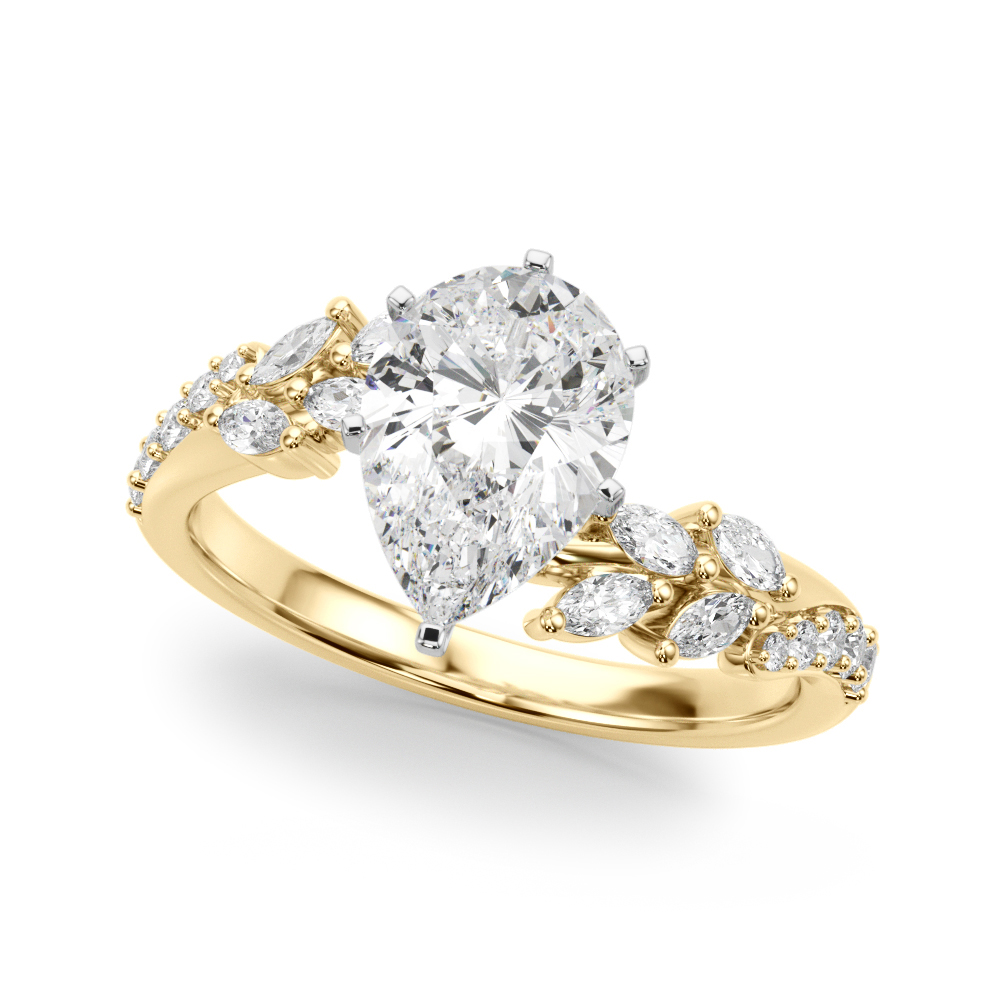
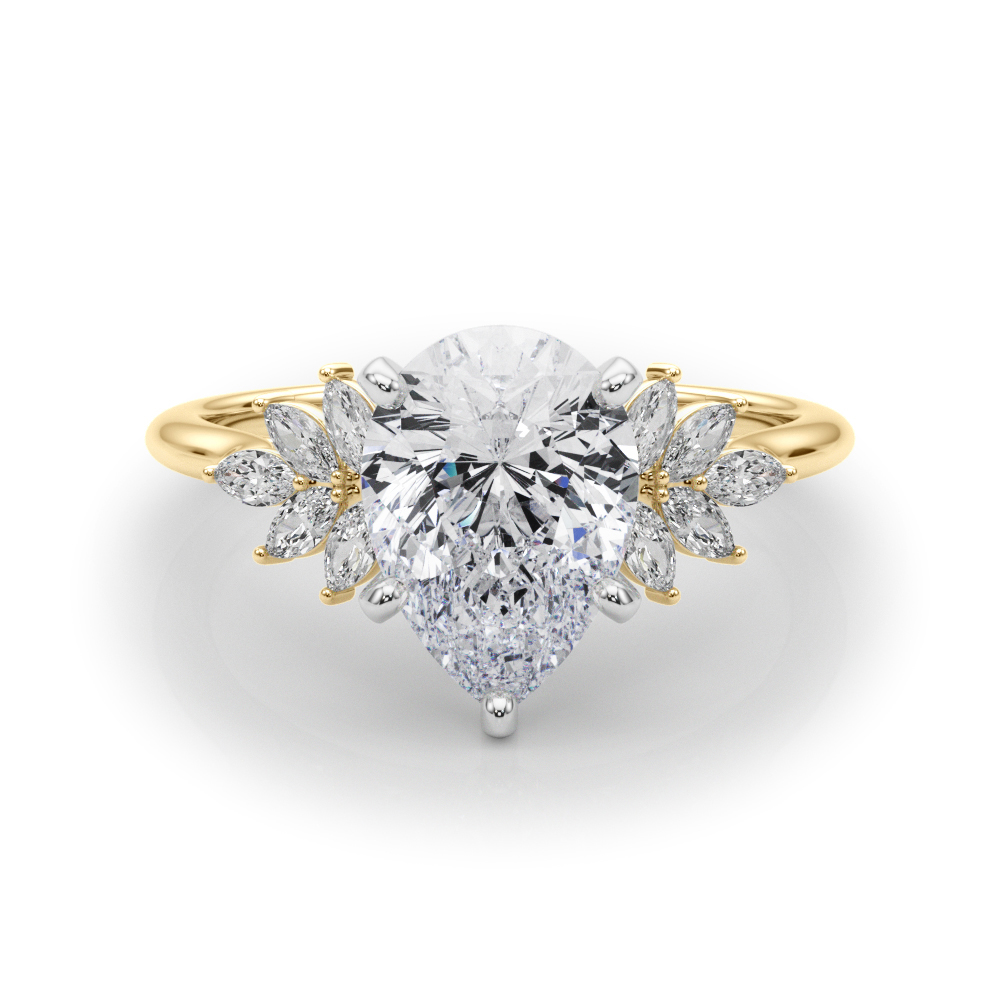
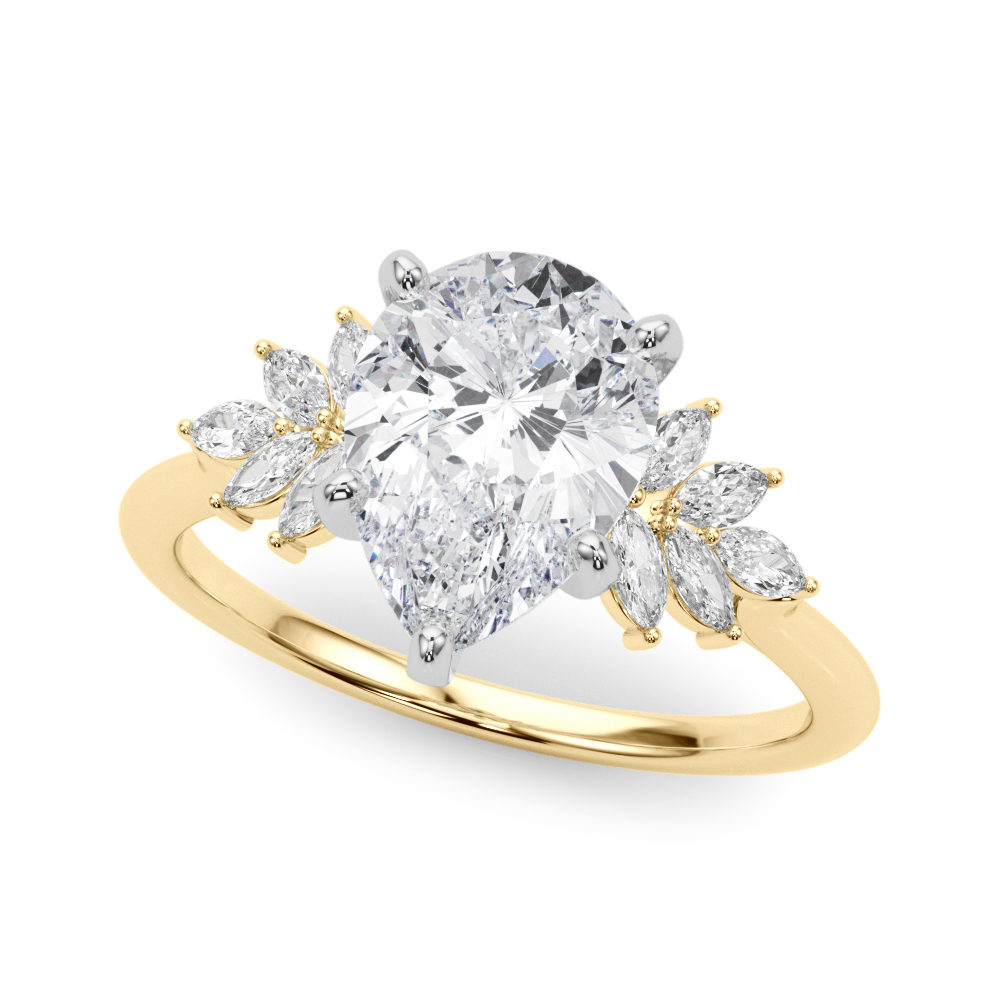
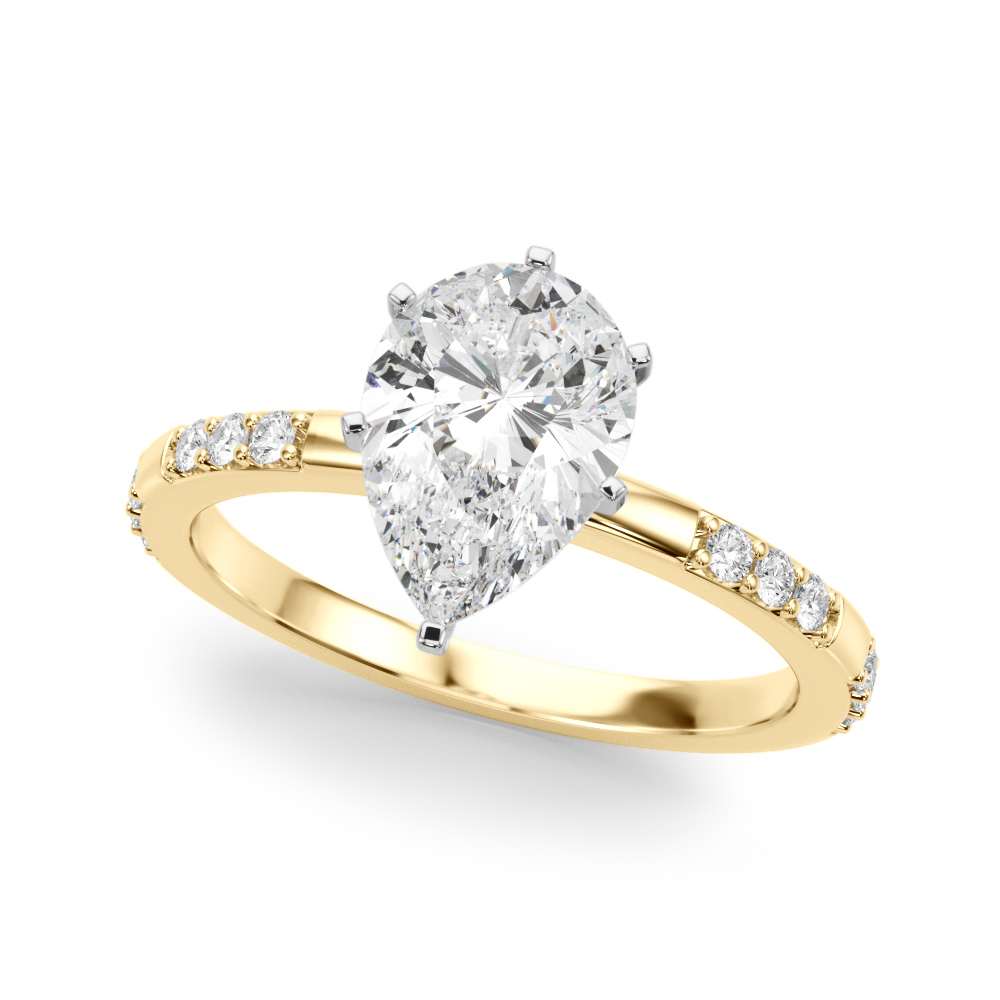
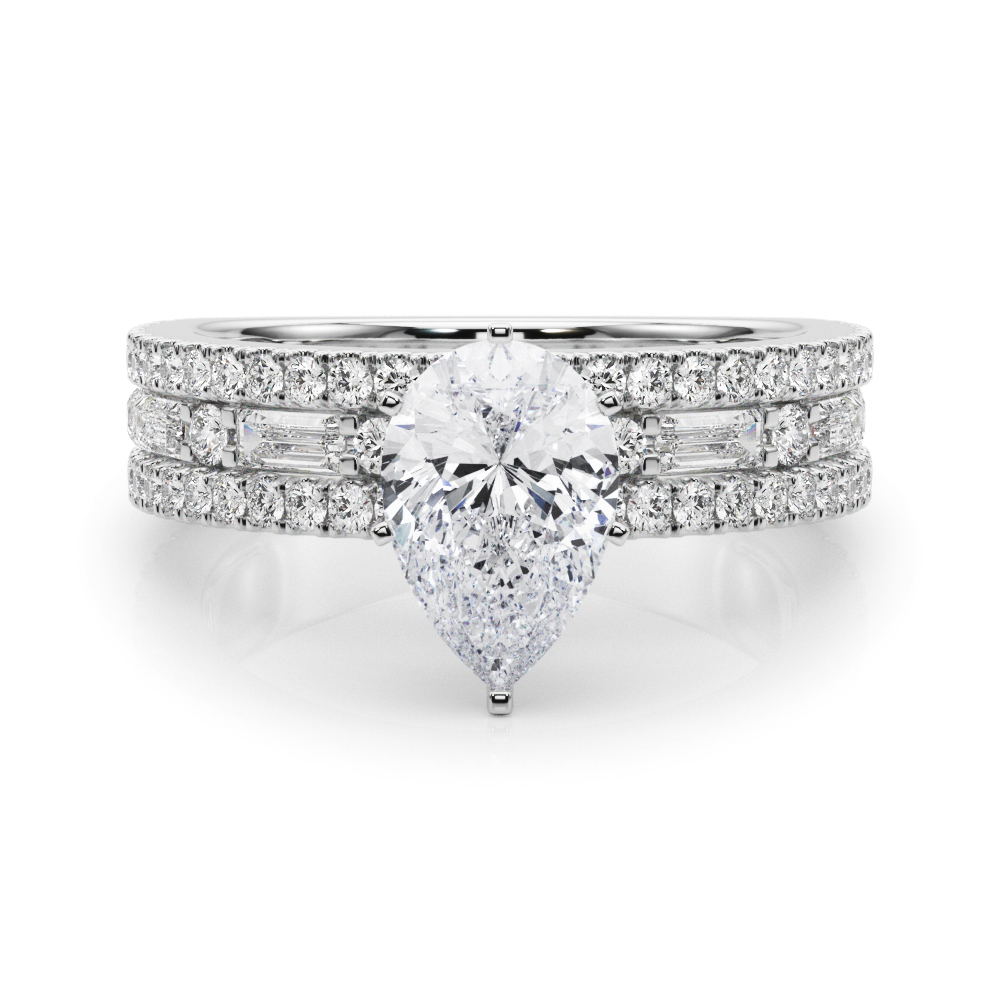
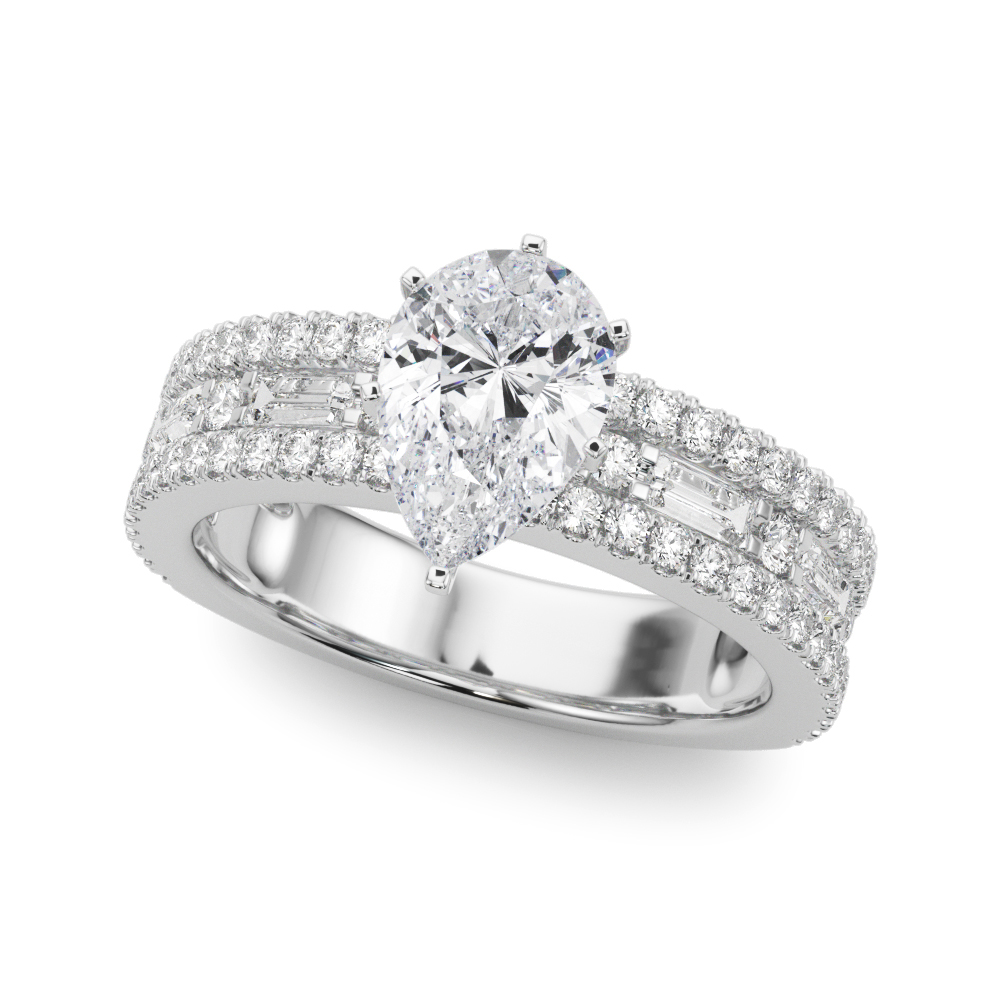
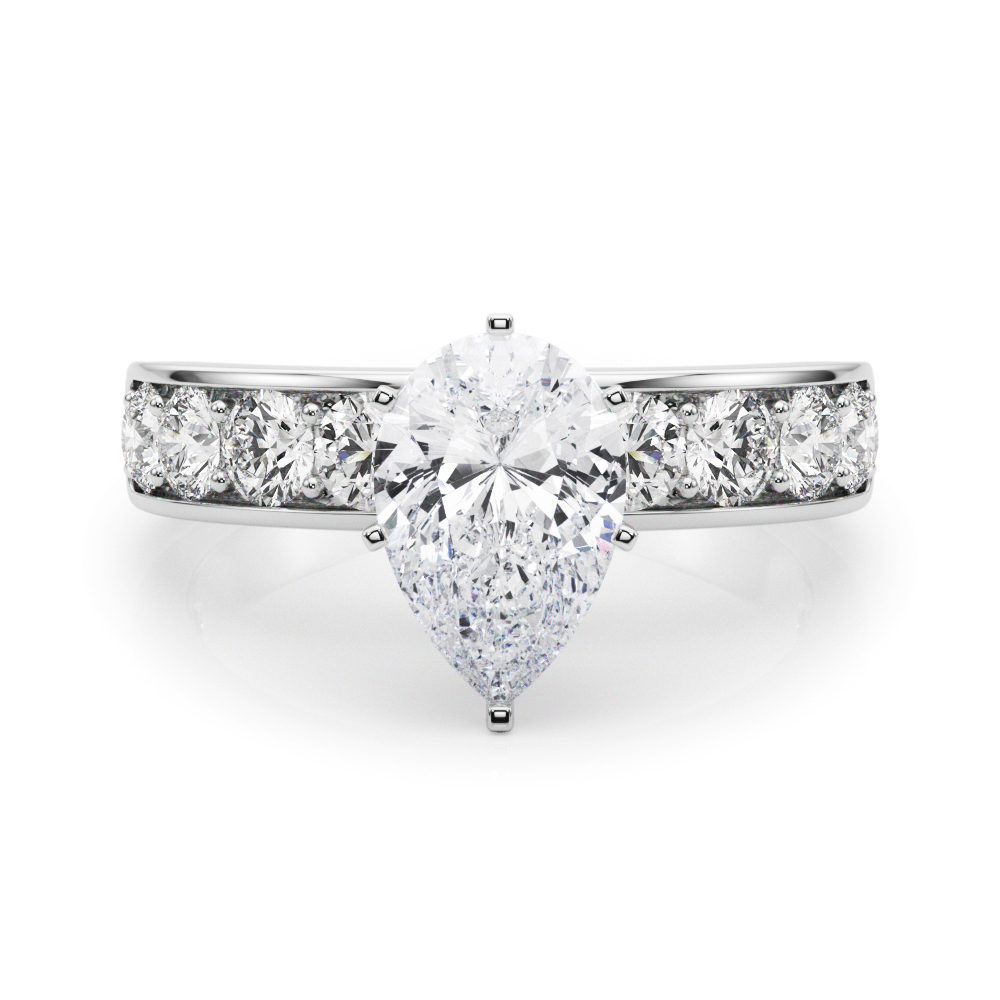
Lab diamonds typically cost 50 to 70 percent less than mined diamonds of comparable size, cut, color, and clarity. That price gap has widened as lab diamond production has scaled up. For most couples, this means getting a noticeably larger or higher-quality stone for the same budget.
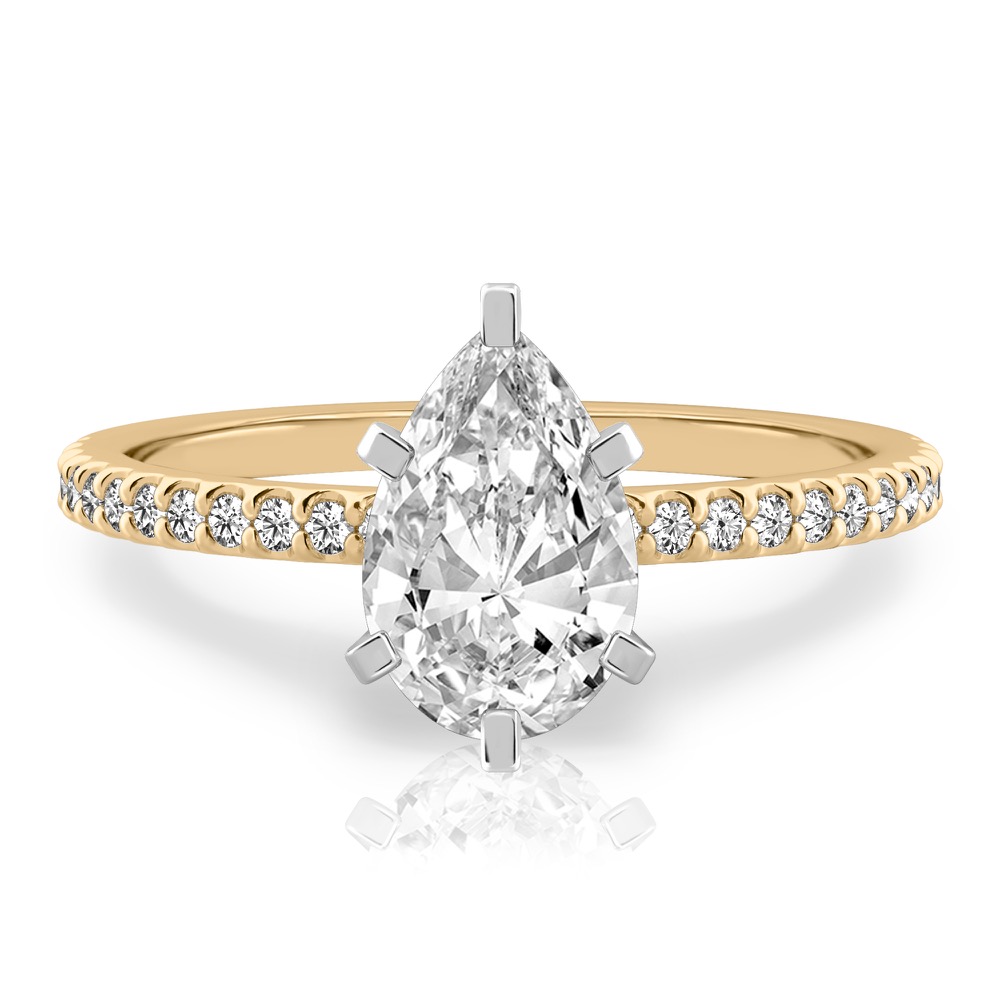
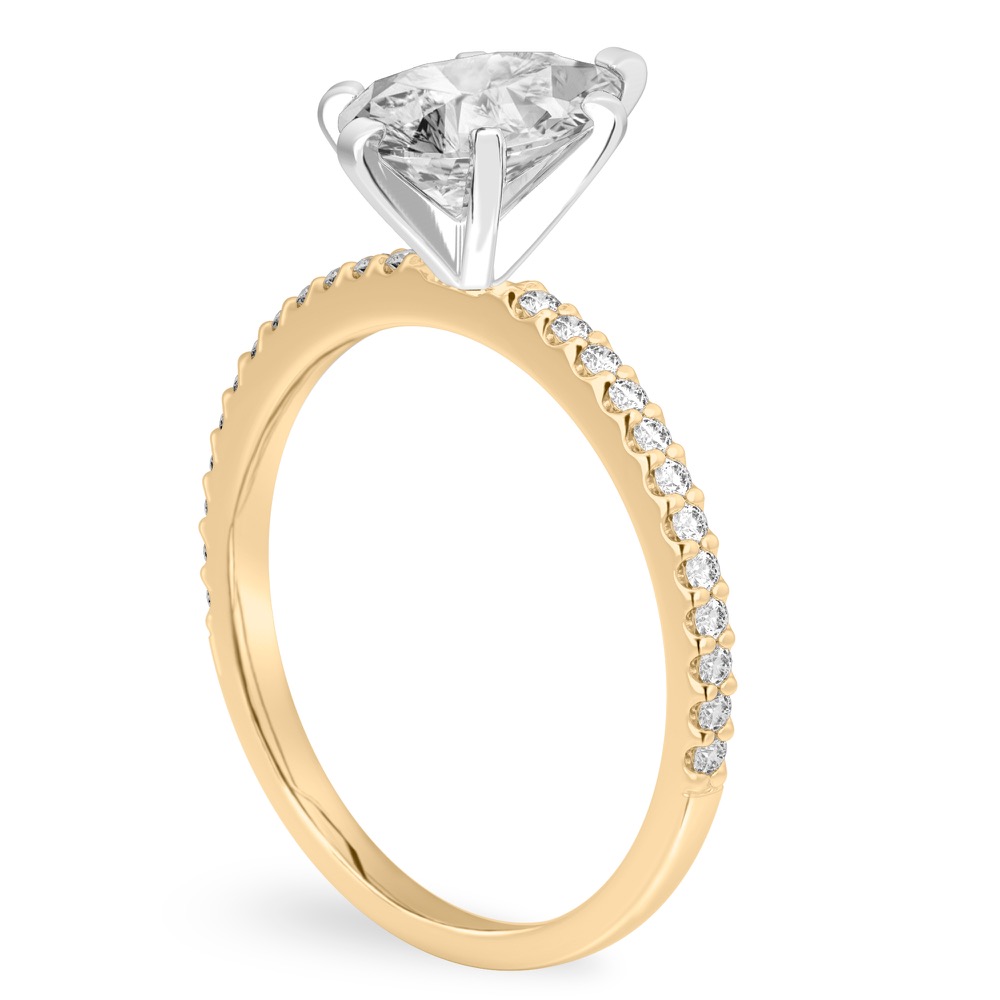
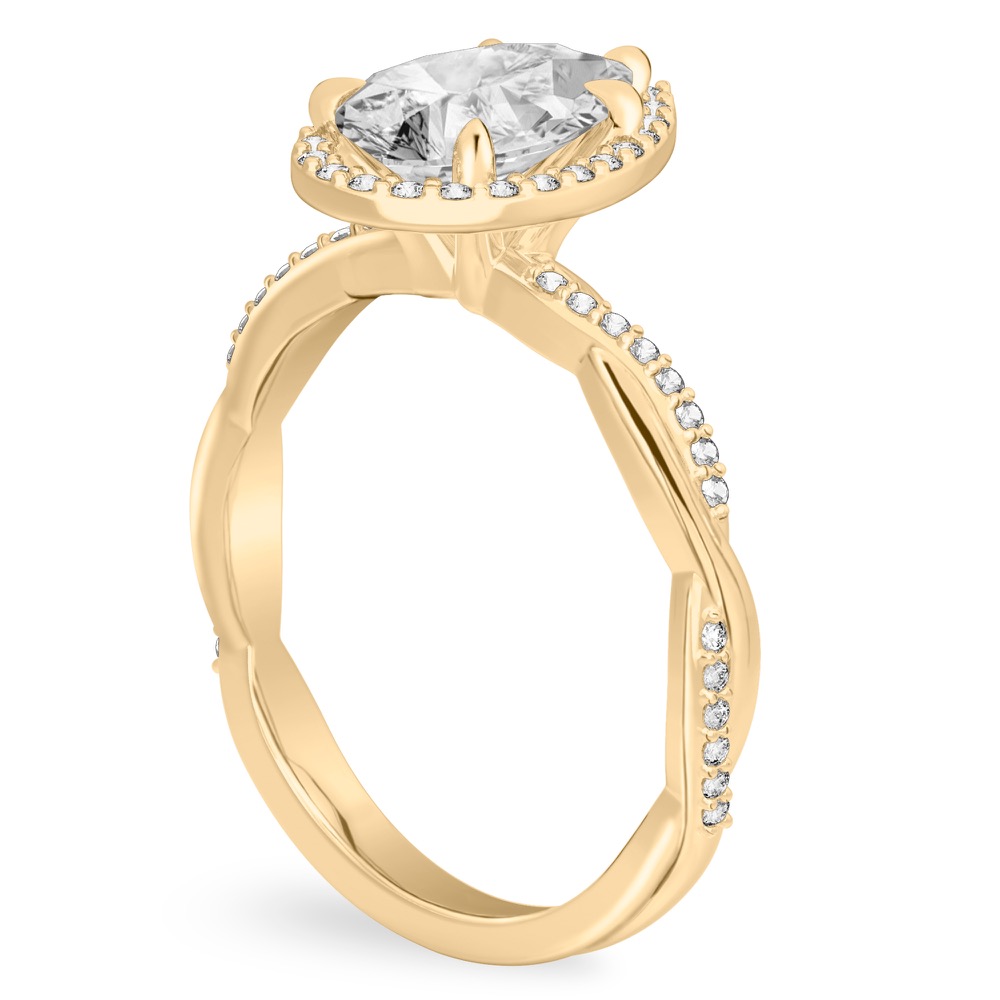
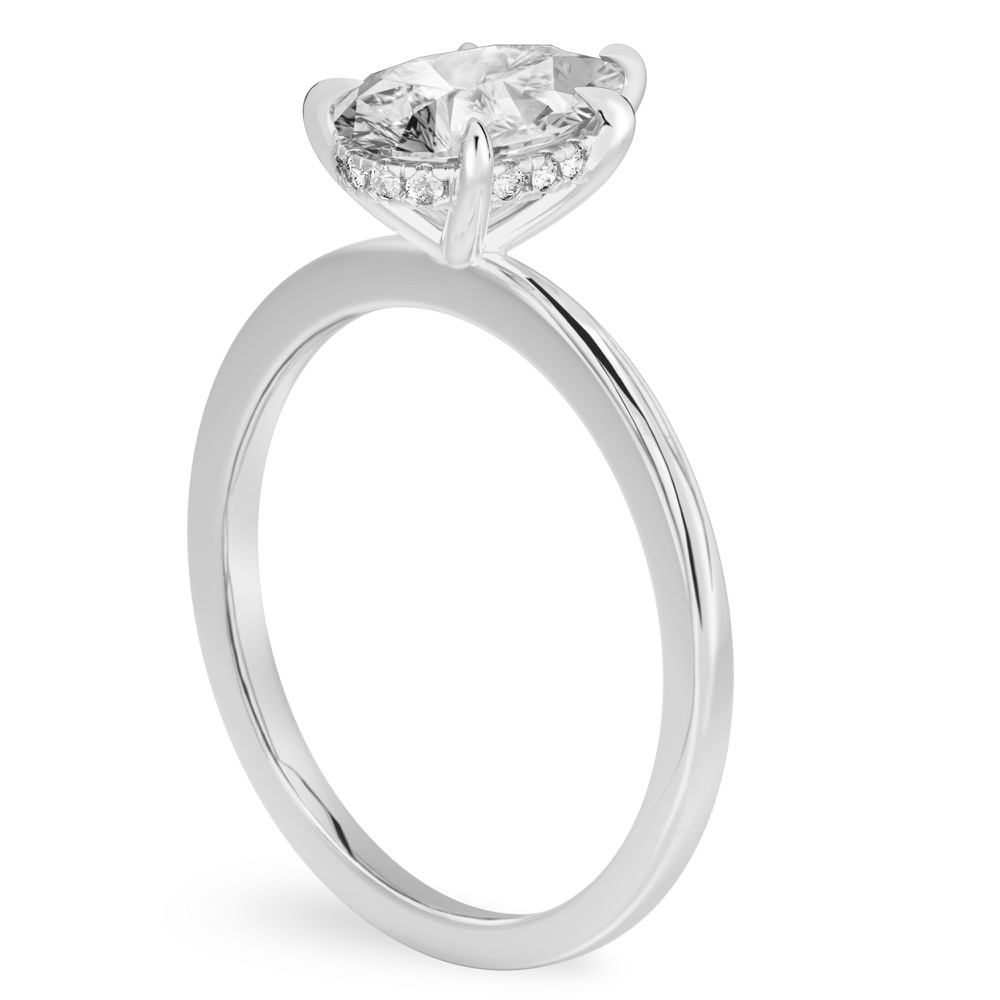
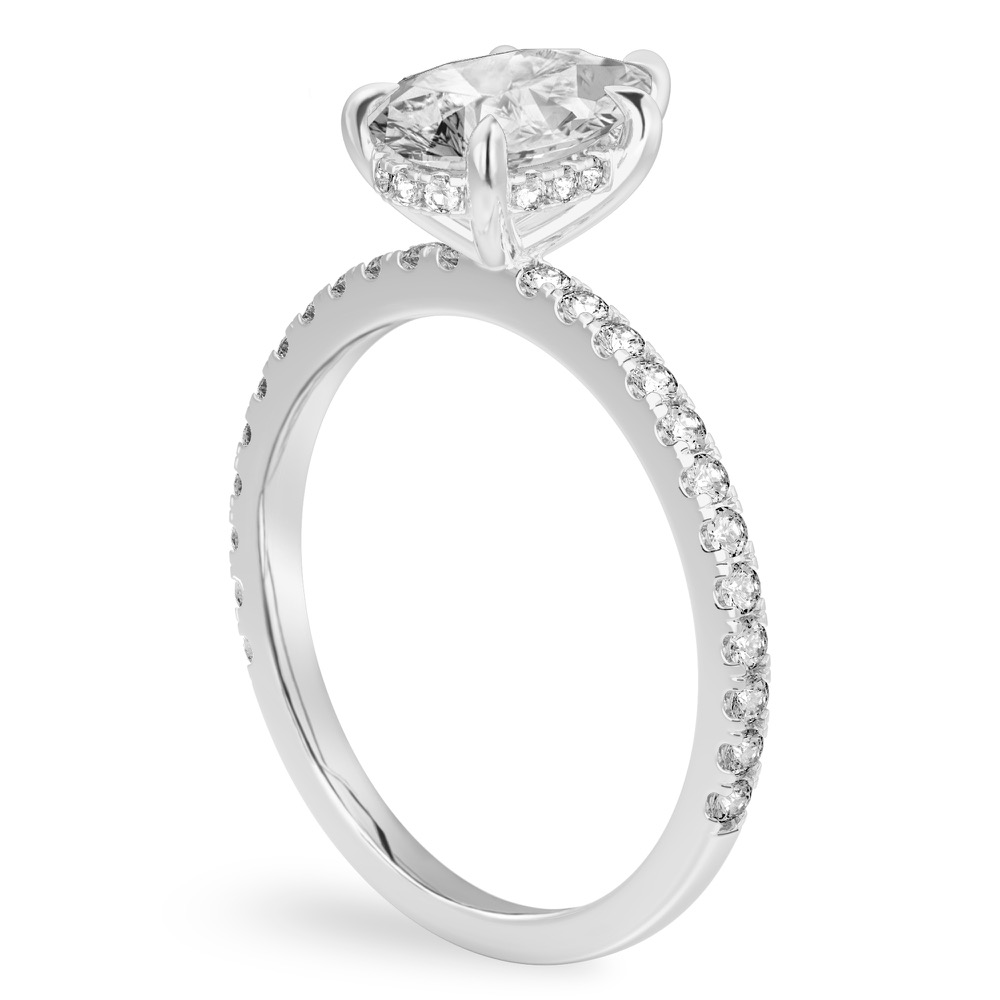
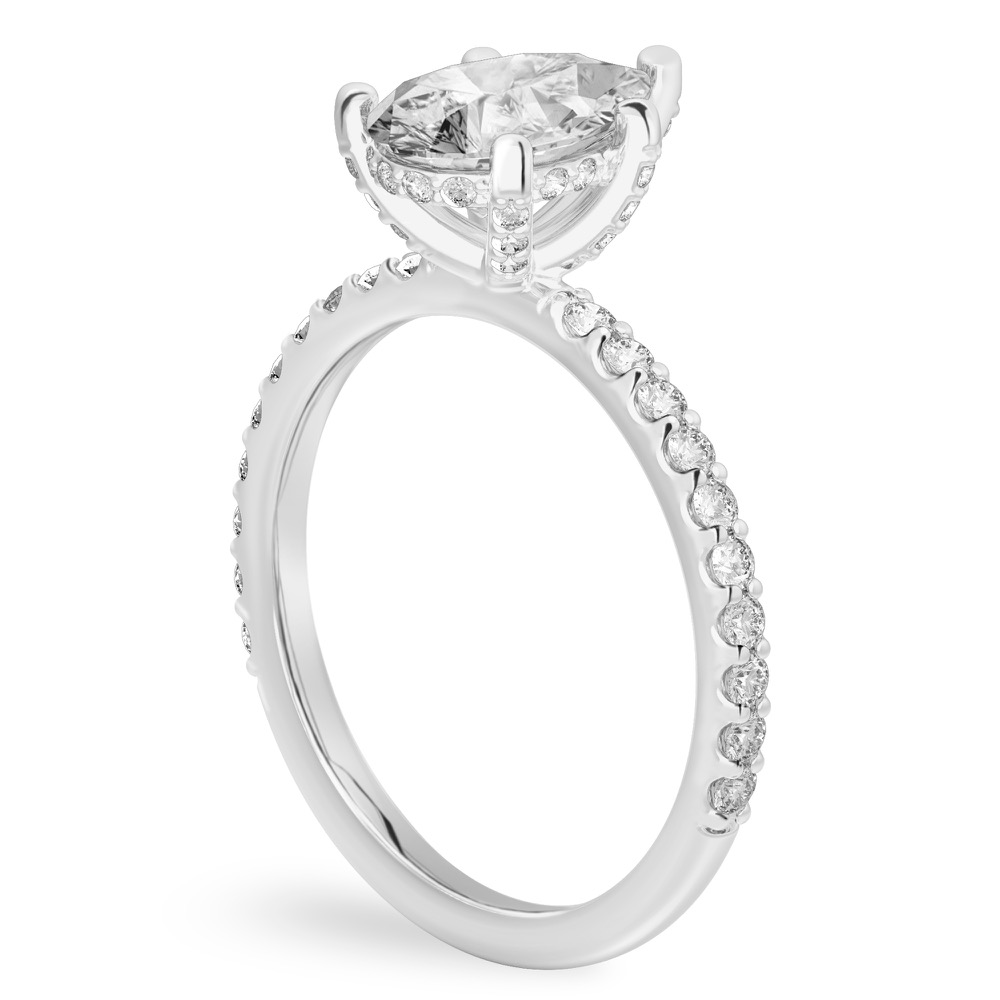
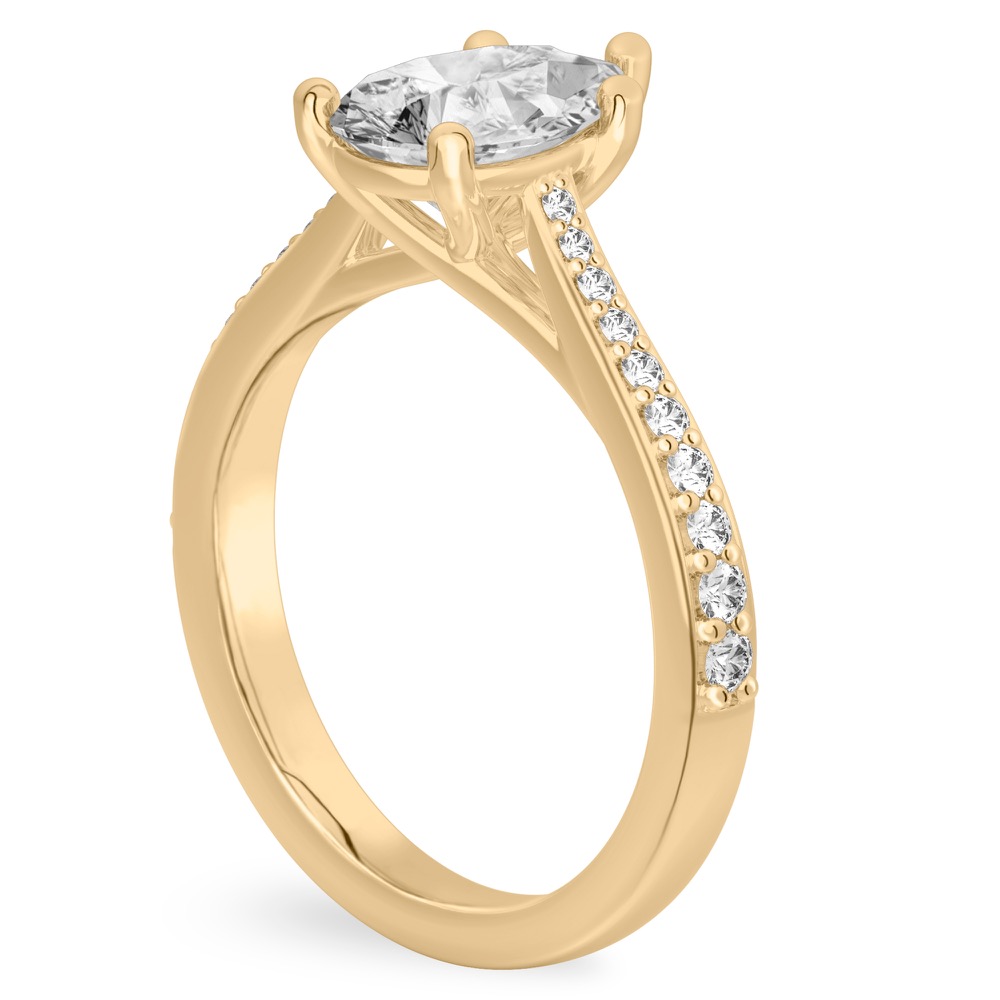
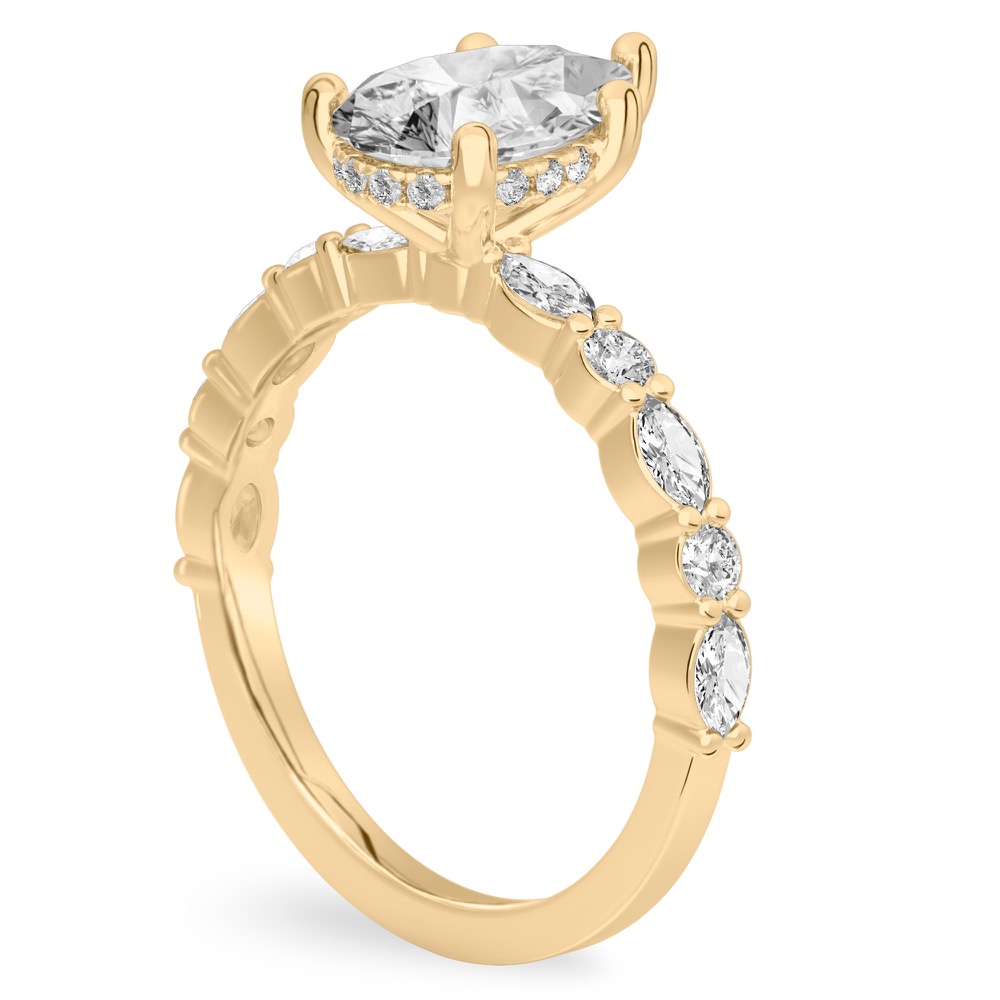
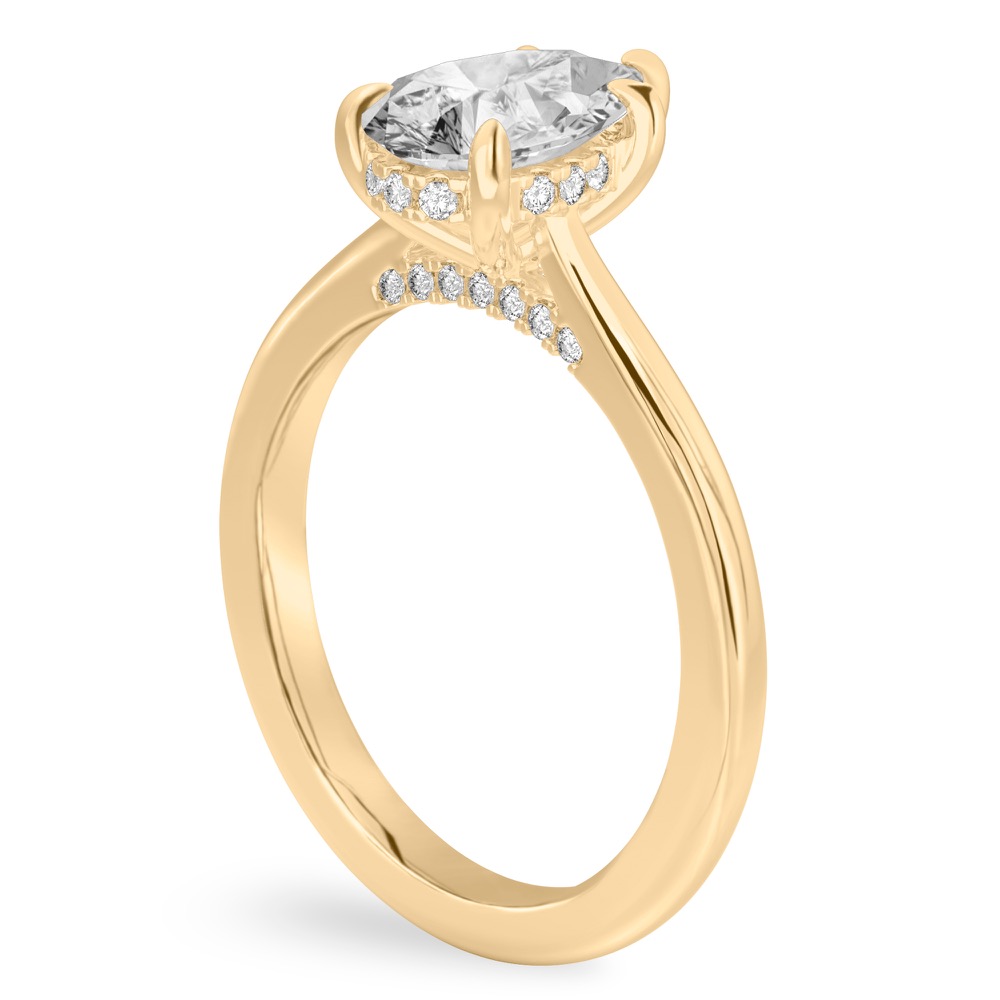
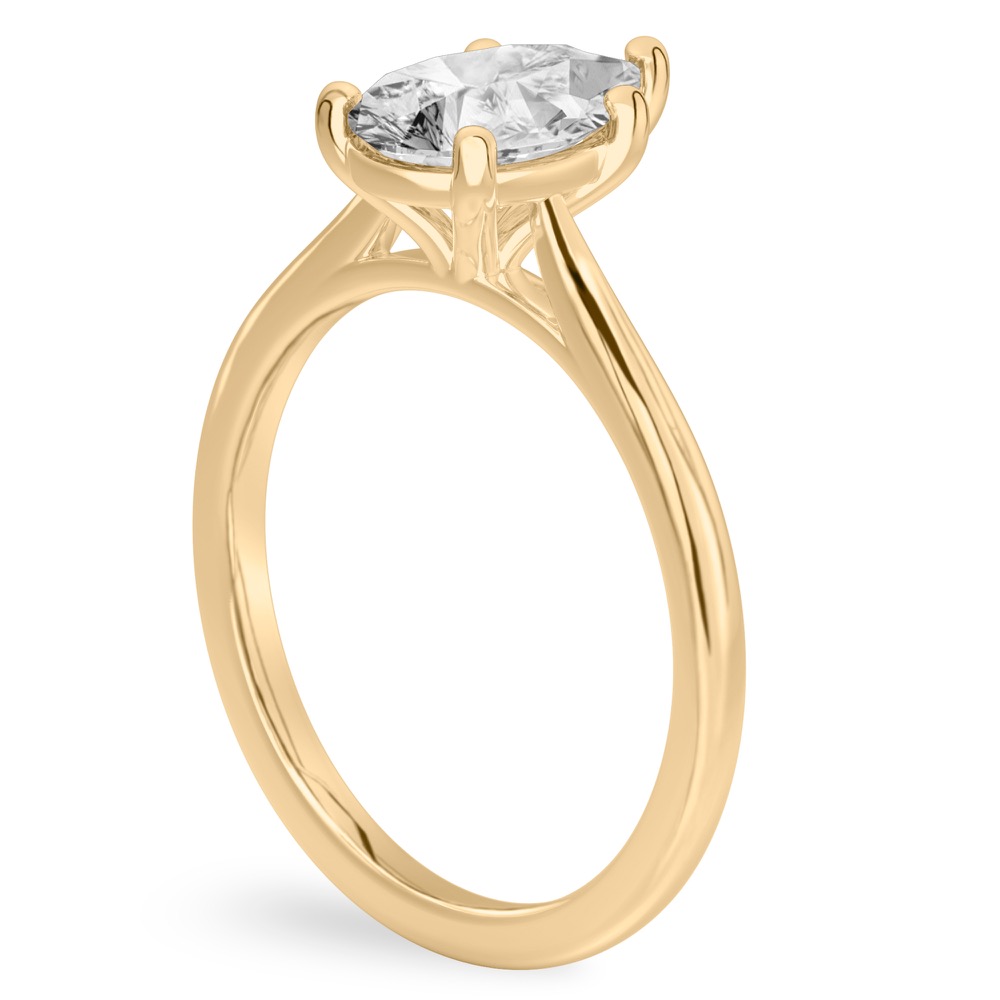
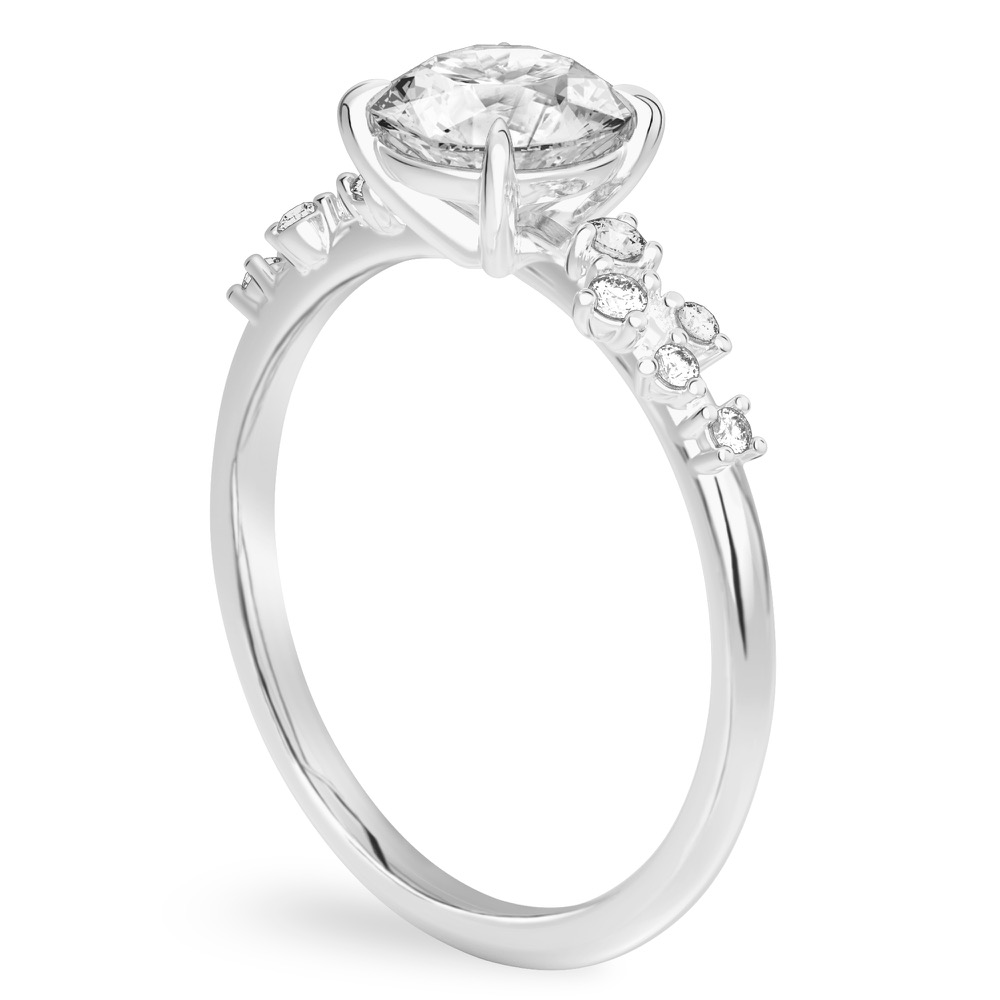
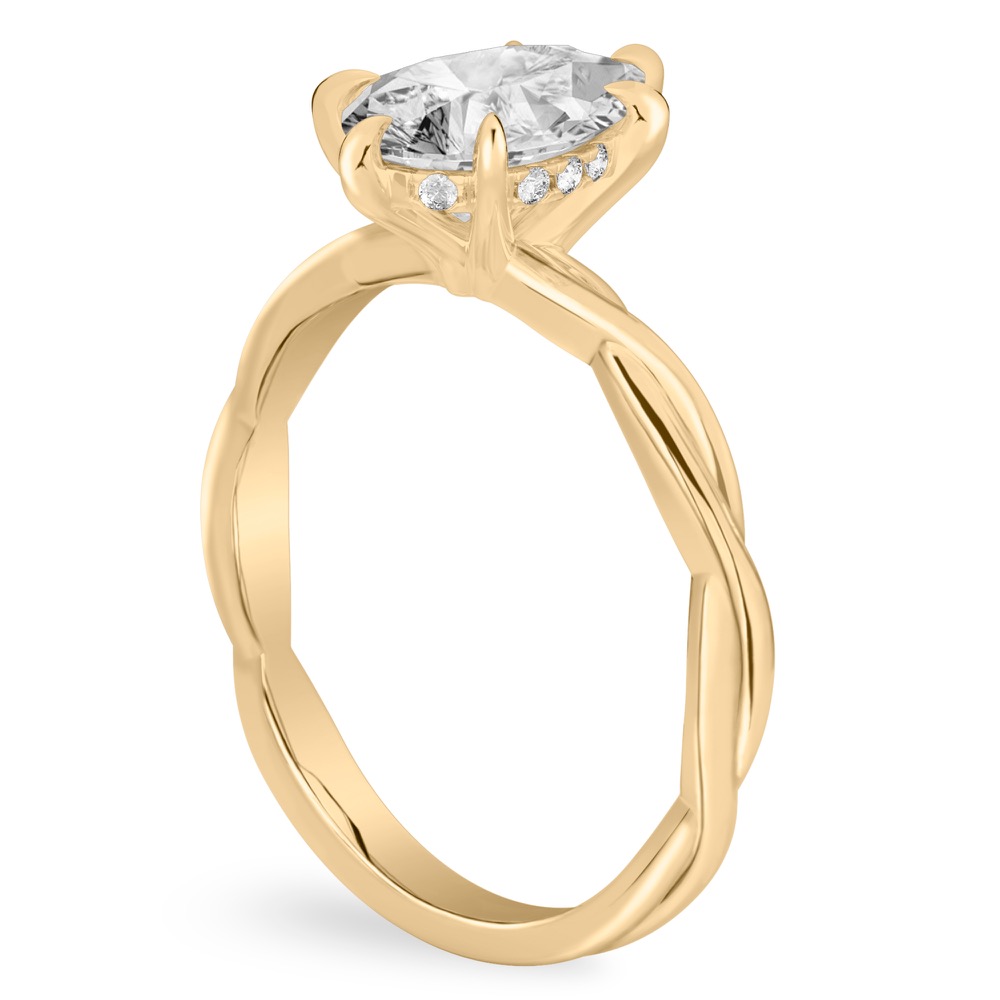
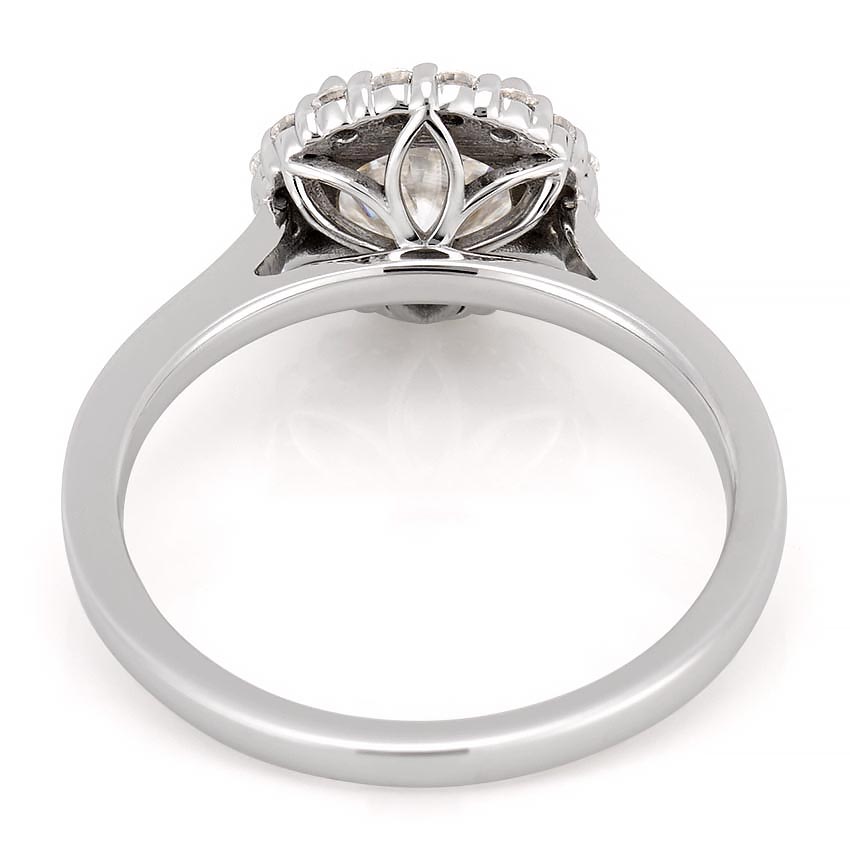
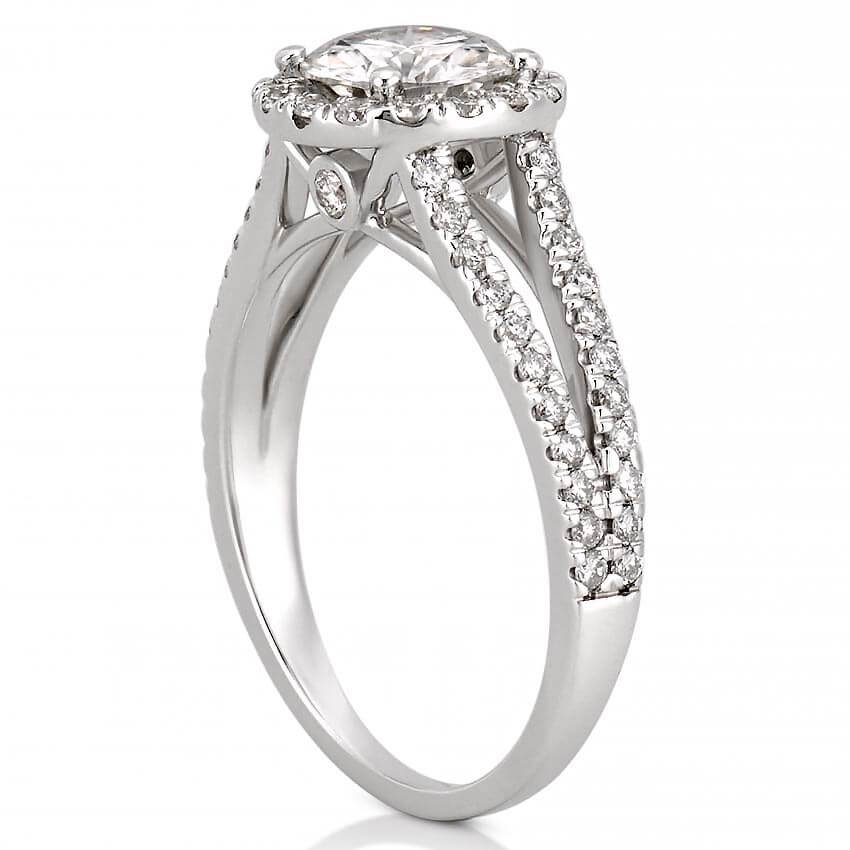
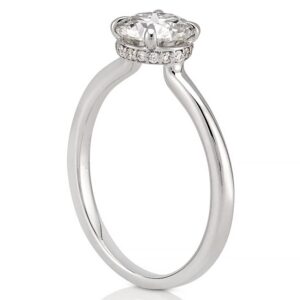
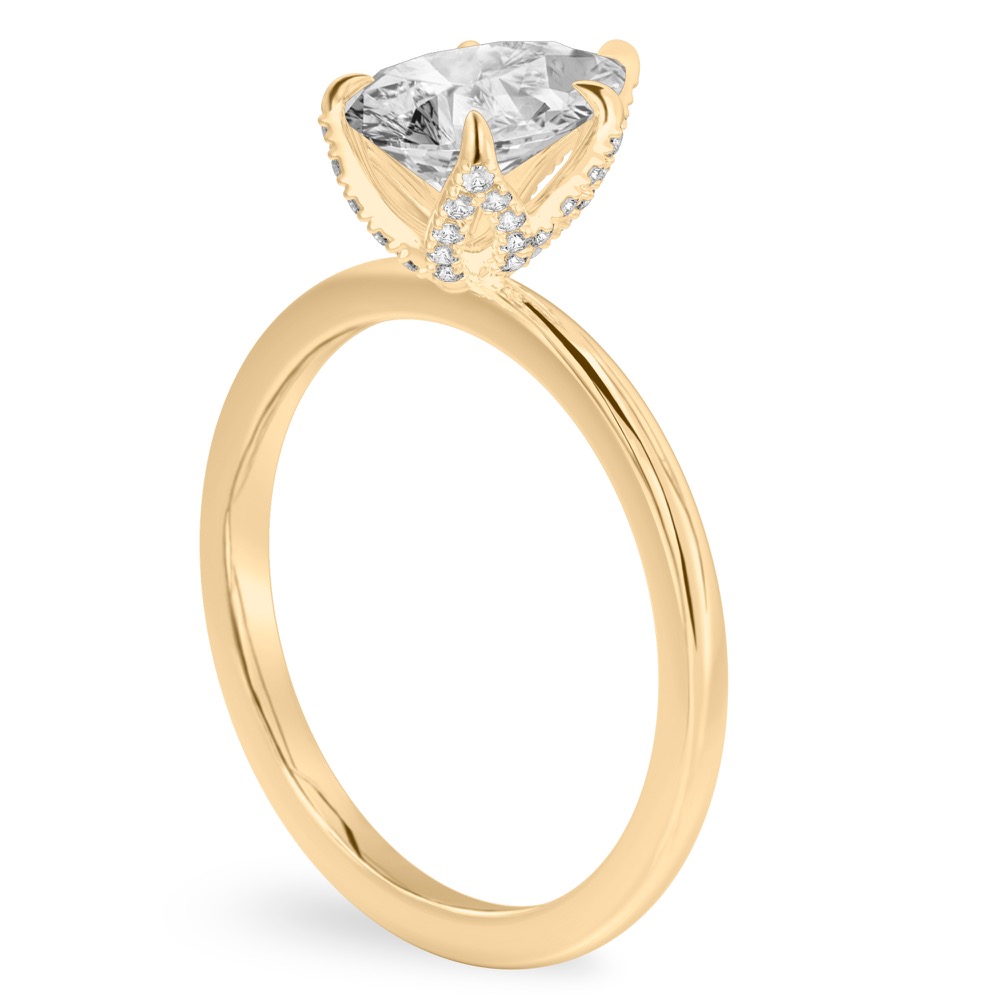
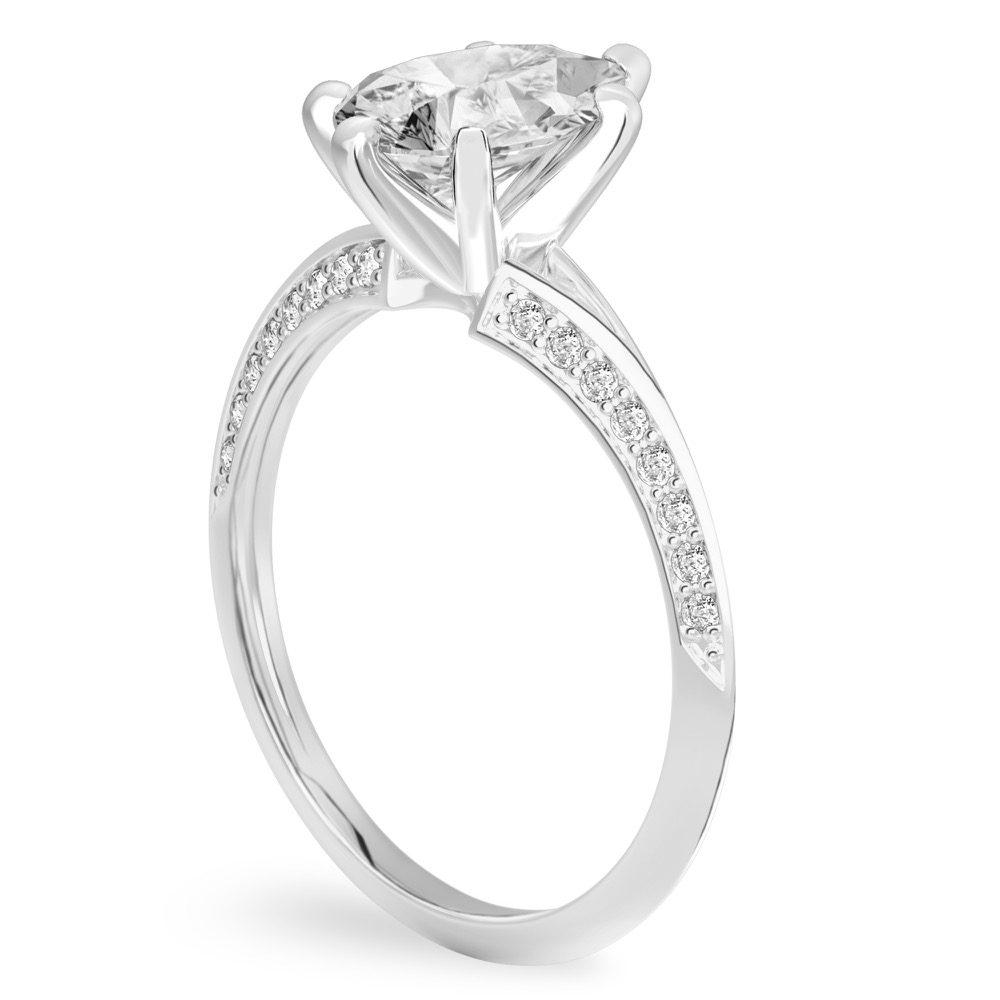
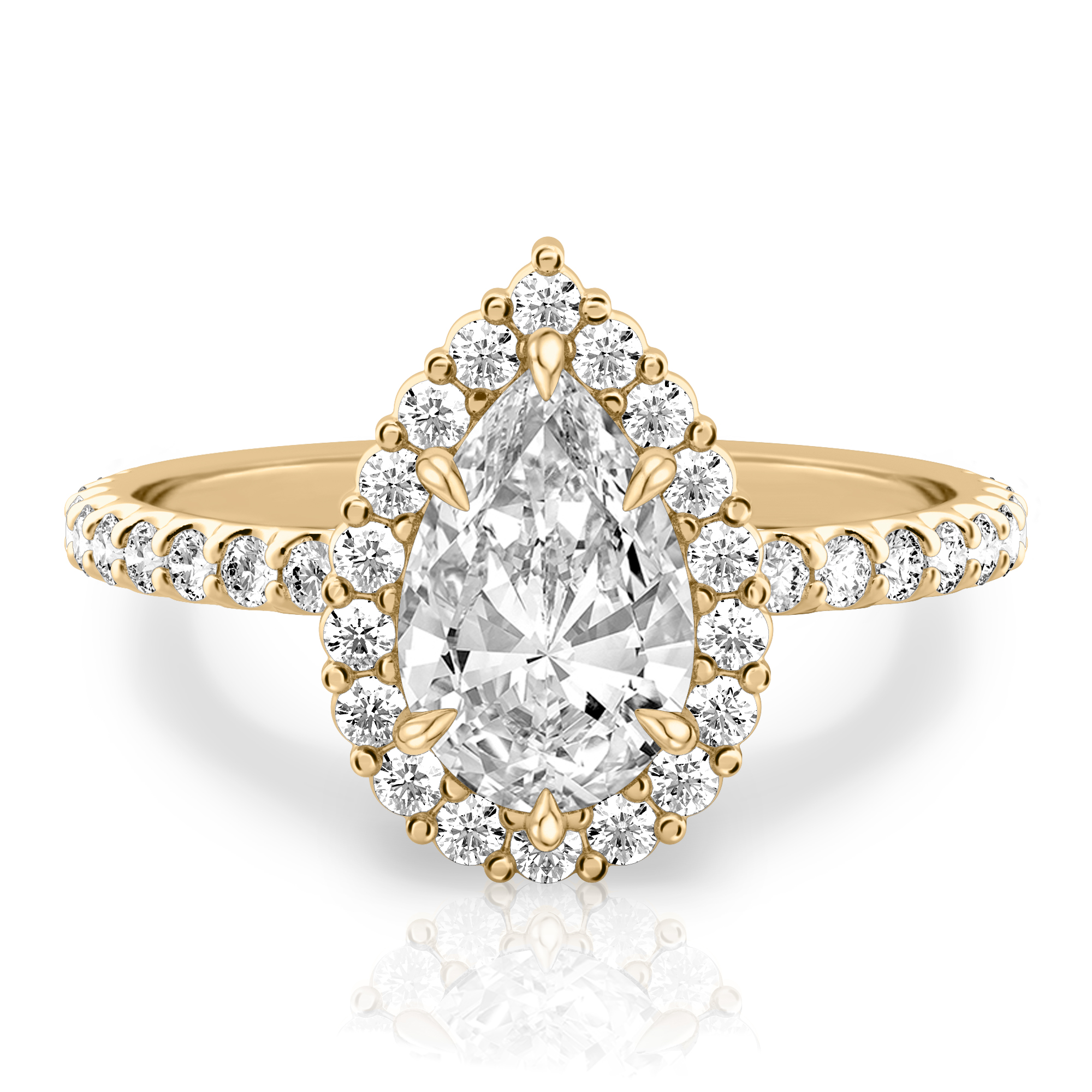
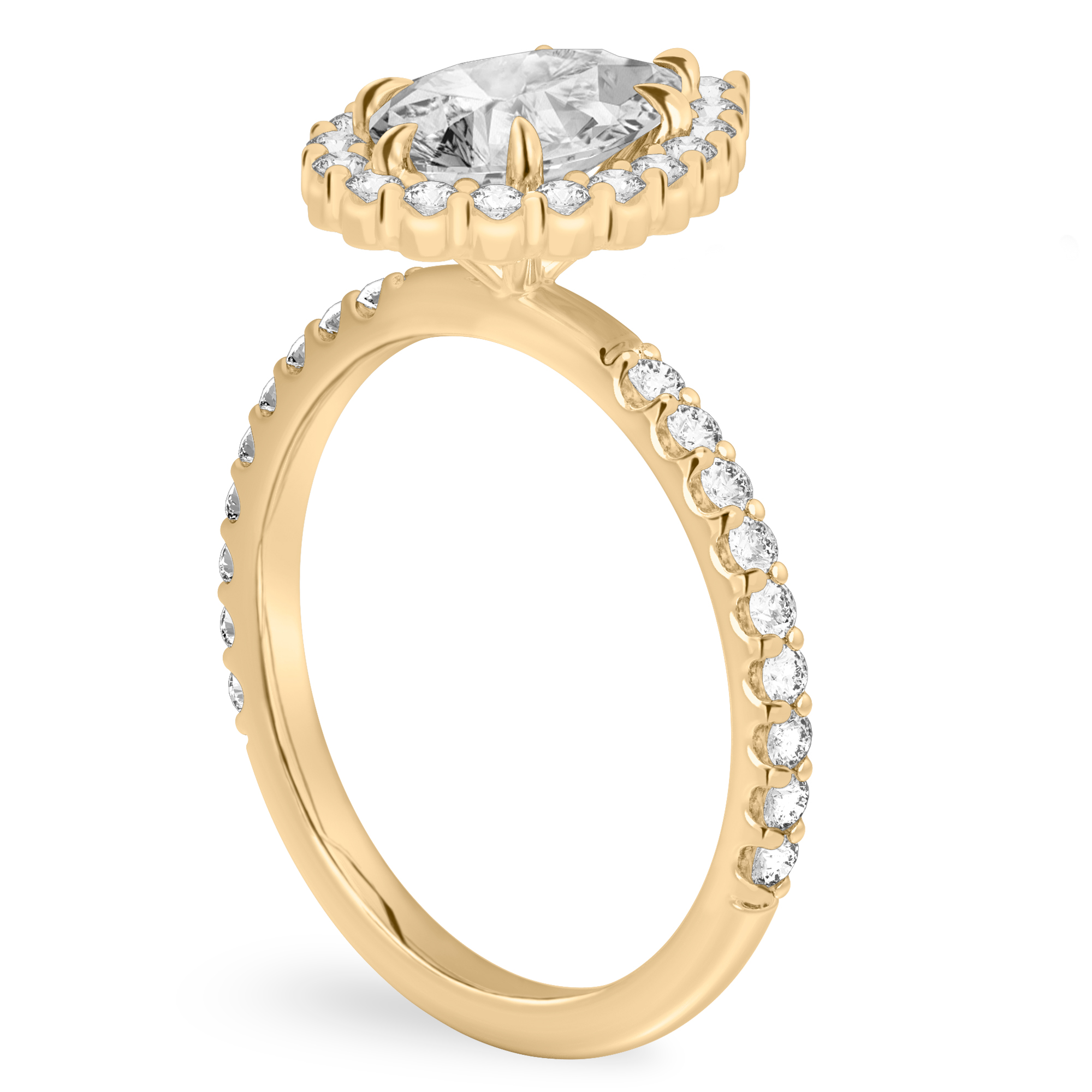
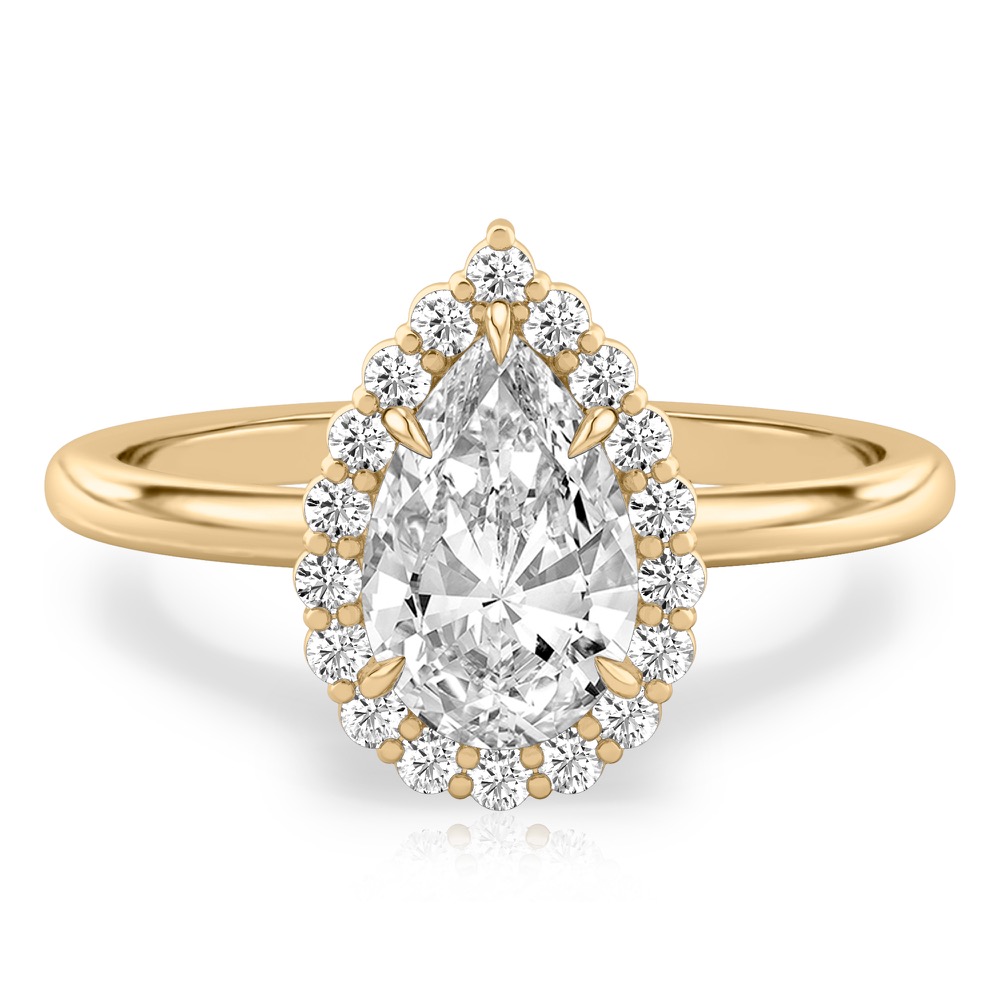
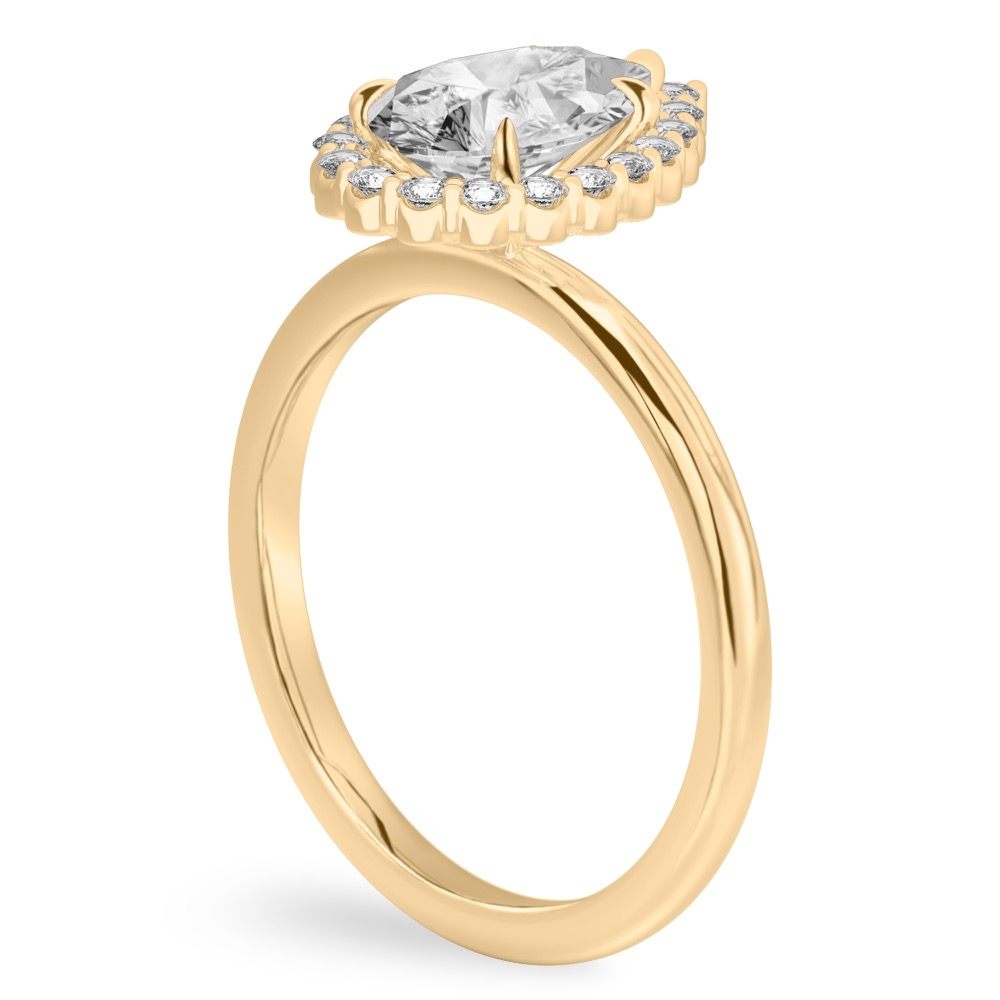
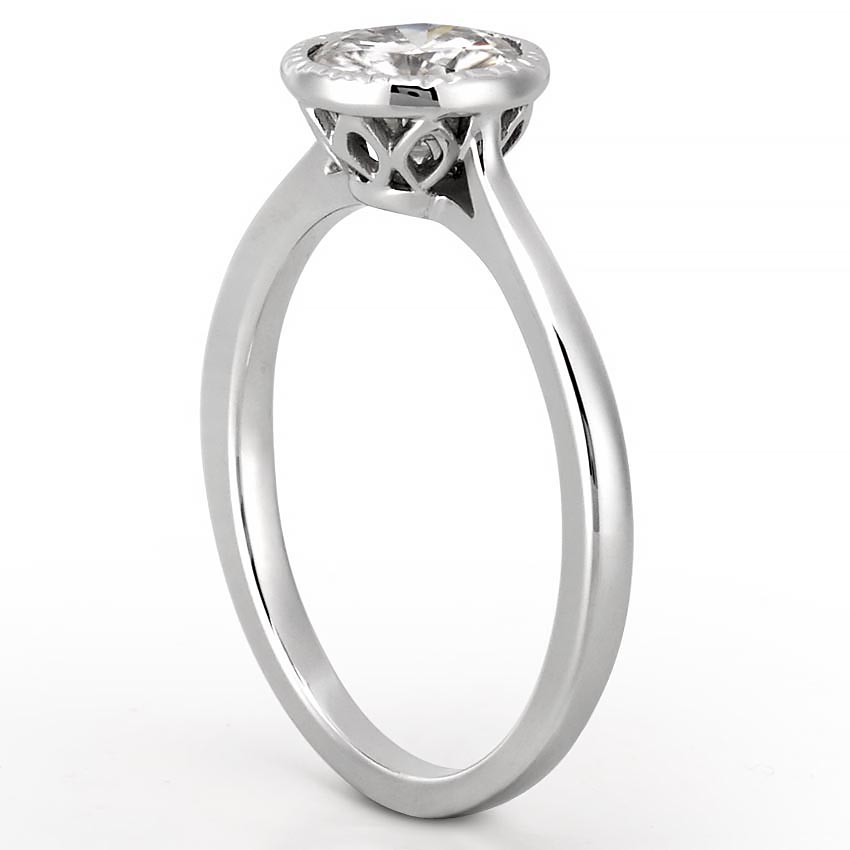
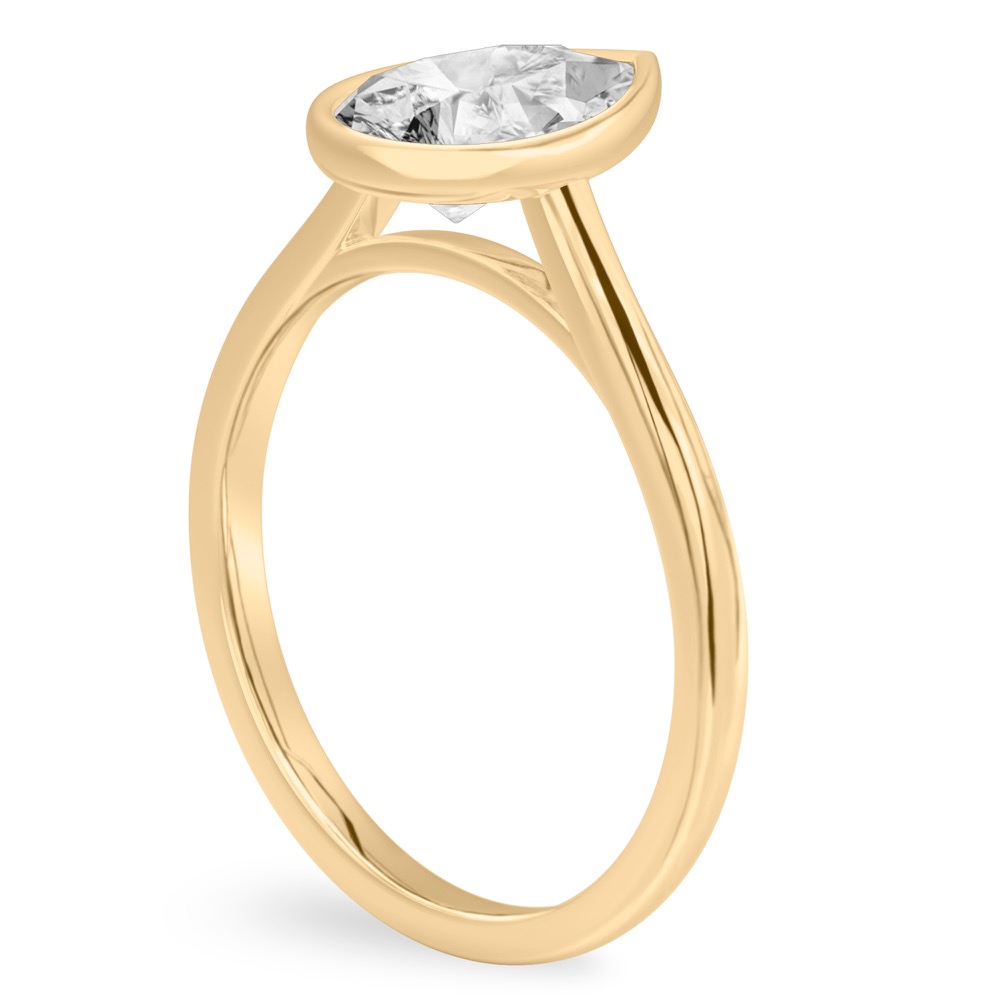
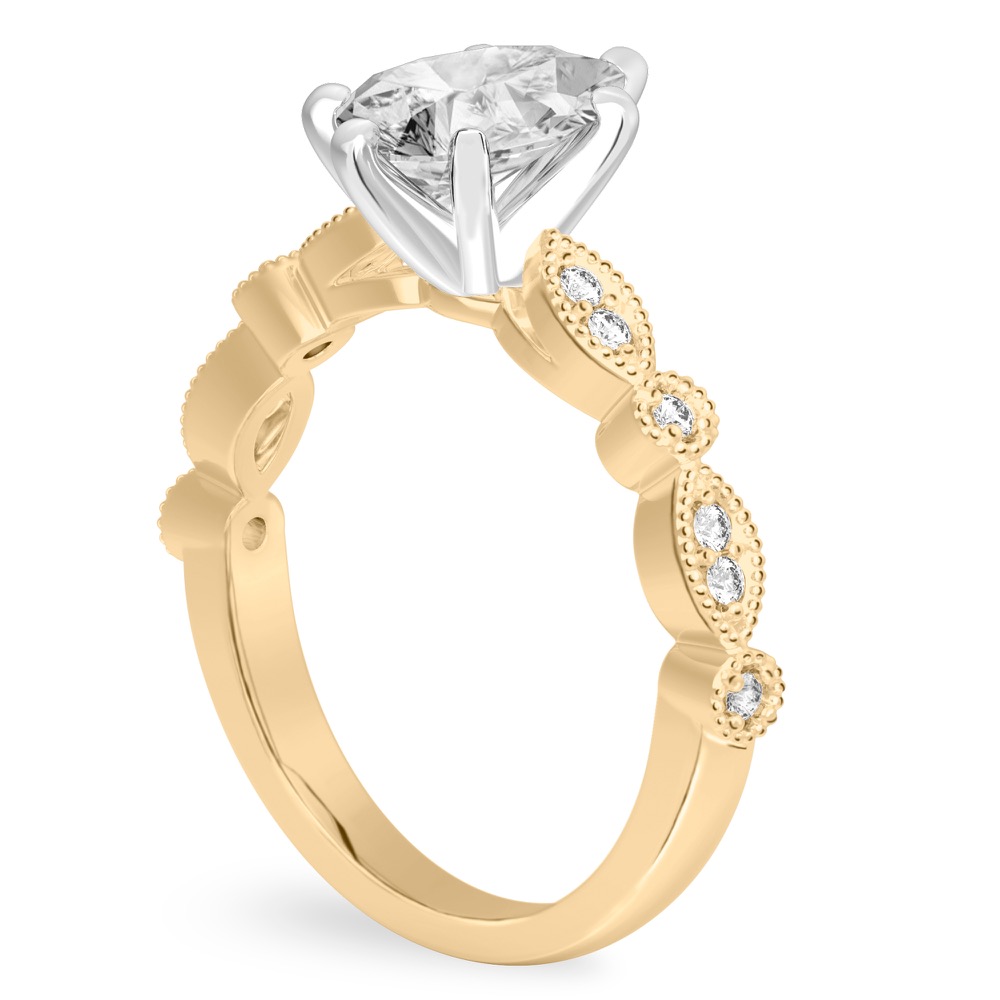
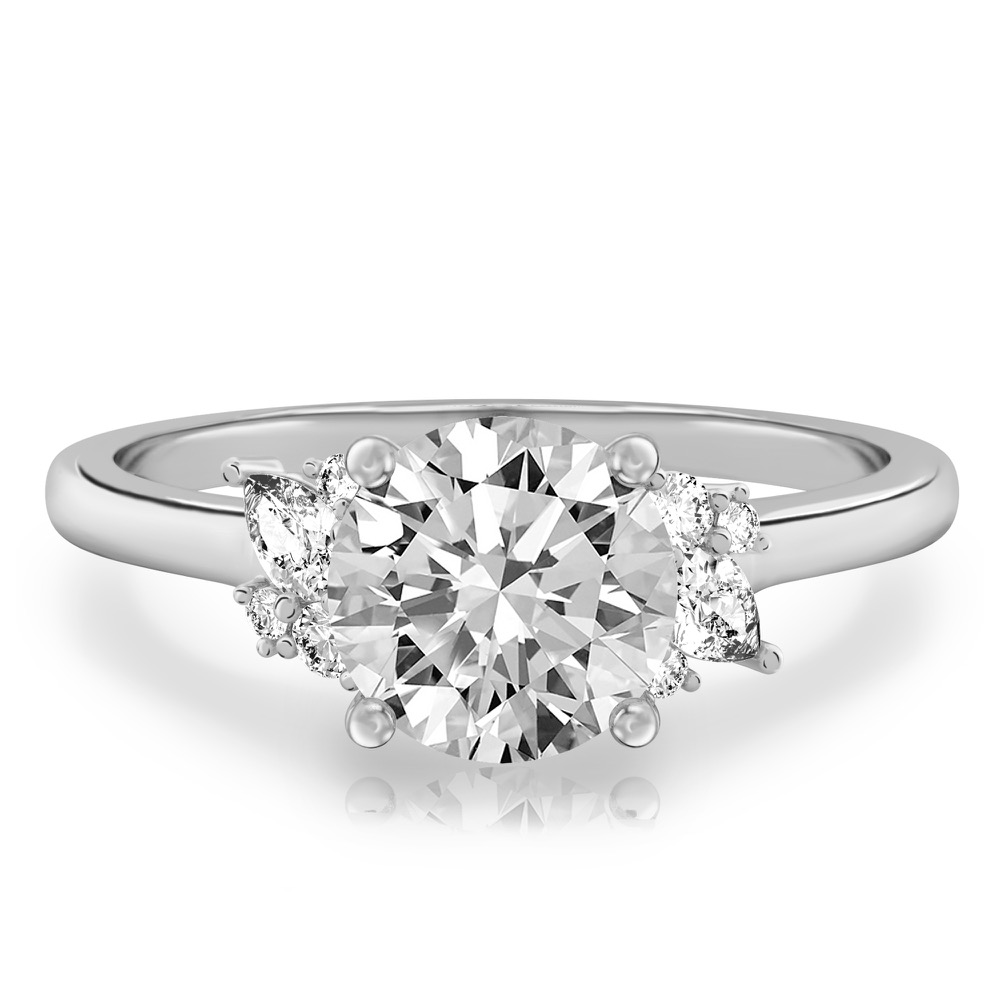
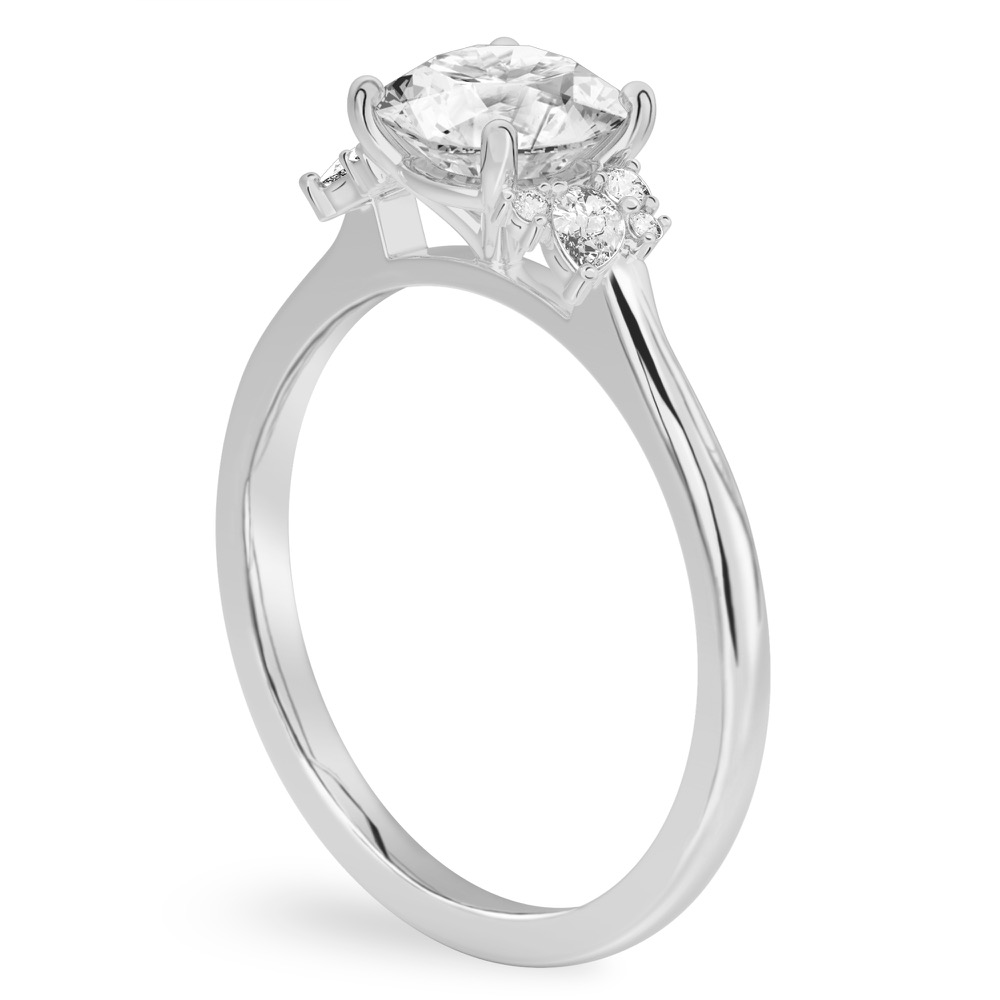
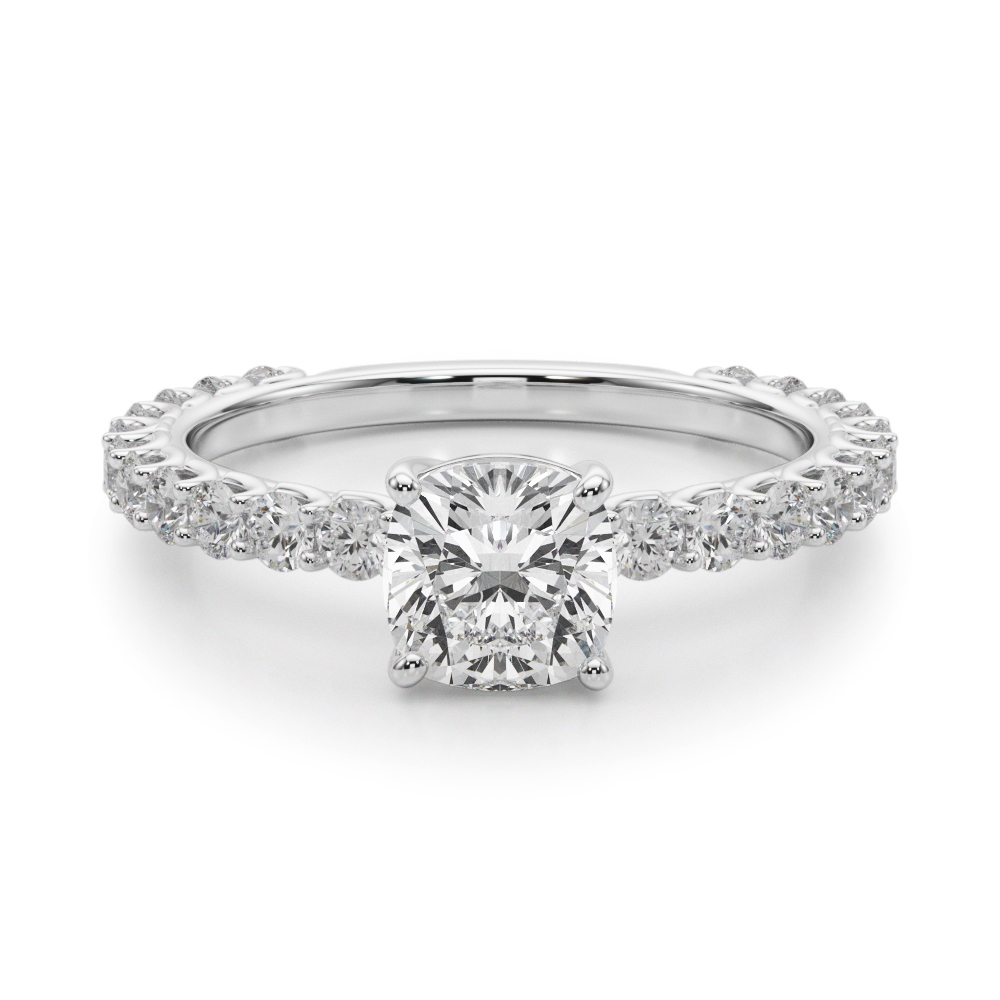
Bezel settings offer the most protection by encircling the stone in metal. Four-prong solitaires offer excellent stone visibility with reasonable protection. Halo settings add extra protection to the girdle while increasing perceived size. For stones with pointed ends like pear or princess, V-prongs over the points are essential. The right setting depends on the stone shape and the wearer's lifestyle. Sitting just above the current average, 2 carats strikes a balance between making a statement and maintaining everyday wearability.
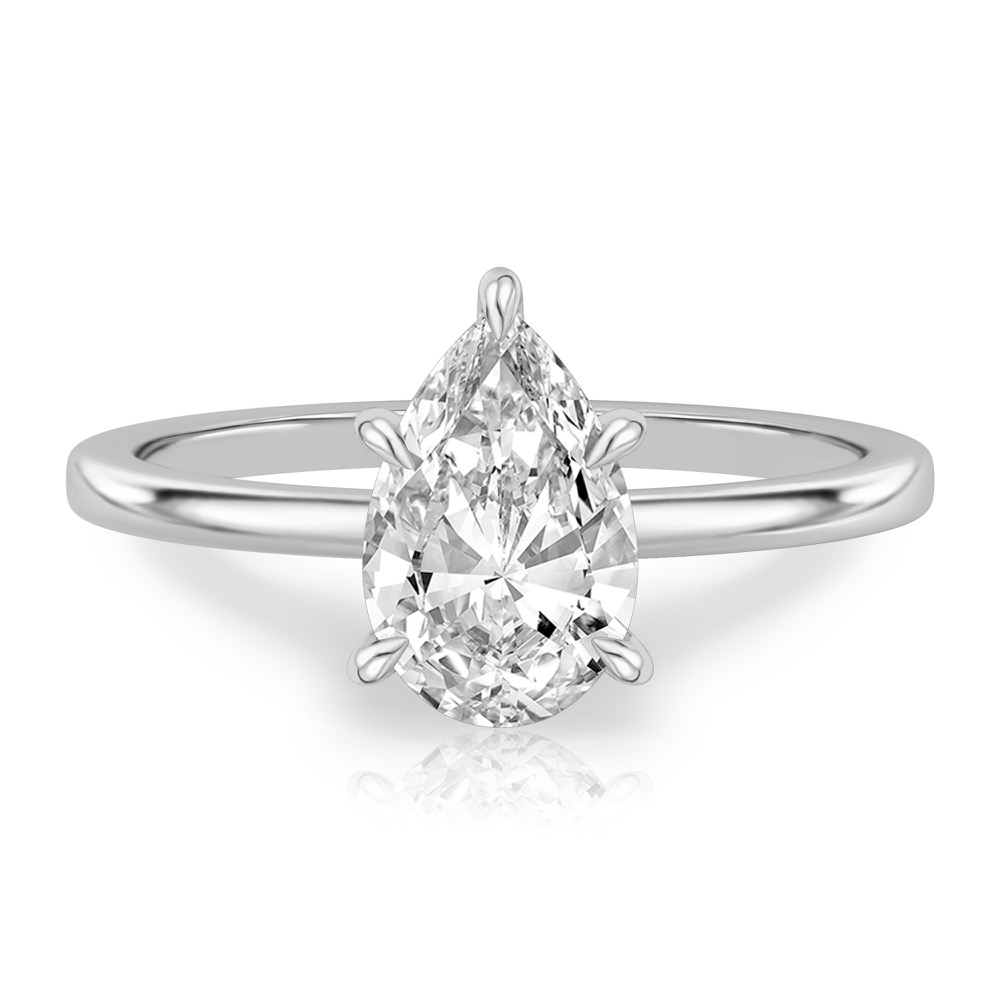
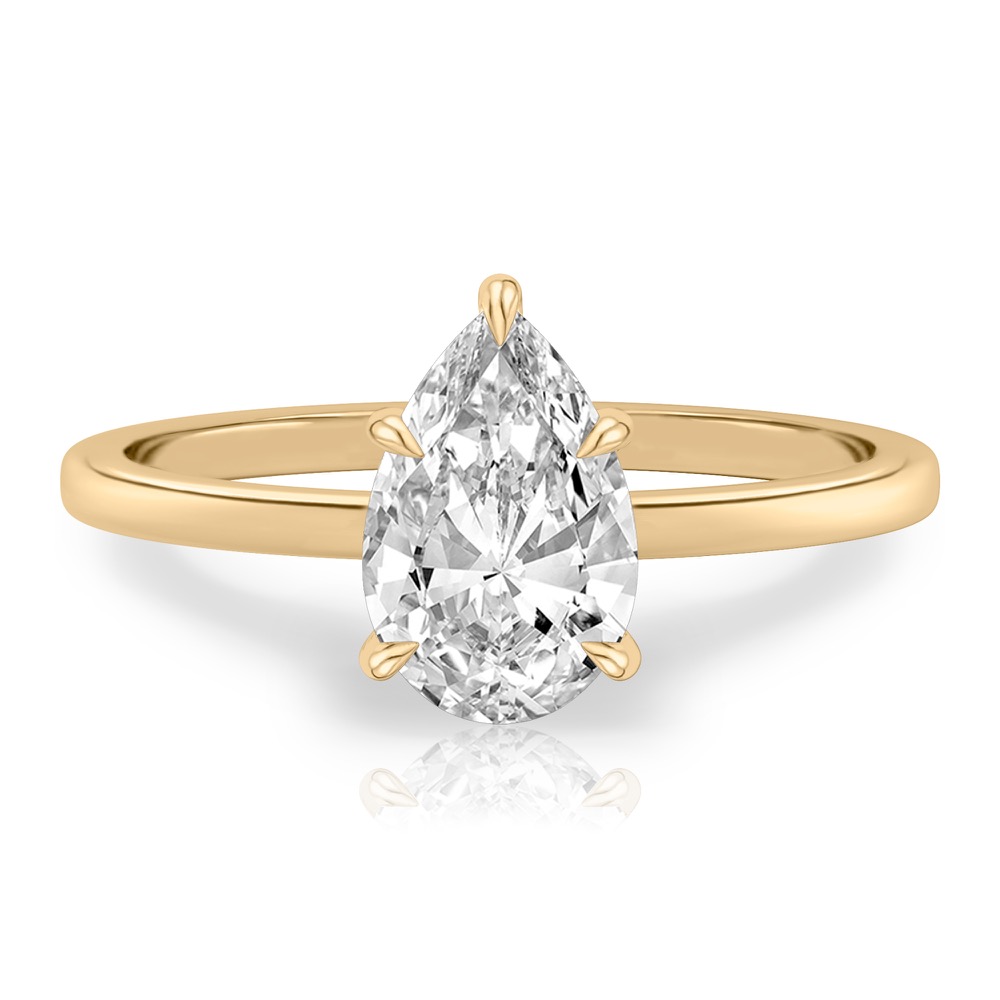
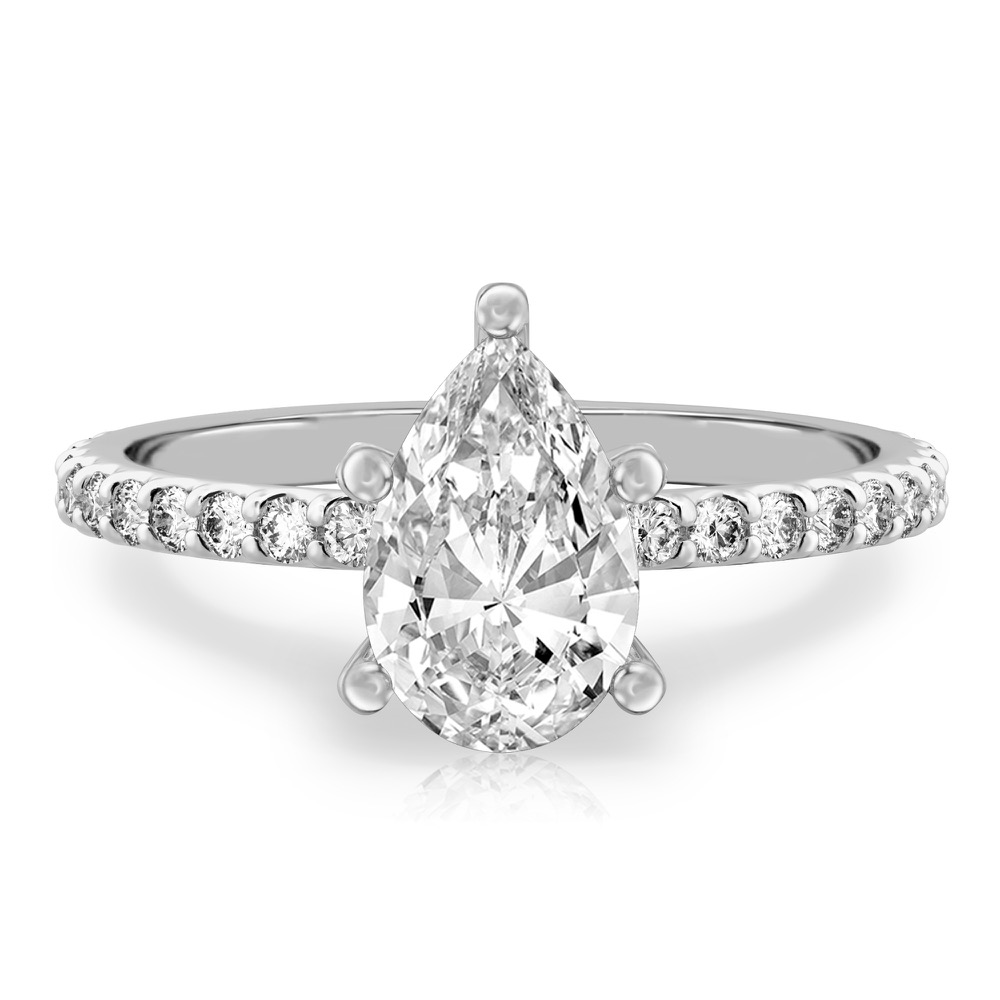
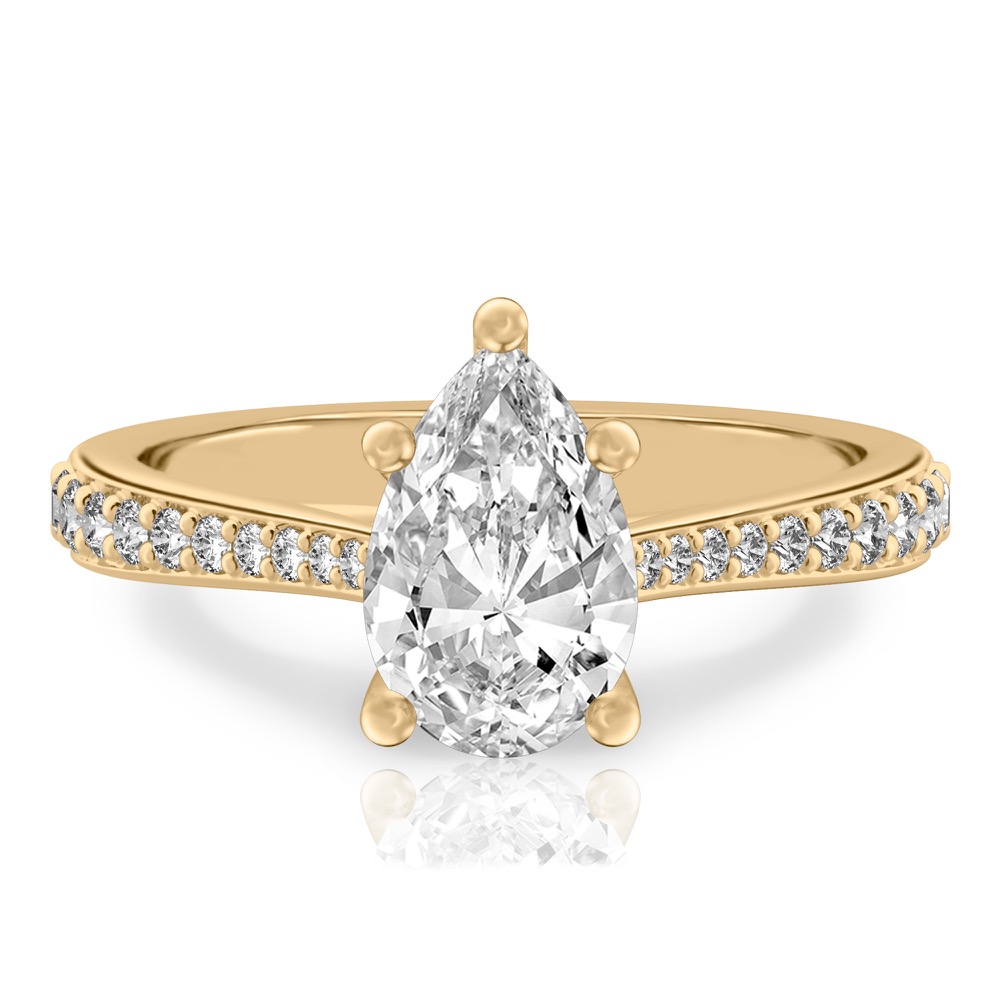
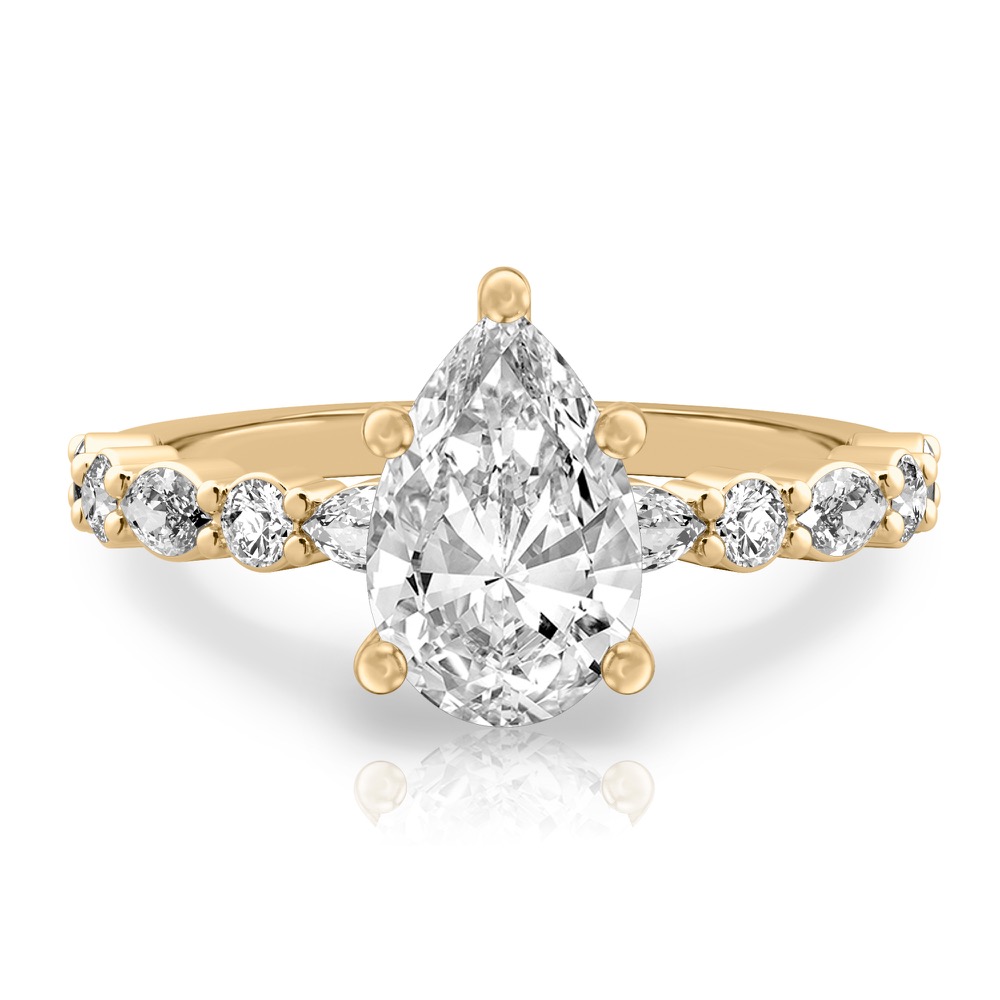
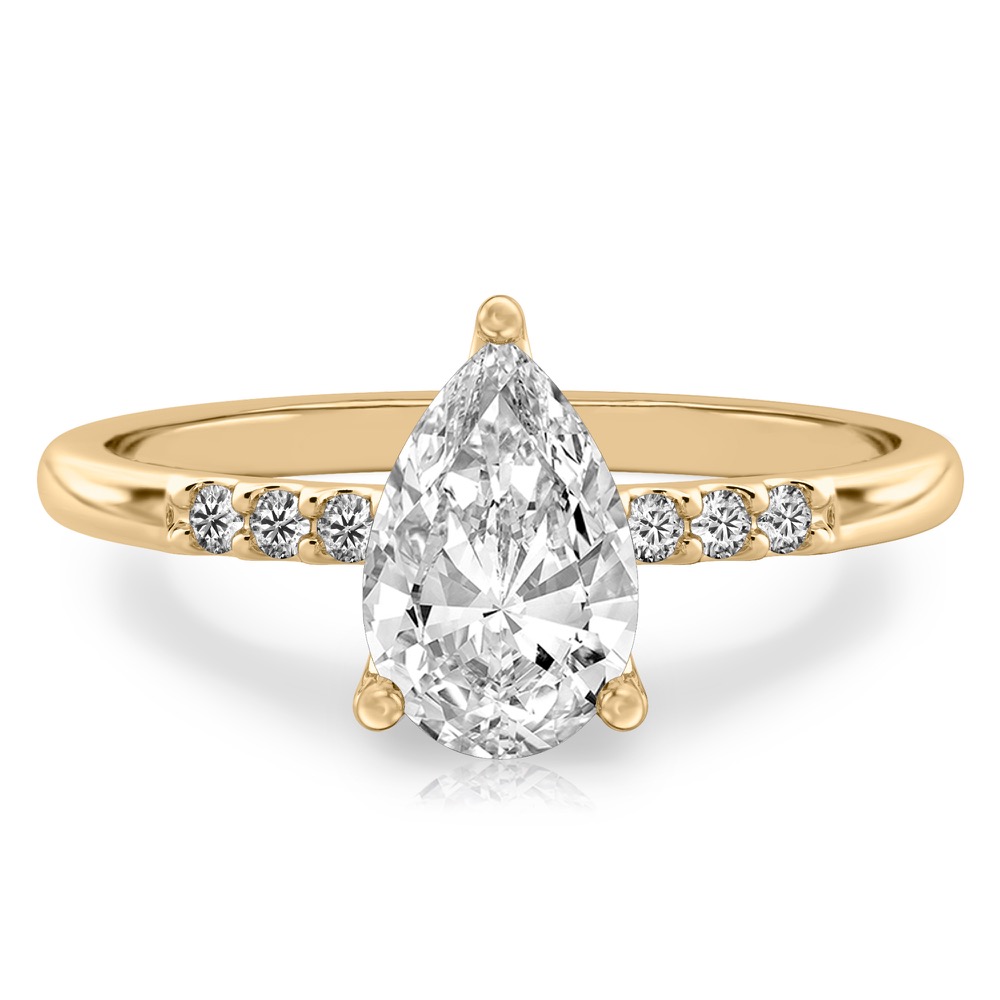
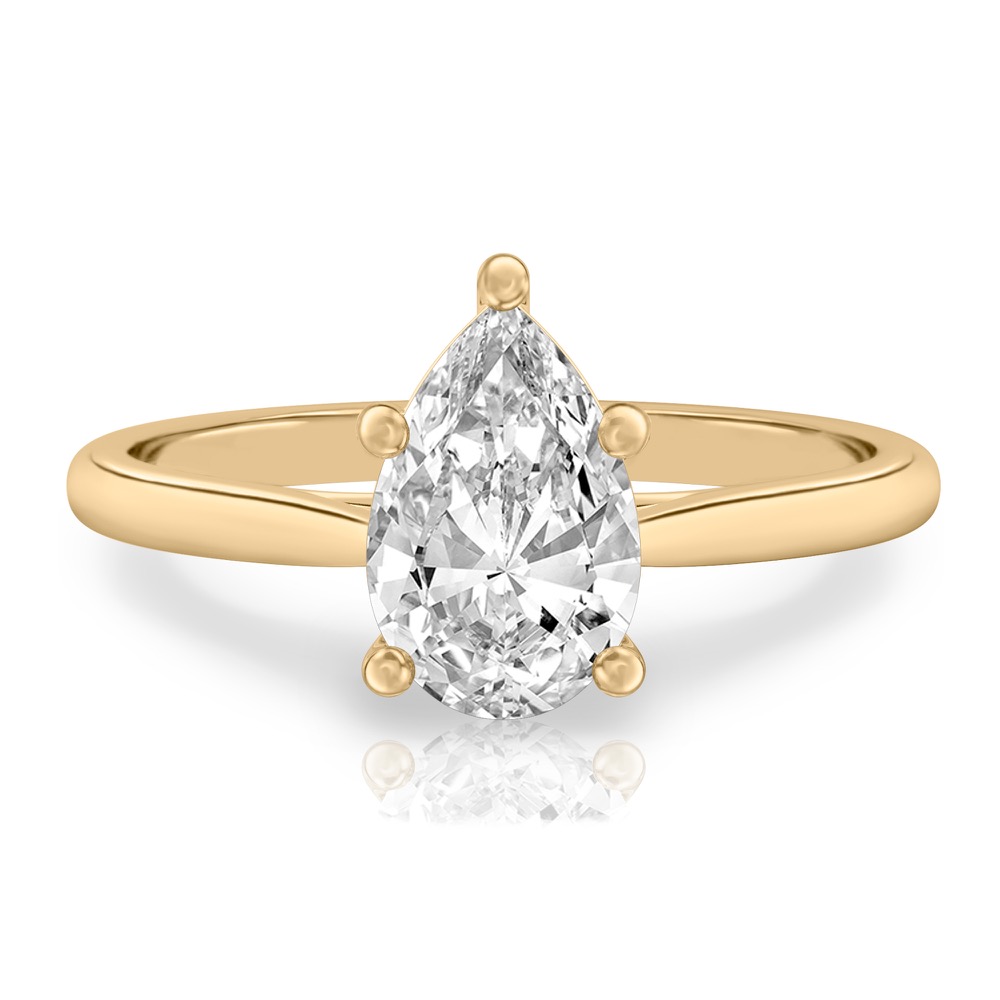
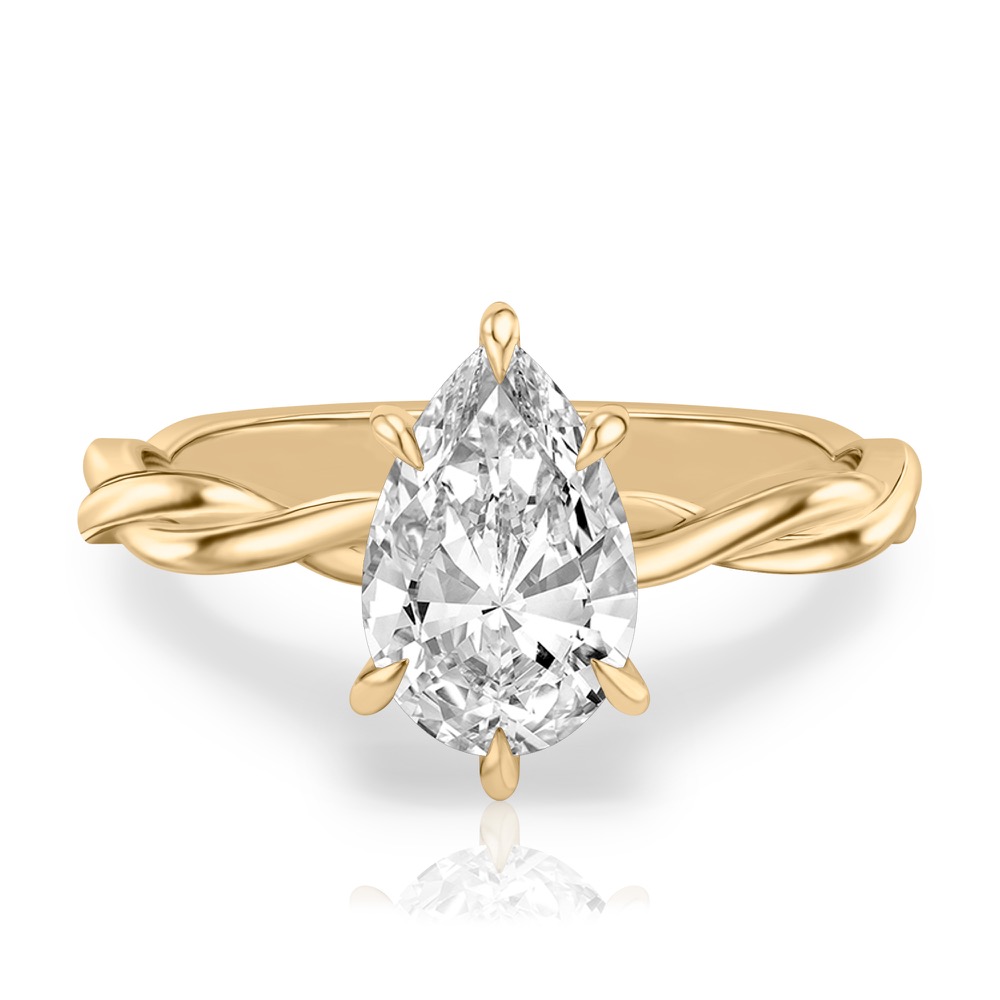
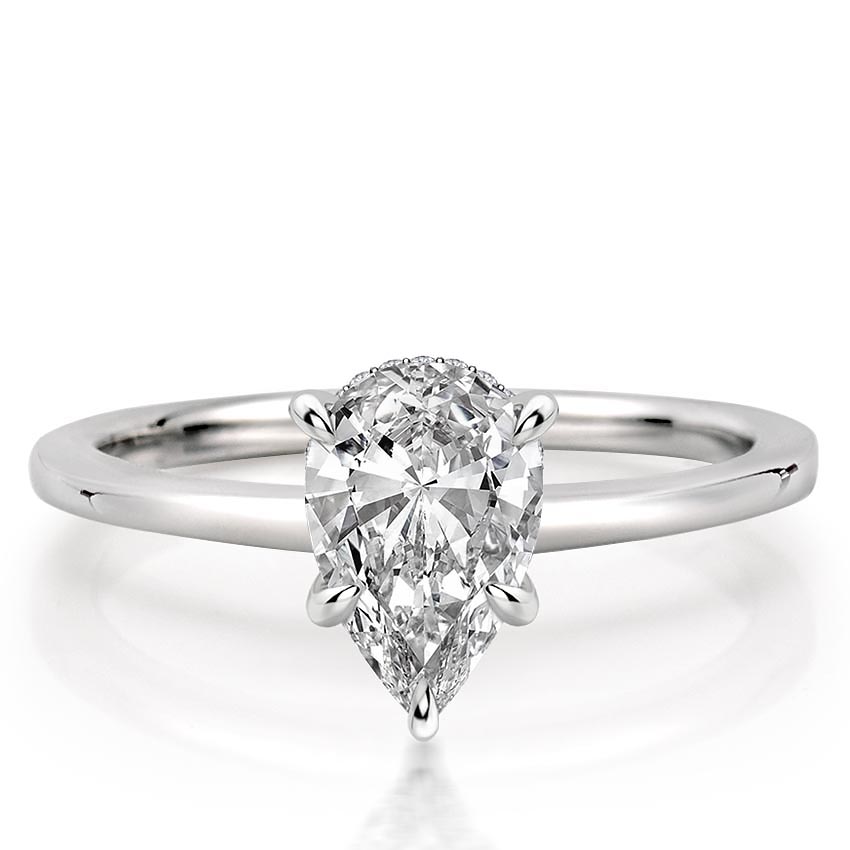
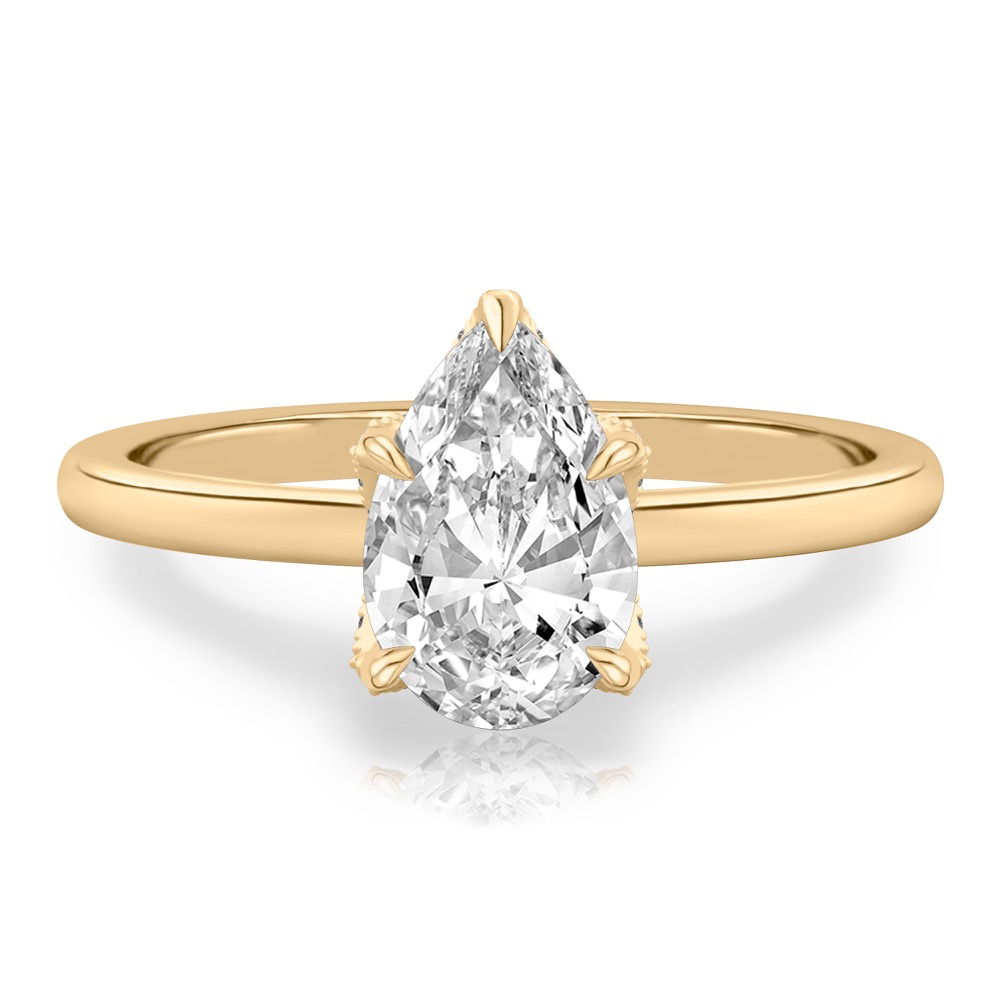
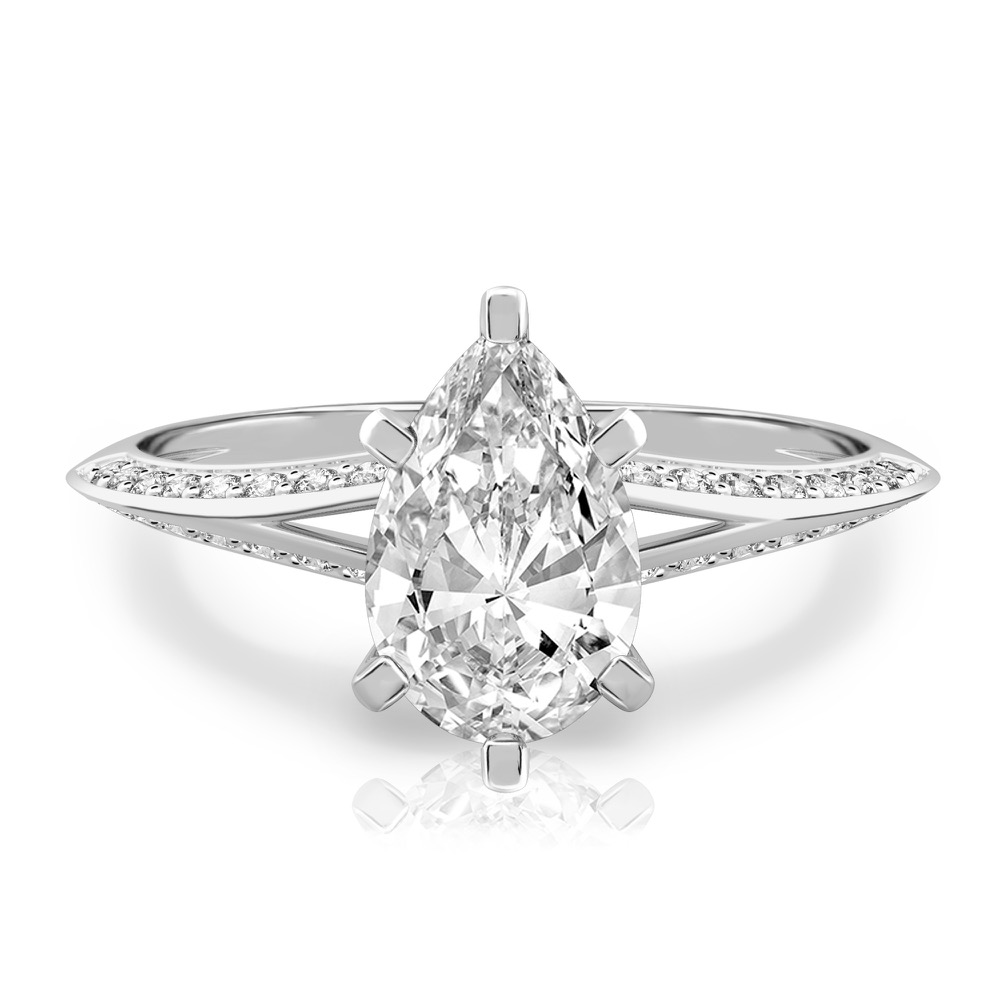
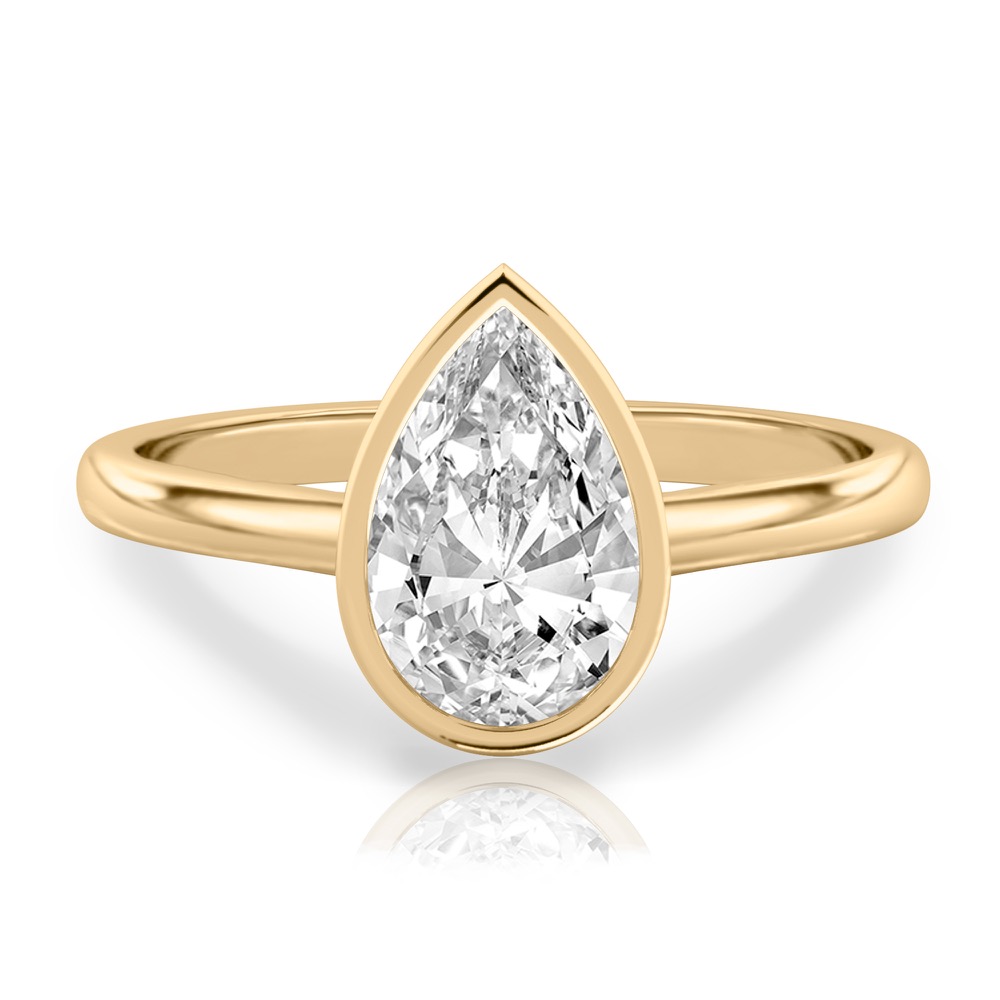
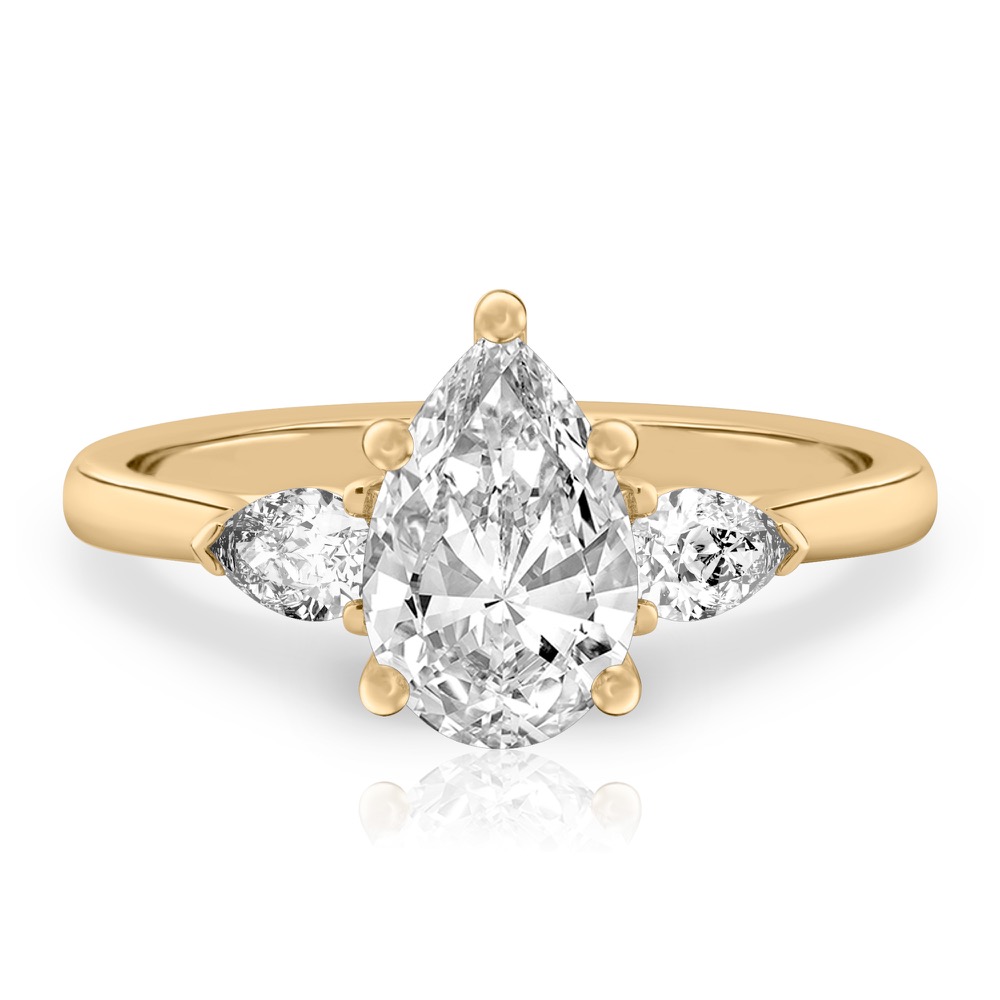
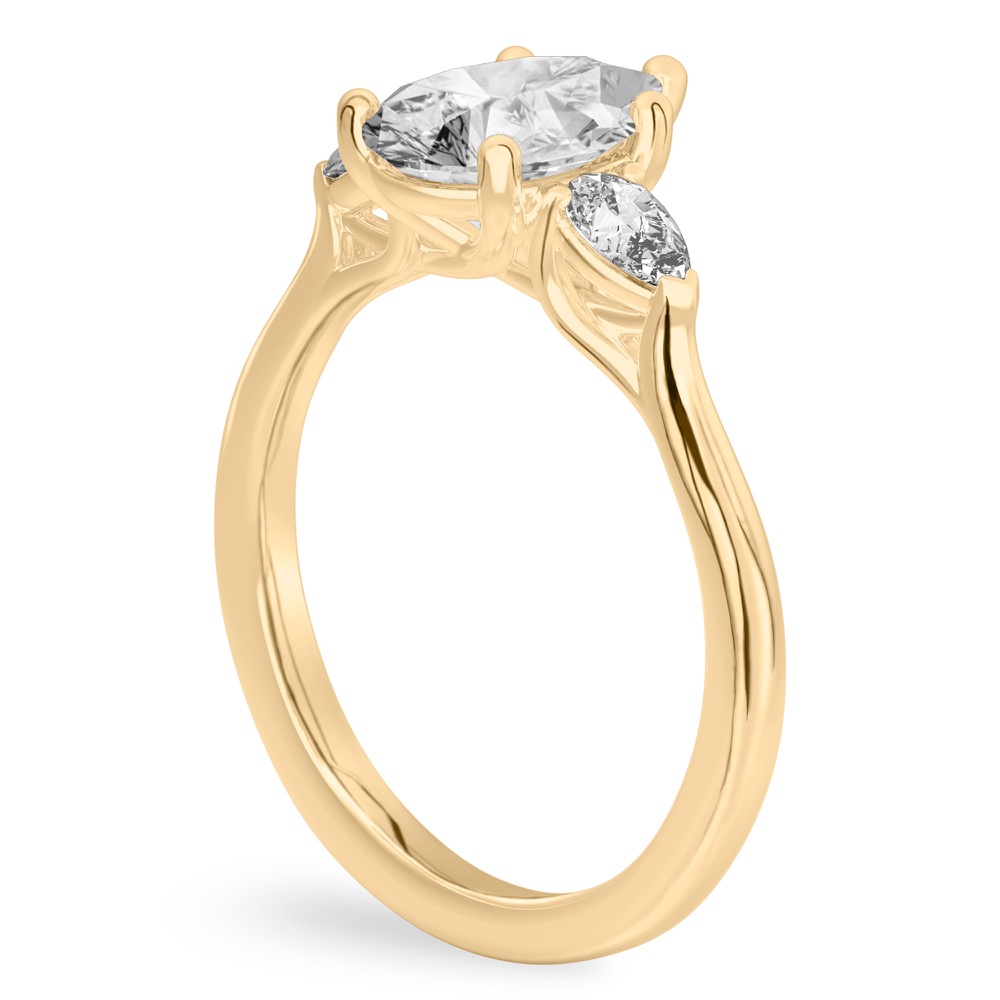
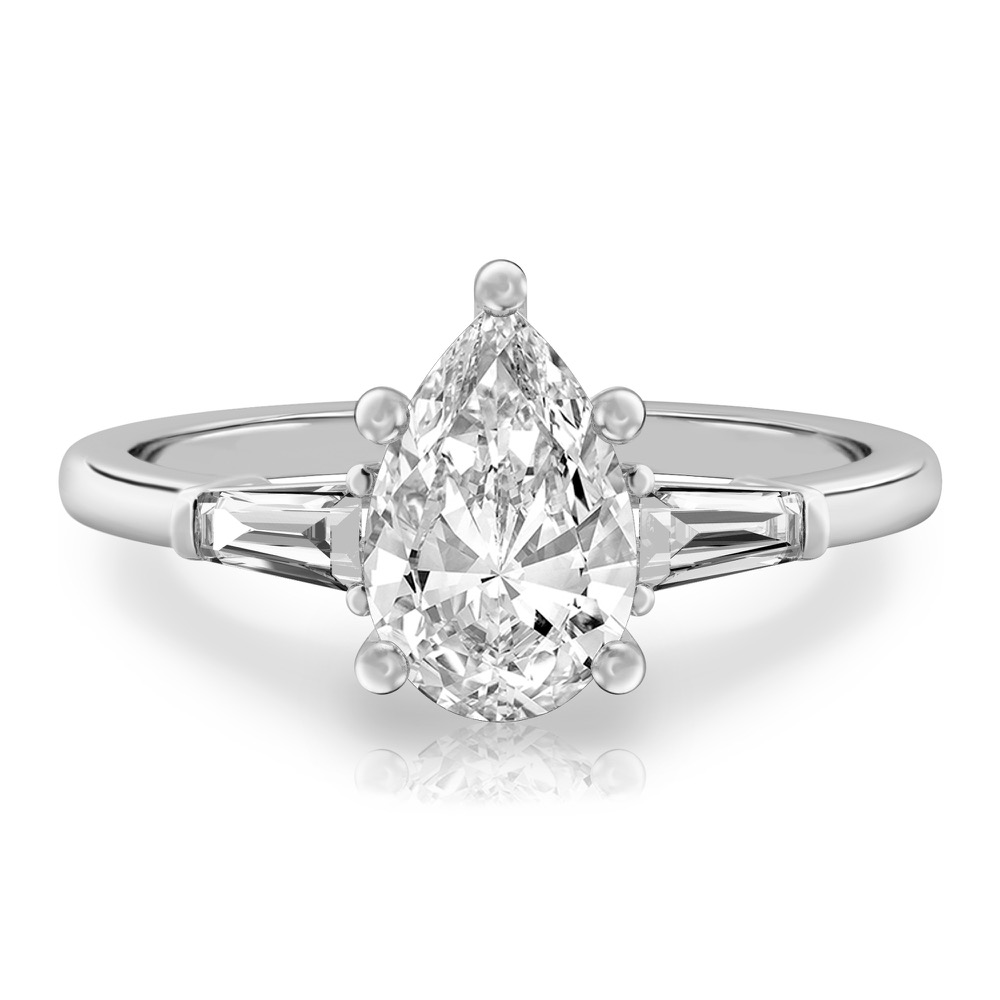
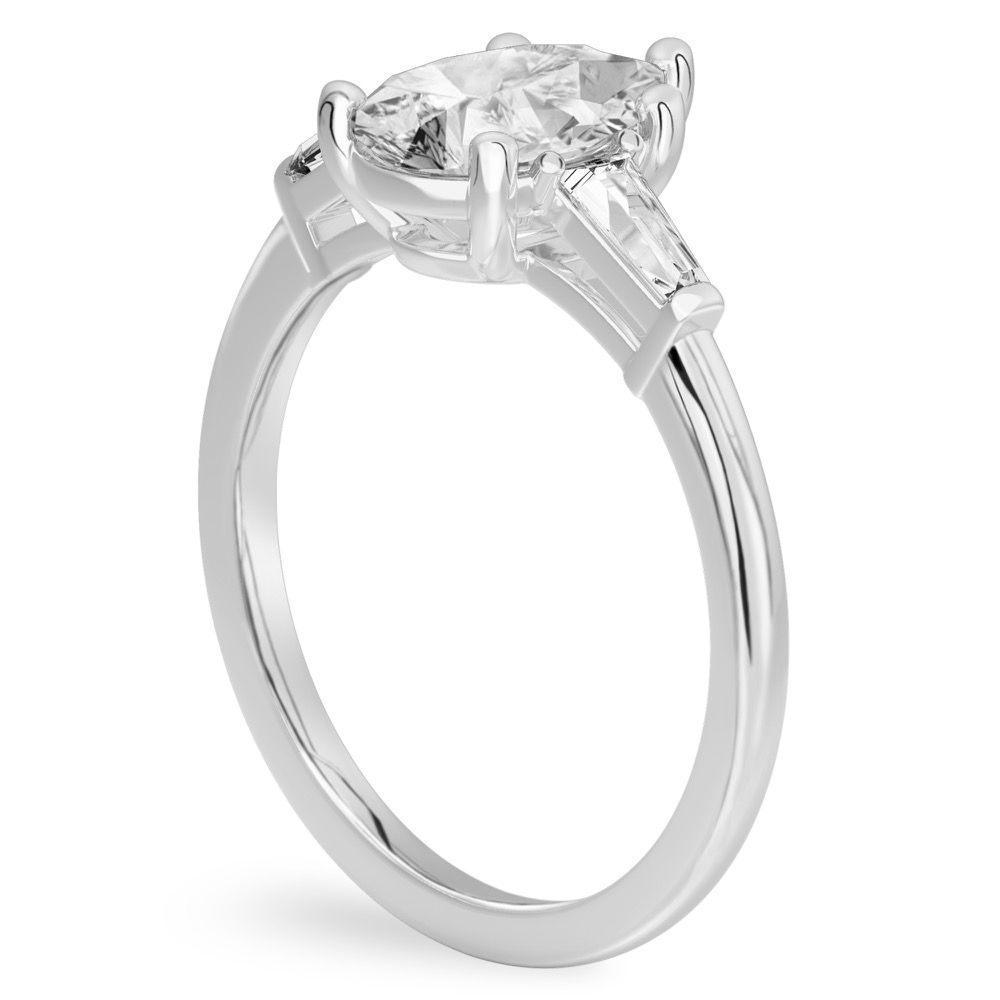
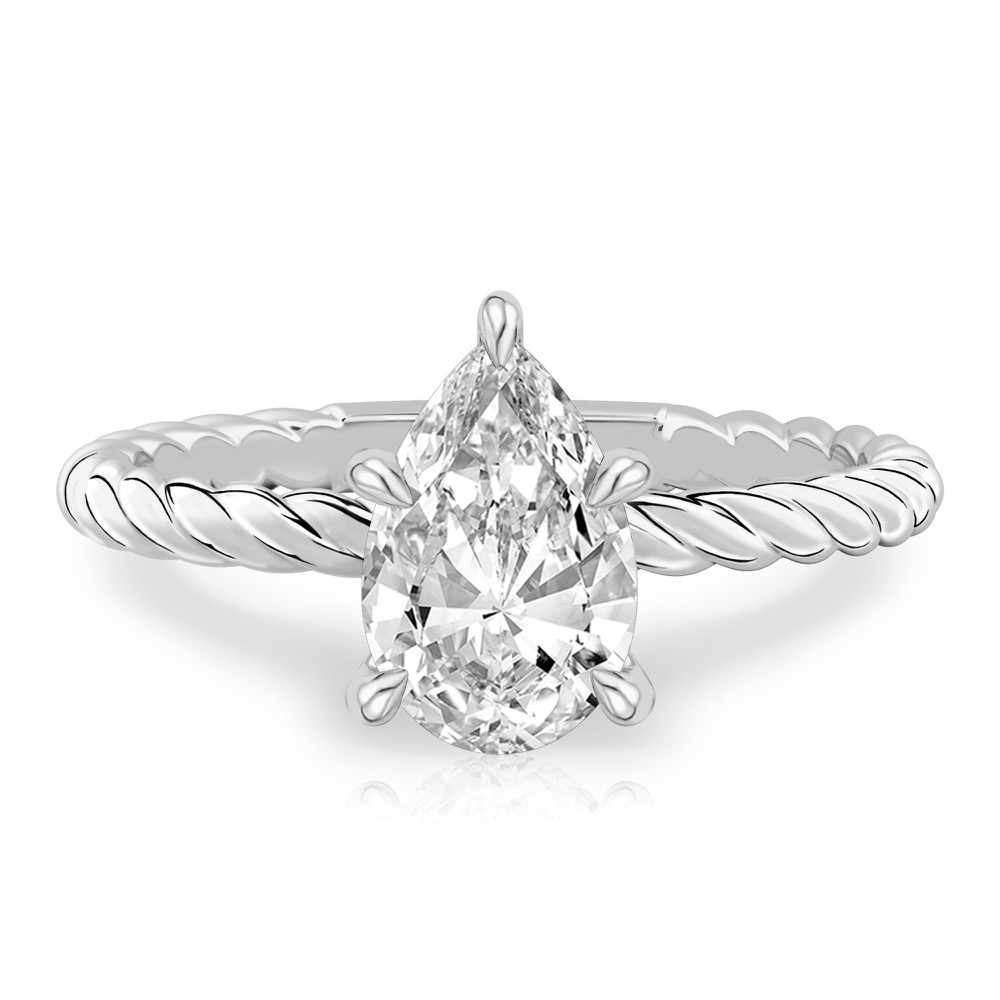
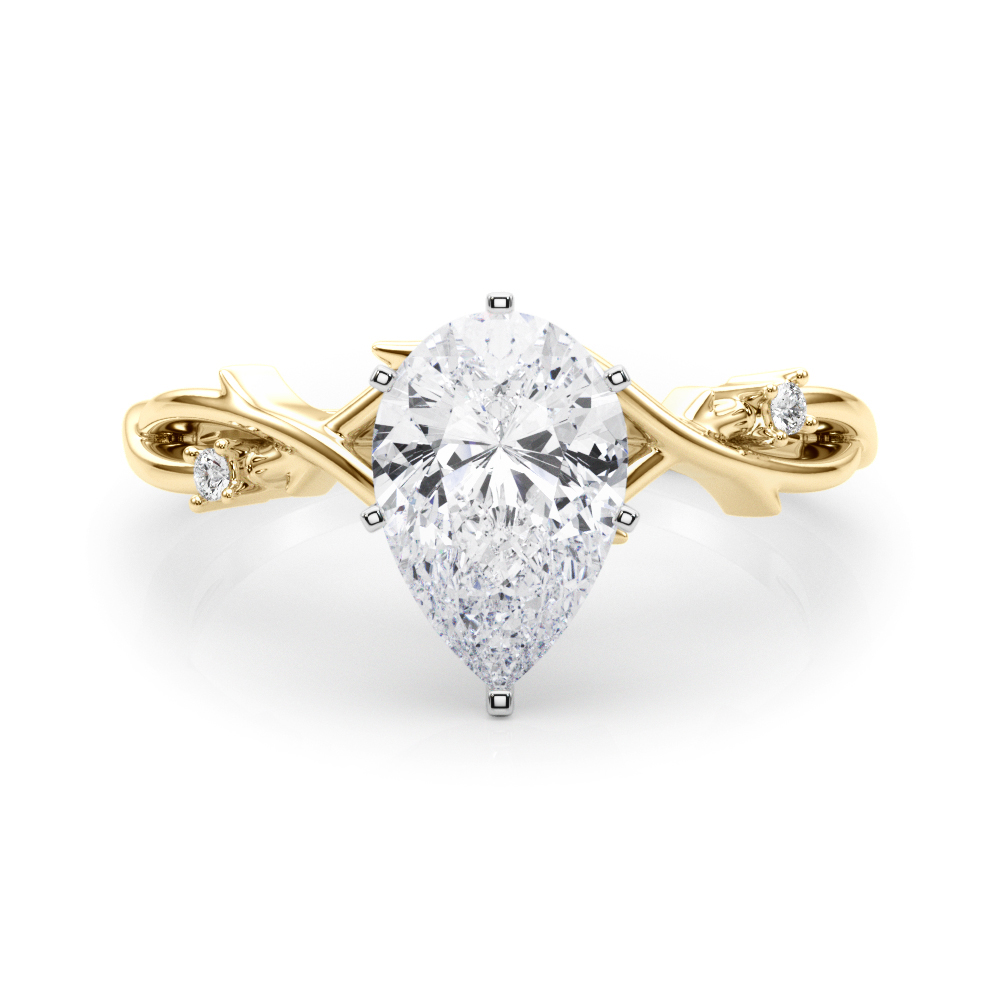
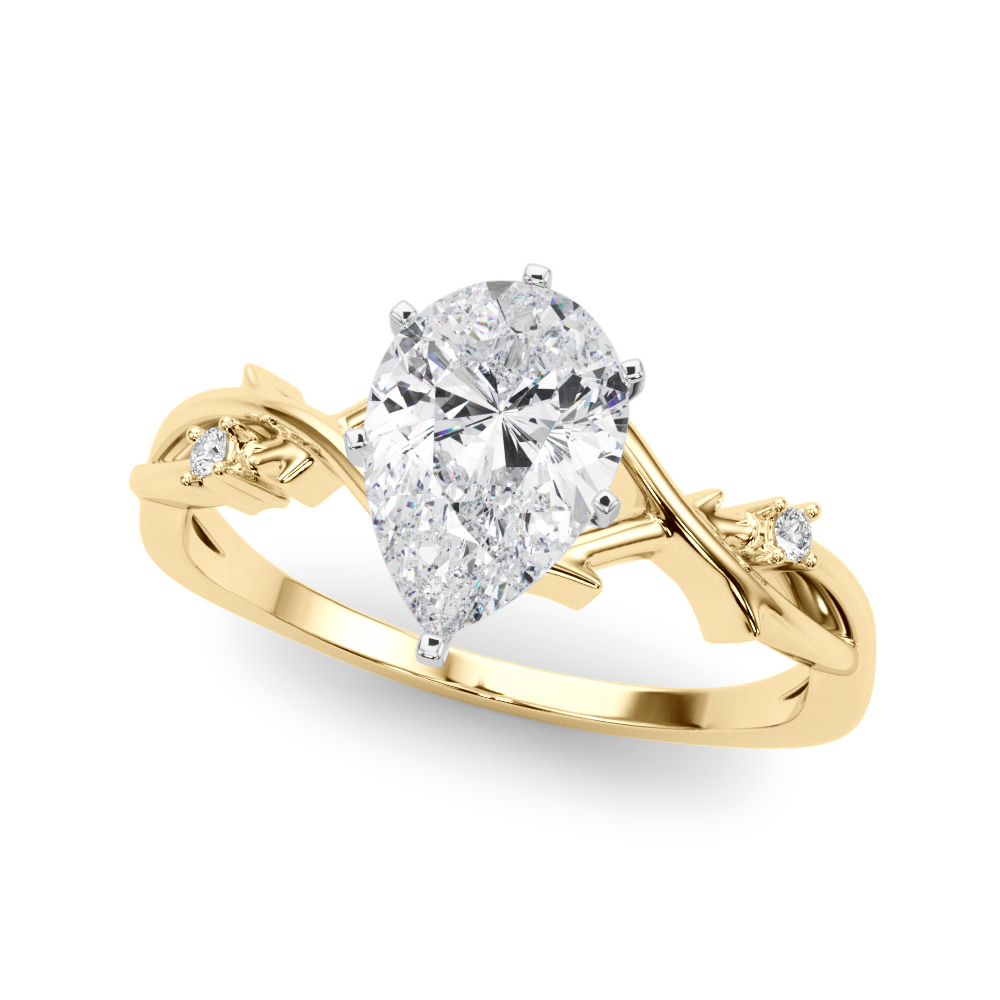
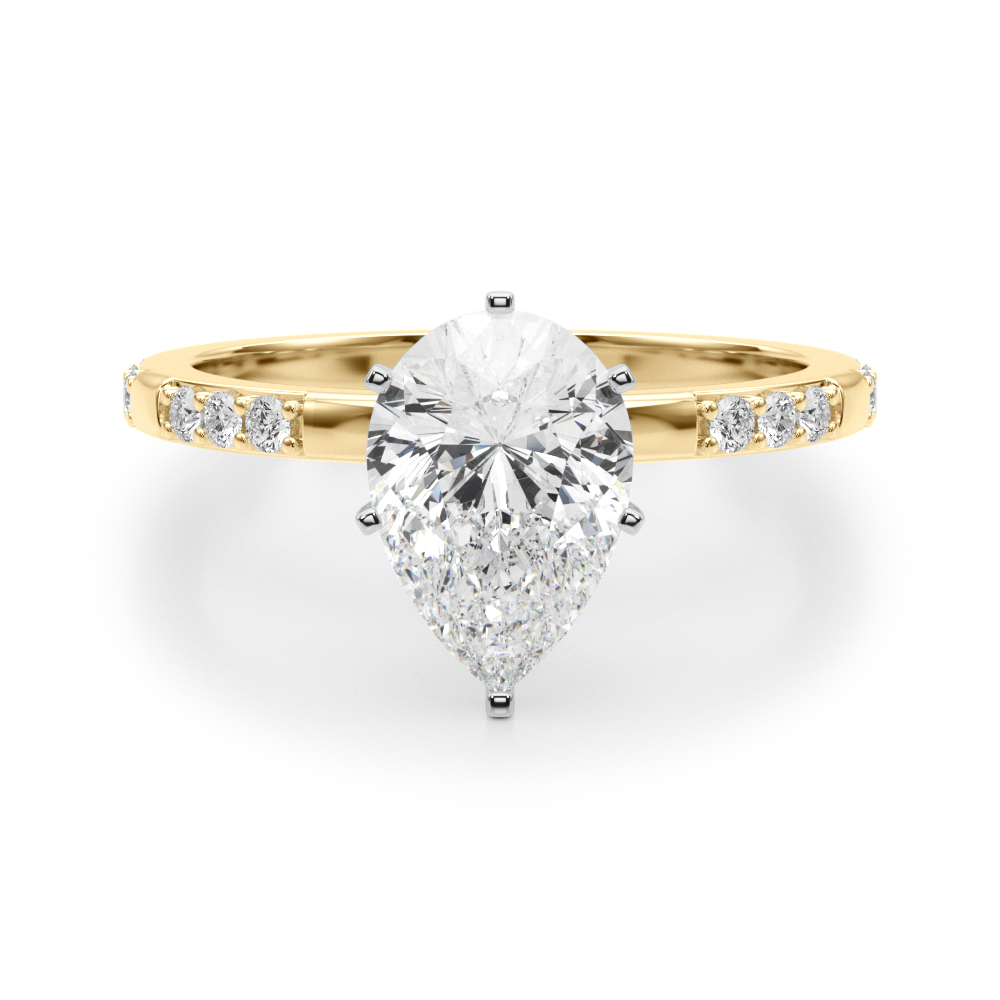
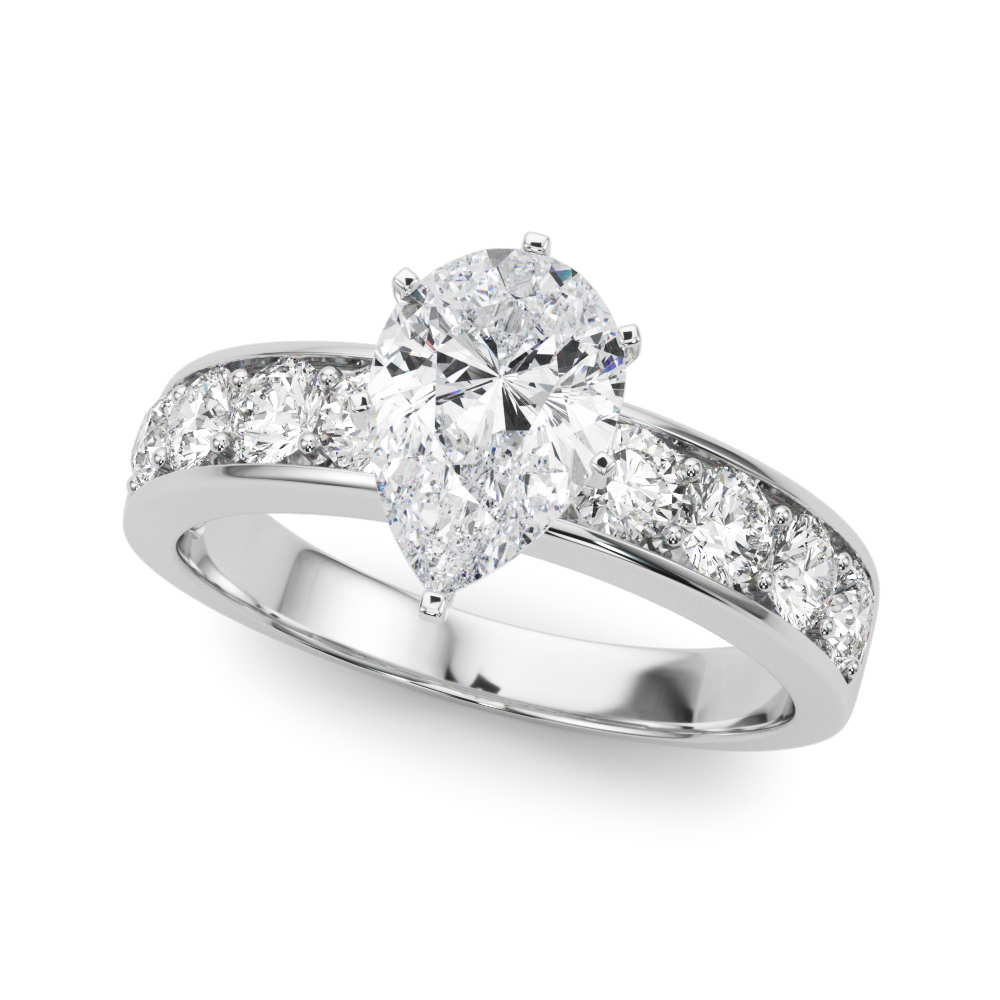
A pear shape typically appears about 8 to 10 percent larger face-up than a round of the same carat weight because its elongated teardrop silhouette spreads weight across a bigger surface area. At 2 carats, this size advantage is quite noticeable on the finger. The brilliant-cut faceting of a pear also delivers strong sparkle, and lab diamonds provide the same optical properties as mined stones.
Yes. The pointed tip of a pear cut is its most vulnerable area and should be set in a V-prong or claw-prong that fully encases the point. Without protection, the tip is susceptible to chipping from everyday impacts. Choosing the right setting design is more important with pear cuts than with most other shapes. A 2 carat stone offers the kind of presence that draws compliments. It is above average in size but not so large that it feels impractical for daily wear.
As of their most recent figures, Do Amore has provided clean water access to over 22,000 people across 14 countries, funding 77 wells through their partnership with charity: water. Countries include Bangladesh, Cambodia, Ethiopia, Haiti, India, Kenya, Malawi, Mali, Mozambique, Nepal, Sierra Leone, Uganda, and Zimbabwe. Every purchase adds to that count.