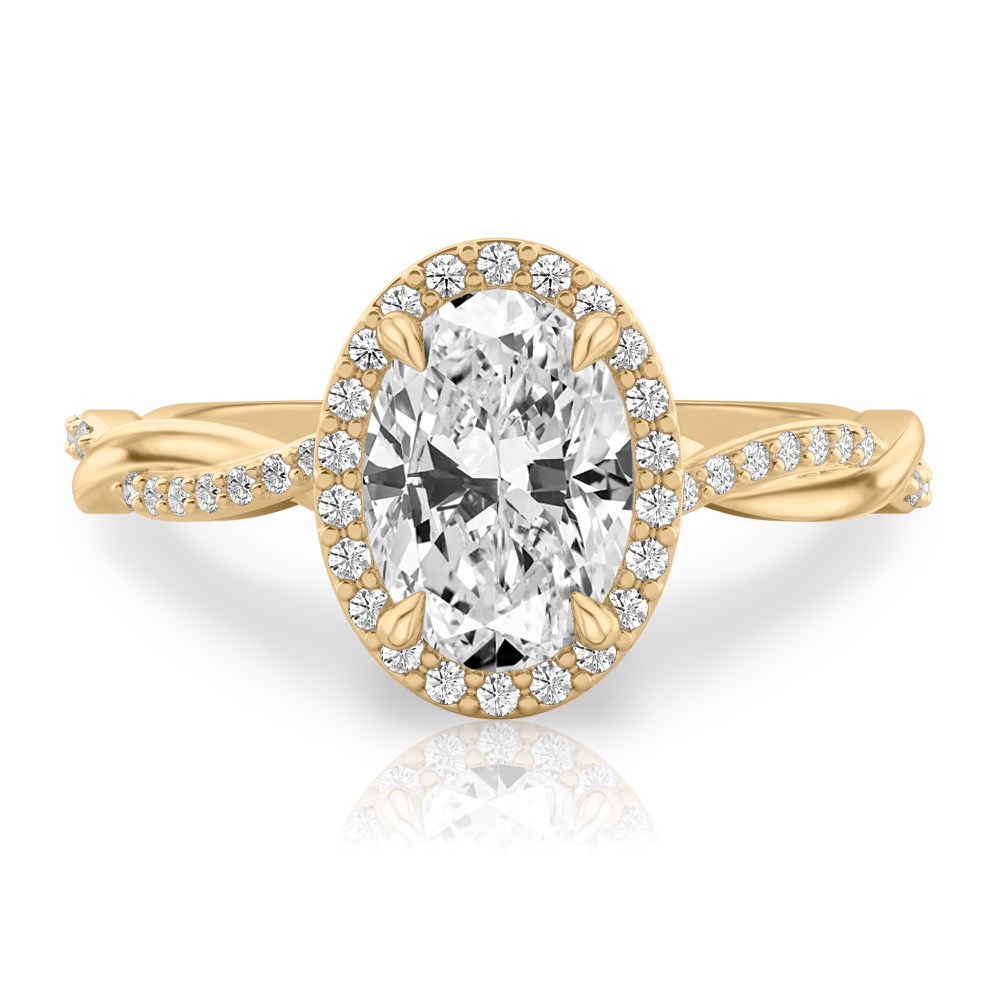
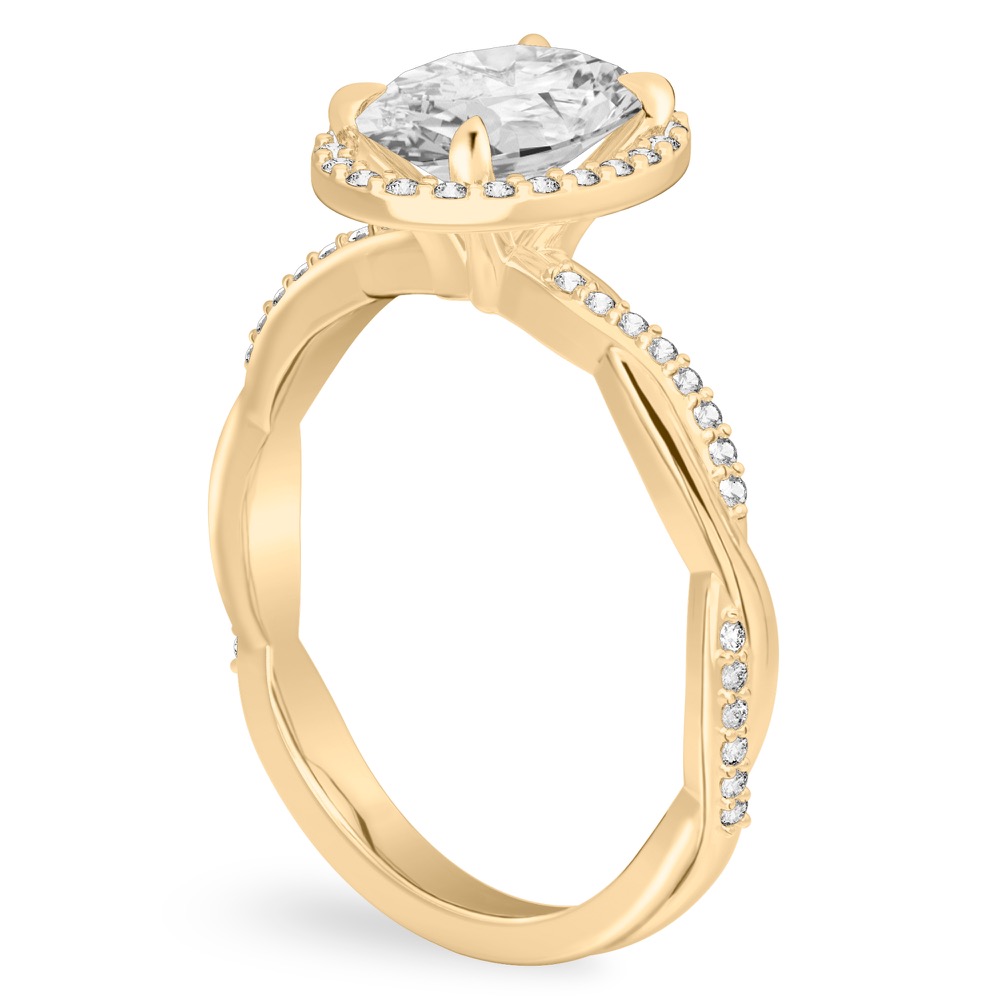
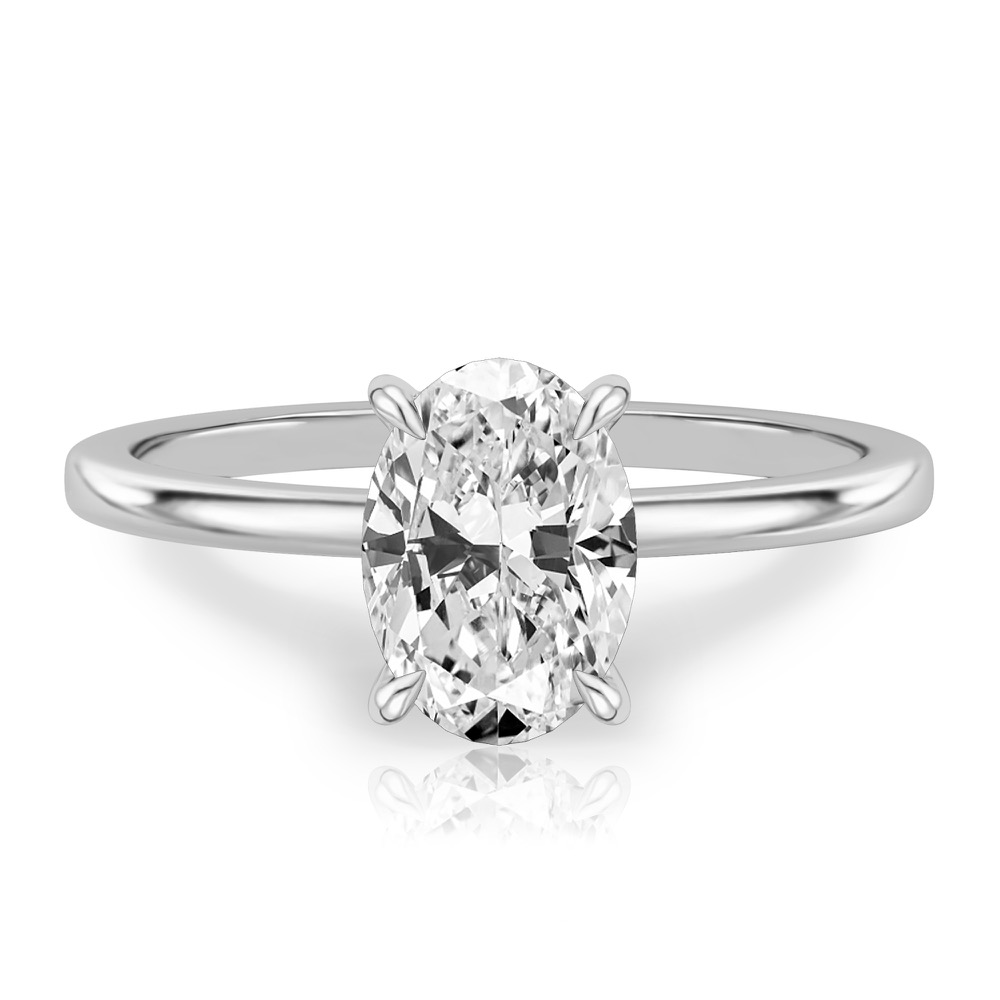
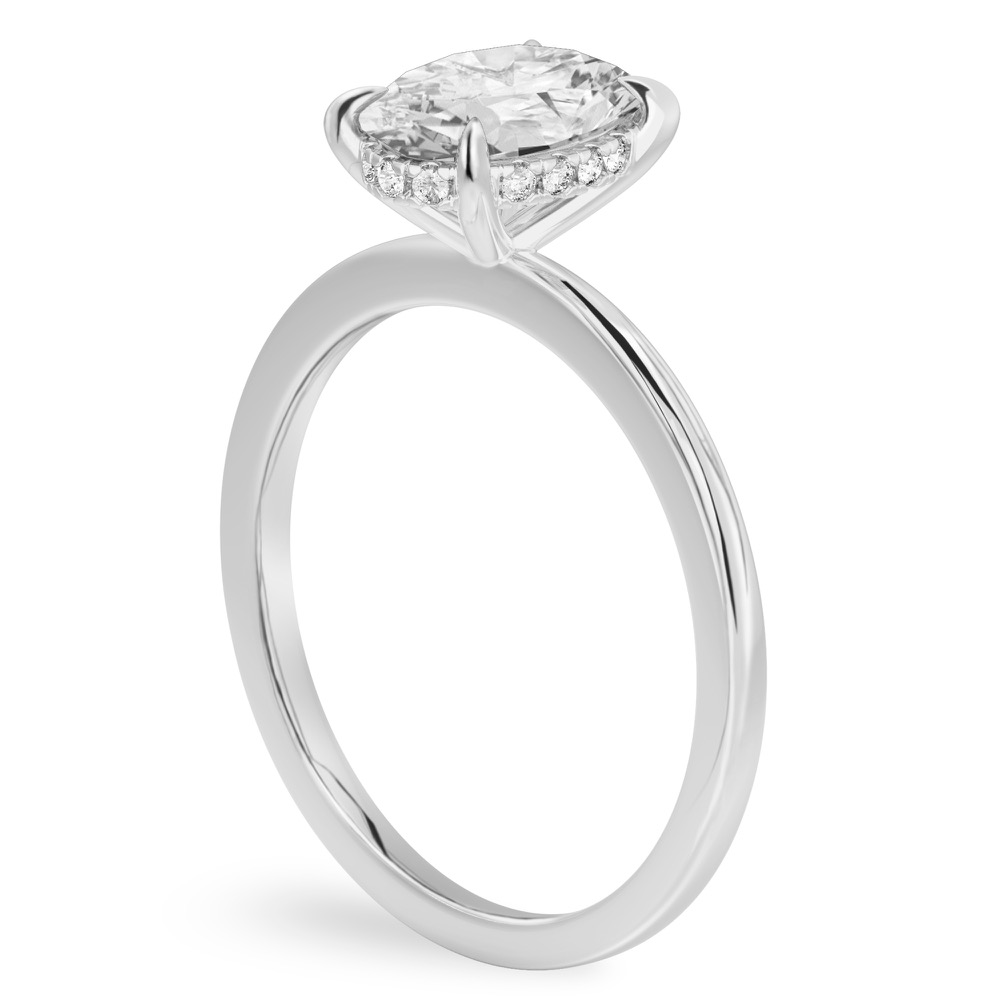
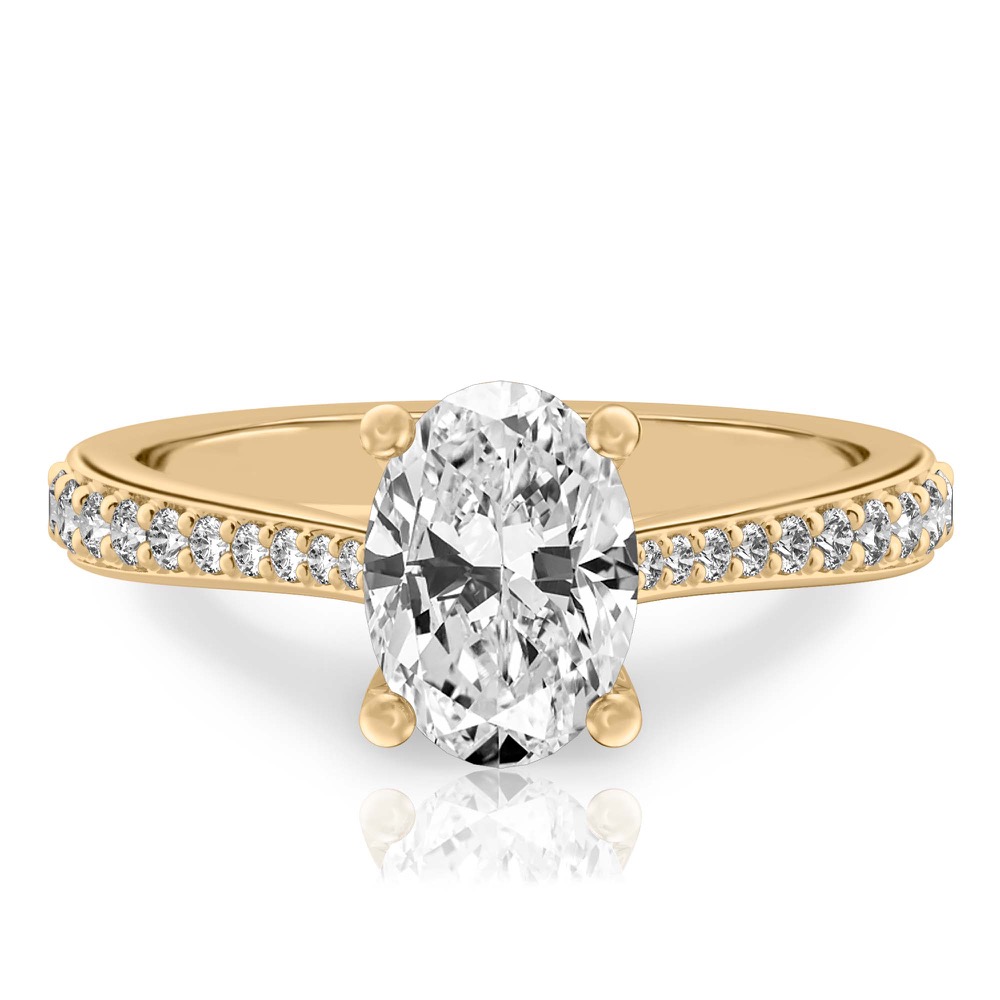
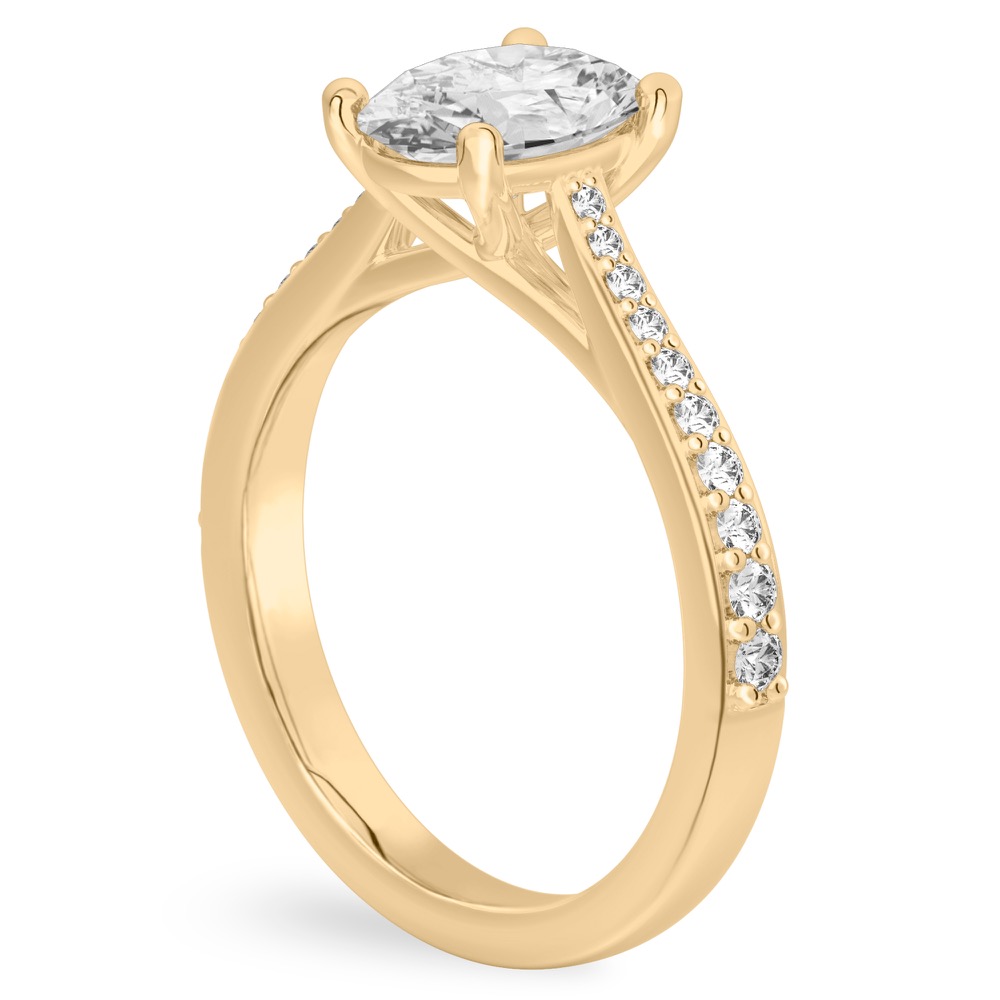
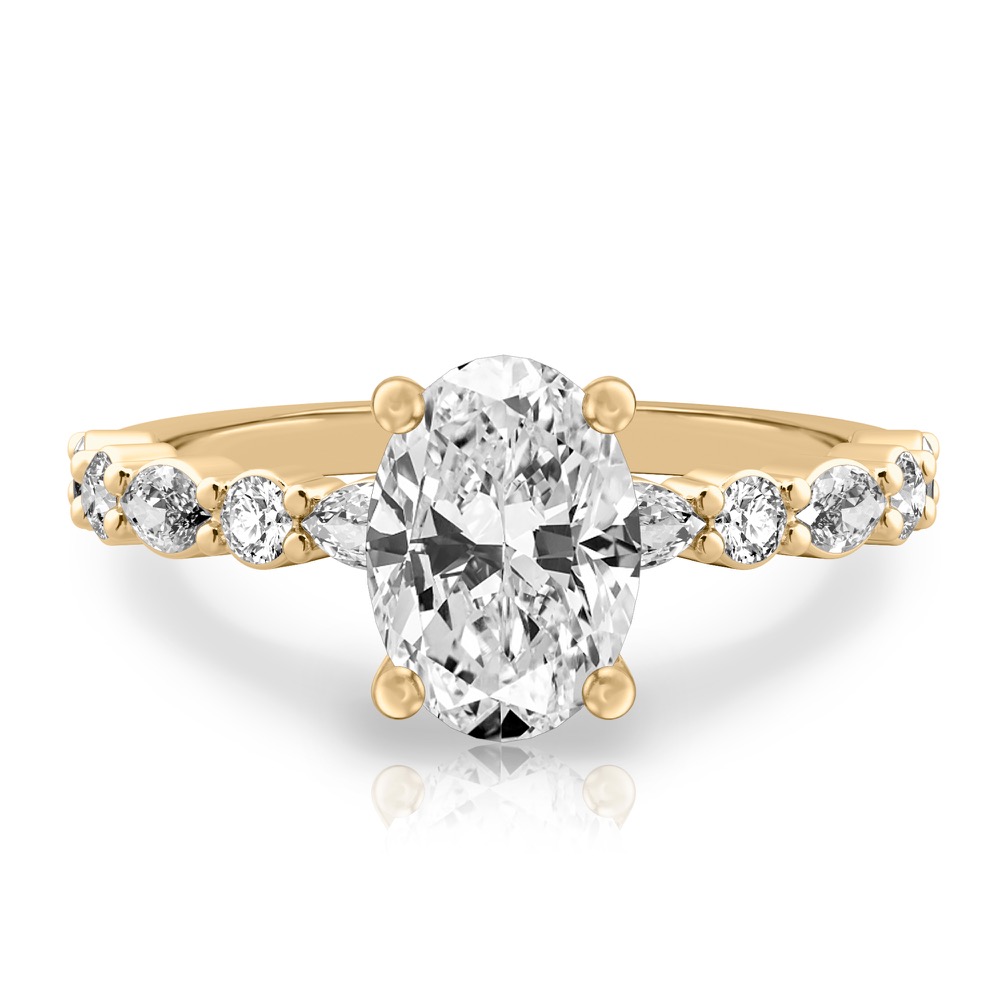
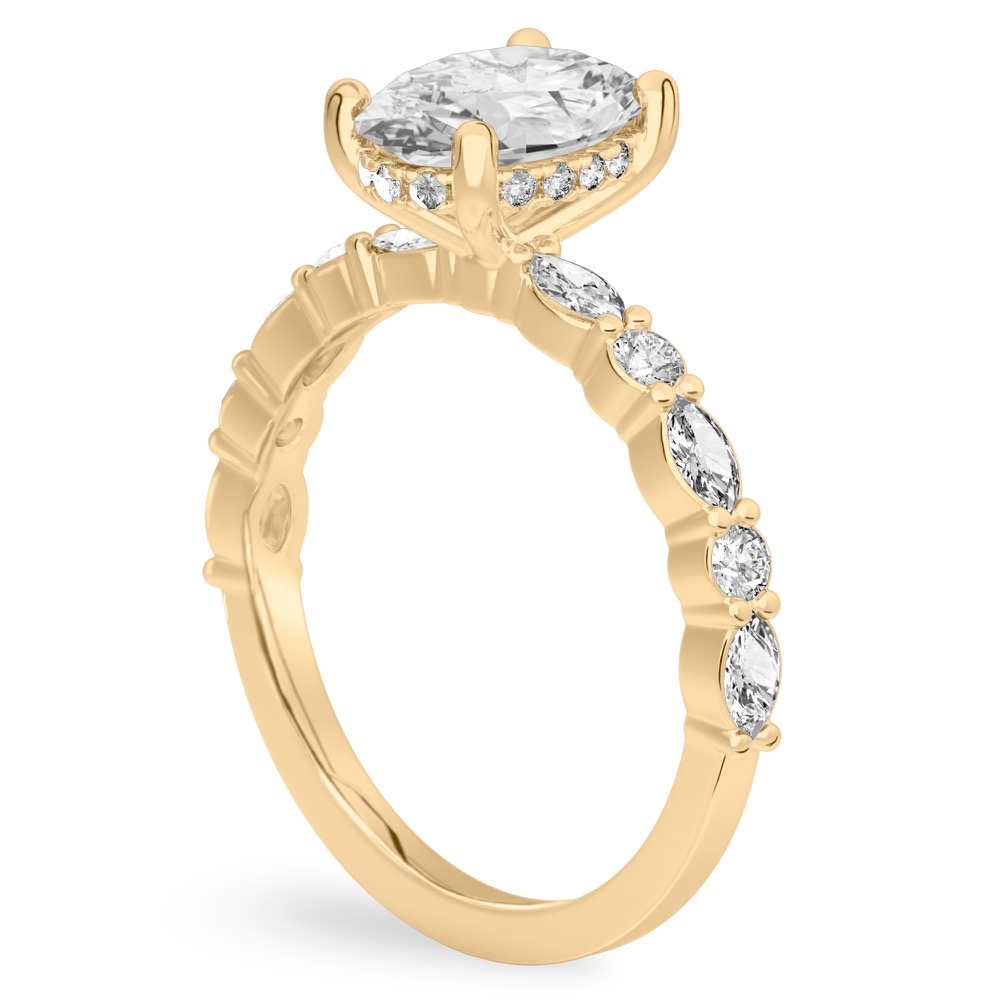
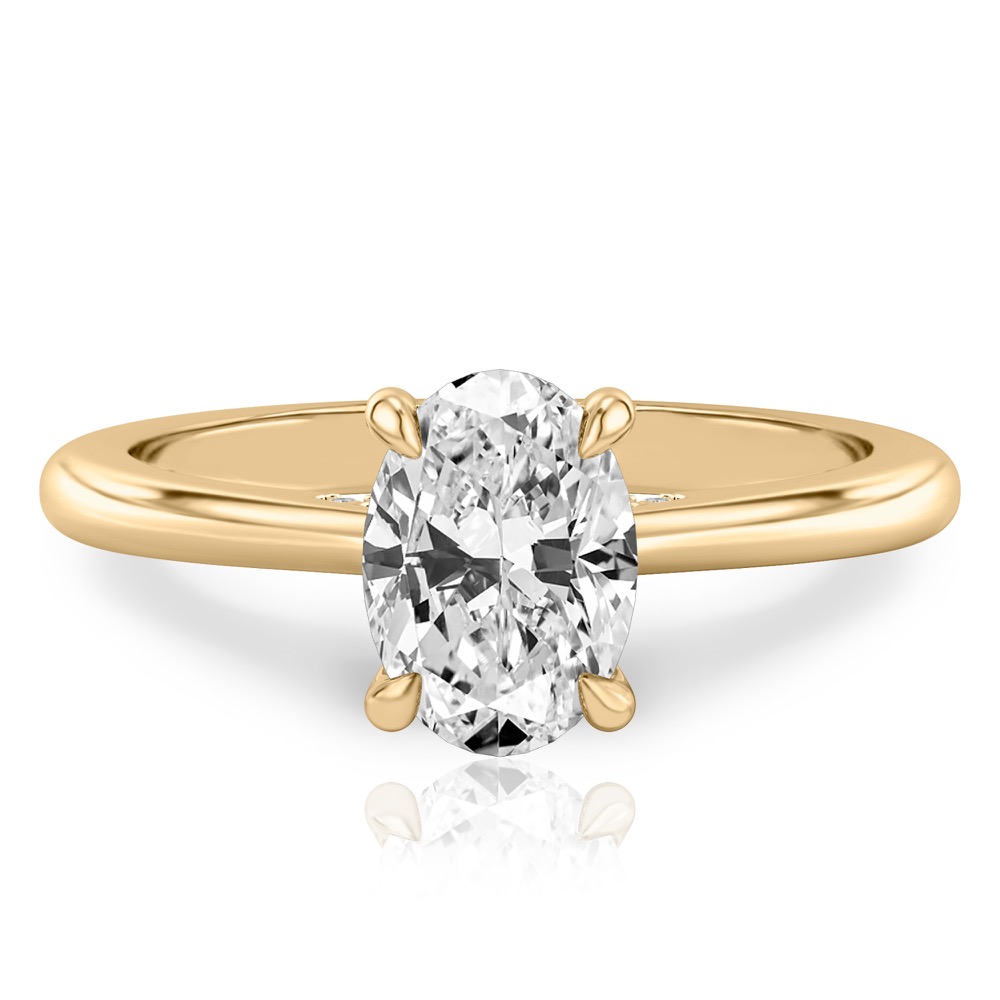
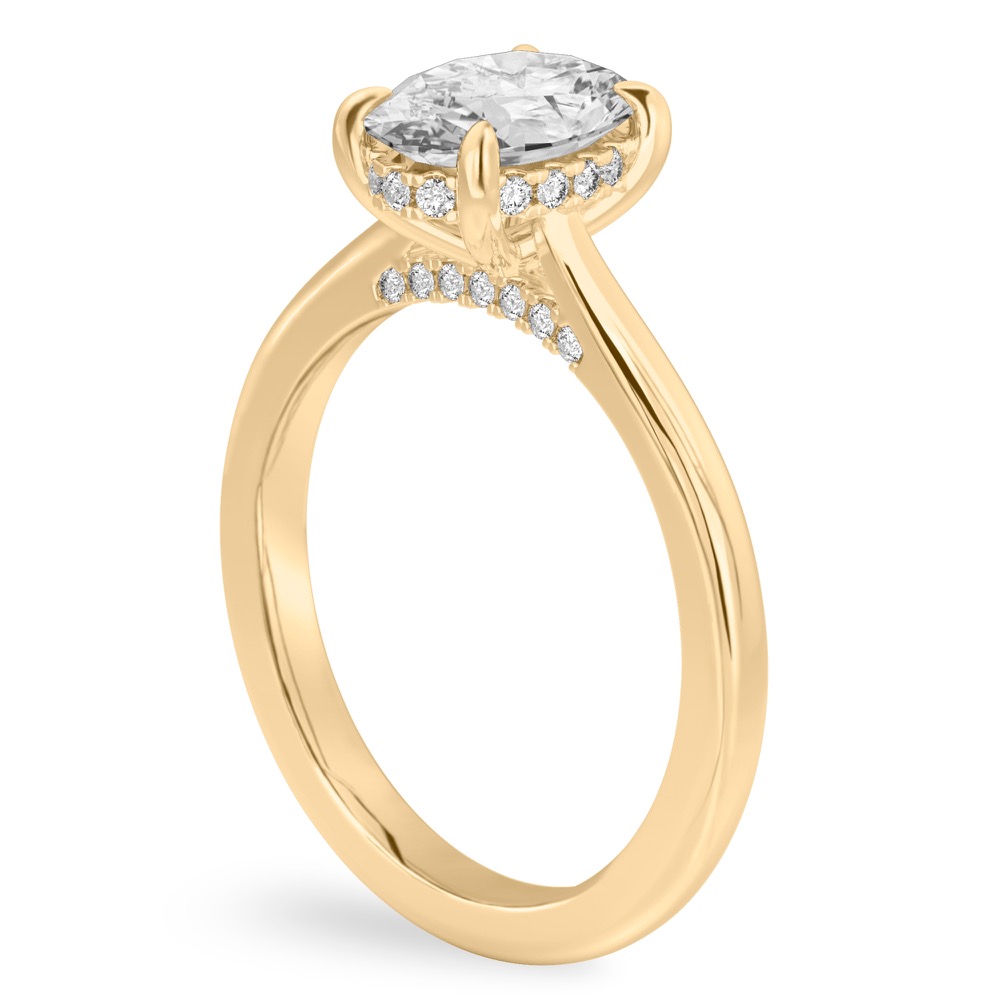
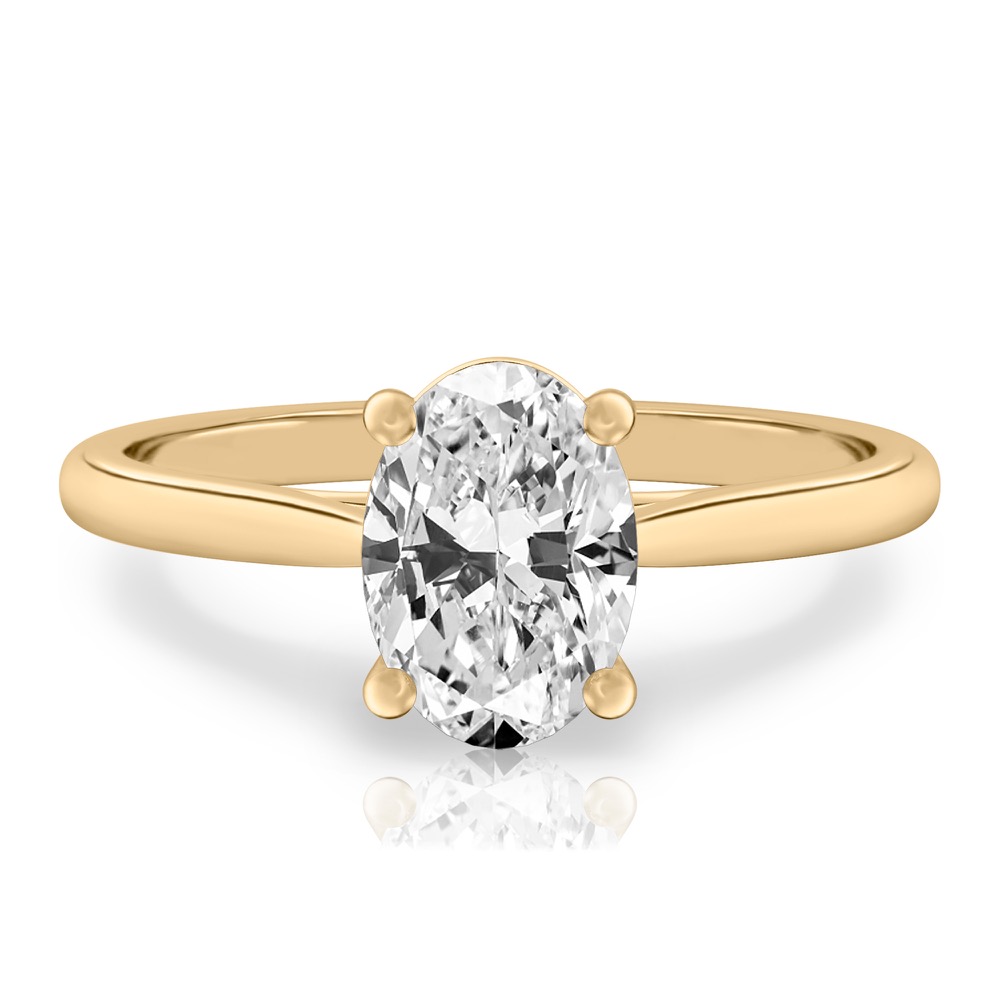
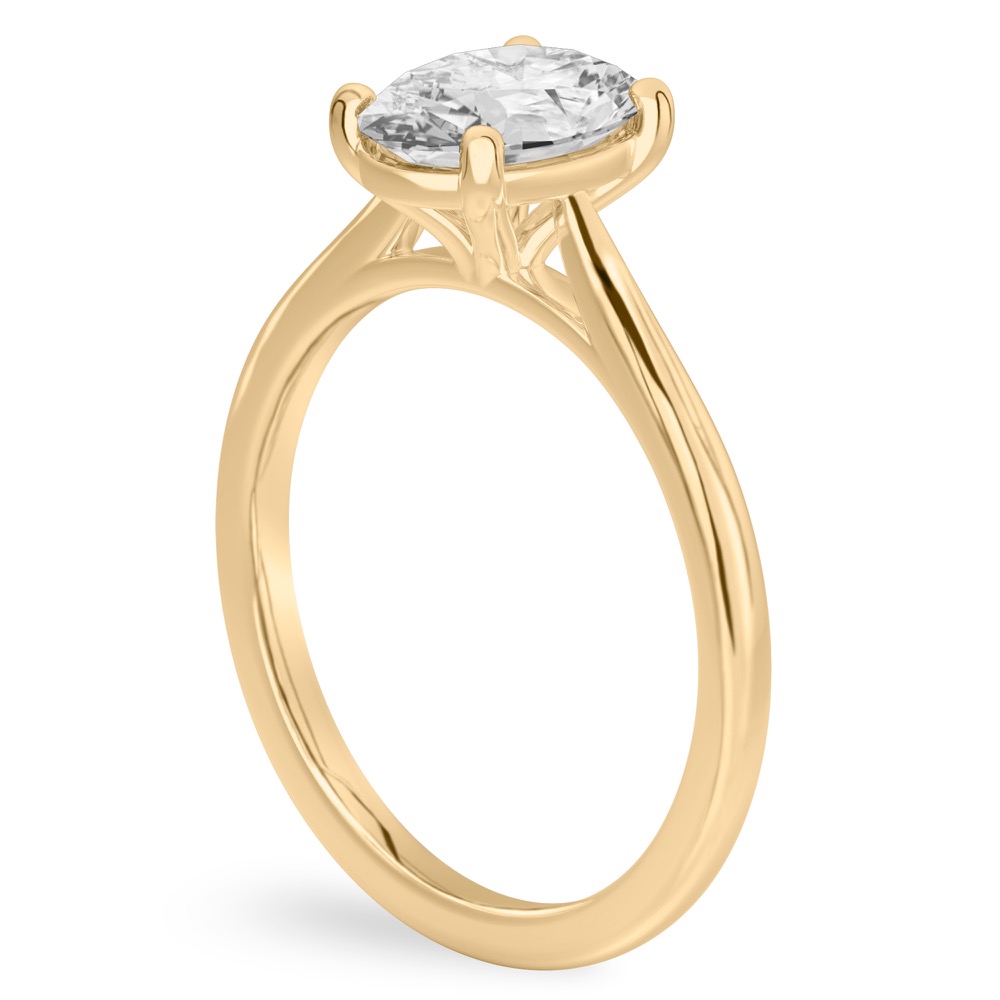
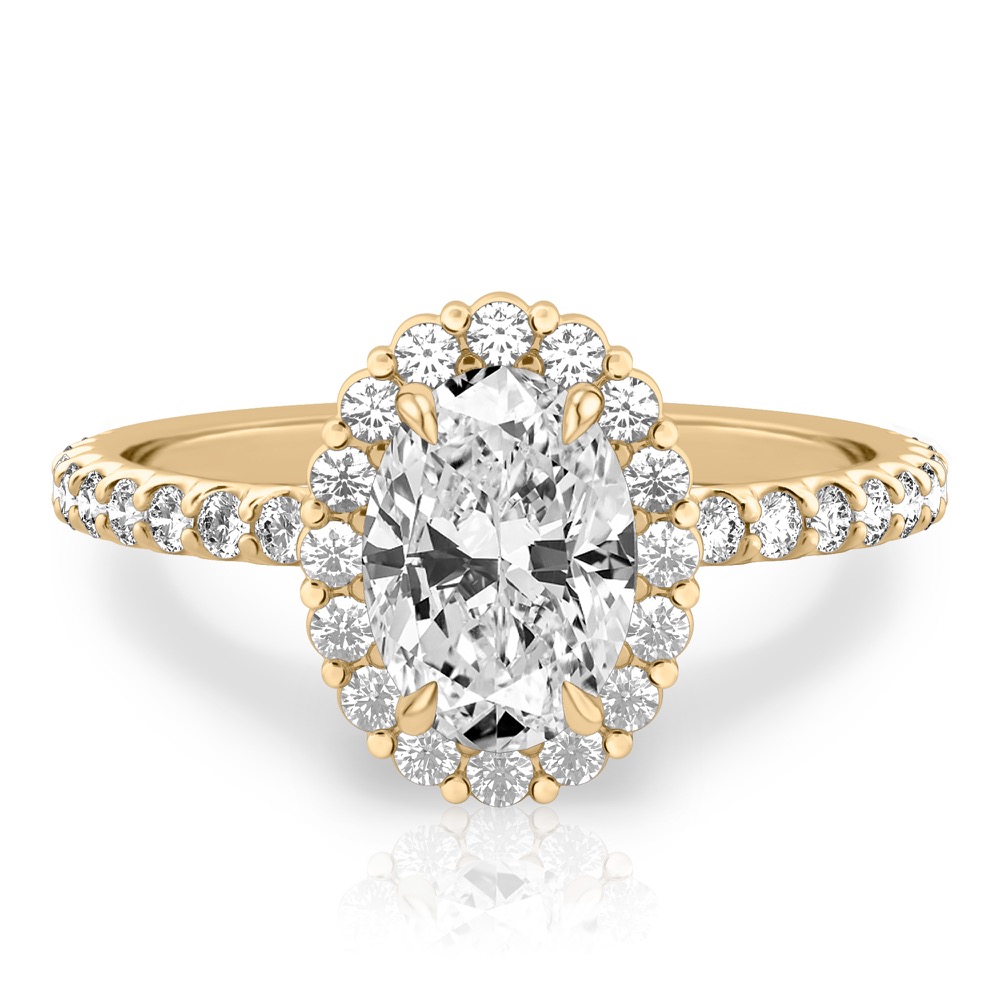
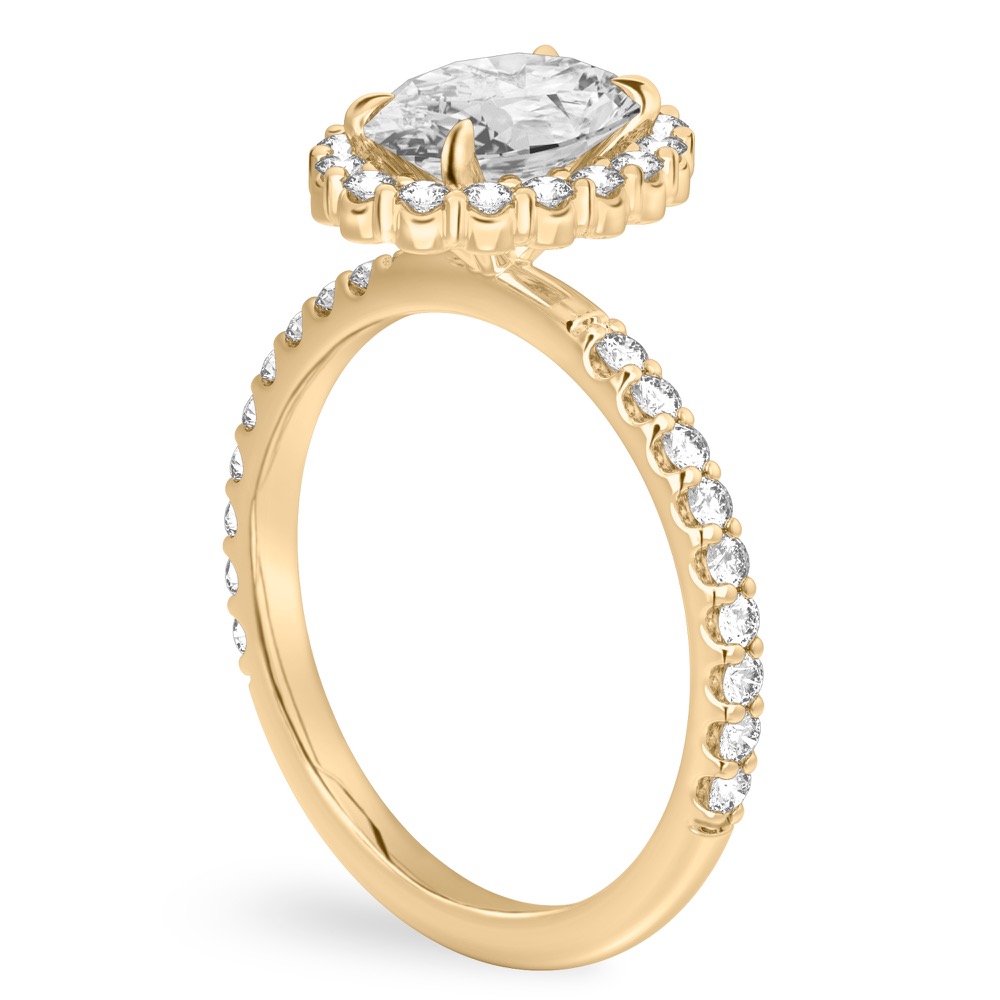
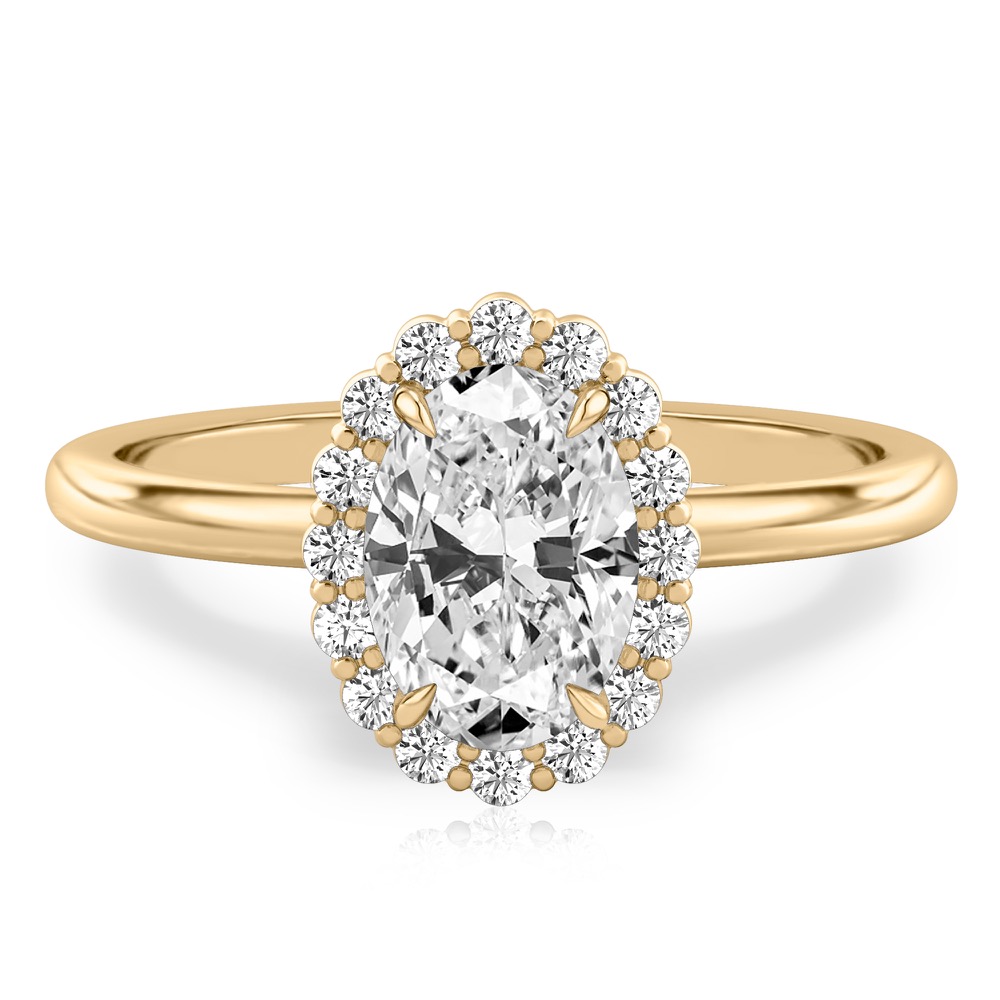
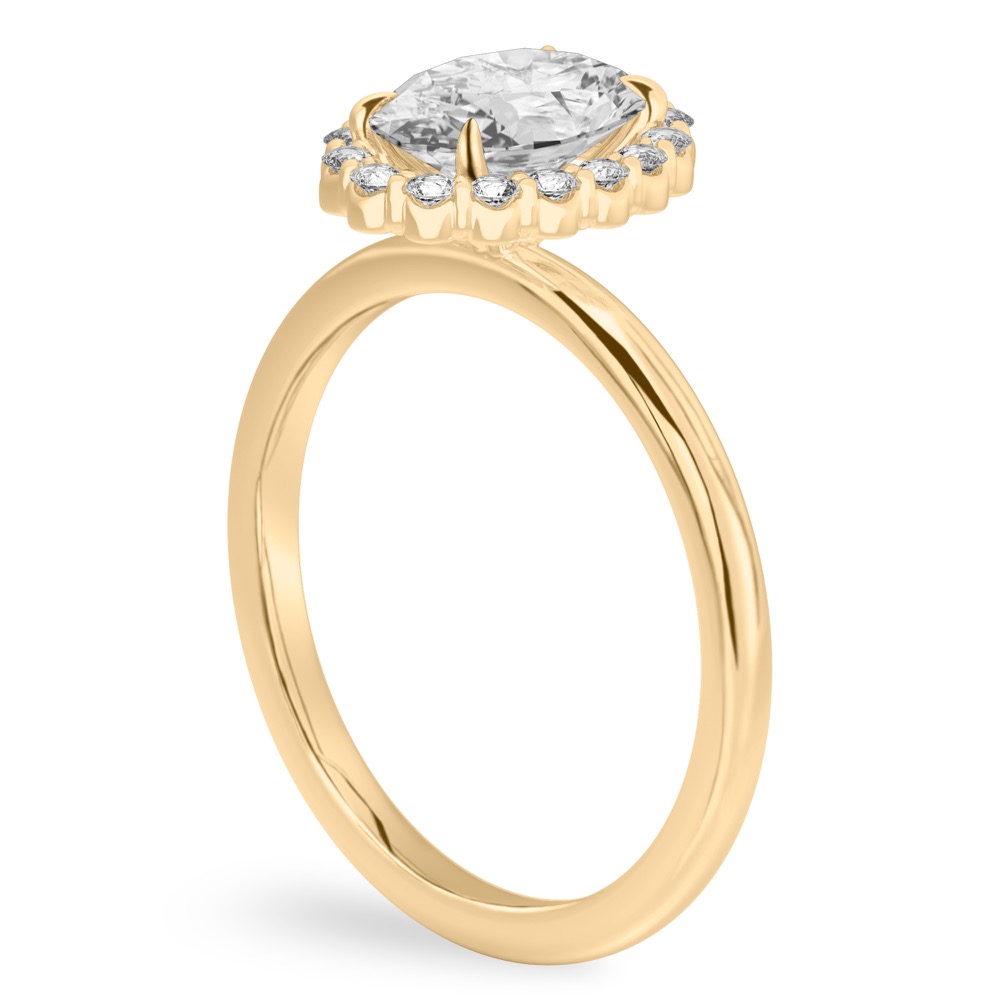
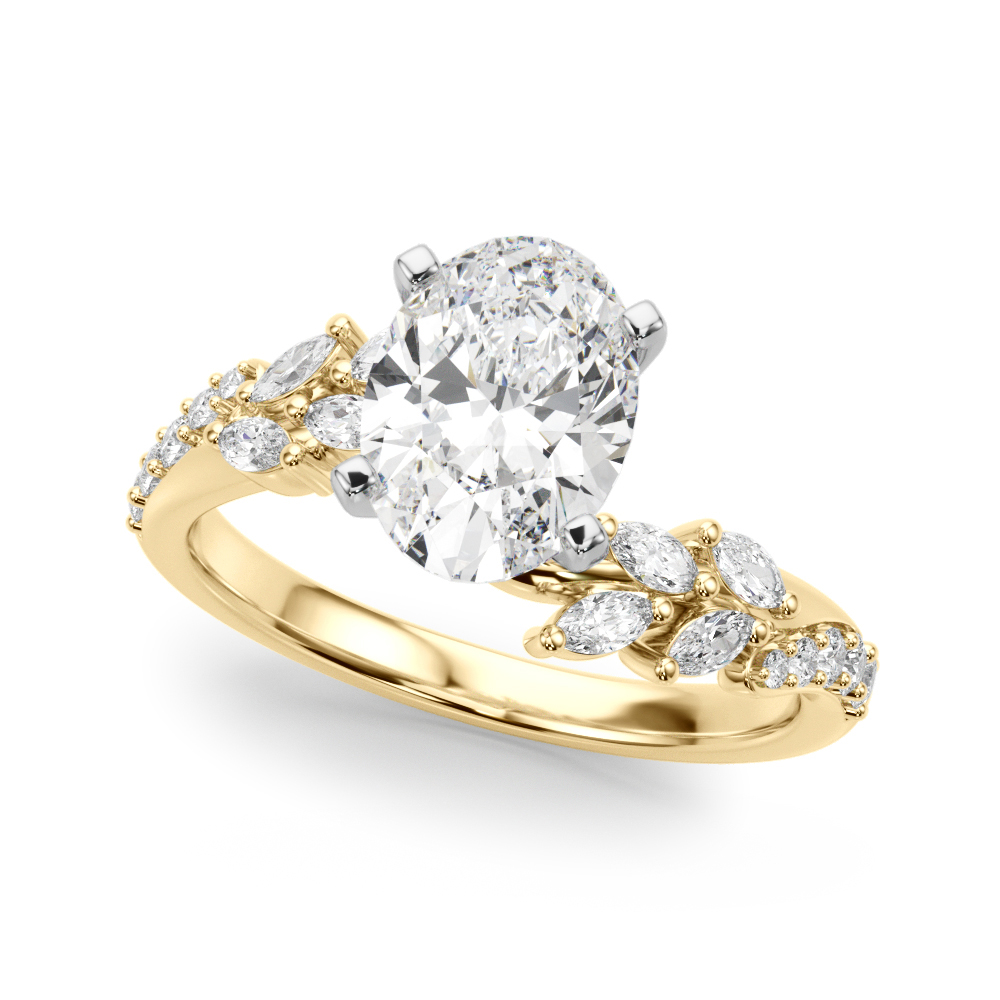
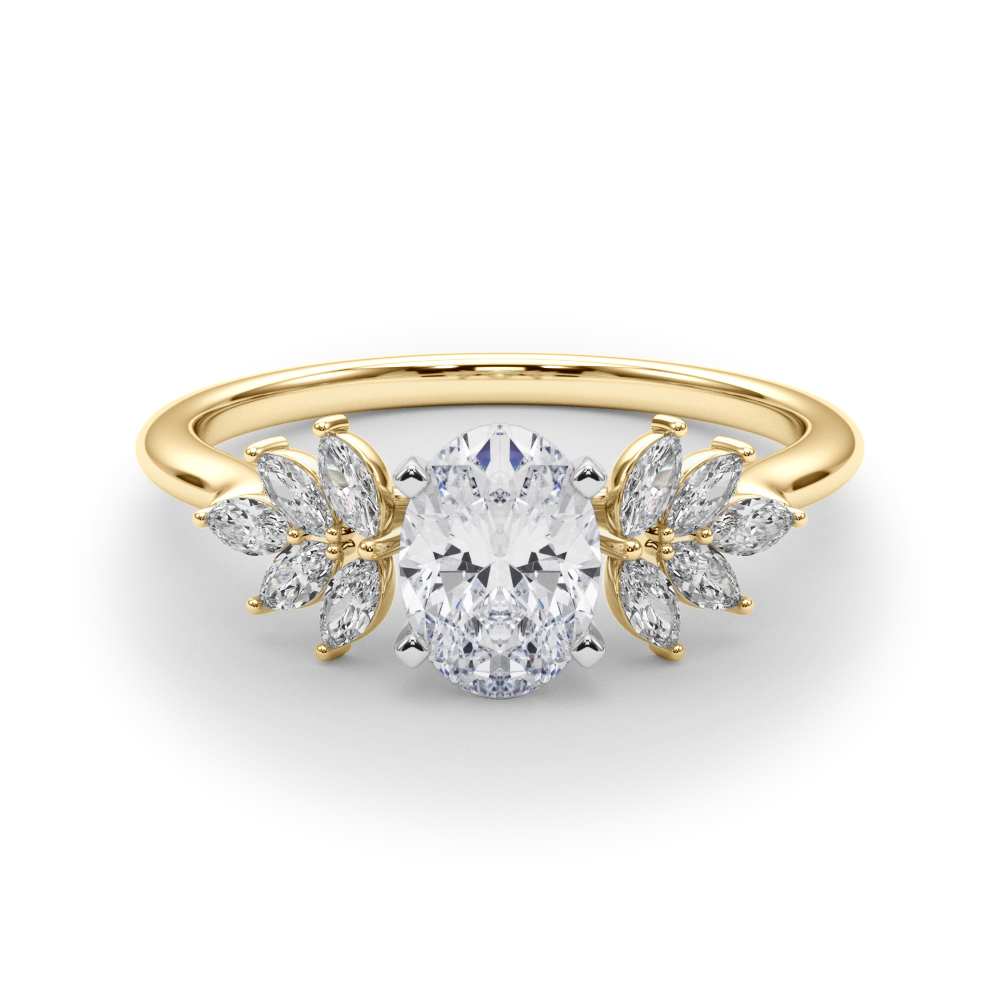
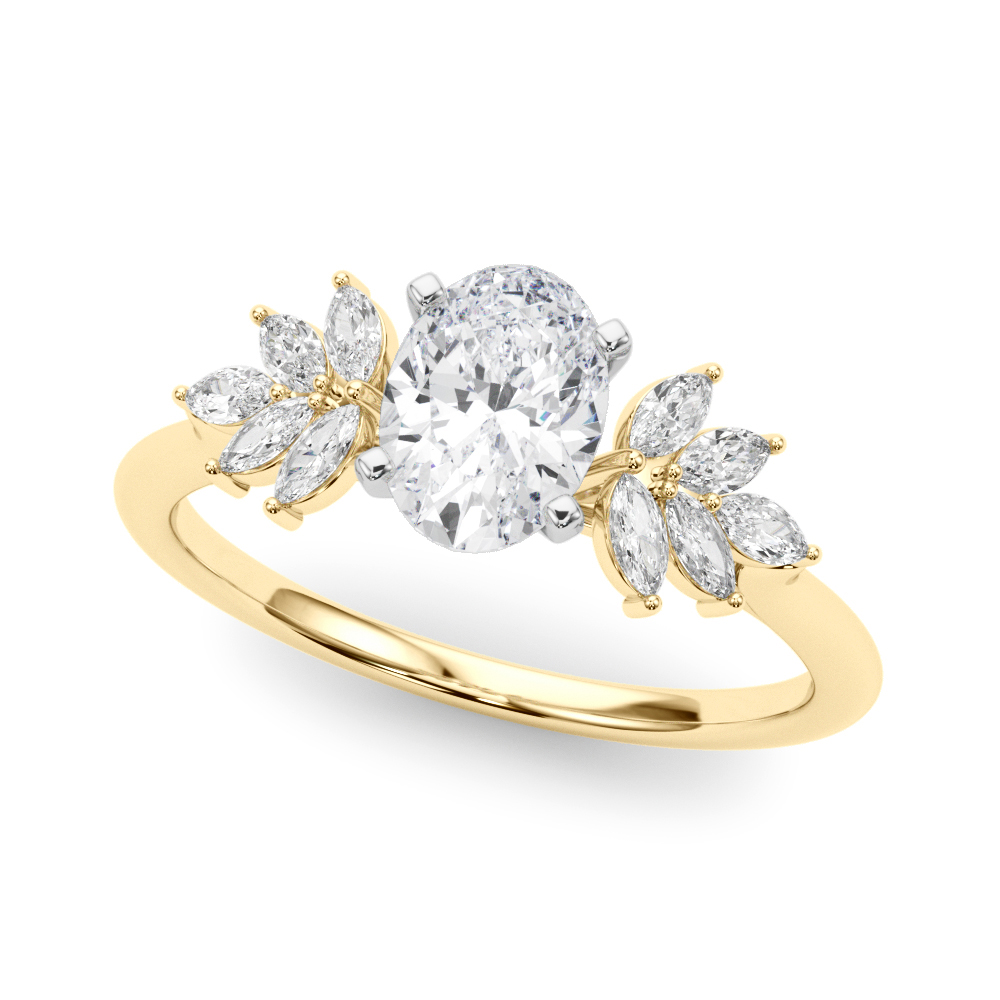
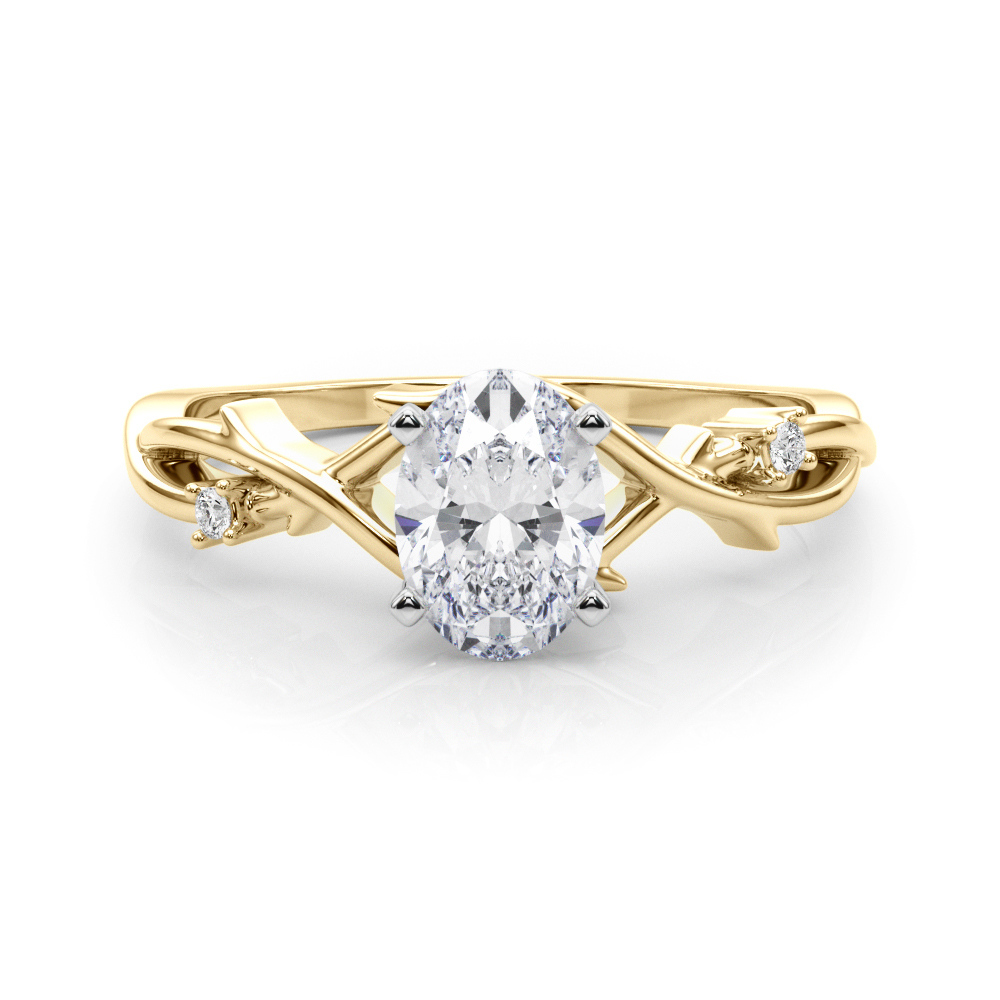
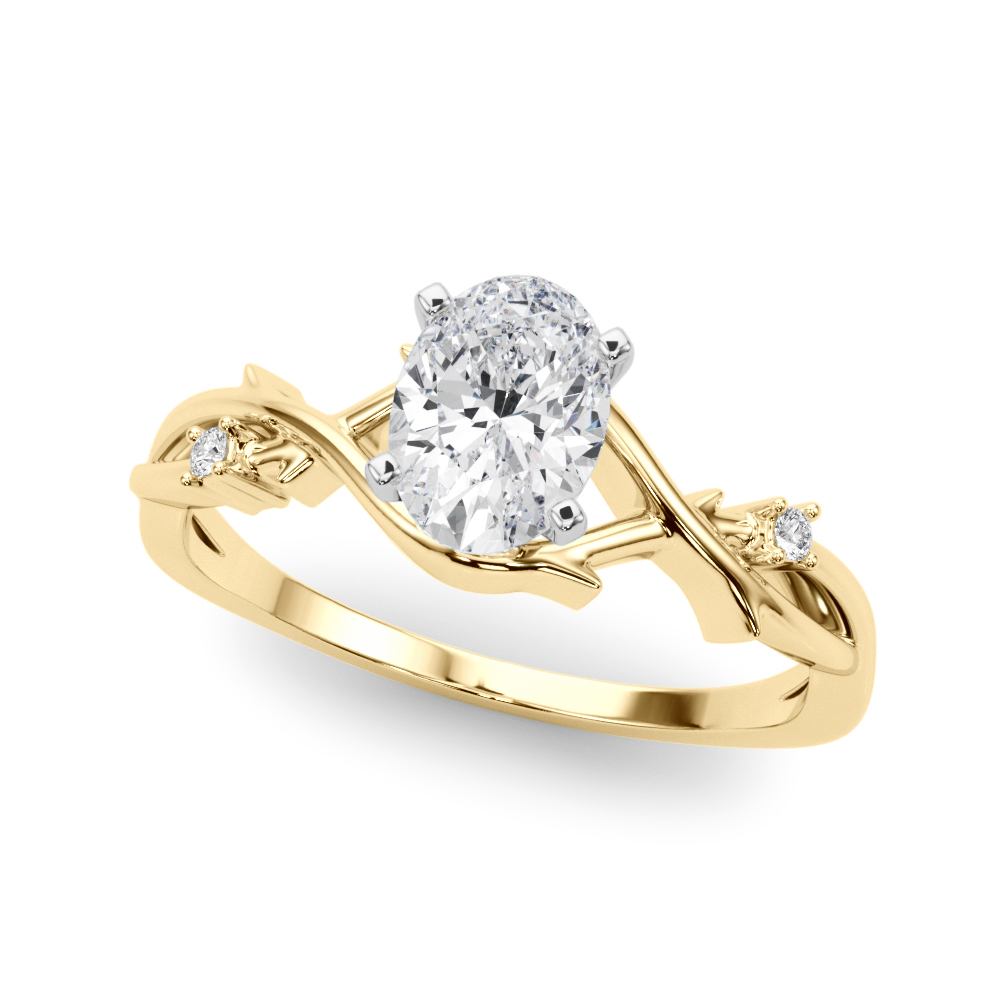
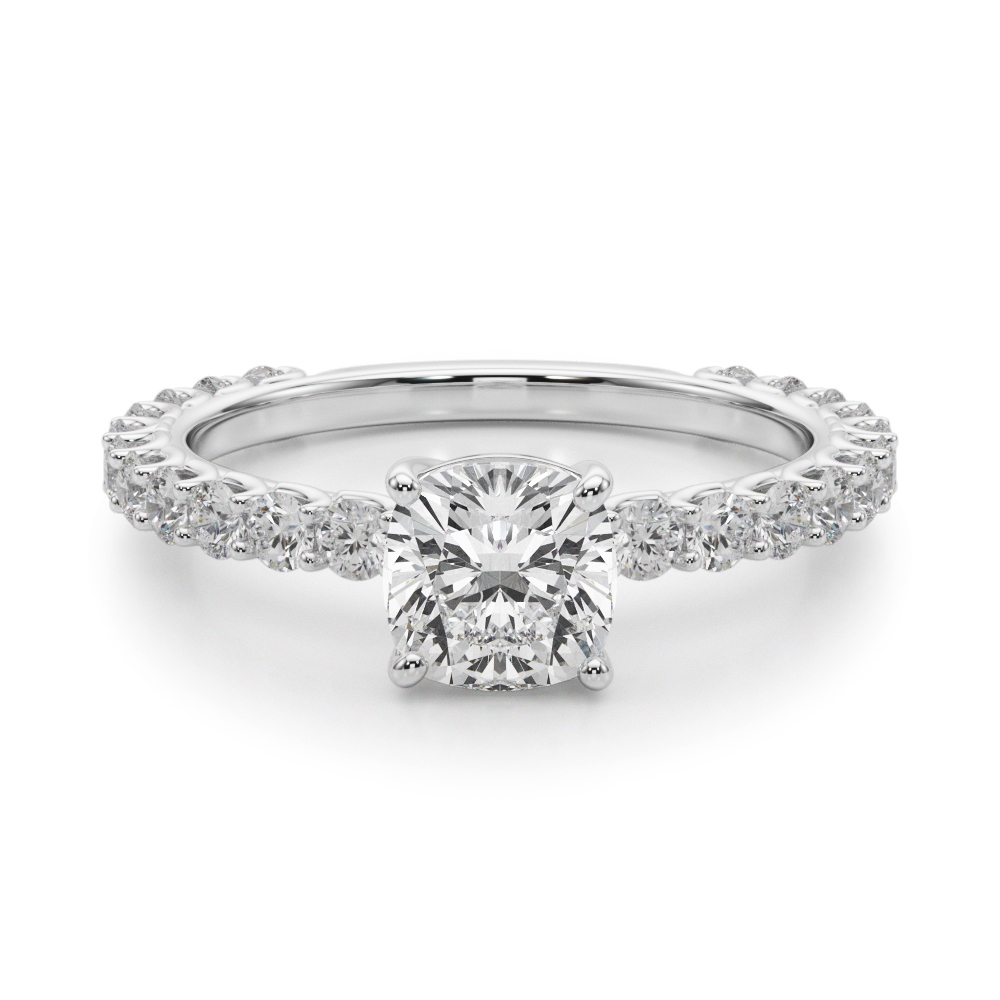
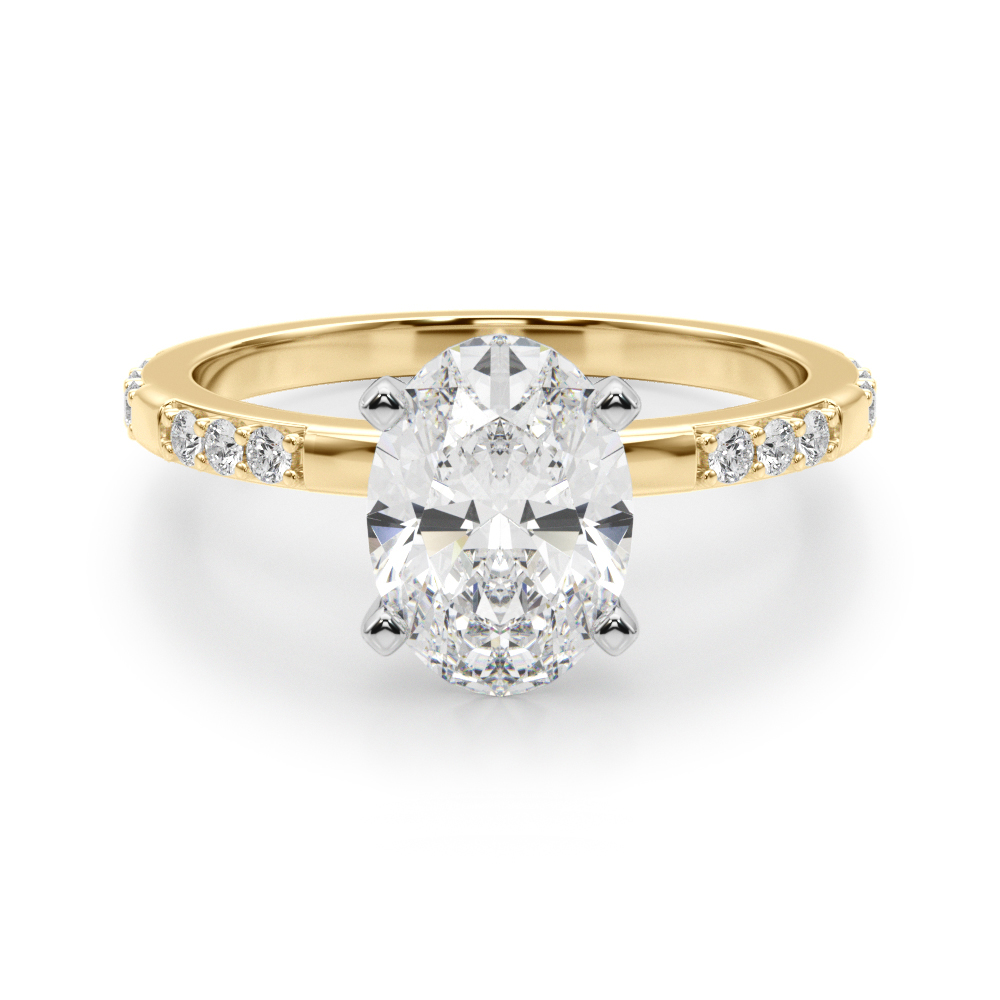
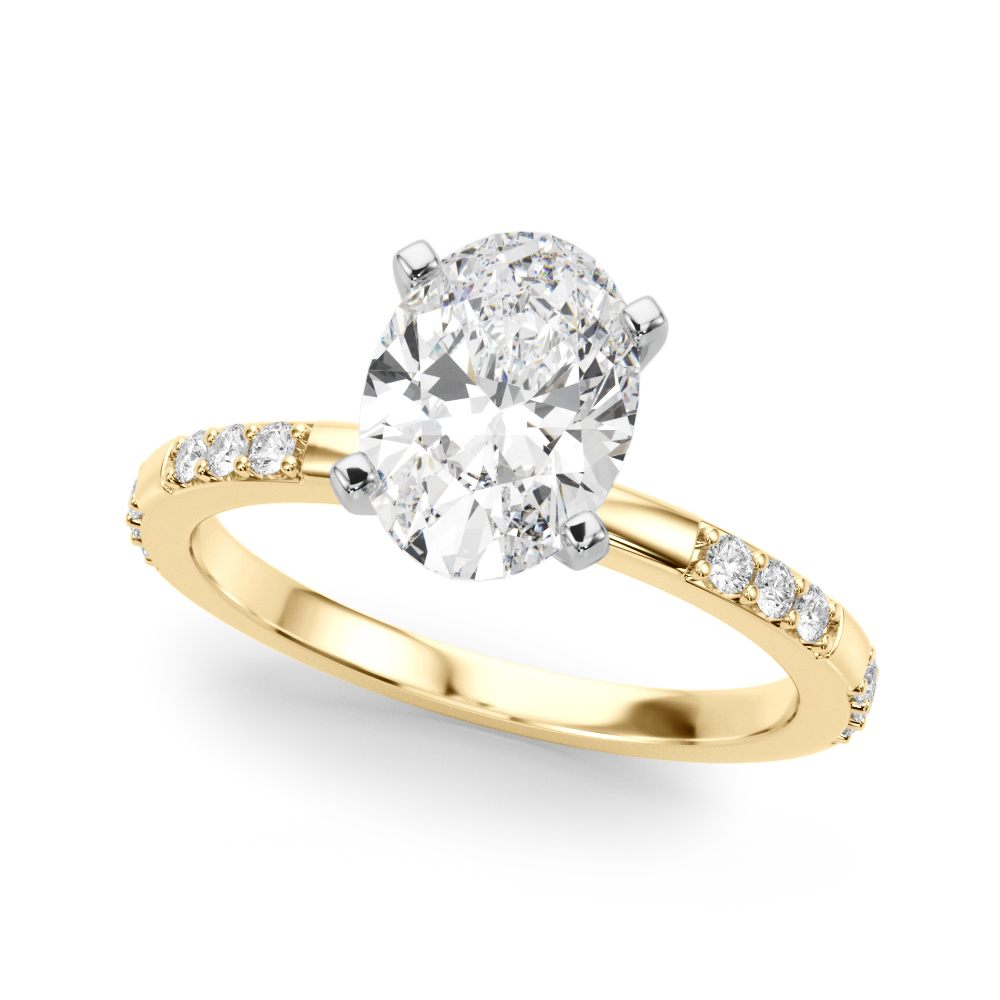
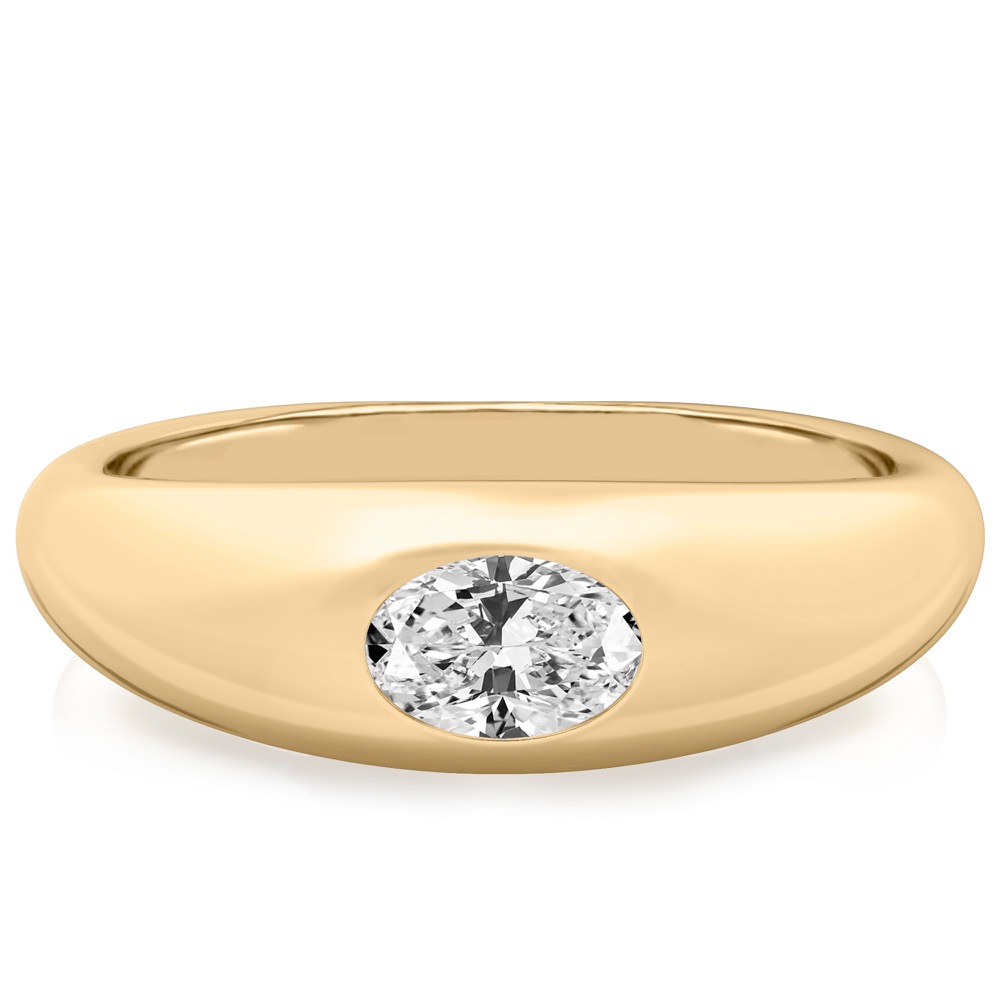
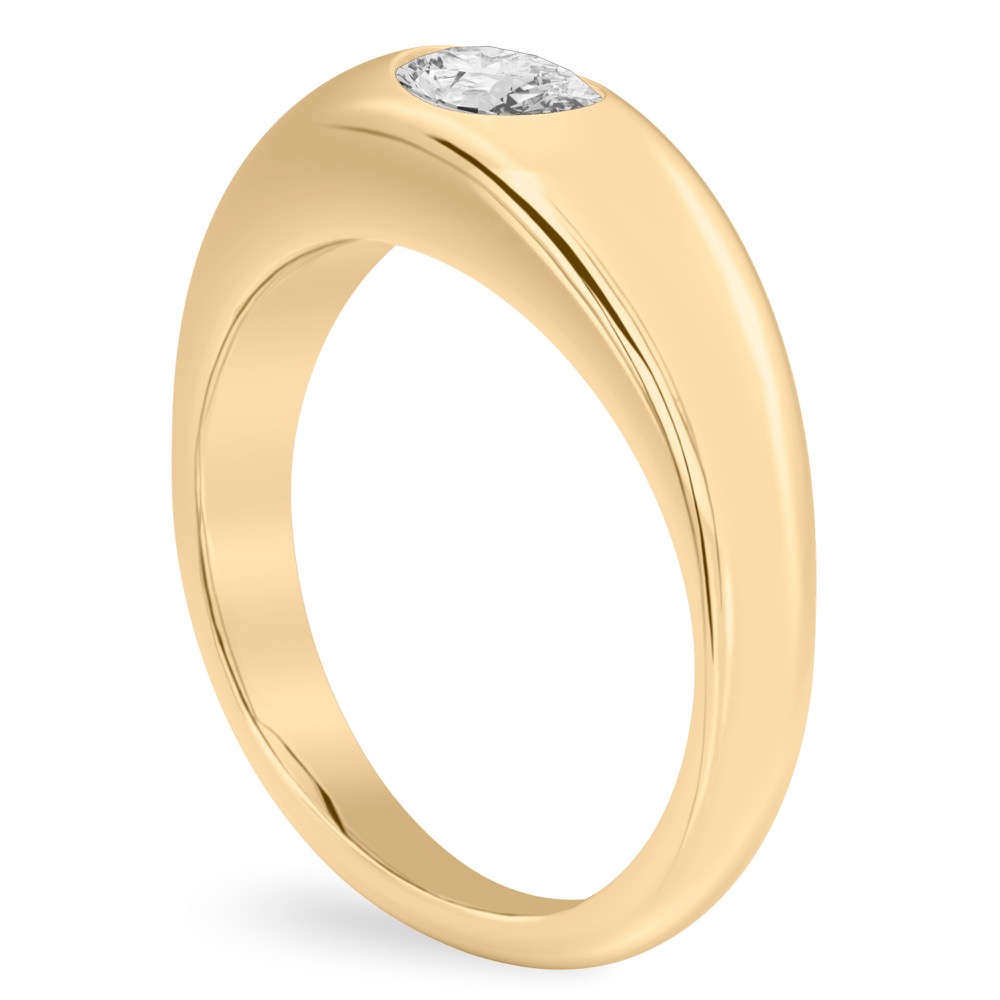
Yes. The FTC updated its definition of diamond in 2018 to remove the word natural, recognizing that lab diamonds meet every scientific criterion to be called a diamond. They are not simulants, not imitations, and not glass. They are diamonds, grown in a lab rather than mined from the ground.
Resizing palladium is significantly more challenging than resizing gold. It requires specialized tools and expertise that most standard jewelry stores do not have. If you anticipate needing a resize, choosing gold or platinum will give you more flexibility. It is a key practical consideration before committing to palladium.
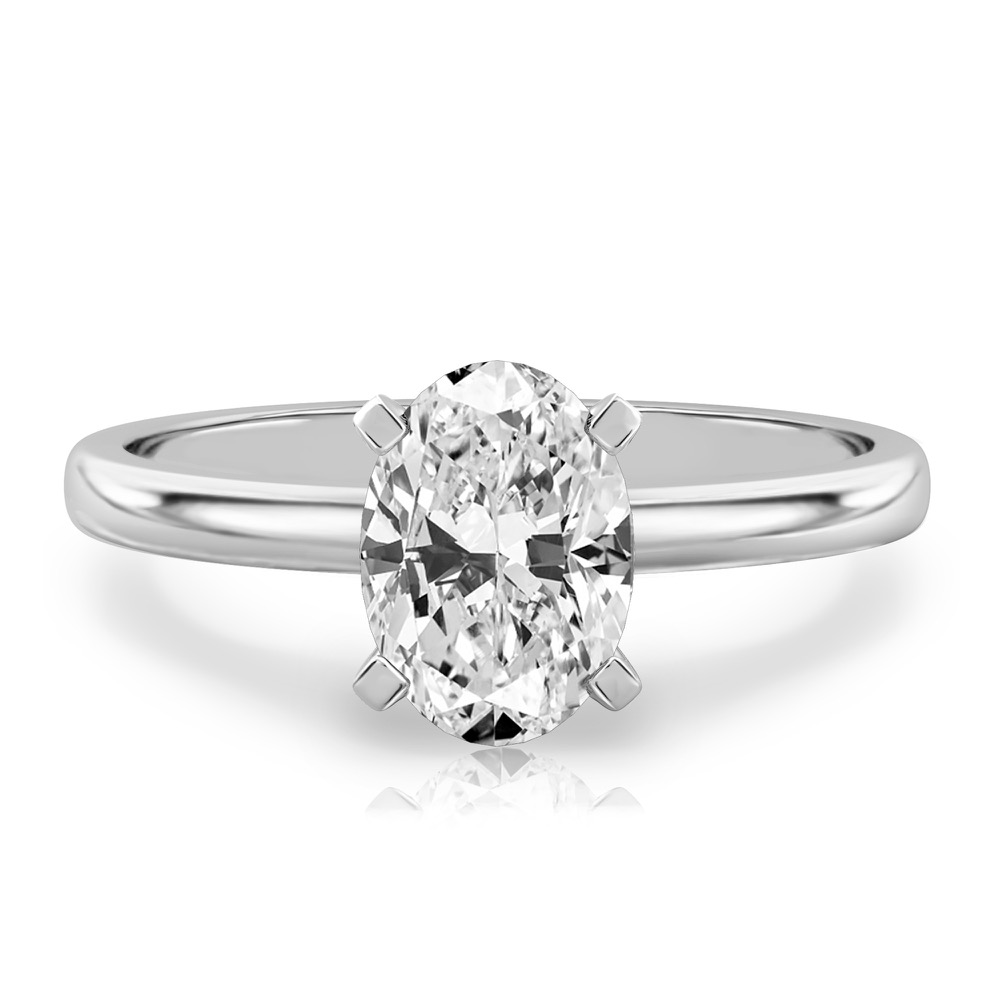
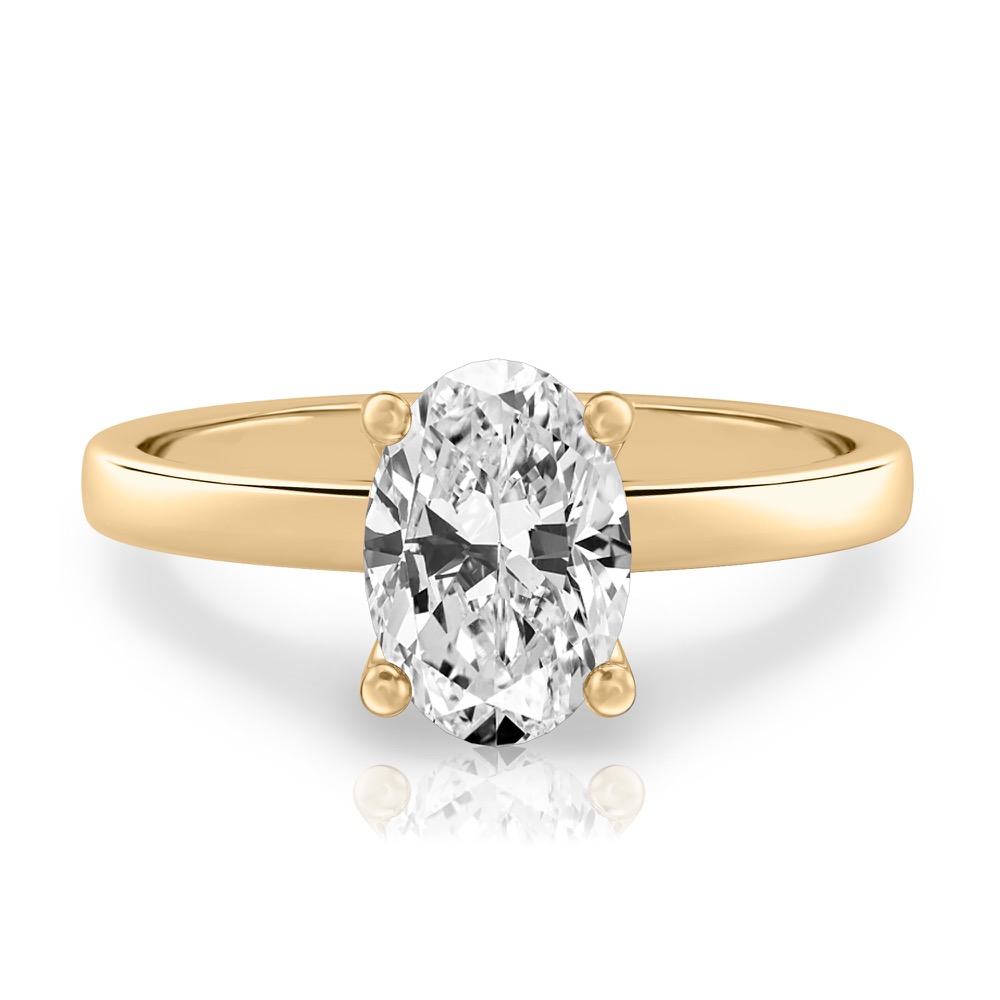
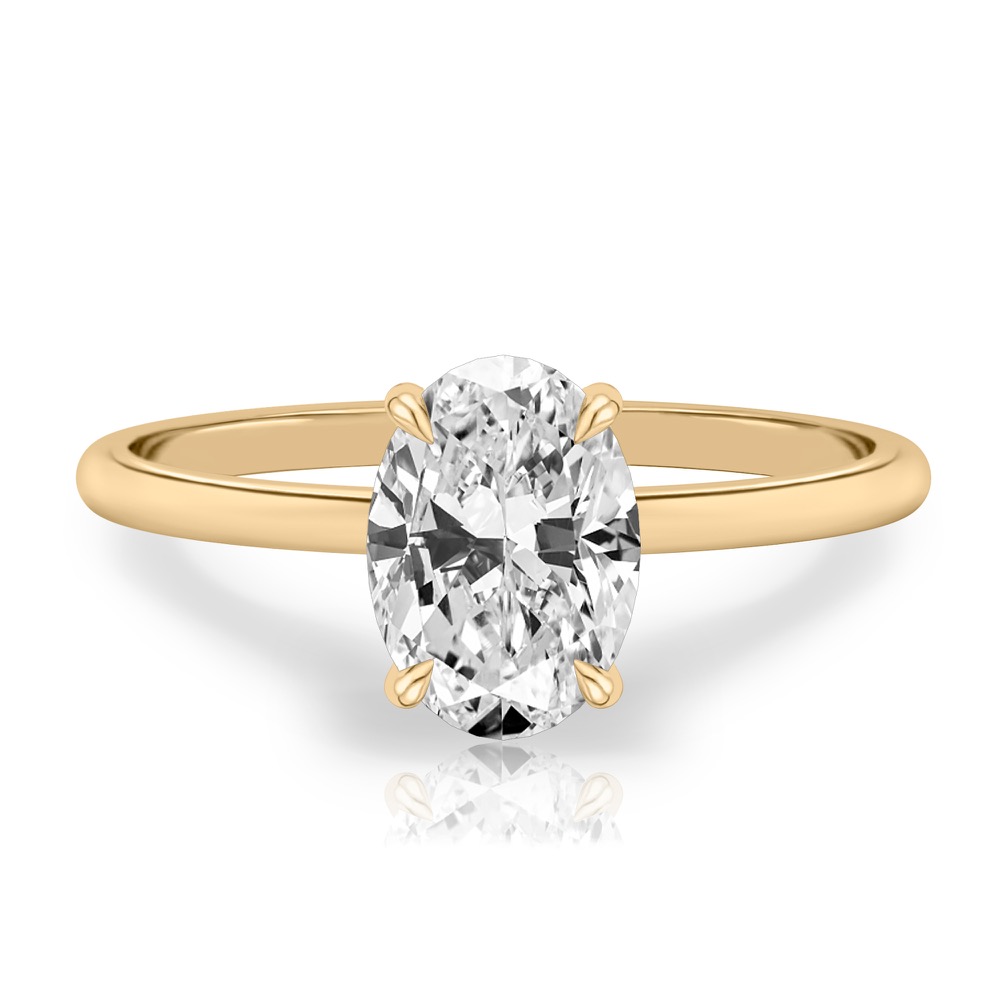
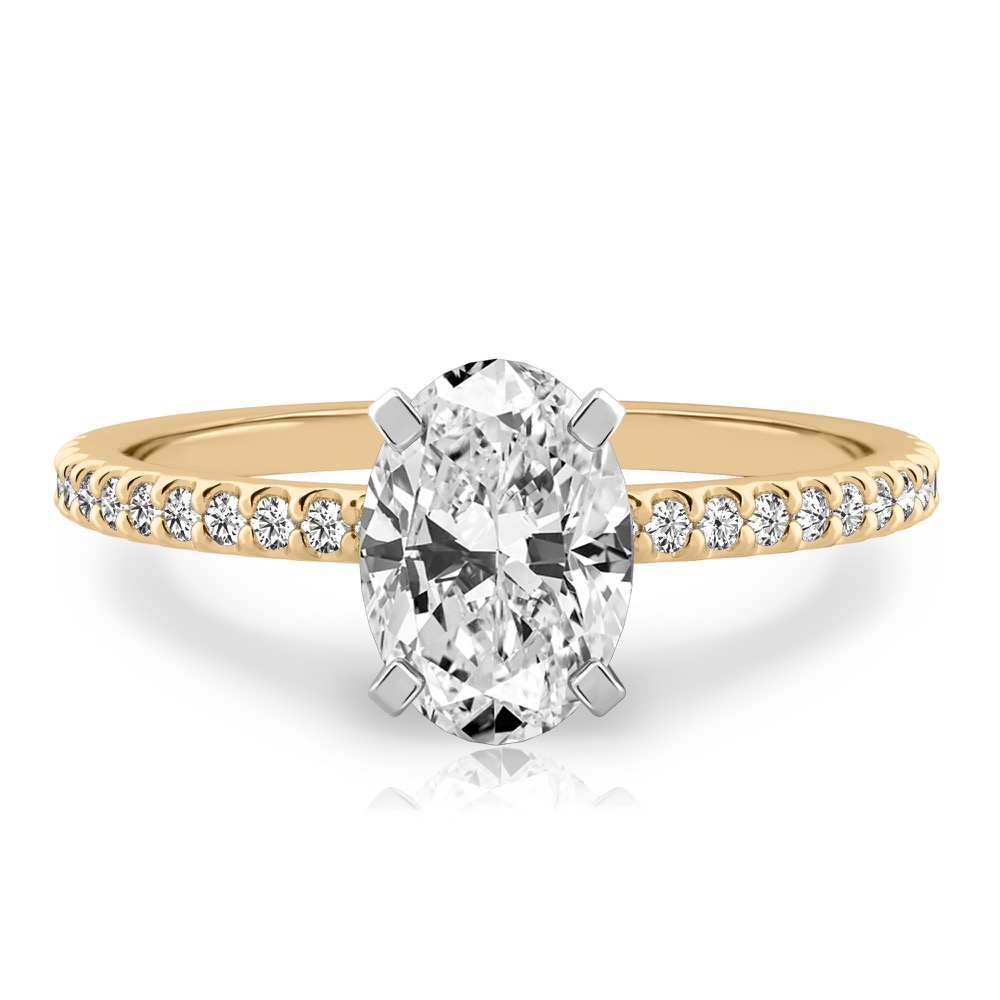
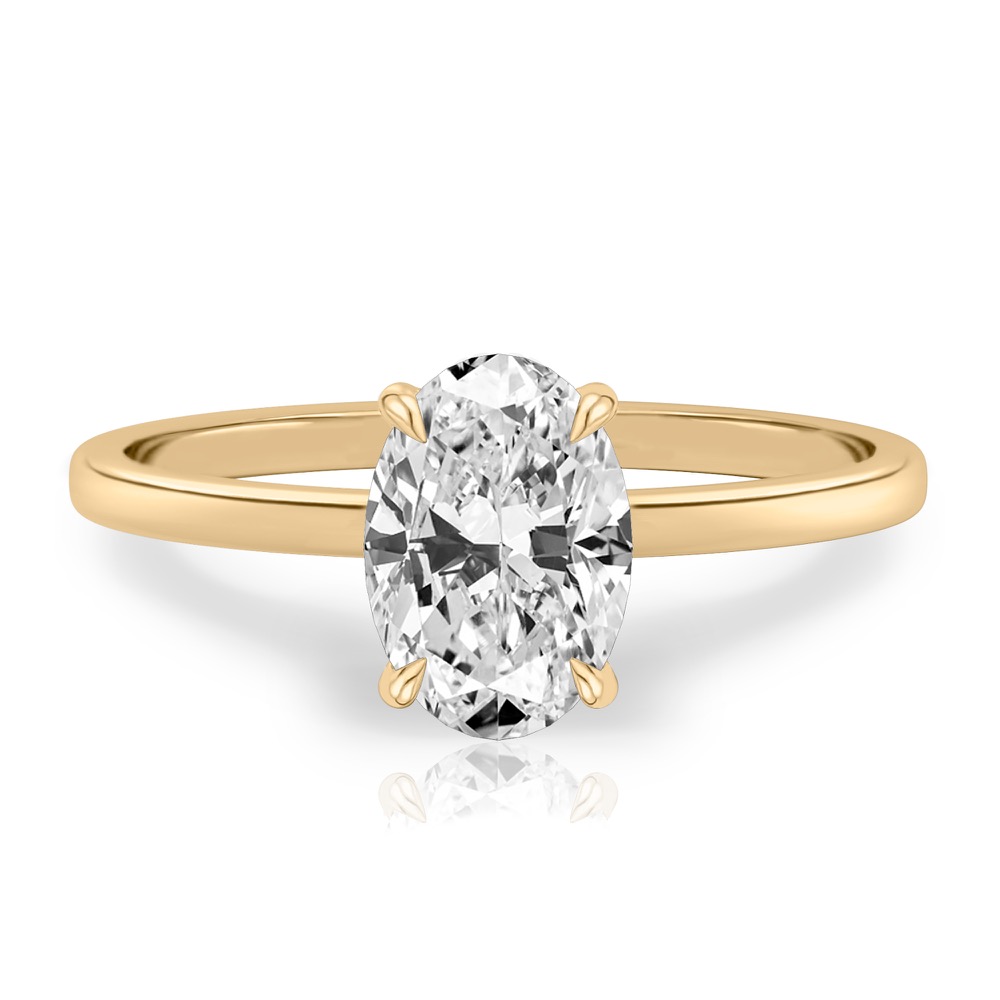
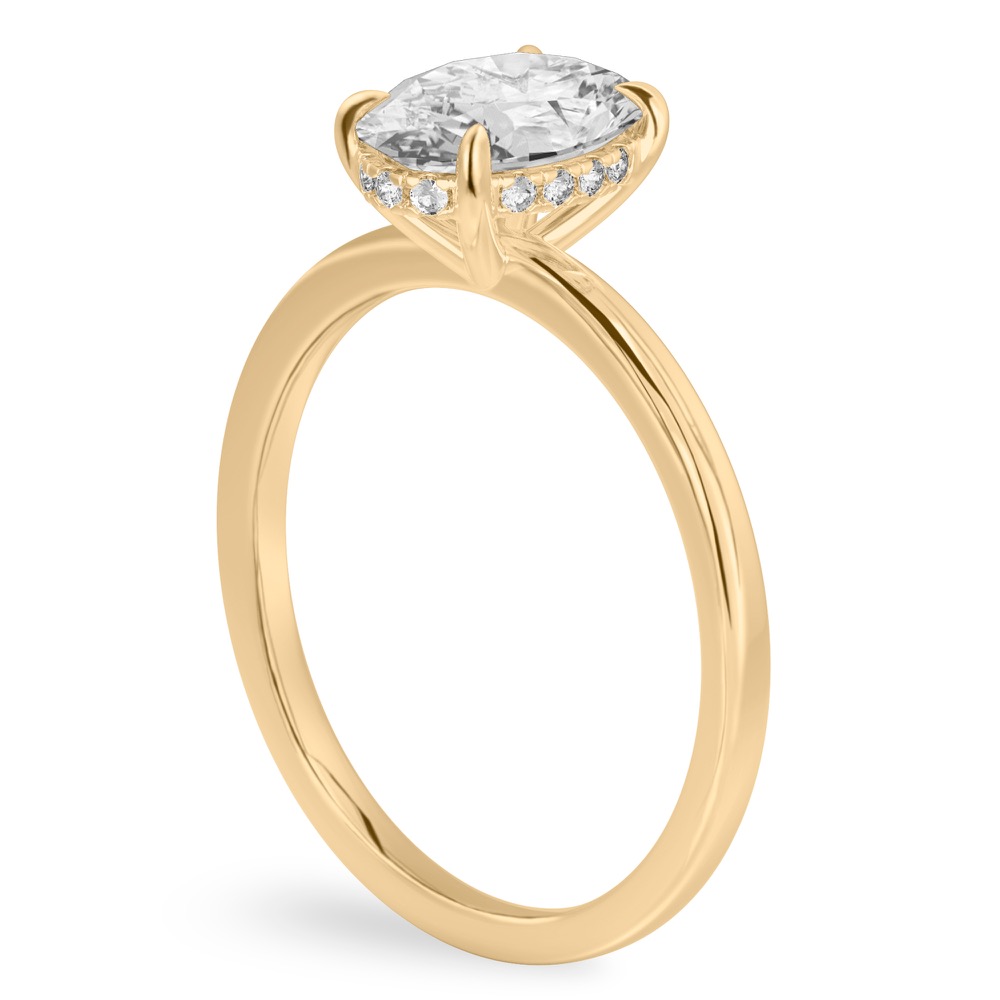
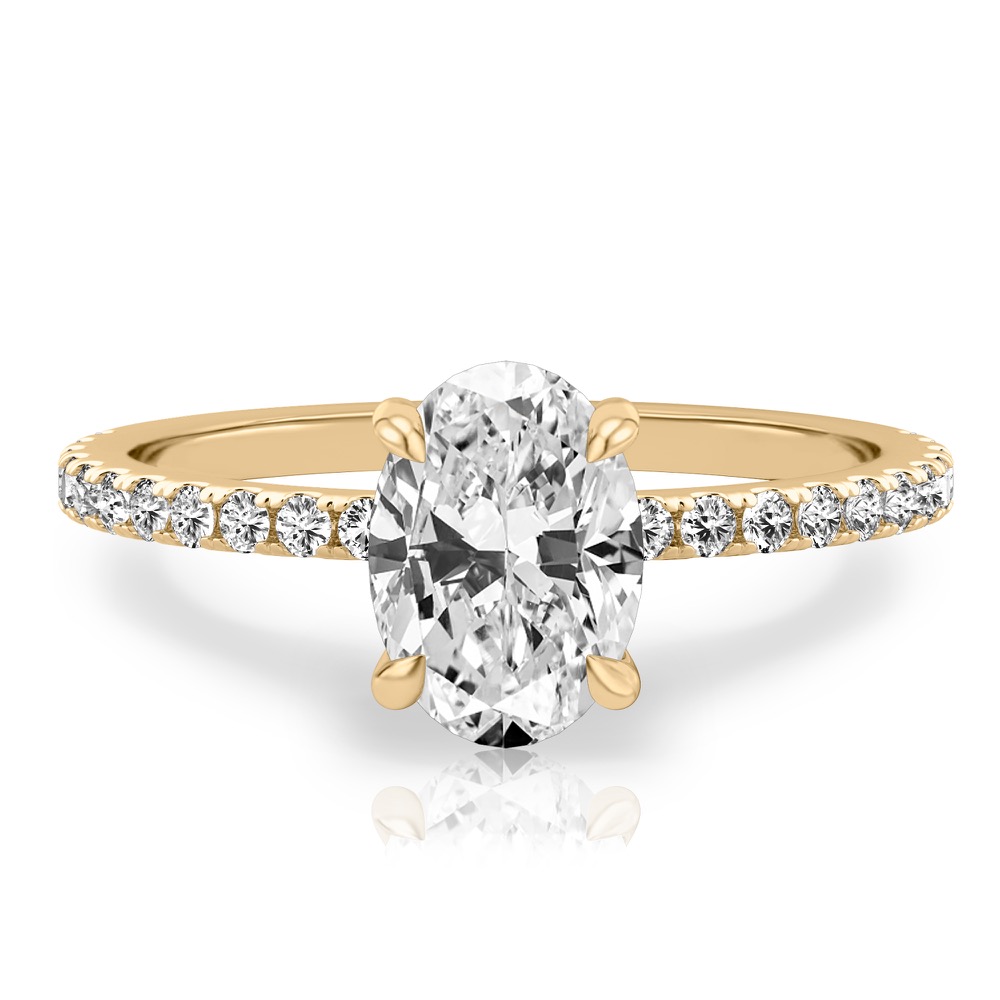
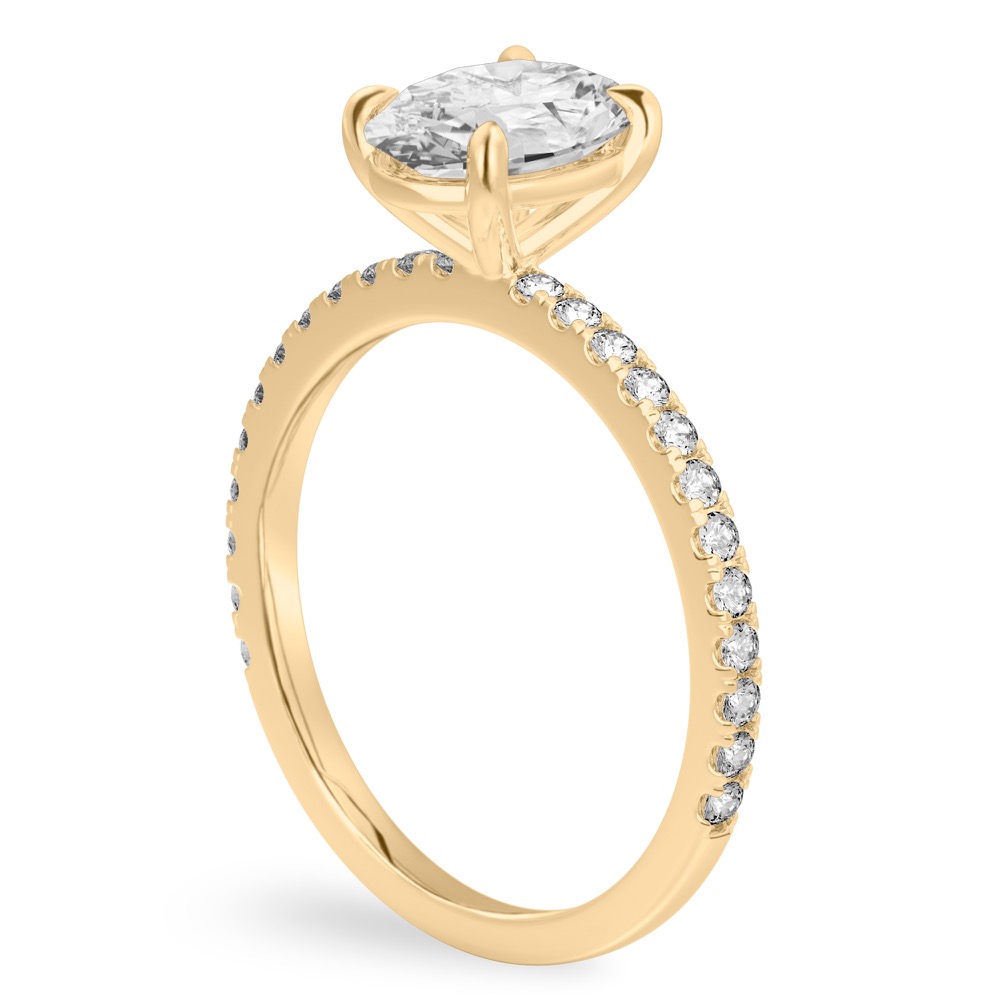
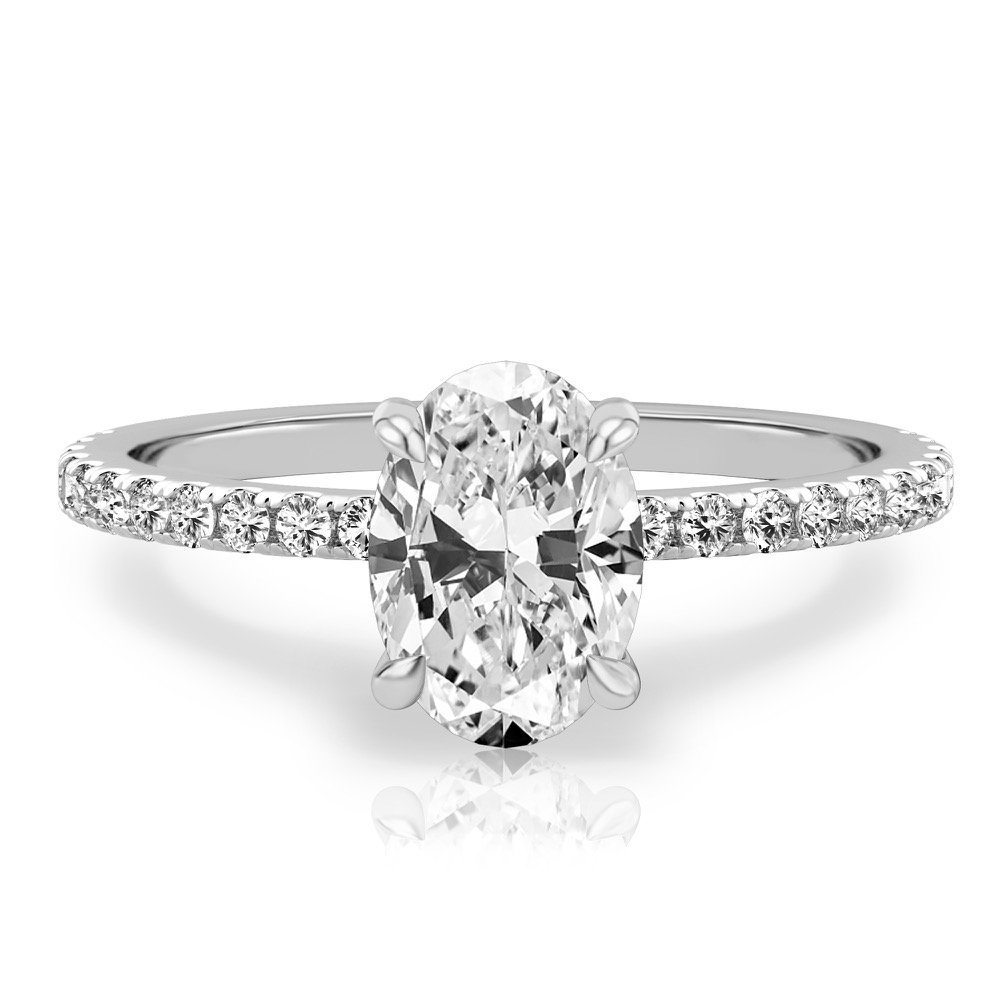
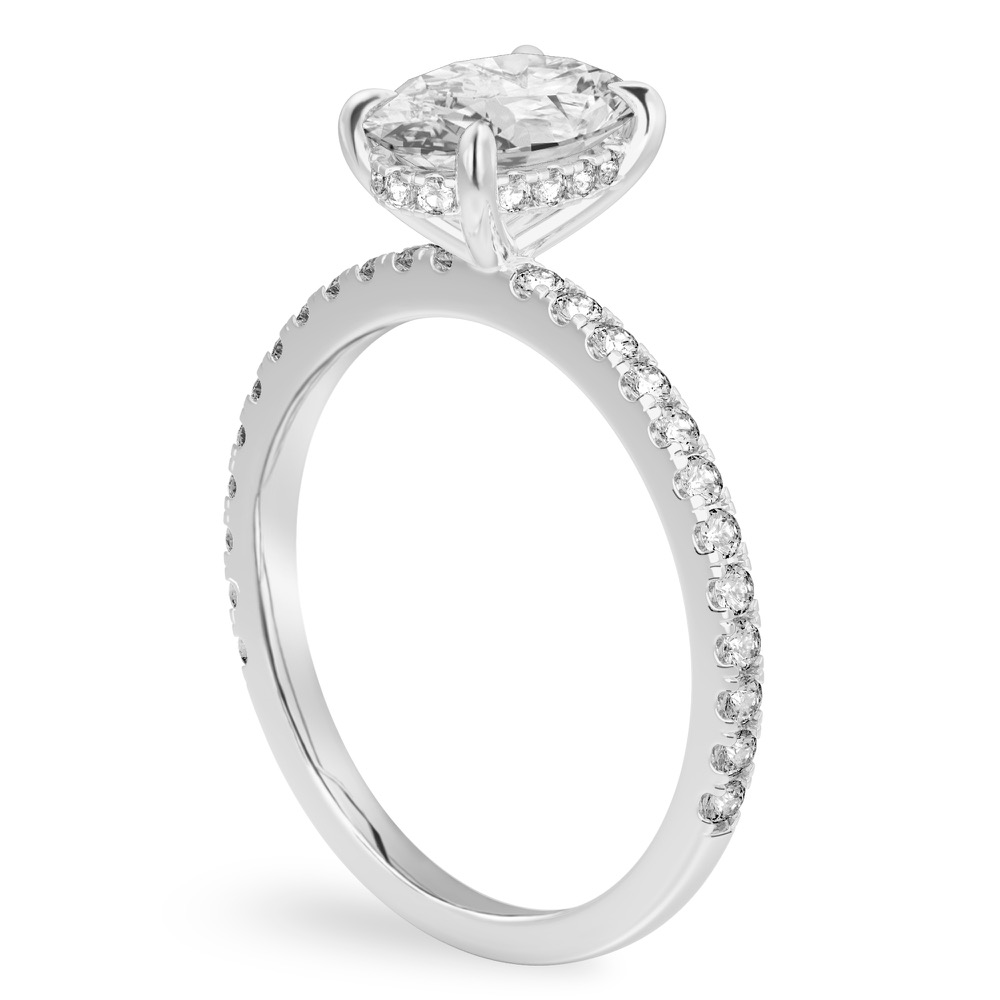
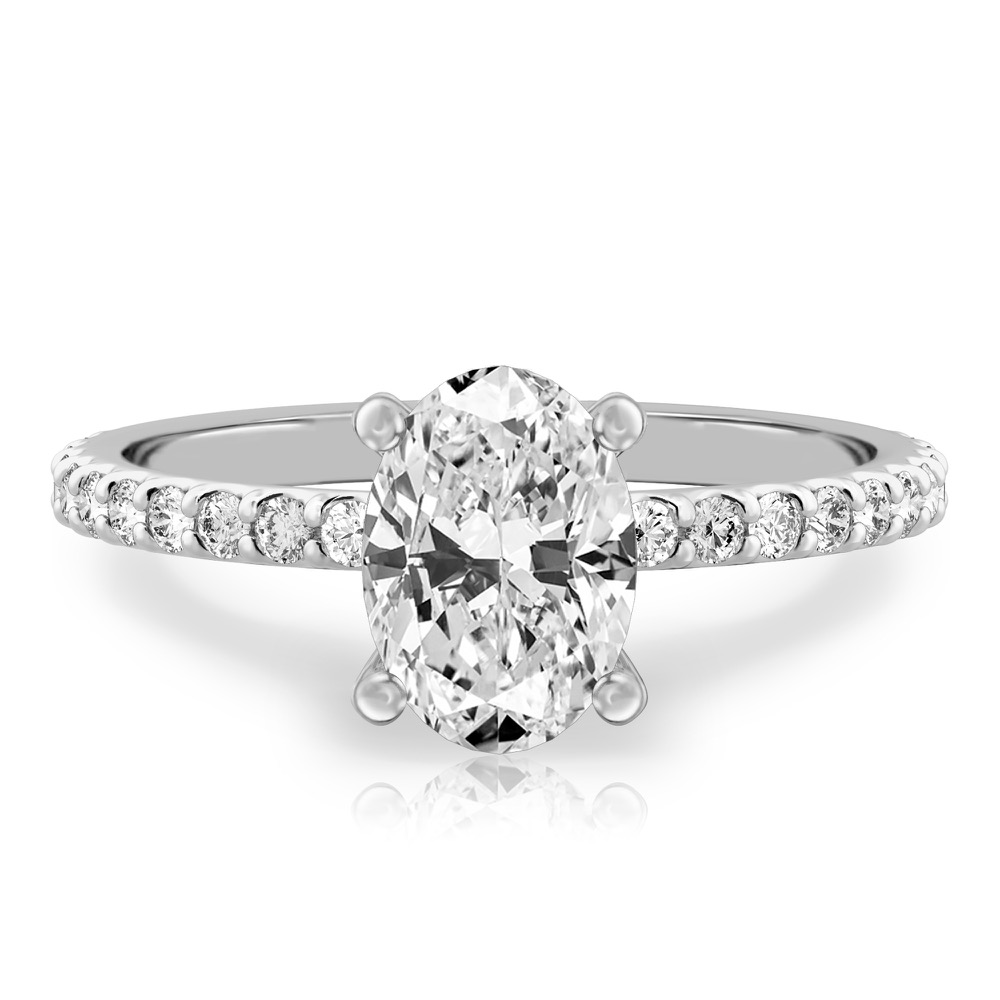
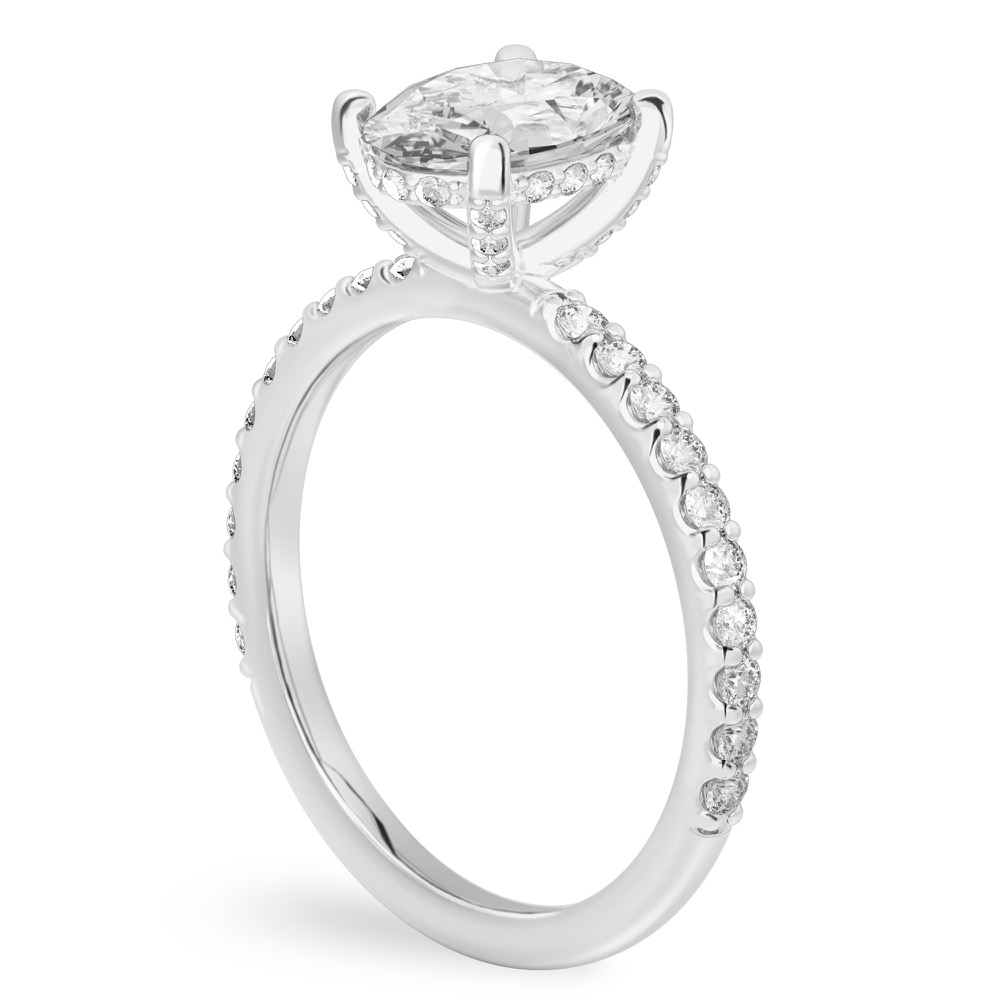
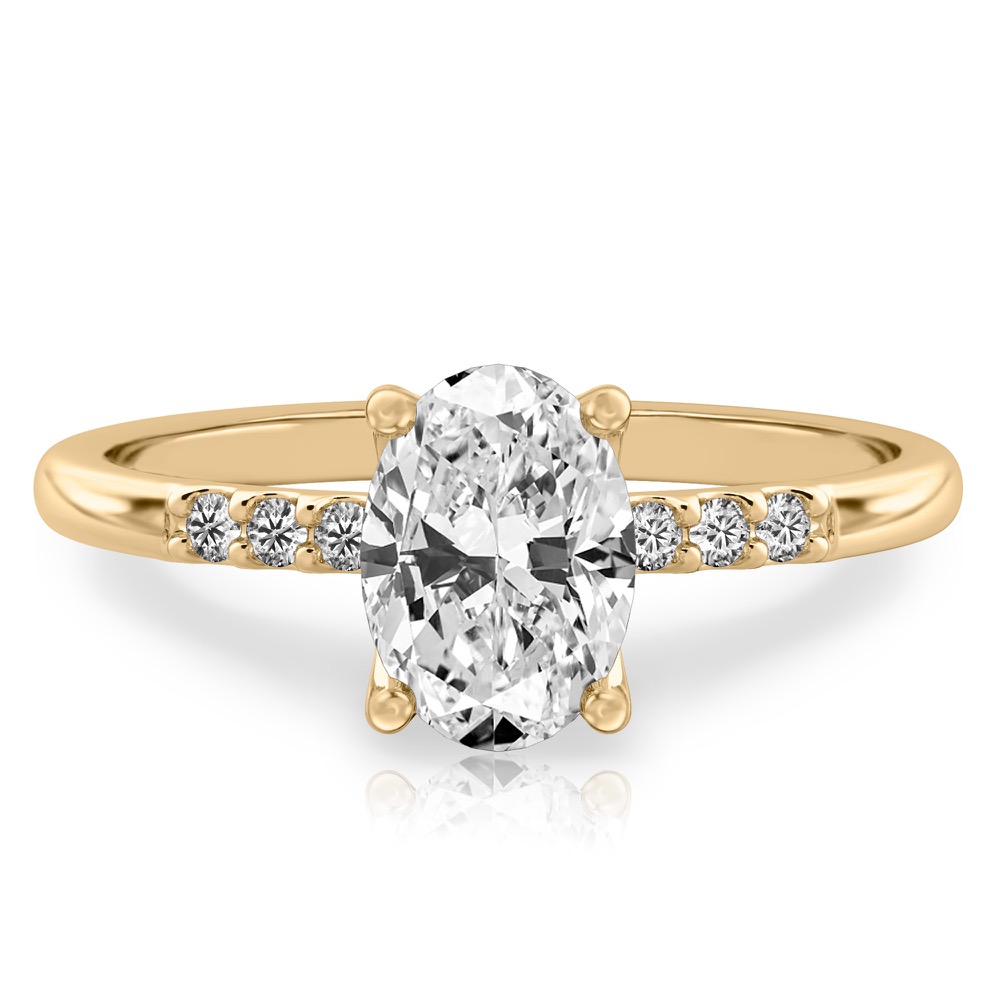
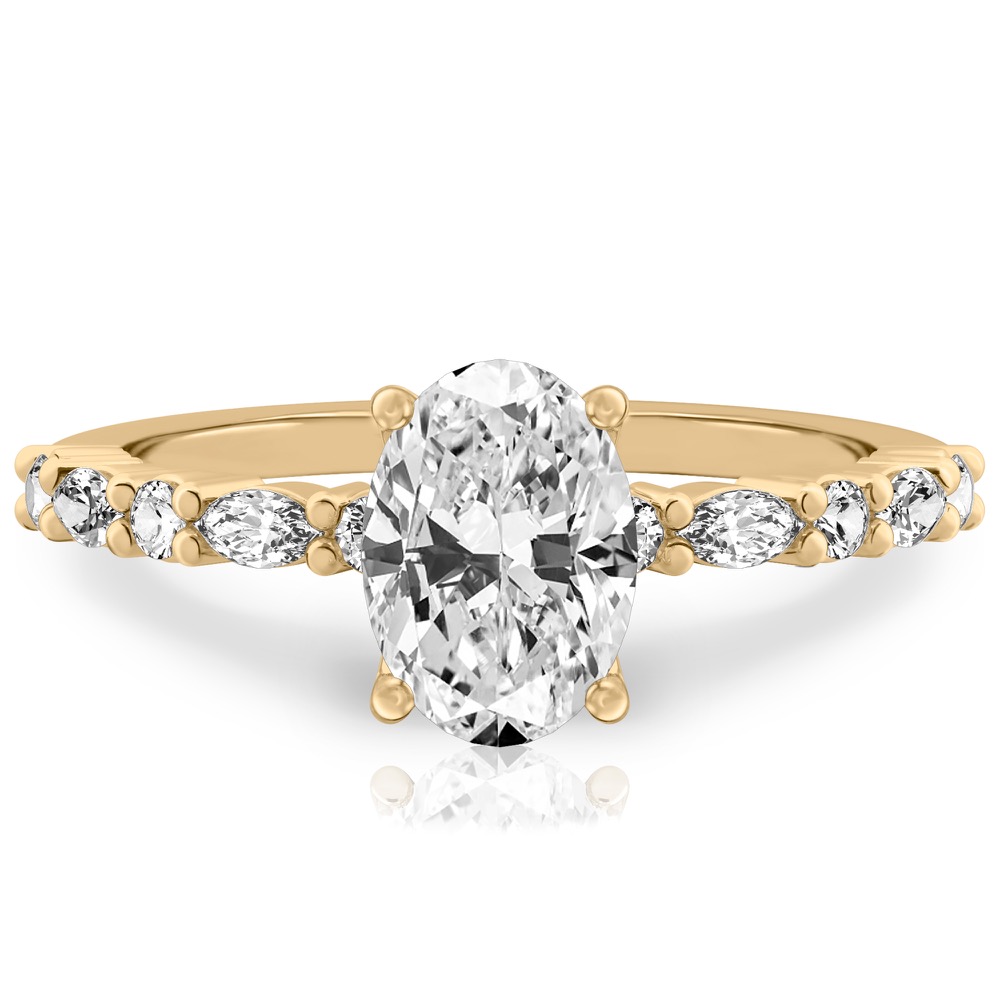
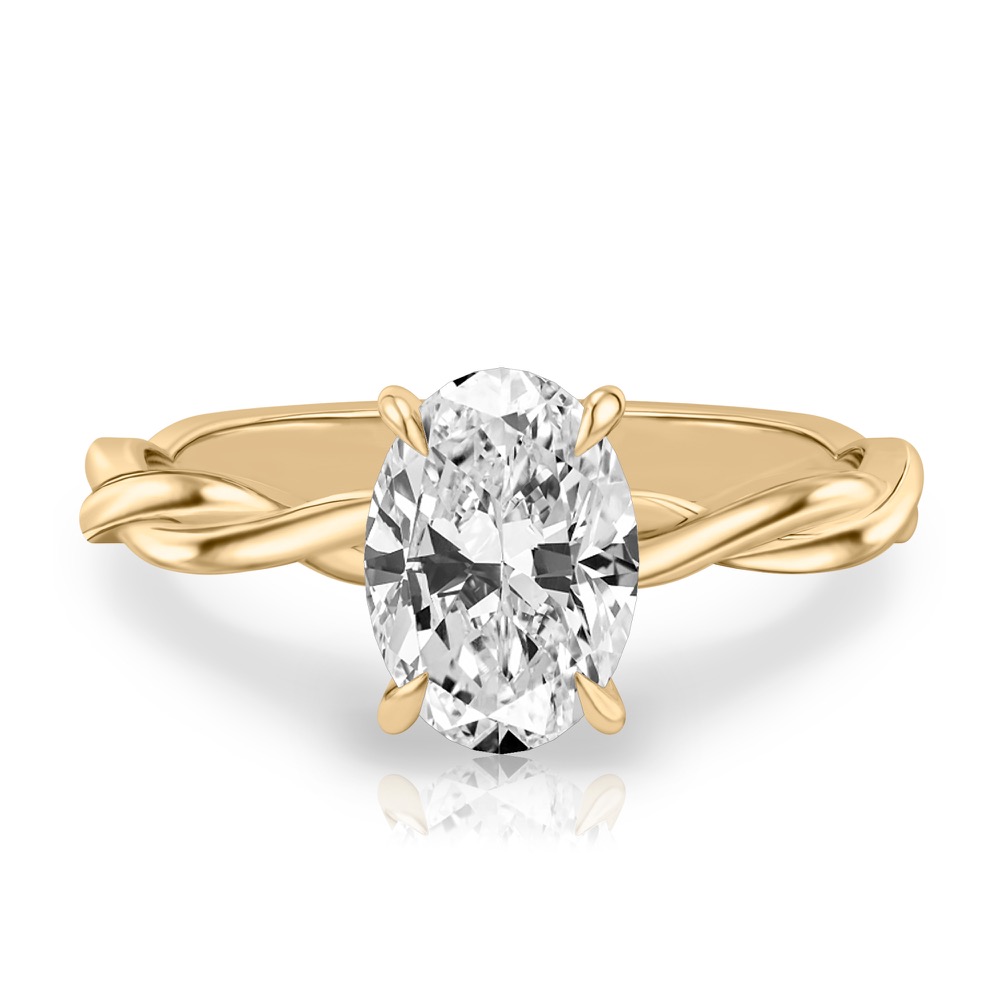
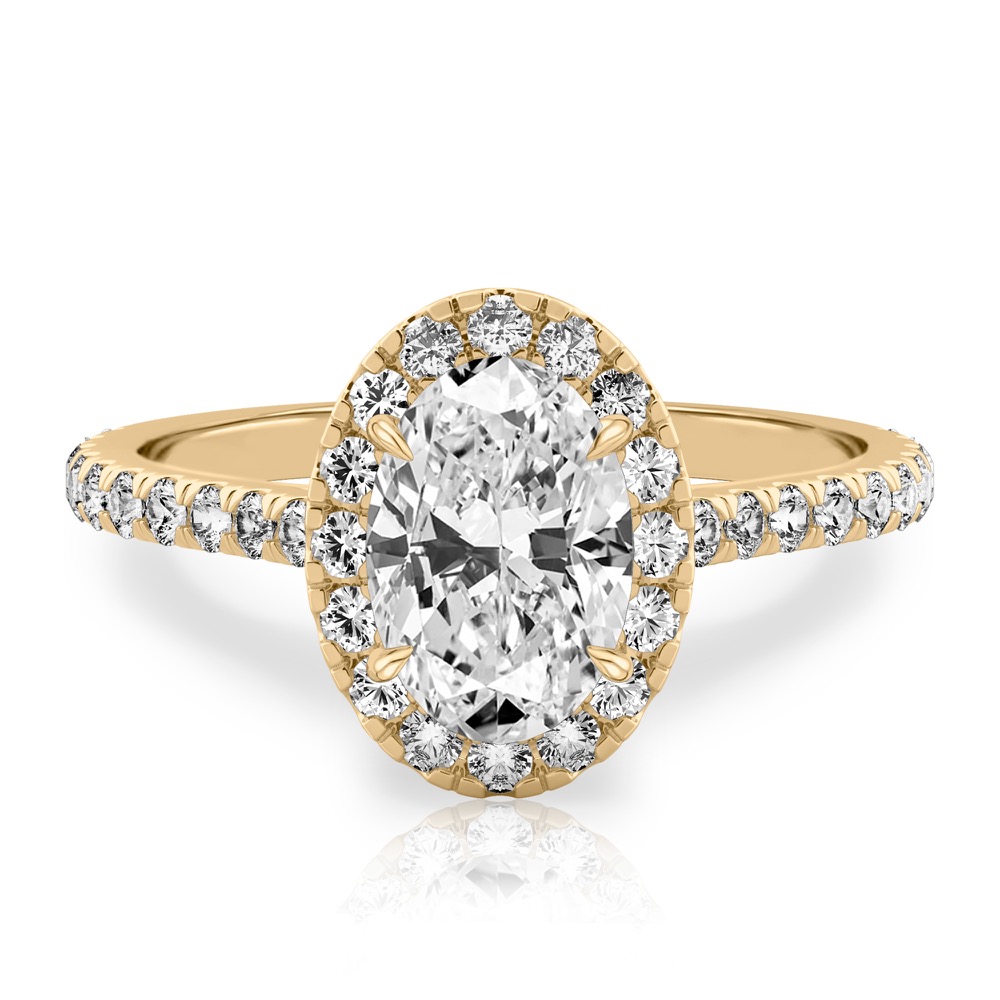
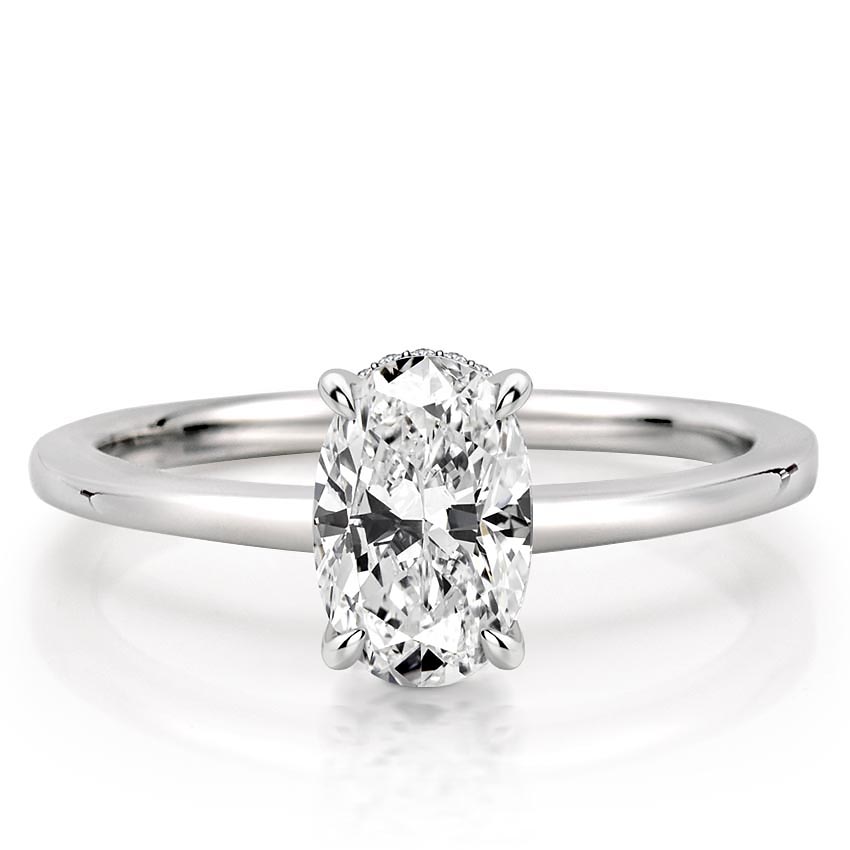
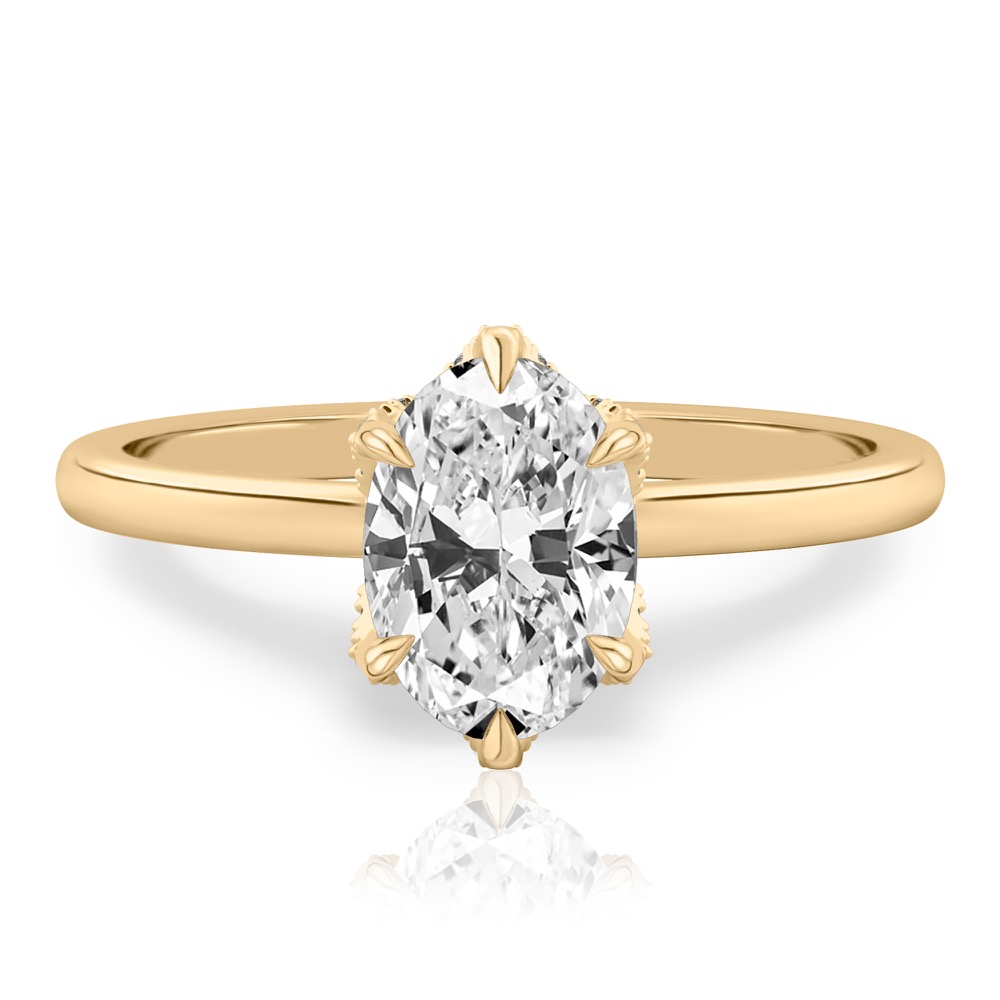
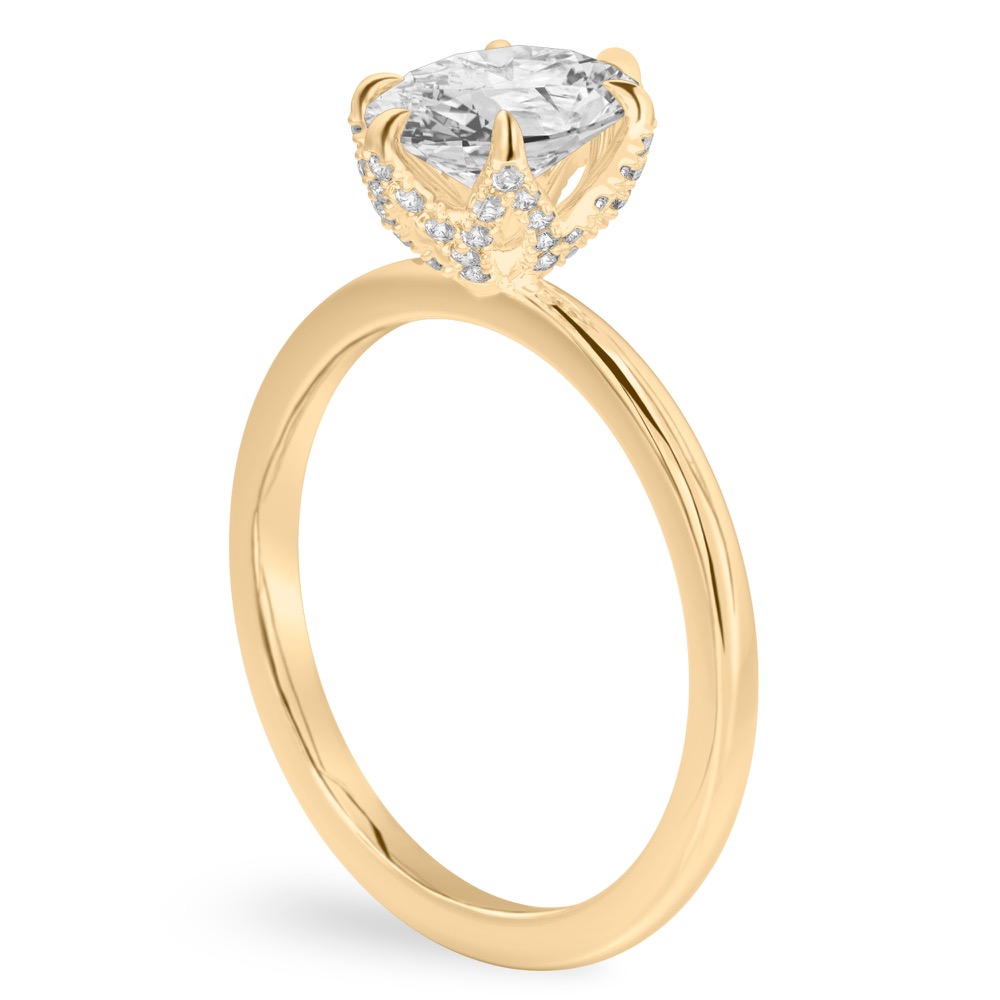
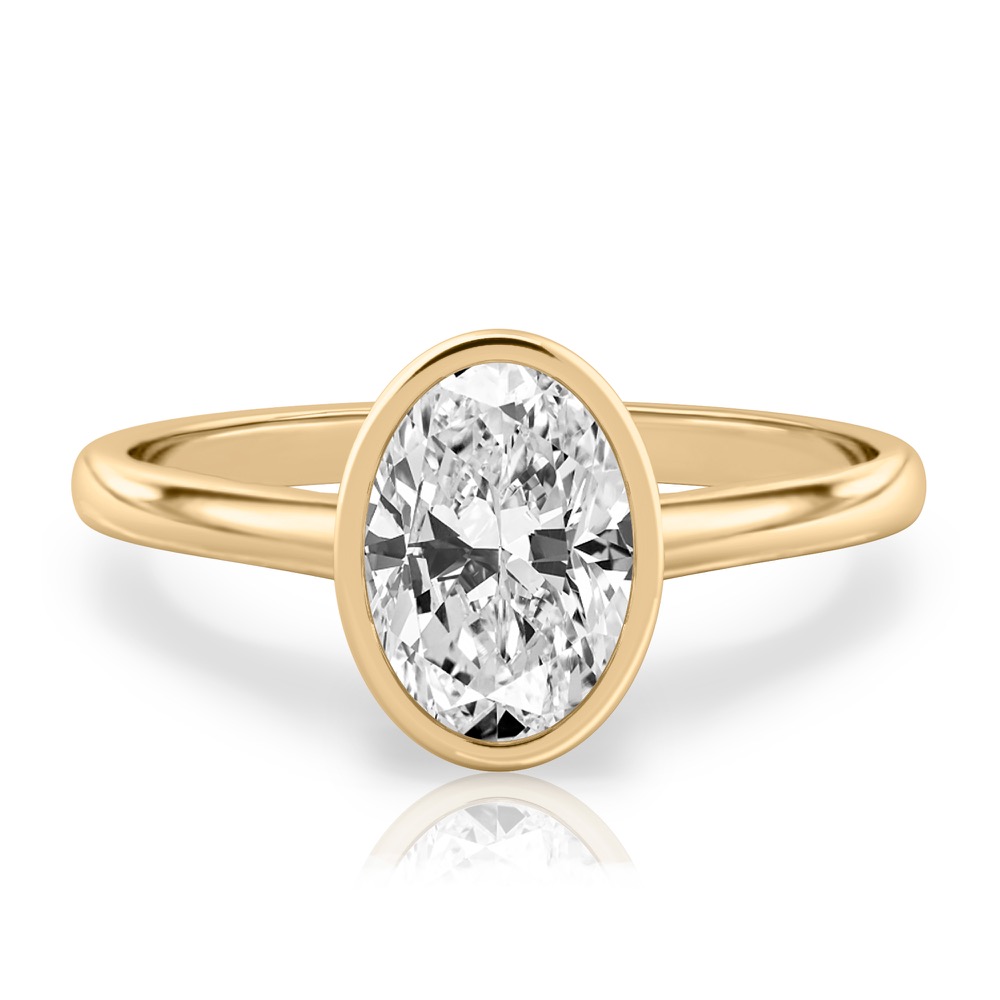
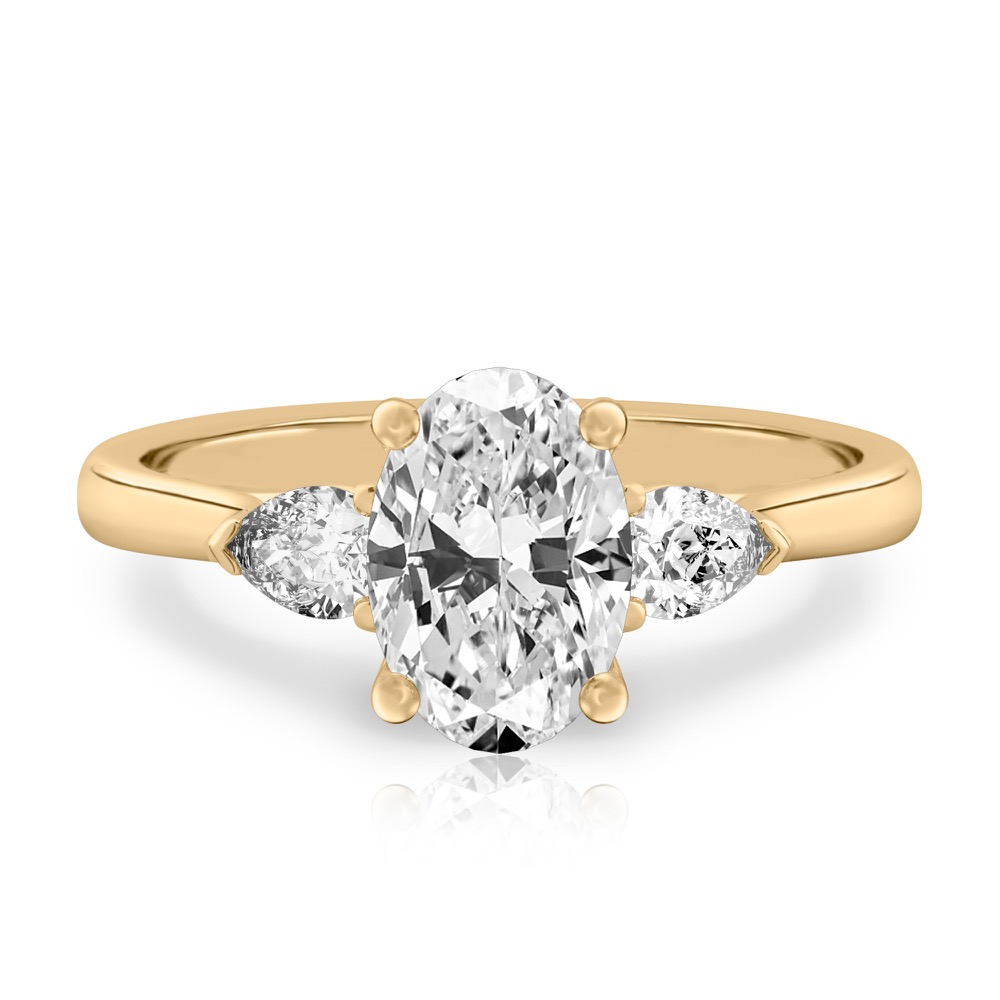
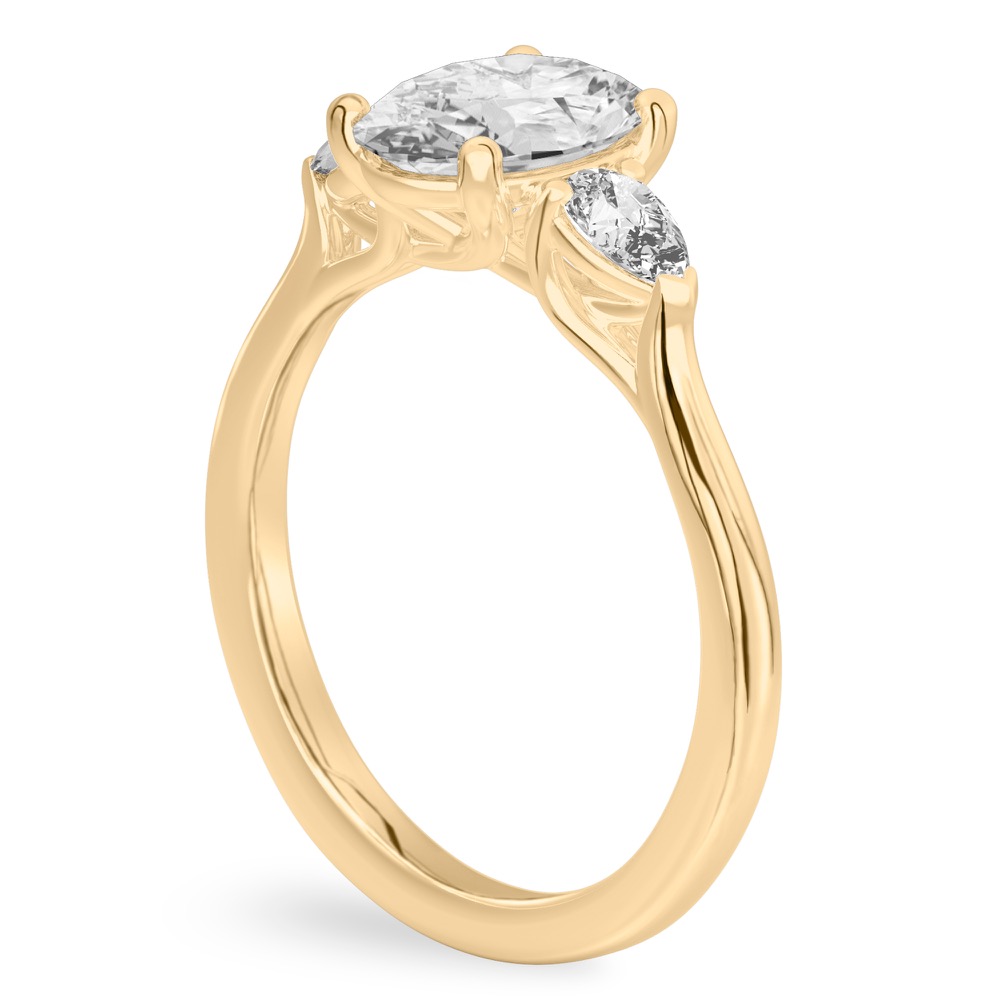
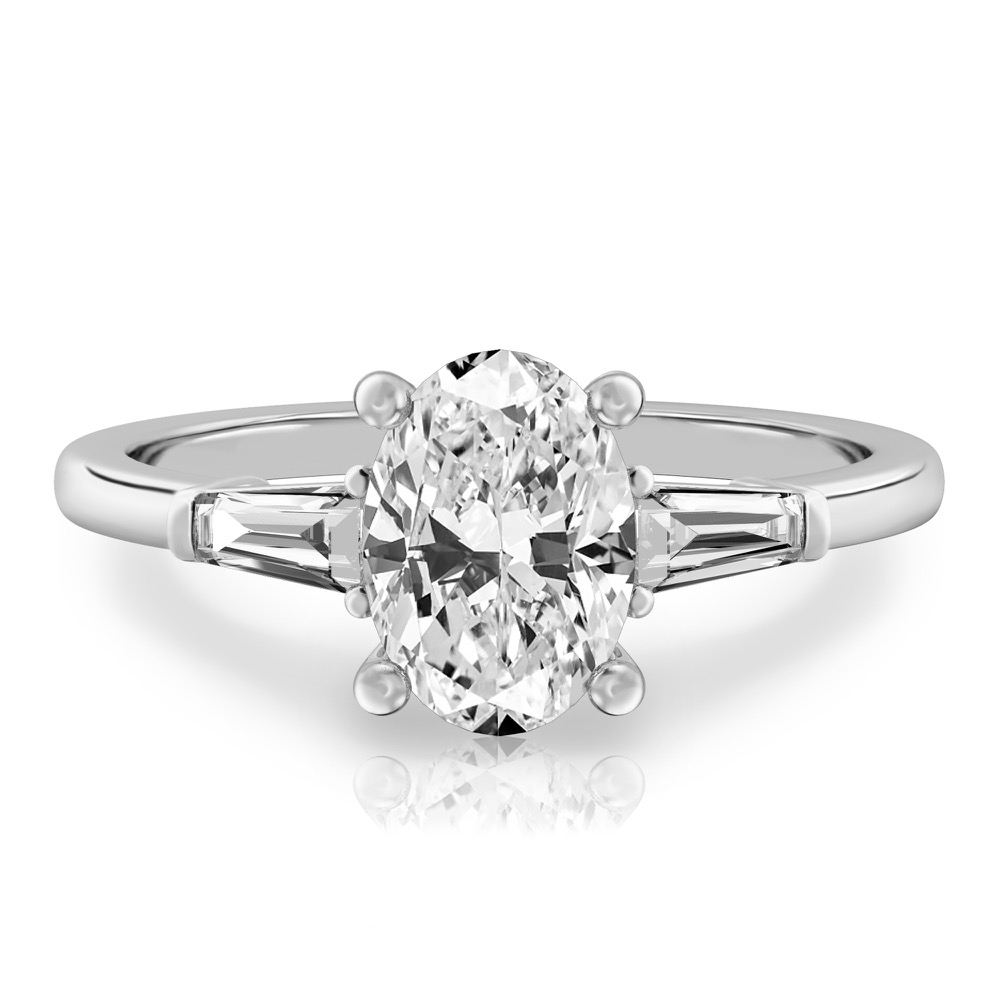
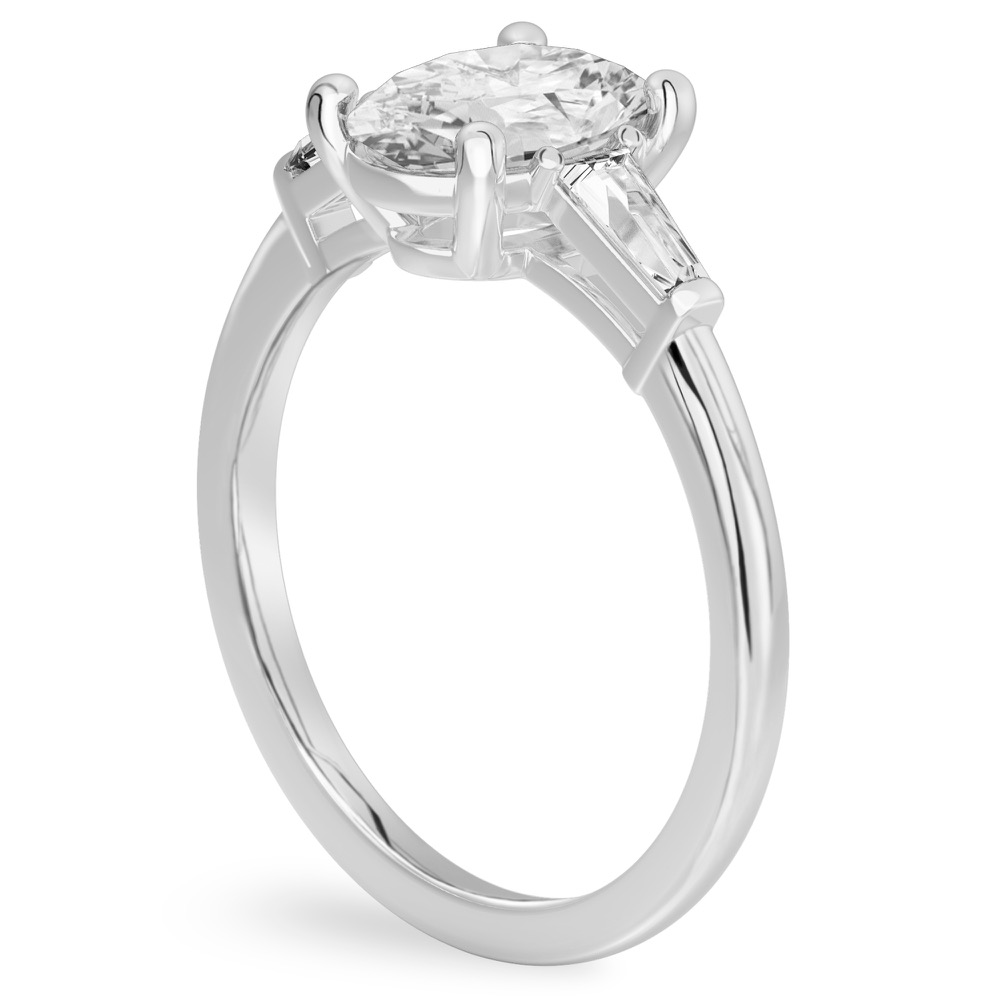
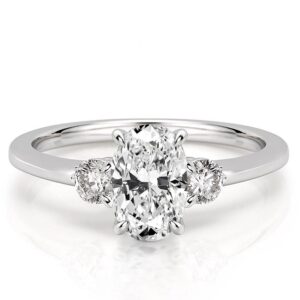
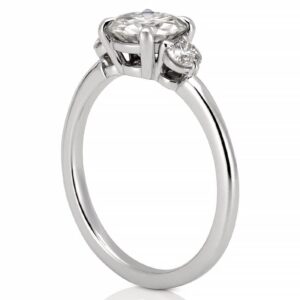
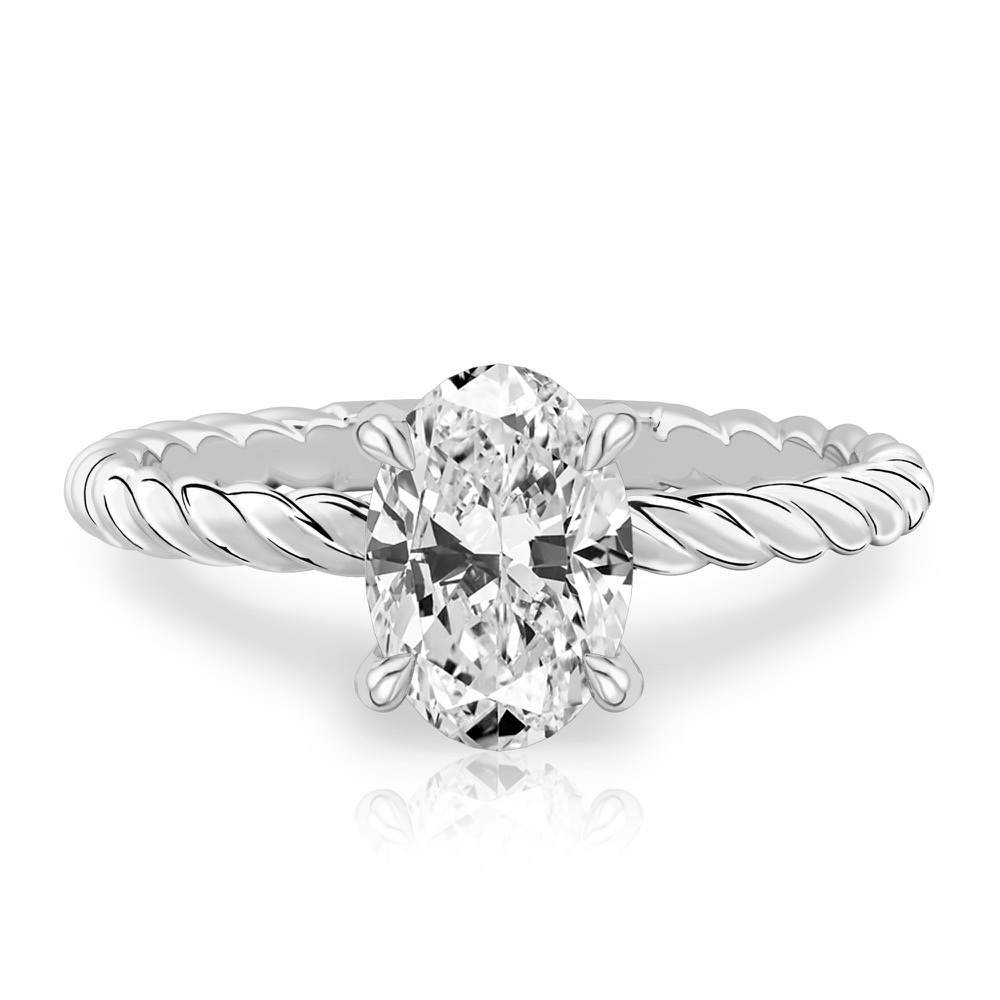
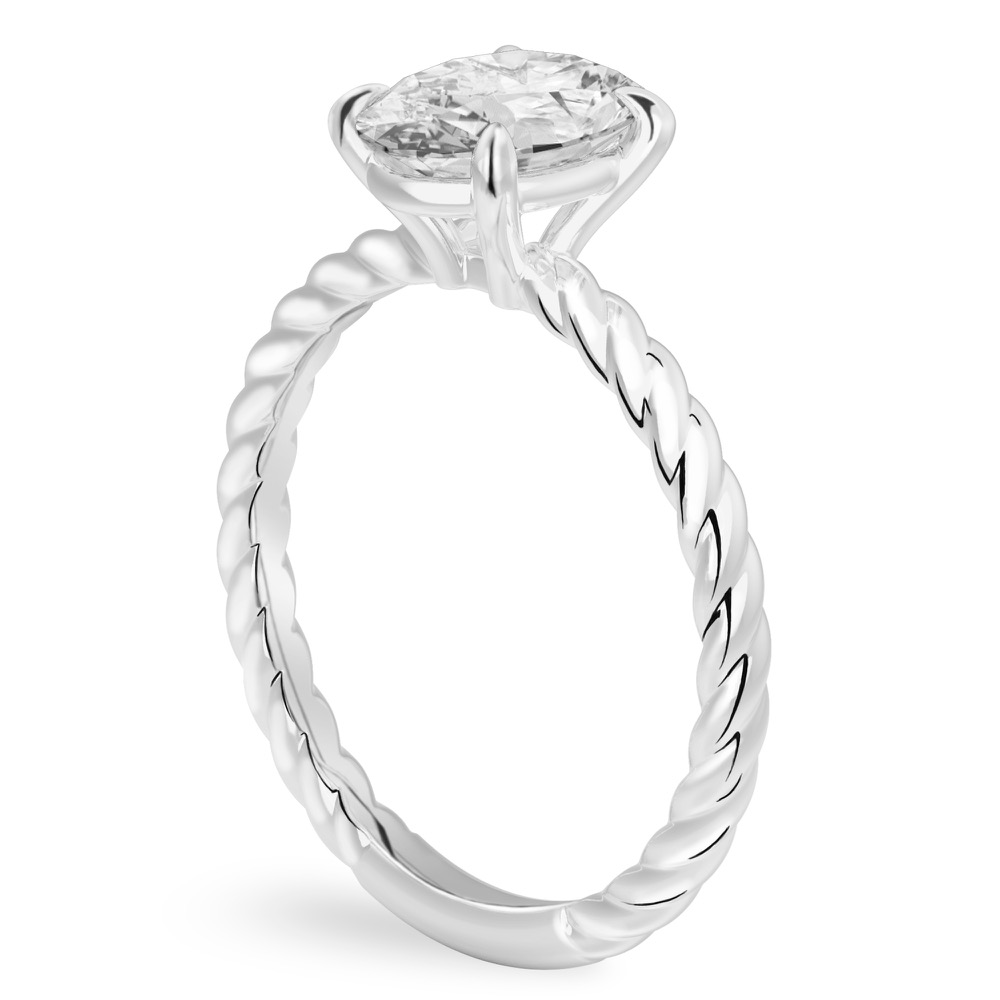
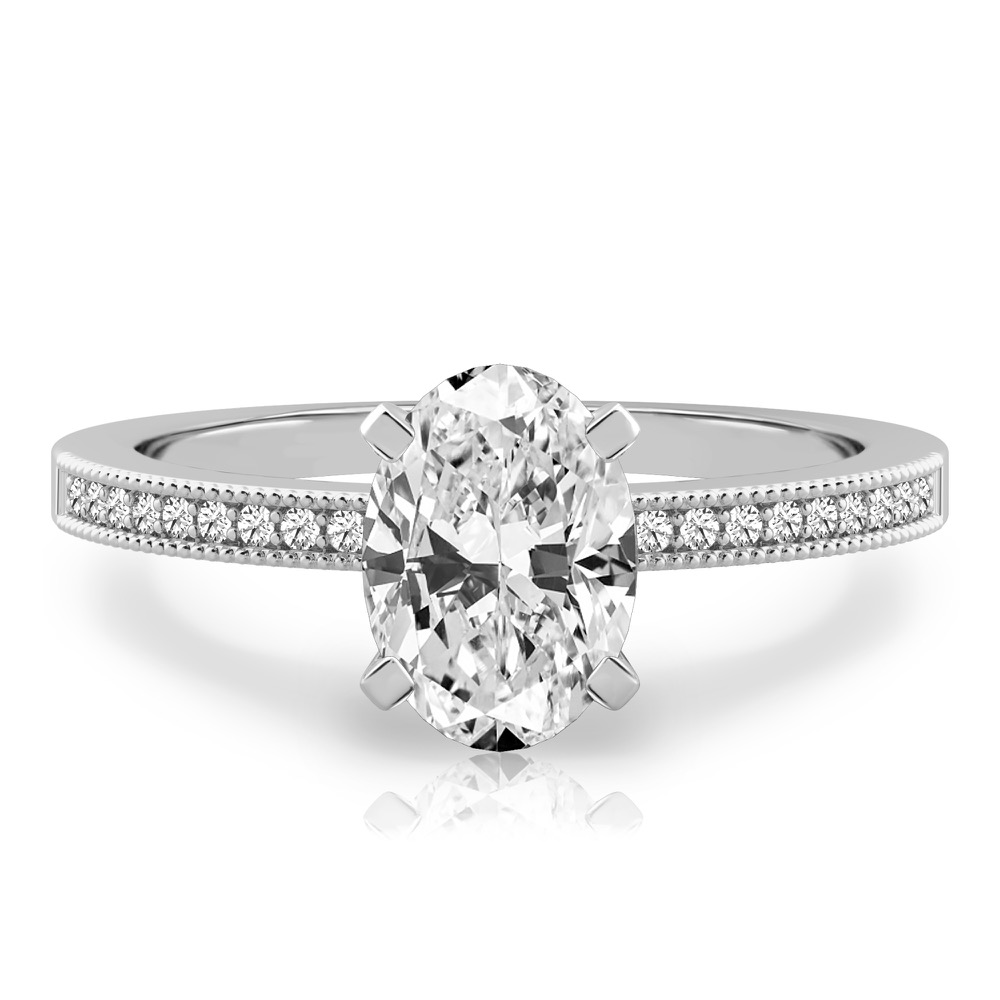
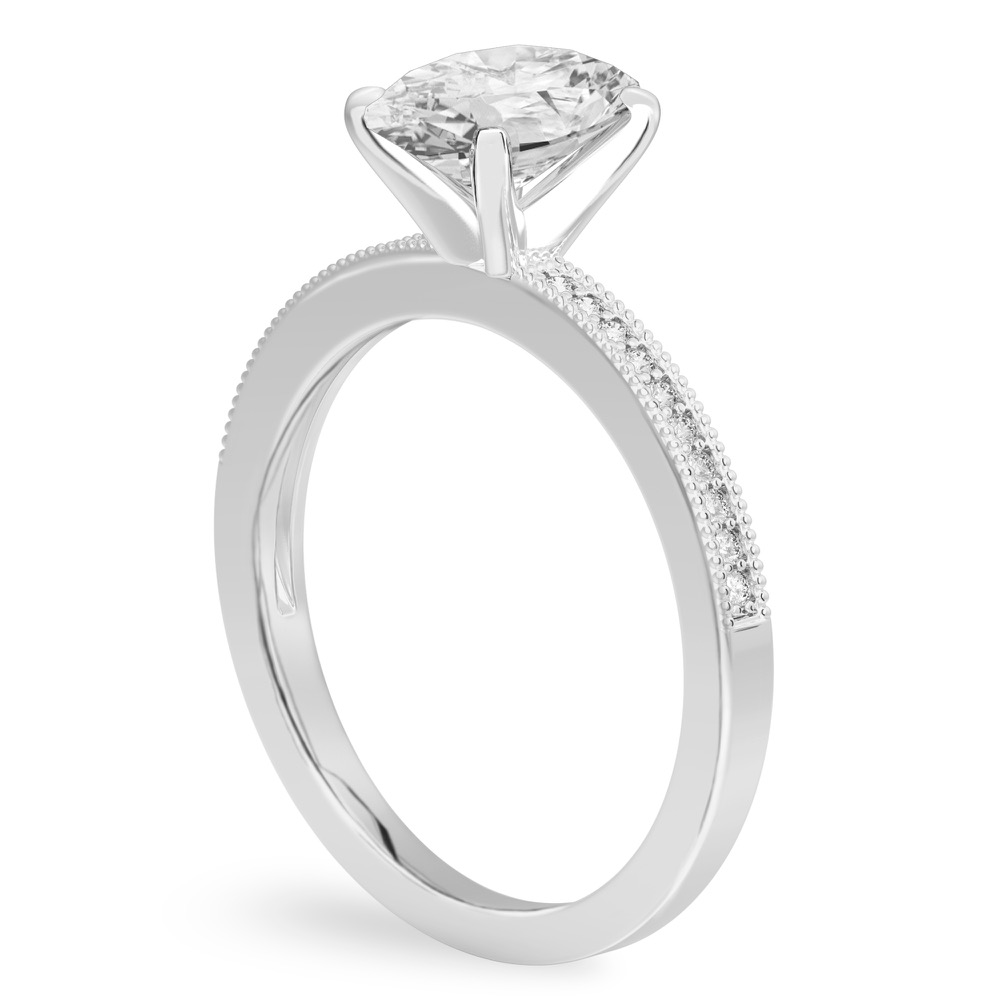
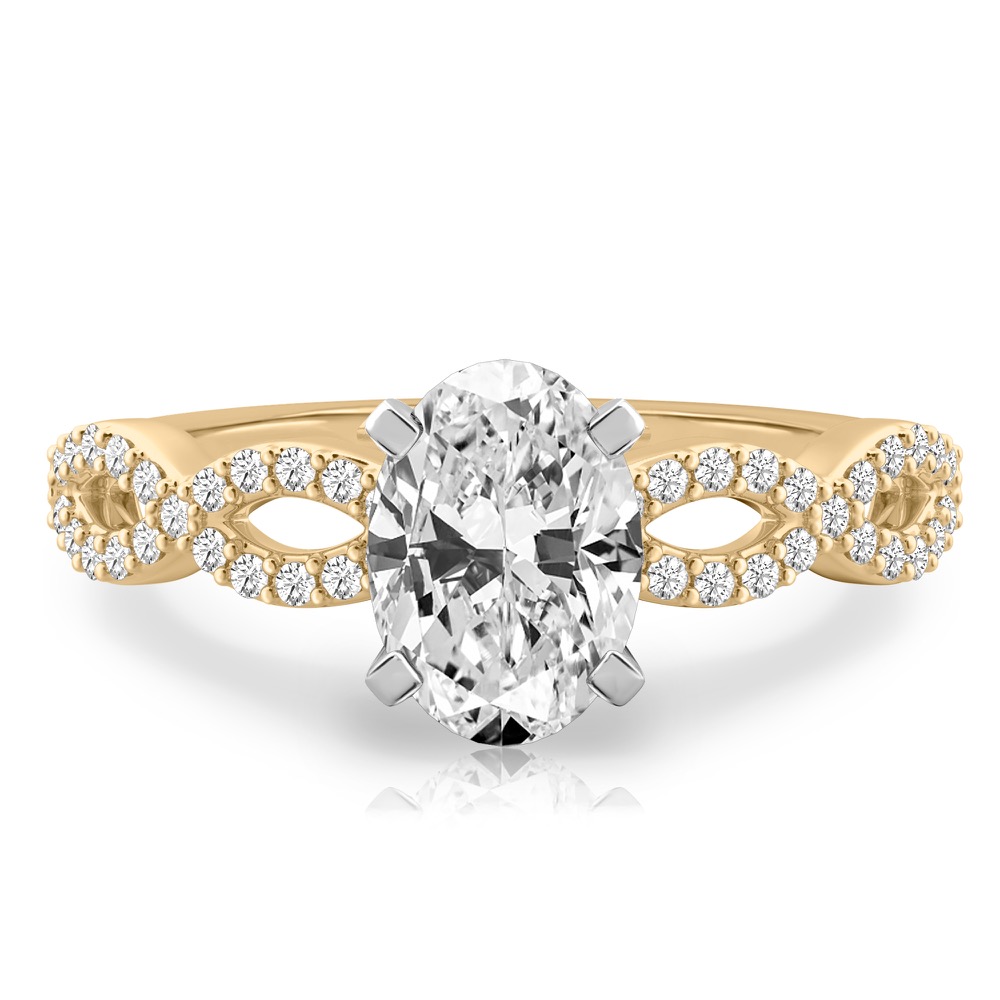
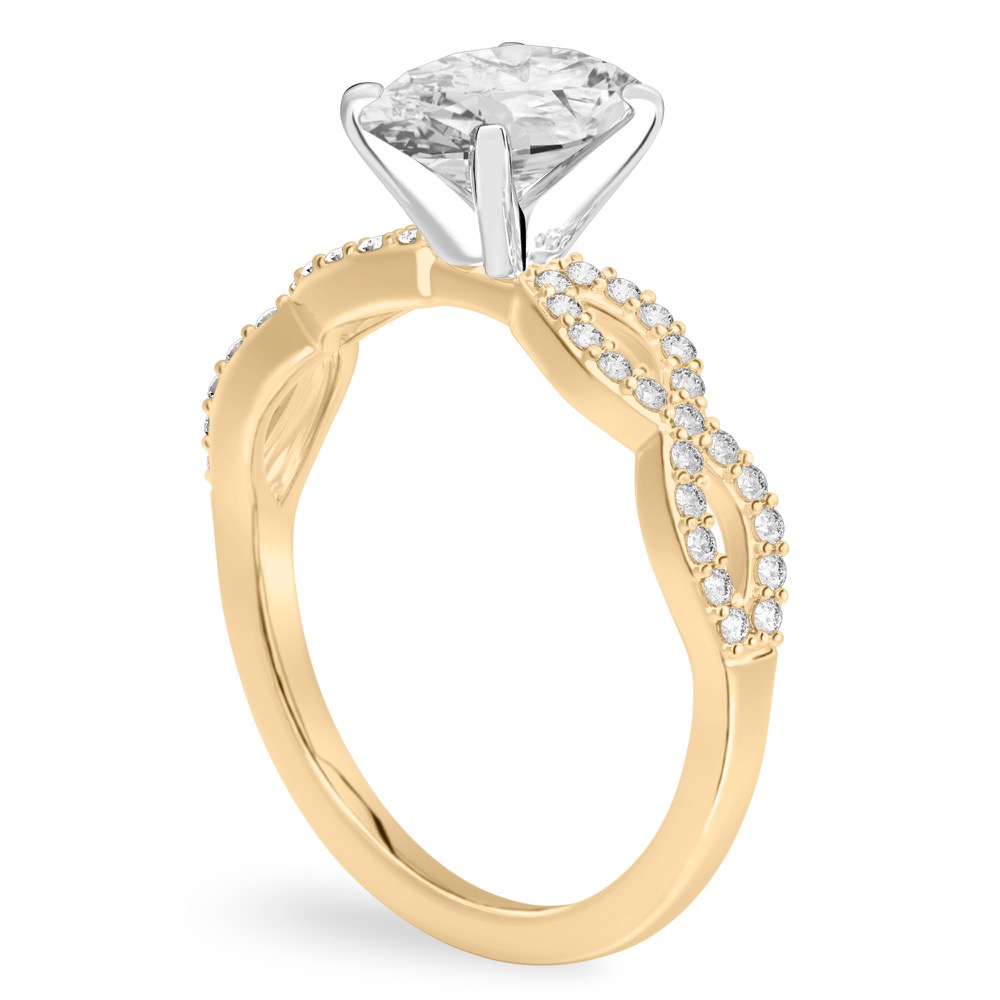
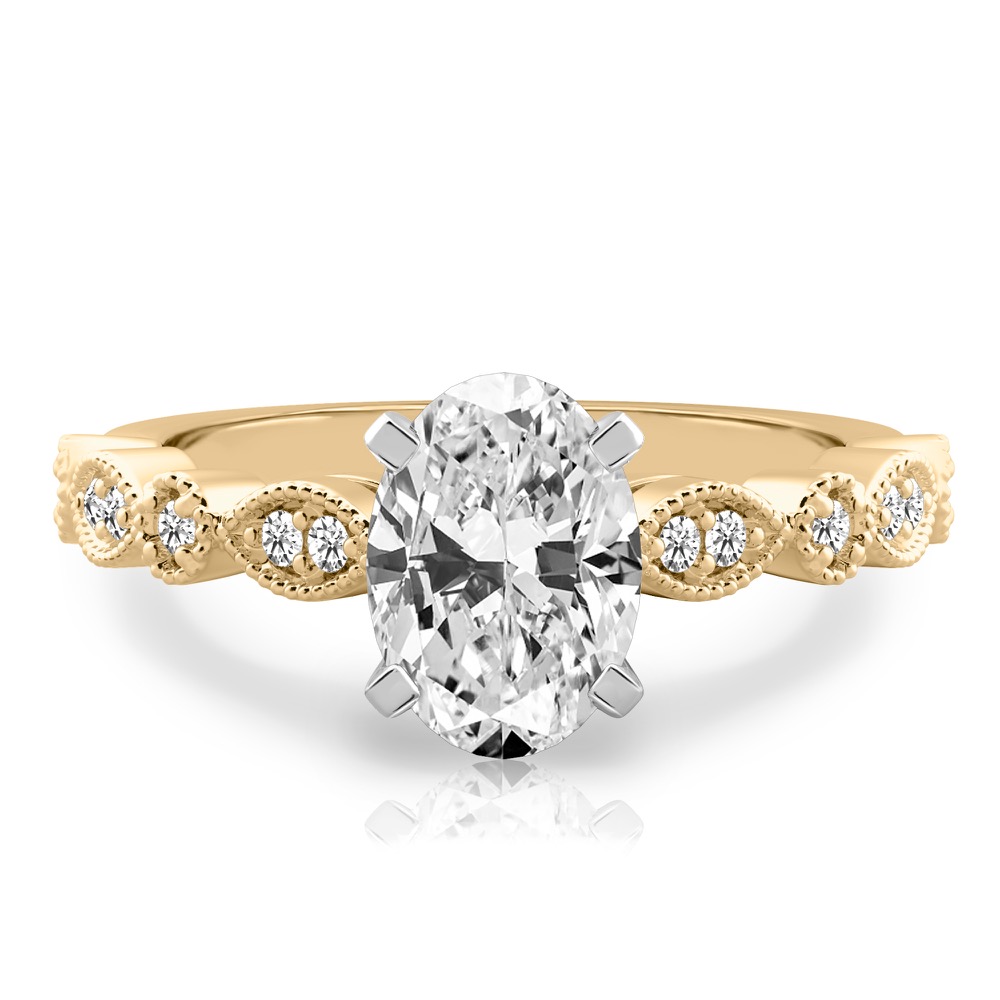
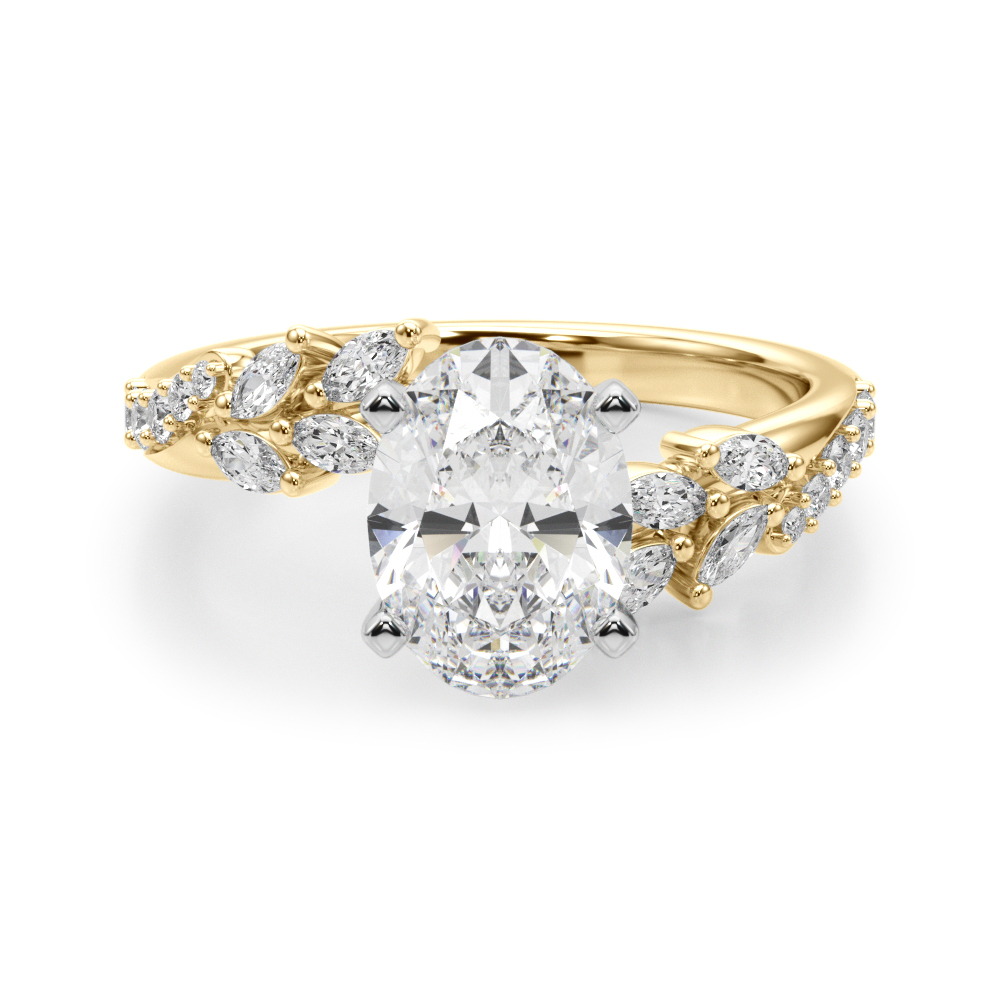
Yes. The oval's elongated shape distributes carat weight across a longer surface area, so a 2 carat oval lab diamond typically has a larger face-up appearance than a round of the same weight. This visual advantage is one reason the oval has surged in popularity. The elongated form also flatters the finger by creating a lengthening effect, making the stone look proportional even at 2 carats.
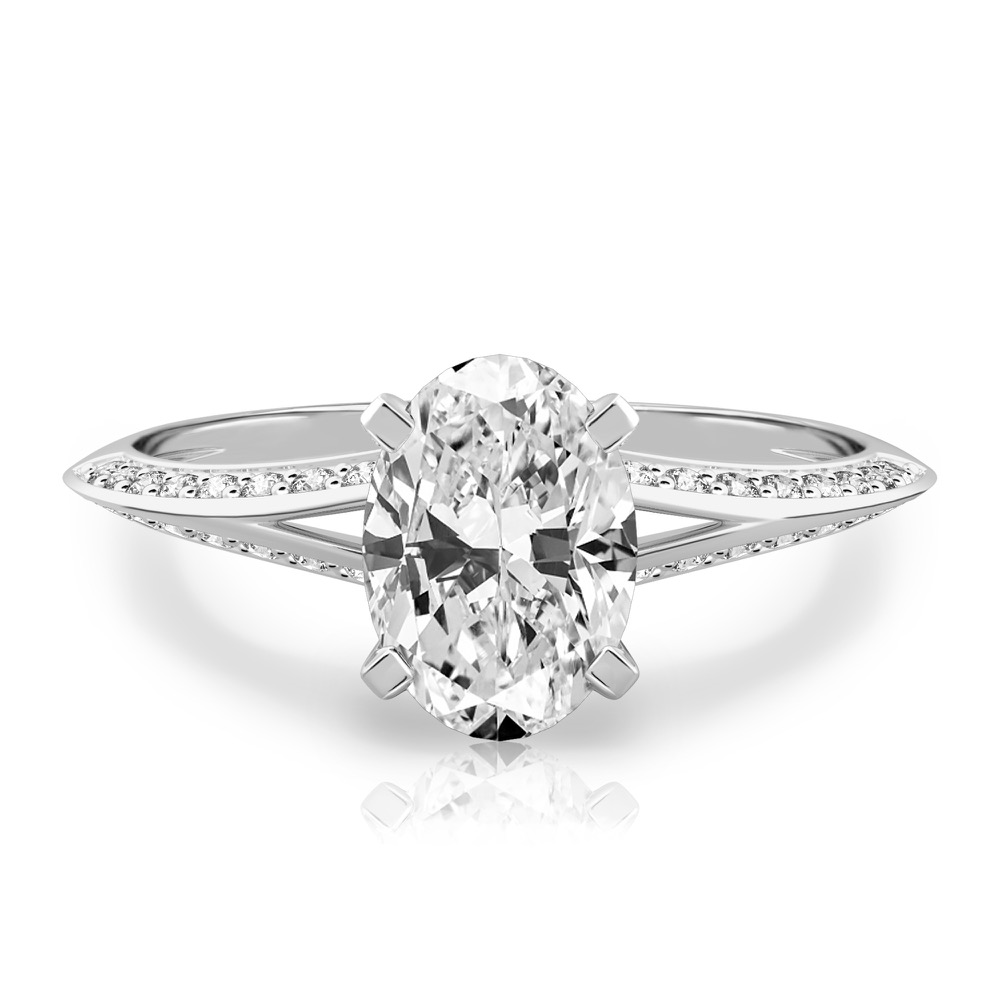
The bow-tie effect is a dark shadow shaped like a bow tie that appears across the center of oval, pear, and marquise cuts. It is caused by light not being reflected directly back to the viewer from the central facets. A slight bow-tie is normal and can add character. A strong, dark bow-tie is generally considered undesirable. Viewing the stone in person or in video helps evaluate it.
Yes. Do Amore provides GPS coordinates and photos of the specific well or water project your purchase funded. You enter your order number at doamore.com/impact and receive updates as the project progresses, from initial country identification through drilling to the final photo of the completed well. It is one of the most transparent giving models in the jewelry industry.