Your Bag Is Empty
Explore timeless jewelry that carries love and inspires lasting change
Every purchase gives one person access to clean, life-changing water.
Explore timeless jewelry that carries love and inspires lasting change
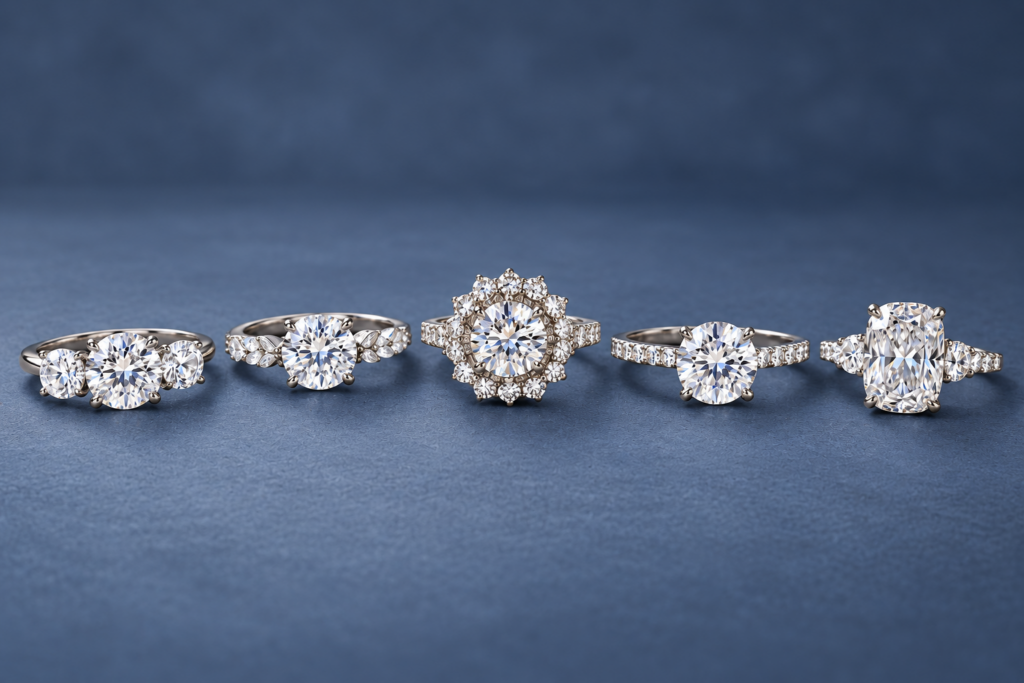
Five strong Brilliant Earth alternatives worth comparing are Do Amore, Bario Neal, VRAI, MiaDonna, and Clean Origin. Each one handles sourcing, stones, design help, and social impact differently, so your best fit comes down to the kind of proof and shopping experience you value.
Brilliant Earth helped bring sourcing into the mainstream engagement ring conversation. For shoppers comparing companies like Brilliant Earth, looking at other brands gives you more ways to match a ring with your values, style, budget, and comfort level. We compared every retailer using the same questions about stones, metals, customization, ethical proof, and practical limits.
Shortlist your priority first. The table below shows why each retailer may earn a spot.
| Brand | Best for | Stone options | Metal approach | Shopping model | Defining signal |
| Do Amore | Direct, traceable social impact | Natural and lab-grown diamonds | Recycled precious metals | Online, one-to-one guidance, custom design | Each purchase gives one person lasting clean-water access; GPS and photo shared |
| Bario Neal | Fairmined gold and traceable gemstones | Natural, recycled, and lab-grown diamonds; colored gemstones | Recycled or Fairmined metals | Online, virtual, showrooms, custom atelier | Named material standards and traceable stones |
| VRAI | Vertically integrated lab-grown diamonds | Lab-grown diamonds only | Metal options vary; verify each product | Online, made-to-order, modern designs | Foundry powered by hydropower; vertical integration |
| MiaDonna | B Corp-verified social purpose | Lab-grown diamonds and gemstones | Primarily recycled metals | Online, virtual, Portland store, custom | Certified B Corporation |
| Clean Origin | Broad online lab-grown selection | Lab-grown diamonds | Gold and platinum options; verify product details | Online-first, build-your-own, virtual help, some showrooms | Lab-grown-only product focus |
Products, policies, showroom availability, and sourcing language can change. Confirm the current details that matter to you before placing an order.
Think of “ethical” as a question, not a sticker. If lab-grown diamond engagement rings are on your shortlist, start by checking what the brand can show you about the stone, metal, labor, production, and people behind the ring.
Start with clear language. The FTC’s Jewelry Guides say marketers should describe jewelry truthfully. The guides require you to disclose whether a diamond is laboratory-grown or laboratory-created in a clear, conspicuous way.
A lab-grown diamond is not a simulant such as cubic zirconia. A moissanite vs. lab diamond comparison can help clarify the difference before you shop. According to GIA’s laboratory-grown diamond guide, a lab-grown diamond has the same chemical composition and crystal structure as a natural diamond, though the two have different origins.
Both natural and lab-grown diamonds can suit a thoughtful purchase. What matters is whether the retailer explains what it sells, supports its claims, and discusses tradeoffs plainly.
Before choosing a ring, ask for these details.
Compare written policies before you compare brand slogans. When evaluating ethical stones for engagement rings, save copies of the grading report, return terms, warranty, and custom-design agreement before paying a deposit. If a claim affects your decision, ask the retailer to point you to the supporting document. This gives you a clear basis for comparing retailers on the same terms.
A grading report helps you compare carat weight, cut, color, and clarity. Depending on the report, it may list measurements, an inscription, treatments, and other identifying details.
Useful evidence, yes. But you still need to read the retailer’s policies.
Words like ethical, sustainable, and conflict-free cover different things from one brand to another. The same is true of conflict-free engagement rings, so ask whether the term covers stone origin, labor standards, metal sourcing, or energy use. Specific answers are far more useful than a broad promise.
Do Amore fits shoppers who want the ring to create a direct, visible social impact. Every purchase gives one person lasting access to clean water. You receive the project’s GPS coordinates and a photo, so the impact doesn’t stay abstract.
Do Amore’s ethics and sustainability details explain how that one-to-one model connects a personal milestone with a project you can actually see.
You can compare responsibly sourced, conflict-free natural and lab-grown diamonds side by side, with no push toward either origin. Do Amore uses recycled precious metals and offers classic, whimsical, and fully custom designs. That flexibility helps when you know the feeling you want but haven’t chosen the stone or setting yet.
Shopping for a diamond can feel like staring at a wall of filters. Do Amore adds a human layer by screening out diamonds with brown, green, or milky qualities (BGM) and applying its client-approved clean-energy prioritization.
Eligible diamonds can qualify for a like-for-like price match when the GIA or IGI grading details match. Comparing the total setting and stone cost helps shoppers looking for affordable ethical engagement rings judge value without treating price as the only standard. For a fully custom ring, you pay a deposit before receiving CAD renders to review.
Do Amore’s clean-water work grew out of founder Krish Himmatramka’s own experience. He was an engineer on oil drilling rigs when he realized related drilling knowledge could help bring clean water to communities that needed it.
Years later, he shared the idea on Shark Tank. That history is why water access sits at the center of the business.
One practical limit deserves a clear mention. Do Amore is online only. If visiting a showroom matters to you, another retailer may fit better.
Remote shoppers, though, get personal guidance, both diamond origins, custom flexibility, and an impact they can trace after the purchase.
Bario Neal stands out for shoppers who care about material origin beyond the center diamond. Bario Neal’s sourcing disclosures describe precious metals that are recycled or Fairmined certified, along with traceable diamonds and colored gemstones.
Shoppers considering ethical sapphire engagement rings can explore sapphires, heirloom stones, Fairmined gold, and less traditional designs here. The collections feel artistic and handcrafted, and the custom process takes a collaborative approach. You can compare recycled, Canadian, Australian, and lab-grown diamonds alongside traceable colored stones.
Specificity is Bario Neal’s real draw. Fairmined is a named standard tied to responsible artisanal and small-scale mining. And traceable gemstones let you ask a concrete question. Which source applies to this exact stone and metal?
If you want to see unusual gemstones or handmade details before committing, Bario Neal offers showrooms in Philadelphia and New York, along with online and virtual help. Check current locations and appointment details before visiting.
An atelier experience rewards shoppers who care most about craft, traceability, and distinctive design. Buyers who want to filter a vast inventory on their own may find another retailer faster to browse.
A fair diamond price comparison starts with the same stone, not two diamonds that only share a carat weight. Match the grading report number when possible. If the exact stone is not listed twice, compare measurements, carat, cut, color, clarity, fluorescence, and grading lab before judging the price.
Do Amore’s price-match process follows that like-for-like approach for eligible diamonds with matching GIA or IGI grading details. That gives value-conscious shoppers a practical check without treating the lowest sticker price as the whole decision. If you are comparing recycled gold engagement rings, include the setting’s metal details, warranty, resizing, and return terms before deciding where the better value sits.
Already decided on a lab-grown diamond? VRAI keeps the search focused through vertical integration. VRAI’s sustainability overview says its diamonds are grown at a foundry in the Pacific Northwest powered by hydropower, with traceability across the supply chain.
Fewer companies sit between diamond growth and finished jewelry, which gives you a simpler origin story and a clearer answer about who made the stone. Modern settings, made-to-order options, and online design tools round out the experience.
That narrow focus can be a relief for buyers comparing ethical diamond engagement rings. You don’t have to sort through natural and lab-grown inventories while trying to understand two supply chains. For a contemporary ring with a single-origin production story, the tighter selection may feel easier to trust.
VRAI won’t fit every shortlist. Buyers looking for a natural diamond or a wide range of colored gemstones need another option. Before ordering, check the metal details, grading report, service terms, and current environmental language for the exact product.
MiaDonna gives lab-grown shoppers a third-party signal at the company level. MiaDonna’s B Lab profile confirms its Certified B Corporation status and identifies lab-grown diamonds, primarily recycled metals, and social and environmental commitments as central to the company.
Expect lab-grown diamonds and gemstones, ready-to-order styles, a build-your-own path, and custom jewelry. You can shop online, book virtual help, or visit the Portland store. It’s a useful mix for anyone who wants a focused catalog without losing access to a person.
B Corp certification reaches beyond a single product claim. It considers governance, workers, community, environment, and customers. That doesn’t guarantee every ring will suit you, but it offers an independent place to check the company’s broader purpose.
MiaDonna is candid about an important point. Growing diamonds takes energy. Avoiding new diamond mining doesn’t settle every environmental or labor question, so ask where the stone was grown, what powered the process, which grading report comes with it, and what the setting metal contains.
MiaDonna’s catalog centers on lab-grown stones. Buyers who want to compare responsibly sourced natural and lab-grown diamonds in one place will need a retailer that carries both.
A clear custom-ring process should show you when payment is due, what you can review, and which changes are allowed before production. Ask how inspiration becomes a quote, whether the center stone is included, how many CAD revisions you receive, and what happens if the final design needs another change.
Do Amore’s custom engagement ring process asks you to share a photo, link, sketch, or description, then sends a quote with center-stone options. After you place the order, a one-to-one CAD model lets you review the proportions before a jeweler begins manufacturing. Confirm the current revision, cancellation, and return terms in writing, since custom pieces often follow different policies from ready-made rings.
Clean Origin is built for shoppers who want a broad lab-grown diamond catalog and plenty of filters. Clean Origin’s engagement ring collection supports ready-made browsing and a build-your-own flow, with virtual guidance available when the number of choices becomes overwhelming.
If you like comparing shapes, carat weights, grades, settings, and metal colors on your own, this model gives you room to work. Questions about gold vs. platinum engagement rings often come down to wear, weight, maintenance, and preference, so compare those metal tradeoffs before filtering settings. Pick a diamond, pair it with a setting, then ask an expert to review the combination. Some physical showrooms are available, but check the current locations and appointment options before you go.
Clean Origin’s clearest signal is its lab-grown-only catalog. That proof looks different from a one-to-one impact project or company-wide certification. Verify the grading report, production claims, metal details, and written service policies for the ring you are considering.
A huge catalog gives confident online shoppers more control. It can feel like a lot. If you want a guided custom process, both diamond origins, traceable gemstones, or a direct social-impact story, another brand may fit more naturally.
Your best match among these Brilliant Earth competitors will depend on what you refuse to compromise on. The table puts each brand’s options and limits side by side.
| Brand | Stones | Metals and custom design | Access, impact, and service |
| Do Amore | Natural: Yes. Lab-grown: Yes. Colored gemstones: Fine-quality options; confirm availability. | Recycled precious metals. Classic, whimsical, and fully custom; deposit before CAD renders. | Online only. One-to-one guidance. Each purchase gives one person lasting clean-water access; GPS and photo shared. Eligible like-for-like GIA or IGI price match. |
| Bario Neal | Natural, recycled, and lab-grown diamonds; traceable colored gemstones. | Recycled or Fairmined metals. Custom and heirloom redesign. | Online and virtual, plus Philadelphia and New York showrooms. Traceable and Fairmined sourcing; atelier guidance. |
| VRAI | Lab-grown only; no natural-diamond or broad colored-gemstone focus. | Precious-metal settings; made-to-order choices. | Primarily online. Hydropower-powered, vertically integrated foundry; check current service terms. |
| MiaDonna | Lab-grown diamonds and gemstones; no natural-diamond focus. | Primarily recycled metals. Ready-made, build-your-own, and custom. | Online and virtual, plus Portland store. B Corp verification; personalized help. |
| Clean Origin | Lab-grown diamond focus; no natural-diamond comparison in its core model. | Gold settings and platinum engagement rings. Ready-made and build-your-own. | Online and virtual, plus some showrooms. Broad catalog; verify grading and service policies. |
Do Amore moves to the top of the shortlist when you want direct clean-water impact and the freedom to compare natural and lab-grown diamonds. Recycled precious metals, classic and fully custom designs, and one-to-one guidance give you room to shape the ring around your priorities.
Bario Neal earns its place for Fairmined gold, traceable colored gemstones, heirloom redesign, and handcrafted character. VRAI makes sense for a vertically integrated lab-grown diamond with a simpler production story.
Choose MiaDonna when B Corp verification and lab-grown focus belong together on your list. Clean Origin suits shoppers who want a broad online catalog and prefer to handle most of the filtering themselves.
Ask two questions as you compare. Which claims can I verify? Which shopping model will help me decide with confidence?
Use the Do Amore engagement ring guide to compare diamond cut, color, clarity, carat weight, and setting choices before you judge any retailer on a slogan alone.
These answers cover common questions about how Brilliant Earth and the five alternatives differ.
Neither retailer wins for every buyer. Blue Nile often appeals to shoppers who want a large online selection and detailed comparison tools.
Brilliant Earth puts sourcing information and ethical positioning closer to the center of its brand. Compare the exact stone, grading report, setting, service policy, and sourcing disclosure before deciding.
The five brands in this guide open up a few other paths. Do Amore combines both diamond origins with traceable clean-water impact.
Bario Neal leans into Fairmined metals and traceable craft. VRAI, MiaDonna, and Clean Origin each take a different lab-grown approach.
Usually, they’re looking for a closer match. That might mean a different design style, stone philosophy, metal standard, service model, price structure, custom process, or social-impact program.
Start with the priority you won’t compromise on.
The comparison table will show which brands deserve a closer look.
No. Lab-grown diamonds avoid new diamond mining, but energy sources, labor practices, traceability, grading, and setting metals still matter. Natural, recycled, and lab-grown diamonds can all fit thoughtful priorities when their origins and claims are documented.
Choose the impacts you care about and ask for proof. Diamond origin answers only part of the ethical question.
Ask for a grading report when applicable, plus clear natural or lab-grown disclosure, origin or chain-of-custody information, metal sourcing details, and written service policies. When a brand names a standard such as Fairmined or B Corp, check it with the organization that runs the standard.
Broad terms can hide a lot. Ask what they cover and what they leave out. A precise answer about one link in the supply chain beats a sweeping promise with no documentation.
Your best choice among Brilliant Earth alternatives should make its evidence easy to inspect and its buying process comfortable to use. For shoppers researching sustainable engagement rings, the practical test is simple: start with the proof you need, then compare design help, service, and impact on the same terms. A ring this personal should leave you clear about what you are buying and confident in the choice.
With Do Amore, every purchase gives one person lasting access to clean water, and you receive the project’s GPS coordinates and a photo. That turns the impact claim into something you can check after the purchase.
If responsibly sourced natural or lab-grown diamonds, recycled precious metals, one-to-one guidance, and clean-water impact matter to you, browse Do Amore engagement rings or speak with the team about your stone, setting, or custom design.