Your Bag Is Empty
Explore timeless jewelry that carries love and inspires lasting change
Every purchase gives one person access to clean, life-changing water.
Explore timeless jewelry that carries love and inspires lasting change
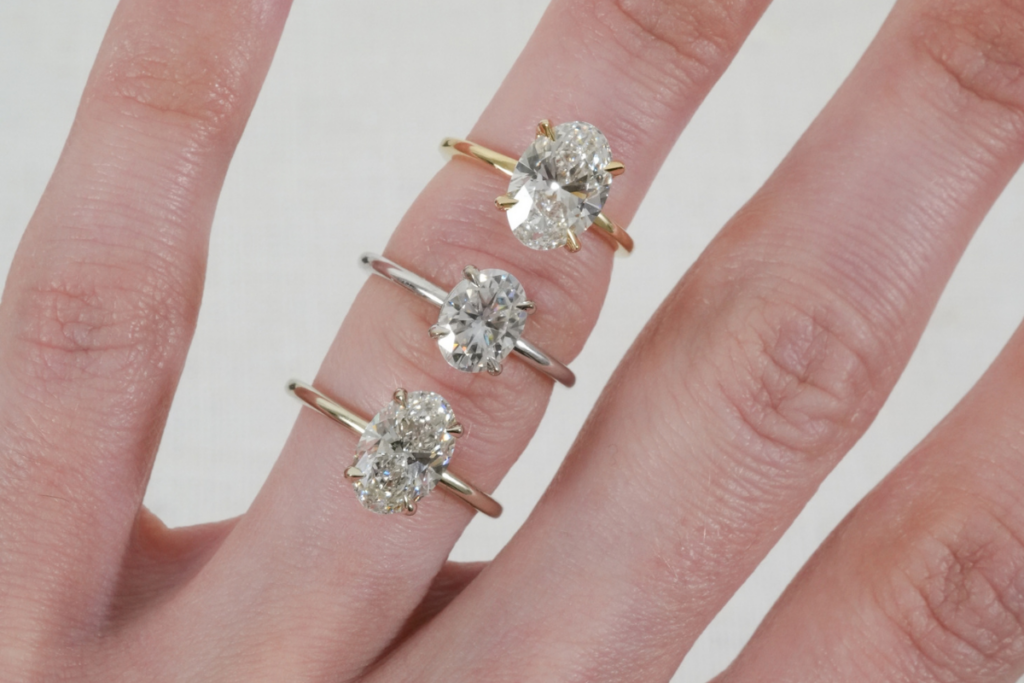
If you’re comparing recycled diamonds vs mined diamonds, here’s the short answer. A recycled diamond avoids creating demand for a newly extracted stone. That gives reuse a clear advantage, but the label alone can’t prove that every part of the supply chain was ethical.
A useful comparison goes further. You’ll want to look at environmental impact, human rights, traceability, community livelihoods, quality, price, and the evidence a jeweler can show you. That sounds like a lot.
We’ll take it one question at a time.
Recycled diamonds make the most sense when reuse is your main priority. The stone is already above ground, so buying it doesn’t require another diamond to be extracted. For many couples, that feels like a simple and meaningful way to reduce demand for new mining.
Recycling leaves a diamond’s original extraction history unchanged. Records of the original mine, working conditions, or past owners may be gone.
Some newly mined diamonds come with stronger origin records if their supply chains were documented from the start.
What are ethical diamonds in practice? Compare proof, not adjectives. Ask where the stone came from, which documents travel with it, how the seller checks suppliers, and which details remain unverified.
Honest gaps are useful. An appealing story needs paperwork behind it.
Your choice changes what you support now. Reuse puts an existing stone back into circulation. A newly mined purchase joins an active mining supply chain with fresh impacts and, in some places, jobs and public revenue.
The right trade-off depends on your priorities.
Both are natural diamonds, so prior ownership leaves their chemical composition and hardness intact. Cut and condition shape how each stone sparkles. What changes is the supply-chain history.
A recycled diamond is different from the stones used in lab diamond engagement rings or from a simulant. A lab-grown diamond is created in a controlled facility, but a simulant is another material that resembles diamond. This comparison stays with natural stones.
A recycled diamond is a polished natural diamond that had a previous consumer use and has returned to the jewelry market. It may be cleaned and reset, repolished, recut, or sold as it is.
You’ll see terms such as reclaimed diamonds, estate, pre-owned, and antique. They overlap, but sellers don’t always use them in the same way. Estate and pre-owned often describe how a piece is sold.
Antique usually points to age or style. Recycled tells you the stone has already been in circulation.
That stone might come from an inherited ring, an auction, a trade-in, or a damaged setting. It isn’t melted down and turned into a new diamond. The stone itself is used again.
A newly mined diamond is a natural diamond entering the jewelry supply chain from a mine for the first time. Its route to you may include miners, exporters, traders, cutters, polishers, manufacturers, and retailers.
That long route makes responsible sourcing active work. A careful seller may collect origin records, screen suppliers, assess risks, review audits, disclose treatments, and provide independent grading information.
Newly mined only means the stone has no prior owner. What are responsibly sourced diamonds, then? They are stones backed by supplier records and due-diligence evidence that show how responsibly the supply chain operated.
A recycled diamond needs two kinds of proof, seller disclosure about its prior use and current records describing the stone itself.
Do Amore sources recycled diamonds removed from older jewelry and re-certified for sale. Re-certification can document identity and quality, but it does not prove every detail of the original mining history. Ask what supports the recycled description, which grading report comes with the stone, and what a fresh condition check found.
The environmental case for recycled diamonds is easy to understand. Reusing a stone lets you buy a center diamond without creating demand for a newly extracted one. This choice keeps an exceptionally durable material in circulation after prior ownership.
Recycled diamonds still have an impact. A stone may travel, be inspected, cleaned, graded, repolished, recut, and reset.
The setting has a material story of its own. A recycled center stone can sit in newly mined metal, and a newly mined center stone can be paired with recycled metal. The whole ring matters.
Newly mined diamonds involve fresh extraction and processing, though the footprint varies from one operation to another. Mining method, energy source, recovery rate, local conditions, and environmental management all matter. For the lab-created side of that comparison, see our guide to the environmental impact of lab-grown diamonds. One dramatic per-carat figure can’t describe every mine fairly.
If environmental impact leads your decision, start with one narrow question. Does this purchase require a newly extracted center stone? A recycled diamond will usually let you answer no.
Then look at the setting, shipping, repairs, and other materials. Judge the whole ring instead of relying on one appealing word.
Are mined diamonds ethical? Traceability and human rights help answer that question, but they measure different things. A seller may know a diamond is recycled without knowing its original mine or labor conditions.
That leaves a gap in the stone’s history. Your purchase still avoids creating new demand for extraction.
For a newly mined stone, country or mine information can make present-day checks more concrete. Origin alone is still only a starting point. A country name can help you ask better questions, but it doesn’t show who handled the stone or what happened when a risk appeared.
The OECD guidance for responsible mineral supply chains describes due diligence as ongoing work. Companies identify, prevent, reduce, and account for risks involving people, the environment, conflict financing, and corruption.
Mining can bring wages, public revenue, and local development when it is managed well. The World Bank’s Botswana overview shows both sides.
Diamond wealth helped improve the country’s economy and living conditions. Yet high dependence on diamonds, unemployment, poverty, and inequality remain serious problems.
Treat “conflict-free” as the start of the conversation. Ask how suppliers are assessed, which risks are reviewed, whether someone independent checks the claims, and what happens when a problem is found.
Traceability shows where a stone traveled. Due diligence shows what people did with that information.
When you compare ethical diamond engagement rings, prior ownership isn’t a quality grade. Recycled and newly mined diamonds are judged using the same practical details, including carat weight, cut, color, clarity, measurements, condition, treatments, and available grading information.
Two stones with similar specifications can look alike even when only one is recycled. The label doesn’t control sparkle. Cut quality, proportions, polish, symmetry, and condition have much more influence on what you see.
For a significant center stone, ask for an independent grading report when one is available. It can record the 4Cs, measurements, fluorescence, proportions, and other identifying details.
Some report formats include a plotting diagram. Others do not. Ask the jeweler for a current condition assessment of any recycled stone.
Usually, prior ownership isn’t visible after a diamond has been cleaned and professionally inspected. A recently cut recycled stone may look thoroughly modern. An older one may keep an antique cut with broad facets and a different pattern of light.
Condition matters more than the recycled label when you assess a recycled diamond ring. Chips, abrasions, repairs, recutting, and polish can change appearance and value, so ask for exact measurements, treatment disclosures, grading information, and a written condition assessment.
Watch the terminology. Antique and recycled describe different details, and sellers may use each word differently.
Antique usually describes age or style. Recycled describes prior circulation.
No. A recycled diamond may cost more or less than a comparable newly mined stone. Price reflects the 4Cs, condition, cut style, rarity, documentation, brand, setting, and the seller’s business model.
Compare like with like. Place stones with similar weight, cut, color, clarity, measurements, treatment status, and grading information side by side. Then compare the full ring price, including the setting and any work needed to repolish, recut, or reset the stone.
Price can help you choose between two good options, but it doesn’t prove ethics or future resale value. Diamonds shouldn’t be treated as financial investments. Choose the details you care about, a sourcing story you can verify, and a total cost that feels comfortable.
Yes. The center diamond and its setting have separate sourcing histories, so both belong in a whole-ring comparison.
Do Amore makes its ring settings from recycled precious metals. The metal is already above ground, so no new extraction is needed for the setting. Compare the diamond’s records and the setting’s materials before choosing the combination that fits your priorities. The same whole-ring review applies to platinum engagement rings and gold settings.
If you want to know how to buy ethical diamonds, broad claims become much easier to judge once you ask for specific evidence. You don’t need to become a supply-chain investigator. You need a steady set of questions and enough patience to compare the answers.
A trustworthy answer can include limits. If the original mine of a recycled stone is unknown, the seller needs to say so.
If a newly mined stone is traceable to a country rather than a specific mine, that distinction matters. Clear uncertainty beats polished language with no documents behind it.
Ask for the sourcing policy by email or write down the answers. You’ll have something concrete to compare when several jewelers use the same reassuring words. A stated goal, a supplier rule, an audit, and proof tied to one diamond offer different kinds of evidence.
Evidence connected to the individual stone tells you more than a broad company promise.
Choose the trade-off that matters most to you. You may care most about avoiding new extraction.
Another buyer may put more weight on current origin records or community outcomes. Both can be thoughtful choices.
Are natural diamonds ethical? The answer depends on the sourcing evidence behind each stone. Do Amore’s current diamond sourcing approach describes natural diamonds as ethically sourced in Canada, recycled, or accompanied by a blockchain ledger. We offer natural and lab-grown options, so the conversation can begin with what matters to you instead of a push toward one origin.
If you’re considering a recycled diamond, ask which stones are available now and what documentation comes with the one you like. For a newly mined option, ask how far its origin can be traced and which supplier records are available. Inventory and documentation change, so the answer should always be tied to the actual diamond in front of you.
Every purchase with us gives clean water for one person. You’ll receive updates about the project connected to your ring, including the well’s GPS coordinates. That impact can add another layer of meaning after you choose the diamond that fits your priorities.
These answers cover common questions about recycled diamond identity, reuse, and grading.
Yes. Recycled diamonds are natural diamonds that were previously in circulation. Prior ownership isn’t a laboratory quality grade, and you usually can’t see it after professional cleaning and inspection.
An older cut, signs of wear, or evidence of recutting may offer clues, but appearance can’t confirm the full history. Rely on seller disclosure, documentation, and a current condition assessment.
Yes, as long as the stone remains suitable for reuse after inspection. A diamond can be removed from a setting, cleaned, repolished, recut, reset, and sold again.
The setting and precious metal have a separate sourcing story. Ask about them too if your goal is to reduce demand for new extraction across the whole ring.
Recycled status doesn’t replace information about quality, identity, treatments, or condition. For a significant center stone, an independent grading report makes the 4Cs and other recorded details easier to compare.
Report formats vary, so ask what the document includes. Pair it with a jeweler’s condition assessment, especially when the diamond has an older cut or a known repair history.
When you compare recycled diamonds vs mined diamonds, a recycled diamond can be a lovely choice when you want to prioritize reuse and avoid demand for a new extraction event. A responsibly sourced newly mined diamond may offer clearer origin evidence in some supply chains and can support livelihoods and public revenue when mining is managed well.
For recycled diamond engagement rings, the same evidence-first approach applies. Whichever route feels right, look for transparent evidence, honest limits, and a seller willing to explain what is known about the specific stone. When you’re ready, explore our engagement ring settings or ask the team to walk you through the sourcing information available for a diamond you love.
Do Amore offers recycled diamonds and responsibly sourced natural diamonds without pushing you toward one origin. Every purchase gives one person access to clean water, and you’ll receive updates that include the well’s GPS coordinates. Ask our team for the sourcing, grading, and condition details tied to the stone you like, then compare settings made from recycled precious metals.
Organisation for Economic Co-operation and Development. “Responsible Mineral Supply Chains.” OECD.
World Bank. “The World Bank in Botswana.” World Bank.