Lab diamonds have a significantly smaller environmental footprint than mined diamonds. They require no land disruption, no large-scale excavation, and can be produced in facilities powered by renewable energy. For shoppers who care about environmental impact, lab diamonds are one of the most responsible stone choices available.
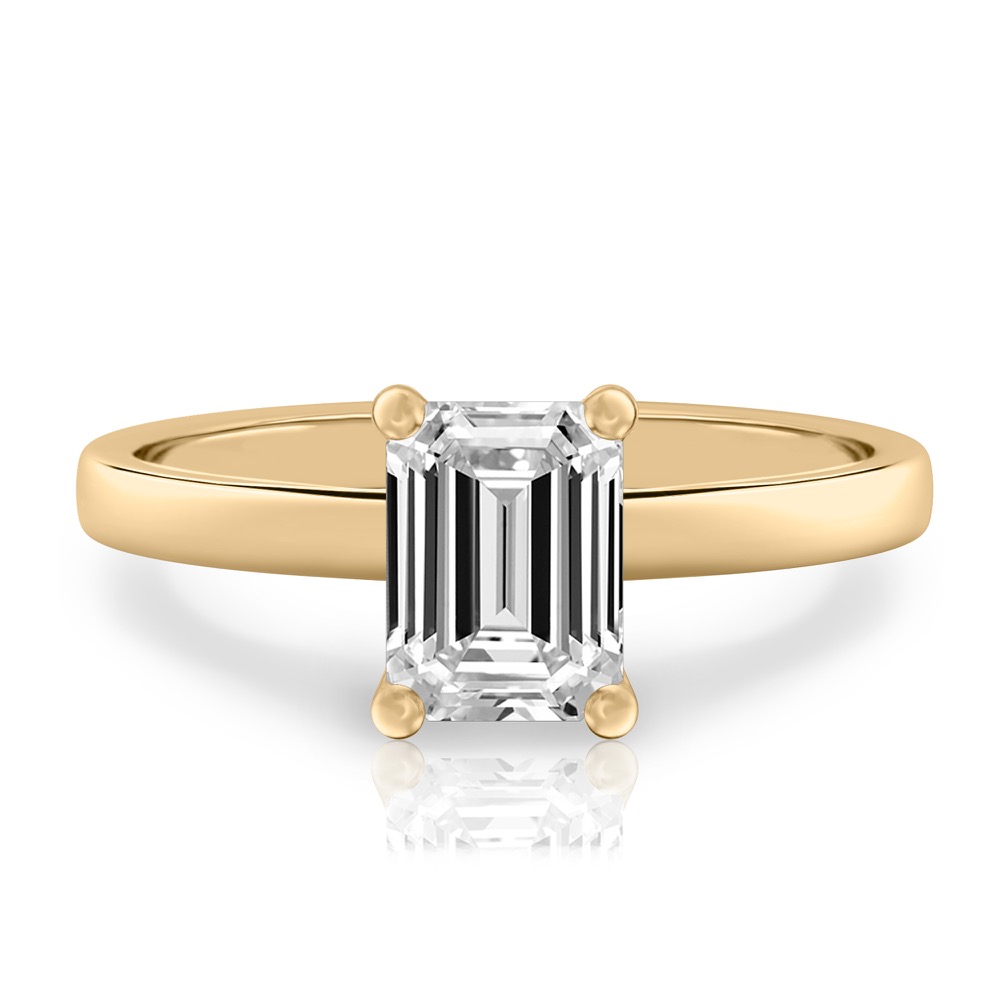
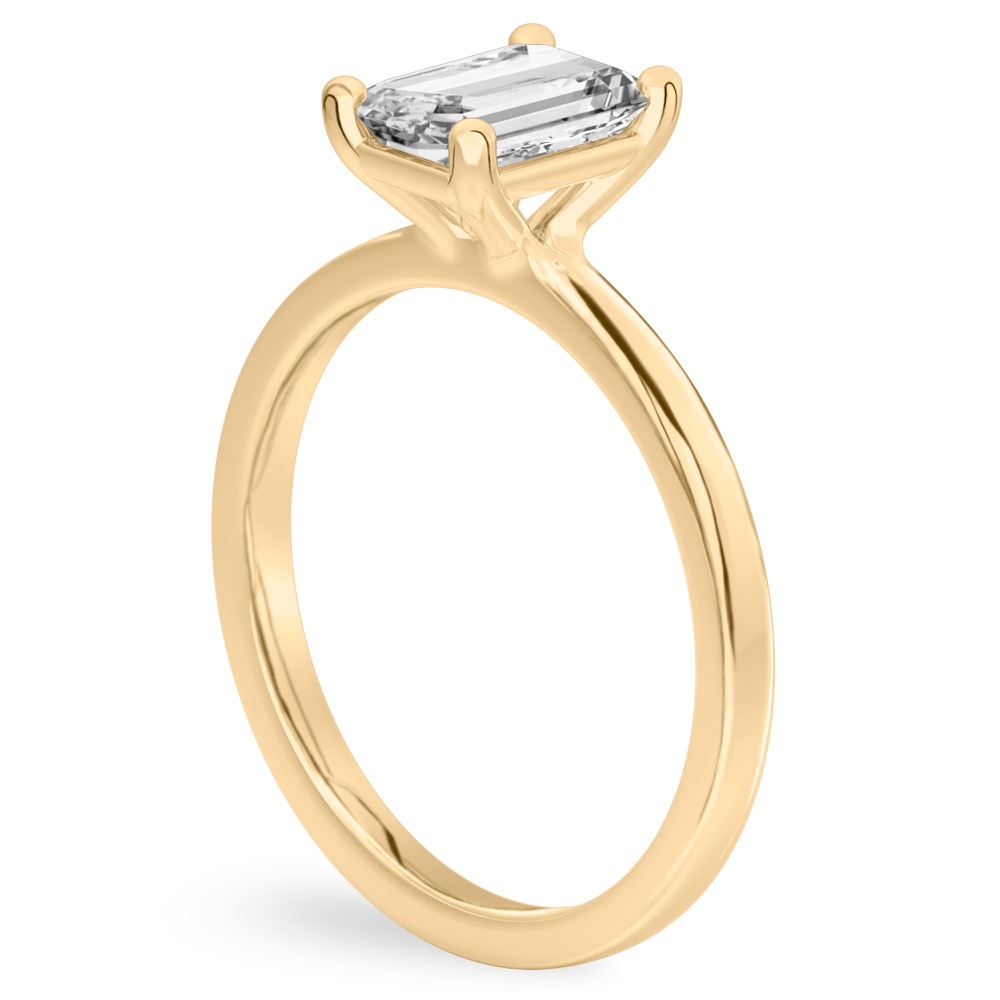
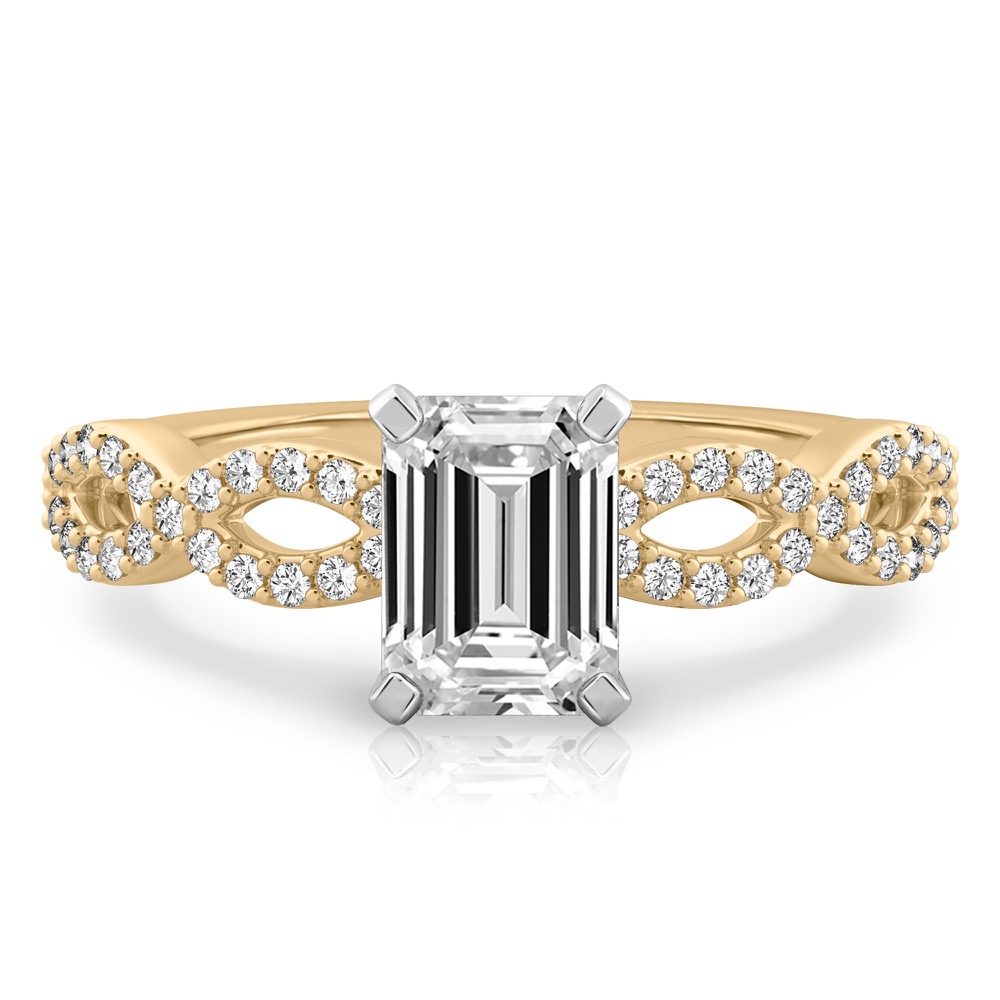
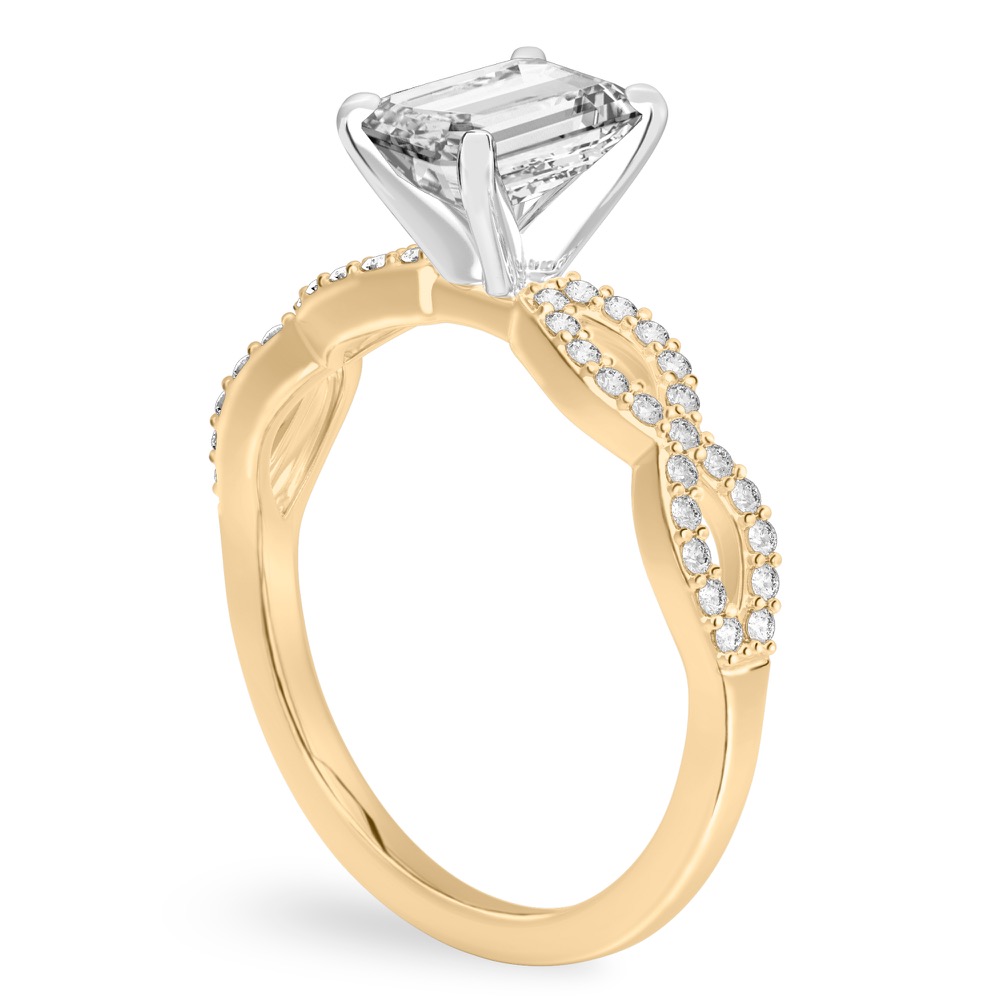
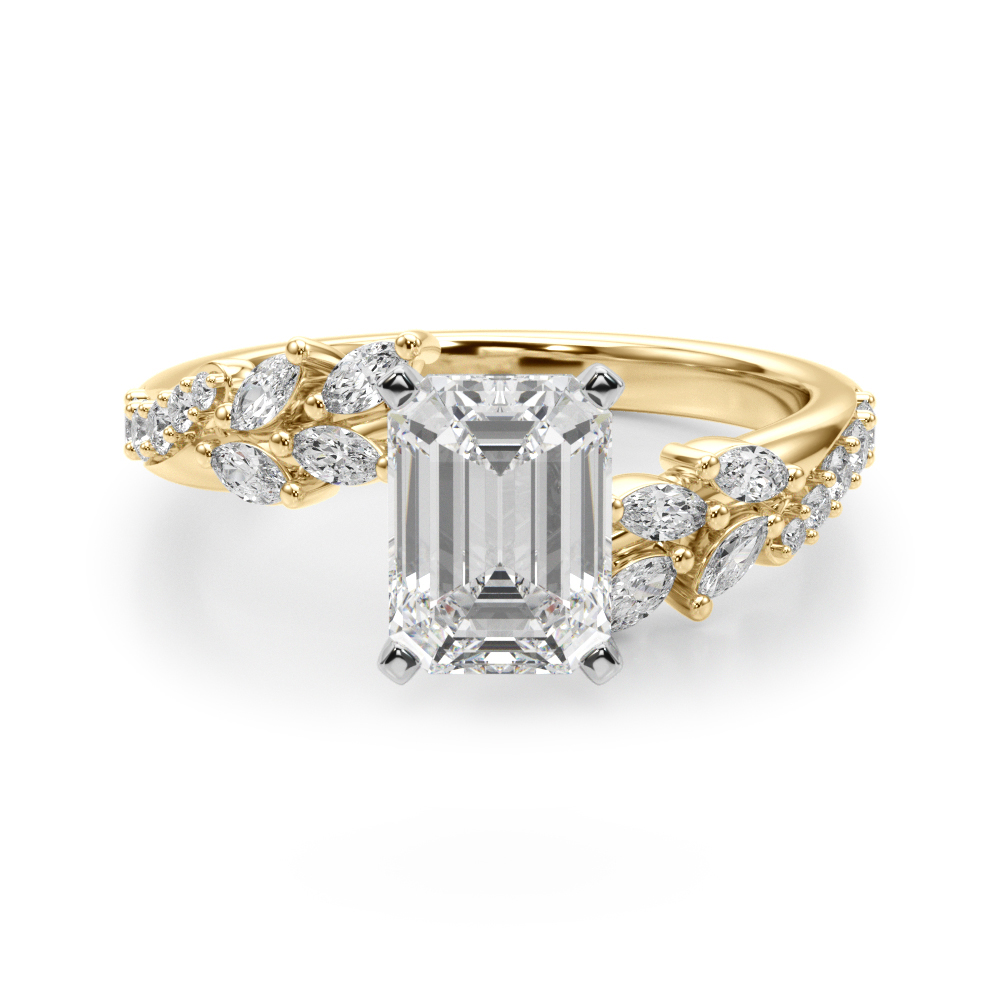
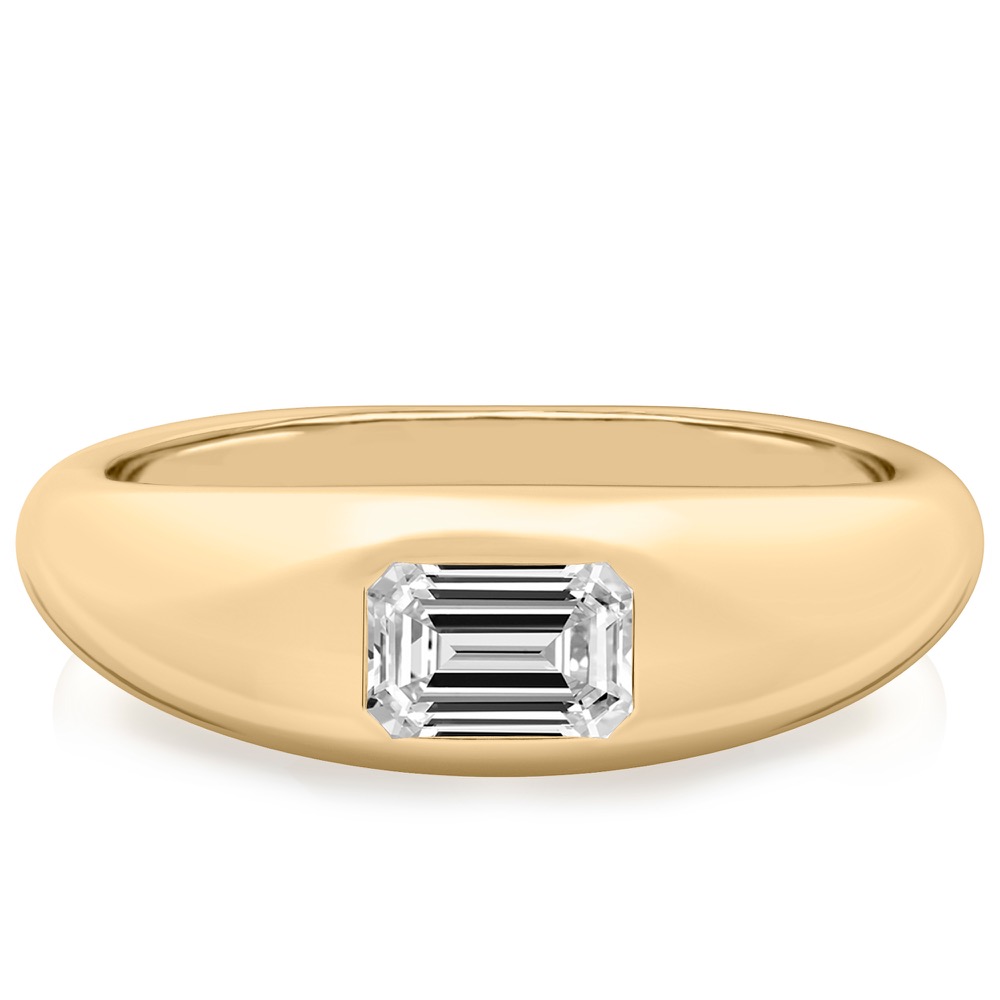
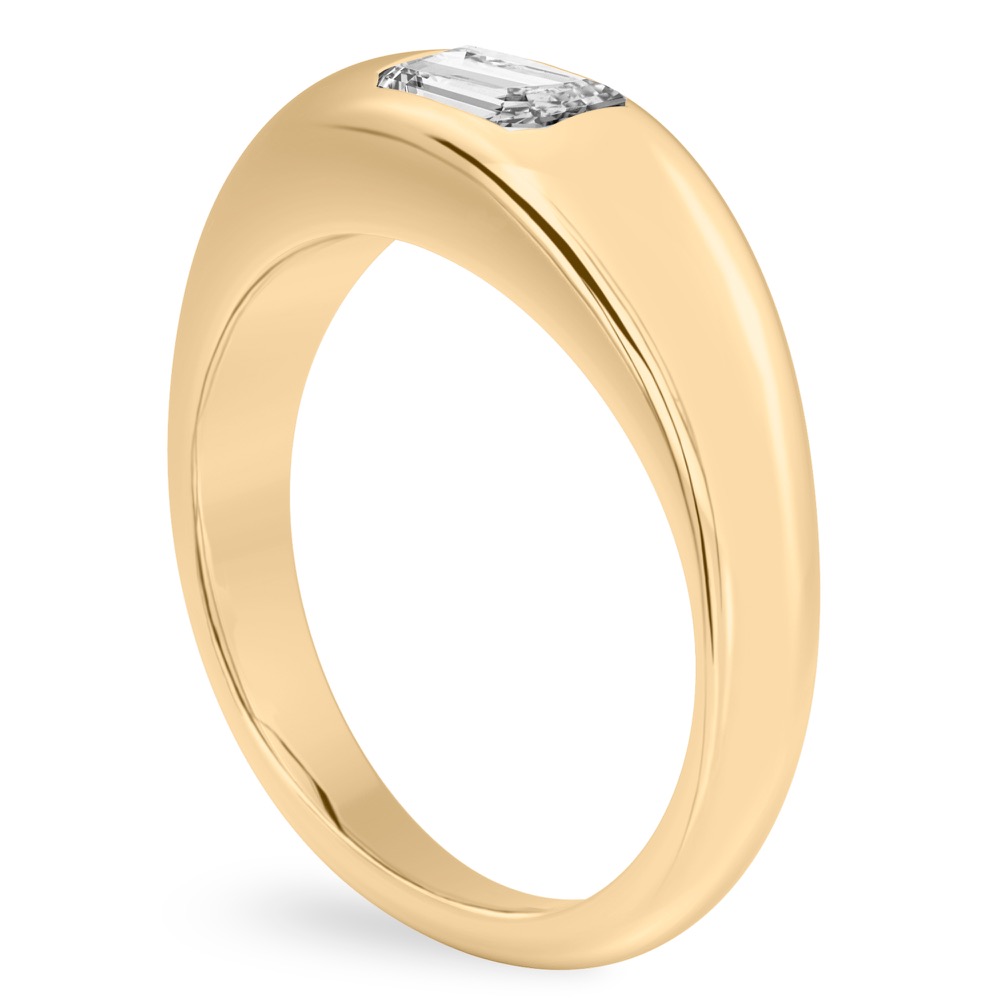
Yes. Yellow gold alloys typically combine gold with copper and silver, not nickel. This makes 14k yellow gold a solid choice for people with nickel sensitivities who still want a gold metal. Unlike white gold, which often includes nickel in its alloy to achieve its color, yellow gold is generally safe for sensitive skin.
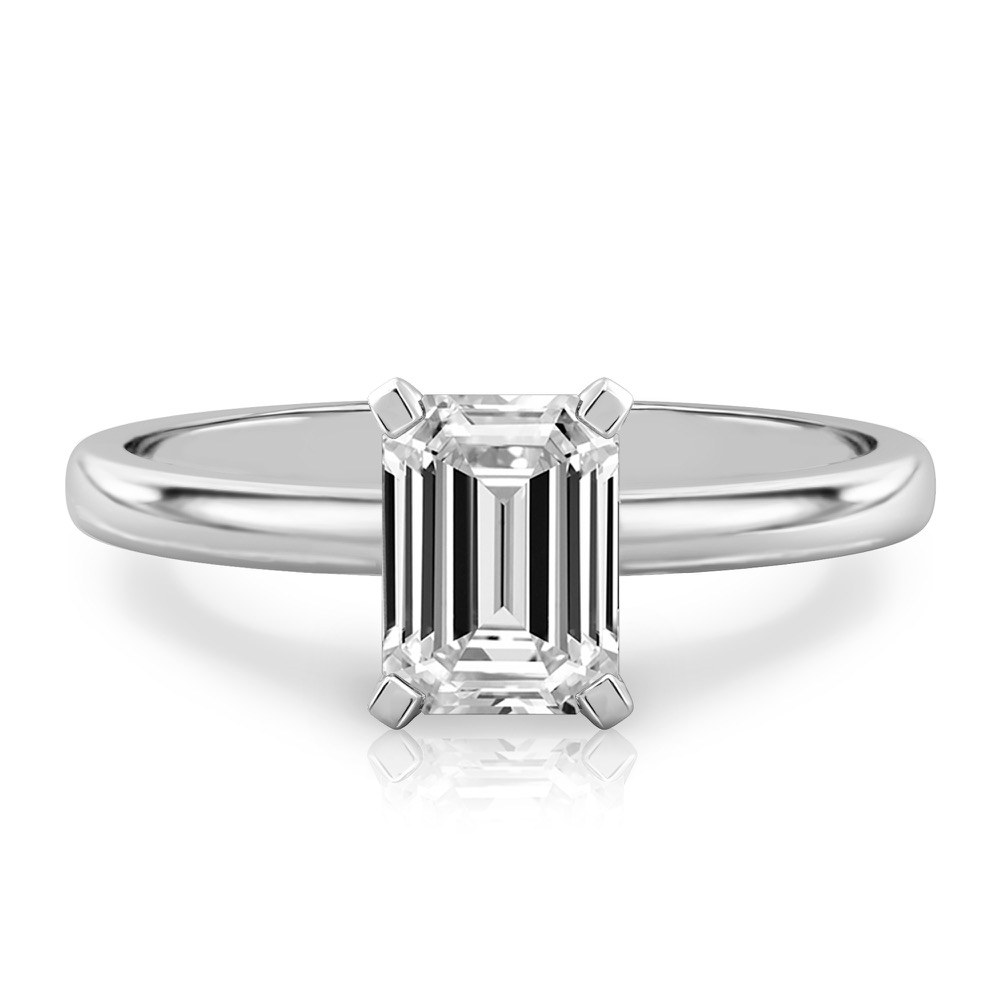
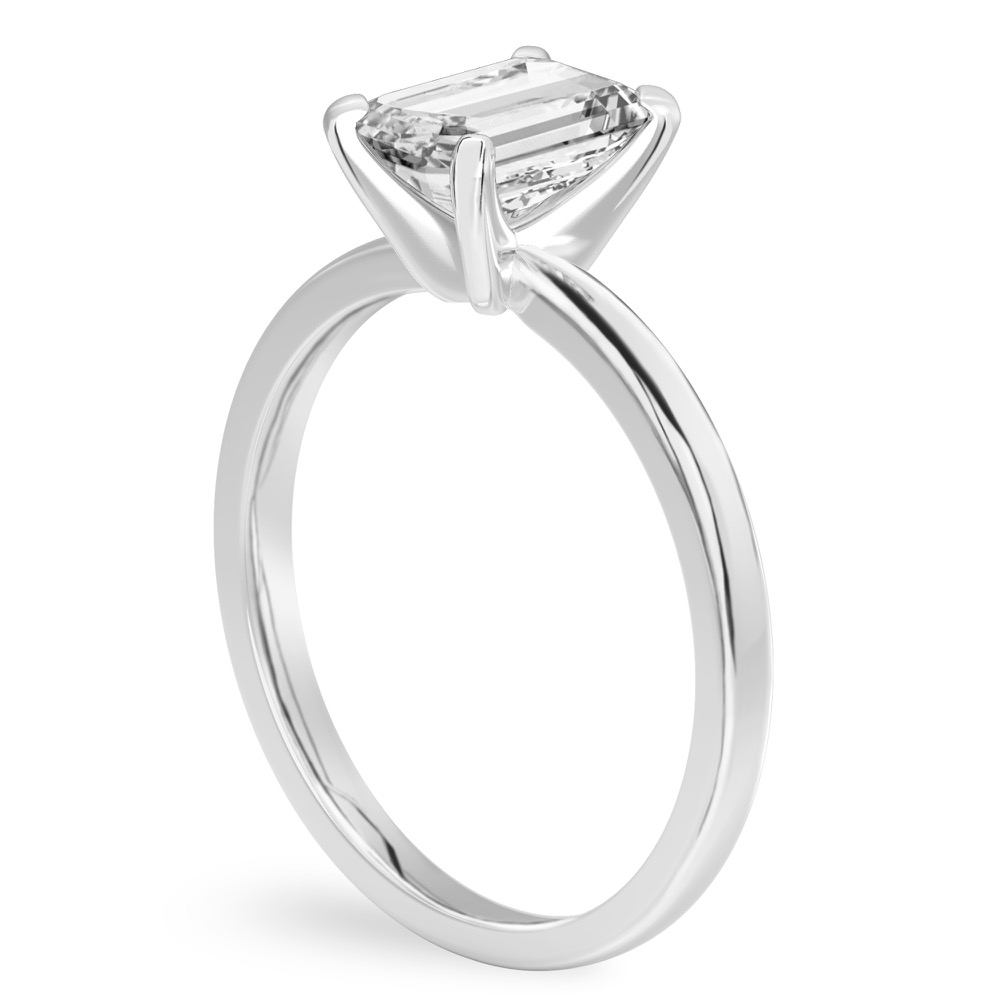
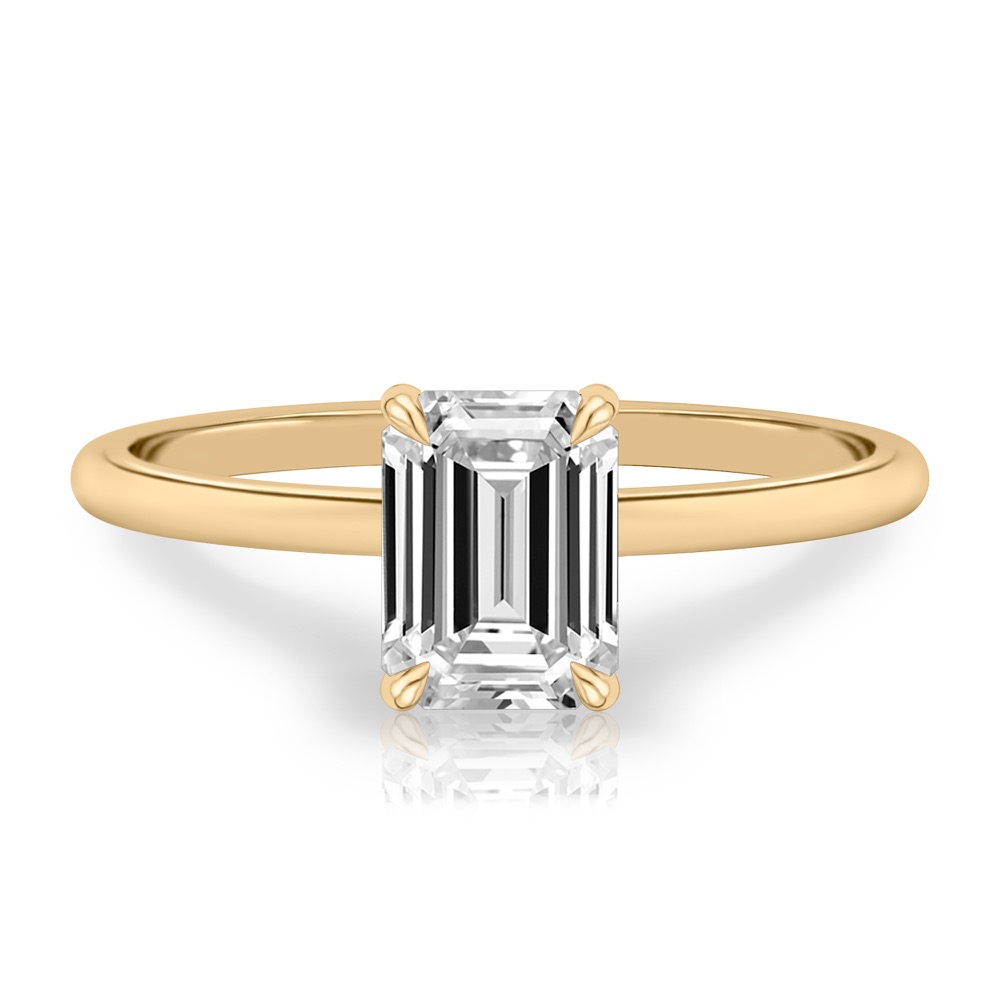
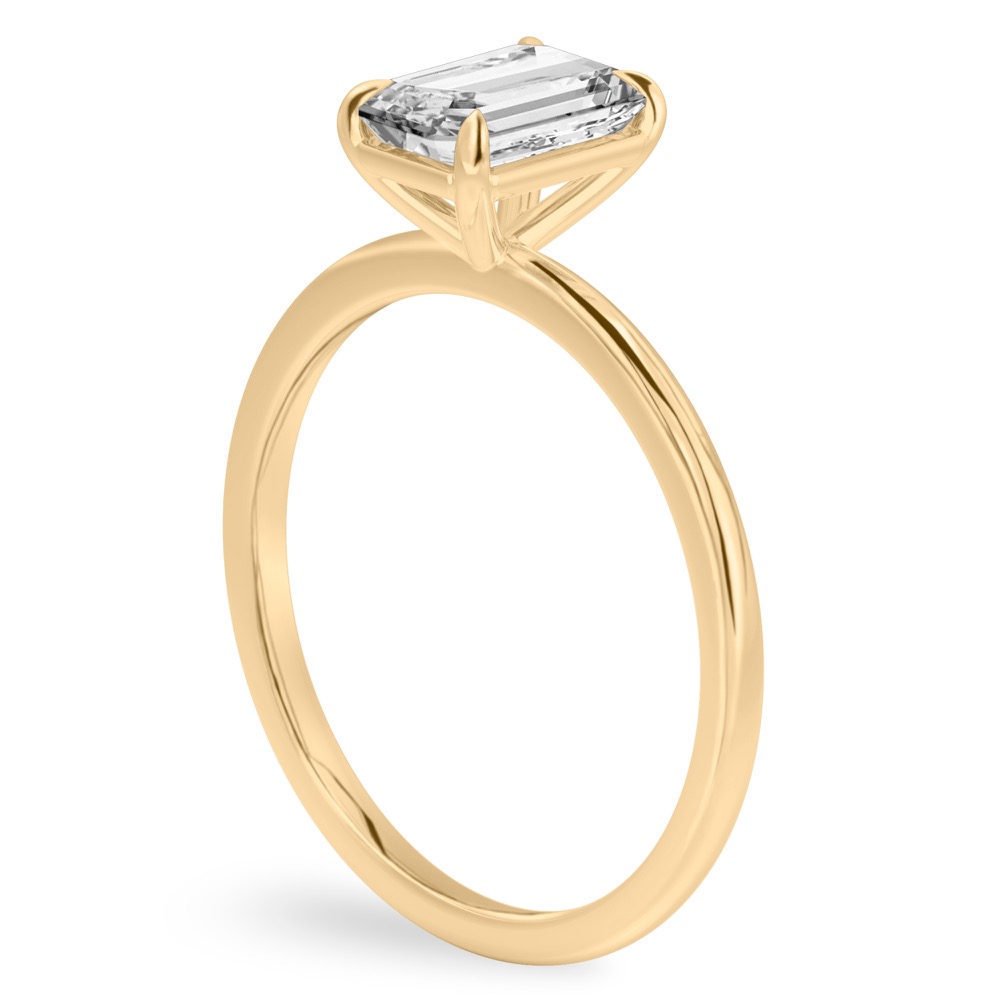
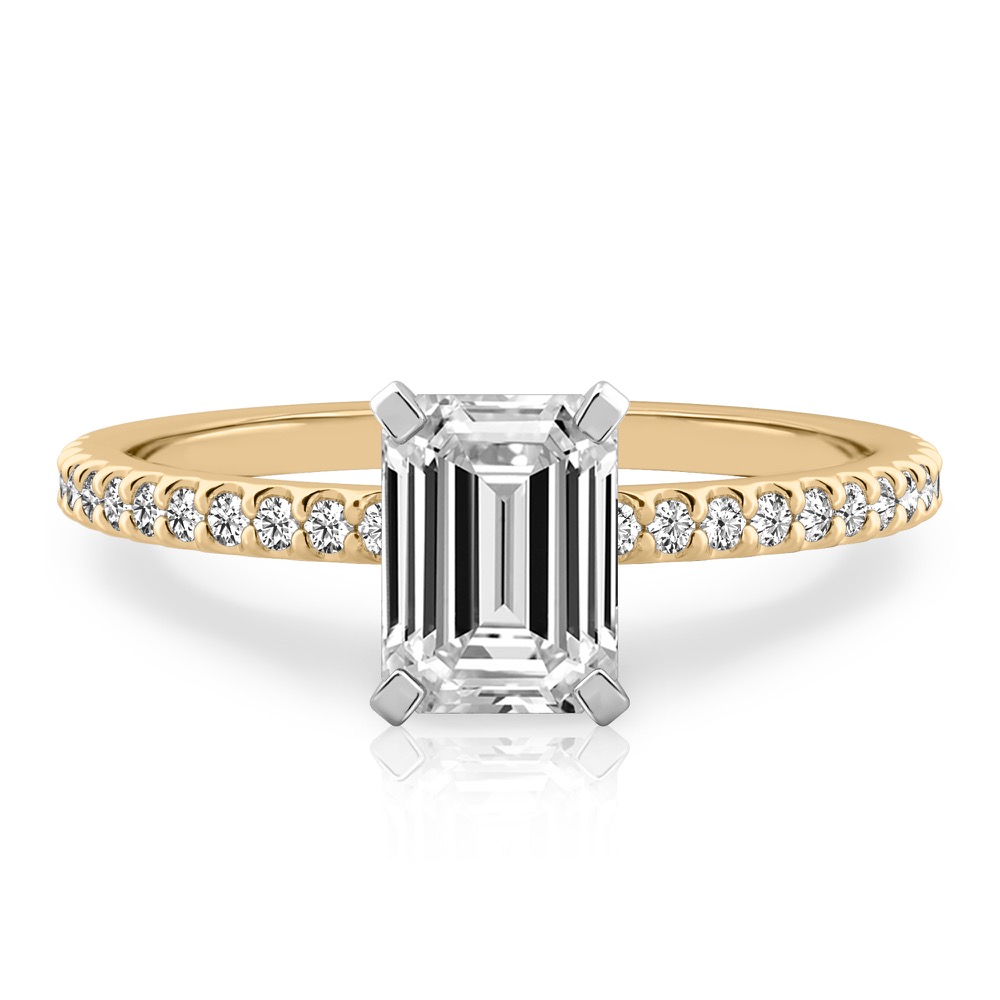
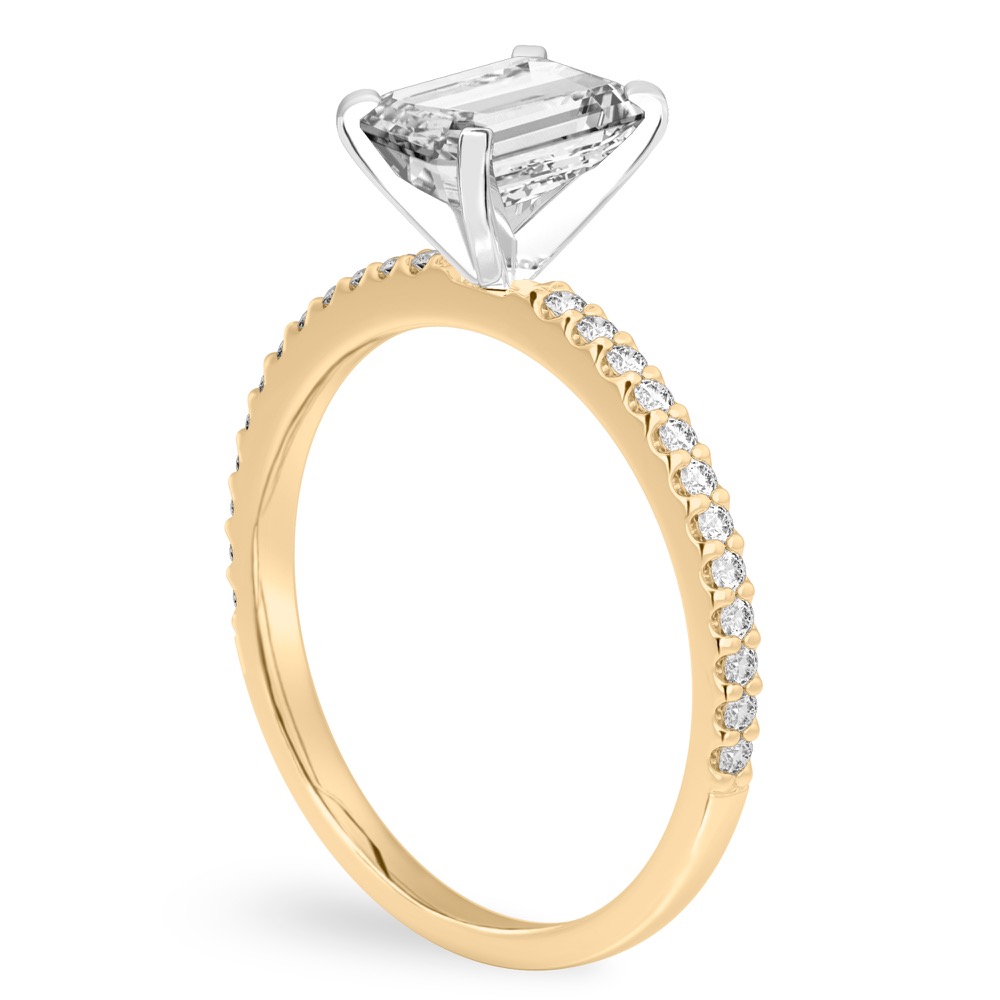
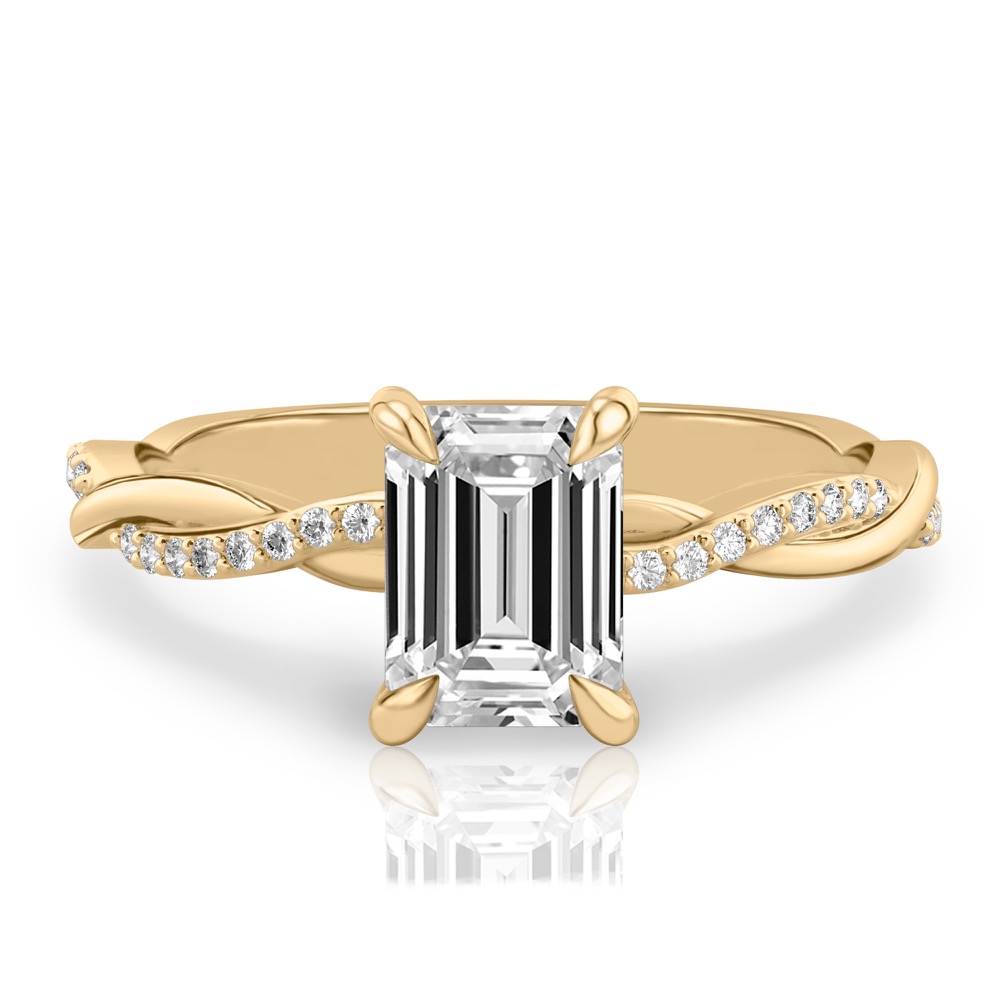
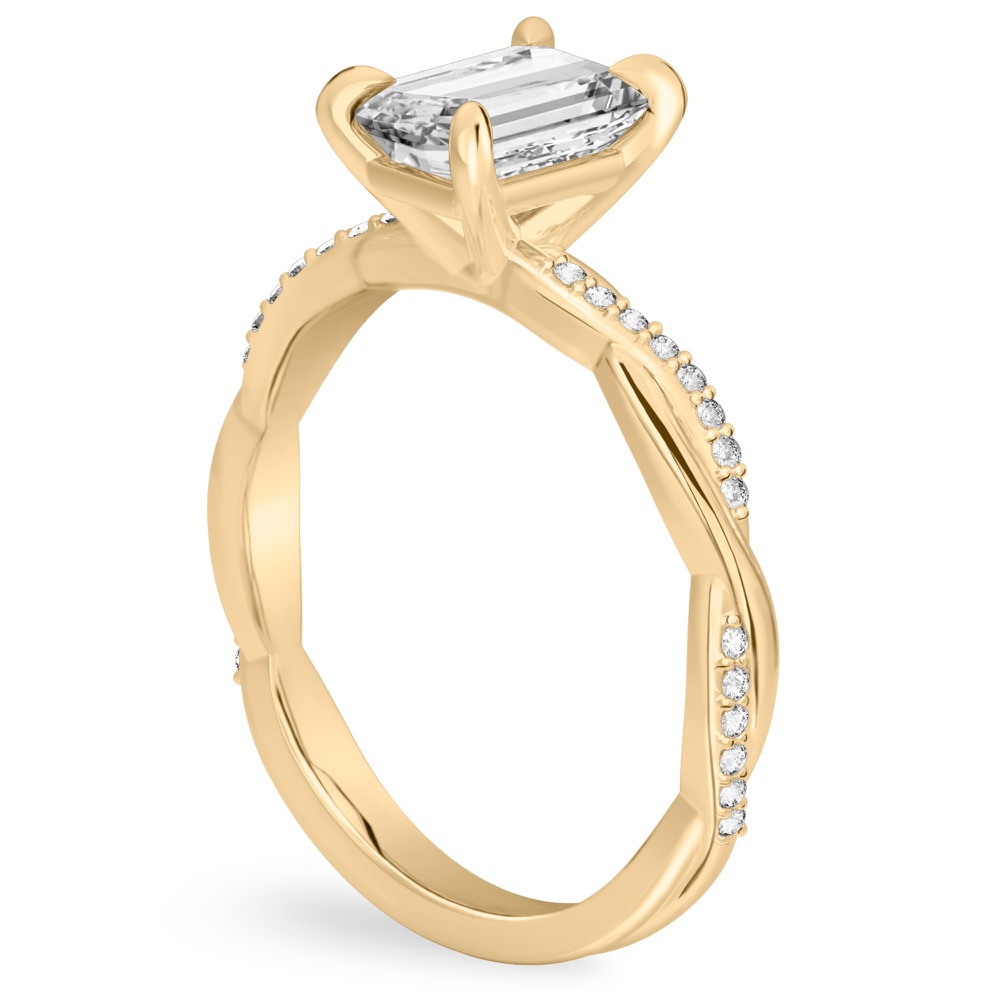
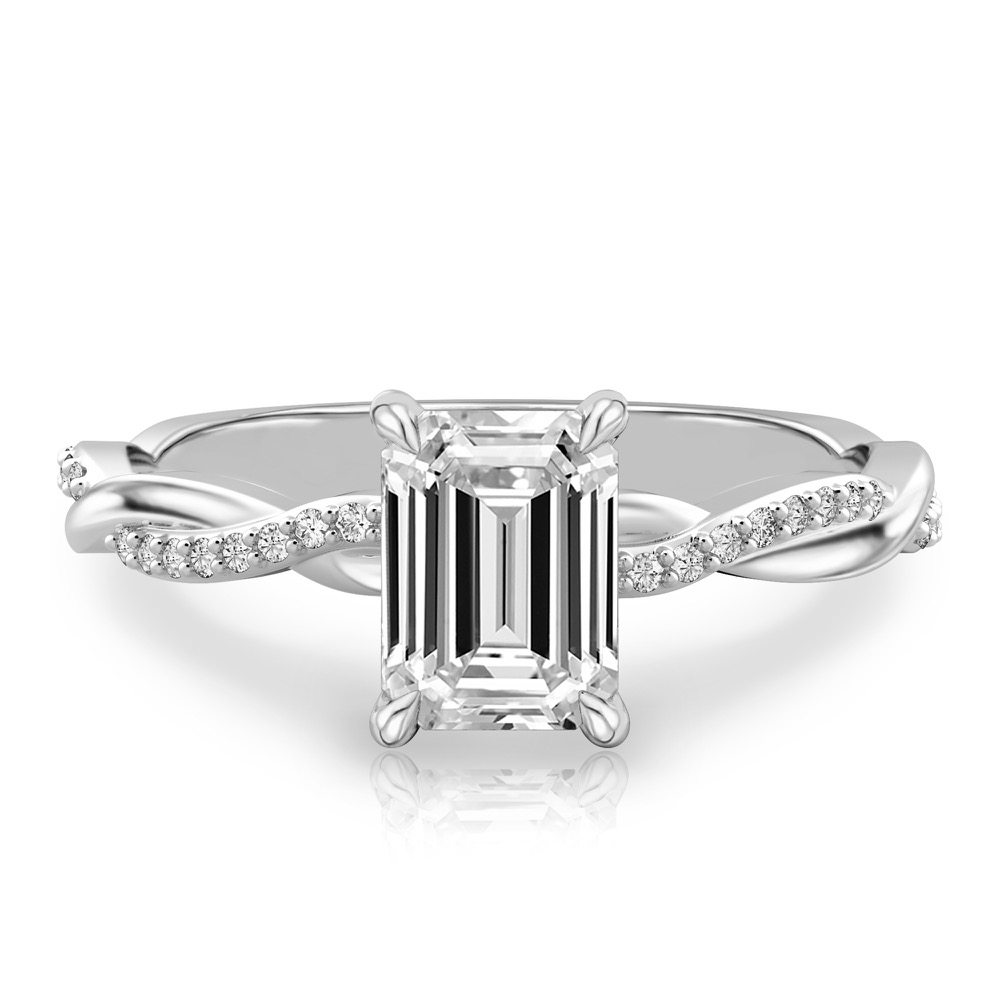
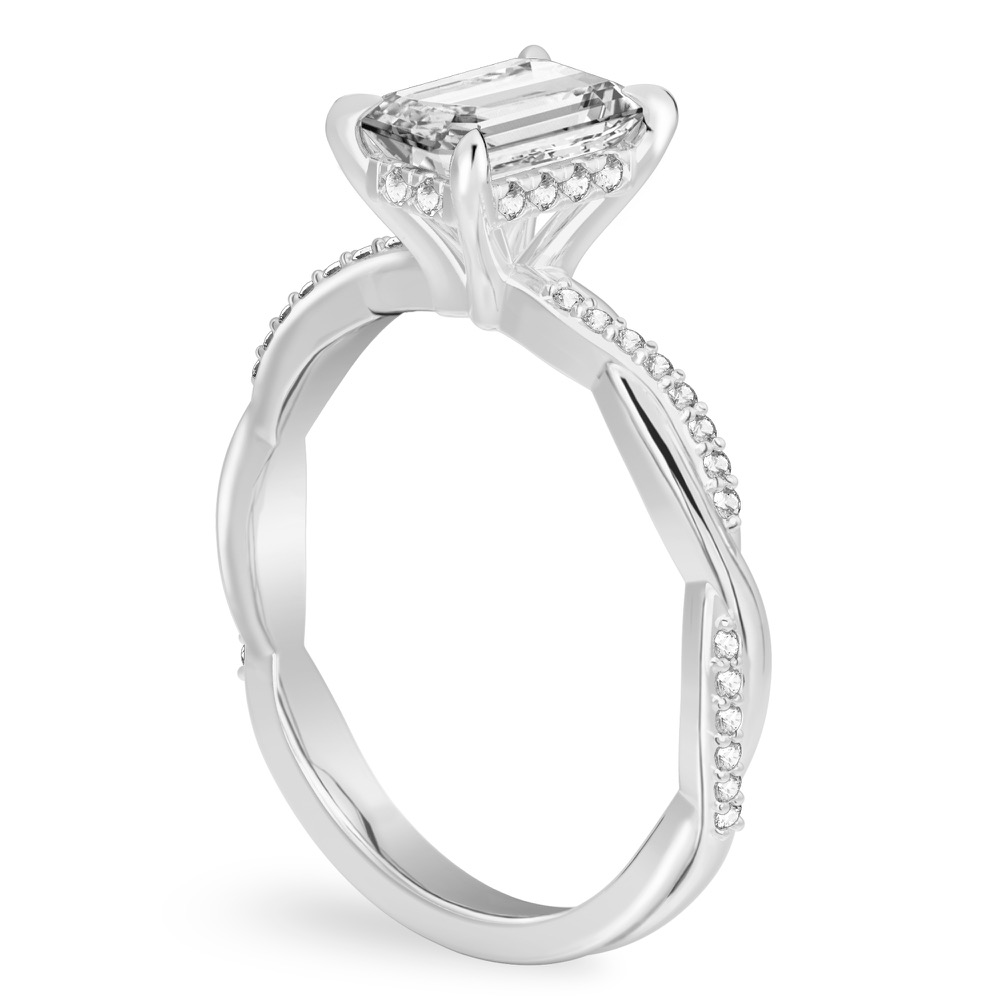
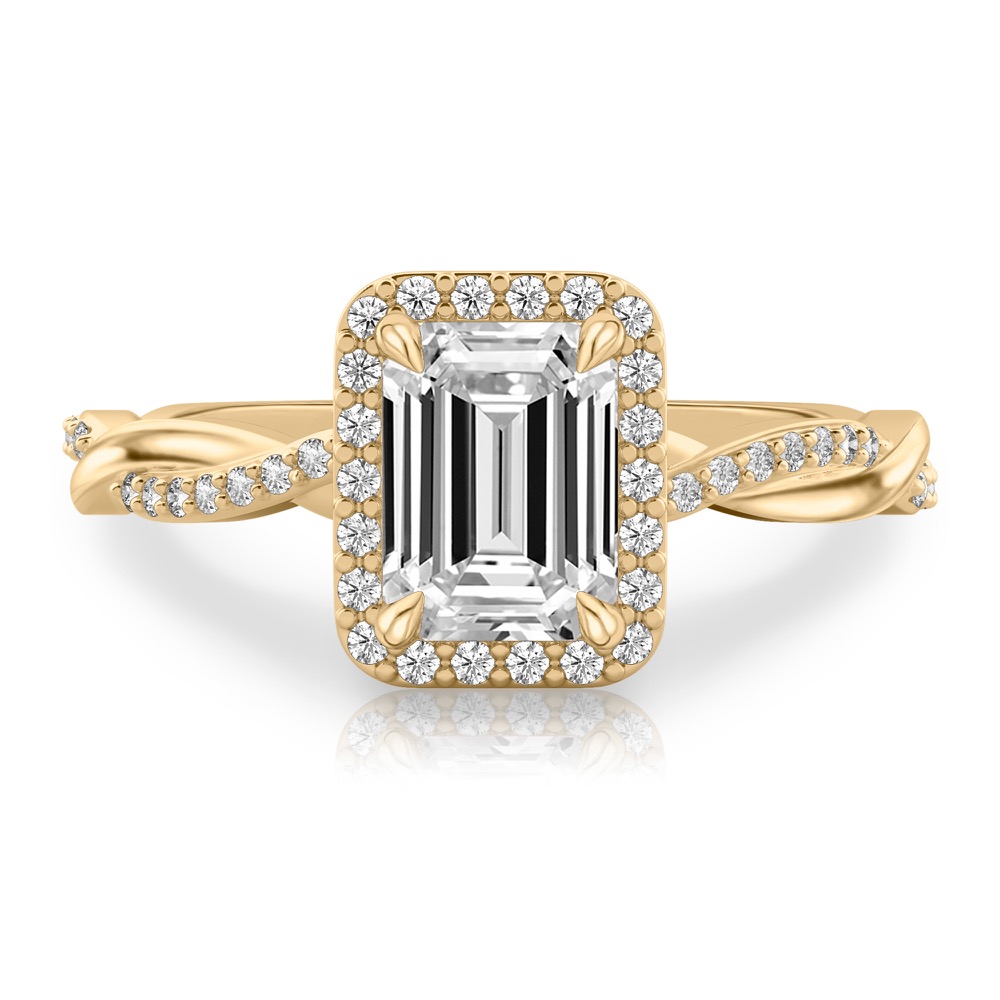
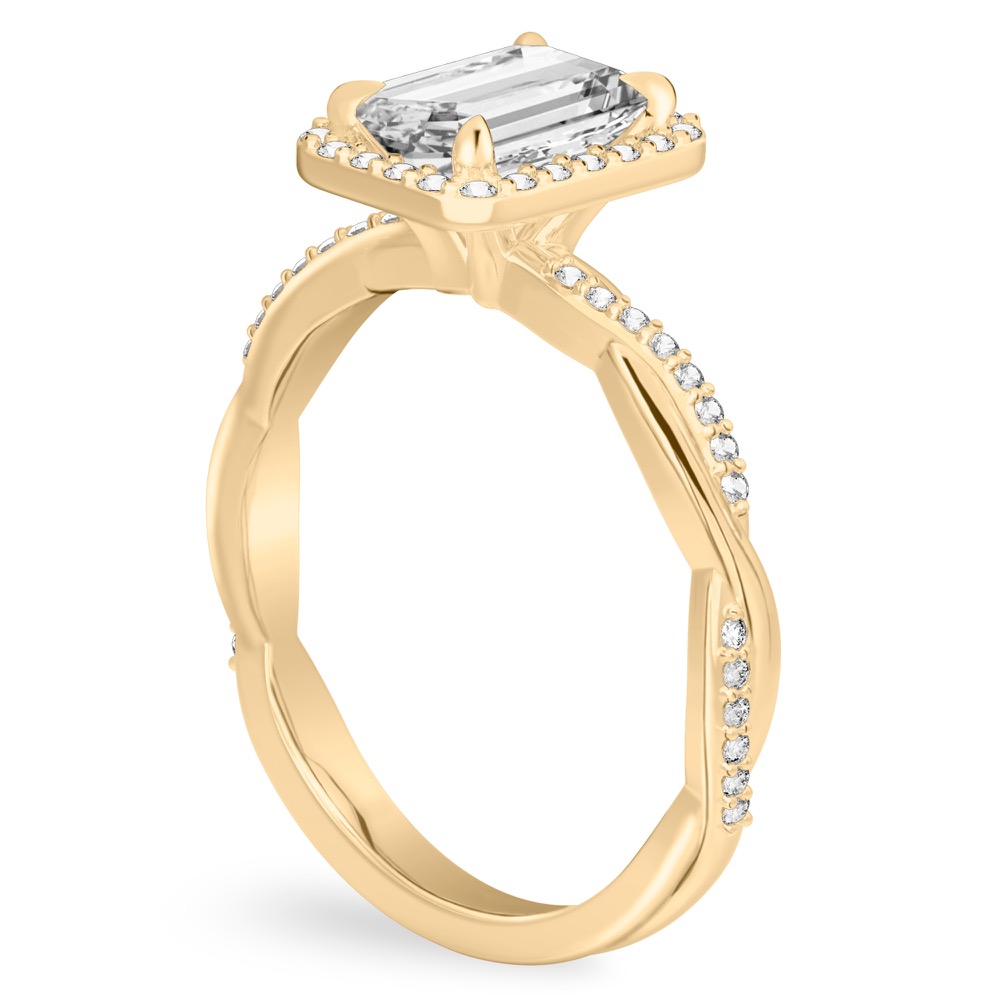
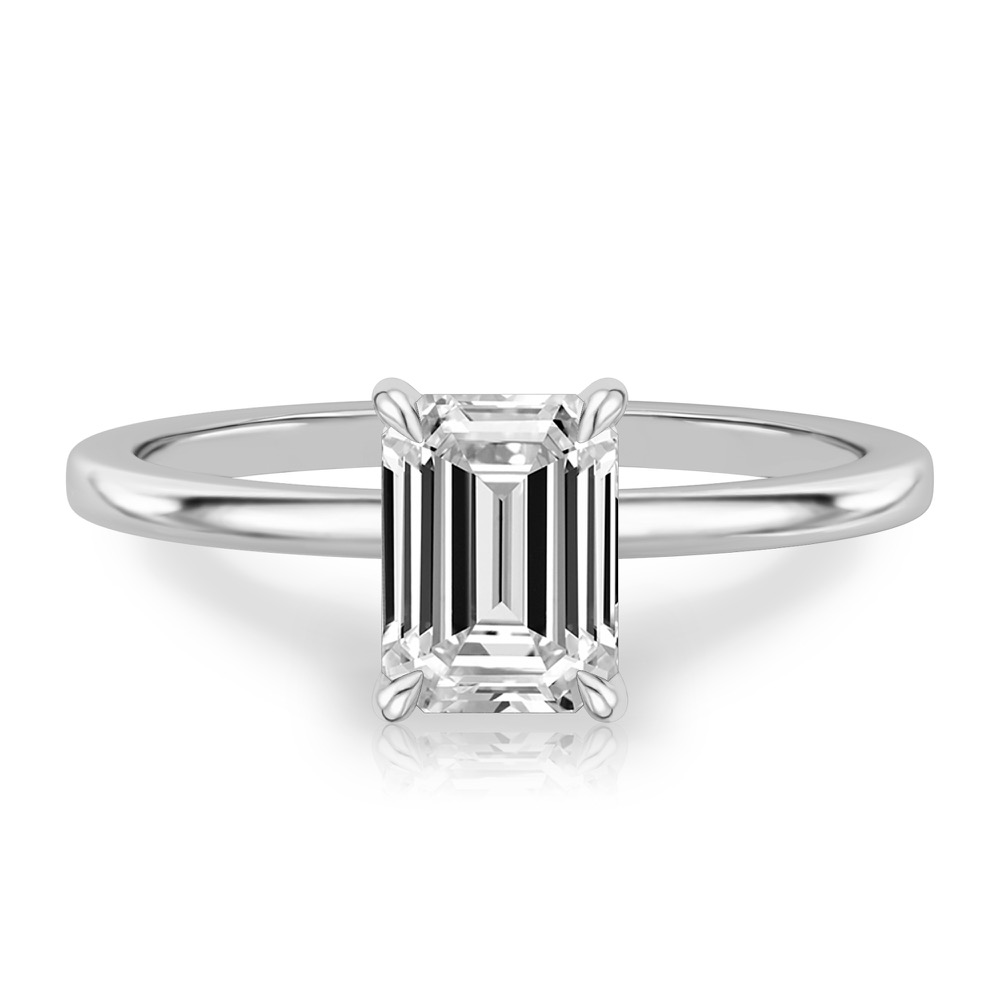
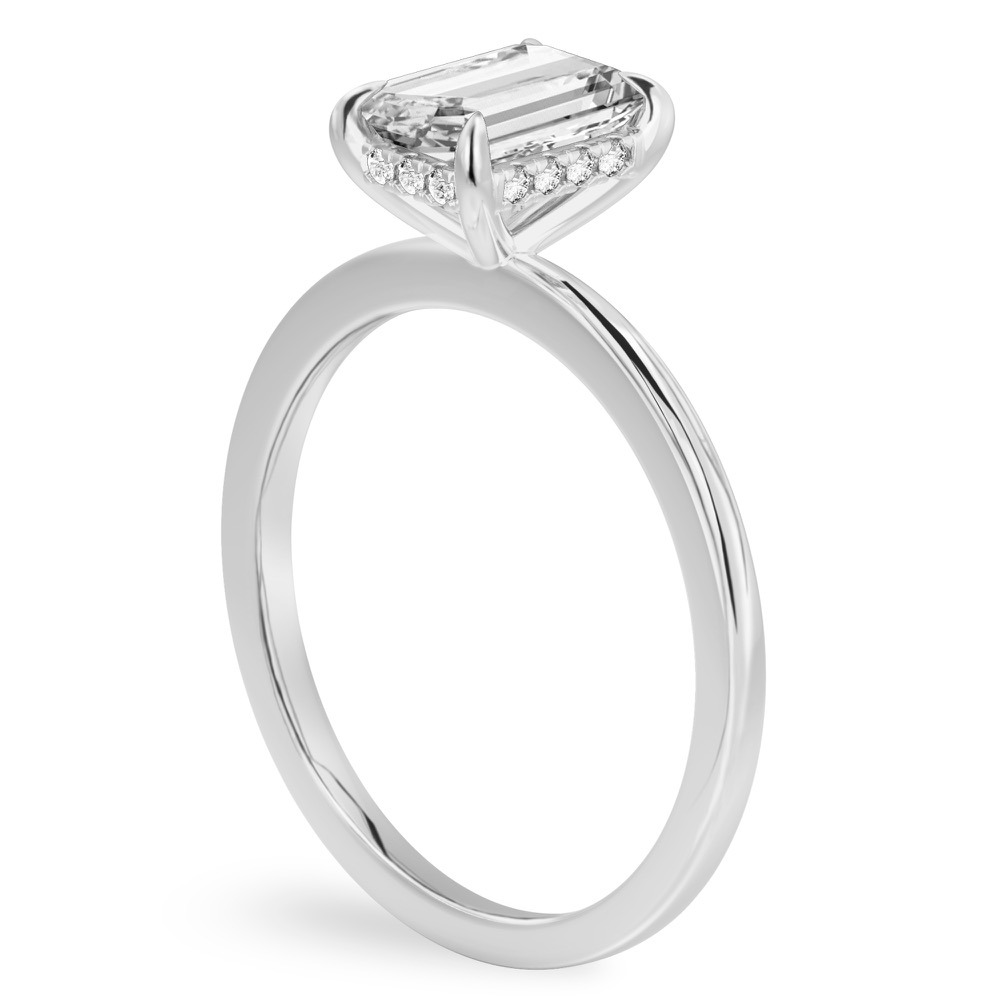
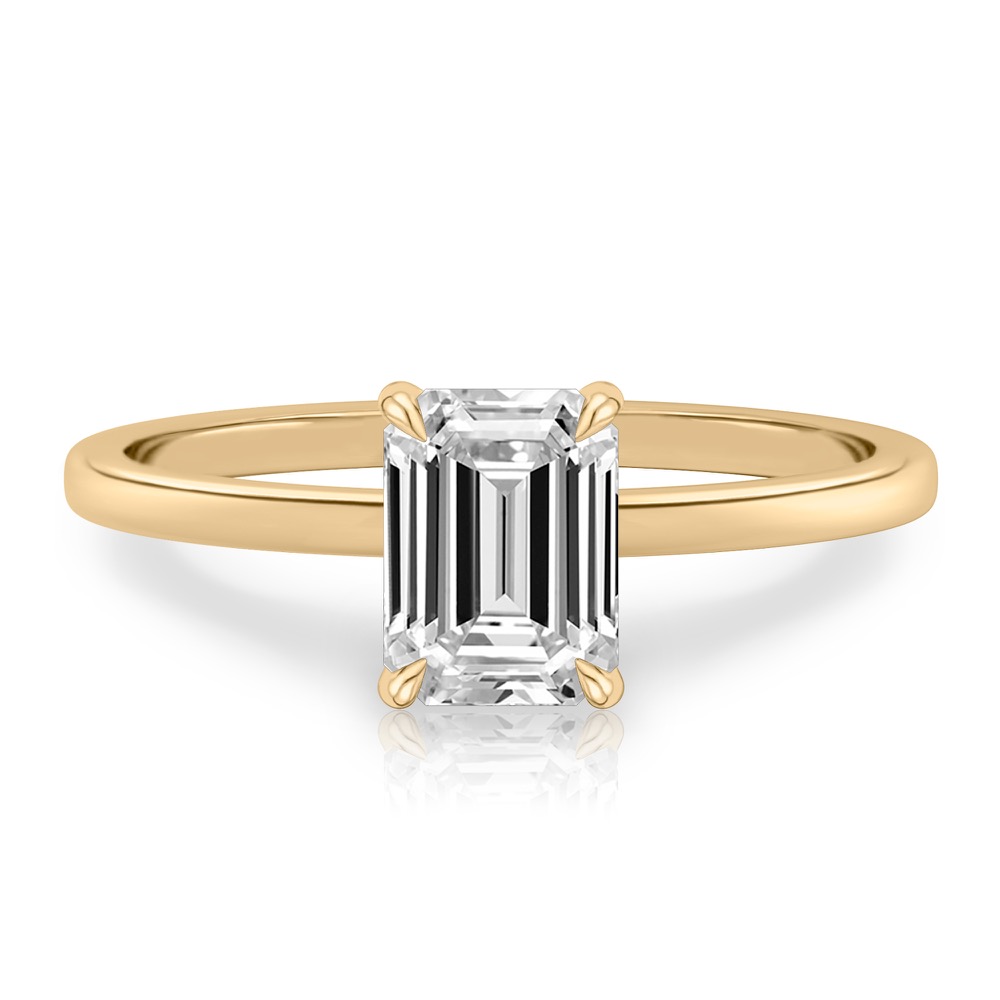
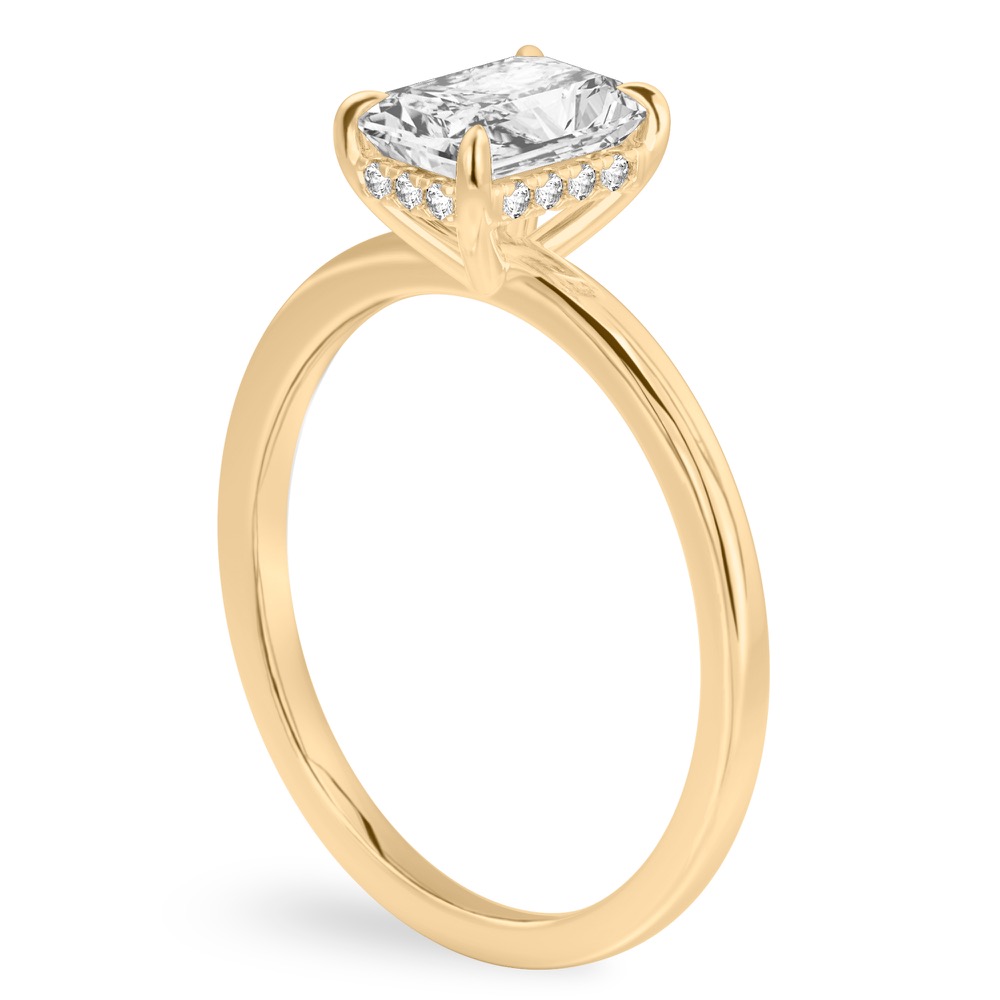
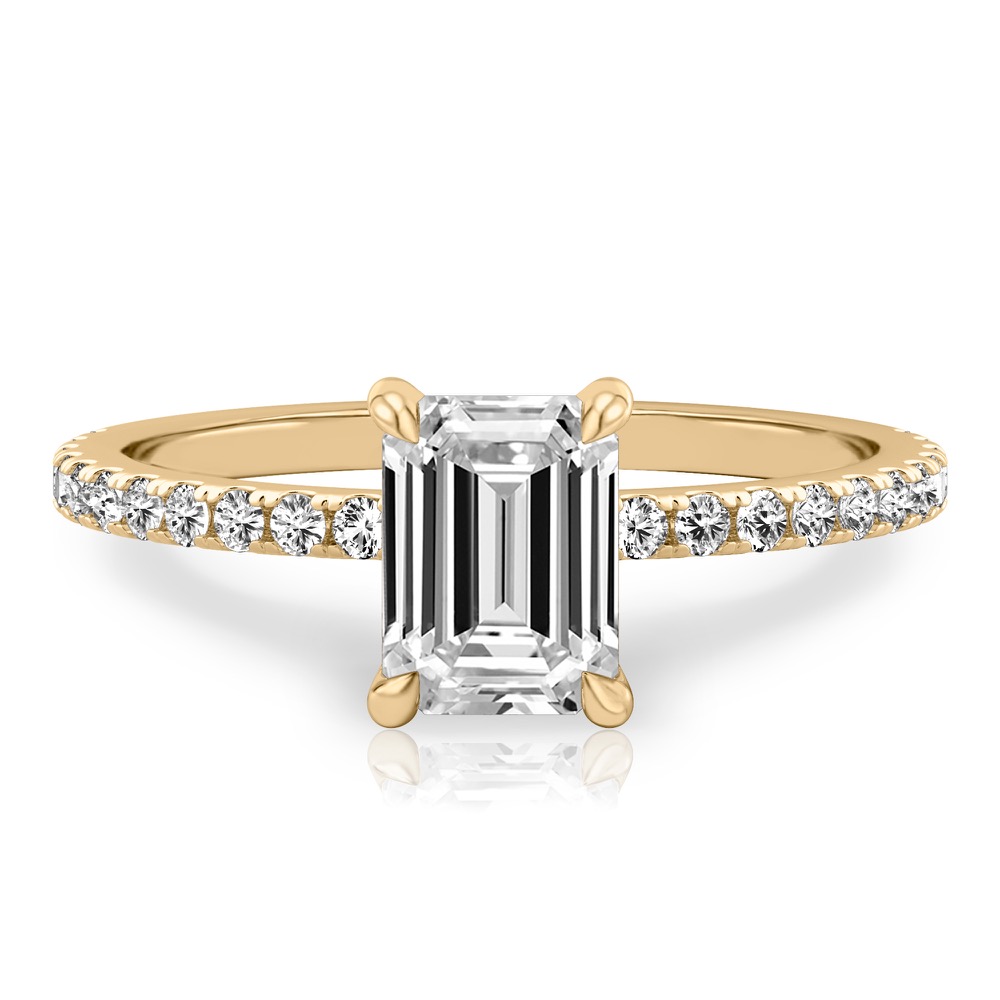
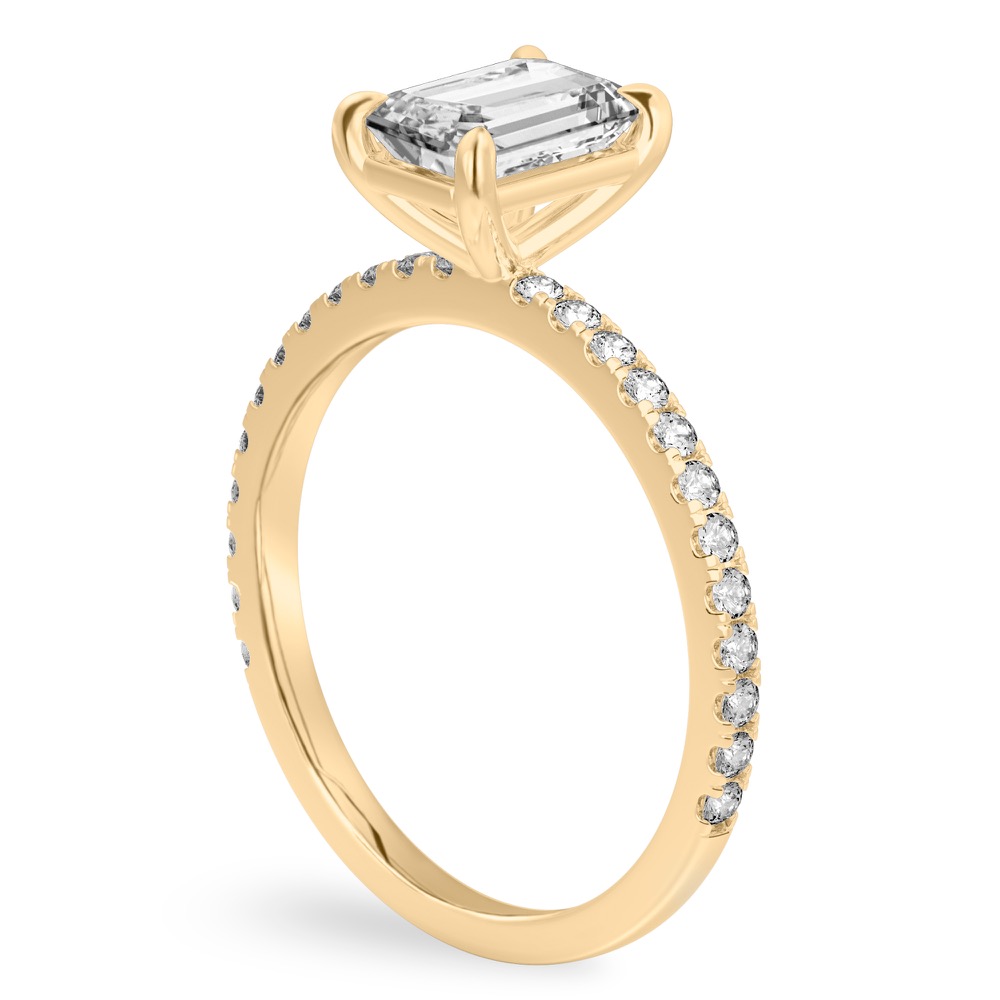
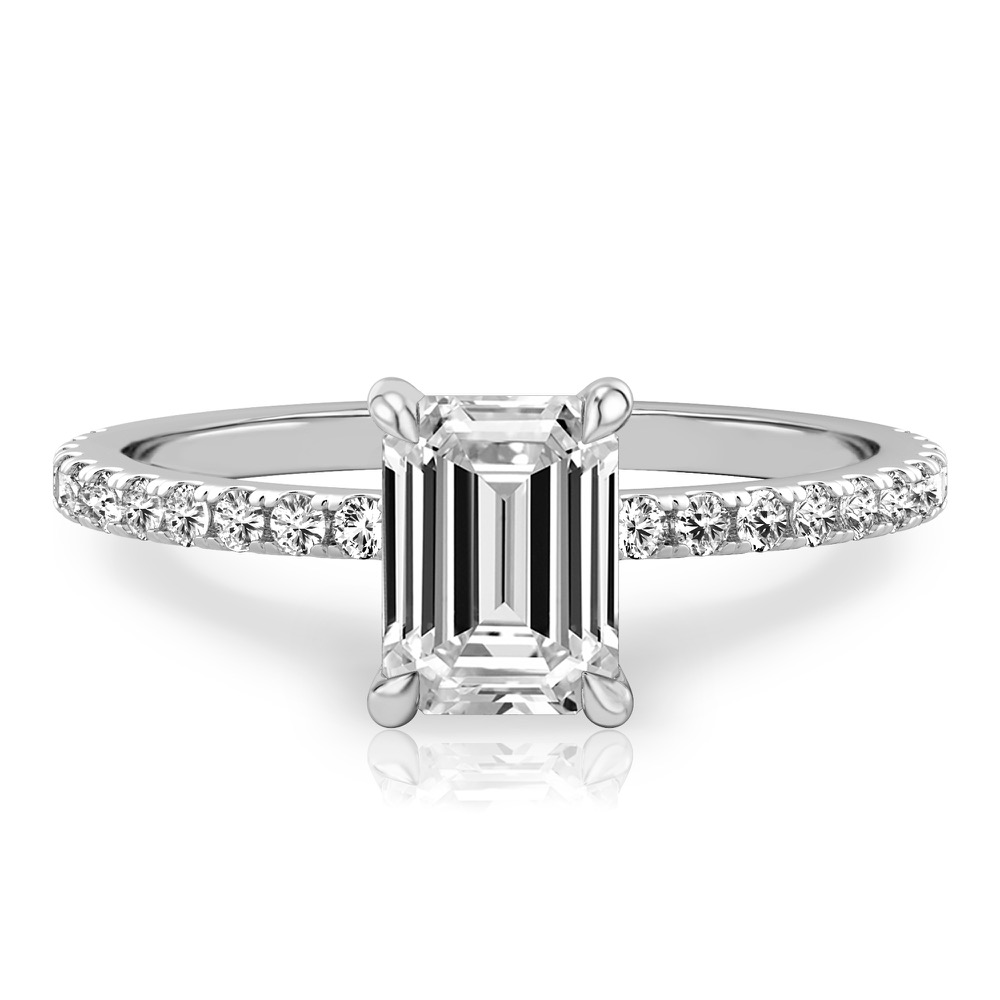
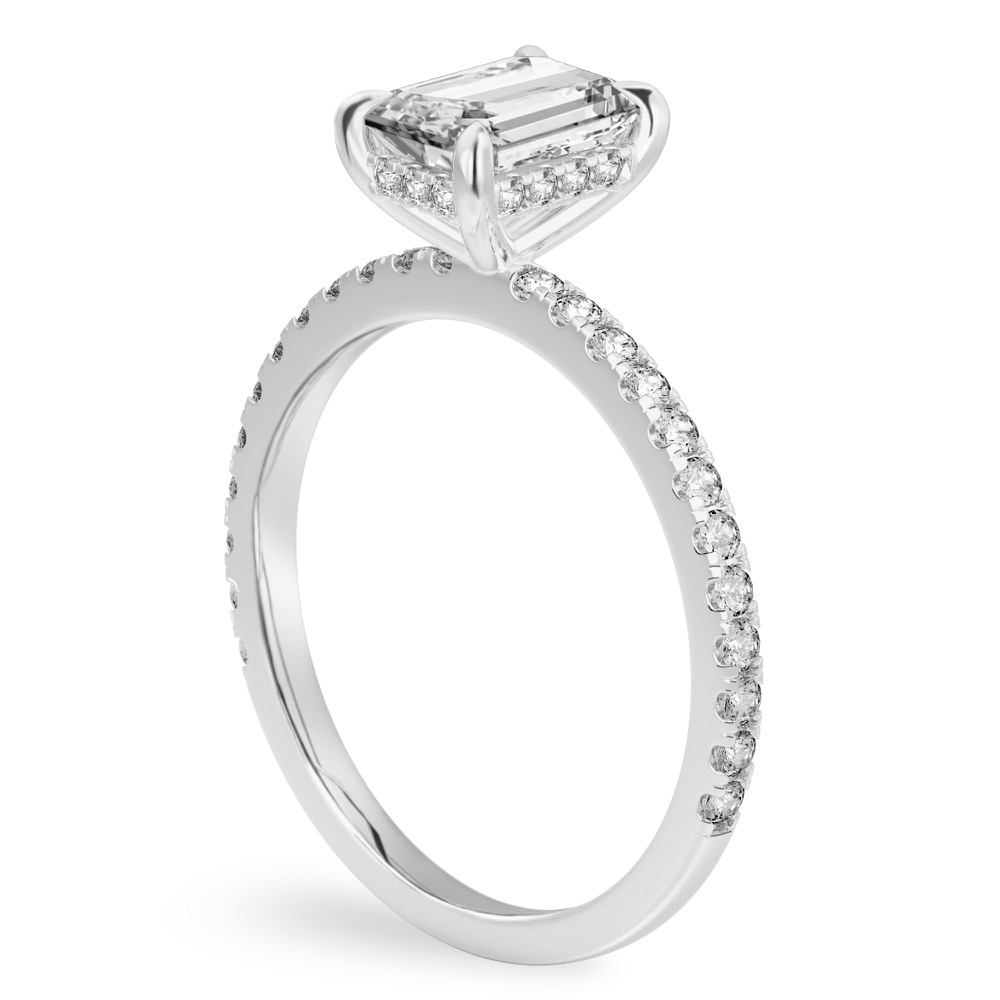
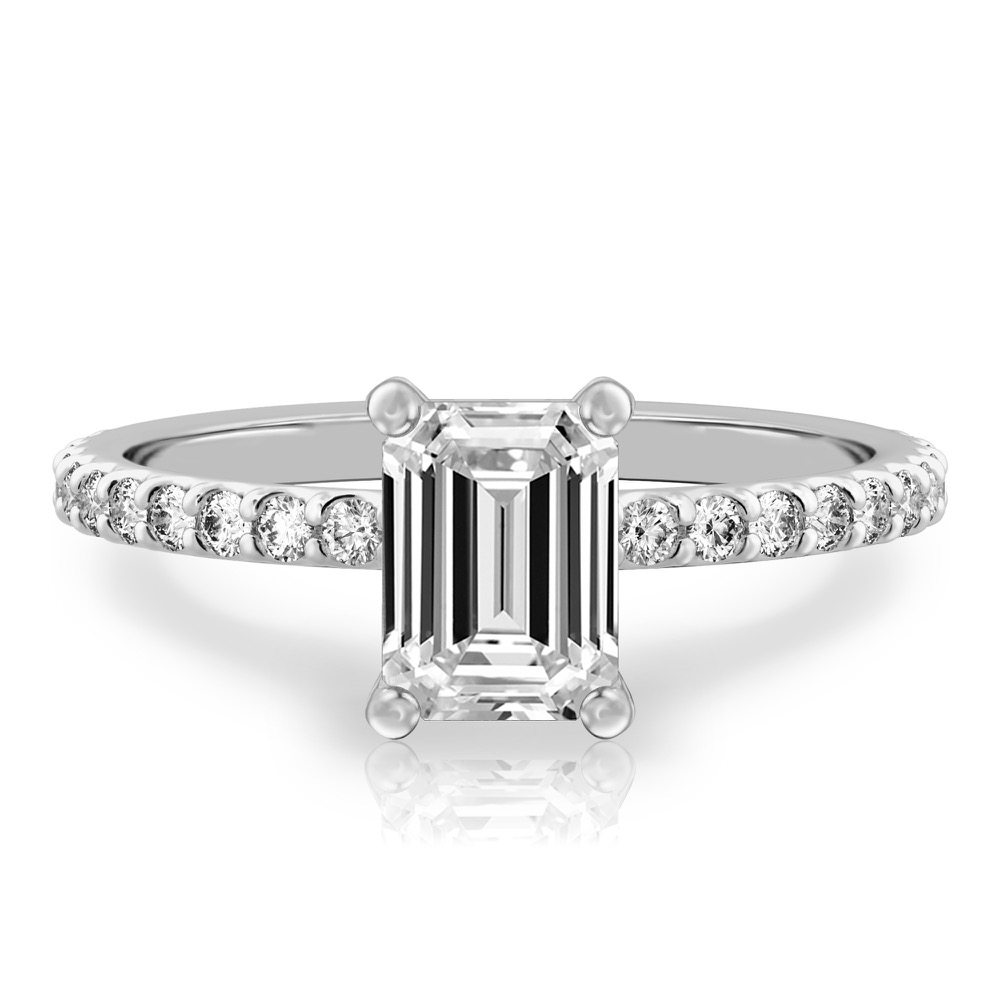
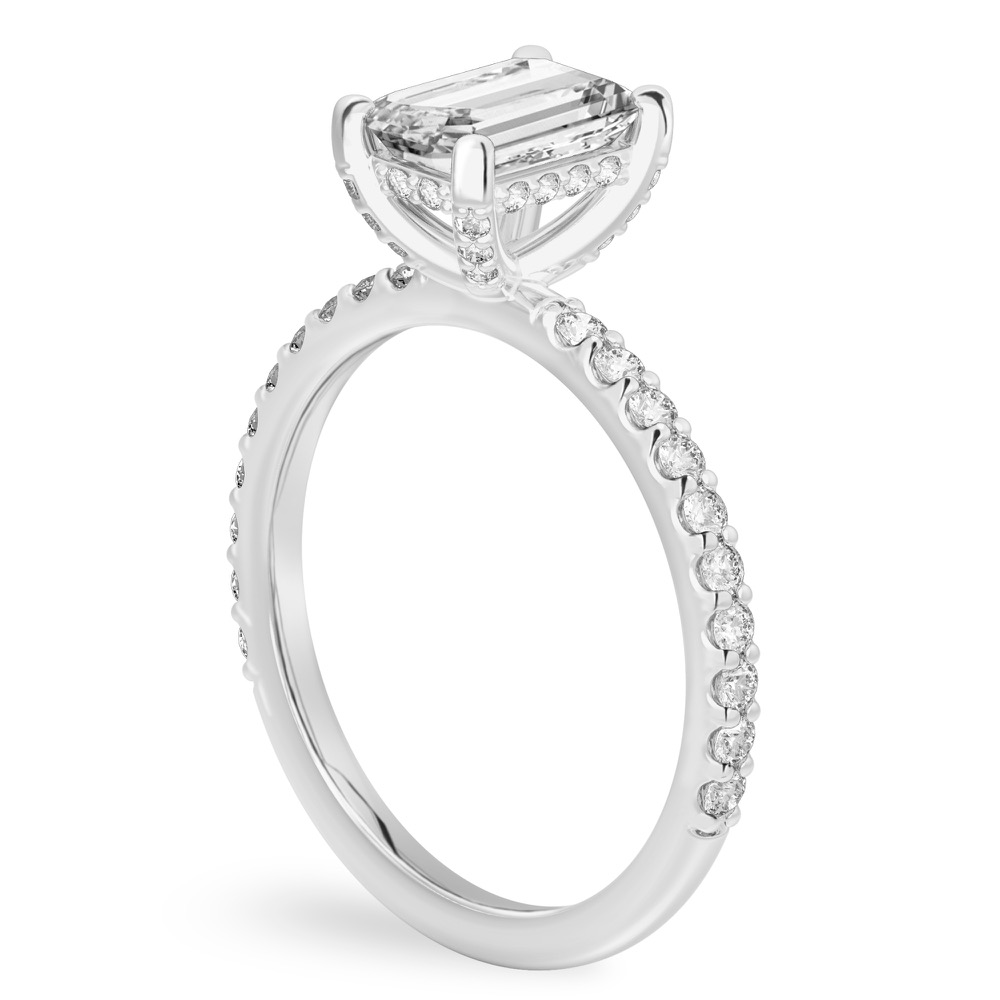
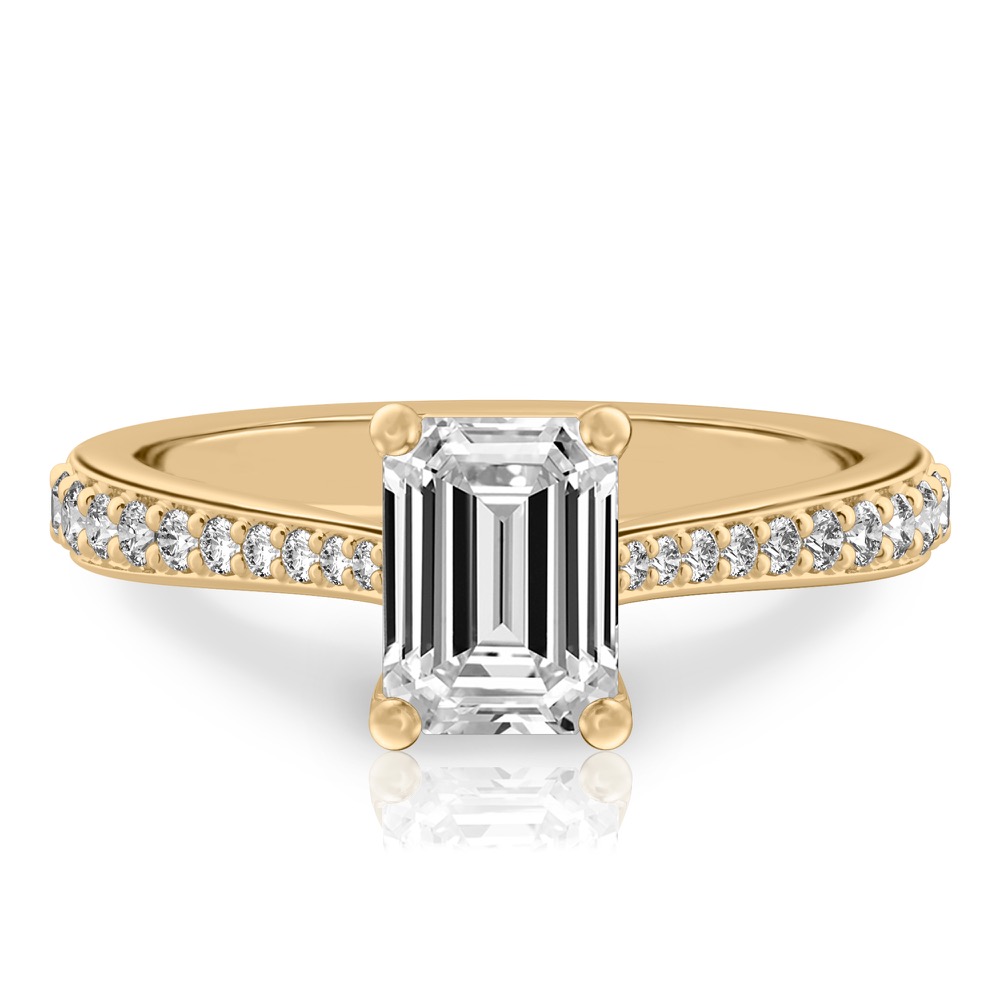
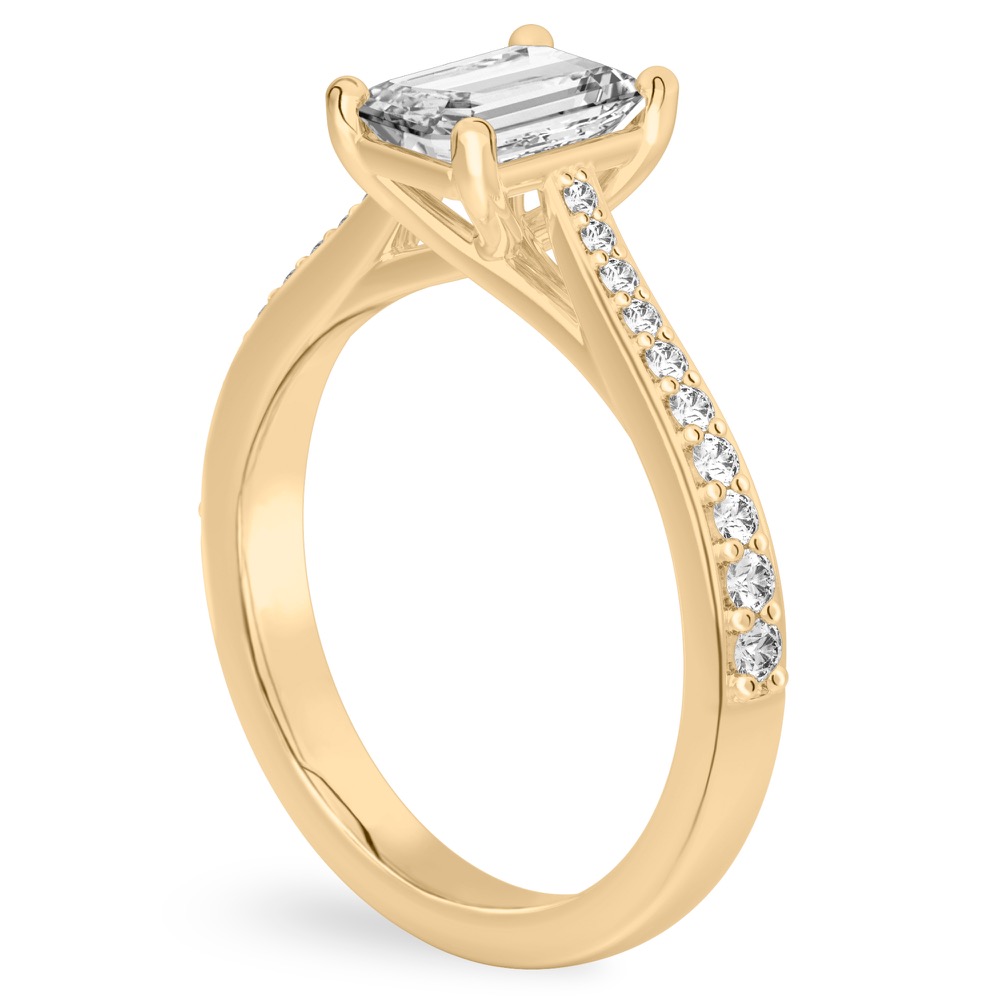
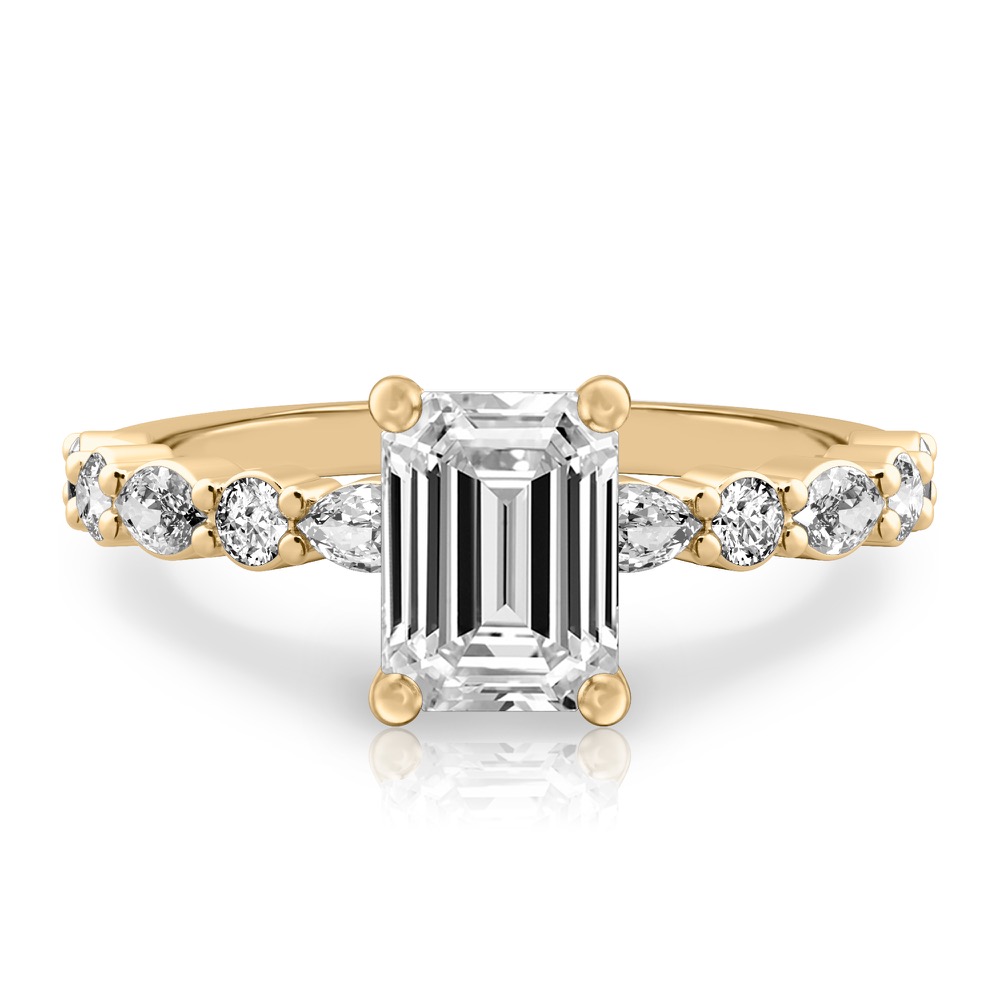
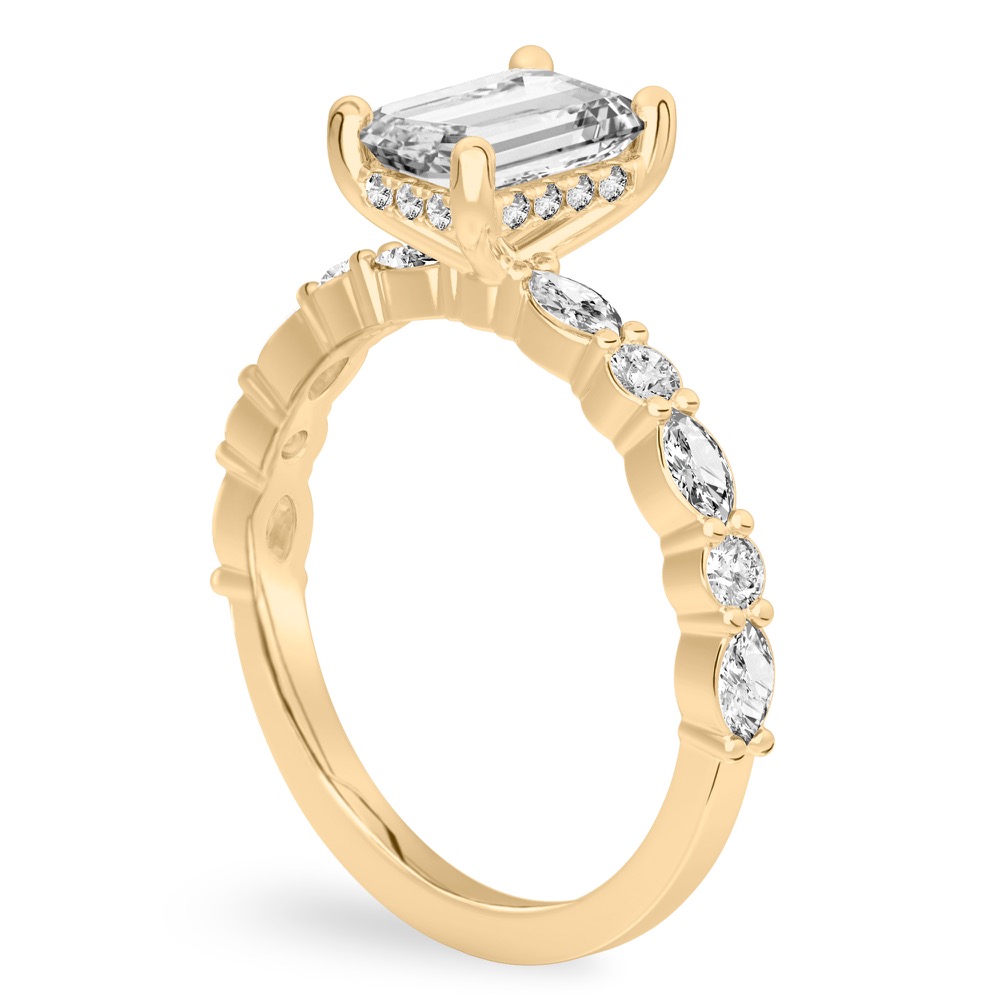
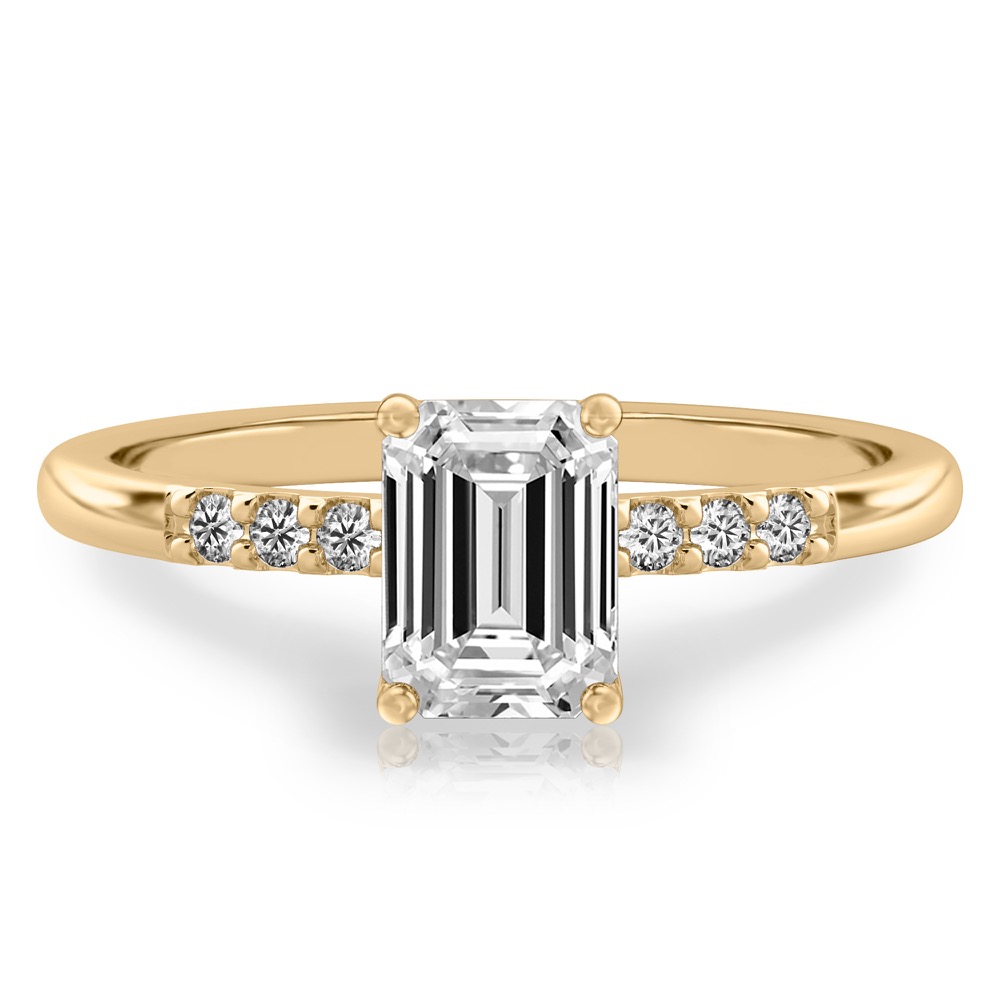
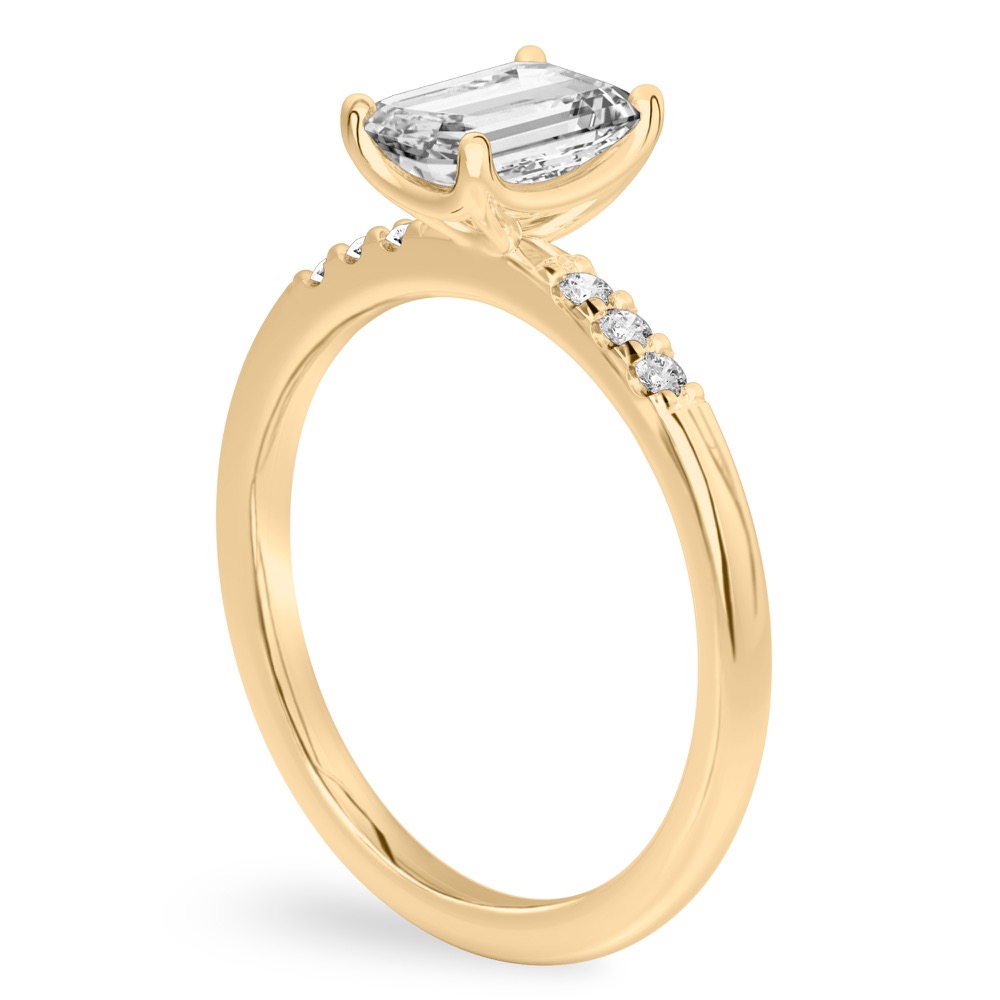
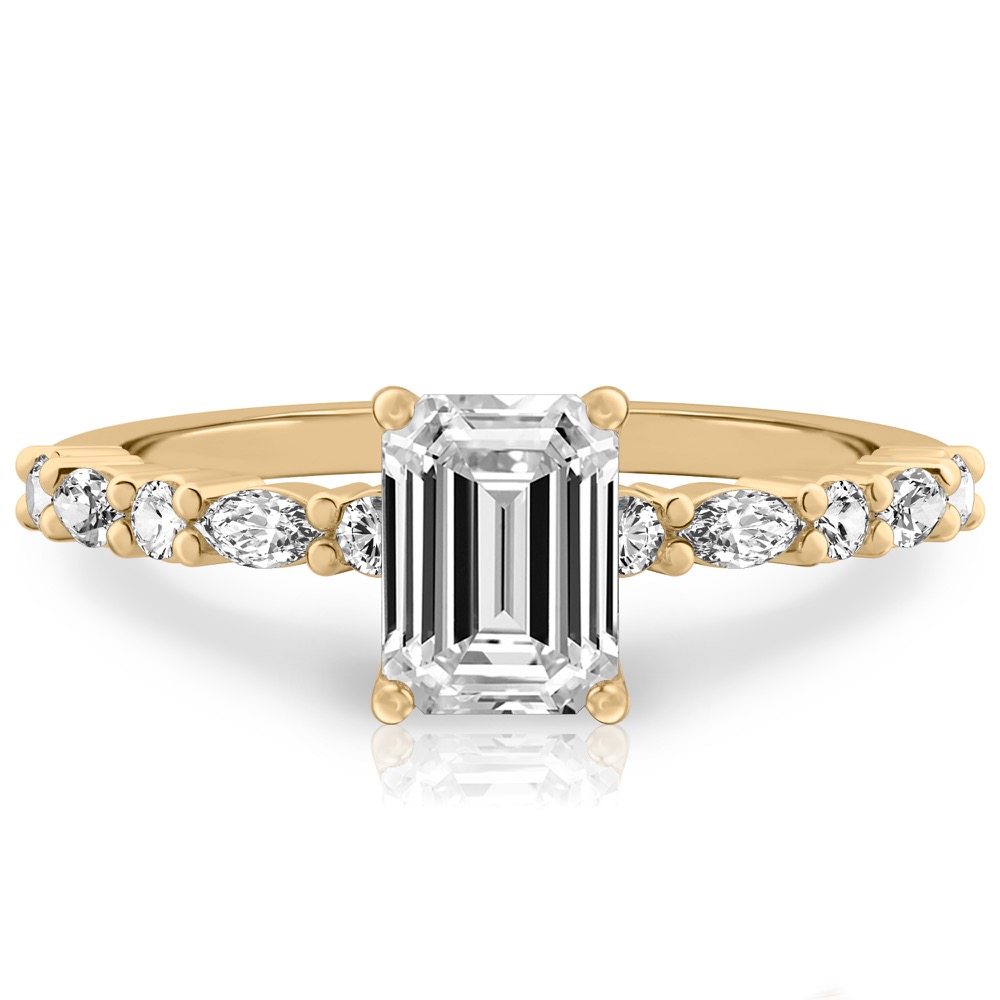
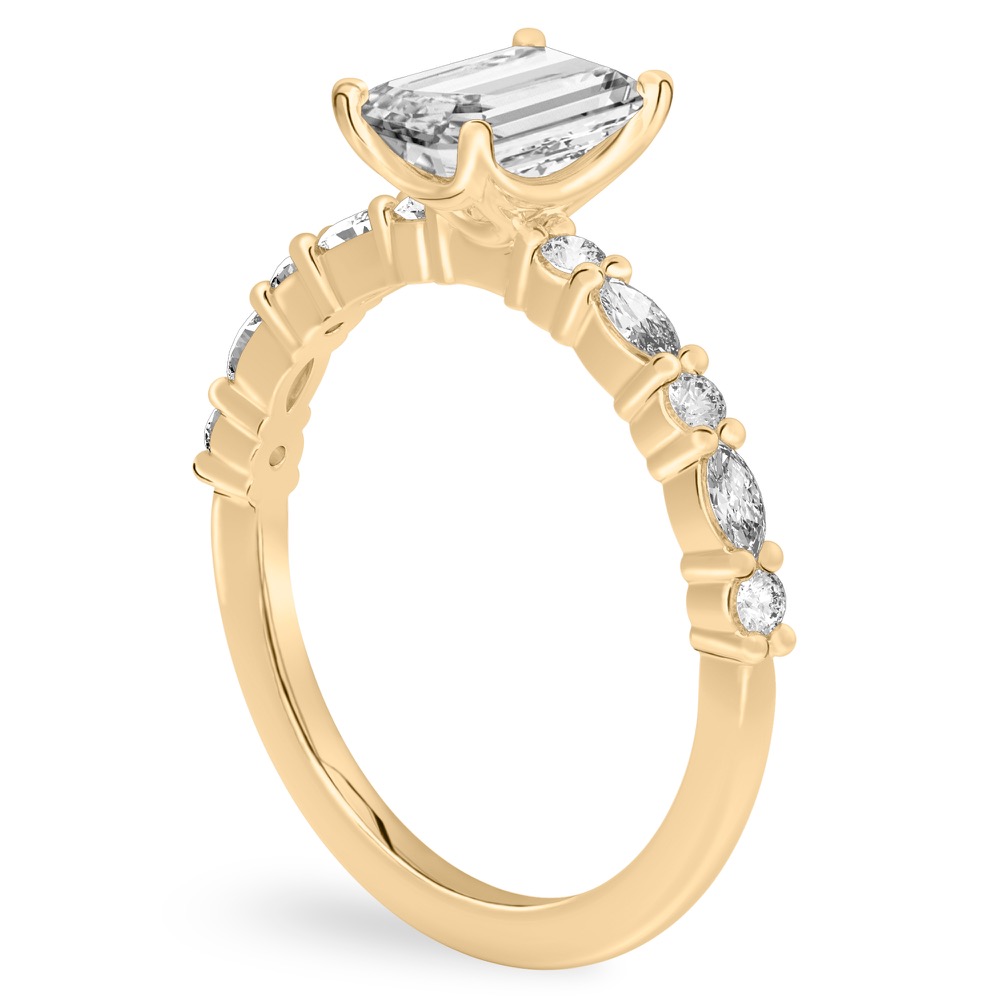
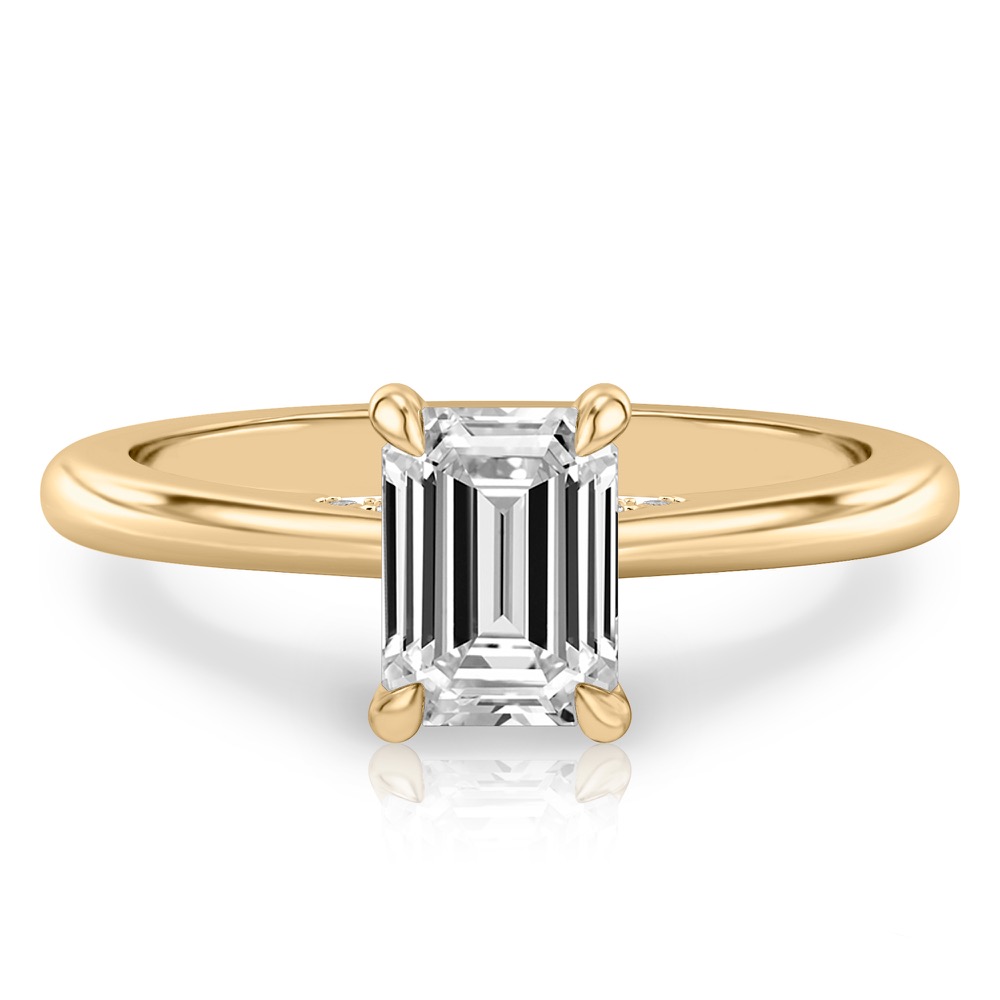
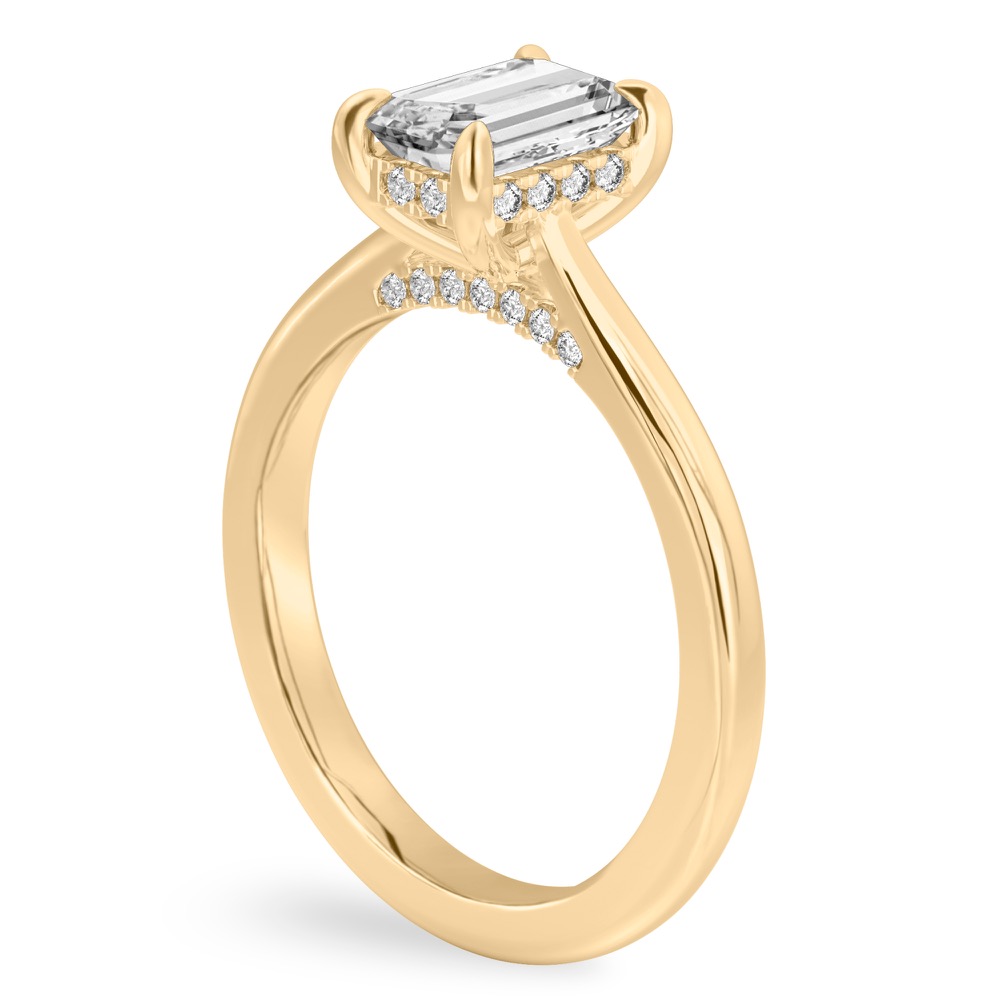
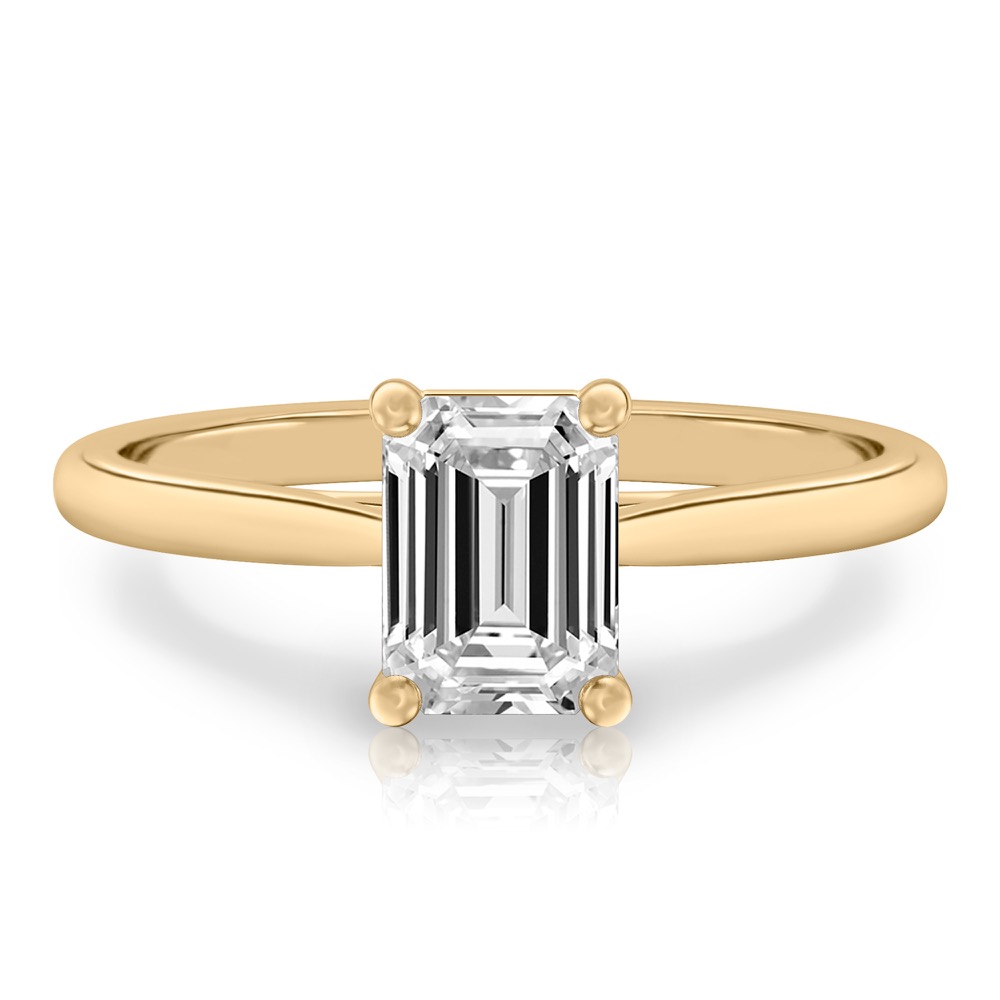
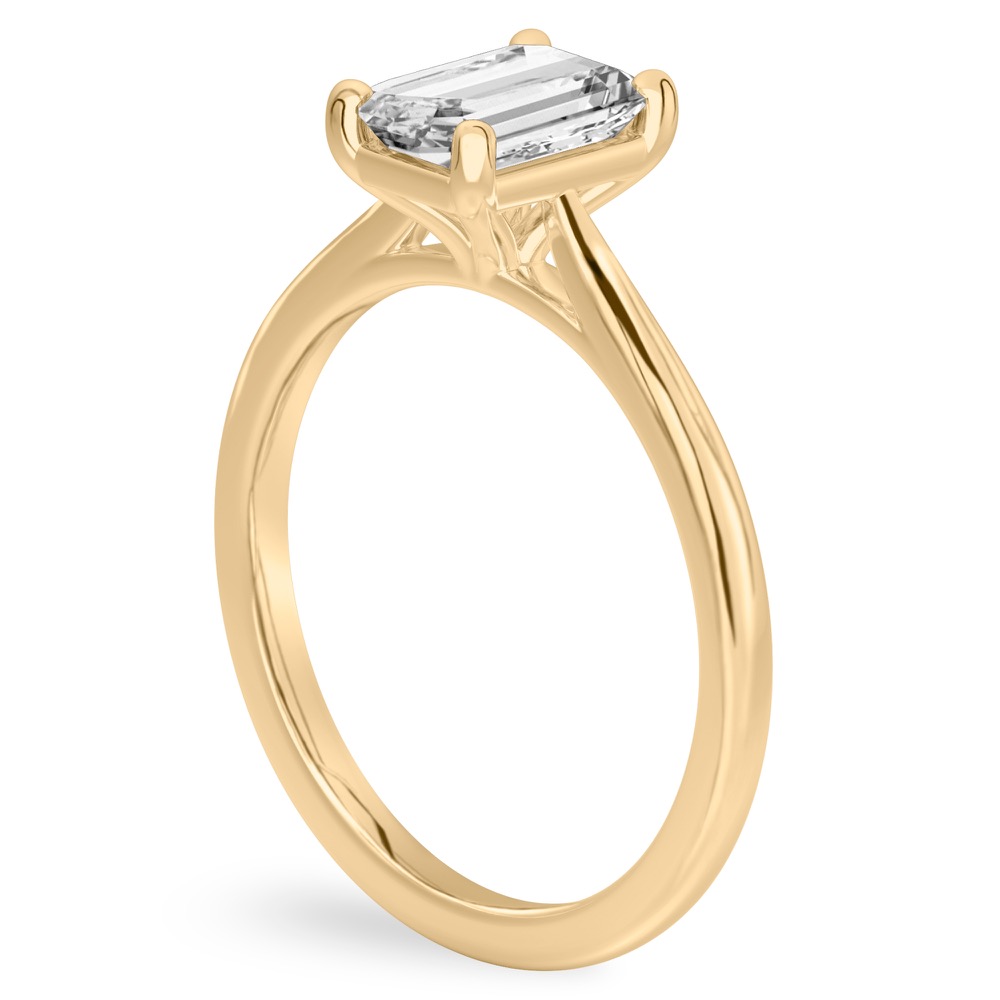
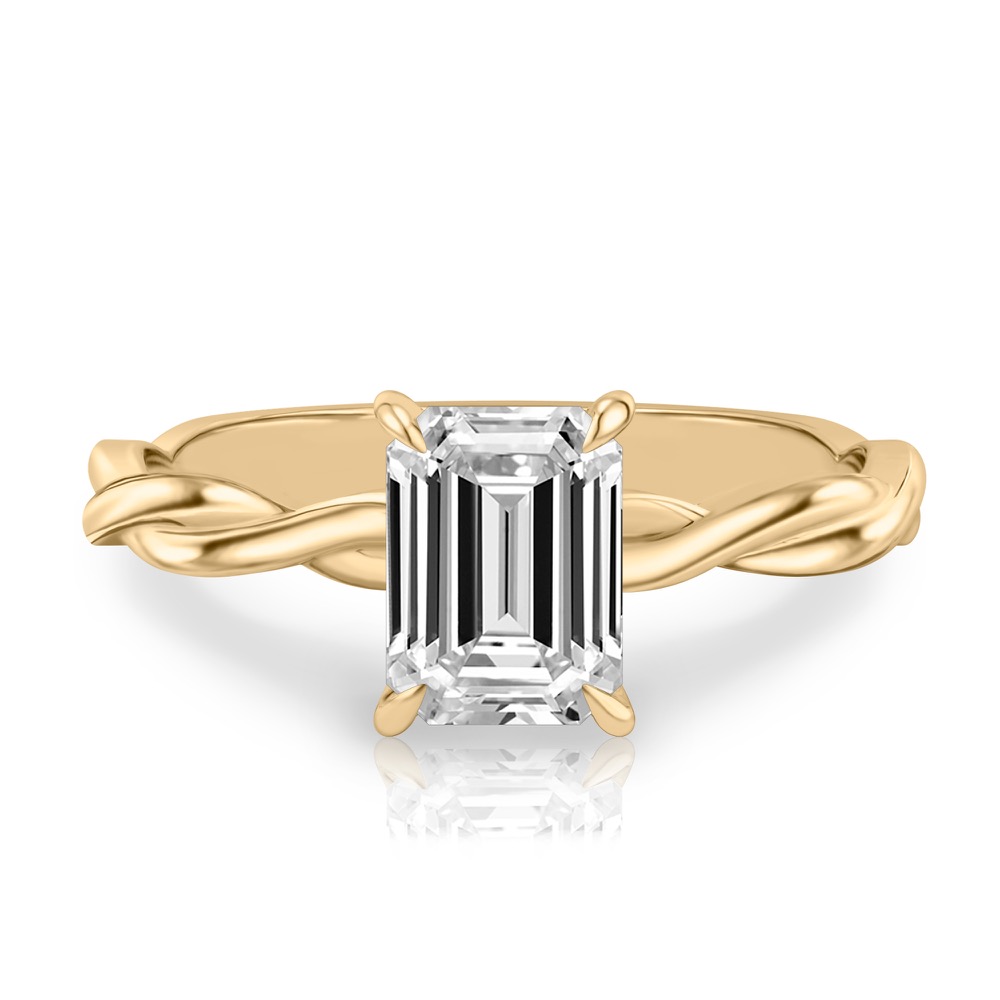
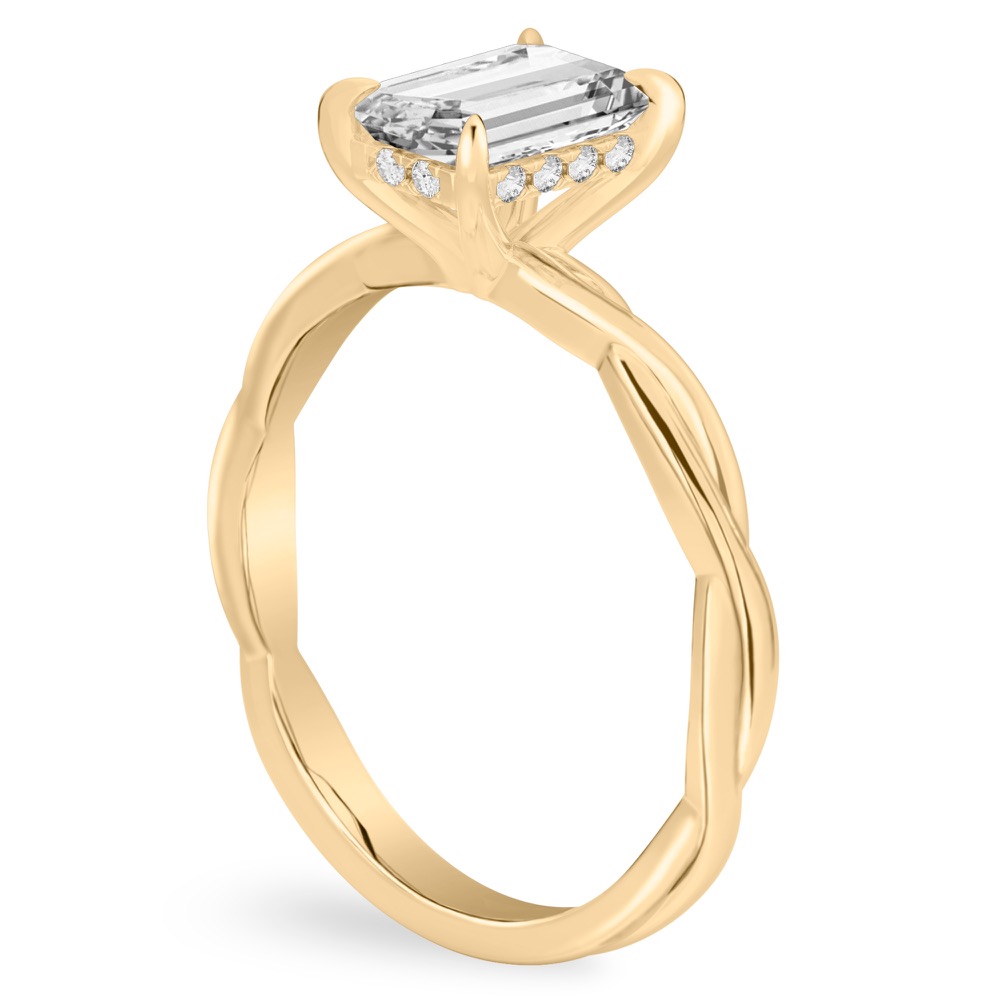
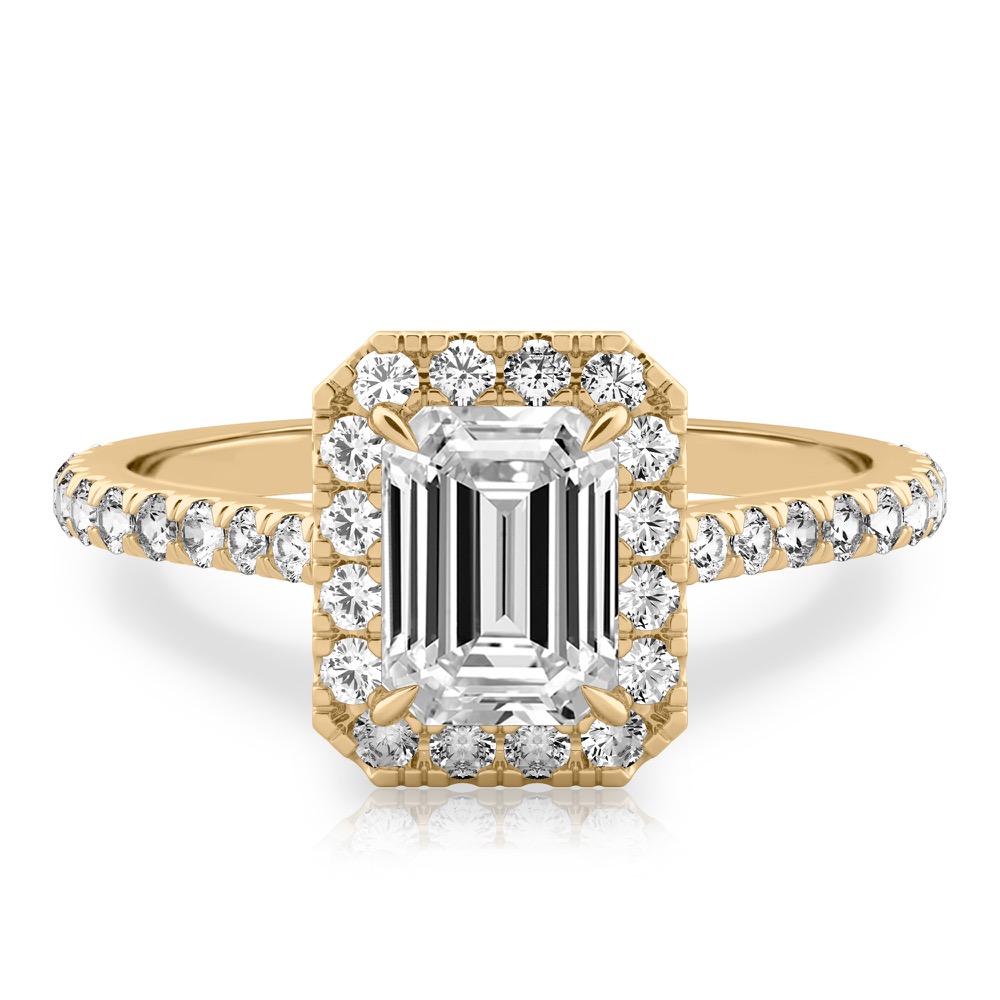
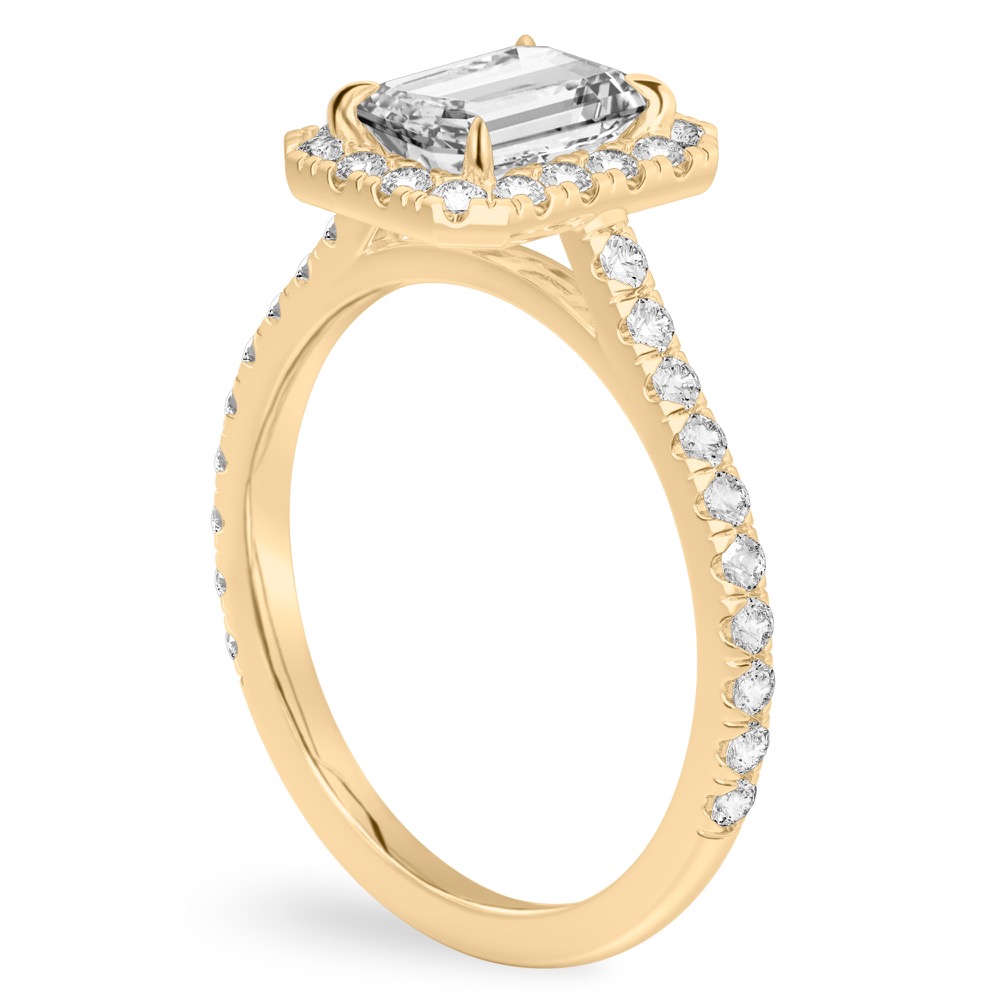
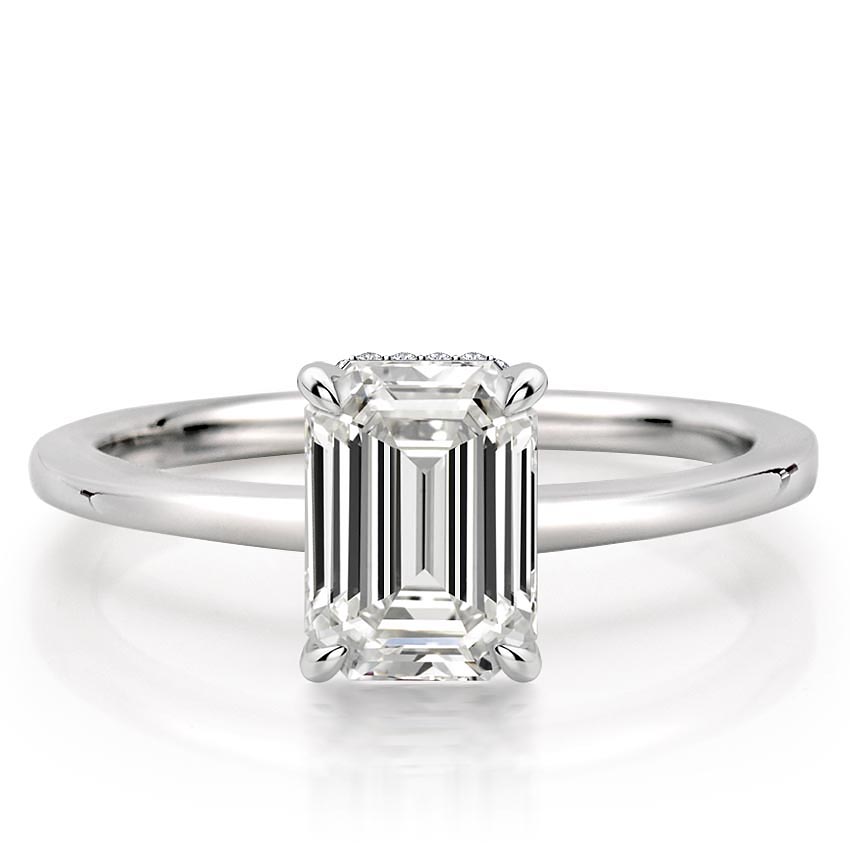
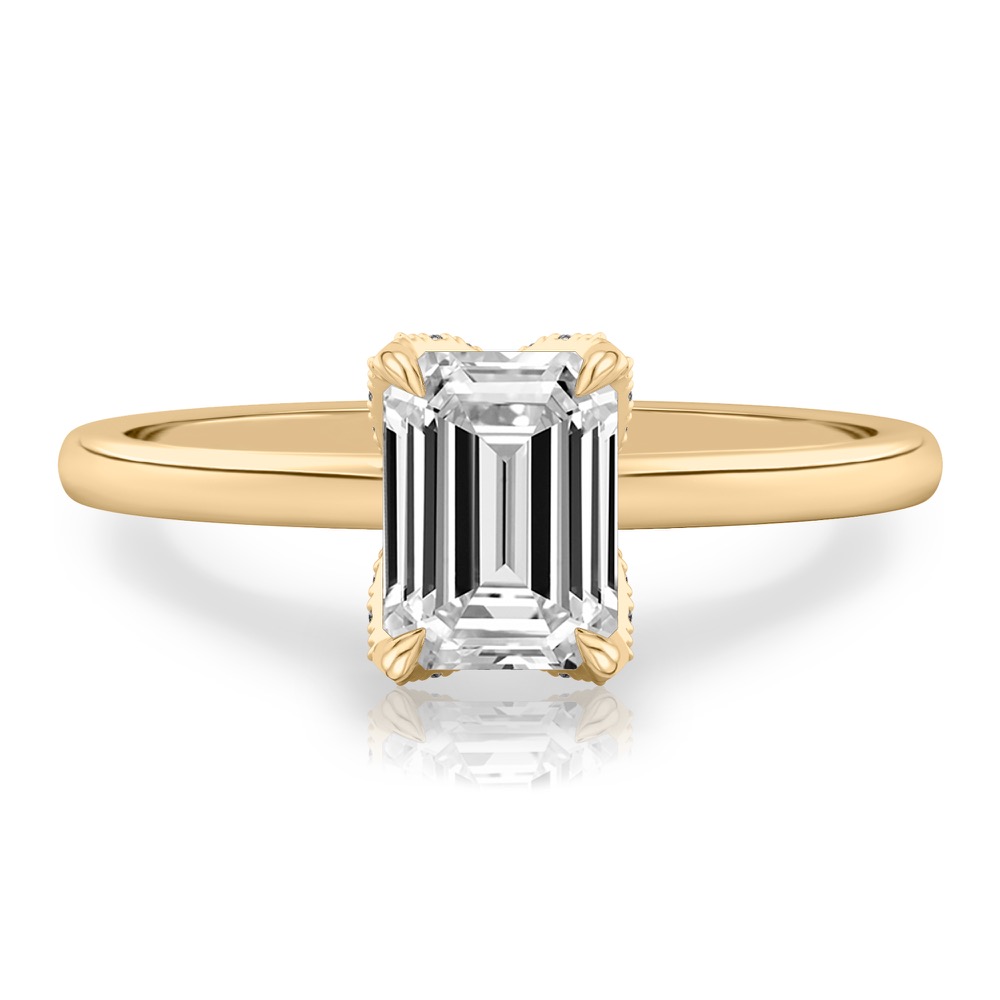
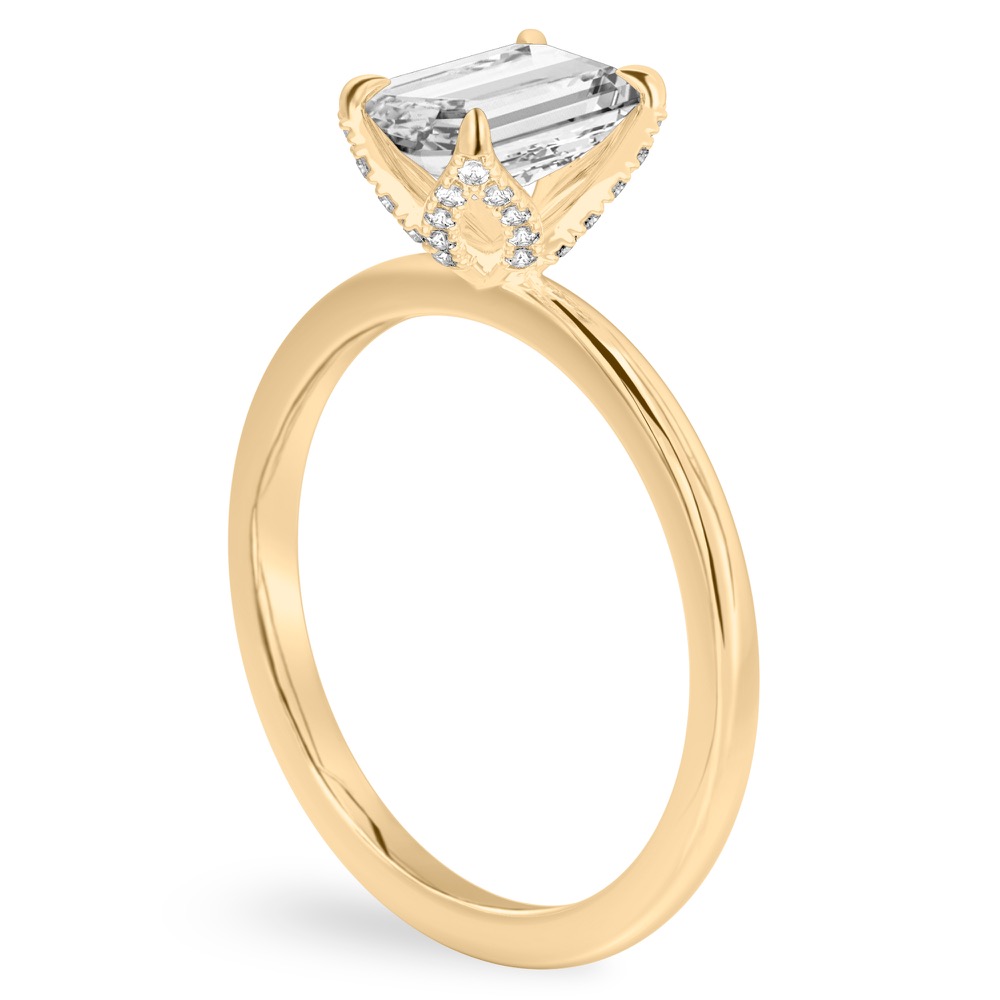
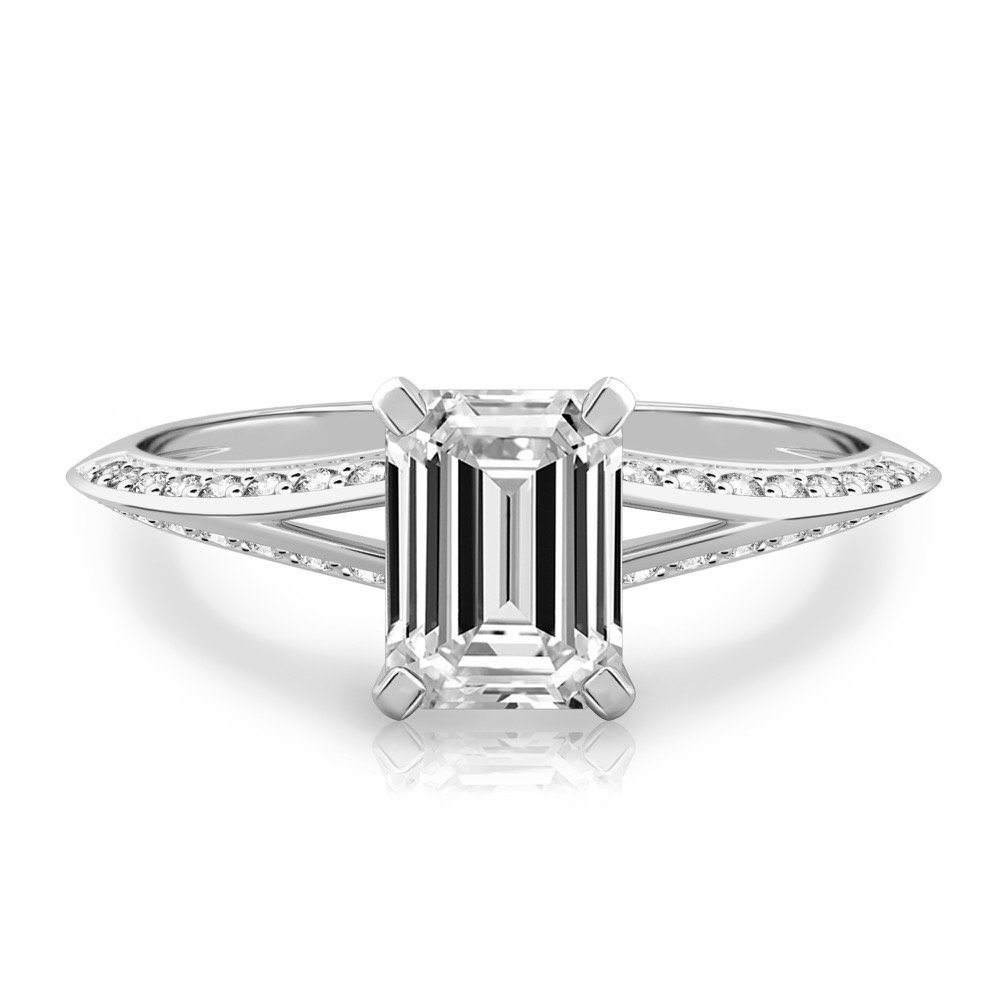
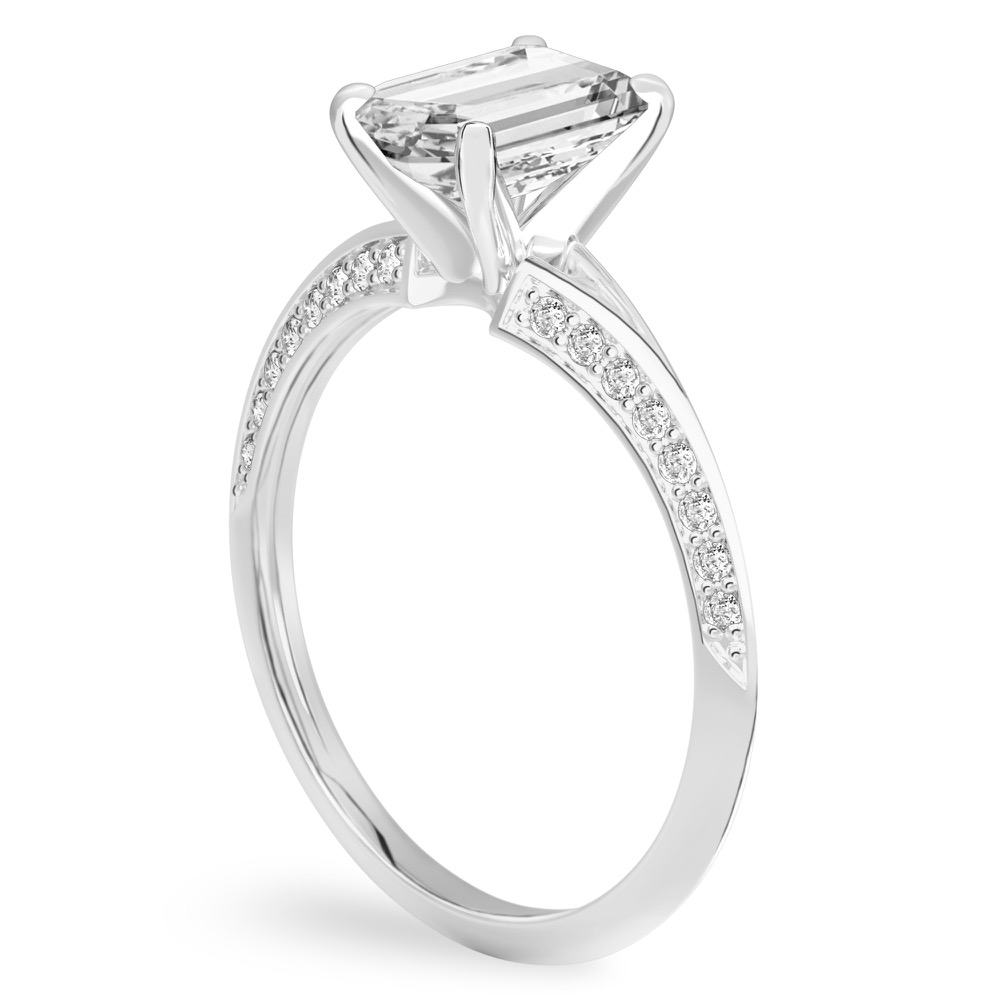
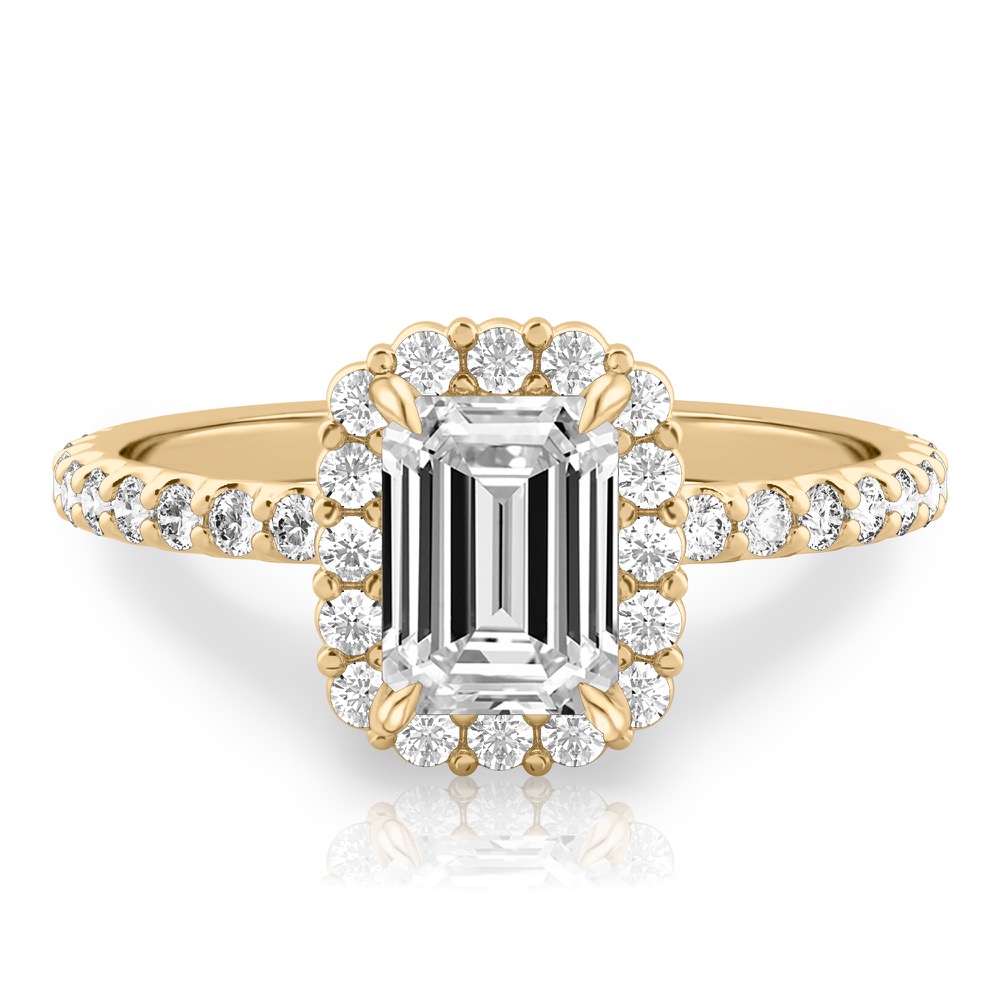
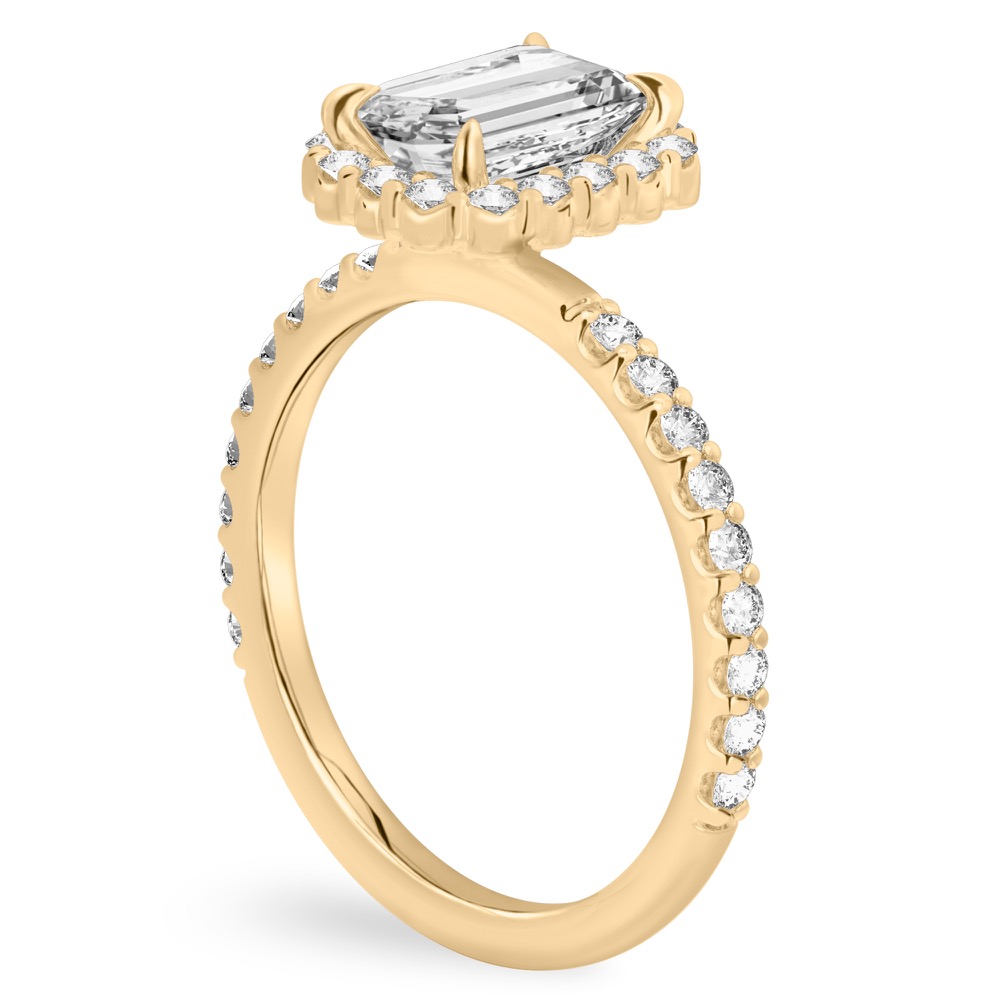
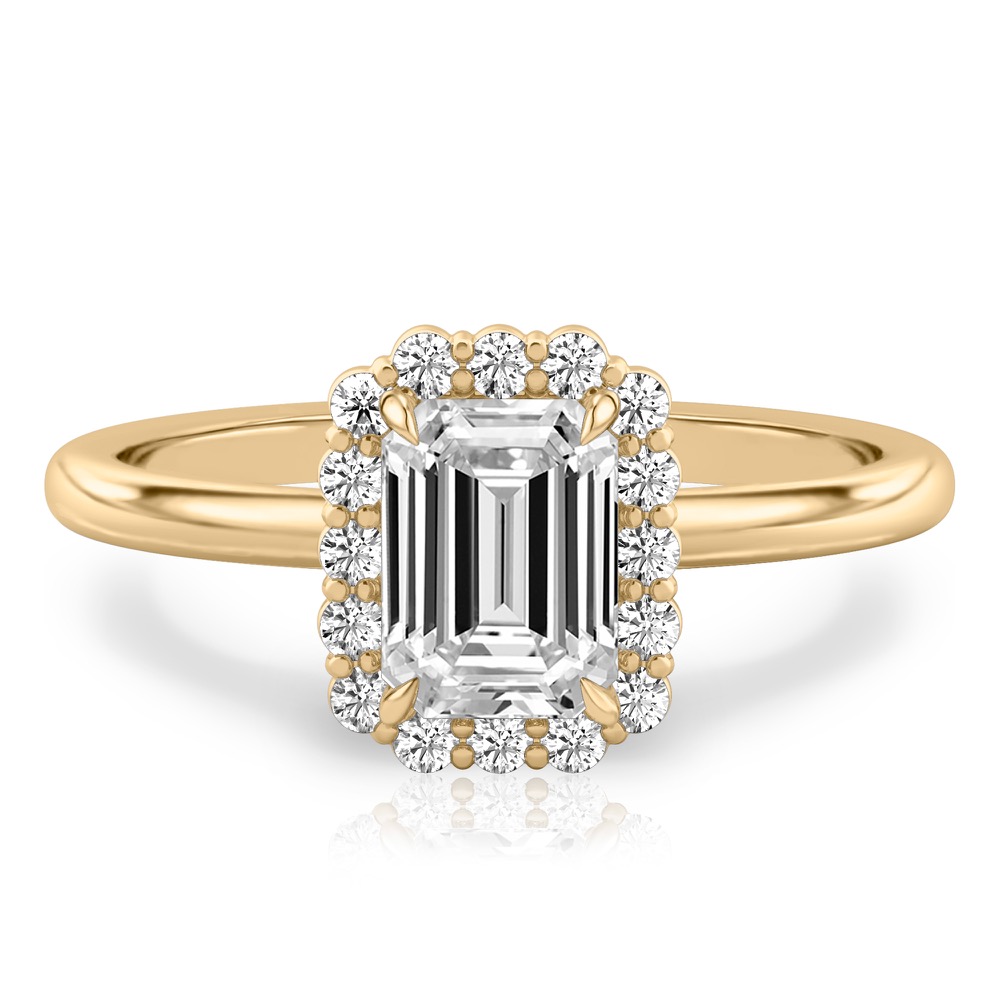
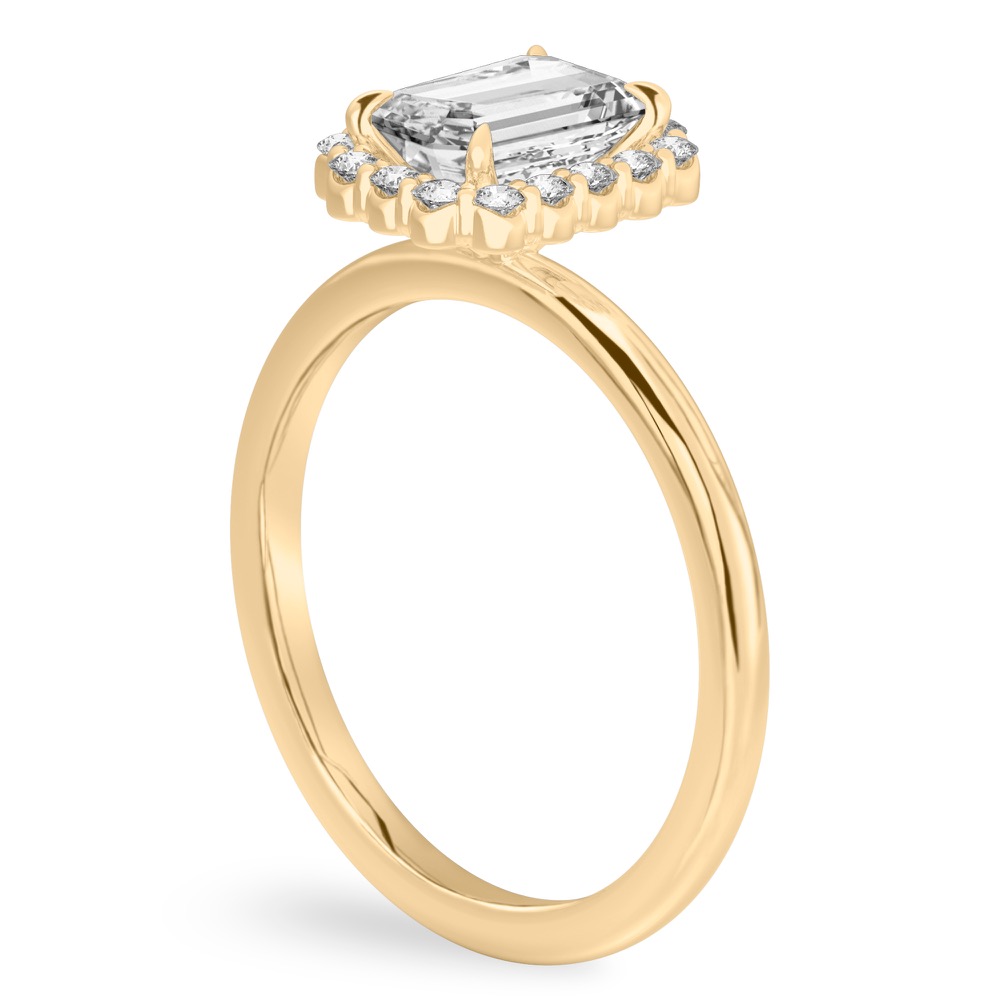
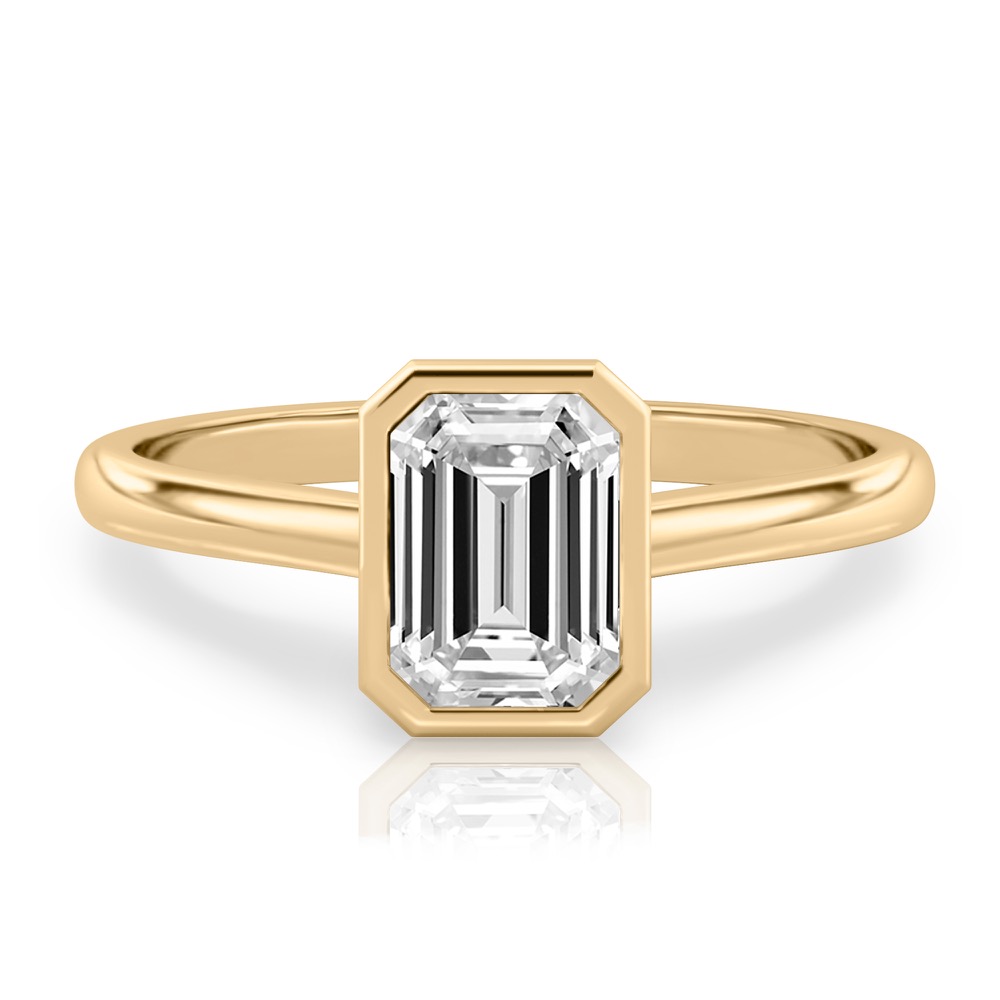
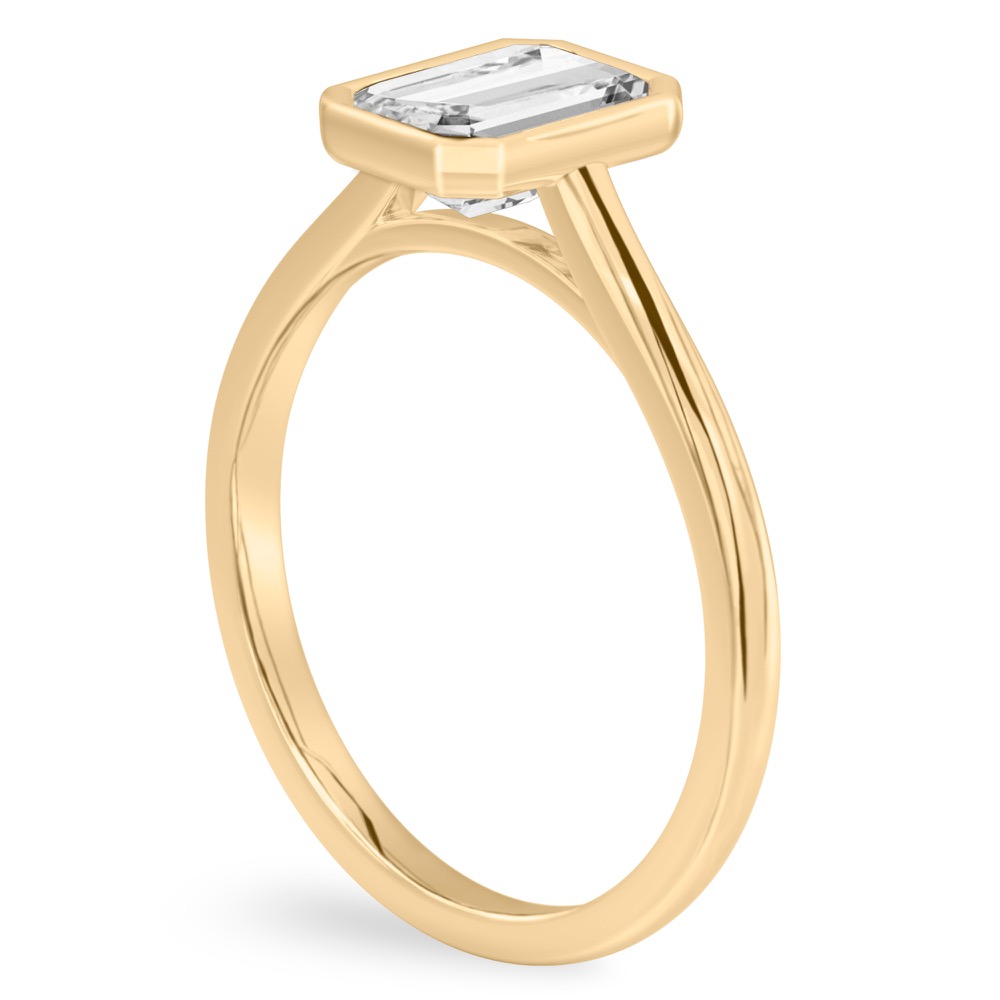
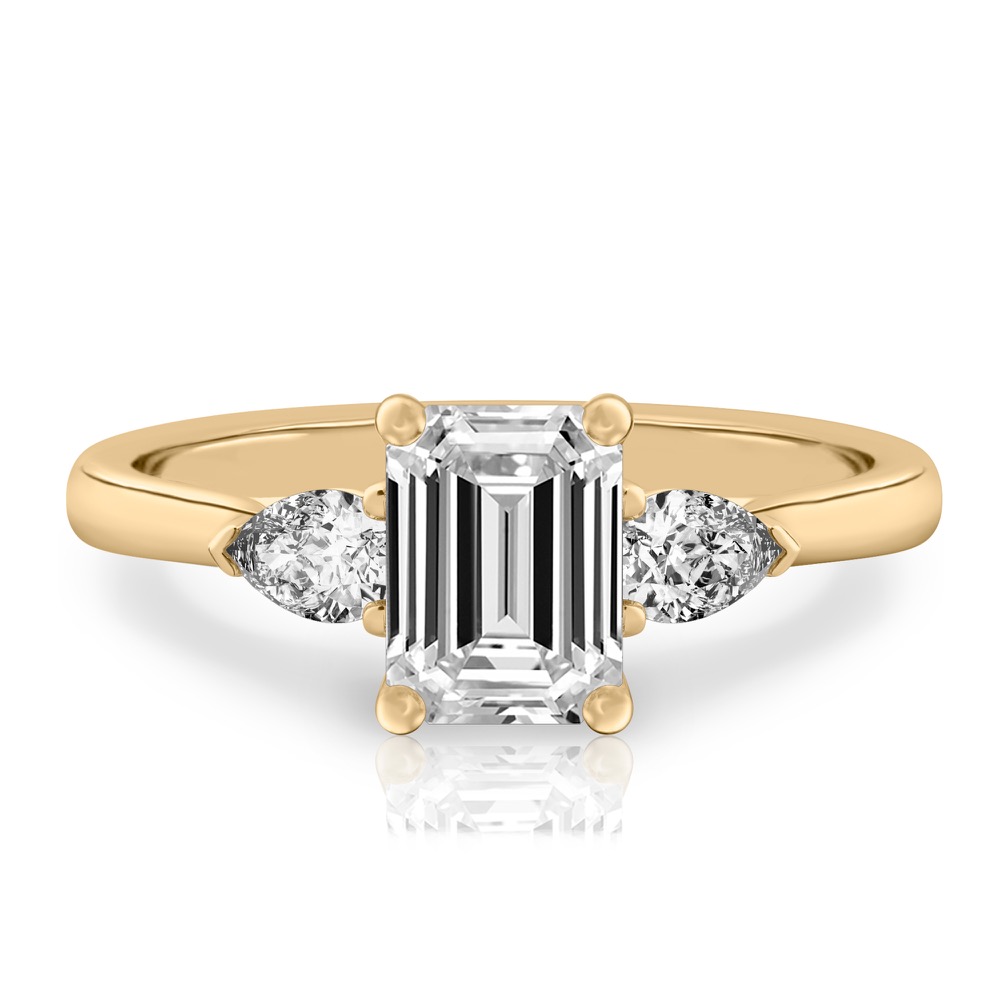
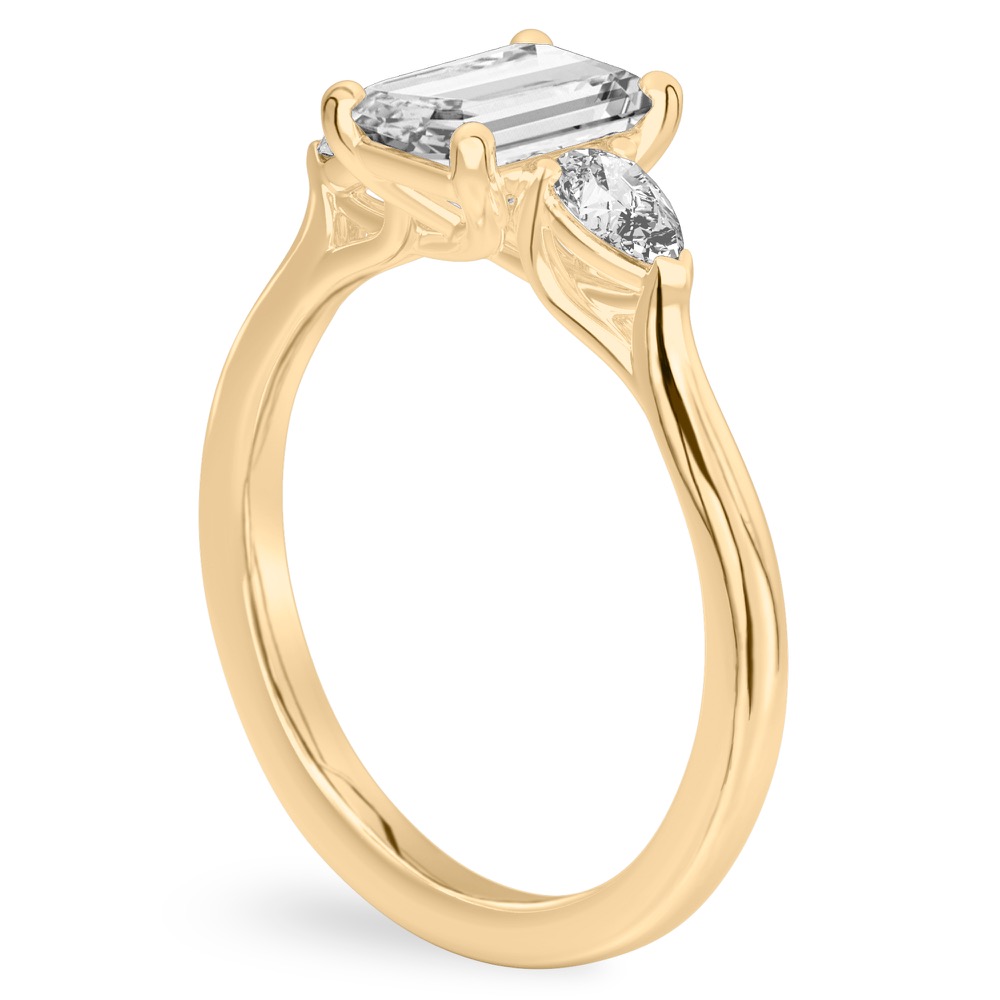
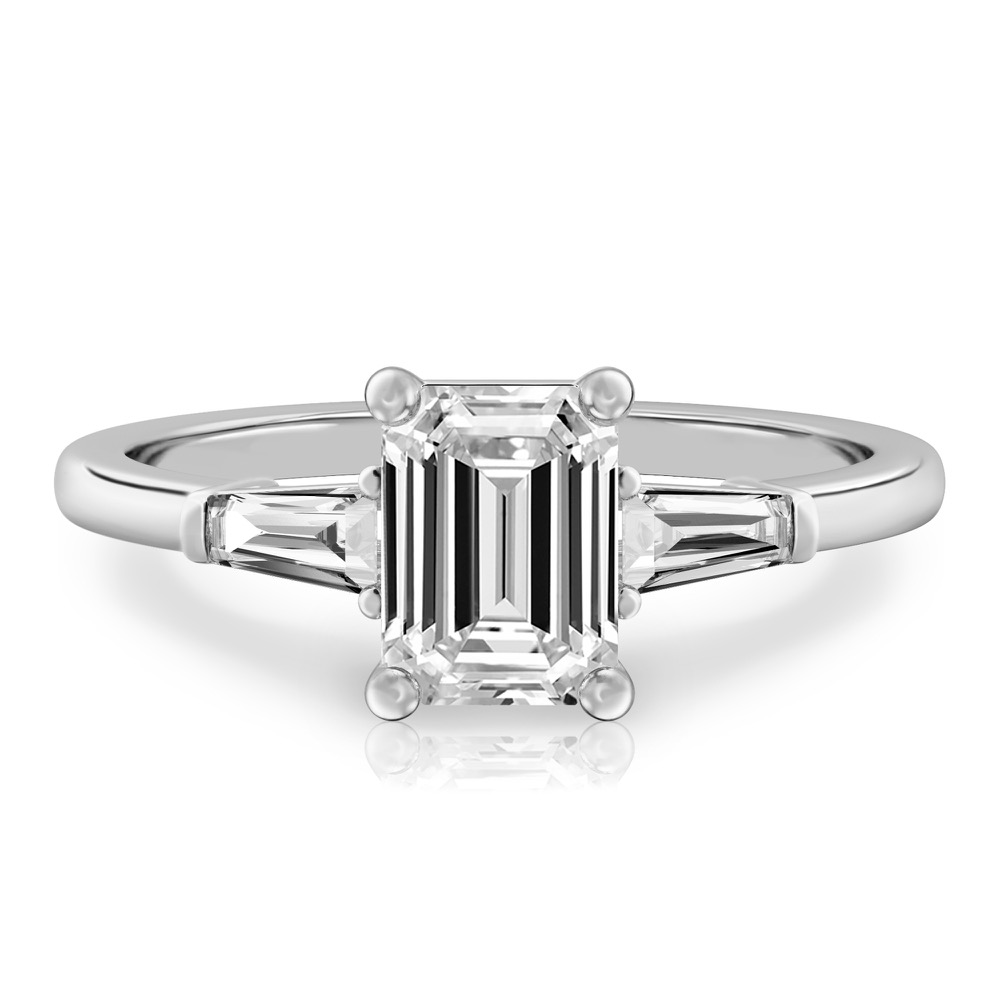
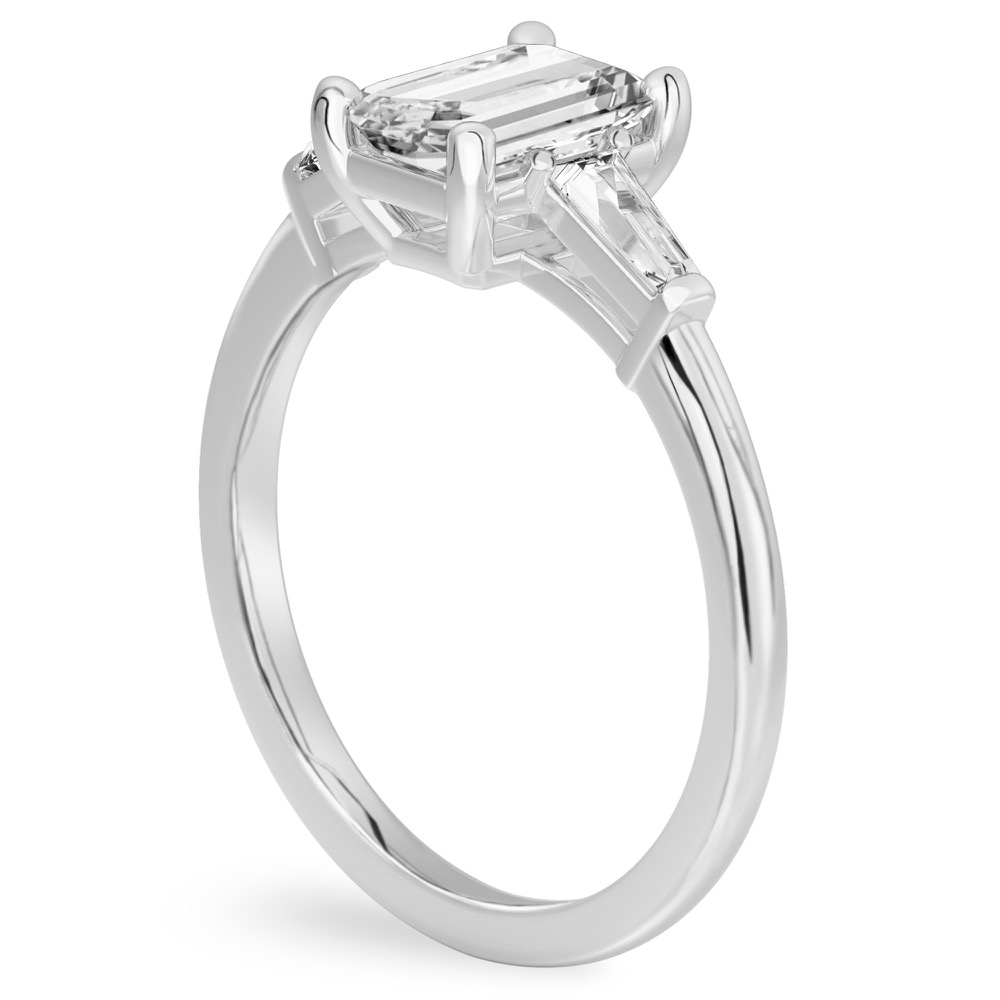
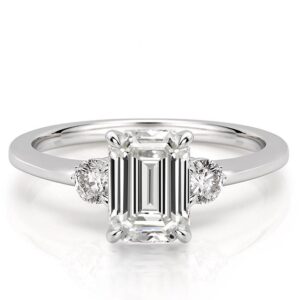
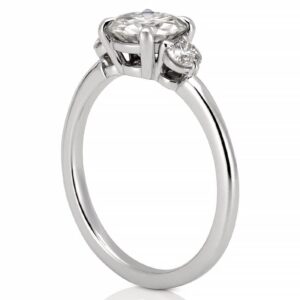
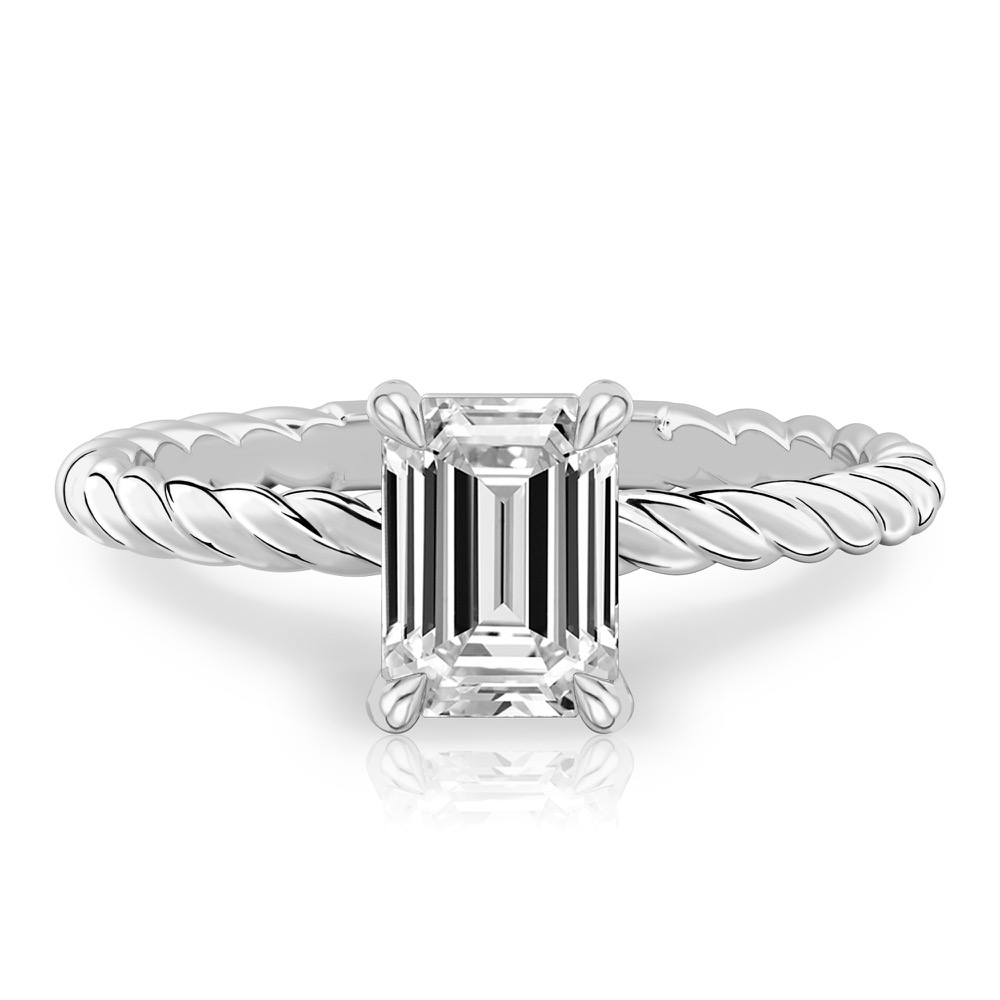
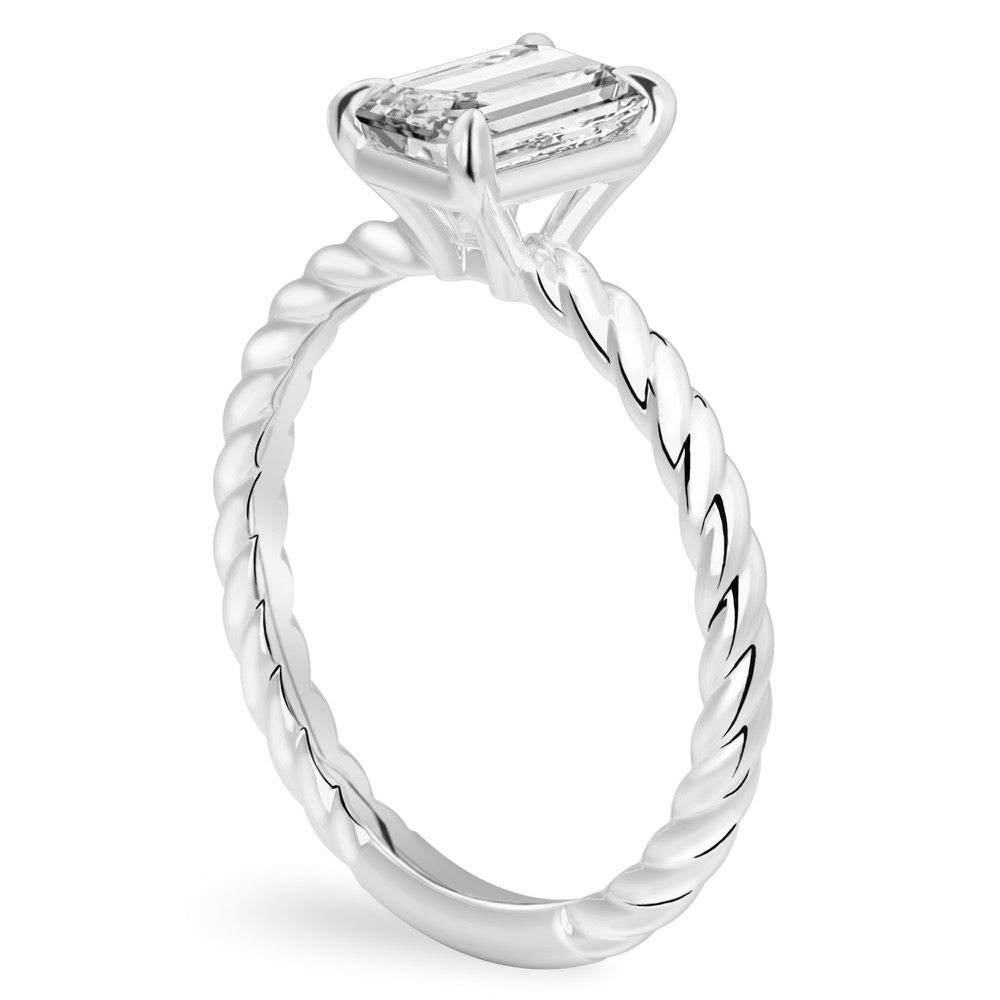
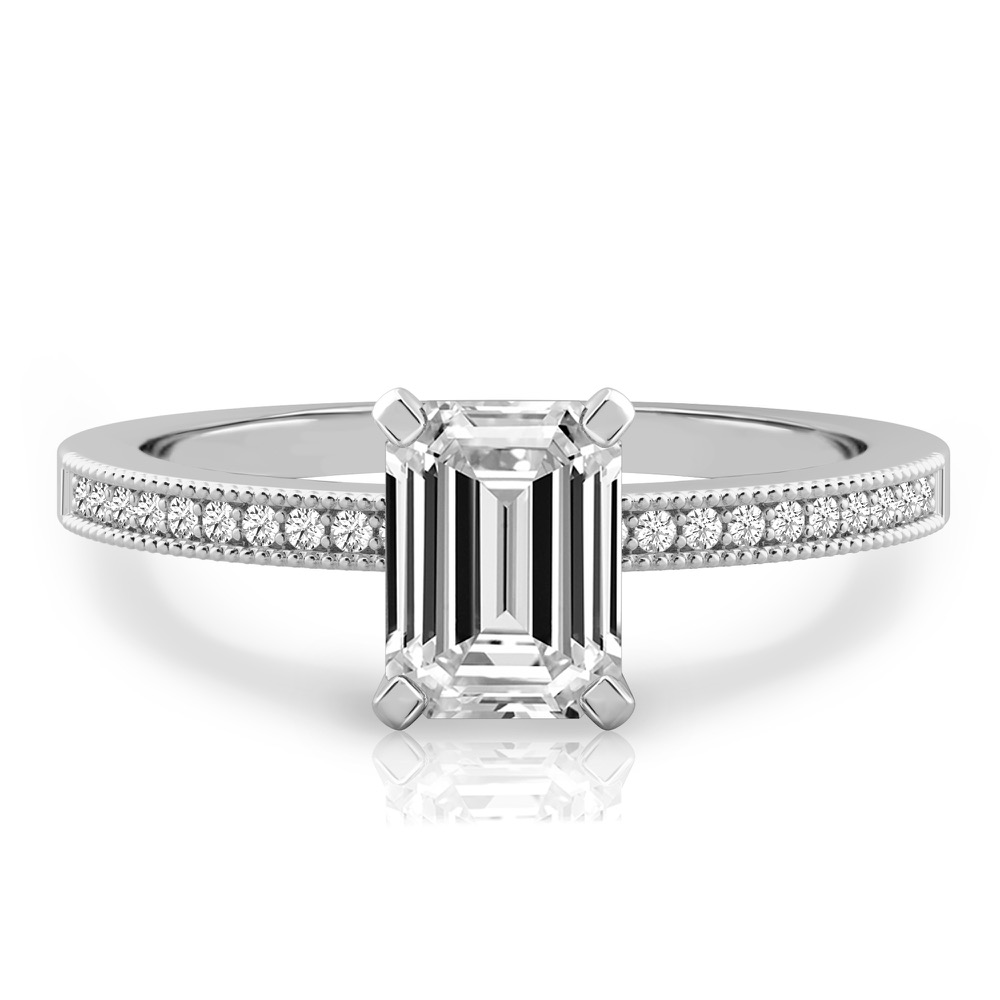
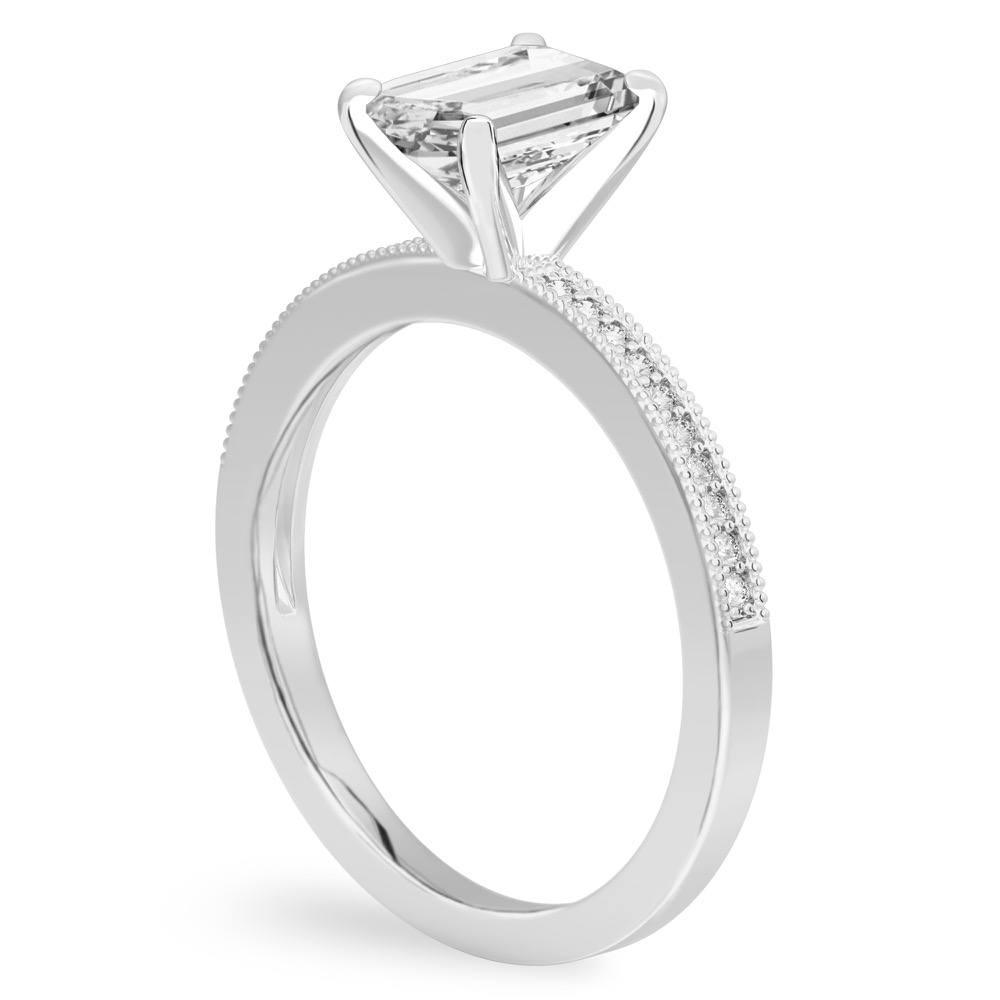
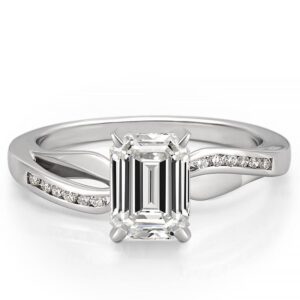
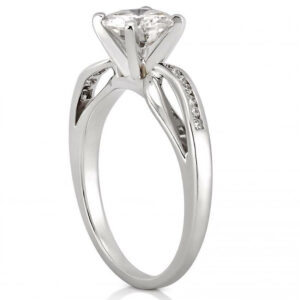
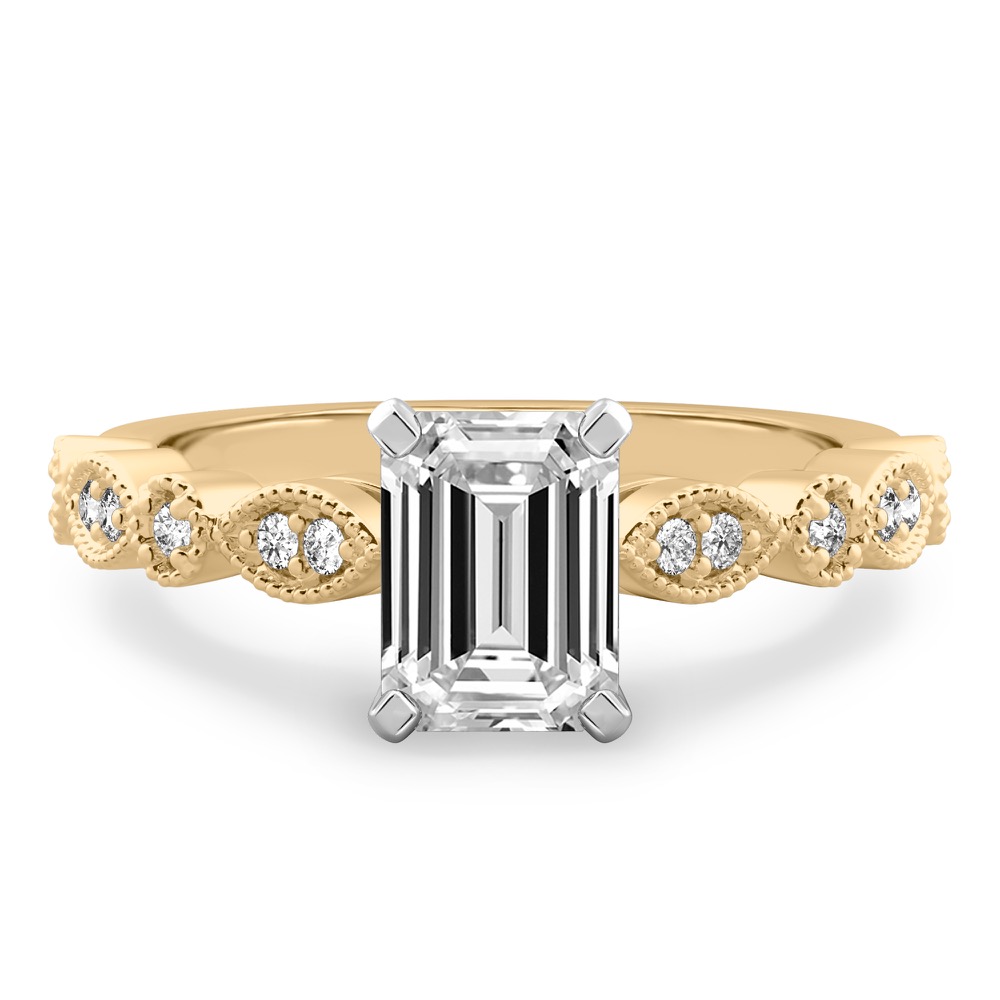
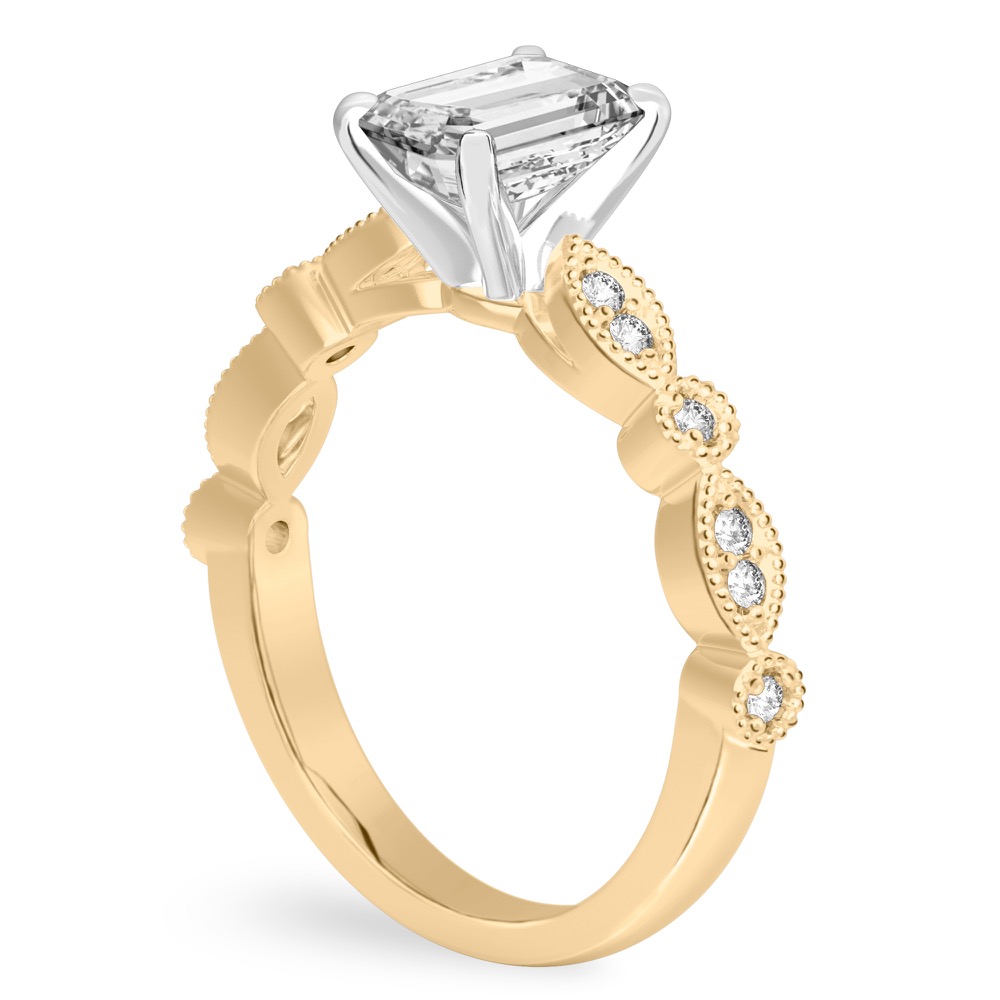
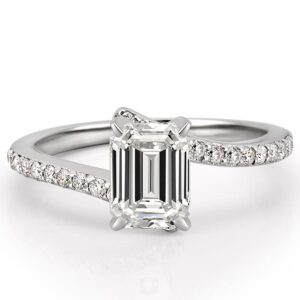
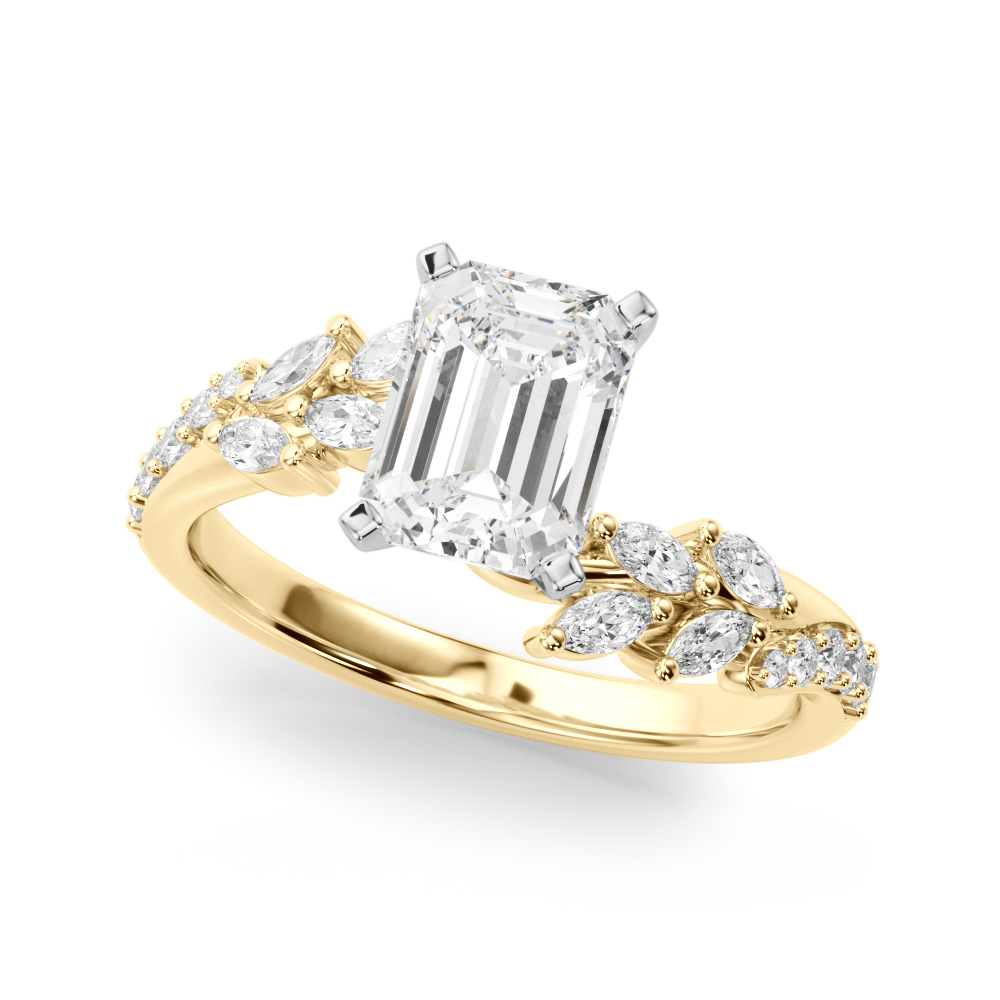
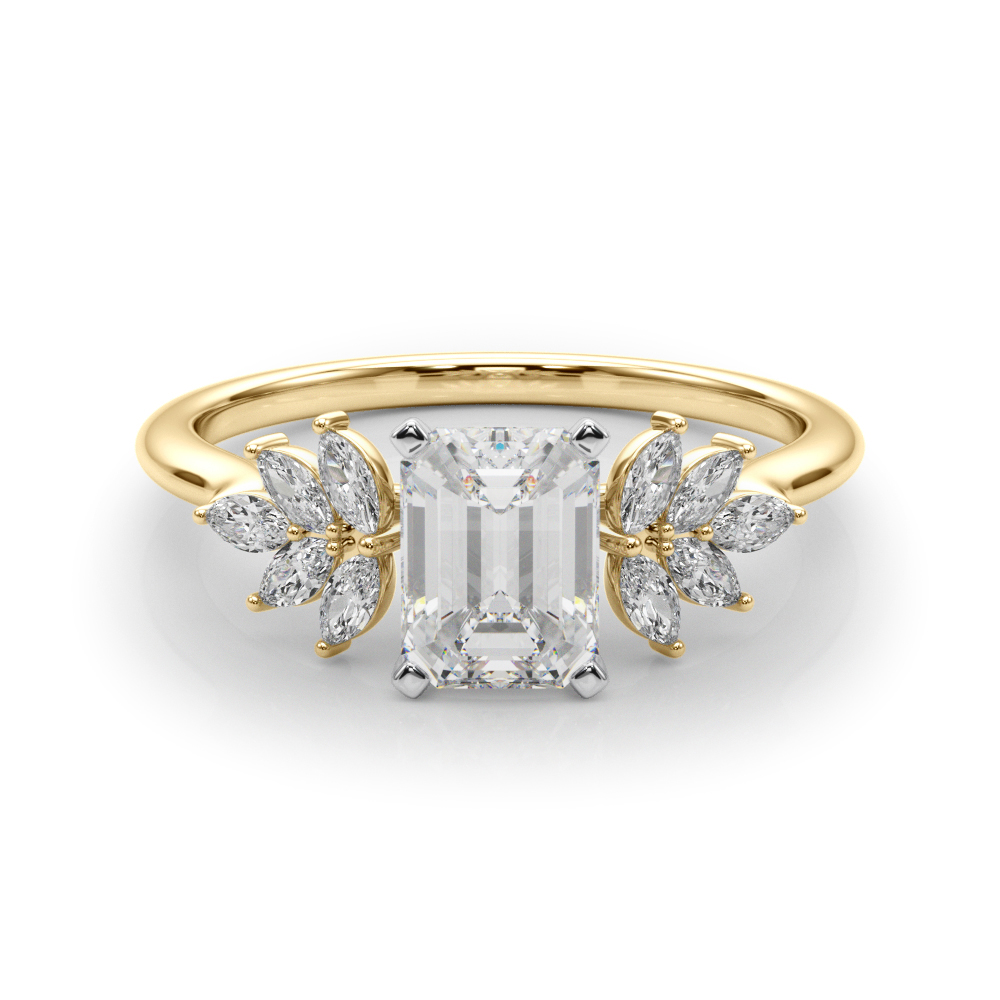
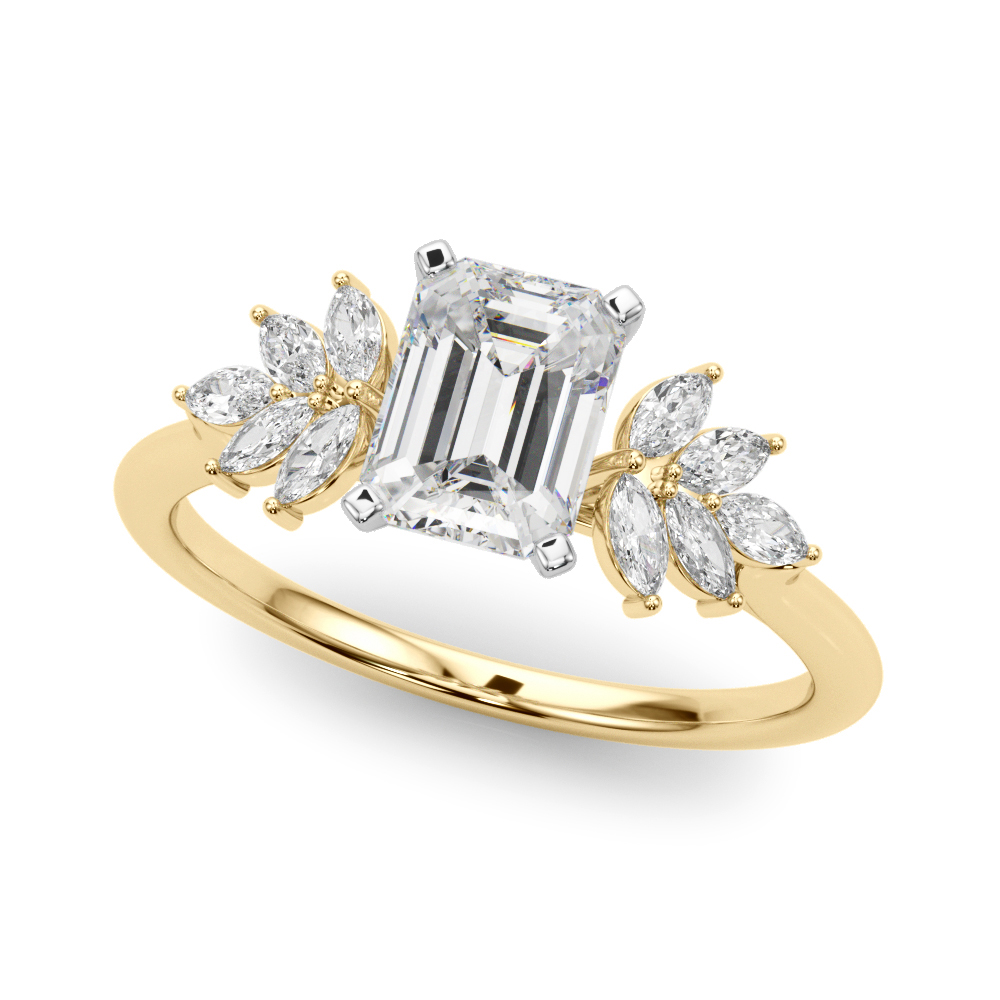
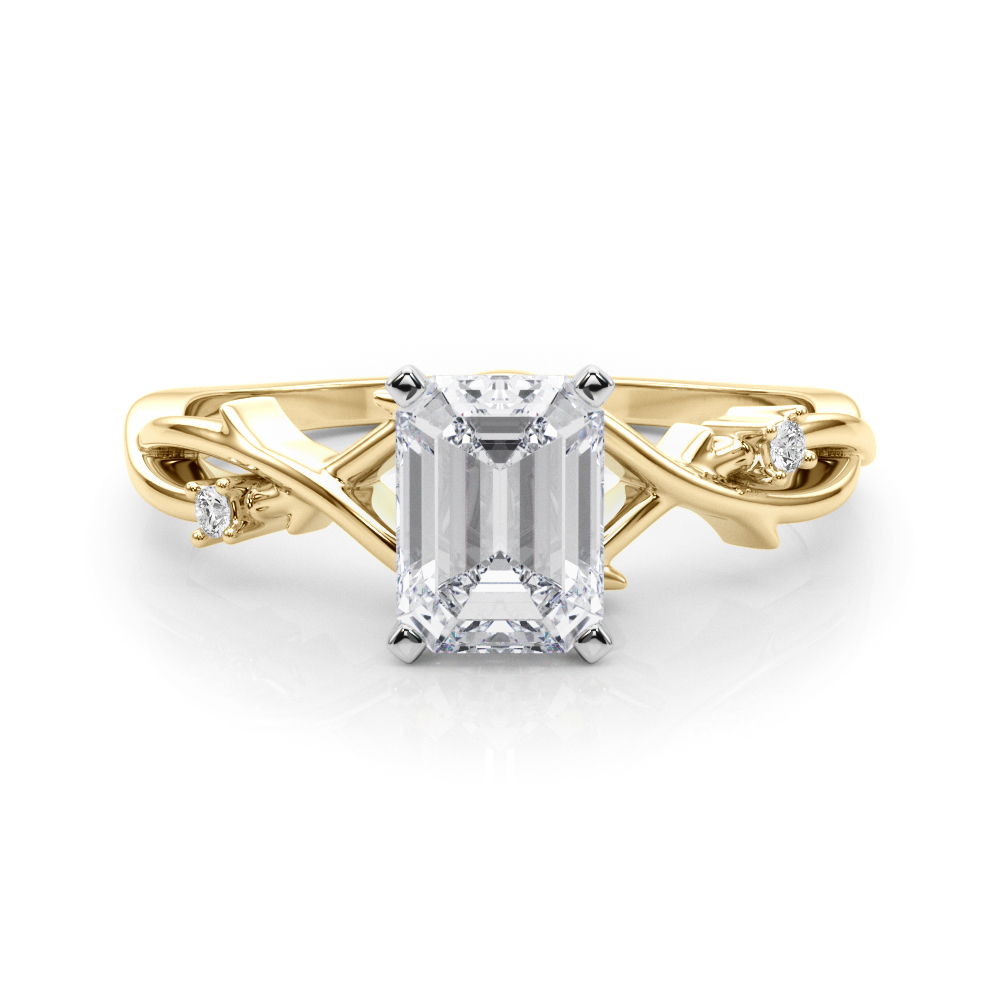
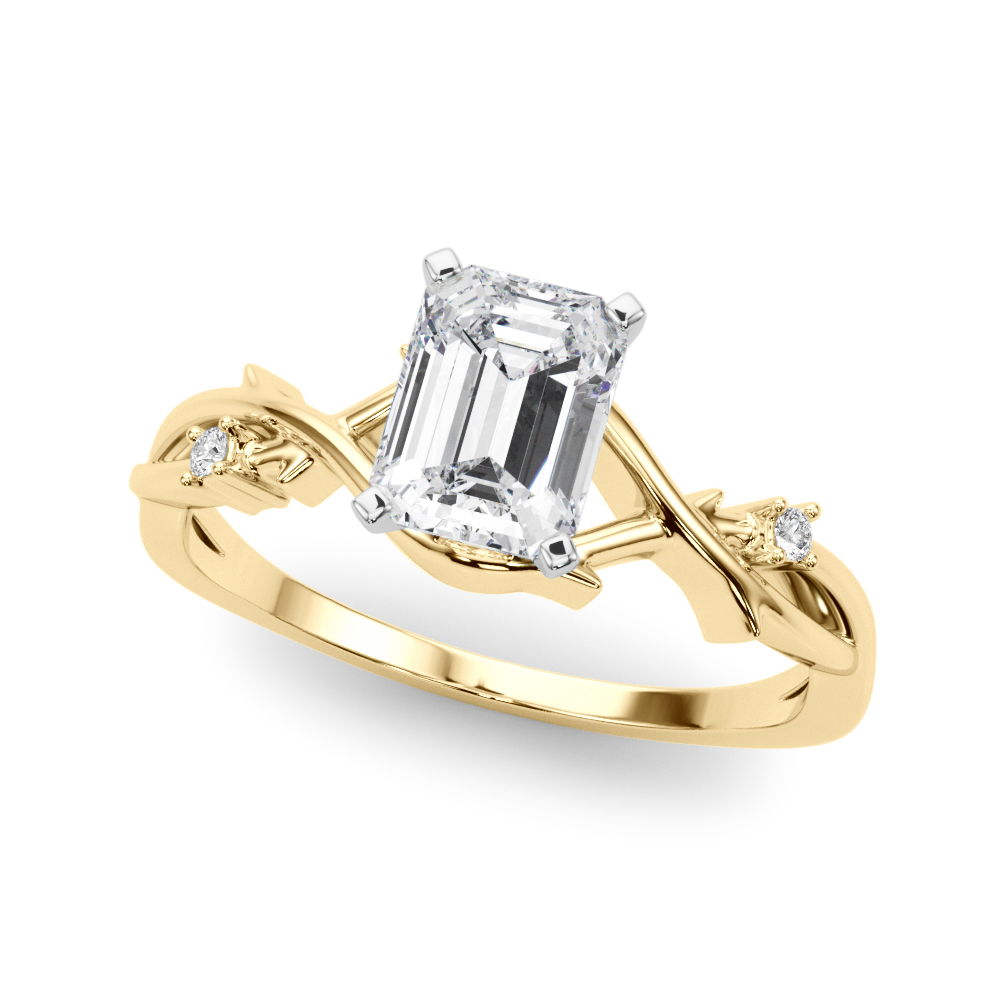
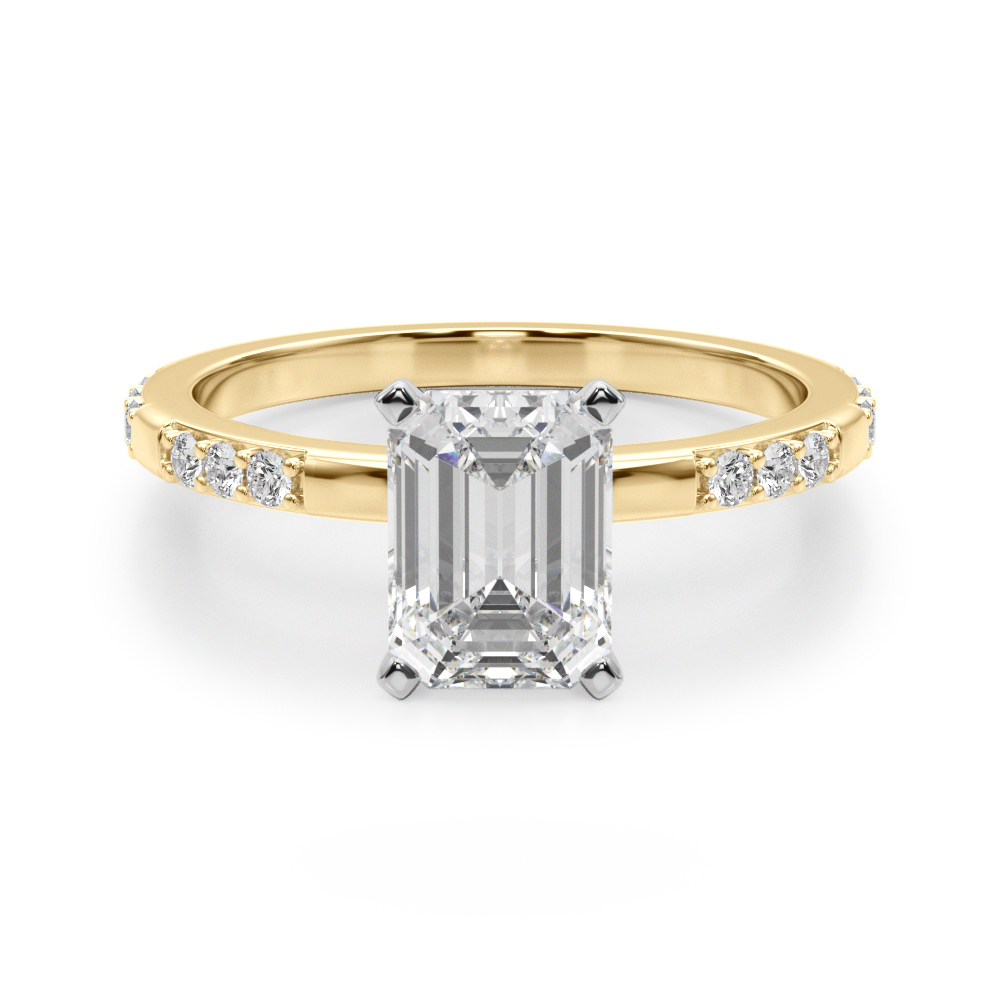
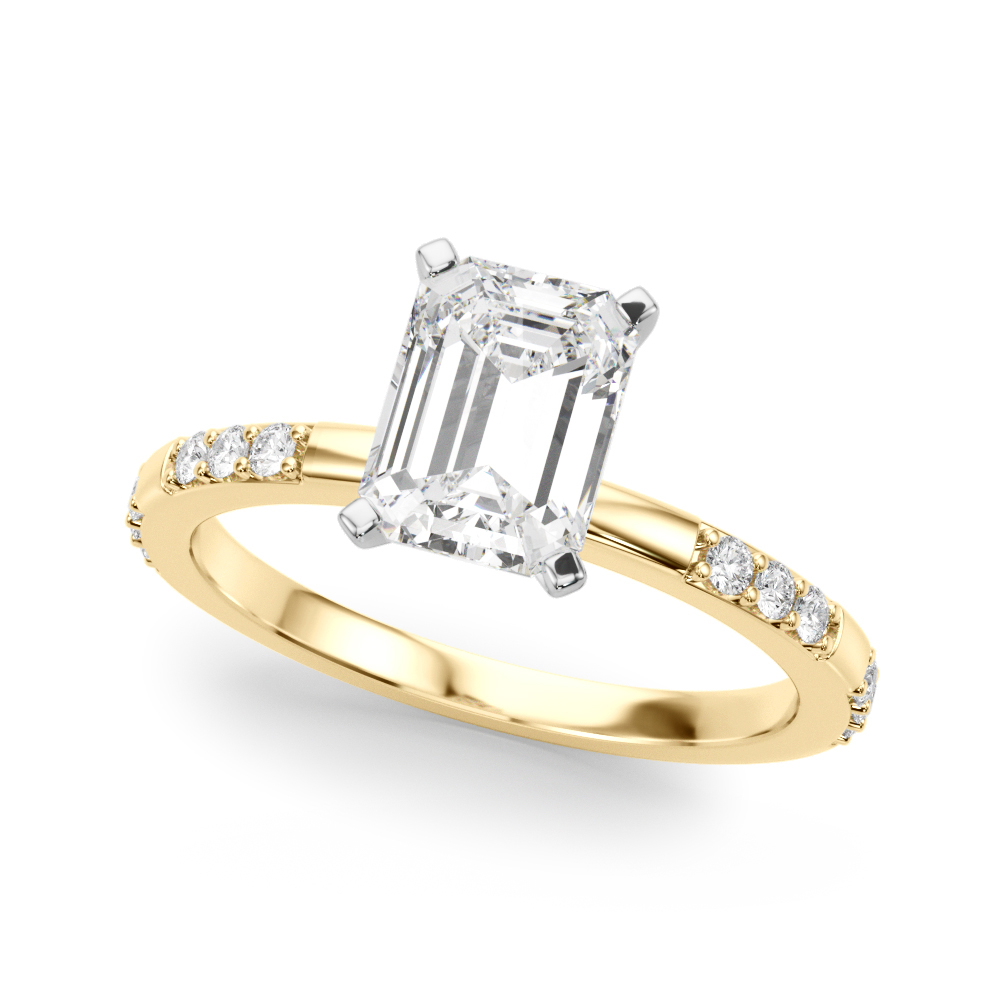
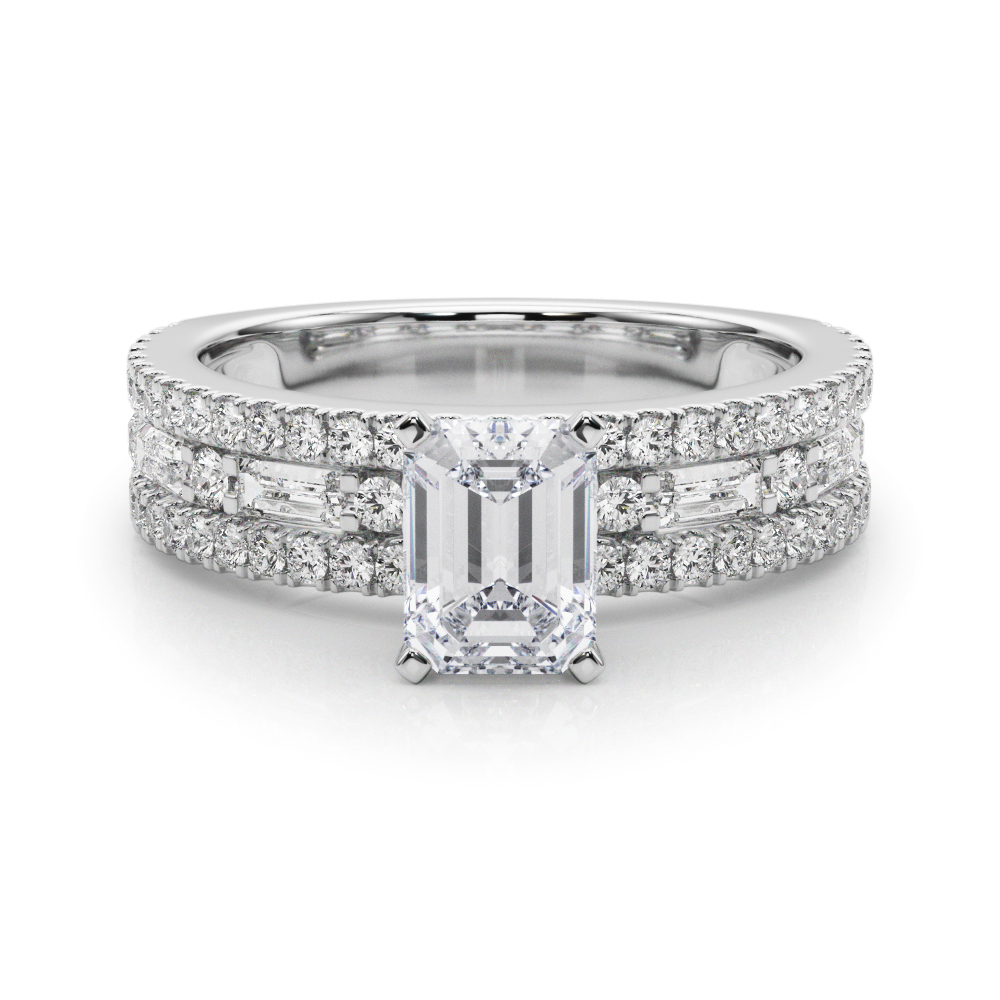
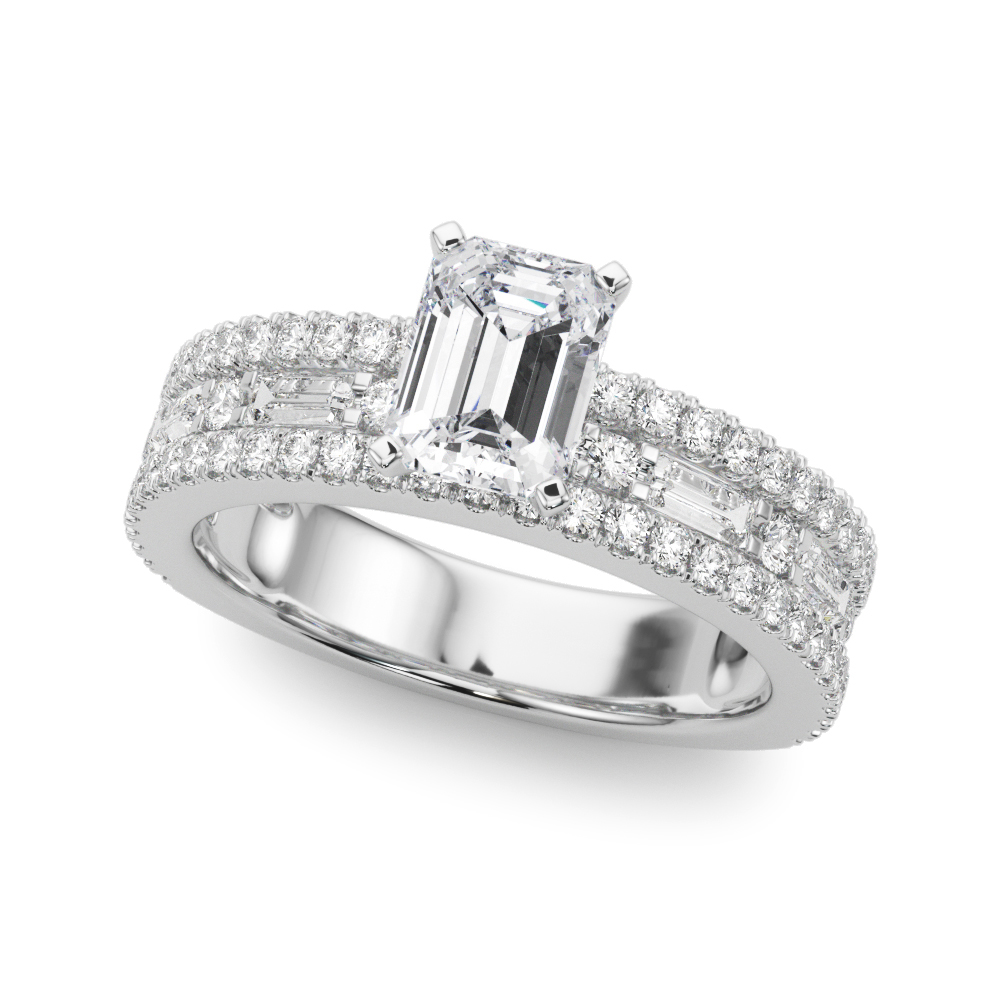
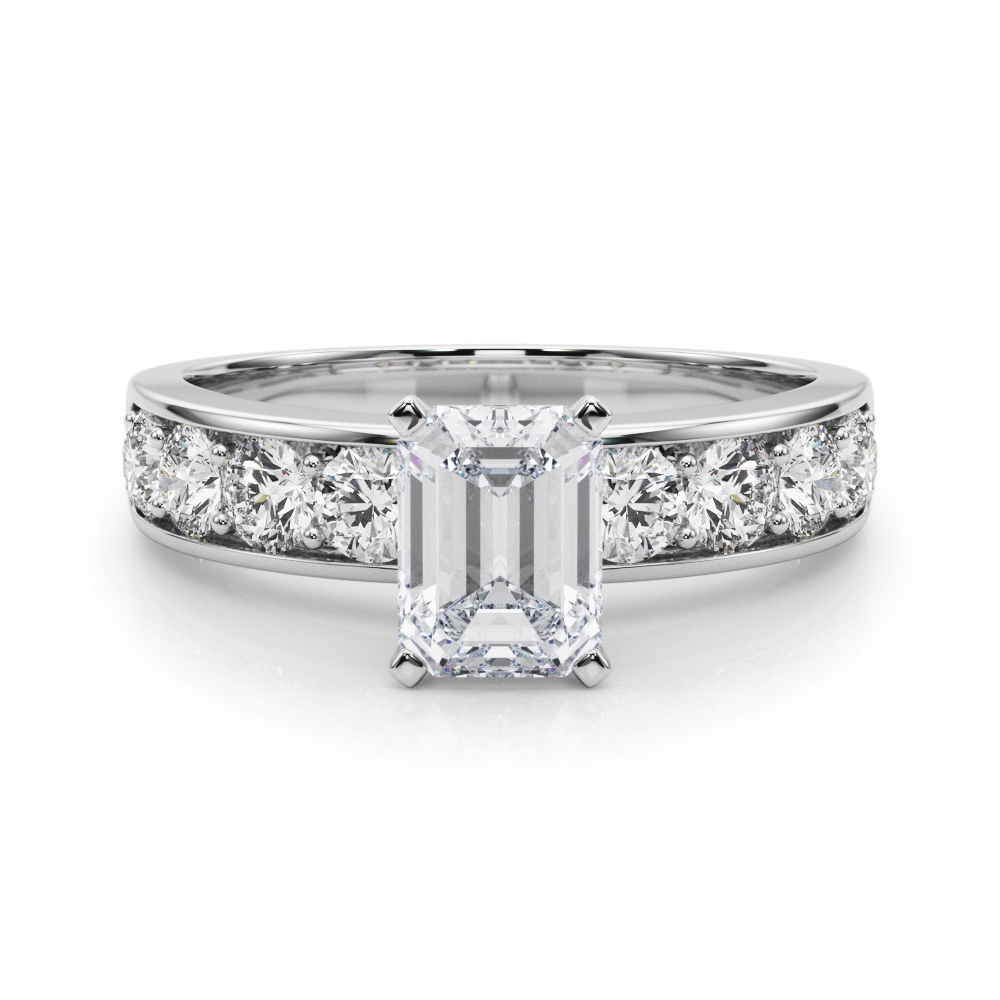
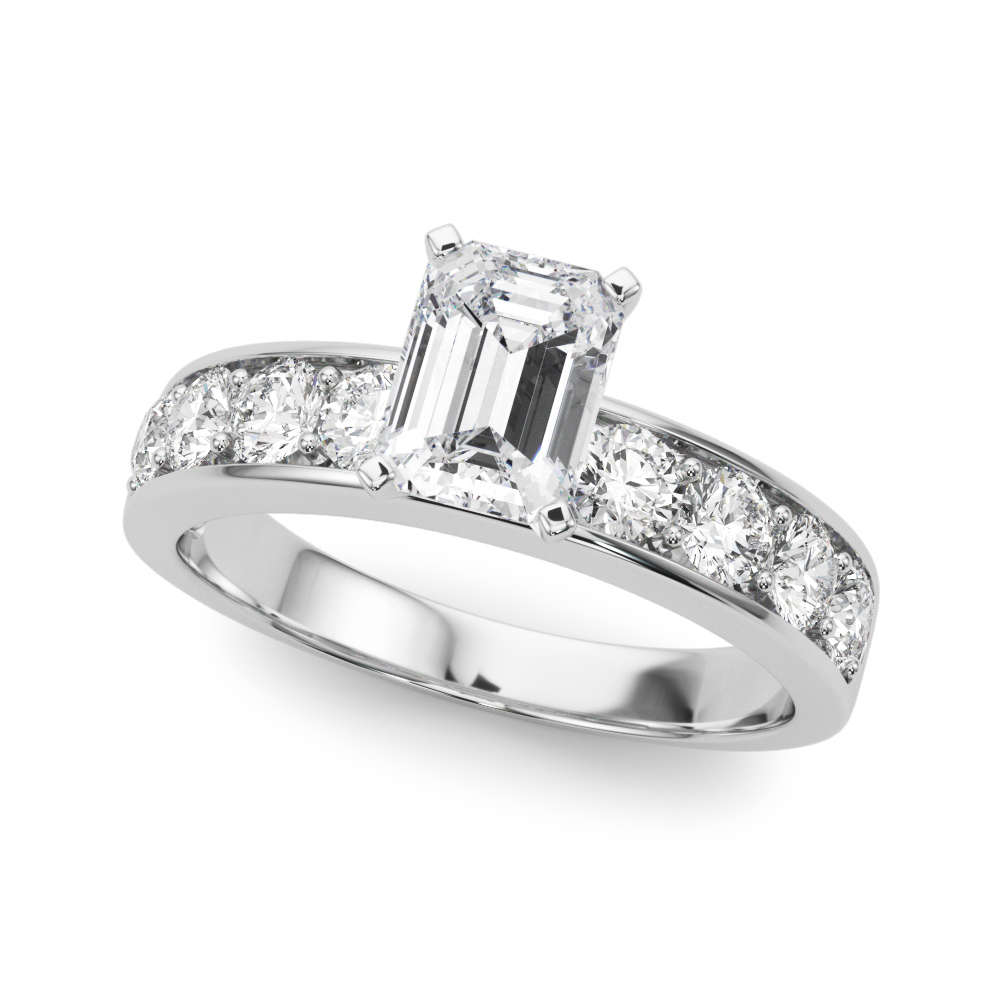
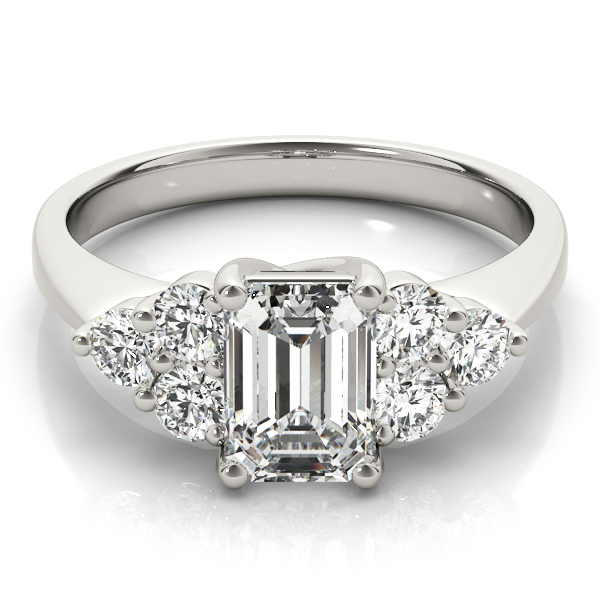
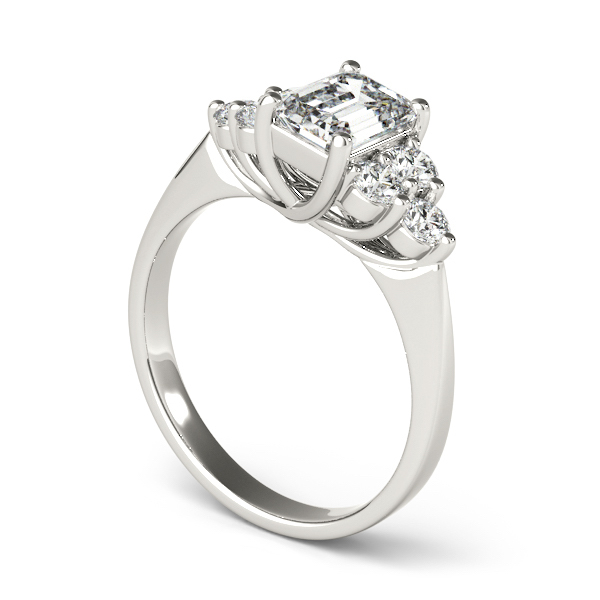
An emerald cut uses long, linear step-cut facets that produce clean flashes of light rather than intense sparkle. At 1 carat, the stone measures roughly 5.5 x 4mm, giving it a sleek, elongated silhouette. This cut prioritizes clarity, so inclusions are more visible, but a lab diamond's controlled growth process typically yields excellent clarity grades.
Emerald cuts are step-cut stones, not brilliant cuts. Instead of triangular and kite-shaped facets designed to maximize sparkle, emerald cuts have rectangular facets arranged in parallel steps. This creates a hall-of-mirrors effect: deep, dramatic reflections of light and dark rather than the intense sparkle of brilliant cuts. The look is sophisticated, architectural, and distinctly elegant.
Do Amore was founded by Krish Himmatramka. He was an engineer working on oil rigs in Louisiana when he was struck by the irony of easy underground water access while communities worldwide face water scarcity, combined with his own concern about ethical diamond sourcing for an engagement ring. The name Do Amore means I give with love in Latin, referencing both the ring you give and the water access given to someone in need. At 1 carat, this was the average diamond size for many decades before lab diamonds made larger sizes accessible, making it a classic, proven choice.