




Your bag is empty
Explore timeless jewelry that carries love and inspires lasting impact.
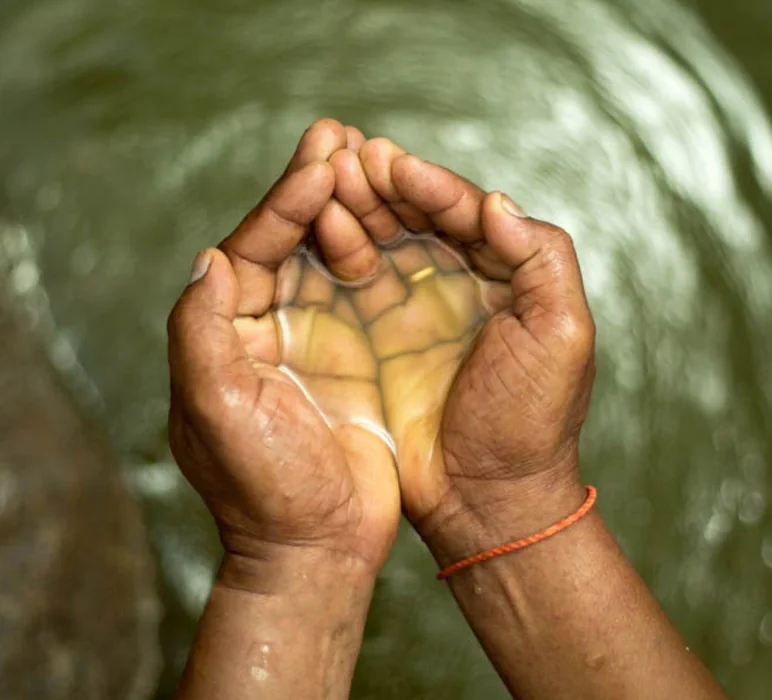
We promise that every purchase you make gives one person access to clean, life-changing water.
Explore timeless jewelry that carries love and inspires lasting impact.
| Lab-grown sapphire | Natural sapphire |
| Origin: Grown in a laboratory. | Origin: Formed in the earth and mined. |
| Composition: Corundum, or aluminum oxide. | Composition: Corundum, or aluminum oxide. |
| Appearance: Can look nearly identical to a comparable natural stone. | Appearance: Varies by color, clarity, origin, and treatment. |
| Inclusions: Growth features depend on the production method; some stones look eye-clean. | Inclusions: Crystals, fingerprints, silk, or color zoning are common. |
| Color range: Available in blue and many fancy colors. | Color range: Occurs in blue and fancy colors, with natural variation. |
| Treatment and disclosure: Lab origin must be clear; ask about any additional treatment. | Treatment and disclosure: Ask whether the stone was heated, diffused, filled, or otherwise treated. |
| Typical pricing: Usually lower than a natural sapphire of comparable size and appearance. | Typical pricing: Usually higher because natural stones are rarer; individual quality still drives price. |
| Verification: Seller documentation or an independent lab report can confirm origin and detectable treatment. | Verification: An independent lab report can confirm origin and detectable treatment. |
Sapphire is corundum, a mineral made of aluminum oxide. GIA’s sapphire facts rank sapphire at nine on the Mohs hardness scale. Its hardness and durability make it a practical choice for daily-wear jewelry, including engagement rings.
Red corundum is ruby, and every other color of gem-quality corundum is sapphire.
Gem geek moment. Diamond is pure carbon, but sapphire is aluminum oxide.

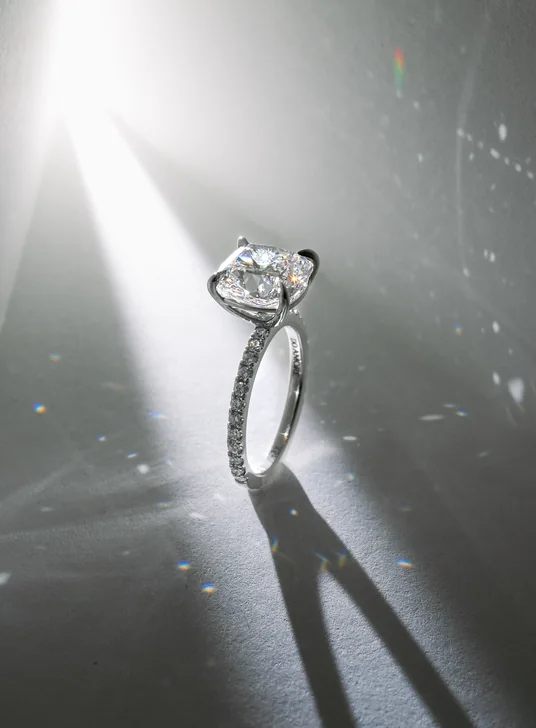
The Elsa setting shown with sapphire and diamond center stones.
Sapphire combines rich color, strong durability, and a royal bloodline. Blue sapphire has a long association with royal jewelry, but the gem appears in many colors. If blue is your preferred color, explore our blue gemstone collection. That range lets you choose a stone close to almost any Pantone shade without giving up the durability you want in an engagement ring.
Sapphires have a long history in engagement rings. Napoleon gave a sapphire engagement ring to Josephine, later empress of France, in 1796. Modern buyers still value sapphires for their color, durability, and connection to historic royal jewelry.
Lab-grown sapphire is durable enough for an engagement ring because it is corundum, the same mineral as natural sapphire, with a hardness of nine on the Mohs scale. For a blue center stone, explore our lab-grown blue sapphires.
Hardness does not make any gemstone unbreakable, but it gives sapphire strong scratch resistance for daily wear. Do Amore offers lab-created sapphires in several colors and shapes, giving you more room to match the stone to your style and budget. A protective setting is still useful if you work with your hands or expect frequent knocks.
What is a lab-created sapphire? It is a sapphire crystal grown in a laboratory instead of mined from the earth. The name identifies its origin and distinguishes it from an imitation. High-quality lab-grown and natural sapphires are both aluminum oxide and share core chemical, physical, and optical properties.
Their appearance depends on color and cutting, so comparable stones can look remarkably alike. Browse our lab-grown sapphire collection to explore center-stone options for your ring.
Lab-grown sapphire can be made through flame fusion, flux growth, crystal pulling, or hydrothermal growth. GIA’s synthetic gem guide explains each process.
Flame fusion melts powdered chemicals in a high-temperature flame, and crystal pulling draws a crystal from a melt. Flux and hydrothermal methods grow crystals from solutions over more time.
The method can influence cost, inclusions, and the clues gemologists use for identification. Flux lab sapphires often show growth features that differ from flame-fusion material. Pulled and hydrothermal sapphires can closely resemble natural stones, and no growth method makes every stone flawless.
No. Lab-created sapphire is laboratory-grown corundum, and it is a real sapphire rather than an imitation. If you’re considering other laboratory-grown stones too, explore our lab-grown gemstone collection.
It shares the named gemstone’s core chemical, physical, and optical properties. Sellers must disclose its laboratory origin.
A simulated sapphire is different. It may be glass, plastic, or another material that resembles sapphire without sharing the same properties.
Lab-grown, lab-created, and synthetic sapphire all refer to sapphire made in a laboratory. FTC gemstone disclosure guidance permits these terms only when the material has the same core optical, physical, and chemical properties as mined sapphire. Sellers must make the laboratory origin clear.
Simulated or imitation sapphire copies the color or appearance of sapphire but is made from a different material. That distinction affects price, durability, care, and the documentation you should expect.

Blue sapphire in the Charu setting.
Origin is the main difference. Scientists grow lab sapphire under controlled conditions, and natural sapphire forms in the earth. Both can show inclusions or growth features, and both occur in blue and other colors.
Color alone cannot confirm origin. A well-cut synthetic sapphire can look much like a comparable natural stone.
Gemologists look at several clues together. They may examine microscopic growth features, inclusion patterns, fluorescence, spectroscopy, and trace-element chemistry.
GIA’s colored-stone analysis process explains why fluorescence can help with identification but cannot settle the question by itself. Seller documentation or an independent laboratory report is more reliable than color or a black-light test.
Natural sapphire may show color zoning, fingerprint-like inclusions, crystals, or rutile silk. No single inclusion, tint, or fluorescence reaction proves natural origin.
A gemological laboratory can combine microscopy with spectroscopic and chemical testing. A colored-stone report can identify the stone as natural or laboratory-grown and note detectable treatments.

Lab-created sapphire has retail value based on color, cut, size, growth method, and documentation. It usually sells for less than a comparable natural stone. Buy it for beauty, design flexibility, and initial value rather than an expected financial return.
Natural sapphire prices vary widely. Color, clarity, carat weight, cut, geographic origin, and treatment all affect value. GIA’s heat-treatment guidance says heat treatment is accepted in the trade.
Independent confirmation that a fine stone has no evidence of heat can increase its rarity and value. Sellers should disclose treatments, and an independent report can help confirm origin and detectable treatment. For a closer look at one source, read Do Amore’s guide to Montana sapphires.
Padparadscha is an extremely rare, collectible pink-orange sapphire. Velvety blue to violetish blue ranks among the most valued blue color ranges. A color name alone does not set the price.
Saturation, tone, clarity, cut, size, origin, treatment, and the individual stone all matter. GIA’s sapphire quality guide explains how these factors shape value. If warmer color catches your eye, Do Amore’s guide to pink sapphire engagement rings can help you compare tones and settings.
Do Amore currently offers a round lab-grown blue sapphire in several sizes.

Good sapphire quality comes from attractive color, brightness, precise cutting, manageable inclusions, and clear disclosure. Look for strong saturation and a tone that stays lively. Check for symmetrical facets and even light return, then inspect inclusions with the naked eye.
Inclusions can appear in lab-grown sapphire without reducing its beauty or durability. Ask whether any inclusion threatens the stone, and request details about treatment, laboratory origin, and available documentation before comparing prices.
Oval, cushion, emerald, round, and pear are common sapphire cuts, but the best choice is the shape you love with balanced proportions and even light return. Inspect the facet pattern and outline for symmetry. A noticeable window, dark center, or lopsided shape can make an otherwise attractive sapphire look less lively.
Some natural sapphires receive a native cut near the mine to preserve weight. The term does not guarantee symmetry or beauty, so judge the finished stone on its proportions and appearance.

Choose sapphire when color and a softer, color-led sparkle matter most. Choose diamond when bright white light and stronger rainbow fire better match the look you want.
Do Amore carries lab-created and natural gemstones alongside lab-grown and responsibly sourced natural diamonds, so you can compare those looks without being pushed toward one material. Start with the center stone you want to see each day, then choose a setting that protects its shape and fits how you use your hands.
Choose the origin that matches your priorities. Lab-grown sapphire can offer a larger or cleaner-looking stone for a lower initial price. Natural sapphire may appeal if geological rarity, natural variation, or one-of-a-kind inclusions carry more meaning for you.
Choose lab-grown sapphire when you want a lower initial price, predictable color, or more size and design flexibility within your budget. It remains real sapphire, and the seller should disclose its laboratory origin clearly.
Choose natural sapphire when you value geological rarity, natural variation, or a stone with a distinctive inclusion pattern or documented origin. Expect price to change with color, cut, carat weight, treatment, and provenance.
Compare finished designs in Do Amore’s gemstone engagement rings. Sellers should clearly label every created sapphire ring or lab-created sapphire ring. Apply the same standard when comparing a lab-grown blue sapphire with a natural stone.
Lab-grown sapphires have retail value, but resale prices vary. Buy one for its beauty and fit with your budget rather than for dependable appreciation. Color, cut, size, growth method, seller, and current demand all influence the price.
A two-carat lab-grown sapphire has no universal price. Color, cut quality, growth method, treatment, seller documentation, and current inventory can change the cost. Compare stones with similar specifications and ask what the price includes.
Natural padparadscha sapphire, with its pink-orange color, is among the rarest and most collectible varieties. Its name does not guarantee the highest price. Saturation, tone, clarity, cut, origin, and treatment still shape the value.
Look for attractive saturation, balanced tone, symmetrical cutting, lively light return, and inclusions that pose no durability concern. Confirm the laboratory origin, ask about treatments, and review available documentation. If you are comparing colorless center stones, the white sapphire vs. diamond guide covers another useful choice.
The right sapphire should feel beautiful now and clear on paper. Compare color, cut, size, origin, treatment, and documentation before you decide. Do Amore lets you shop lab-grown and natural sapphires with guidance that does not push one origin over the other. Every Do Amore ring helps fund clean water for one person, and you can see the water project your ring supports. Browse Do Amore’s gemstone collection, then ask our gemologist to help compare the stones that fit your style and budget.
For help comparing your options, email us here or contact us here.
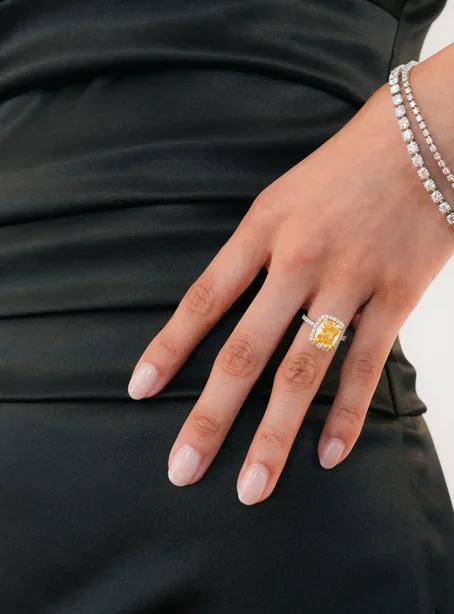
Lab-grown champagne sapphire in the Patronus setting.