


Your Bag Is Empty
Explore timeless jewelry that carries love and inspires lasting change
Limited Time: Every Engagement Ring Includes a $250 Gift Card for your Wedding Bands
Every purchase gives one person access to clean, life-changing water.
Explore timeless jewelry that carries love and inspires lasting change
Diamond price is the amount you pay for a specific mix of carat weight, color, clarity, cut quality, shape, origin, grading details, and availability. Two diamonds with the same carat weight can have very different prices because weight is only one part of the comparison.
A useful comparison starts with like-for-like details. Focus on the differences you can see, then decide which higher grades only raise the price on paper. This approach gives you a clearer answer than any single diamond price chart.
Rarity drives diamond prices. Prices can rise quickly when a combination of size and quality becomes harder to find. Two stones may still look similar once set, even when a small grade change creates a large price gap.
Live inventory changes as individual stones sell, so a fixed price table can go stale fast. Check our current listings with the same filters on the same day. Record the date, grading lab, report number, and full specifications for every stone you compare.
Price per carat is a comparison rate. Divide the total diamond price by its carat weight. For a hypothetical example, a 0.90 ct diamond priced at $4,050 has a price per carat of $4,500.
Price per carat rises at certain weight milestones. GIA identifies 0.50, 1.00, 1.50, and 2.00 carats as popular sizes where demand can affect the rate.
A stone just below a threshold may offer strong value, but compare its measurements and weight. A 0.98 ct diamond and a 1.01 ct diamond can face up differently because depth, proportions, and shape affect visible size.
Diamond cost is the listed price. Value is the fit between that price, the stone’s documented quality, its appearance, and what matters to you. The highest grade is not automatically the best use of your budget.
Treat the 4Cs like adjustable levers. Put more of your budget toward cut, visible size, a preferred color range, or a clarity level that looks clean to your eye. The right balance is personal. Never frame a diamond purchase as a promise of future resale or appreciation.
Compare diamond prices fairly by matching the exact stone or the same grading details before looking at totals.
A GIA or IGI report number anchors the comparison to documented carat weight, measurements, color, clarity, fluorescence, and finish. Do Amore uses that like-for-like standard for eligible diamond price matching.
If the report details differ, treat the quotes as different products and weigh the trade-offs before calling one the better value.
The 4 Cs of diamonds are carat, color, clarity, and cut. Shape, fluorescence, polish, symmetry, grading lab, origin, supply, and retail services can change the final number.
| Factor | How it affects price | What to compare |
|---|---|---|
| Carat weight | Larger diamonds are rarer, and price per carat can jump at popular thresholds. | Weight and millimeter measurements |
| Color | Higher color grades are rarer and usually cost more. | Grade, setting metal, and face-up color |
| Clarity | Fewer or less visible inclusions usually raise the price. | Inclusion type, position, size, and visibility |
| Cut or finish | Strong light performance and precise finishing can command more. | Eligible cut grade, proportions, polish, and symmetry |
| Shape | Round brilliants and fancy shapes follow different demand and yield patterns. | The same outline, ratio, and visual spread |
| Fluorescence | Strength and appearance can affect demand and price. | Intensity and the stone’s face-up behavior |
| Origin | Natural and lab-grown diamonds have different supply and pricing. | Stones within the same origin category |
| Grading lab | Report details affect confidence and a true like-for-like match. | Issuing lab and report number |
The GIA color scale for diamonds in the normal range runs from D through Z. D, E, and F are colorless. G through J are near colorless, and grades farther down the scale show increasing yellow or brown body color.
Because higher grades are rarer, the price of diamonds generally rises as less body color is visible. Some lab-grown diamonds may show a blue nuance, so judge each stone on its own details.
For many ring designs, you don’t need a colorless diamond to get a bright face-up look. G or H is a common value range, but it is not a universal best choice. Shape, carat weight, setting metal, lighting, and your own sensitivity to color all matter.
A warmer metal can make a lower color grade feel at home, but a white metal may make tint easier to notice. Read more about how diamond shape and ring choice affect color here.
GIA clarity grades describe inclusions and blemishes viewed under 10x magnification. The scale runs from Flawless and Internally Flawless through VVS, VS, SI, and Included grades. Rarer grades usually cost more.
When comparing diamond color and clarity, remember that eye-clean is not a laboratory grade. The term depends on an inclusion’s type, size, position, and relief. Shape and viewing distance matter too.
Two VS2 diamonds can look different. Some SI1 stones look clean without magnification, but others show visible inclusions.
You don’t need a flawless diamond to find a beautiful stone. VS2 and SI1 can offer good value when the actual diamond passes a visual check. The grade alone cannot guarantee that result. Click here to learn how shape and inclusion placement affect the clarity choice.
Yes. Two diamonds with matching headline grades can look different because a grading report cannot capture every face-up detail.
Do Amore adds a visual check to the paperwork. It filters out diamonds with brown, green, or milky qualities (BGM), and a GIA Graduate Gemologist hand-selects each natural diamond for the best look within the listed specifications.
Use the report to build a fair shortlist, then compare the actual stones or videos before choosing the lower price.
When comparing diamond size and price, remember that carat is a unit of weight, not size. GIA defines one carat as 200 milligrams and 100 points. A 0.75 ct diamond weighs 75 points.
Carat weight does not always equal face up size. A deeper stone can hide weight below the girdle. A shallow stone may spread wider. Compare millimeter measurements, proportions, and durability concerns before deciding that two near-threshold stones look the same.
Slightly smaller weights can reduce the total price when they fall below a popular threshold. The saving only helps if the stone still has the face-up dimensions and proportions you want.
Cut quality shapes how a diamond handles light. For standard round brilliant diamonds in the D-to-Z color range, the GIA diamond grading scale runs from Excellent to Poor for standard round brilliant diamonds in the D-to-Z color range.
It evaluates brightness, fire, scintillation, weight ratio, durability, polish, and symmetry.
Excellent is a range, not one identical look. Compare the stone’s proportions and video, then decide which balance of brightness, fire, and contrast appeals to you. The best diamond is the one whose light pattern and trade-offs suit your priorities.
Fancy shapes need a different check because GIA’s overall Excellent-to-Poor cut grade does not apply across every outline. Review face-up shape, bow-tie or windowing, symmetry, polish, depth, table, and how evenly the stone returns light.
Compare natural and lab-grown diamonds within their own origin categories and label each one clearly. Their prices reflect different supply conditions. Comparable lab-grown stones may list for less than natural diamonds, but the exact gap changes with inventory and market conditions.
For a fair comparison, match shape, carat weight, color, clarity, cut or finish, fluorescence, measurements, and grading-report details. Do not rely on a fixed percentage claim. The lab-grown vs natural diamond prices guide explains the practical differences without pushing you toward either origin.
You can browse engagement rings with natural or lab-grown stones, or start with lab diamond engagement rings if that is already your preference. The better choice is the one that fits your priorities, budget, and comfort with the grading details.
Put the specifications side by side to compare diamond quality and price. A lower price shows value only when the stones are genuinely similar.
Our eligible diamond price match applies to like-for-like stones with matching GIA or IGI grading details. That keeps the comparison tied to documented quality instead of a headline number.
Use these quick answers to compare prices, quality, and trade-offs before you buy.
Diamond prices reflect rarity across carat weight, color, clarity, cut, shape, origin, and other grading details. Market supply and the services included by the retailer affect the final price.
Diamond price per carat is the total price divided by the stone’s carat weight. It helps compare stones of different weights, but it is only useful when the other quality details are close.
No single price can answer this question because diamonds are not interchangeable. Set your filters first. Pull current listings on the same day and compare stones with matching reports and measurements. This gives you a useful range for the diamond you want.
Cost is the amount charged for the stone. Worth is a broader judgment about documented quality, visible beauty, personal meaning, and whether the trade-offs suit your budget. Choose the diamond you prefer instead of treating a higher price as a quality guarantee.
Start with your total budget and preferred shape. Protect the cut or visual performance, compare measurements, then choose the color and clarity ranges that look right to you. Confirm the grading report before you buy.
The right diamond price is not always the lowest number. It is the price of a stone that looks right, fits your budget, and has grading details you can verify. At Do Amore, we help you compare those trade-offs before you choose.
Every ring you choose with us helps fund clean water for a person in need. Learn more about our commitment to delivering clean water to developing countries here.
Our gemologist hand-selects diamonds and can compare their details with you. Or email me with a picture, a preference, or a budget, and we’ll help you find a ring that feels right.
Verifiably Ethical & Sustainable
Personalized Customer Service
Guaranteed 1:1 Impact
Handcrafted & American-Made
Verifiably Ethical & Sustainable
Personalized Customer Service
Guaranteed 1:1 Impact
Handcrafted & American-Made
Diamonds, Gemstones, & Metals
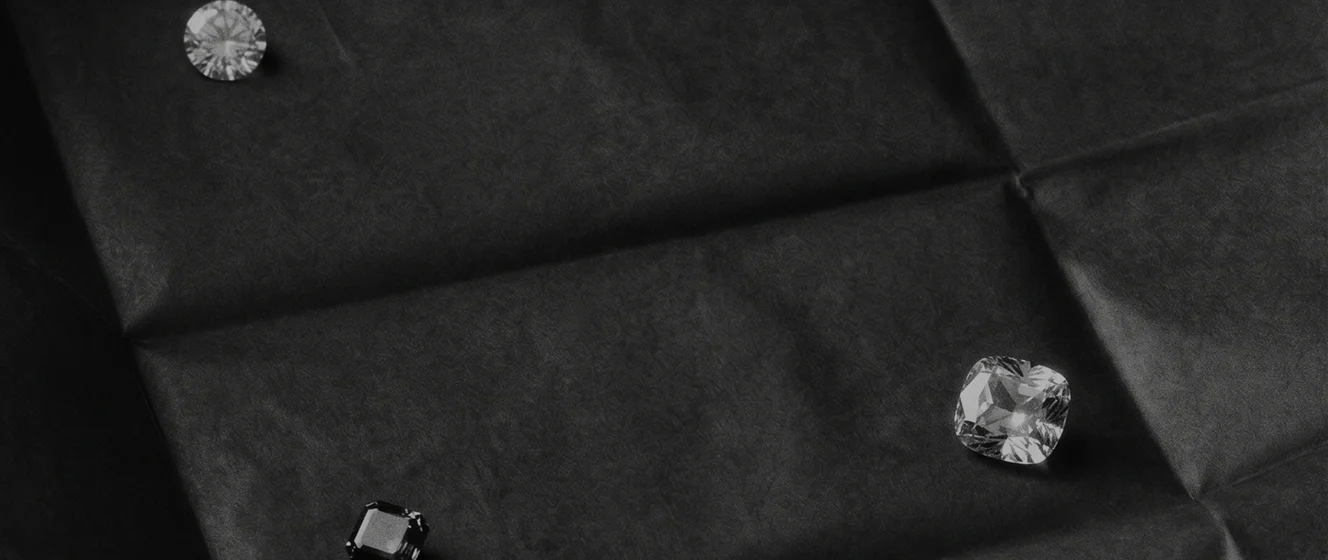
Every piece of Do Amore jewelry begins by not hurting the world. All our natural diamonds are either ethically sourced in Canada, recycled to eliminate additional demand, or accompanied by a blockchain ledger showing every hand your diamond passed through, proving your stone is truly conflict-free.
We also offer sustainable lab-created stones and guarantee all precious metals are recycled to eliminate the environmental impact of mining. Since March 2022, we carry absolutely no Russian diamonds and continue to urge the industry to follow suit.
Clean Water
We desire to deepen the well of love in the world. We guarantee that every single purchase—whether engagement ring, wedding band, or piece of jewelry—directly impacts one person’s life by giving them access to clean water.
We do this by directly matching jewelry purchases to people in communities to ensure our funding has a one-to-one impact. We also show you the exact GPS coordinates and a photo of the water well your ring or piece of jewelry helped fund.
Customer Service
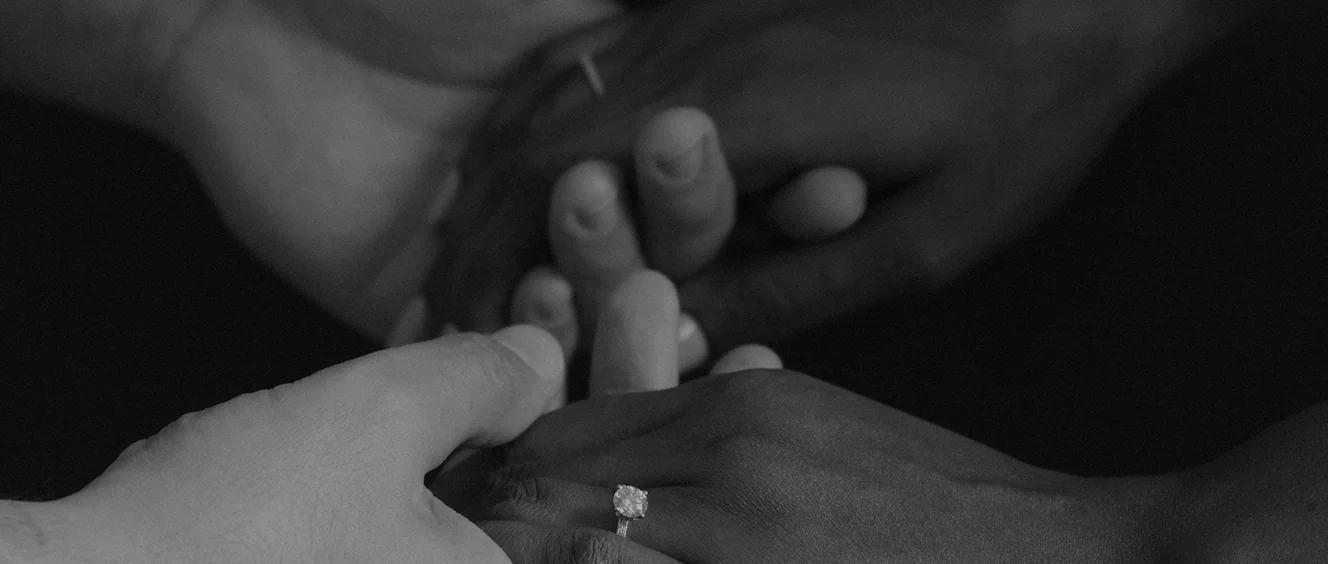
As a small, 100% founder- and employee-owned team, one-to-one encounters are at the heart of our values. Whichever way you want support throughout your engagement ring or jewelry purchase process, our team is here to accommodate you.
From high-touch to hands-off, video calls to text messages, you have our dedicated, responsive team on your side from the moment you start your search, to the day your well is built, to the time we meet again.
Engagement Rings, Bands, & Jewelry
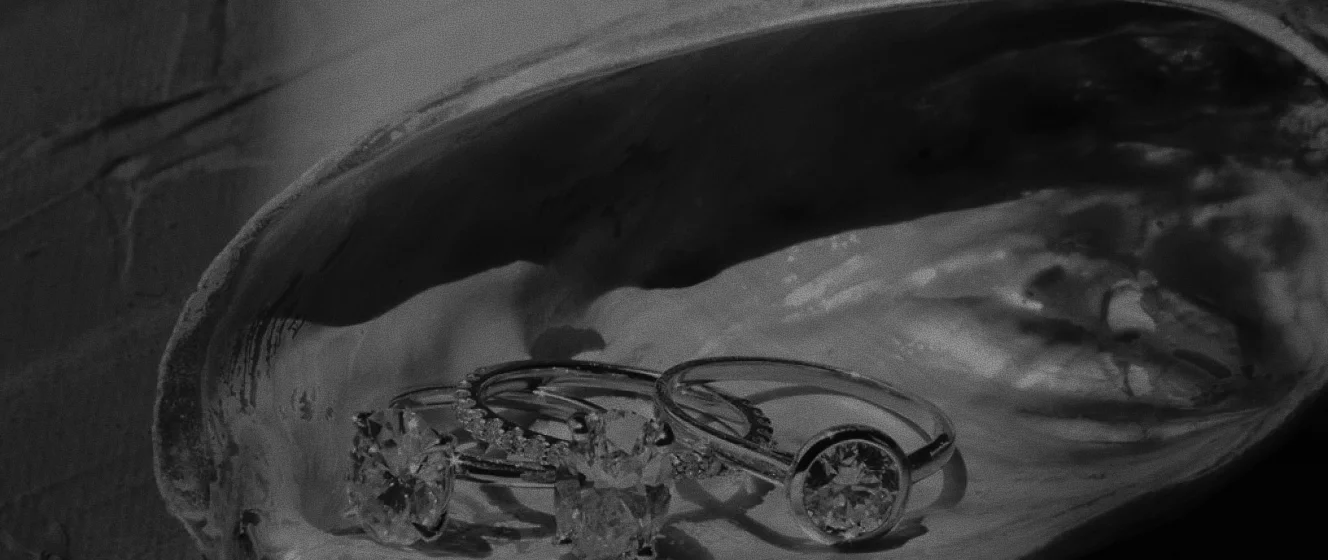
Every Do Amore design, whether one of our own or unique to you, is beautifully handcrafted in America and made specifically for you. Each ring is made to order, every time.
From classic to custom, you have the option to select from dozens of gorgeous settings or work with our design team to create something entirely bespoke. Plus, you are always covered for free inspections, polishing, cleaning, stone tightening, rhodium-plating, and resizing for life.
Our Promise

We care about what matters most to you, not what’s easiest for us. If it’s a minor change to a setting or arriving at a completely custom design, we work to ensure you get precisely what you love.
From statement-making to understated, we have options at any price point. Plus, you always have our team on your side searching to bring you every stone within your specifications. We also offer 60-day returns and a limited lifetime warranty to cover you in the rare event of a manufacturing defect.