


Your Bag Is Empty
Explore timeless jewelry that carries love and inspires lasting change
Every purchase gives one person access to clean, life-changing water.
Explore timeless jewelry that carries love and inspires lasting change
Your engagement ring should suit the way you live. Some stones handle daily wear well, and others need a protective setting or gentler use. Start with the Mohs scale, then look at toughness, stability, and your routine.
Quick comparison
A gemstone engagement ring is a type of engagement ring that has a non-diamond center stone. Often designed using traditional engagement settings such as solitaires, halos, and three-stones, some couples choose less traditional settings to hold their less traditional center stone. Common gemstone choices include Sapphire, Emerald, and Ruby.
Other options include aquamarine, morganite, tanzanite, opal, moss agate, and amethyst. Each has a different tolerance for scratches, impact, and daily wear.
Choose between diamond, moissanite, and colored gemstones by balancing scratch resistance, visual style, care needs, and what the stone means to you.
Natural and lab-grown diamonds share the same Mohs hardness of 10. Moissanite ranks 9.25 and shows more colored fire. Sapphire and ruby rank 9 and give you a broad color range. Softer stones can still work, but they need more protection and a care plan that fits daily life.
Do Amore offers natural and lab-grown diamonds, moissanite, sapphires, and other fine gemstones, so the comparison does not have to start with a preferred category. Start with the look and routine, then rule out stones whose care needs do not fit.
Gemstone engagement rings offer color, symbolism, and room for a style that feels personal. The tradeoff is that each stone responds differently to scratches, impact, heat, chemicals, and daily residue. Understanding those differences makes it easier to choose confidently and care for the ring well.
Care, residue, and stone quality all matter when evaluating whether moissanite gets cloudy or simply needs a thorough cleaning.
Color gives couples room to choose something that feels unmistakably theirs. You might love a red ruby or blue sapphire for its personal meaning or simply its look. Oranges, pinks, greens, and color-change stones open the door to unique gemstone engagement rings that reflect personal taste instead of a fixed rule.
Price can still be part of the decision, but there is no reliable rule that every gemstone costs less than a comparable diamond. Species, origin, treatment, color, size, cut, and quality all affect value. Compare the specific stones you love rather than assuming one category will always cost less.
Some gemstones form in large crystals and are available in sizes or cuts that can be harder to find in diamond. This gives you more freedom to choose an unusual shape for the ring.
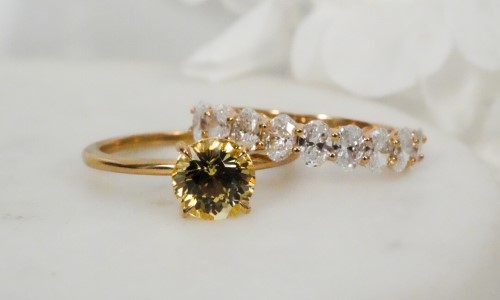
Yellow Sapphire Engagement Ring
While there are many benefits to gemstone engagement rings, there are risks to consider before purchase too. Because gemstones are not as hard as diamond, gemstone engagement rings may scratch or chip more easily. Couples can protect against this by choosing a hard gemstone, and by designing a protective setting.
Another issue to be aware of is that gemstones’ unique colors and shapes can be more difficult to replace in the event of loss or breakage. Because gemstones are often cut in less standard shapes than diamonds, couples may have a harder time finding the exact measurements of their original stone. Likewise, as gemstone color is so unique – consider all the various shades of “blue” at the paint store – finding the exact color you originally had can be tough. Couples can protect themselves by having a gemologist appraise and color grade their gemstone so they have an exact record.
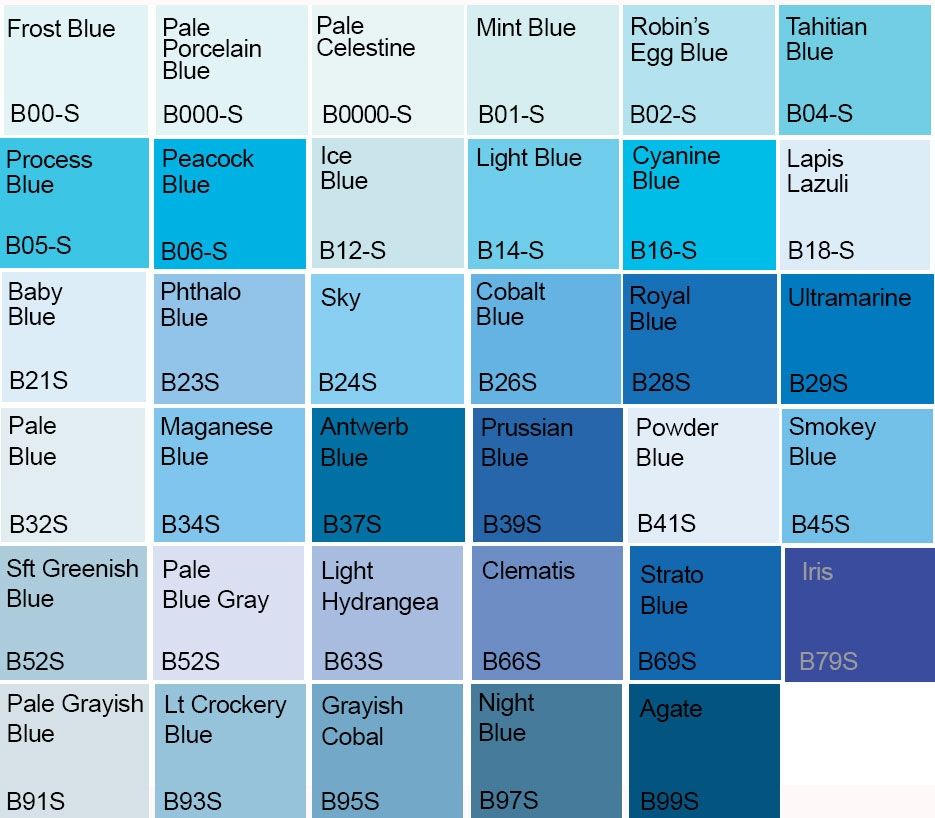
Shades of Blue, from Copic Markers
Some gemstones are, and some aren’t. One of the reasons you’ll hear a “diamond is forever” is because diamonds are a 10/10 on the Mohs Hardness Scale. This means that diamond is (literally) the hardest substance known to man. There is nothing that can scratch at diamond except for, you guessed it, another diamond. Non-diamond gemstones are not as hard.
However, neither is the glass on your car’s windshield, the screen on your iPhone, or the table you’re sitting at right now. In other words, there’s still some pretty durable stuff out there. Let’s talk about how hard a gem needs to be in order to stand up to daily wear.
The Mohs Hardness Scale was developed to rank the hardness of gemstones and minerals. It goes from 1 (Talc) to 10 (Diamond). This is useful when trying to select a gemstone engagement ring center stone, because we know how hard daily life is. Huh? No seriously, hear me out.
You know, the stuff floating around in the air? That’s the stuff that will scratch your gemstone when you try to clean it. So, when choosing a gemstone engagement ring, your best bet is to choose a gemstone of 7.5/10 and above. The closer to 10/10 you get, the more durable your ring will be.
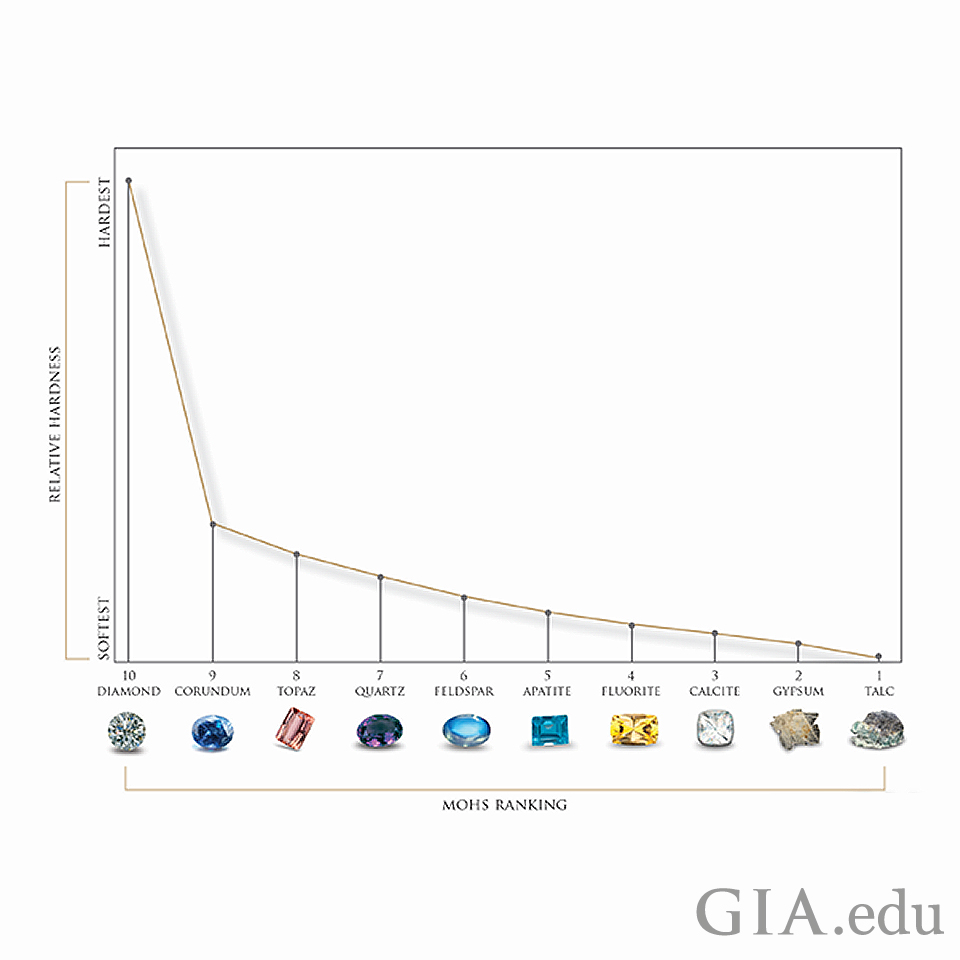
Mohs Hardness Scale. (Photo by: GIA)
Scratch resistance matters, but it doesn’t tell the whole story. GIA explains gemstone durability through three factors.
Hardness describes resistance to scratches and abrasion.
Toughness describes resistance to breaking and chipping.
Stability describes how a gem responds to heat, light, chemicals, and humidity.
That distinction changes how you compare gemstone engagement rings. Diamond leads the Mohs scale yet can chip, and topaz ranks 8 but has poor toughness from cleavage.
Emerald resists many scratches, but fractures and clarity treatments call for gentler wear and cleaning. Match all three durability factors to your setting and routine.
The best stones for engagement rings pair enough scratch resistance with a realistic care plan. This quick guide compares common types of stones for rings, including alternative engagement ring stones that can work beautifully when the setting fits the stone.
The hardness values and durability notes below follow GIA guidance and the gemological sources cited in each section. Use the table as a starting point, then read the stone-specific notes below.
| Daily-wear group | Stone | Mohs hardness | Main durability caveat | Recommended protection |
| Built for everyday wear | Diamond | 10 | Can chip or cleave after a hard blow | Protect exposed points and inspect prongs |
| Built for everyday wear | Moissanite | 9.25 | Very hard, but not impact-proof | Secure prongs and avoid hard impacts |
| Built for everyday wear | Sapphire and Ruby | 9 | Treatments can change care needs | Protect corners and ask about treatments |
| Built for everyday wear | Alexandrite | 8.5 | Can still chip after a hard impact | Use a bezel, halo, or sturdy prongs |
| Built for everyday wear | Spinel | 8 | Good durability, but not damage-proof | Protect exposed edges |
| Suitable with the right setting and care | Topaz | 8 | Poor toughness from basal cleavage | Use a protective mounting and careful wear |
| Suitable with the right setting and care | Emerald | 7.5 to 8 | Fractures and clarity treatments need care | Use a bezel or halo and clean gently |
| Suitable with the right setting and care | Aquamarine | 7.5 to 8 | Can scratch or chip with rough wear | Choose a lower profile or protected edges |
| Suitable with the right setting and care | Morganite | 7.5 to 8 | Can scratch, and pale color shows residue | Use a protective setting and clean regularly |
| Better for occasional wear | Amethyst | 7 | Quartz dust can abrade it over time | Choose occasional wear or strong protection |
| Better for occasional wear | Moss Agate | 7 | Can scratch, chip, or dull with wear | Use occasional wear and protected edges |
| Better for occasional wear | Tanzanite | 6 to 6.5 | Softer and vulnerable along cleavage | Reserve for gentle or occasional wear |
| Better for occasional wear | Opal | 5.5 to 6.5 | Soft and sensitive to impact and moisture changes | Avoid knocks, heat, and frequent wear |
| Better for occasional wear | Pearl | 2.5 to 4.5 | Very soft, and the nacre can wear | Choose occasional wear and gentle handling |
A non-diamond engagement ring can feel just as meaningful when the stone reflects the wearer’s style, story, and daily life.
Color may honor a birthstone, a shared memory, or simply a shade they love. Moissanite can suit someone drawn to bright fire, and sapphire can add color without giving up strong scratch resistance. Meaning comes from how well the choice fits the person, not from following a single tradition.
At Do Amore, every jewelry purchase gives one person access to clean water, regardless of the center stone. That lets a moissanite or gemstone ring carry personal meaning and direct impact without turning the stone choice into a compromise.
A Mohs hardness of 7.5 or higher is a useful starting point, but the best engagement ring center stone needs enough toughness and stability for your routine. The options below show why a single Mohs number never tells the whole story.
Emerald ranges from yellowish green to bluish green and ranks 7.5 to 8 on the Mohs scale. Inclusions are common and often part of an emerald’s character. Many emeralds show extensive eye-visible inclusions. A flawless-looking emerald is uncommon, so evaluate the inclusion pattern and whether any fractures reach the surface.
Emerald’s inclusions are often described as a “garden,” and they are part of the gem’s character. Surface-reaching fractures raise chipping risk. Oils, resins, or polymers used for clarity treatment can change how the stone should be cleaned. Choose emerald engagement rings with a protective setting, ask about treatments, and use steam or ultrasonic cleaning only after a jeweler confirms it is safe for that stone.

Emerald Engagement Ring
Aquamarine is a shiny, light blue gem that symbolizes tranquility and healing. Unlike its sister, Emerald, Aquamarine is a Type I gem, meaning it should be pretty flawless. Like Emerald, it is a 7.5/10 on the Hardness Scale. Aquas can come in light, medium, and darker blue tones. It sometimes shows a hint of green, like the sea. Couples choosing an Aquamarine engagement ring should look for an eye-clean gem that shows its blue color. Lighter blues are less valuable than medium or medium-dark blues. Darker color blues will also help to hide when your Aquamarine engagement ring is not sparkling clean, whereas light blue shows dirt and oil much more easily.
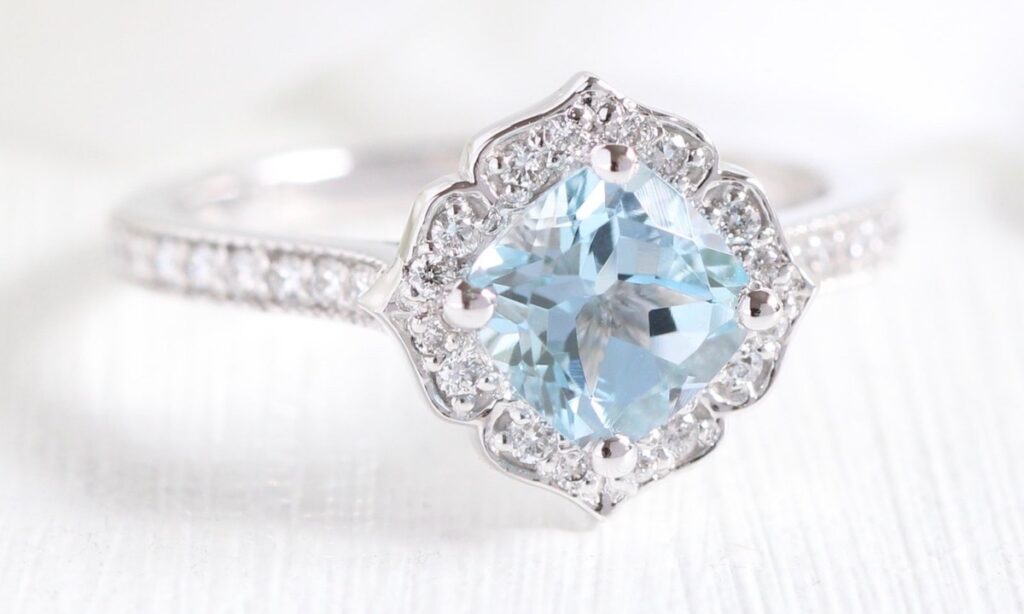
Aquamarine engagement ring. (Photo by: La More Design)
Topaz is an 8/10 on the Mohs Hardness Scale, making it a good engagement ring option. It symbolizes wealth and royalty. The most common color of Topaz today is blue, however it is also naturally found in colorless, pink, yellow, and peach hues. Blue Topaz comes in some massive crystals, making it a great choice for couples that want a huge look. When choosing a Topaz engagement ring, you should look for an eye clean stone with medium color.
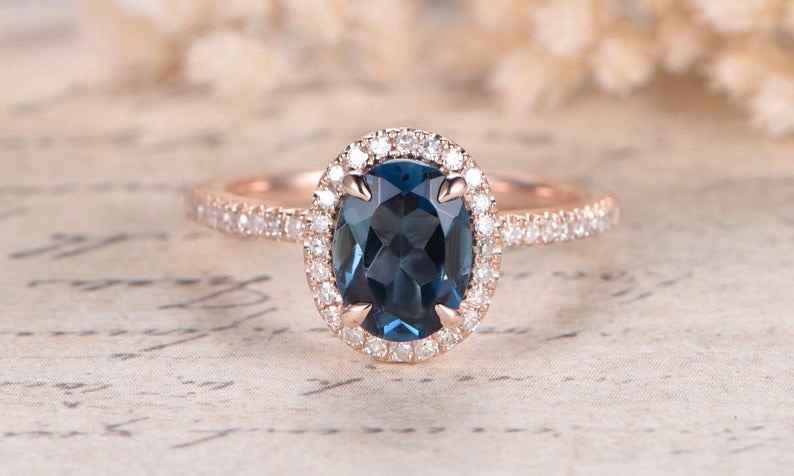
Topaz engagement ring.
My engagement ring is a Spinel! Although it is not commonly heard of, Spinel makes a good engagement ring choice due to its 8/10 hardness on the Mohs Scale and its vast array of colors. Spinel symbolizes power and protection. My Spinel is a blueish-Violet color, but I have also designed Spinel engagement rings in bright Pink and Black. The most sought after colors in this gemstone engagement ring are red, pink, and blue, as they can rival Ruby and Sapphire.
Spinel is a Type II gemstone, which means they often have some inclusions, but can also be eye-clean. So, couples choosing a Spinel should look for an eye-clean stone in a color that speaks to them!
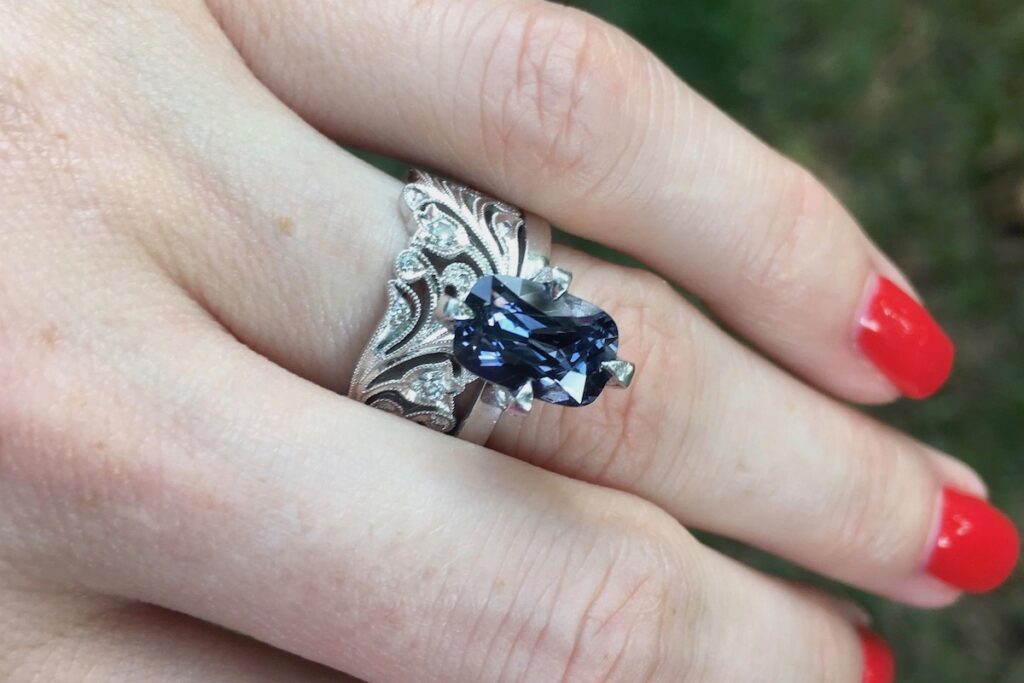
2.75ct Cushion Spinel Engagement ring.
Alexandrite is a great choice for an engagement ring due to its 8.5/10 Mohs hardness. It is the color-change version of the larger gem group Chrysoberyl, and symbolizes luck and balance. Alexandrite changes from green in daylight to red under a light bulb. Non-alexandrite Chrysoberyl comes in yellow, bronze, and green. Chrysoberyl symbolizes protection and healing. Chrysoberyl and Alexandrite are Type II gemstones, meaning they will have some inclusions, but eye-clean gems are available.
So, couples choosing this engagement ring should look for eye clean gems.
When looking for an Alexandrite engagement ring, the most important thing to consider is the quality of its colors and color change. Couples looking for a Chrysoberyl engagement ring should seek out a pleasing, warm color.
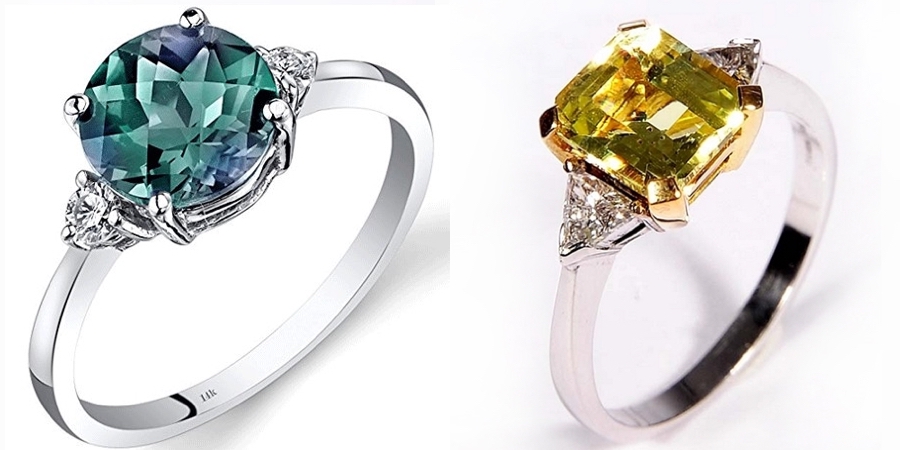
Left: Alexandrite engagement ring. | Right: Chrysoberyl engagement ring.
Sapphire and its sister, Ruby, are the hardest non-diamond gems available at a 9/10 on the Mohs Hardness Scale. Members of the gem family Corundum, red gems are Ruby, and all the other rainbow colors are Sapphire. A Sapphire engagement ring signifies loyalty. A Ruby engagement ring symbolizes love and passion. Sapphire and Ruby are Type II gems, meaning they will have some inclusions, but eye clean gems should be sought out.
Rich medium tones (in other words, not too light and not too dark) are the most beautiful and valuable. Because of its superior hardness and crazy amount of colors, a Sapphire engagement ring is an excellent gemstone engagement ring choice. Likewise, due to its romantic color and great durability, couples looking for something different should definitely consider a Ruby engagement ring.
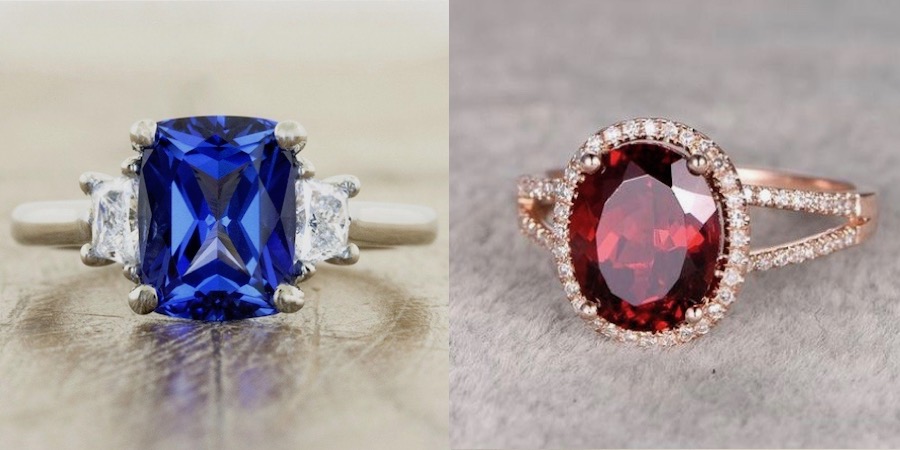
Left: Sapphire engagement ring. | Right: Ruby engagement ring.
Opals are beautiful shimmery gems that are very, very soft. A 5.5-6.5 on the Mohs Hardness Scale, in fact. So, even with extreme caution, there is a real chance the gem will break during normal wear. As a result, Opal engagement rings are not ideal. Instead, couples looking for an Opal engagement ring should check out Star Sapphire, much harder and just as unique!
Left: Chipped Opal center stone. | White star sapphire engagement ring.
Morganite is a peachy-pink gem that is typically eye clean. It symbolizes love and innocence. This may sound like an ideal engagement ring choice, but real life gets in the way. Because of its light color and lack of significant sparkle, Morganite shows dirt and oil almost immediately. Even people who take great care of their rings will experience this, because, well, life. You have oil on your skin, put on makeup, use hairspray, wash your hands.
So, instead of choosing a Morganite engagement ring, couples should check out Pink Topaz, Pink Spinel, or Pink Sapphire, much harder, and do not show dirt and oil as easily!
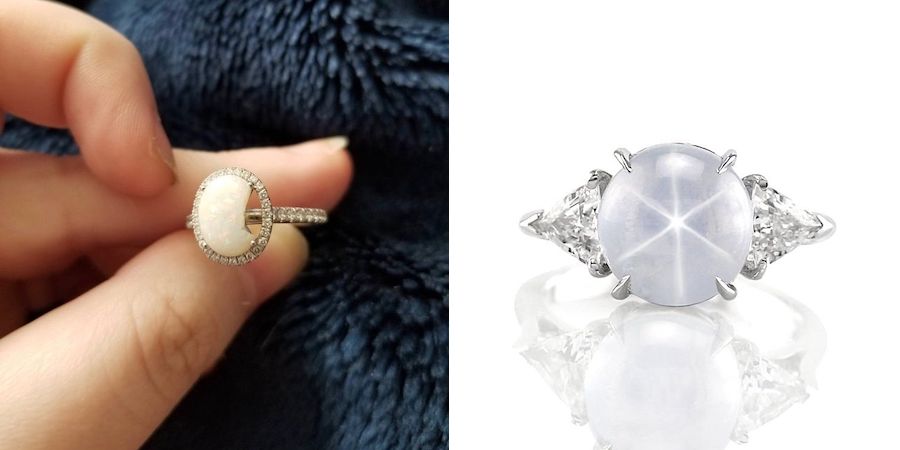
Left: Chipped Opal center stone. | White star sapphire engagement ring.
Pearl engagement rings are romantic. Unfortunately, they are also too soft, at a 2.5-4.5 on the Mohs Hardness Scale. Normal damage we see to Pearl engagement rings include loss of the pearl, dull spots where the nacre has worn off, and chipping. This is tragic! Instead, couples looking for a Pearl engagement ring should consider a white cabochon Sapphire instead. A sapphire engagement ring is much harder, and will last the test of time.
Left: Missing pearl in ring setting. (Photo by: MyJewelryRepair) | Right: Cabochon Sapphire engagement ring.
Amethyst is a rich, Welch’s grape purple that people adore for a unique engagement ring. Sadly, at a 7/10 on the Mohs Hardness Scale, Amethyst is the same hardness as dust. As a result, Amethyst will wear poorly over time, experiencing mini scratches until it is dull. That’s not what you want for an engagement ring! Instead, couples searching for an Amethyst engagement ring should check out Purple Sapphire which is much harder and will always be beautiful.
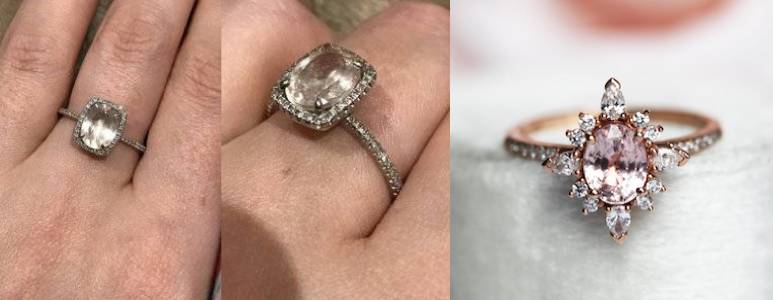
Left: Dull, dirty Morganite engagement ring. | Right: Pink sapphire engagement ring.
Pearl engagement rings are romantic. Unfortunately, they are also too soft, at a 2.5-4.5 on the Mohs Hardness Scale. Normal damage we see to Pearl engagement rings include loss of the pearl, dull spots where the nacre has worn off, and chipping. This is tragic! Instead, couples looking for a Pearl engagement ring should consider a white cabochon Sapphire instead. A sapphire engagement ring is much harder, and will last the test of time.
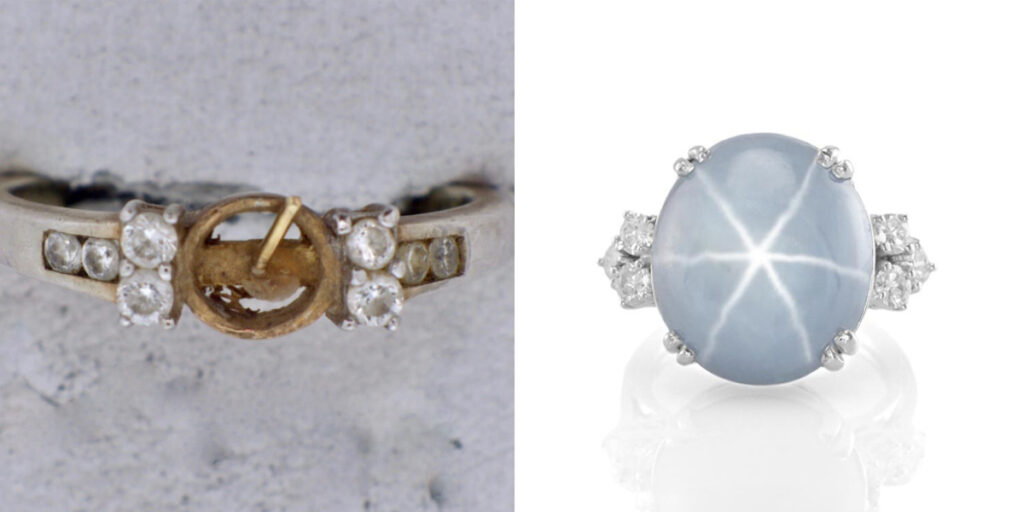
Left: Missing pearl in ring setting. (Photo by: MyJewelryRepair) | Right: Cabochon Sapphire engagement ring.
Amethyst is a rich, Welch’s grape purple that people adore for a unique engagement ring. Sadly, at a 7/10 on the Mohs Hardness Scale, Amethyst is the same hardness as dust. As a result, Amethyst will wear poorly over time, experiencing mini scratches until it is dull. That’s not what you want for an engagement ring! Instead, couples searching for an Amethyst engagement ring should check out Purple Sapphire which is much harder and will always be beautiful.
Left: Scratched Amethyst stone. | Right: Purple sapphire engagement ring.
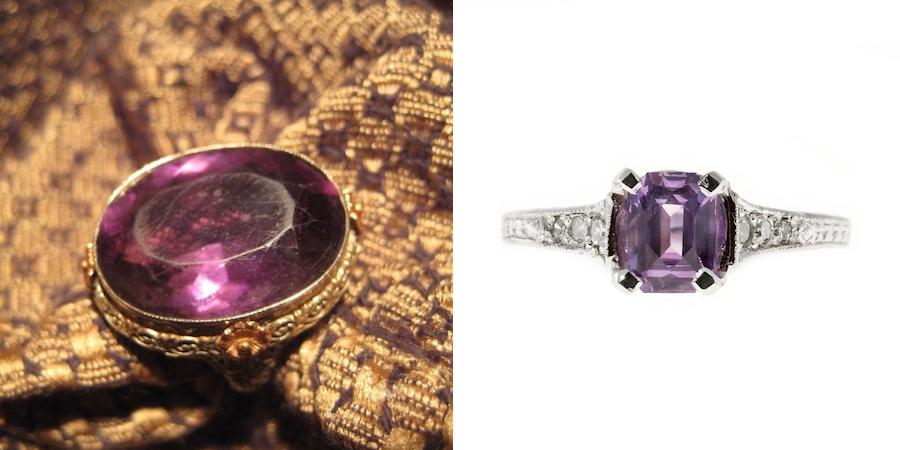
Left: Scratched Amethyst stone. | Right: Purple sapphire engagement ring.
Tanzanite burst onto the scene in 1967, and suddenly everyone wanted a Tanzanite engagement ring. It’s no wonder, it’s a gorgeous blue-violet that is quite uncommon in gems. However, at 6-6.5/10 on the Mohs Hardness Scale, it’s a bad idea for an engagement ring. Instead, couples looking for a Tanzanite engagement ring should look for Violet Spinel (like mine!). Spinel is much harder than Tanzanite and will hold up to daily wear much better.
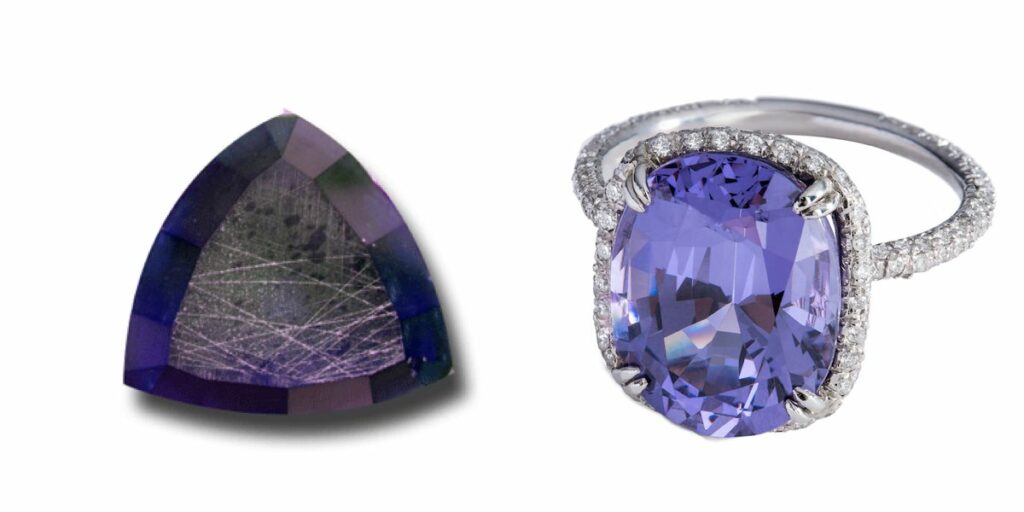
Left: Scratched Tanzanite gemstone. | Right: Violet Spinel engagement ring.
Moss Agate is a unique gemstone with organic, leaf-like inclusions. This kind of appearance is very popular with those who feel a connection with nature! Unfortunately, however, moss agate is a variety of quartz, meaning it is only a 7/10 on the hardness scale. This means it is risk for scratching, chipping, and generally becoming dull, like the ring below. We have helped many couples replace an original moss agate engagement ring that has sadly broken.
Most of these couples opt for emerald or a unique green sapphire! Sapphire is a 9/10 hardness and comes in a ton of beautiful green shades, and it can even have great inclusions, reminiscent of moss agate. Nature-loving couples may also love emerald’s mossy “jardin” appearance, which actually means garden in French!
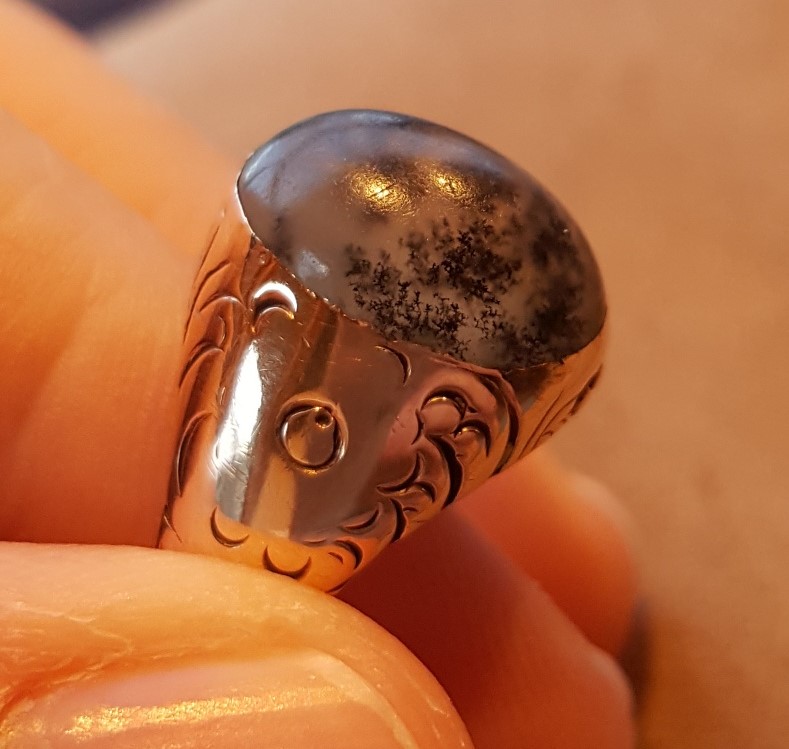
Scratched moss agate ring. Photo by spartcom5 on Antiquers.
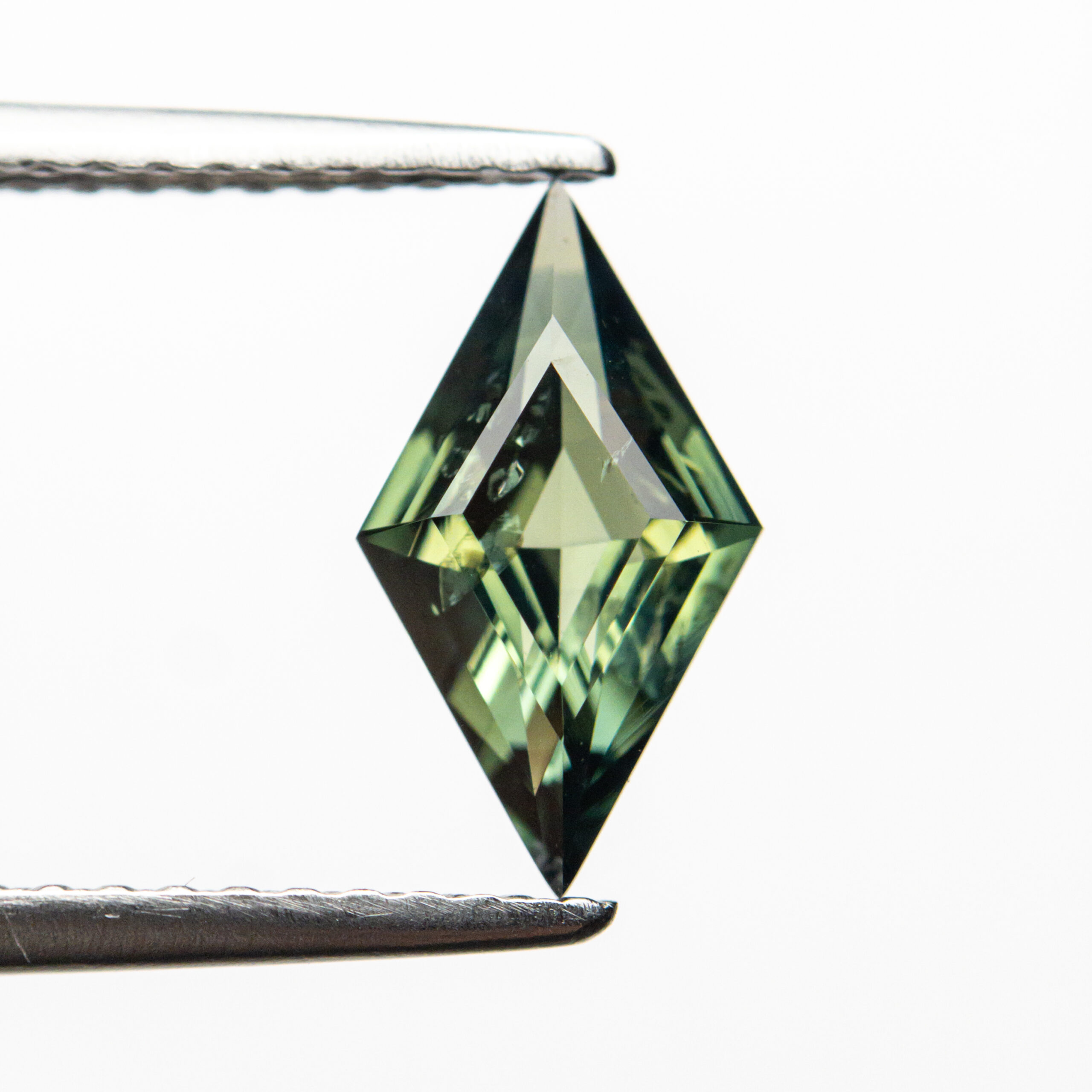
Natural green sapphire ring with lily-pad like inclusions.
I’d love to! Contact me here and describe the delicious color you’re looking for! I will walk you through what gemstone options are the most durable and find the perfect stone for you.
Promise rings are romantic and fulfilling. Couples that choose to wear promise rings want to show the world that they are loyal and proud of their partner. In case you’re just hearing about them now, a “promise ring” is a ring or band worn prior to engagement to show the wearer is promised to their beloved. Some couples choose to wear them in a pre-engagement phase to mark their love. Others wear them while saving for an engagement ring. While traditionally only worn by her, it is now common for men to wear promise rings today too. Both my husband and I wore them before we got married – and I love mine so much I still wear it on my right hand!
Here’s how to custom design the perfect affordable, high-end promise ring in 4 easy steps:
Most promise rings for women are gemstone rings that are beautiful and easy to wear. Because promise rings do not need to have a wedding band next to it, you can pick a much more fanciful or asymmetric style! Keep in mind that you want her to love it so much she switches it to her right hand after you get married. So, while you want to choose something that is her style, you also want it to be different enough from her future engagement ring that she’ll be able to wear both without them looking too similar.
Most promise rings for men are bands with a more ornament than a traditional, simple wedding band. So, check out styles with eye-catching finishes that will set it apart from what you think his future wedding band will look like.
The next step is choosing her style. Does she like classic designs? A simple, low profile setting highlighting the gem of your choice would be perfect. Want a little extra glam? A few small diamonds will contrast fabulously with your colored gemstone center. I happen to think our Lily ring, with its ribbon of diamonds, is an incredible value at $680 in 14k gold including custom engraving! Just add a gem For those looking for a real knock-out, you can pave the entire band with diamonds too!
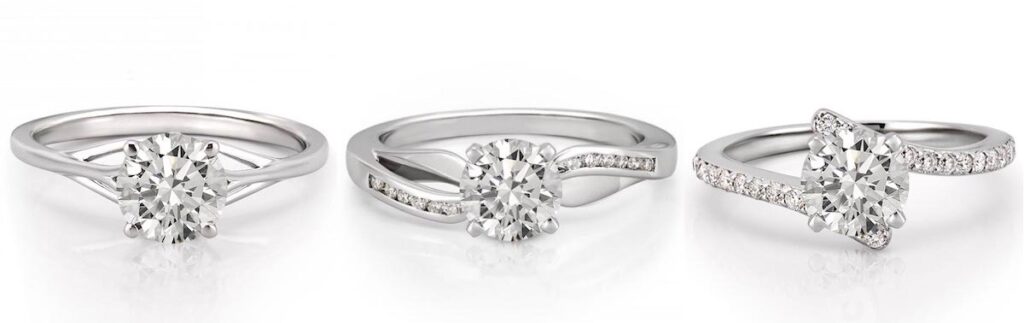
Left: Bekah | Middle: Lily | Right: Patronus
When choosing a style for your guy, think about his lifestyle. Does he work with his hands? Is he in an office? Is he laid back, or does he like to dress up? For men who work with their hands, a hammered band is a great look. Those that are dressier may like a bit of shine. However, a really special ring for your man could include your fingerprint. A fingerprint ring is super special, very subtle, and will definitely be different than his wedding band.
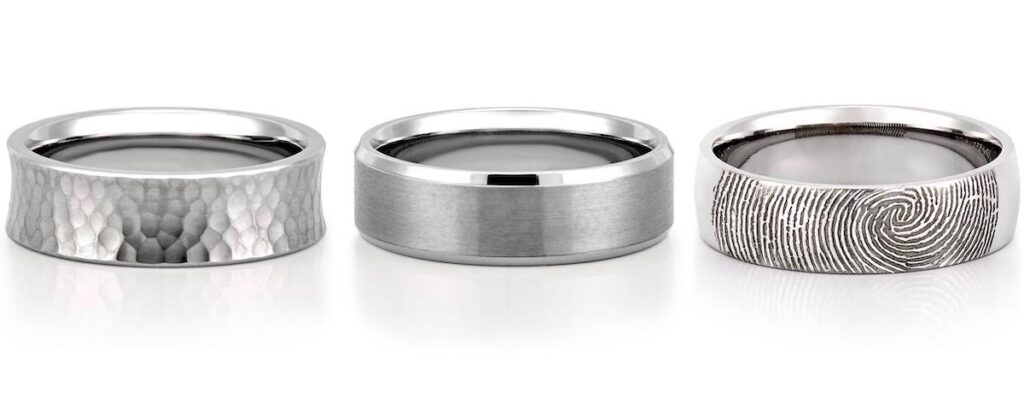
Left: David band | Middle: Bevel band | Right: Men’s Fingerprint band
Want matching promise rings for couples? That’s so awesome. I like your style. My favorite option is our fingerprint collection. A fingerprint ring is super special, very subtle, and means you each can carry around a piece of the other everywhere you go. We carry a thicker band for men, and a thinner band for ladies (you can even stack other rings with it!)
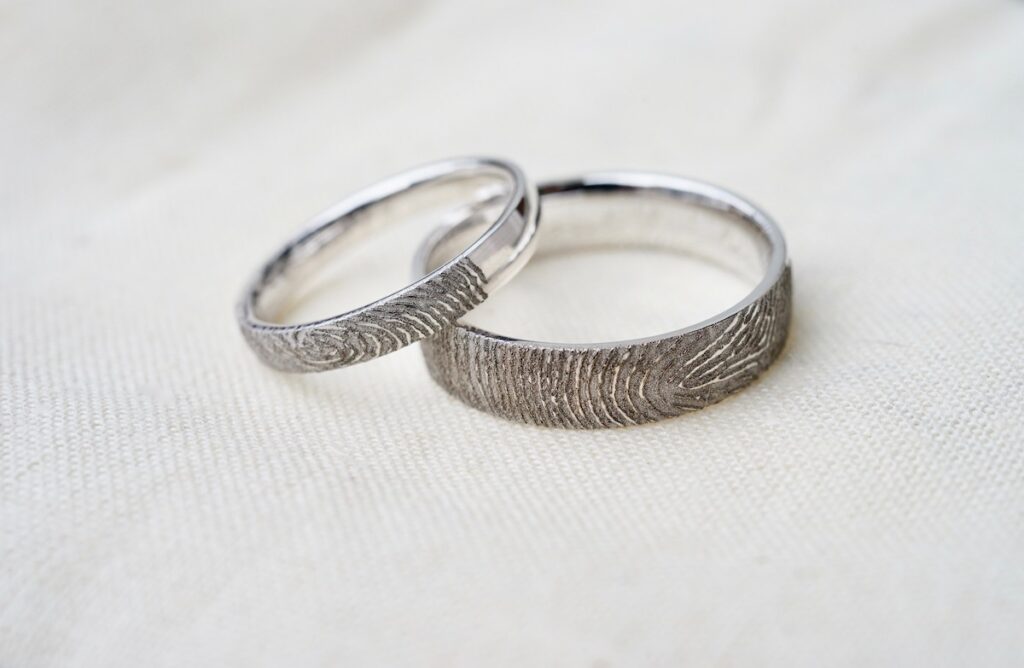
A fingerprint band set in white gold.
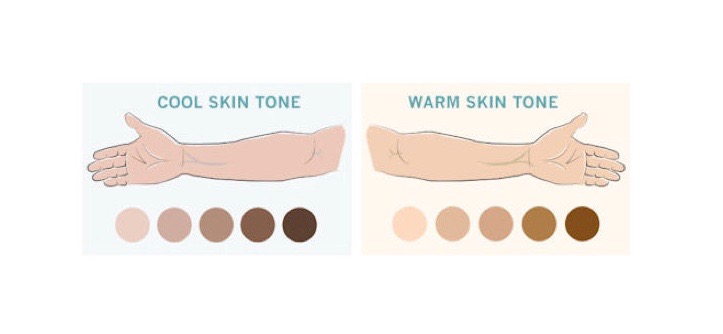
Our rings are available in white, yellow, and rose gold, along with platinum and palladium. Because you’re trying to keep to a budget with this custom promise ring, we suggest choosing gold. So, look at her other jewelry. If she wears white metals like silver and white gold, stick with white. If she wears yellow, you have the option of yellow or rose! Rose gold is a warm tone, with just a little more pink than yellow.
If your guy wears other jewelry, same goes for your man! What color does he wear? Also, check out his watch for clues. However, if he’s like a lot of guys, maybe he doesn’t wear a watch or any jewelry yet. If so, here’s a quick guide on how to pick the right color gold based on skin-tone:
Choose a center gemstone that has meaning. Maybe the gemstone of the month you started dating? Or maybe your birthstone would make her smile. What about the color of her eyes? Her favorite nail polish color? Or possibly the gemstone representing the month you give this special promise ring to her. There are affordable gemstone options in every color – we can add any of these 6mm top-quality natural AAA gems to your custom ring for less than $200!
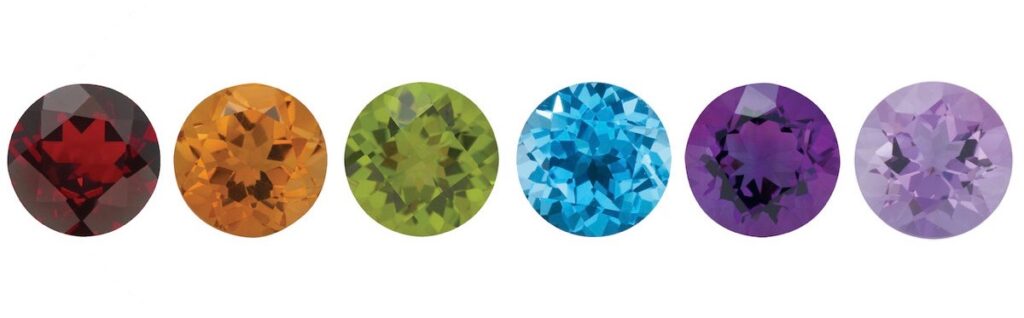
AAA natural gems.
Make his ring unique by including a special engraving inside. Maybe his nickname? The date you first met? What about a lyric to your song? Or an inside joke! Do Amore offers free engraving on every ring sold, so take advantage and make it special!
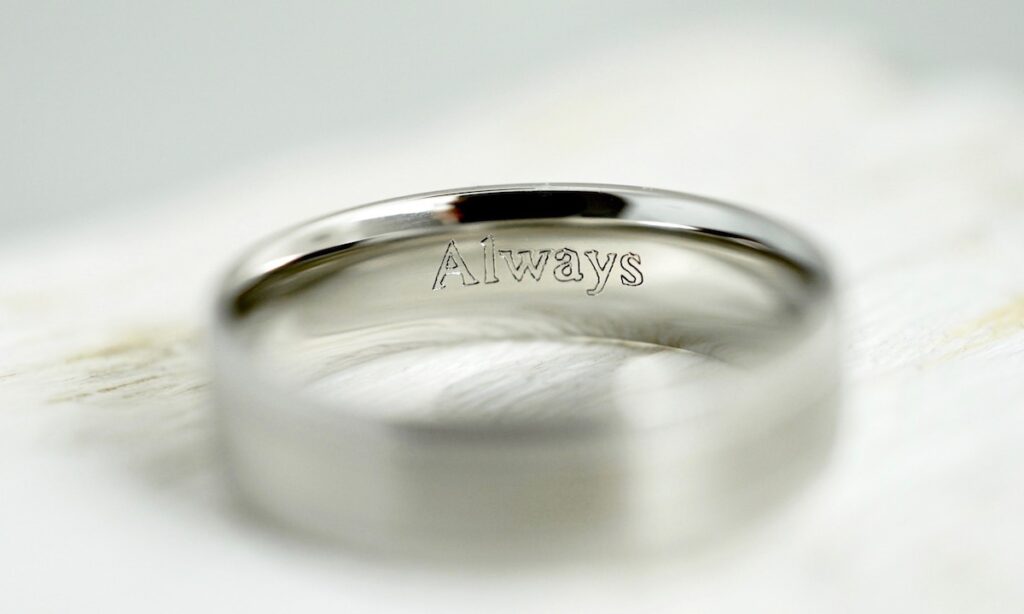
“Always” engraving on inside of men’s band.
I sure can! My name is Corinne, I’m the gemologist, and I’ve been helping people design affordable, custom promise rings for years. Email me here and tell me about your beloved!