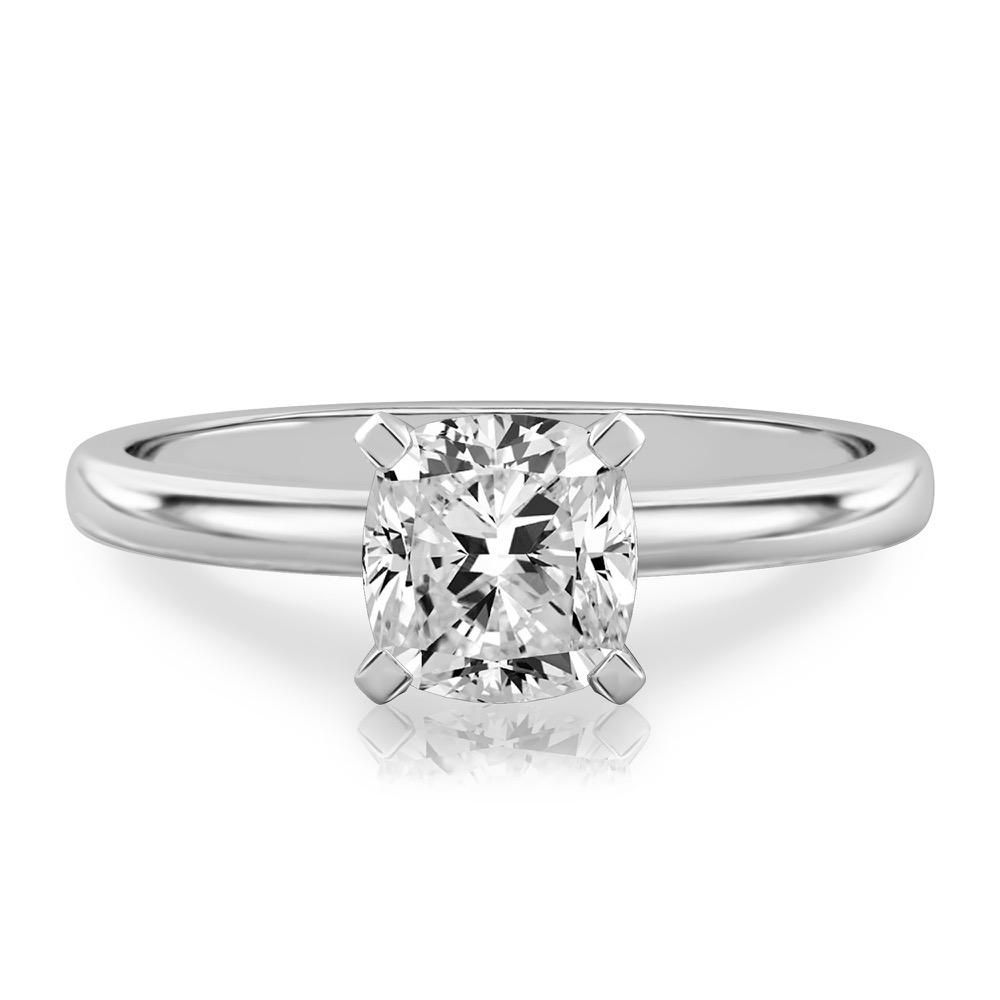
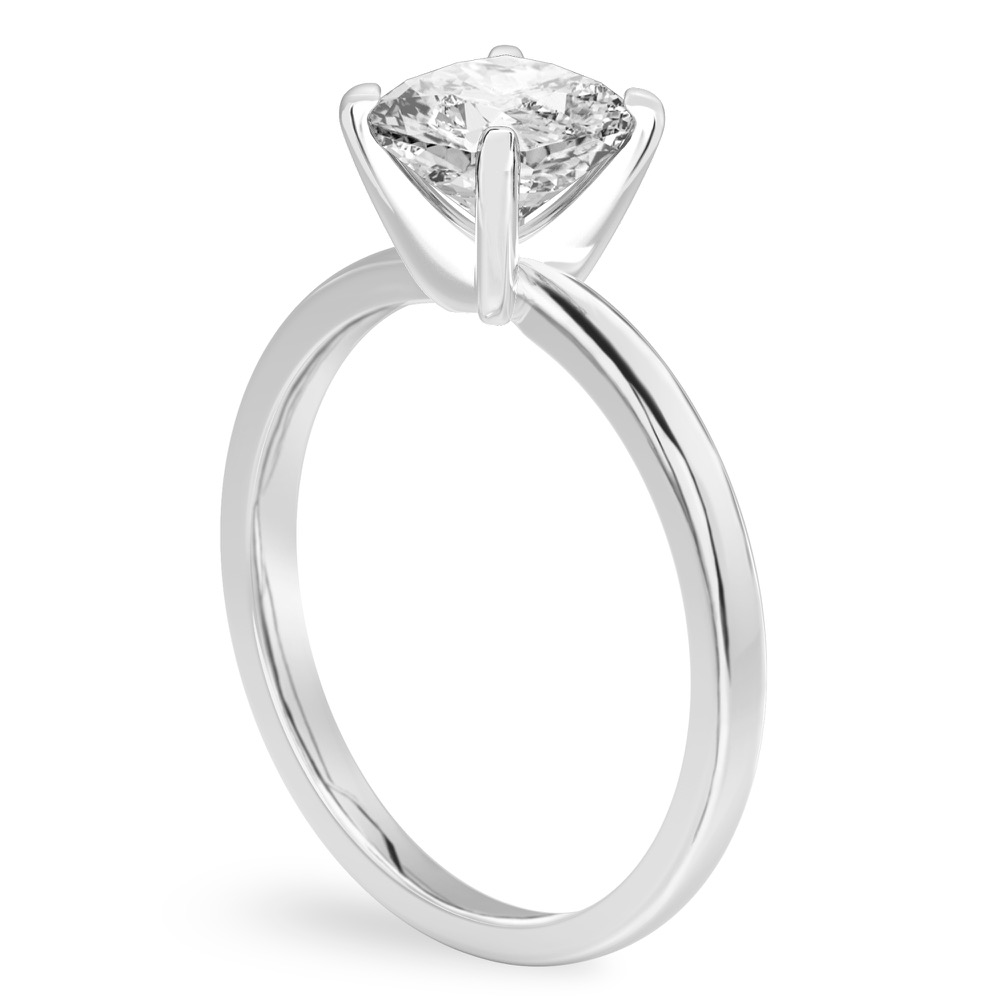
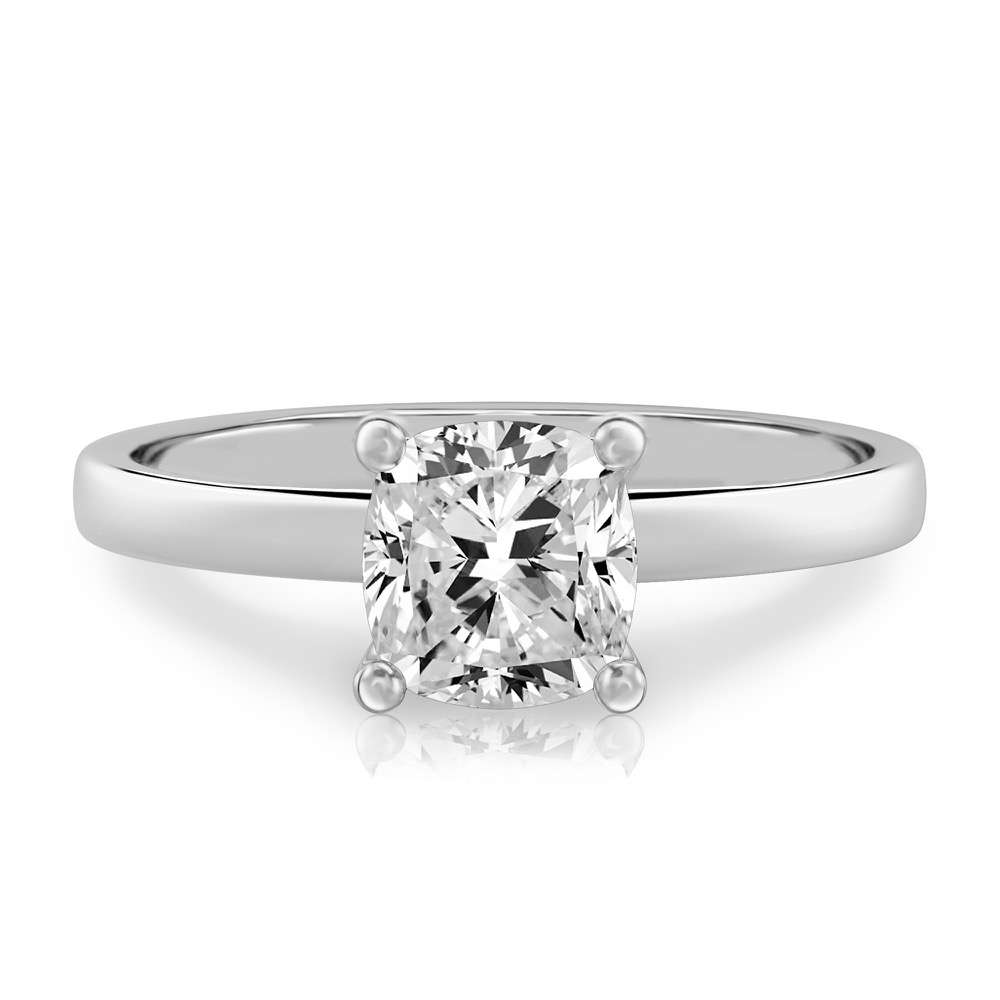
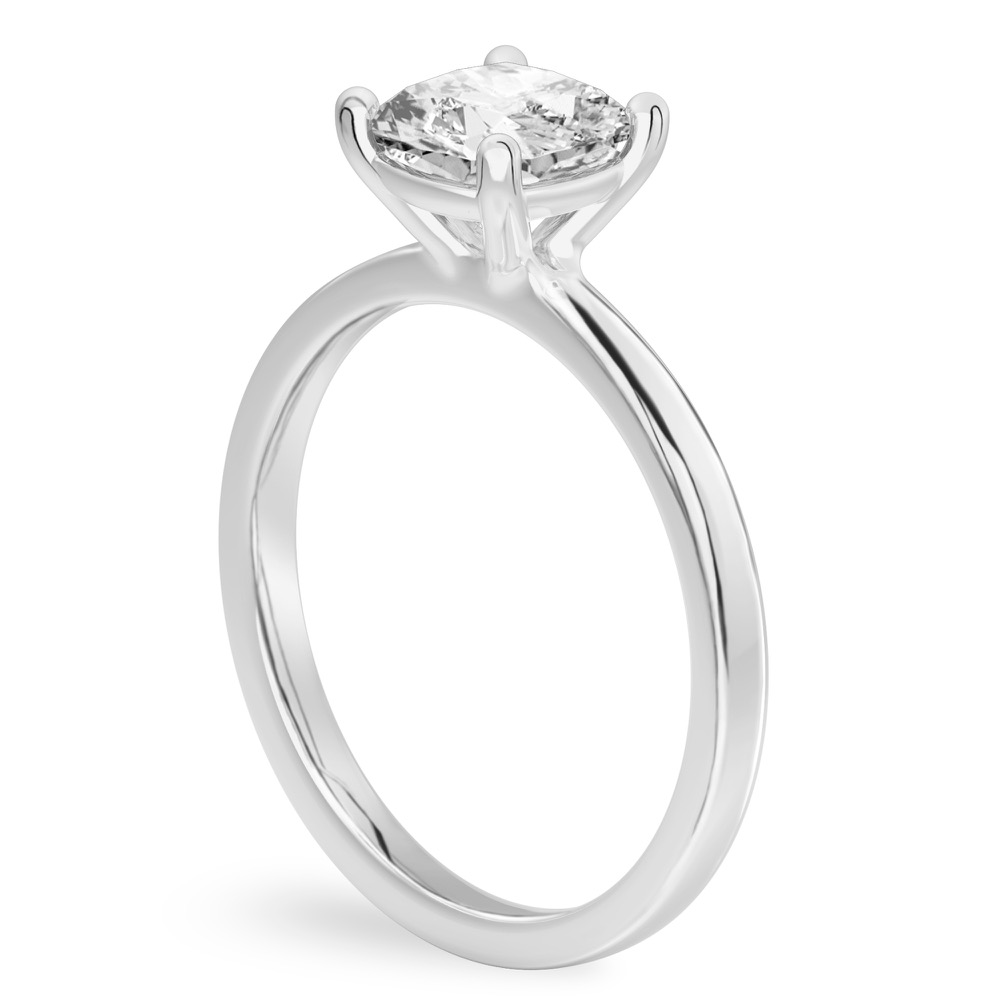
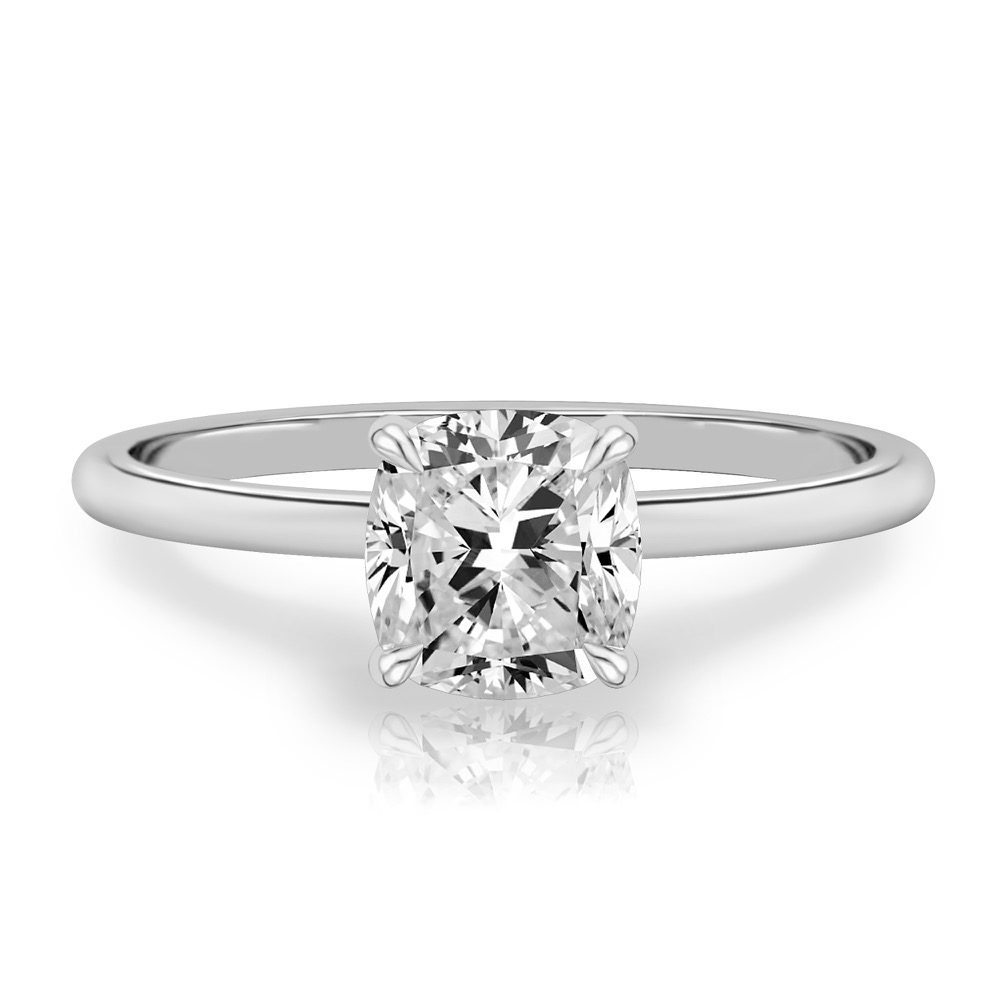
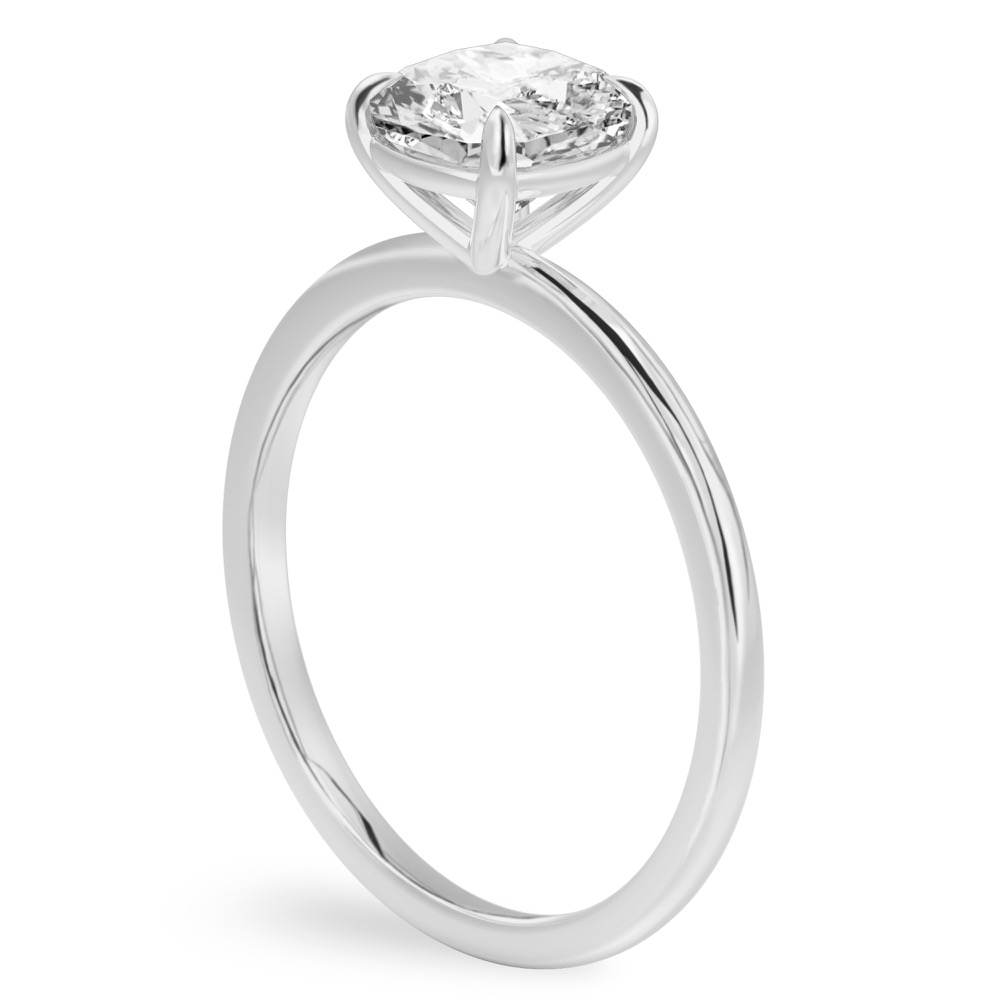
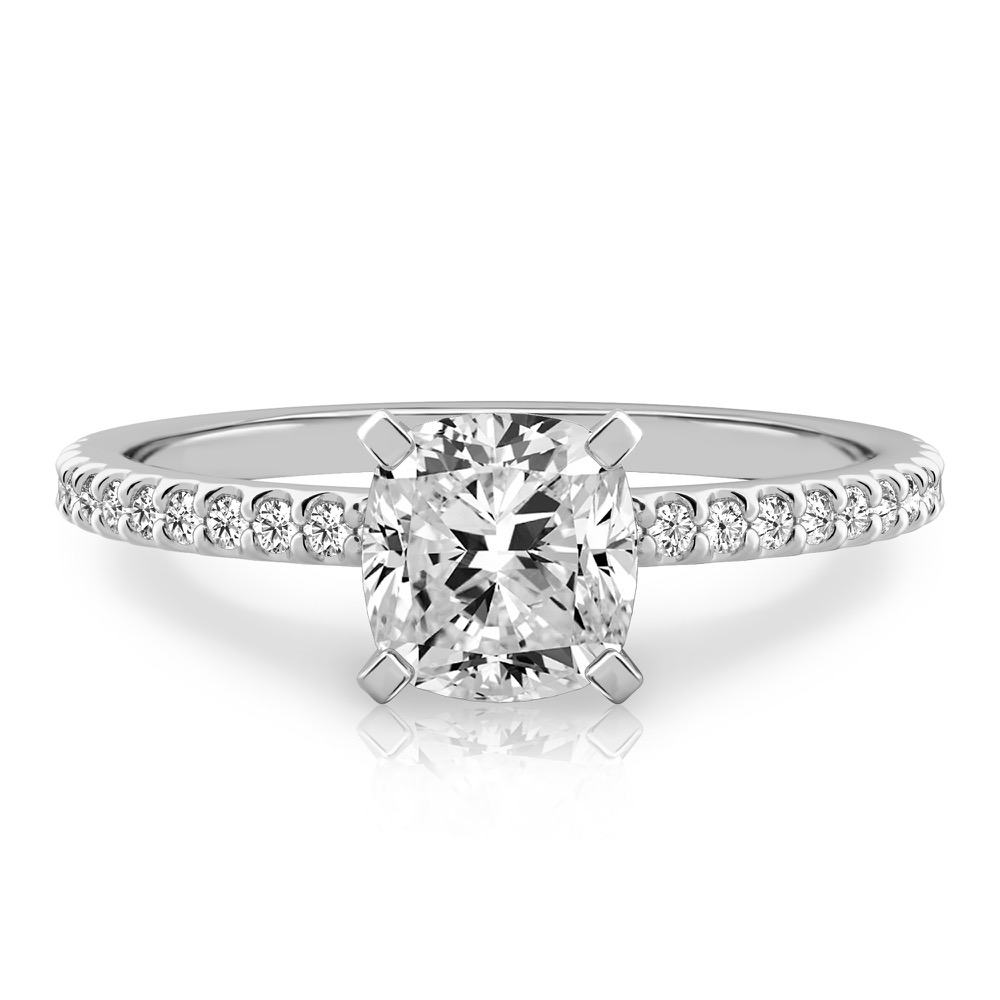
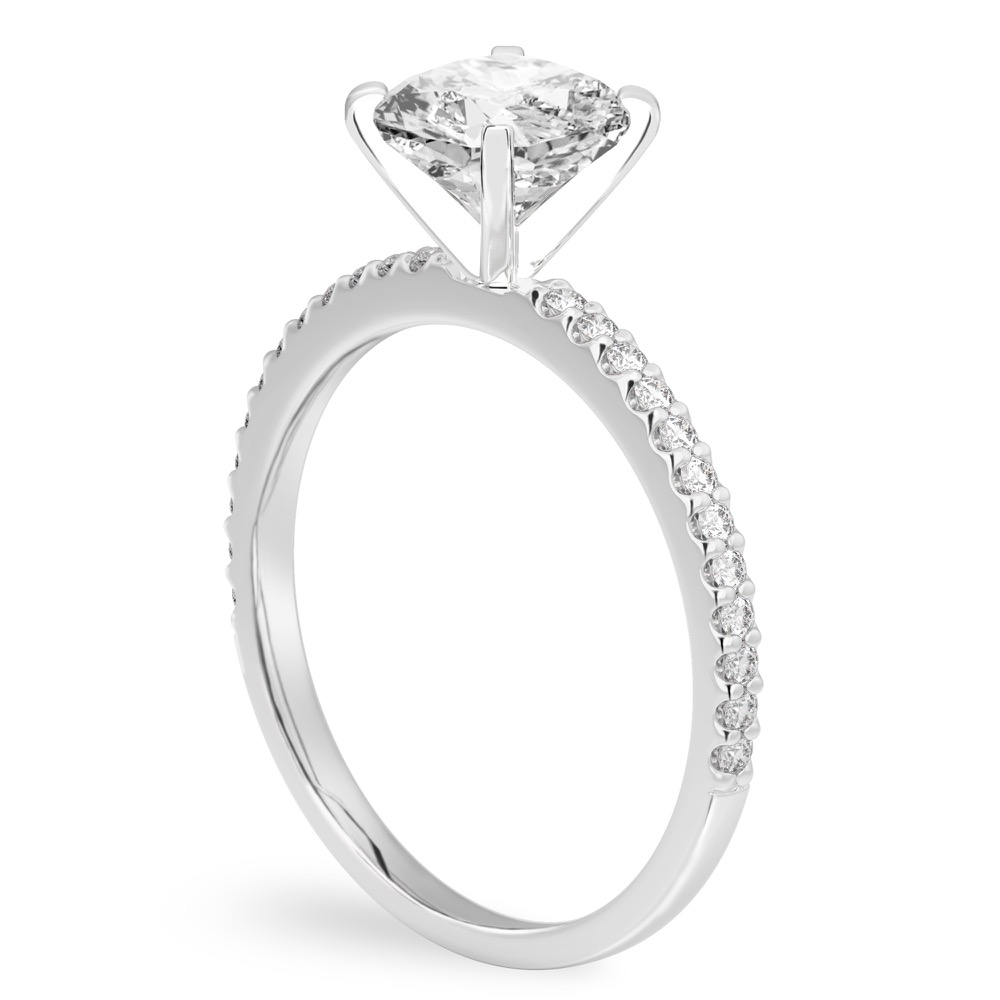
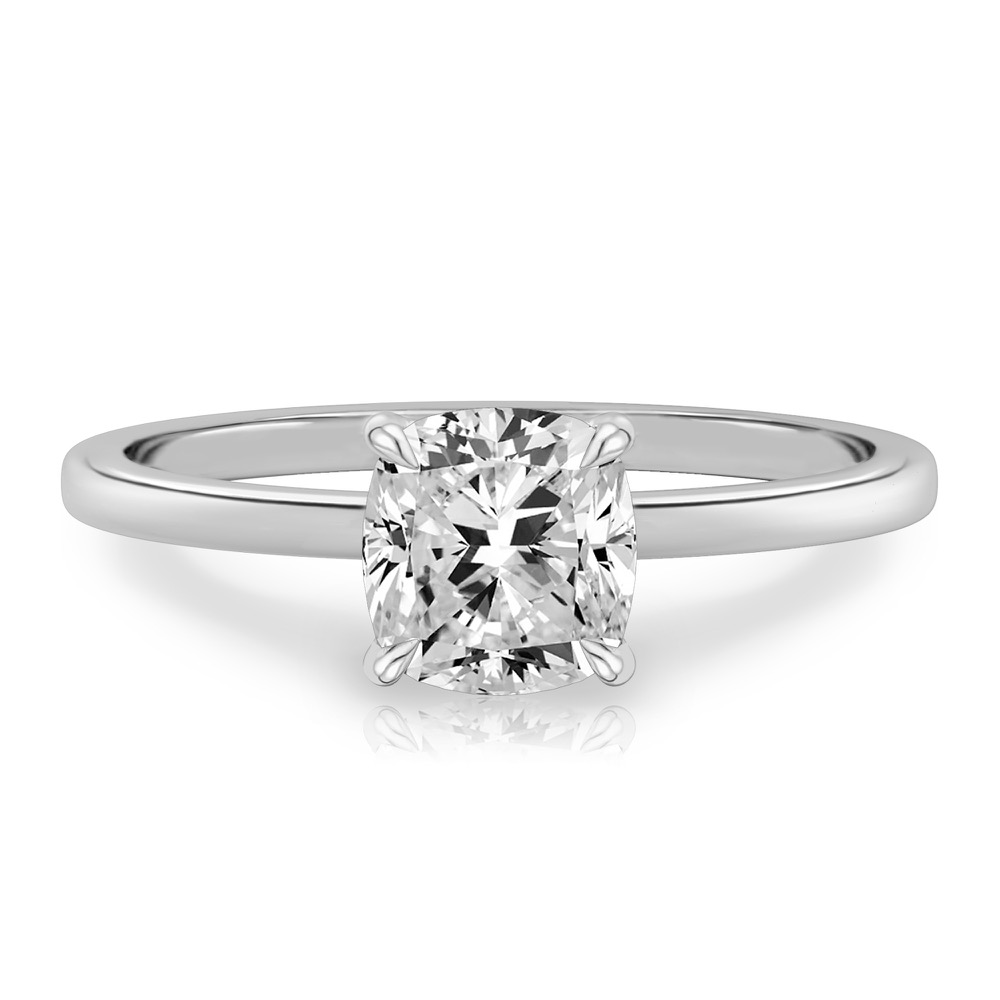
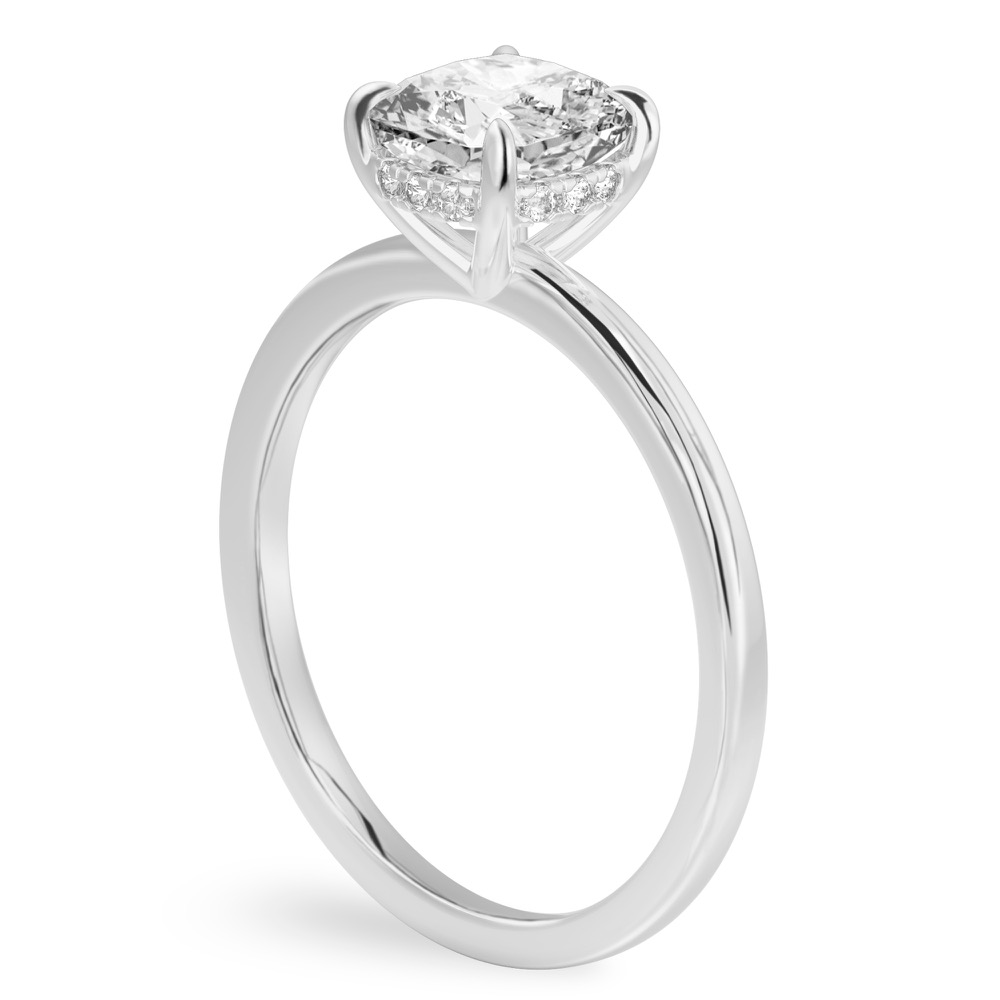
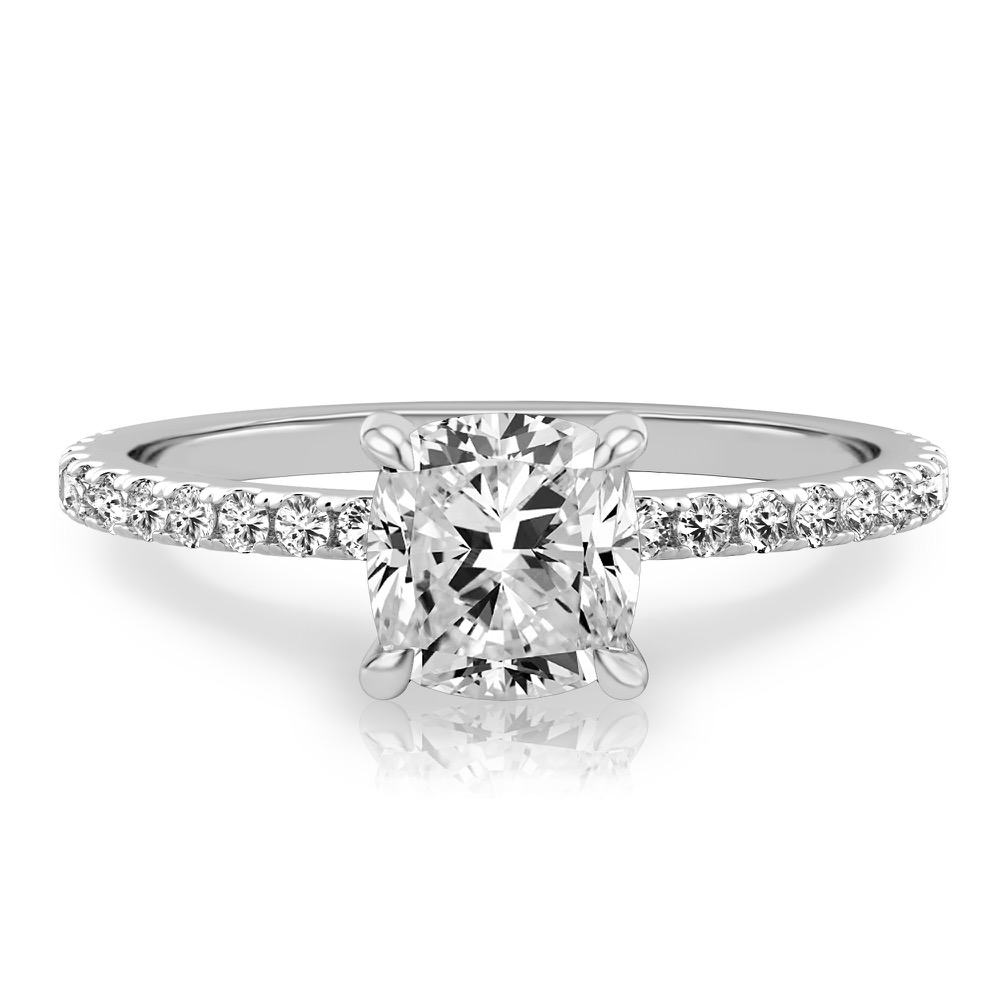
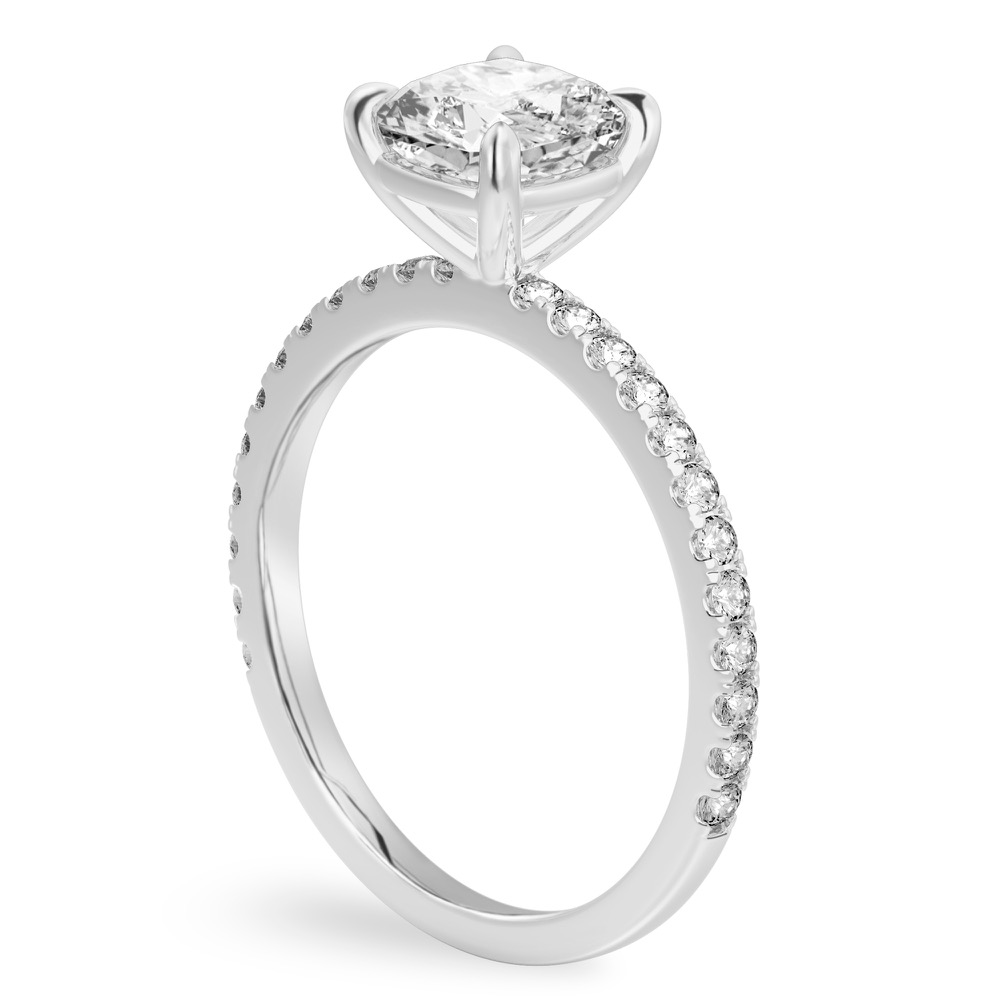
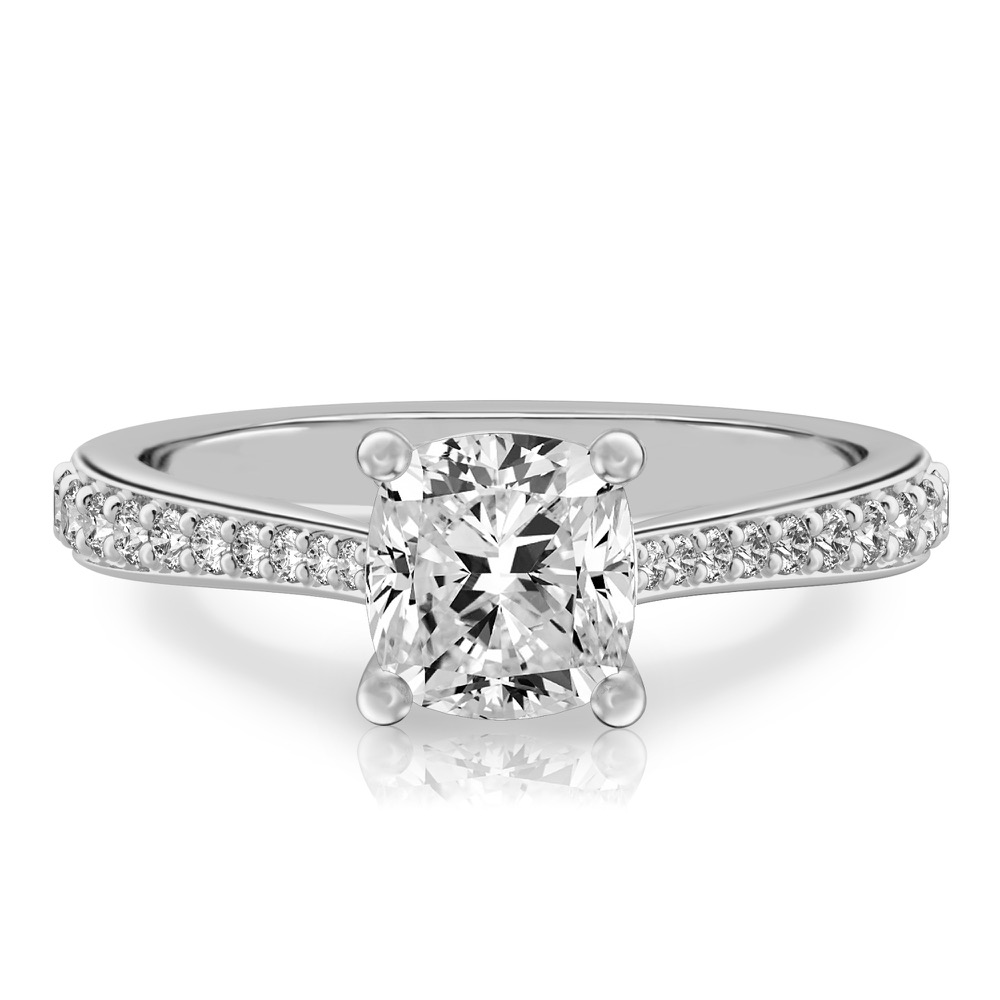
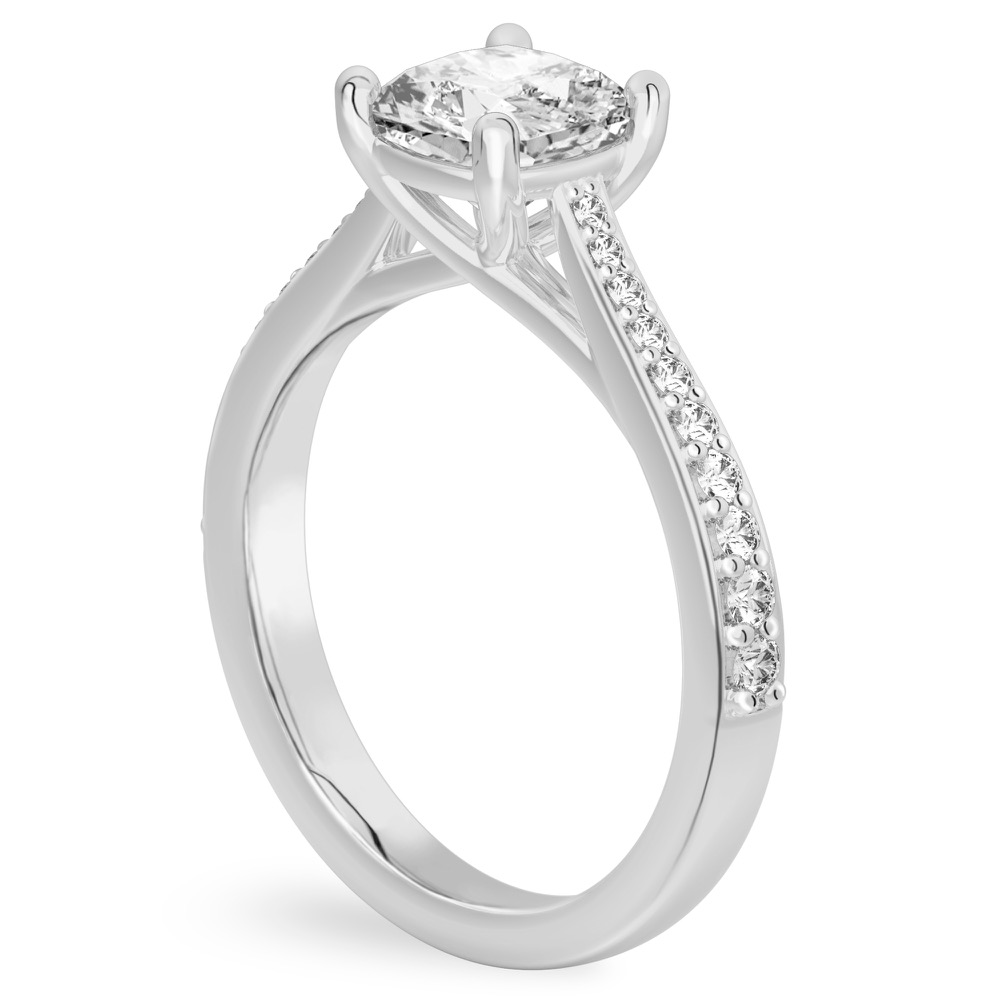
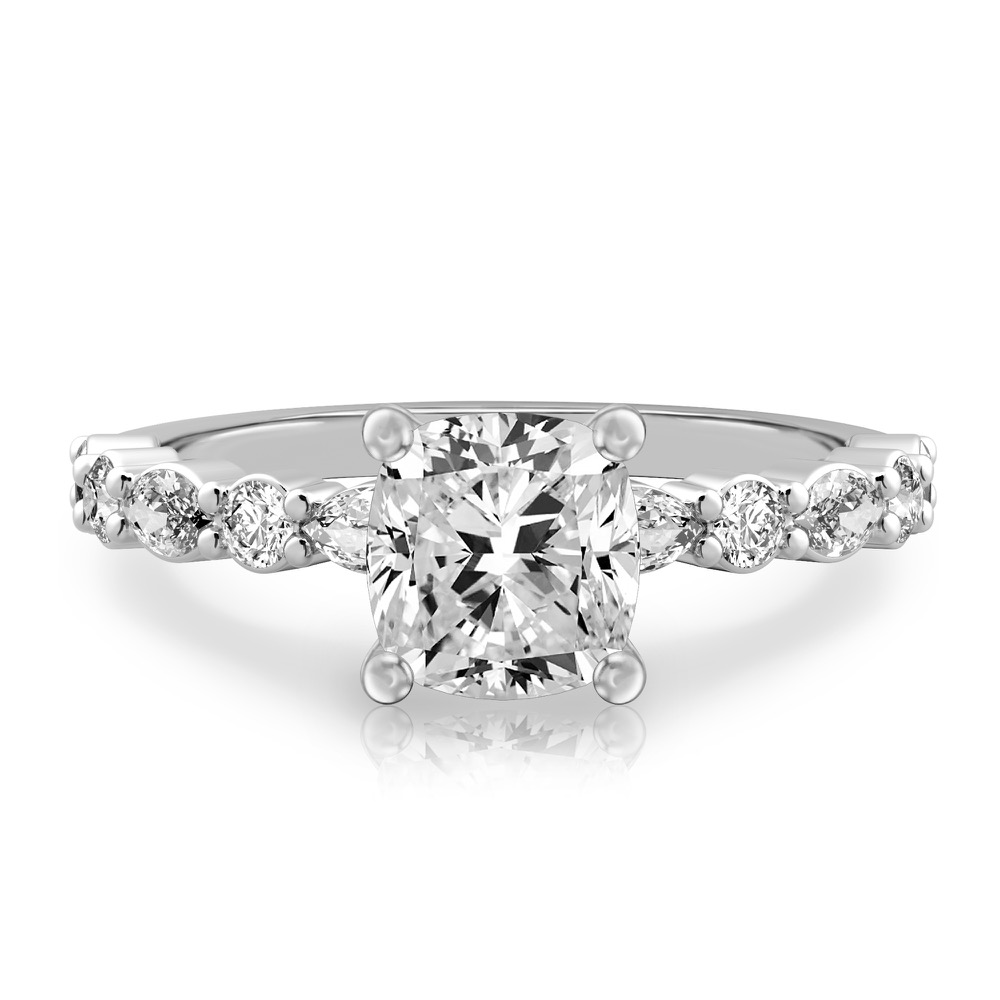
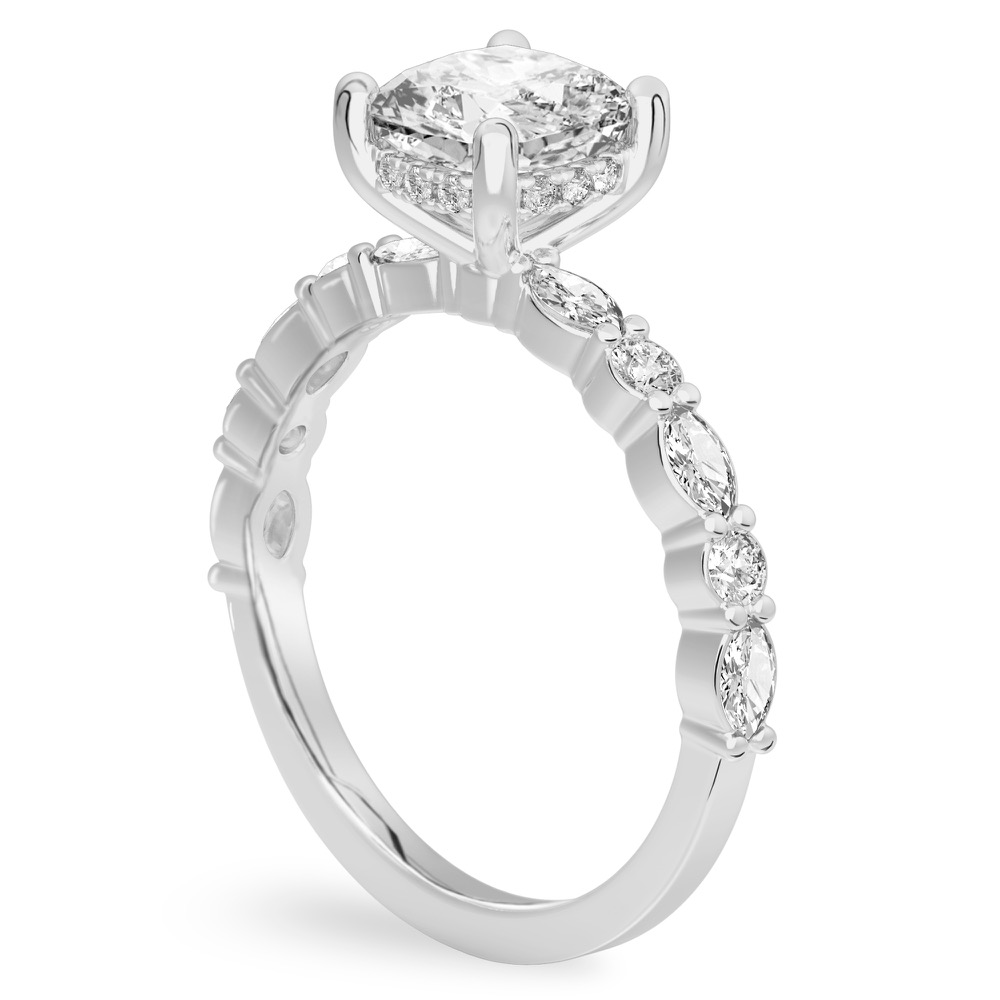
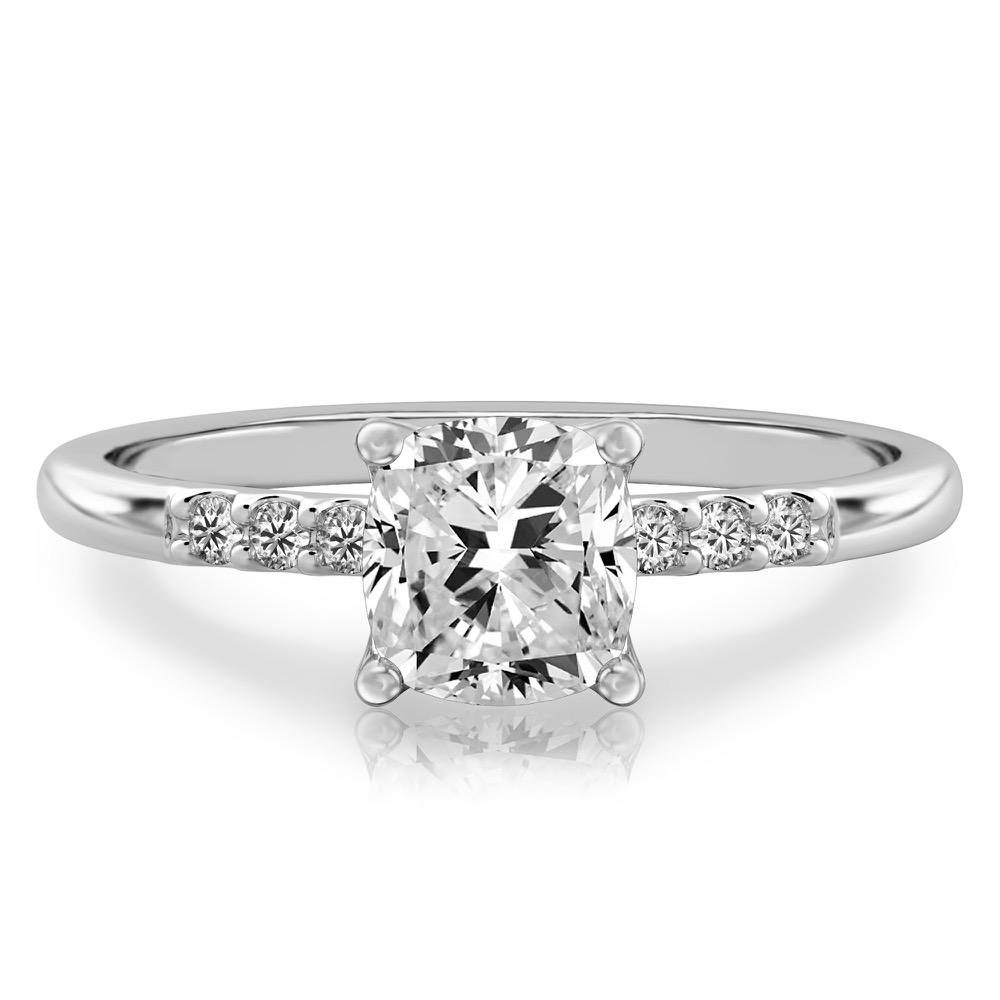
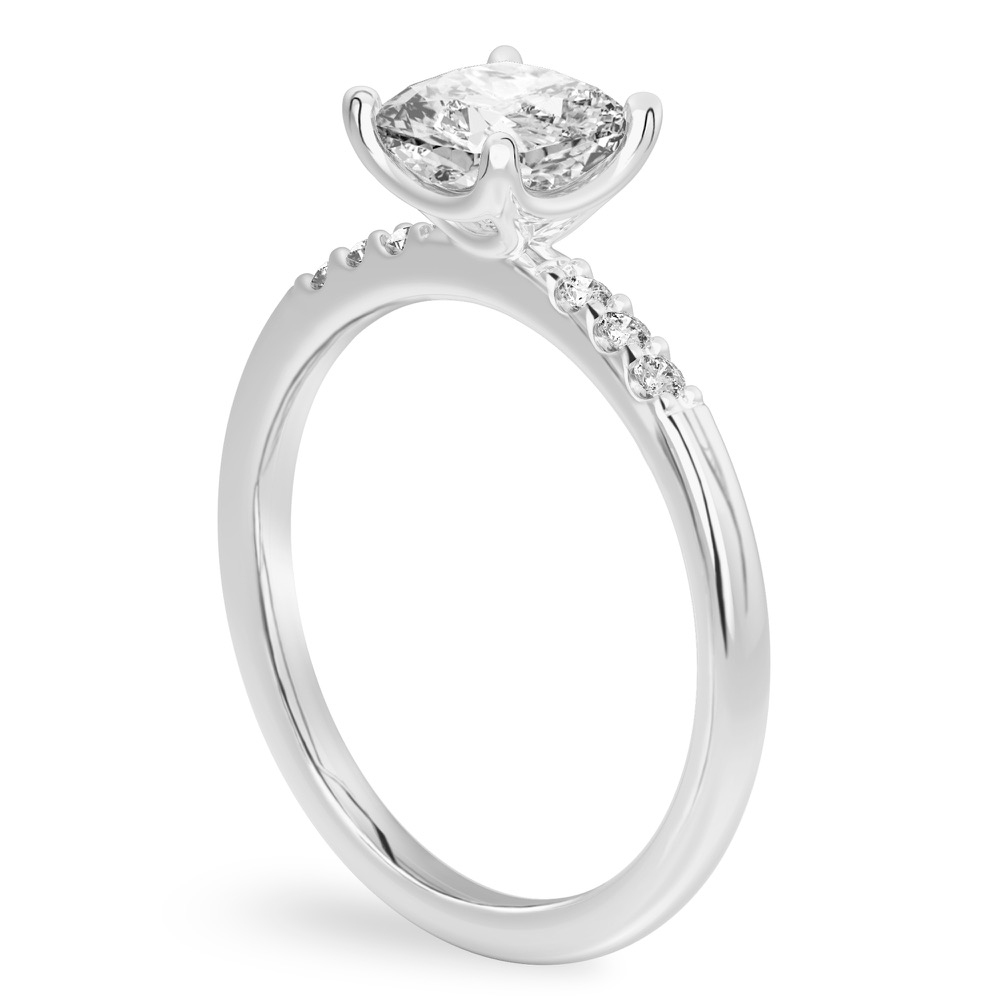
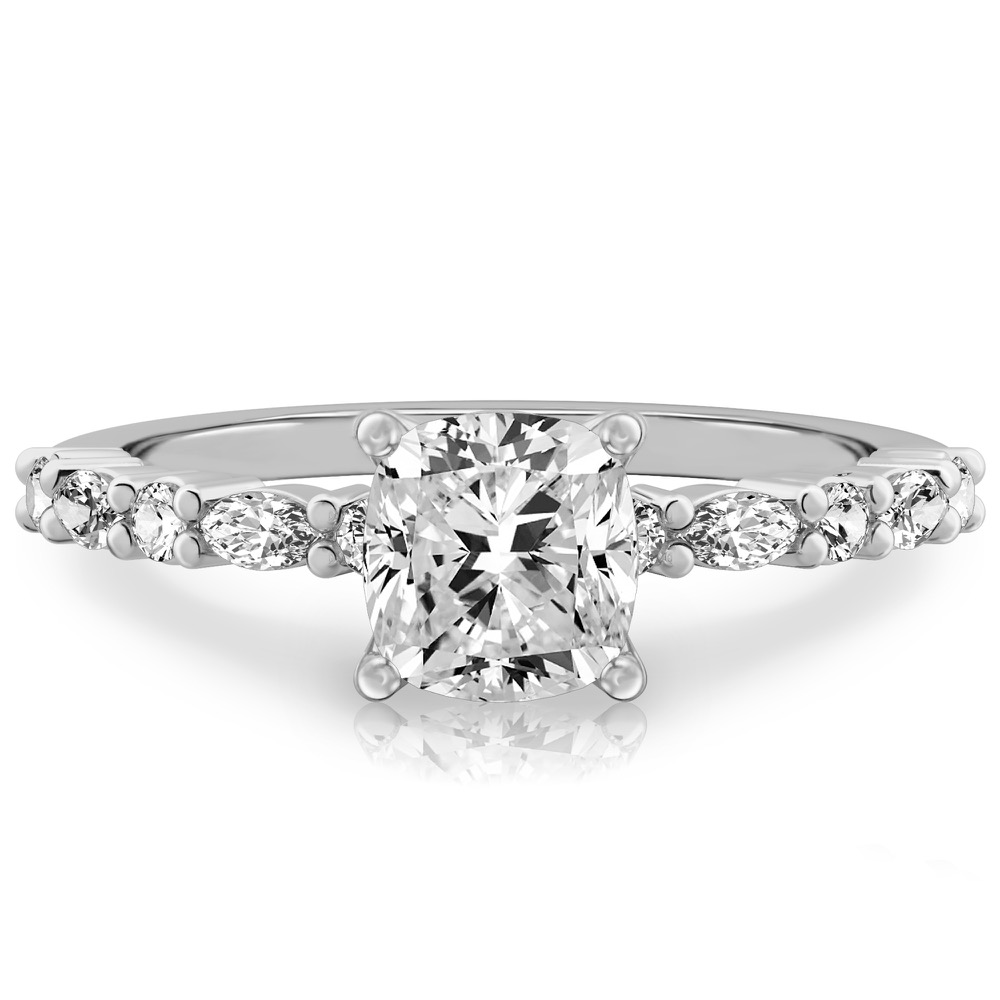
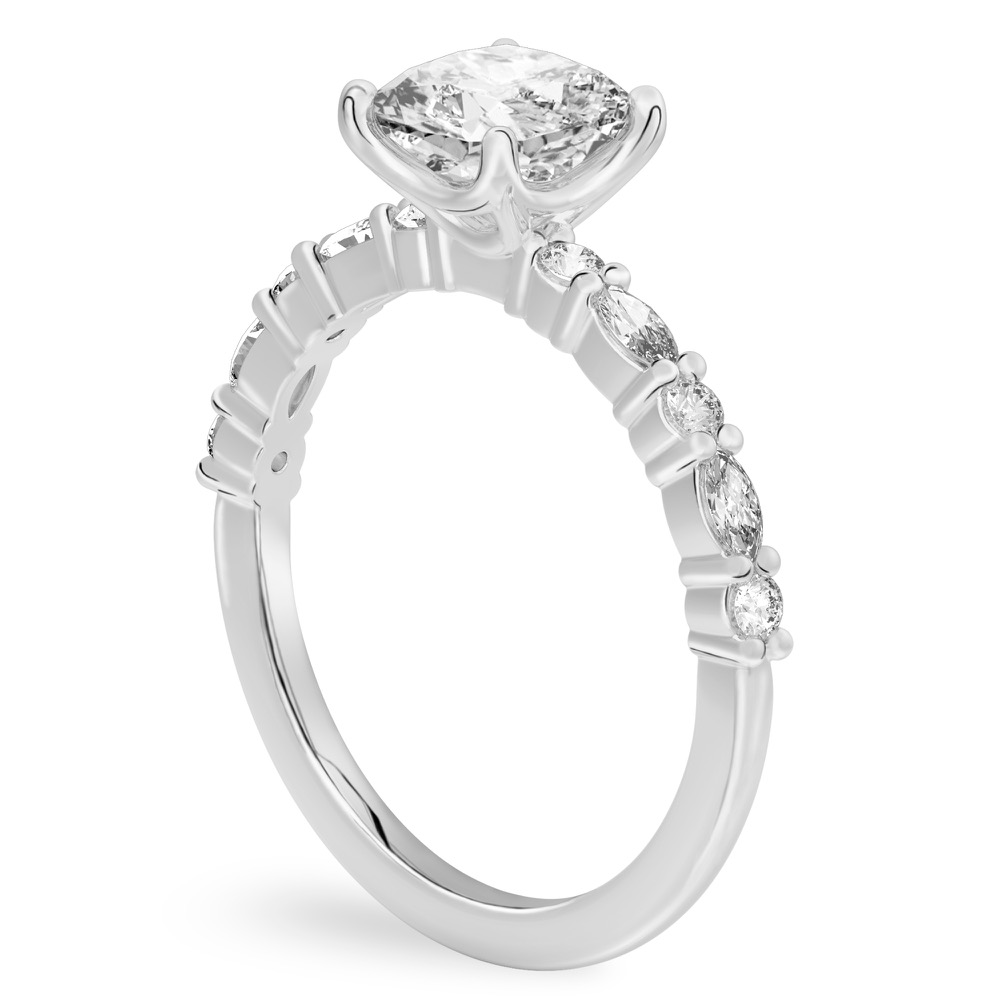
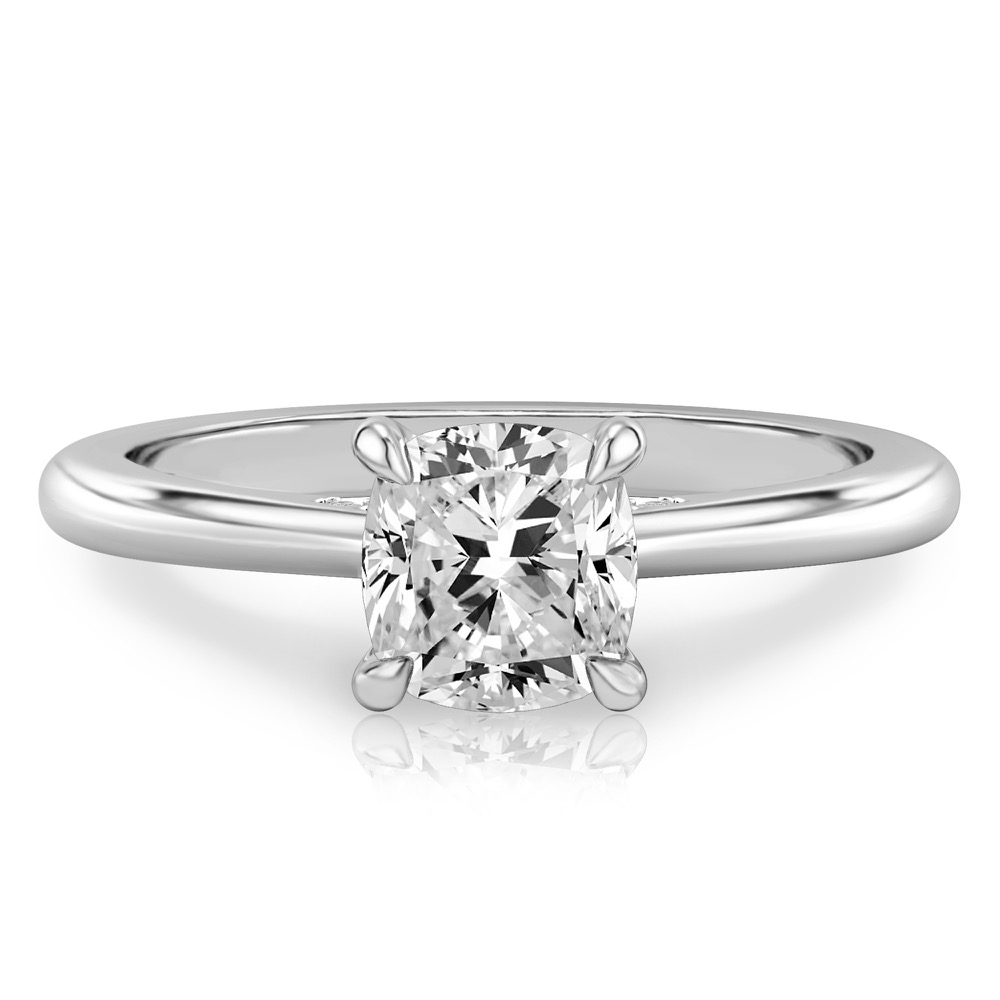
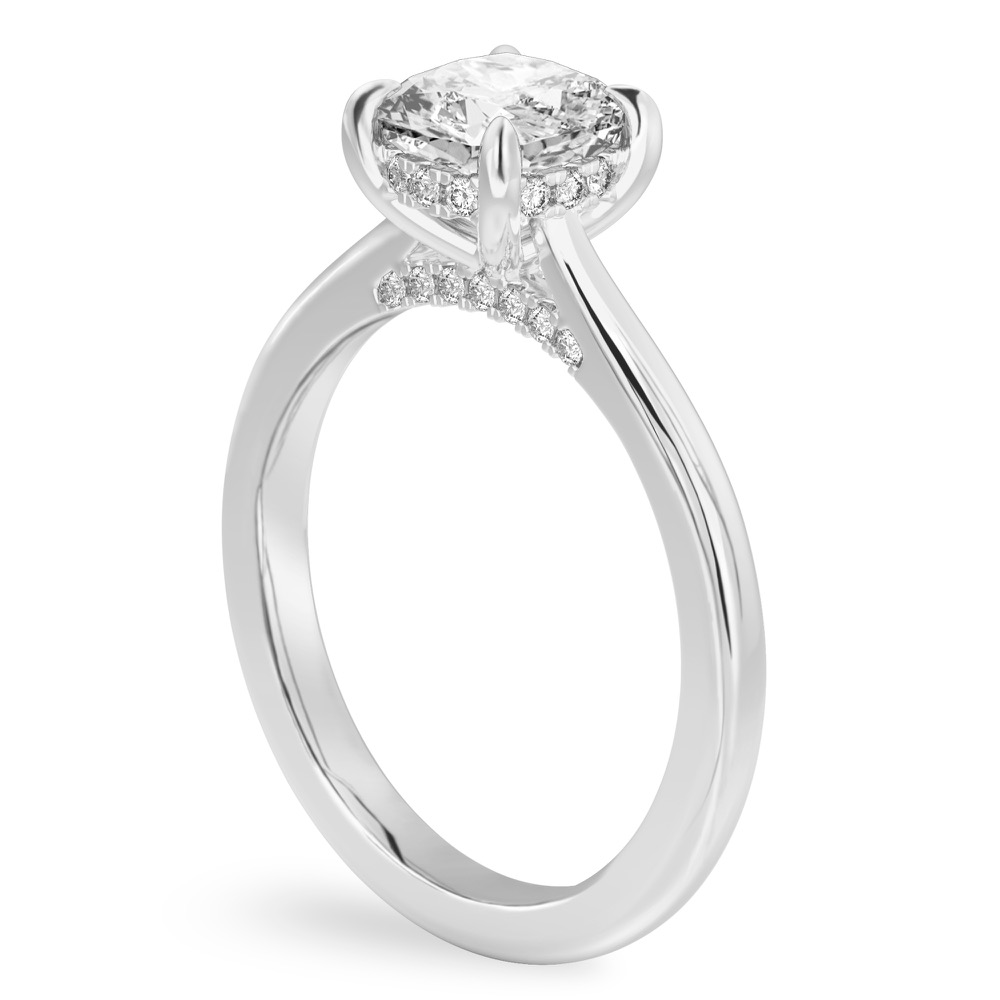
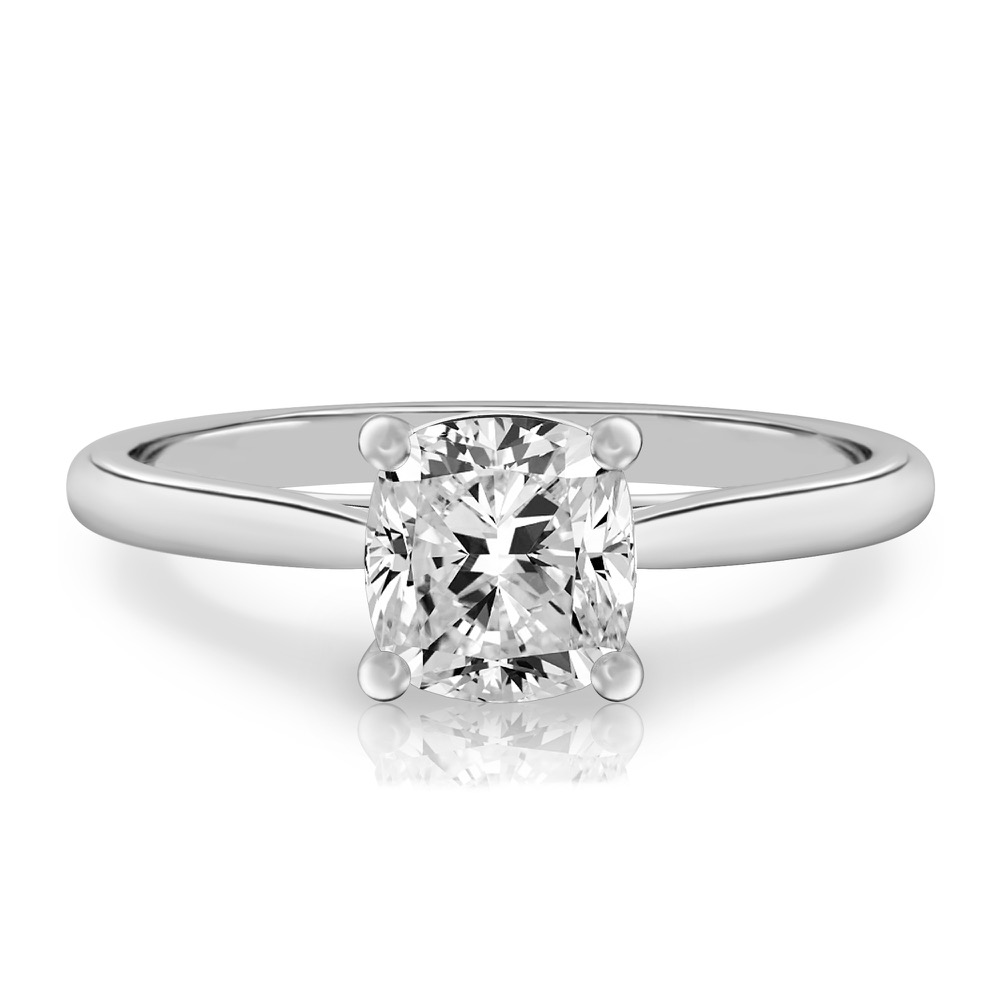
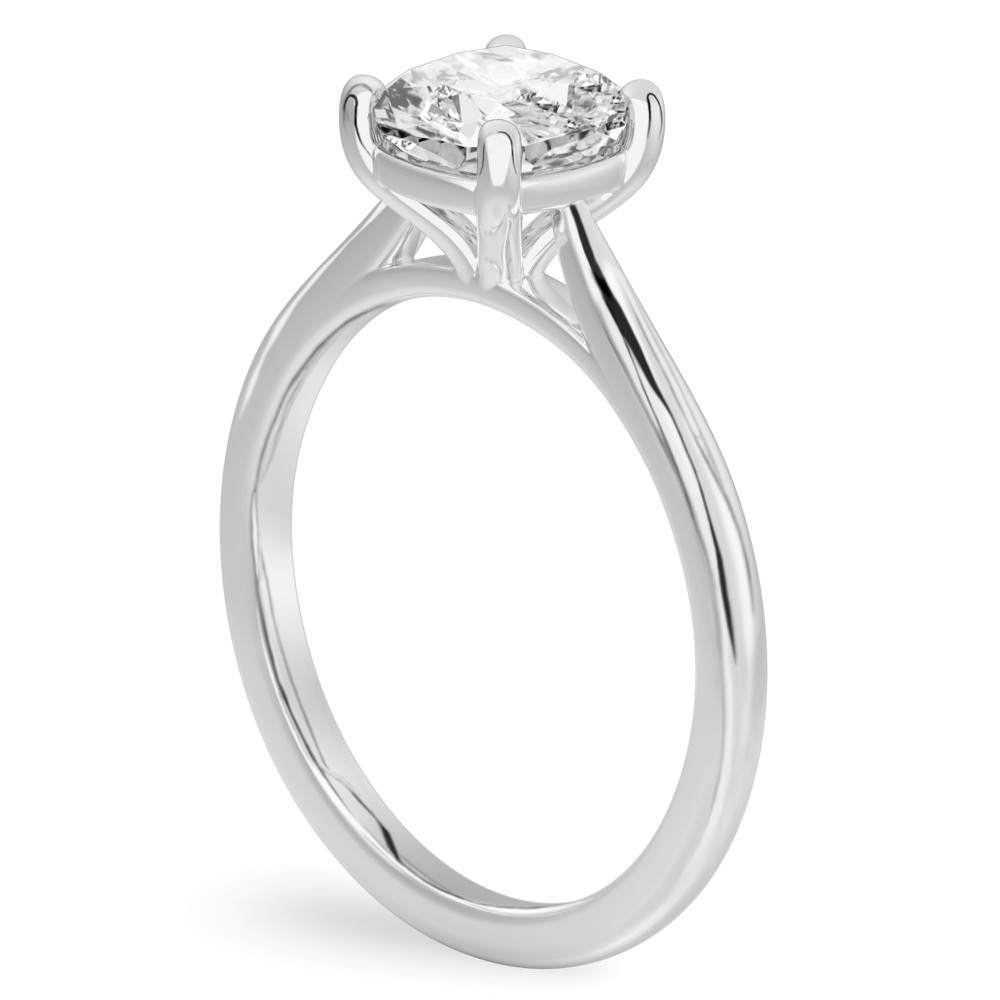
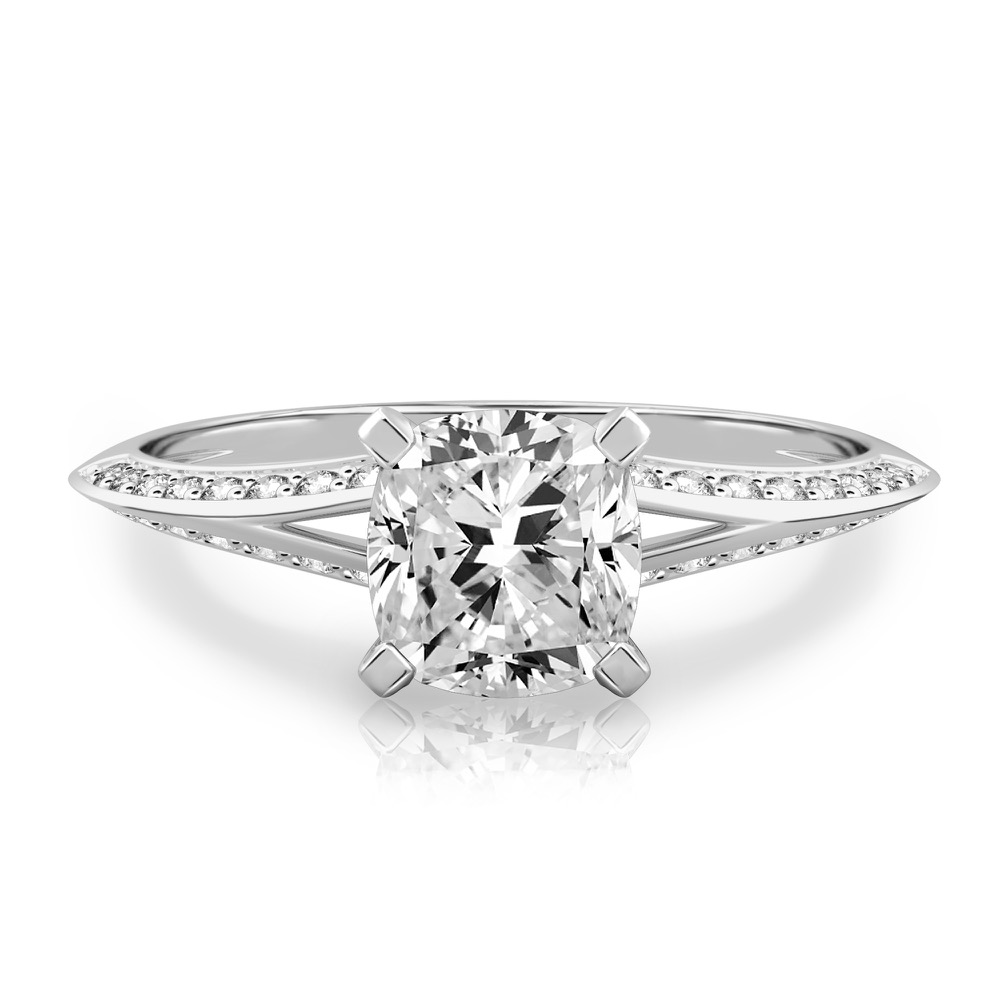
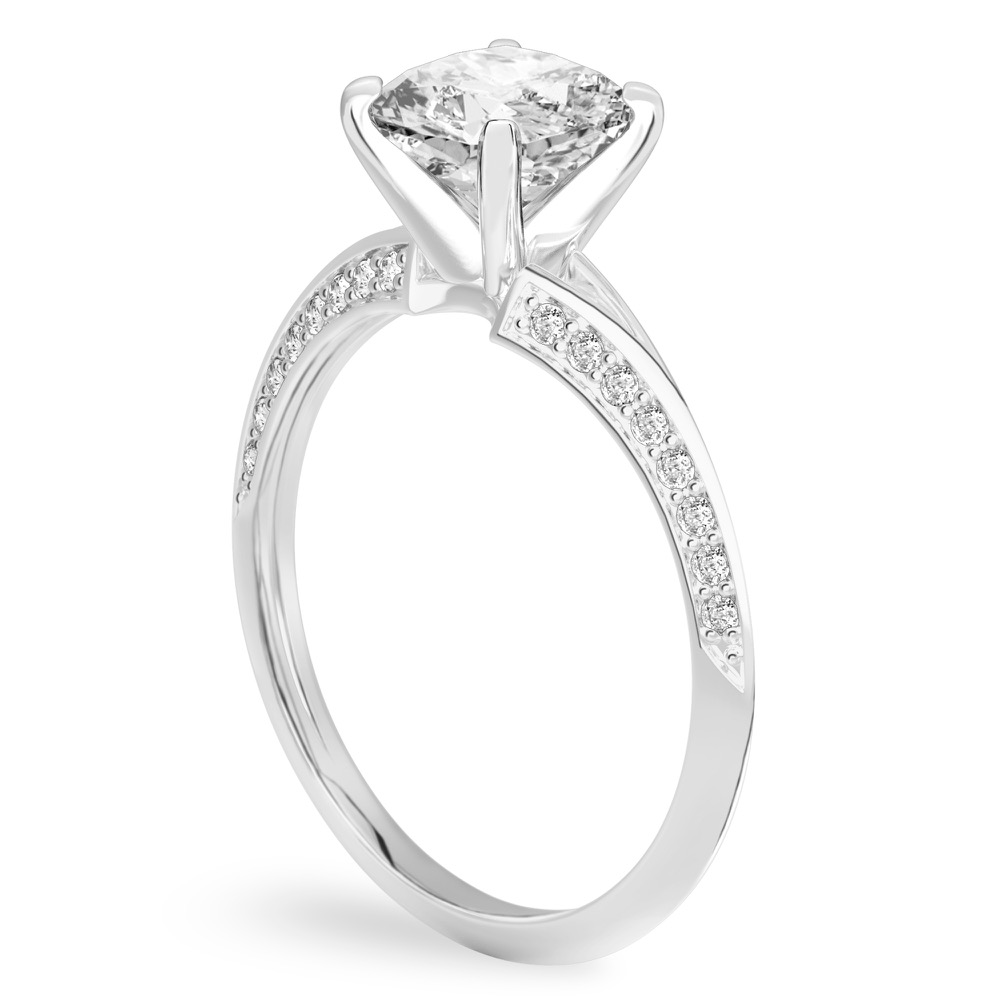
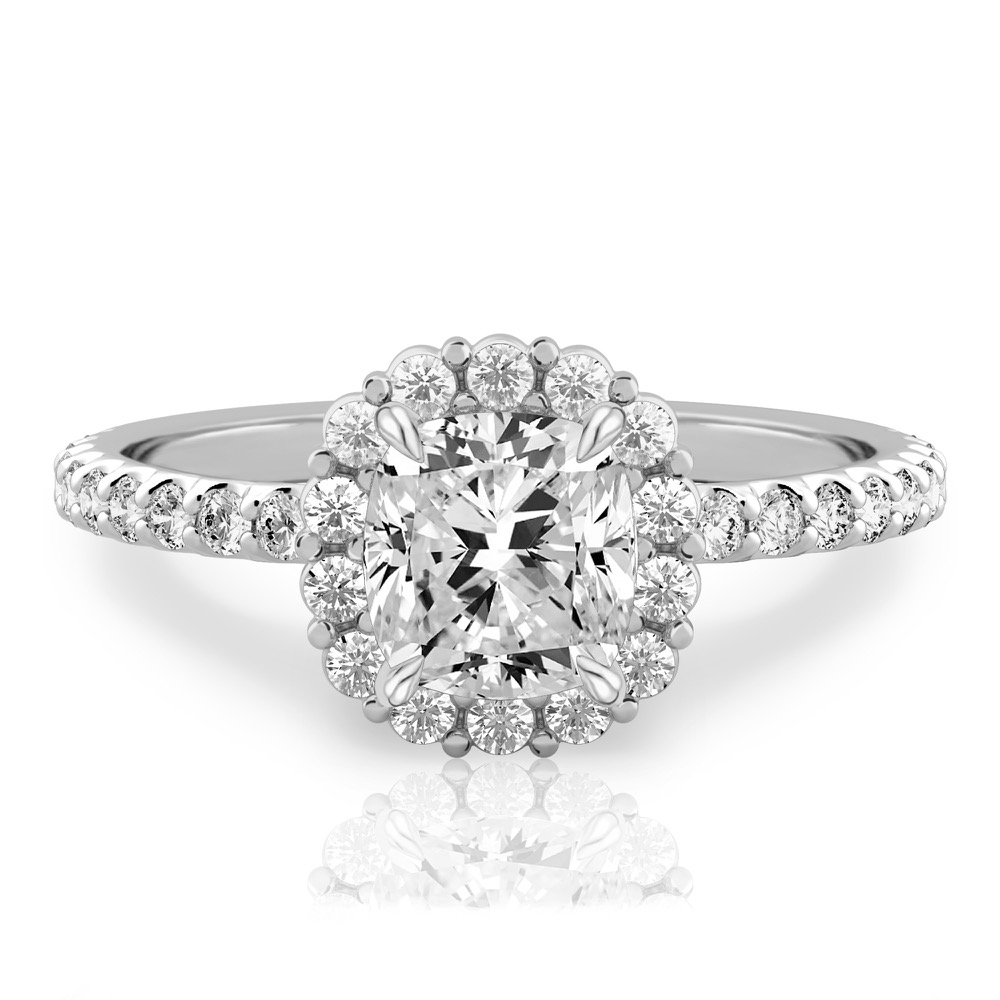
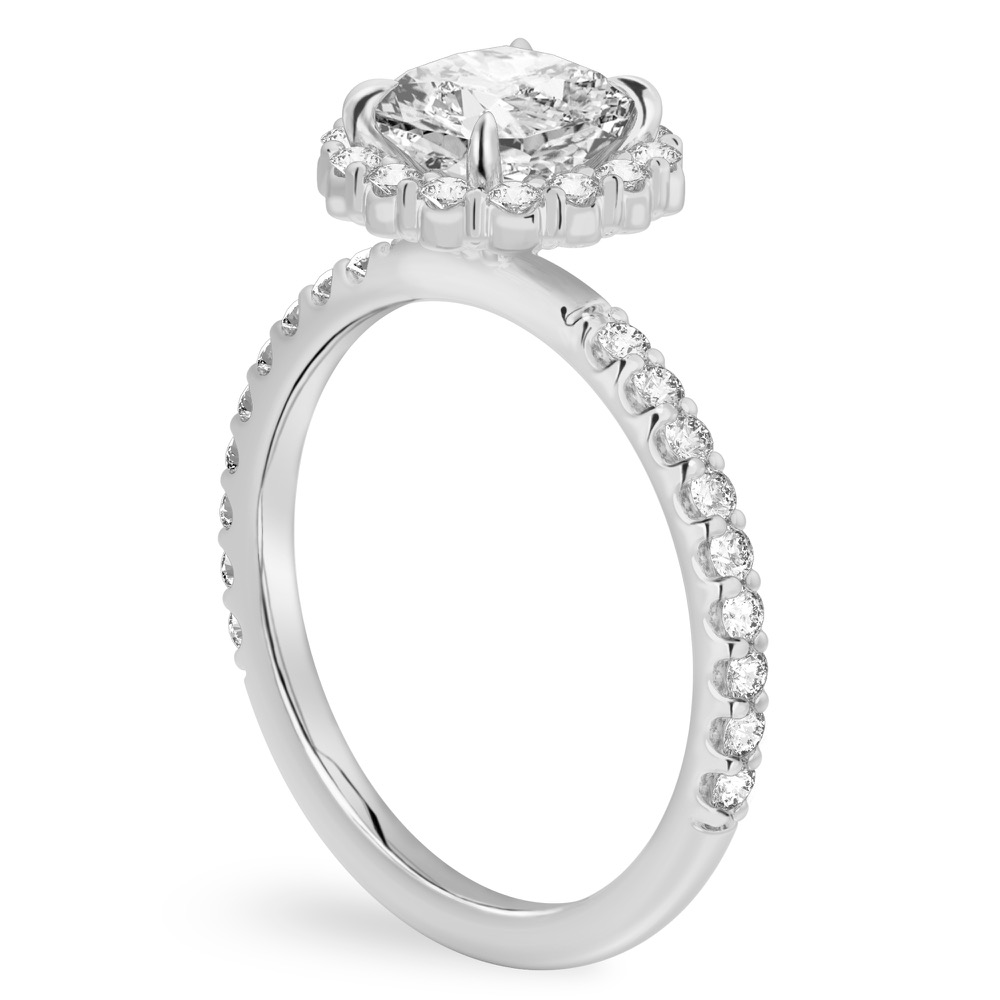
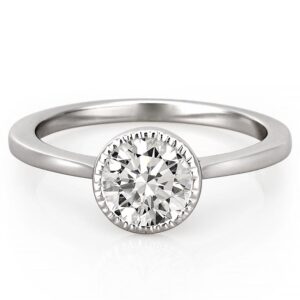
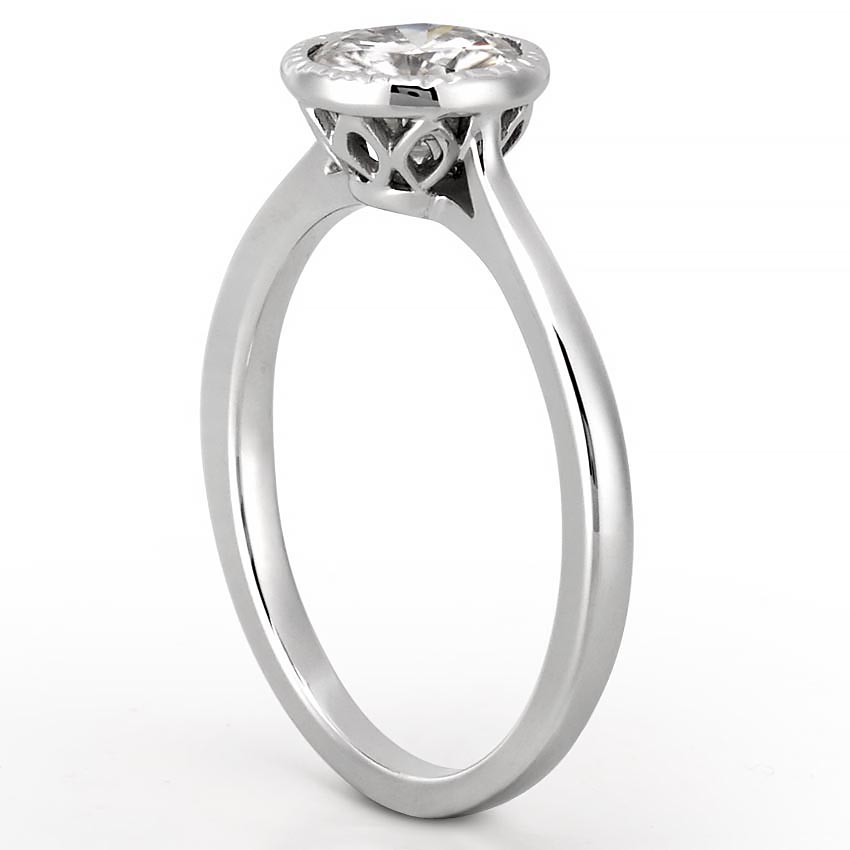
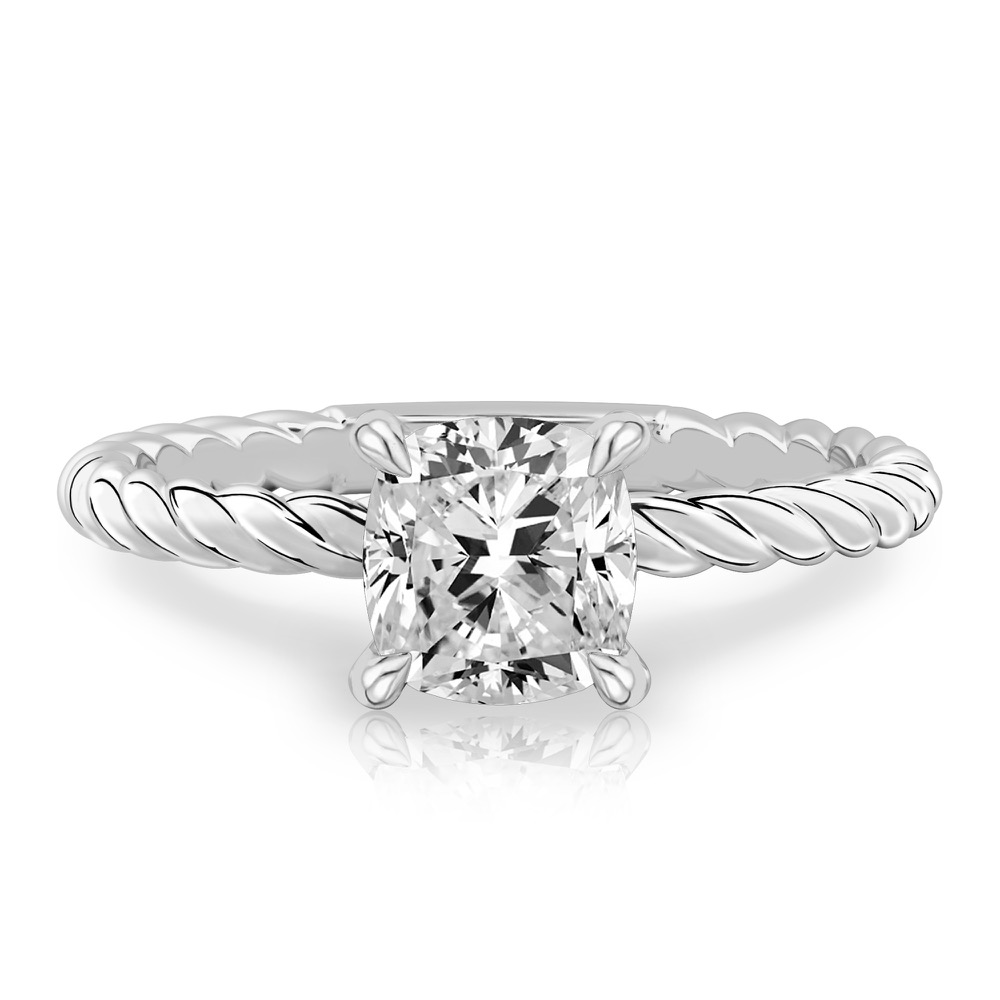
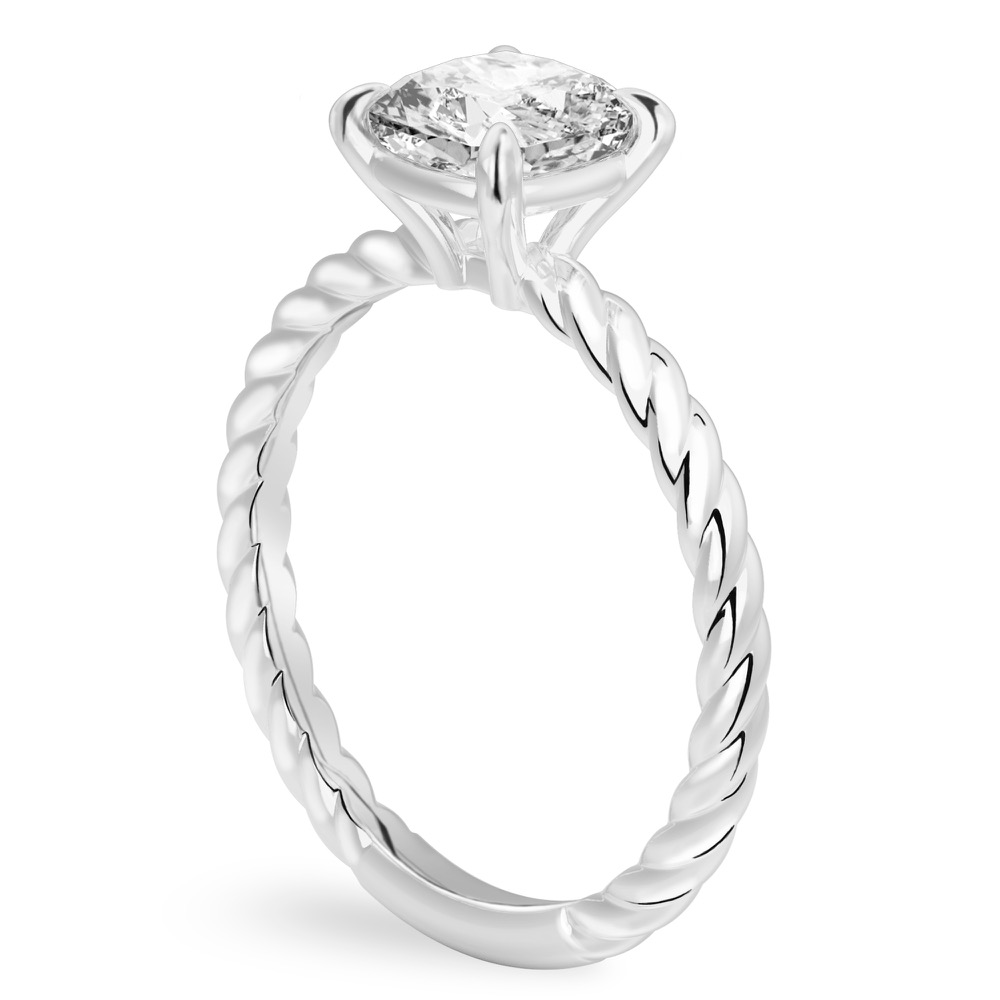
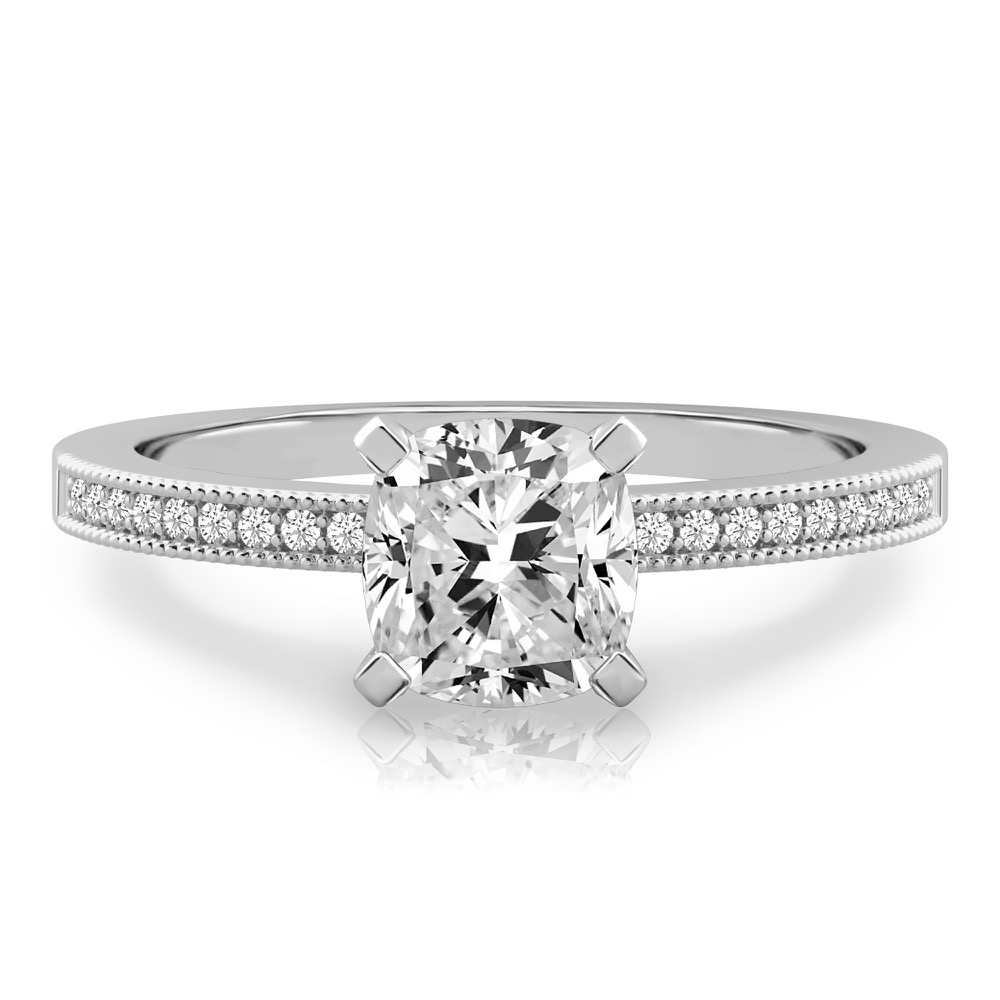
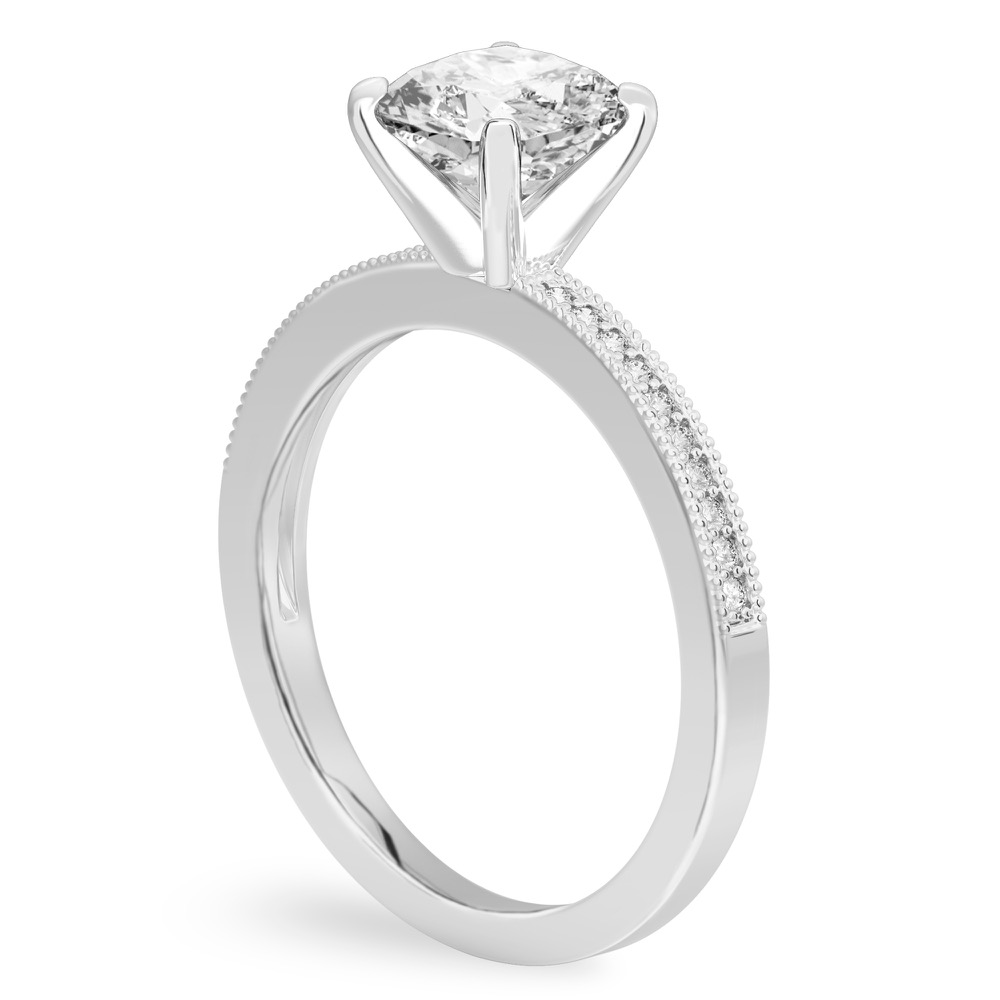
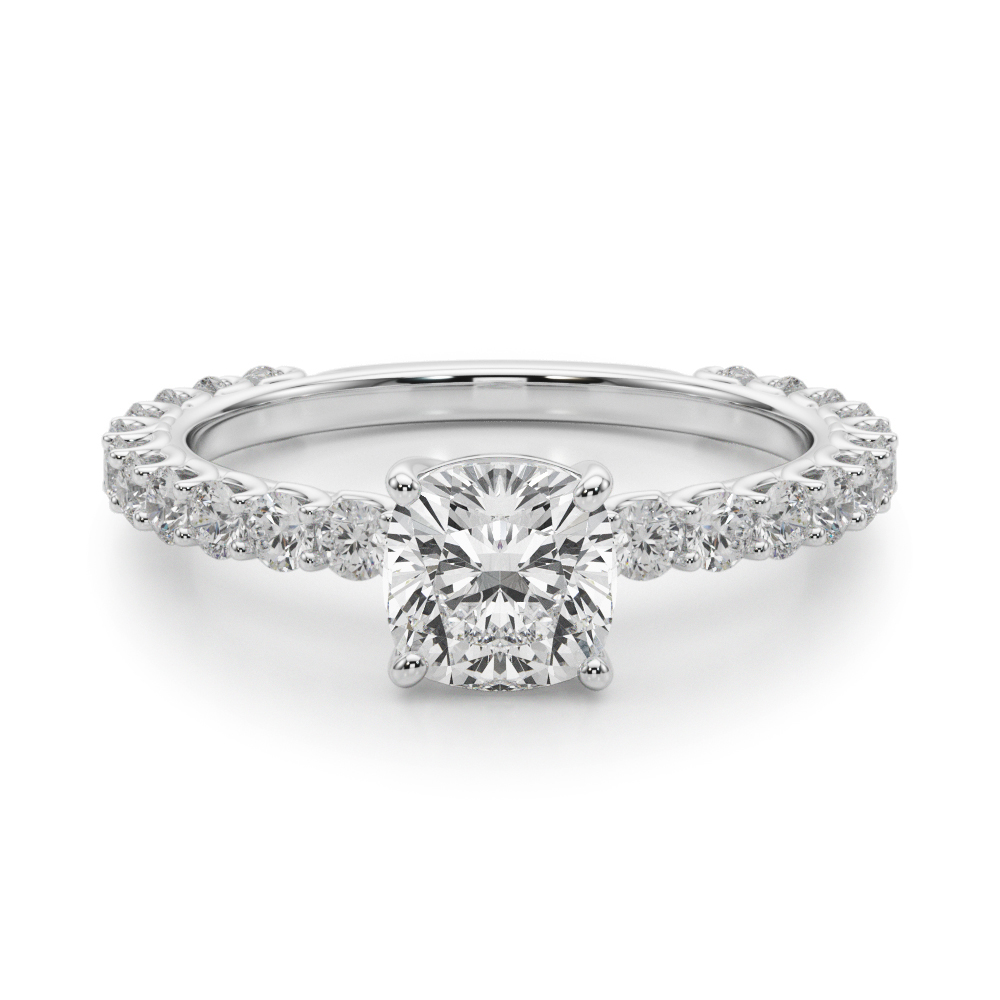
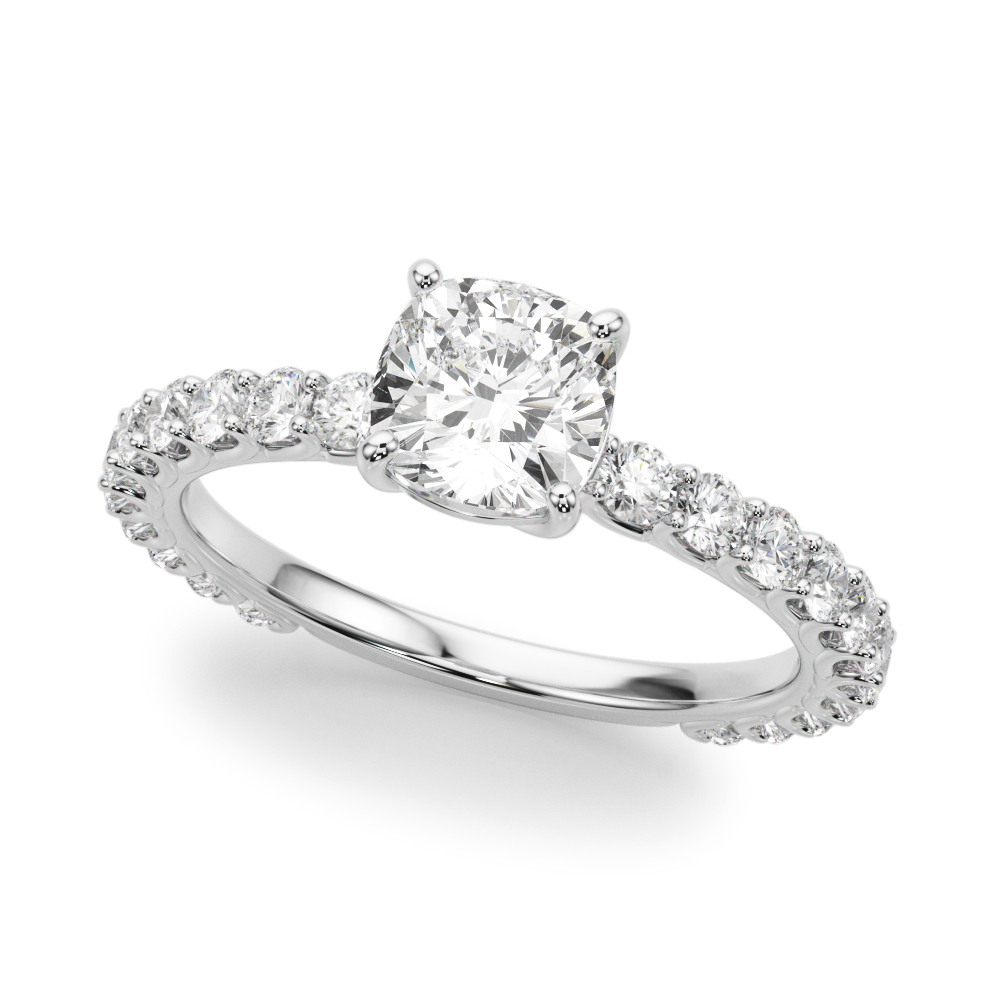
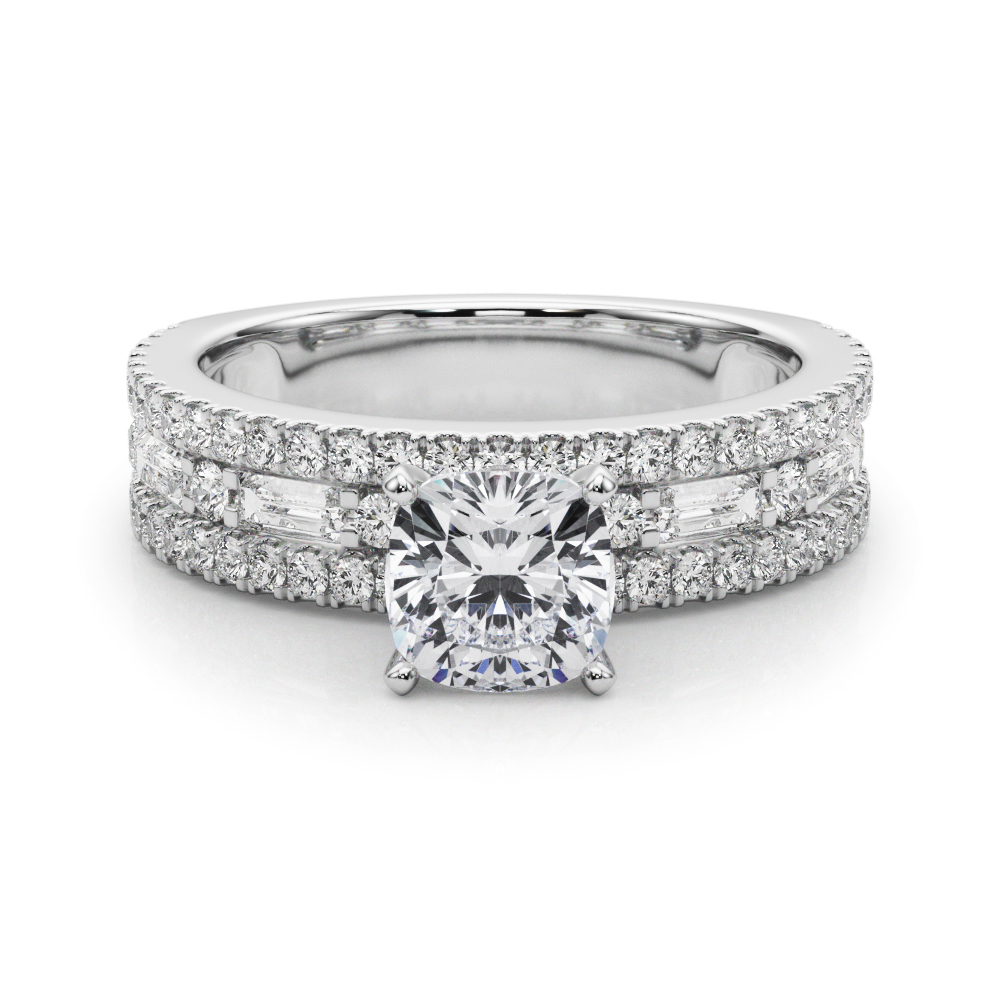
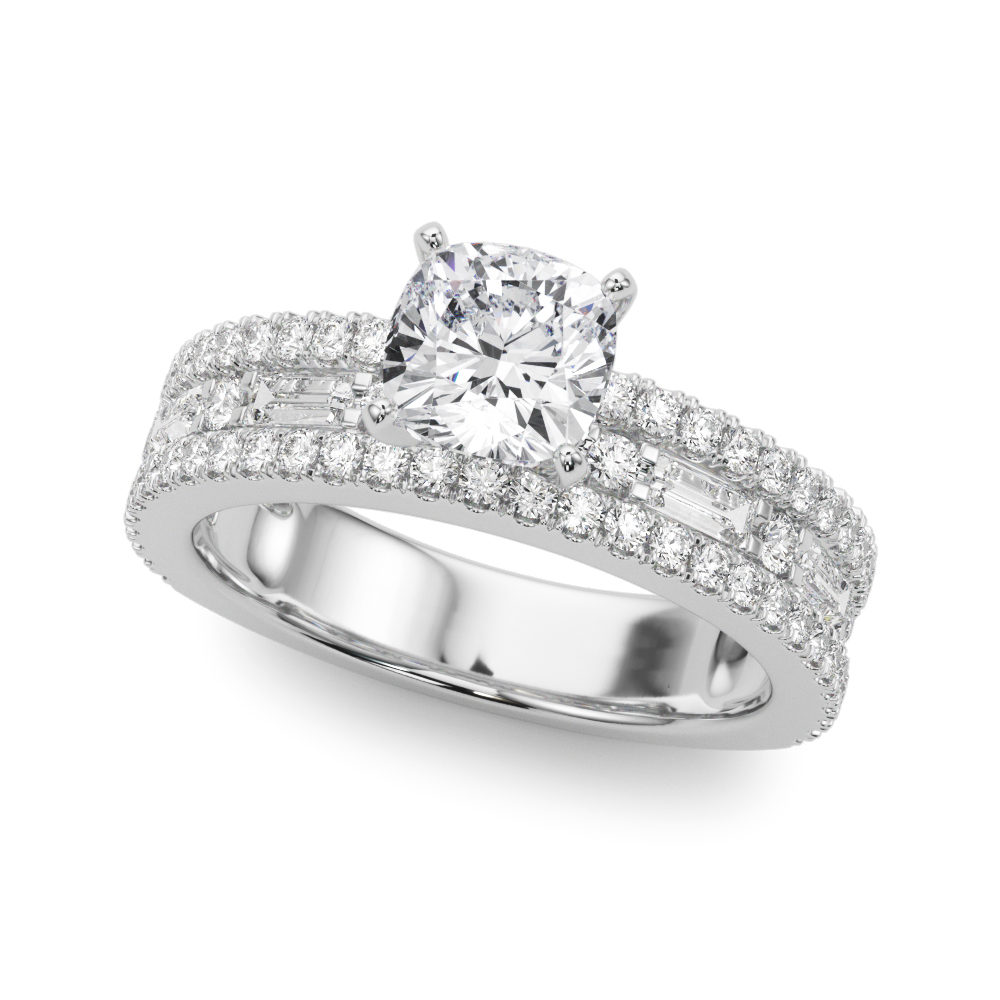
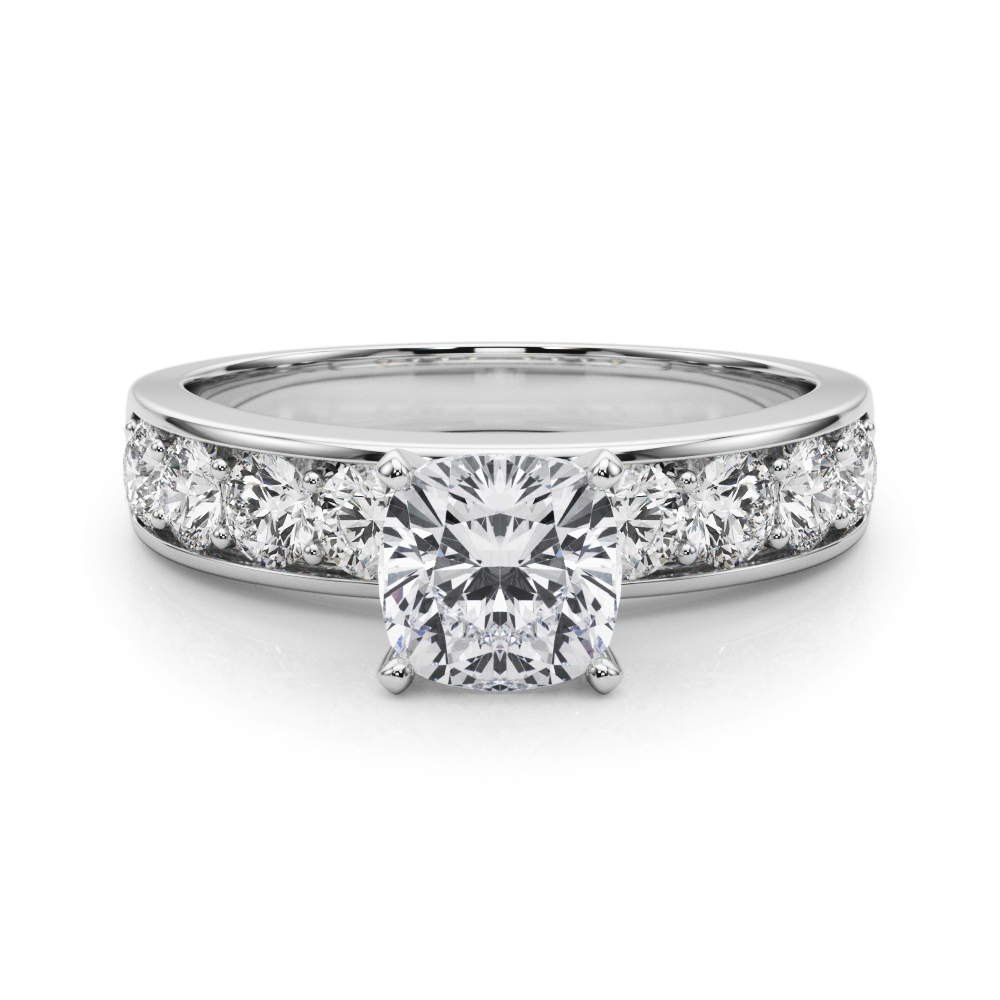
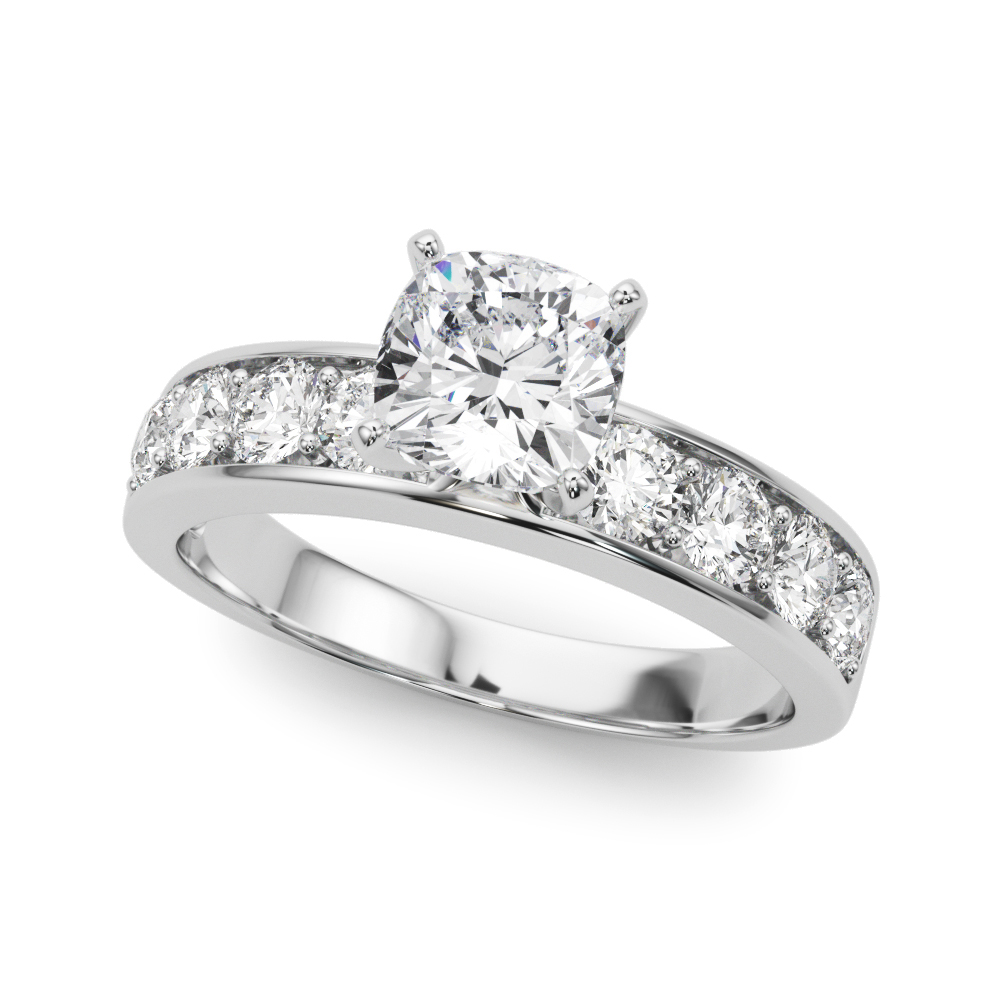
Lab diamonds typically cost 50 to 70 percent less than mined diamonds of comparable size, cut, color, and clarity. That price gap has widened as lab diamond production has scaled up. For most couples, this means getting a noticeably larger or higher-quality stone for the same budget.
No. Platinum is naturally white and does not require rhodium plating. Its color is permanent and consistent throughout the metal, so it never develops a yellowish tinge the way white gold can when its plating wears. For white gold options, Do Amore offers free rhodium replating as part of their maintenance services. This makes platinum the lower-maintenance choice in the long run, even with its higher upfront cost.
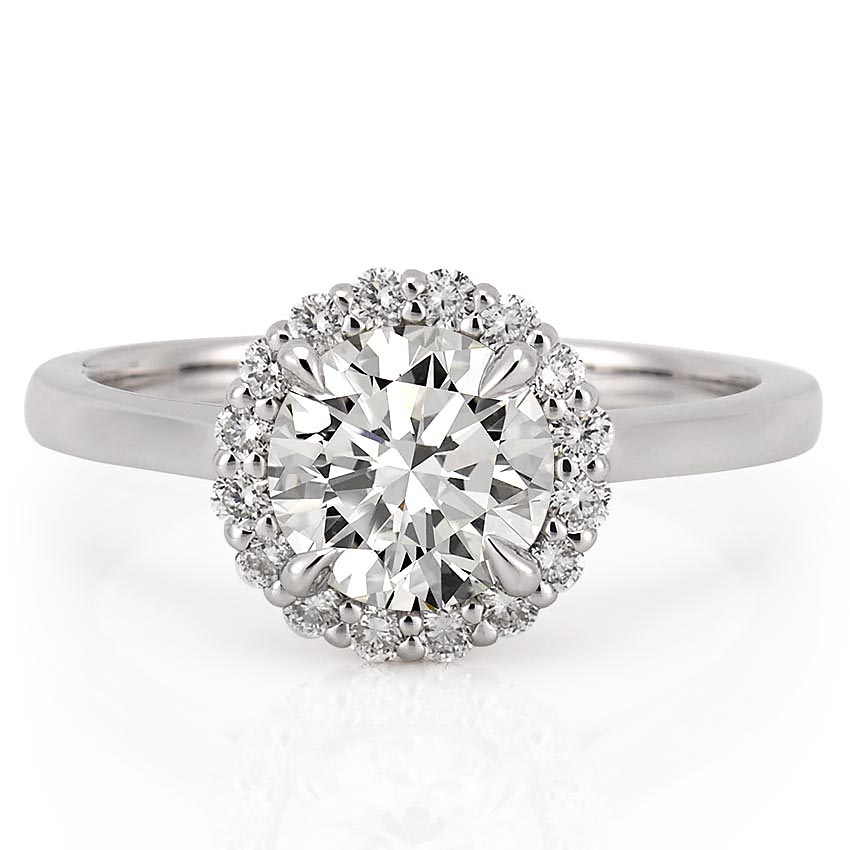
A 1 carat lab diamond typically costs between $800 and $2,500 depending on cut, color, and clarity. At 1 carat, this was the average diamond size for many decades before lab-grown diamonds came along, making it a proven, timeless choice. A comparable mined diamond of the same quality can cost $4,000 to $8,000 or more. That gap has widened in recent years as lab diamond production has grown. Lab grown offers significantly more stone for the same budget.
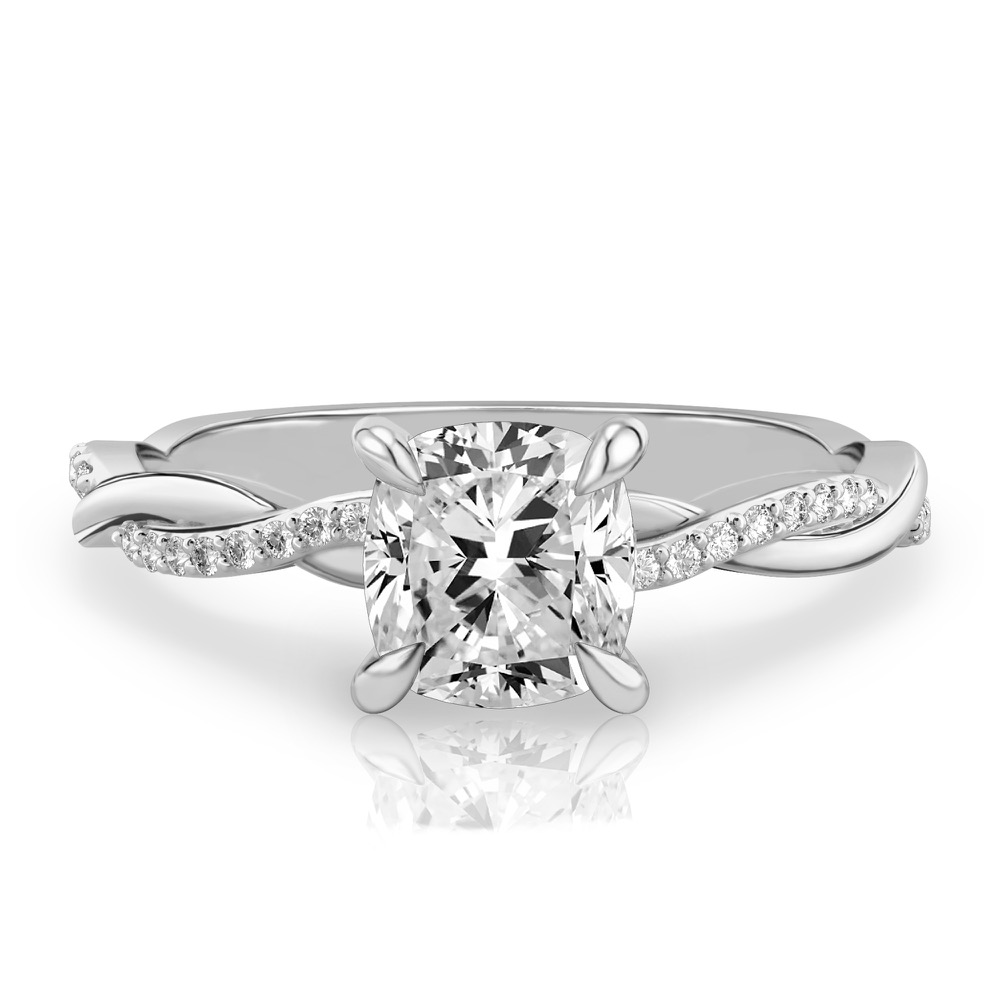
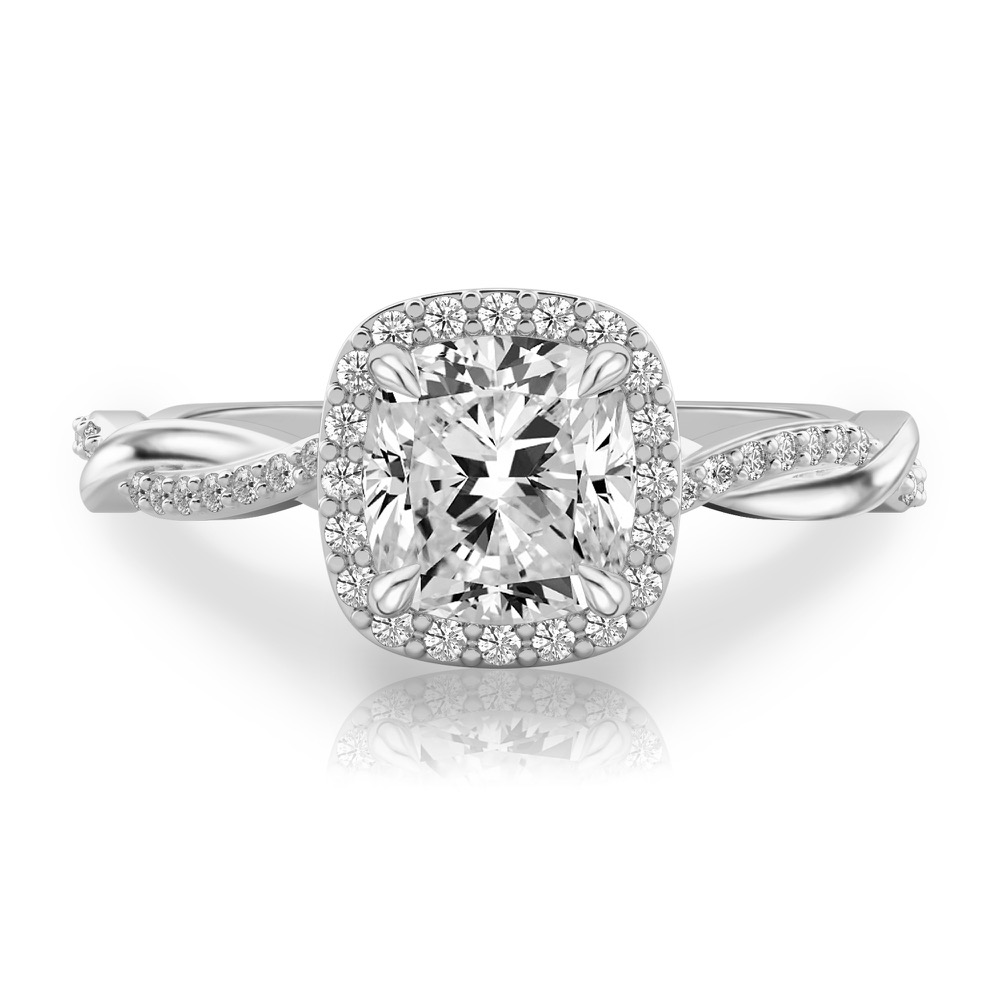
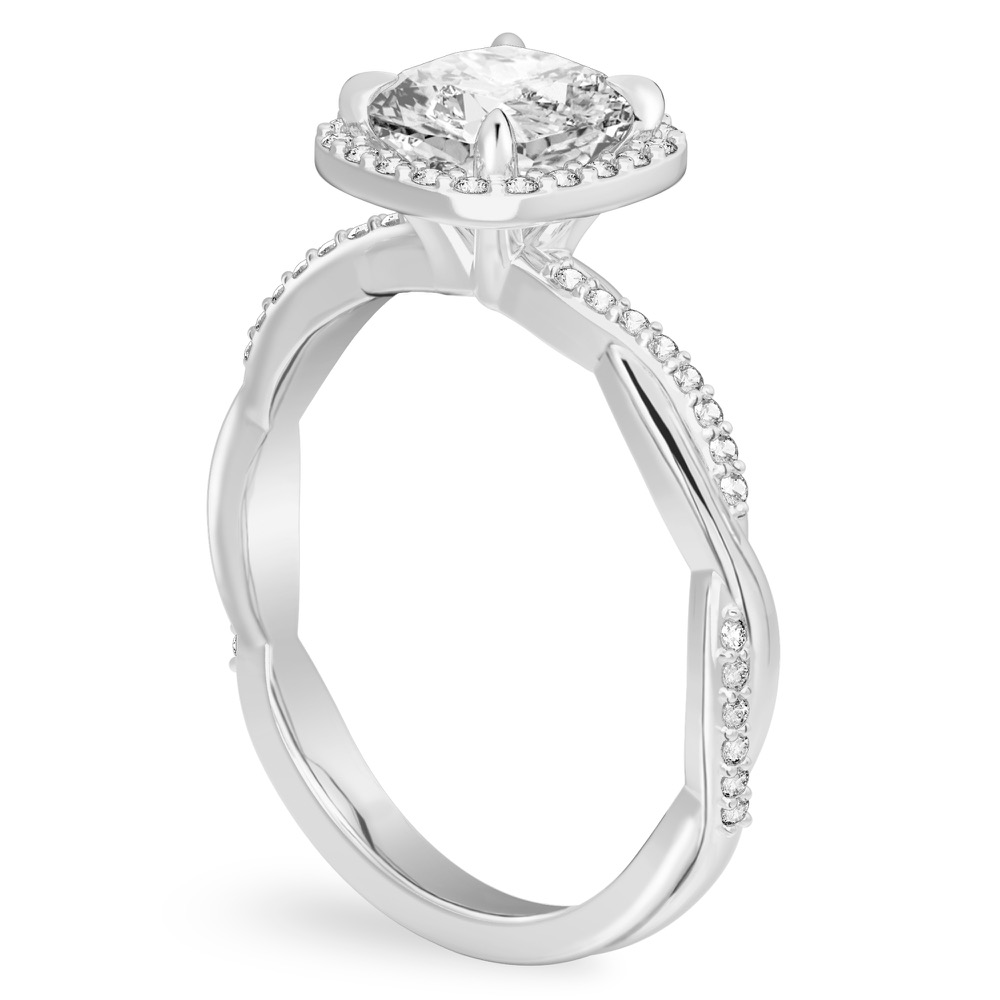
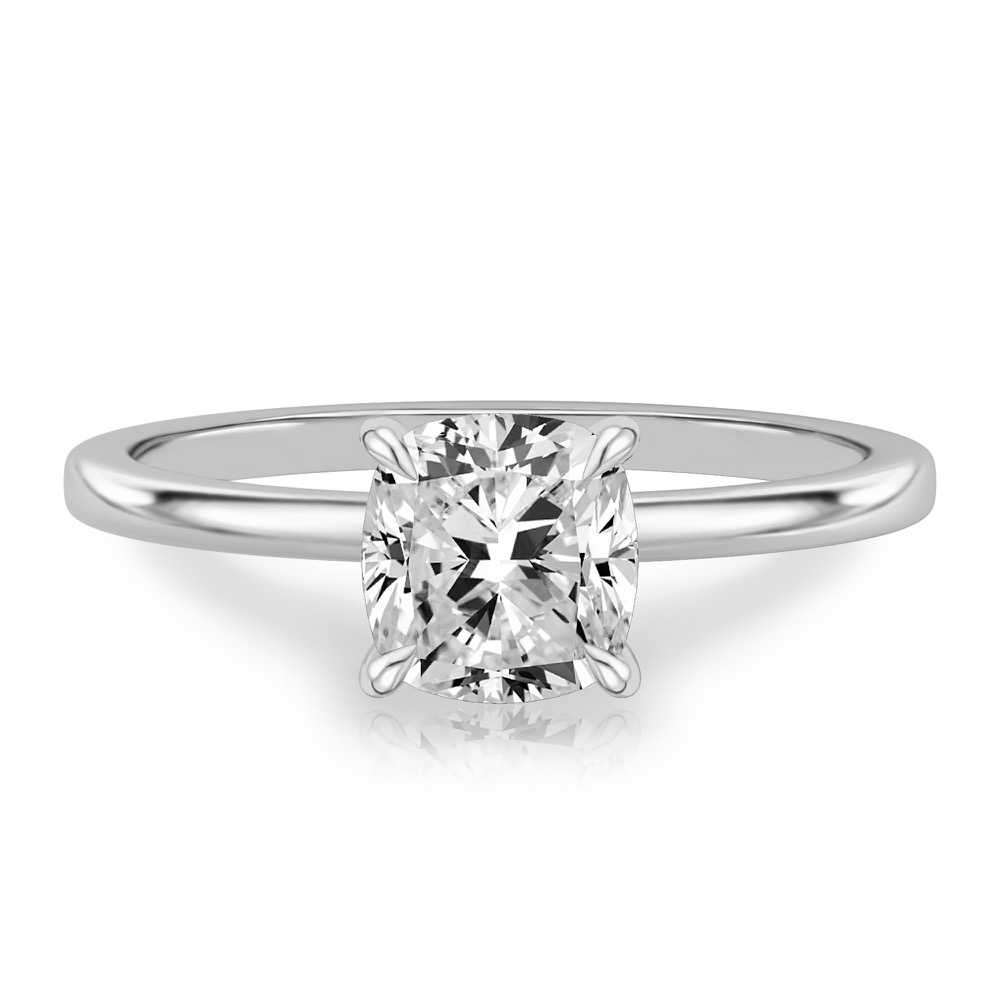
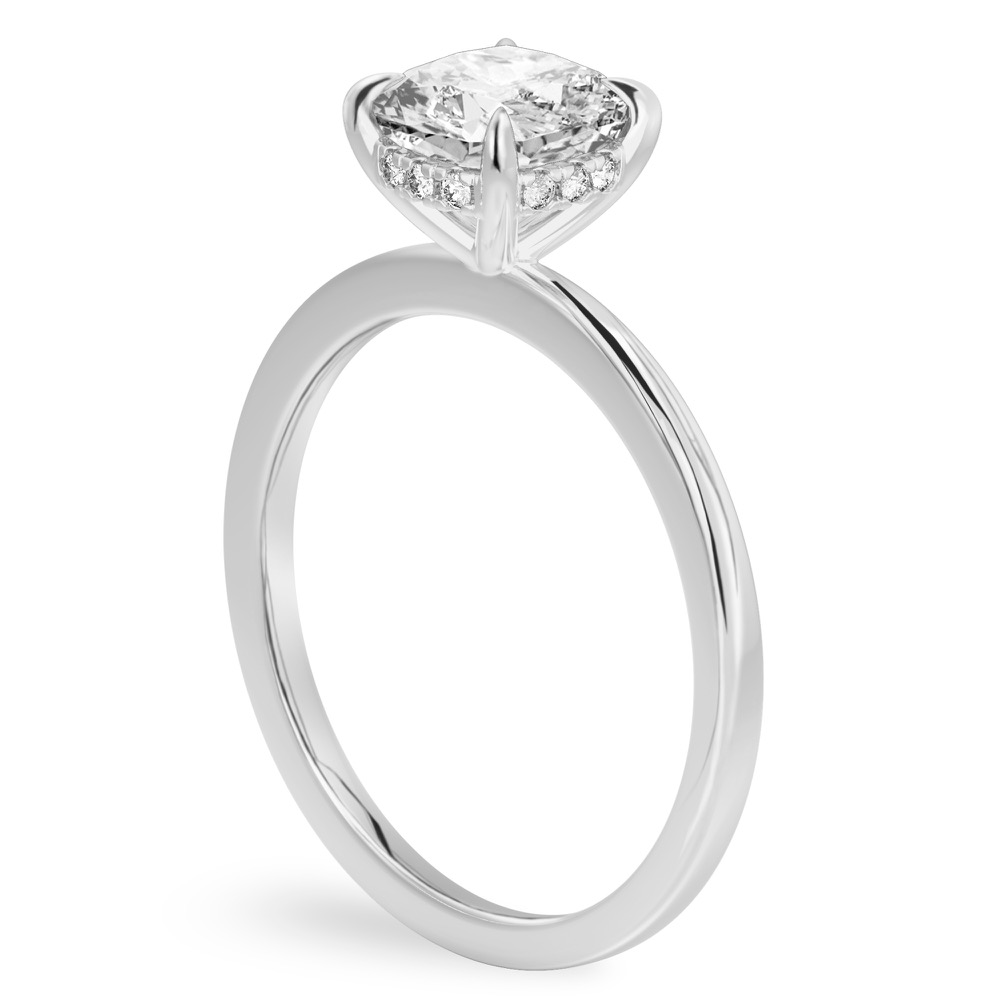
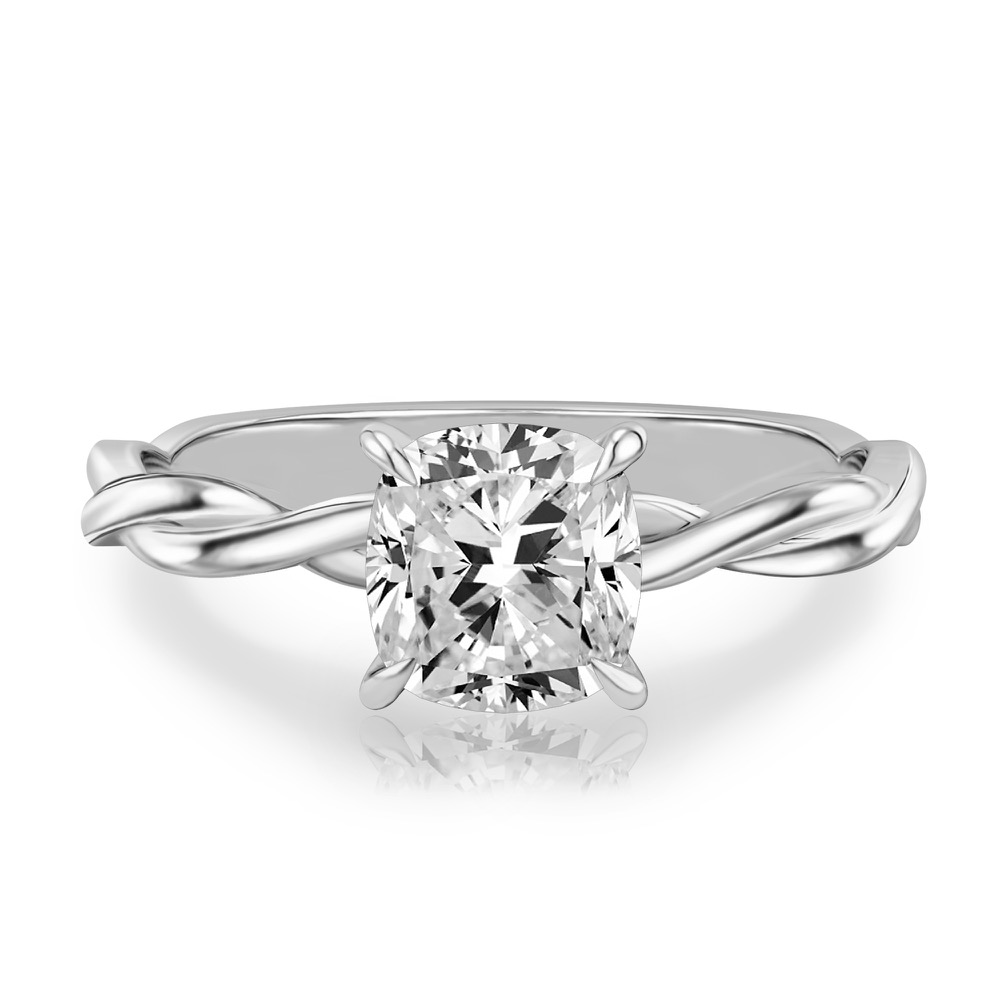
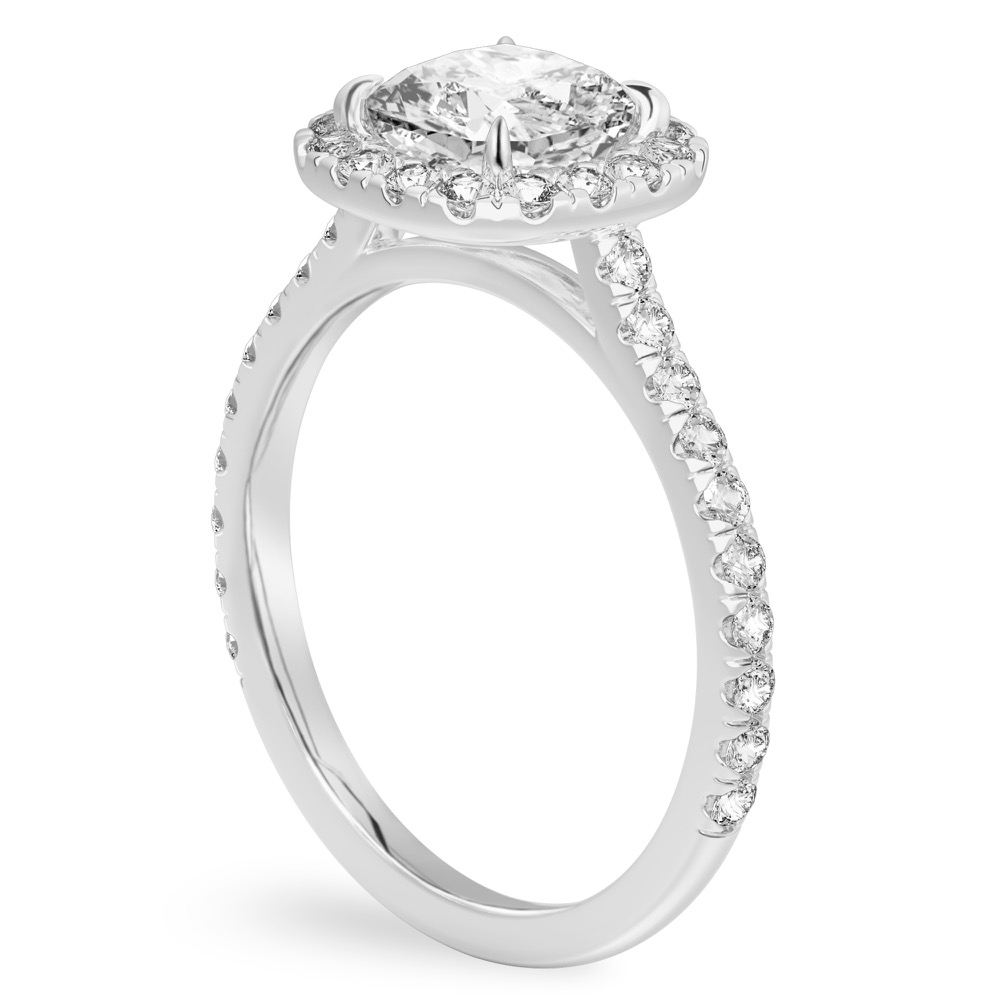
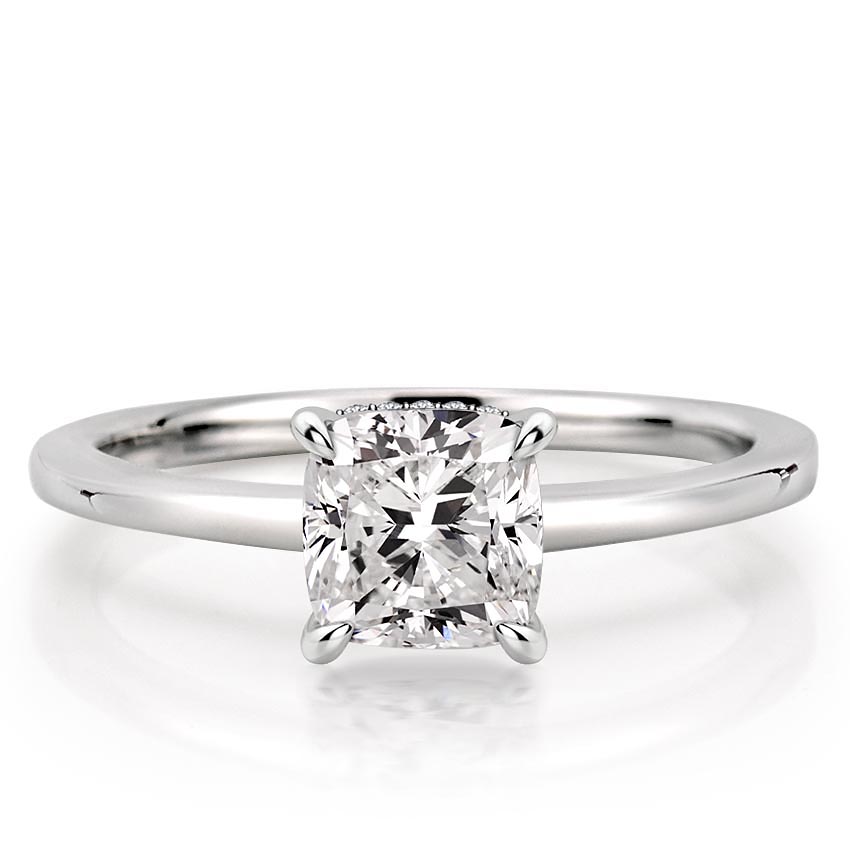
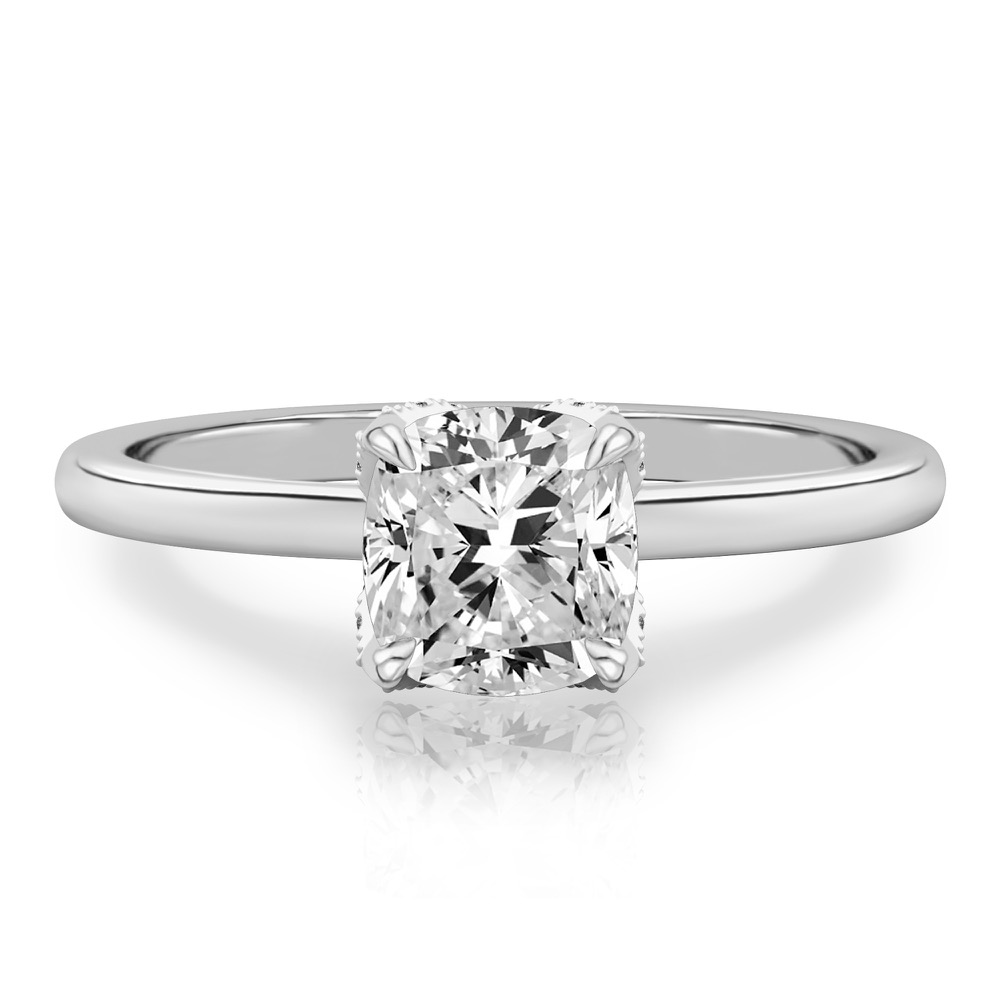
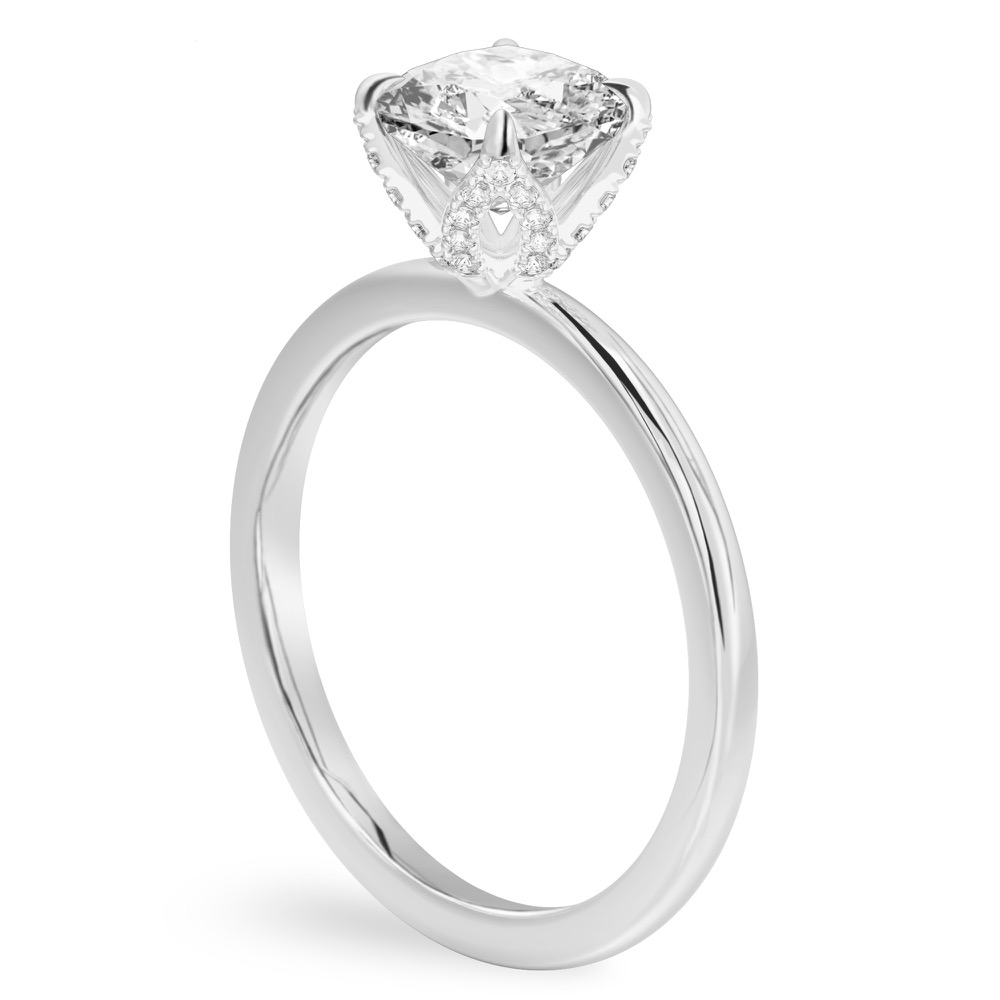
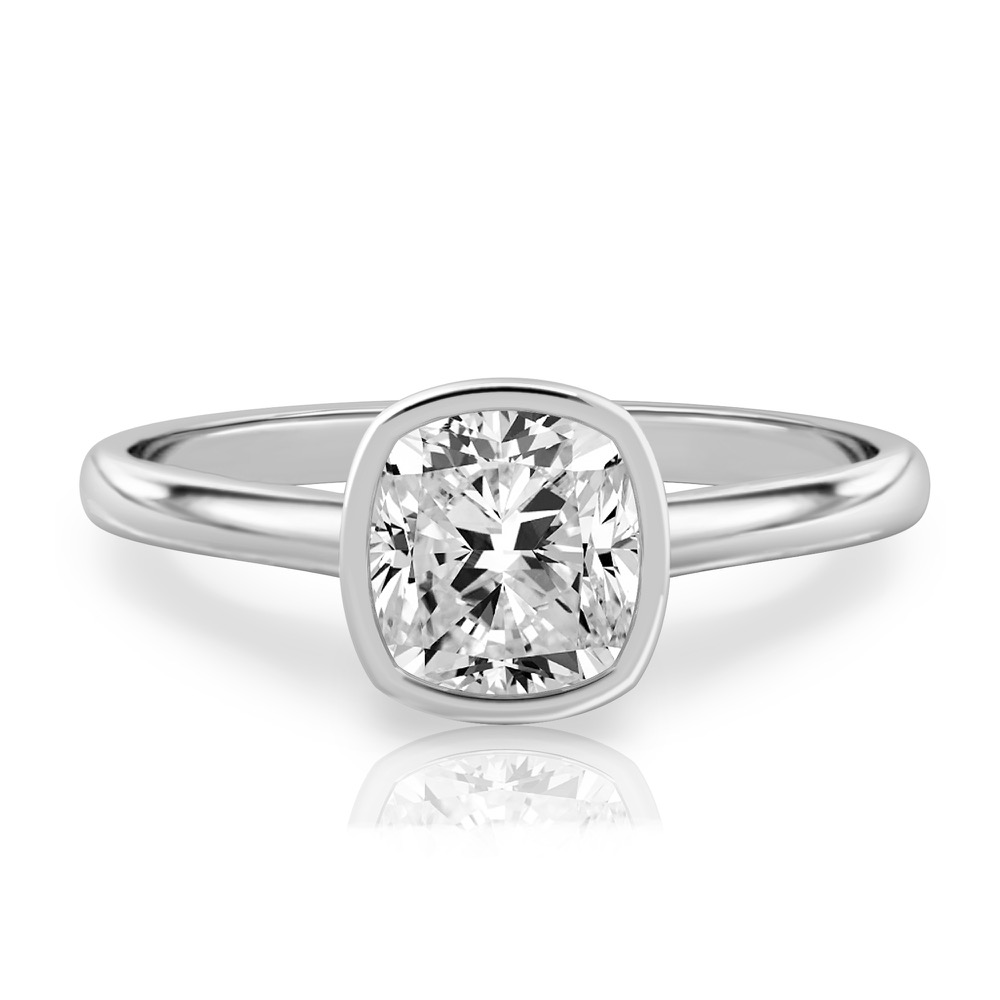
Cushion cuts can retain color more than round brilliants because their facet structure disperses light differently. For a white, colorless appearance, choosing a stone with a slightly higher color grade (H or better) is often recommended for cushion cuts compared to what you might choose in a round. Step-faceted cushions are particularly sensitive to color.
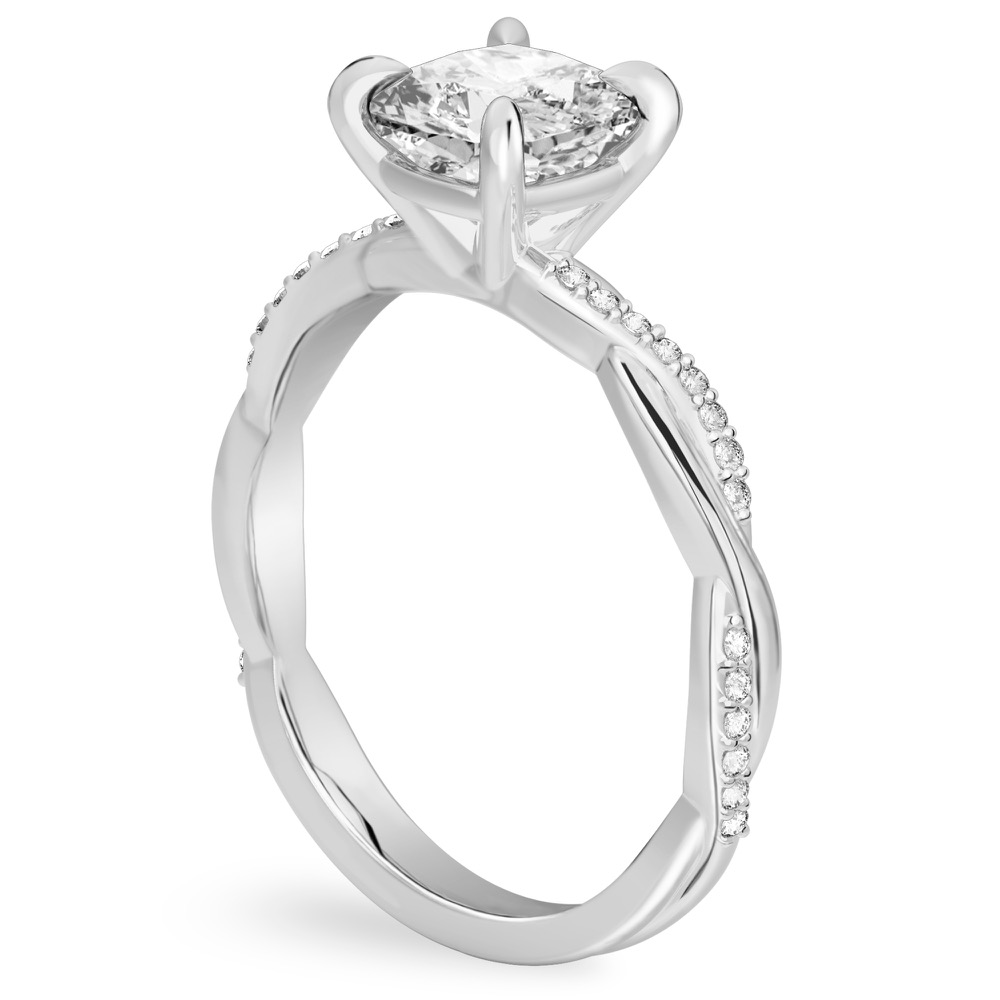
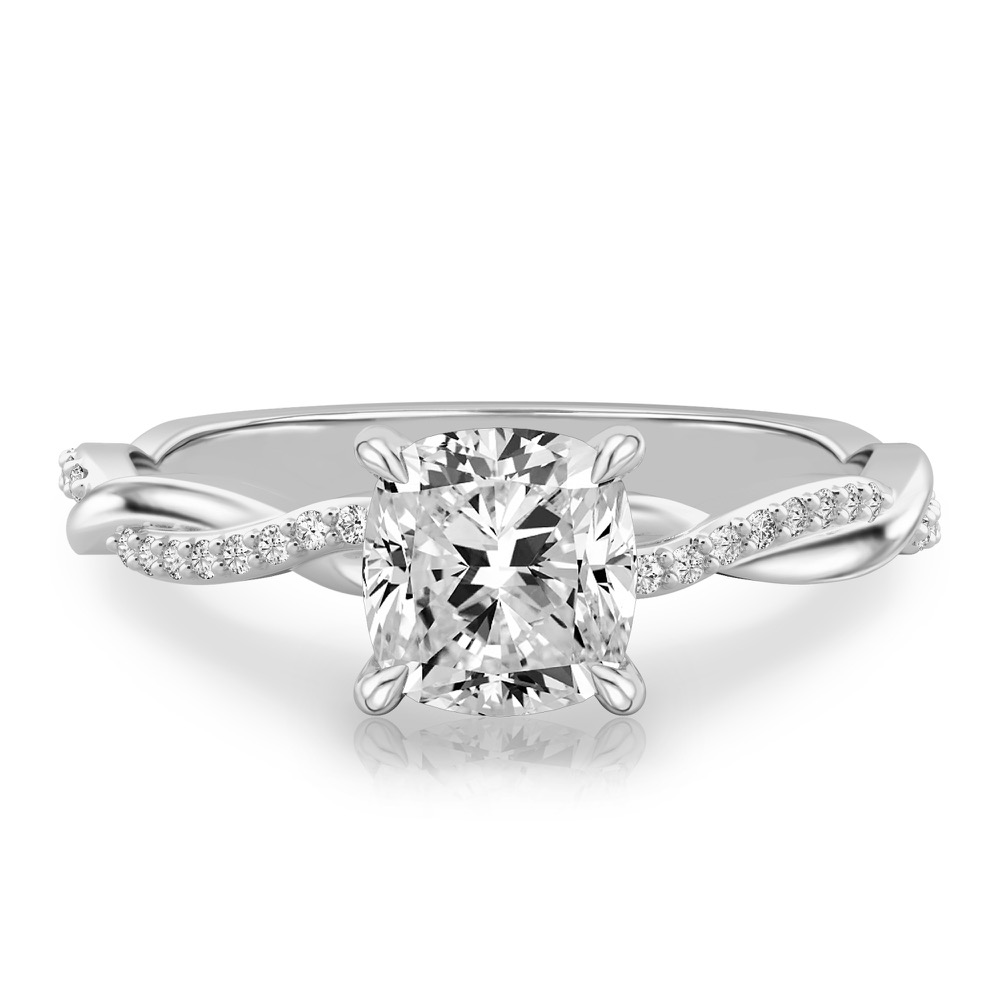
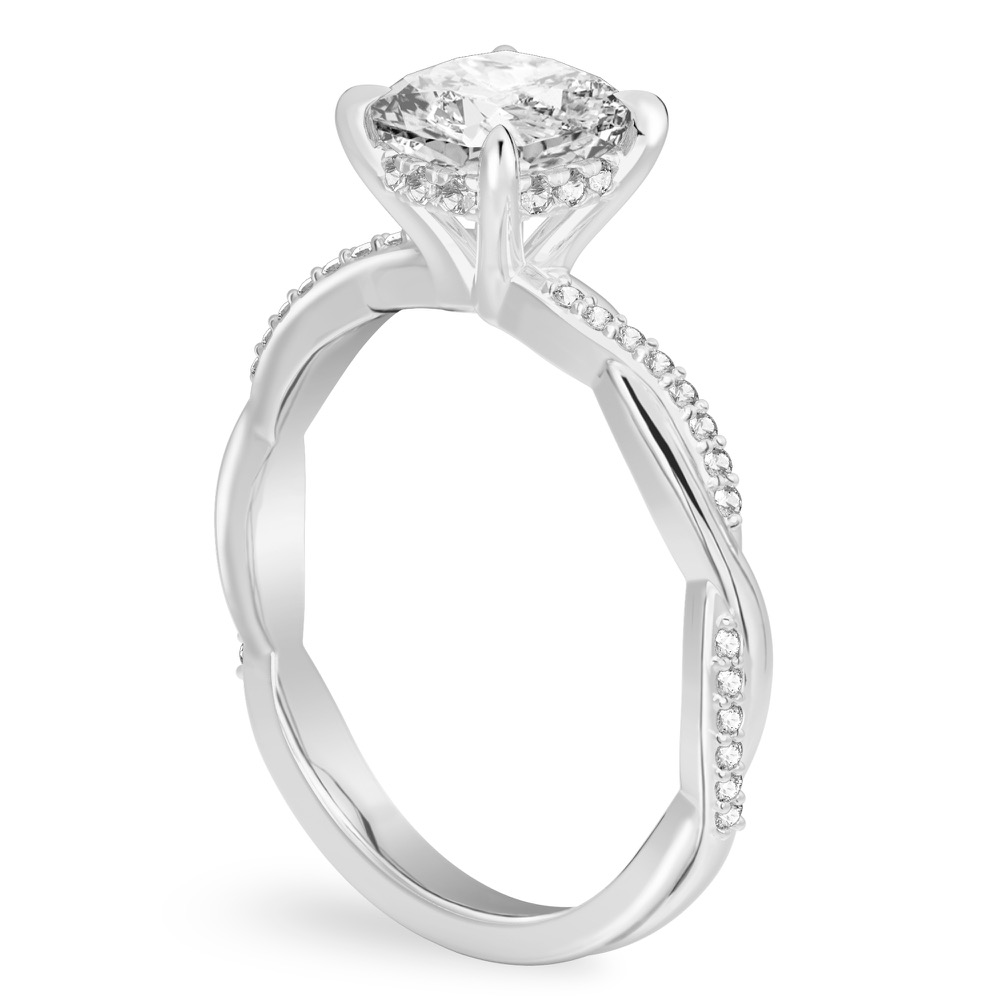
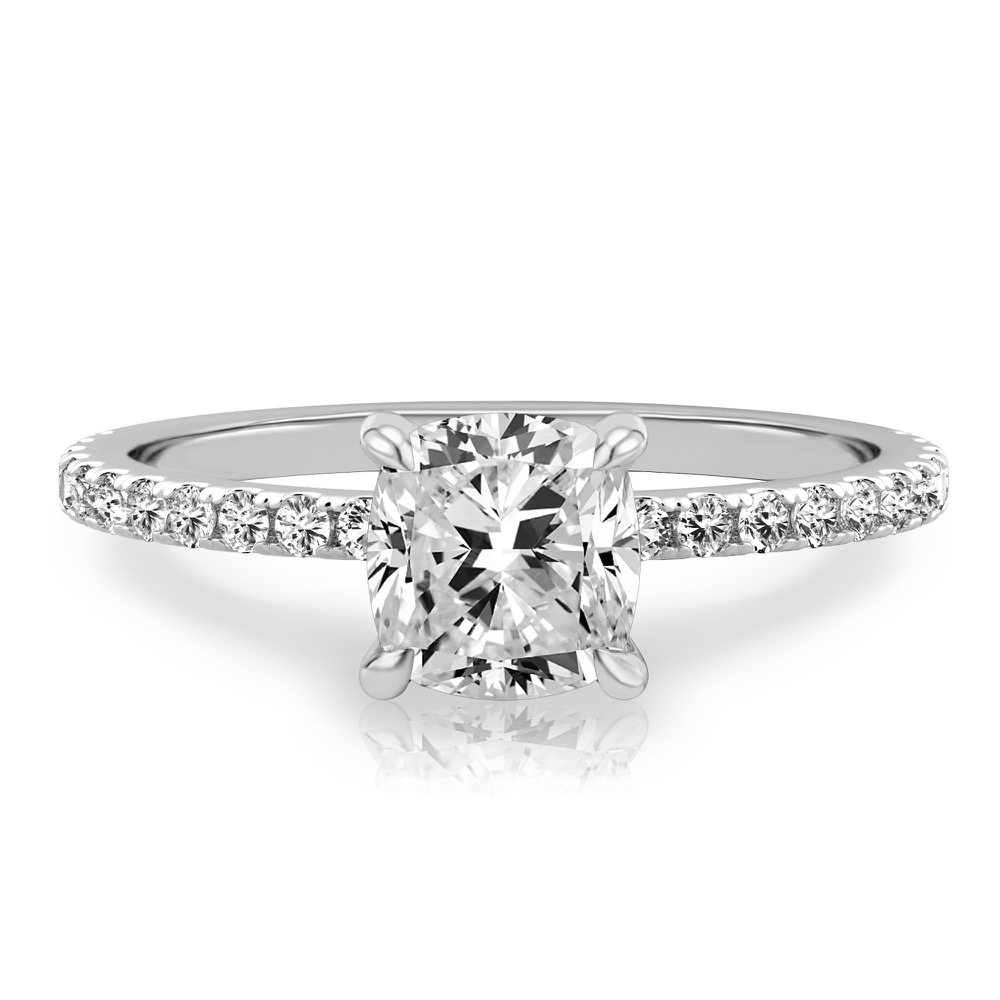
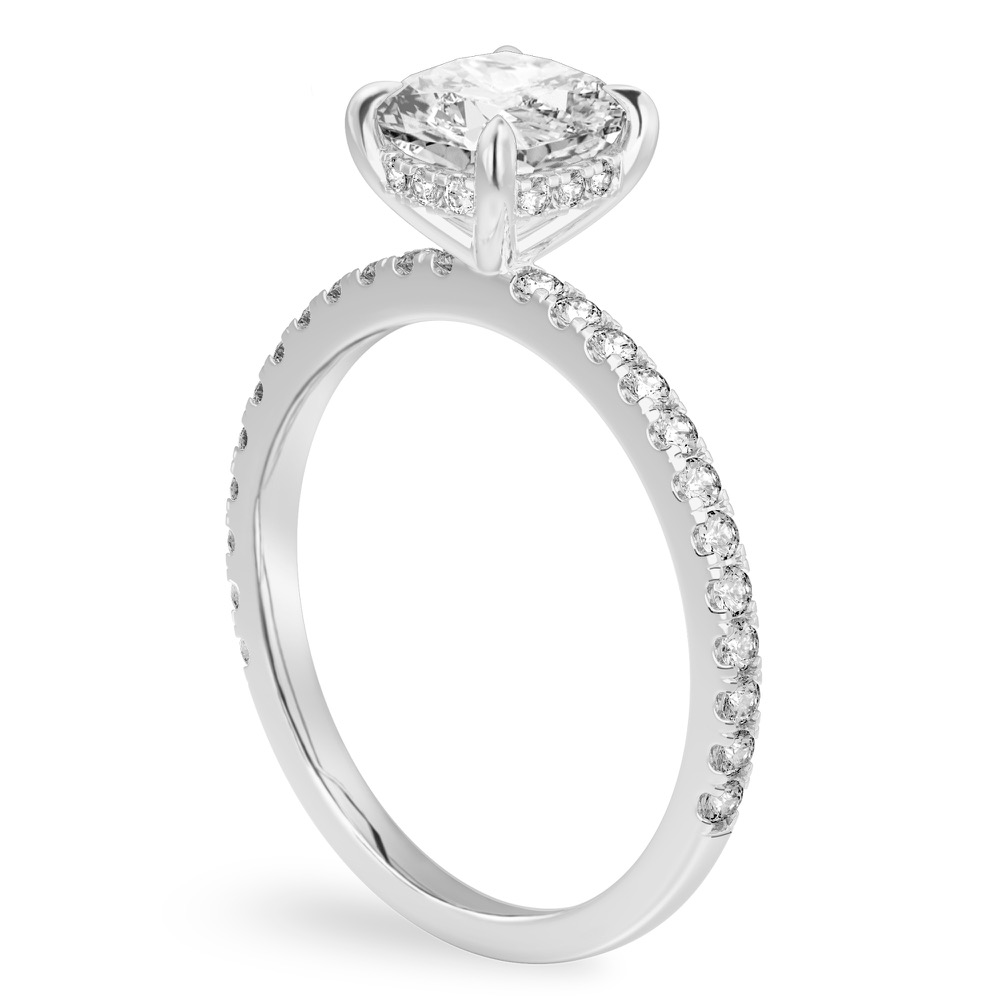
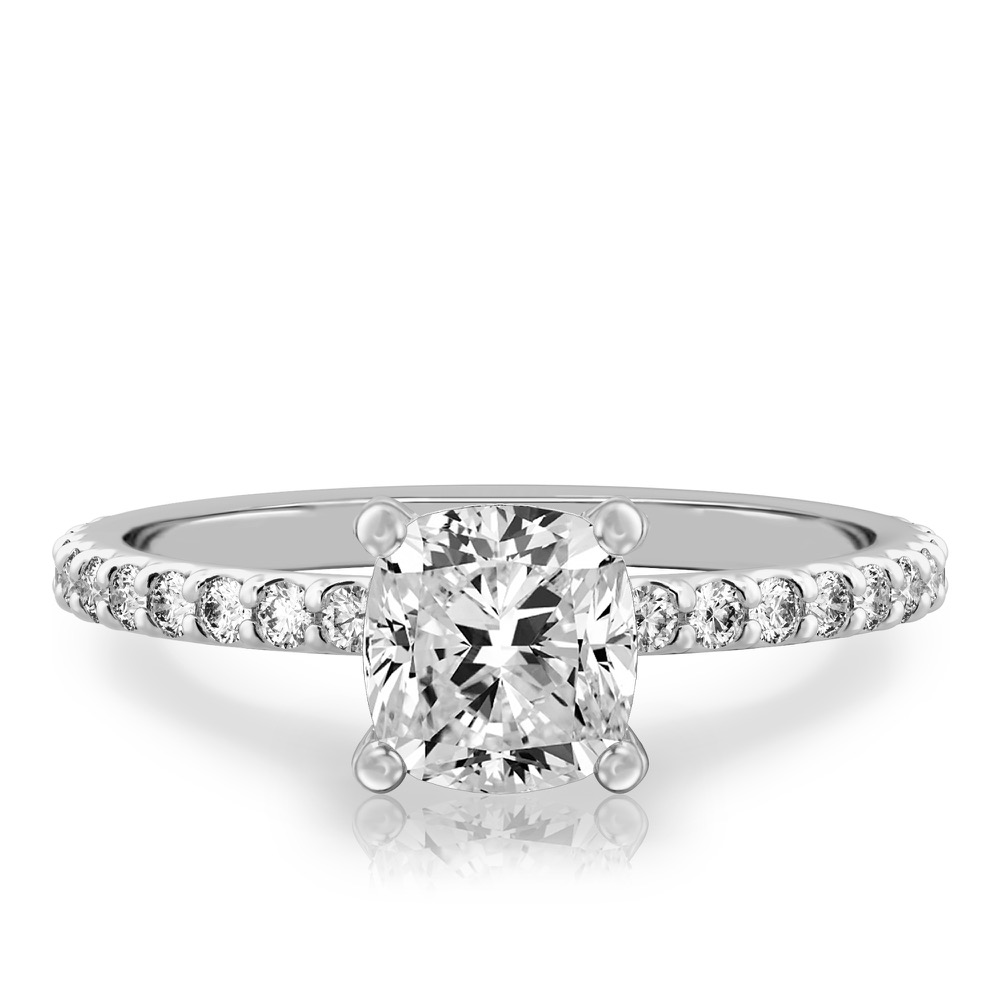
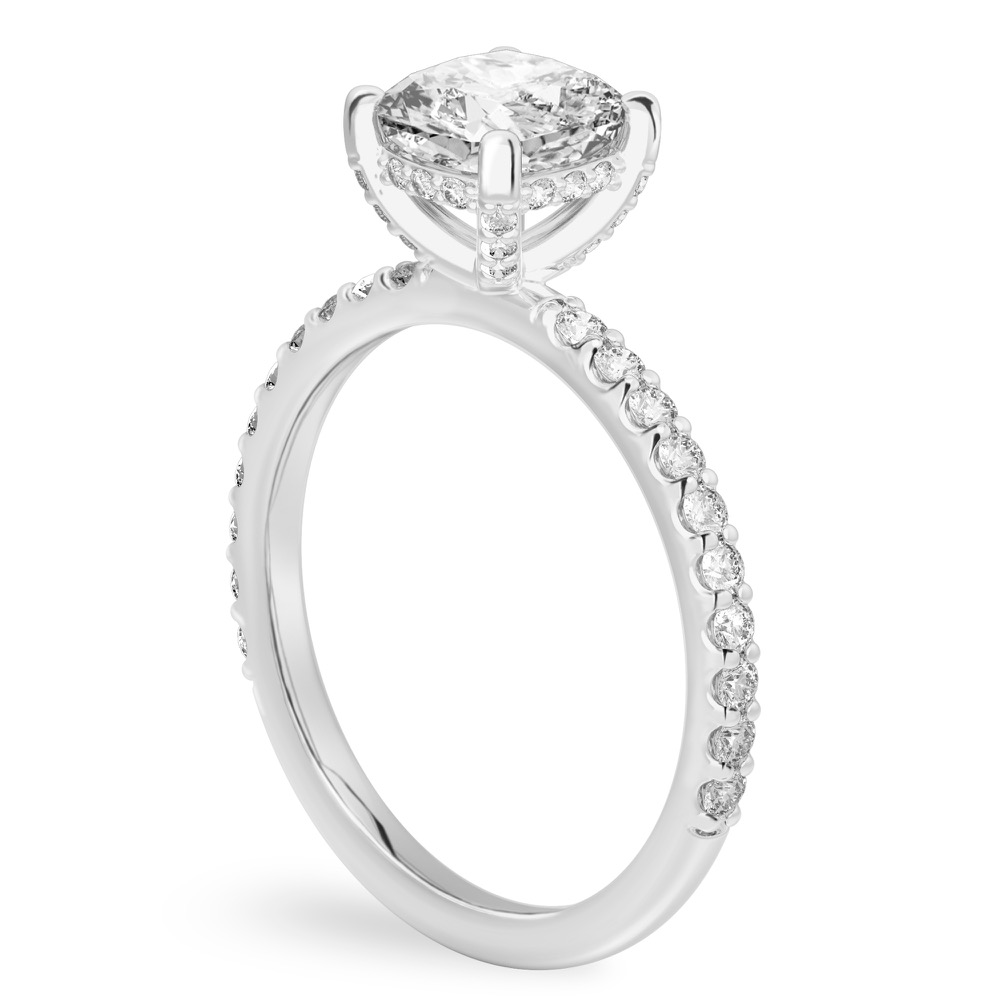
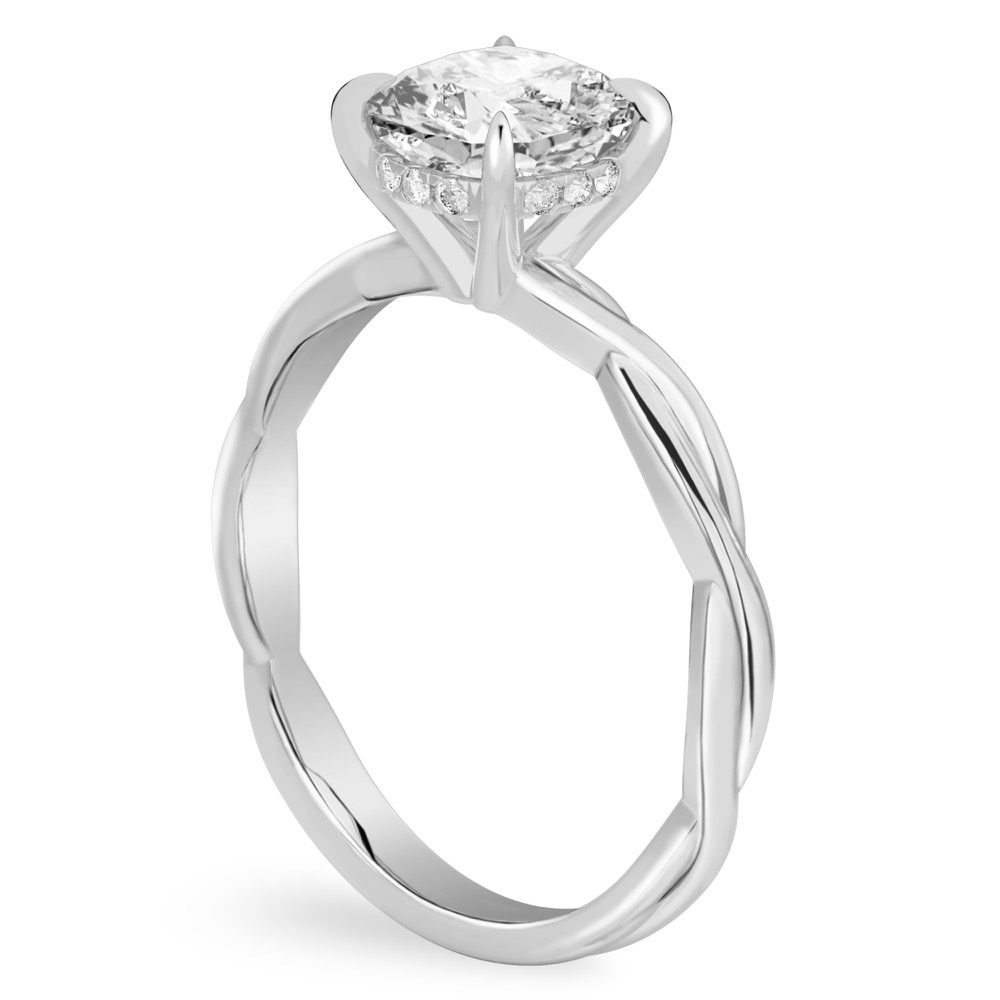
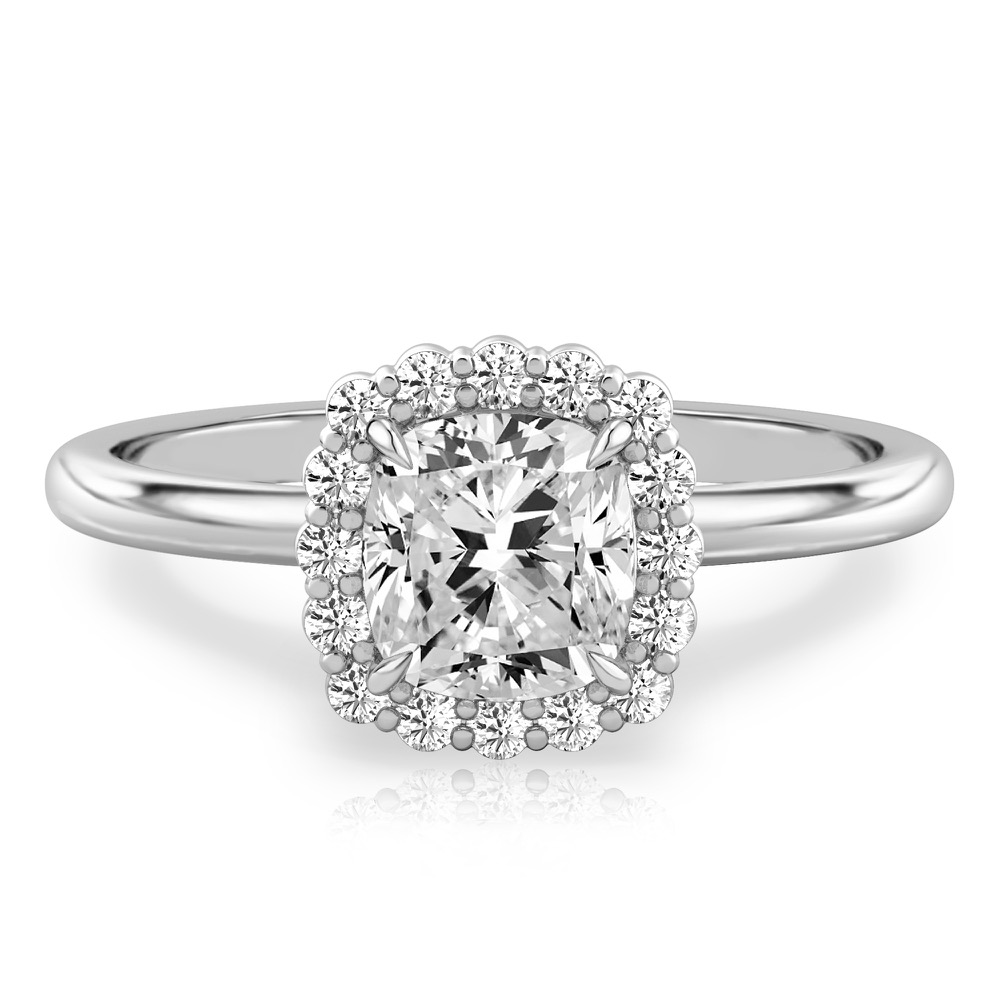
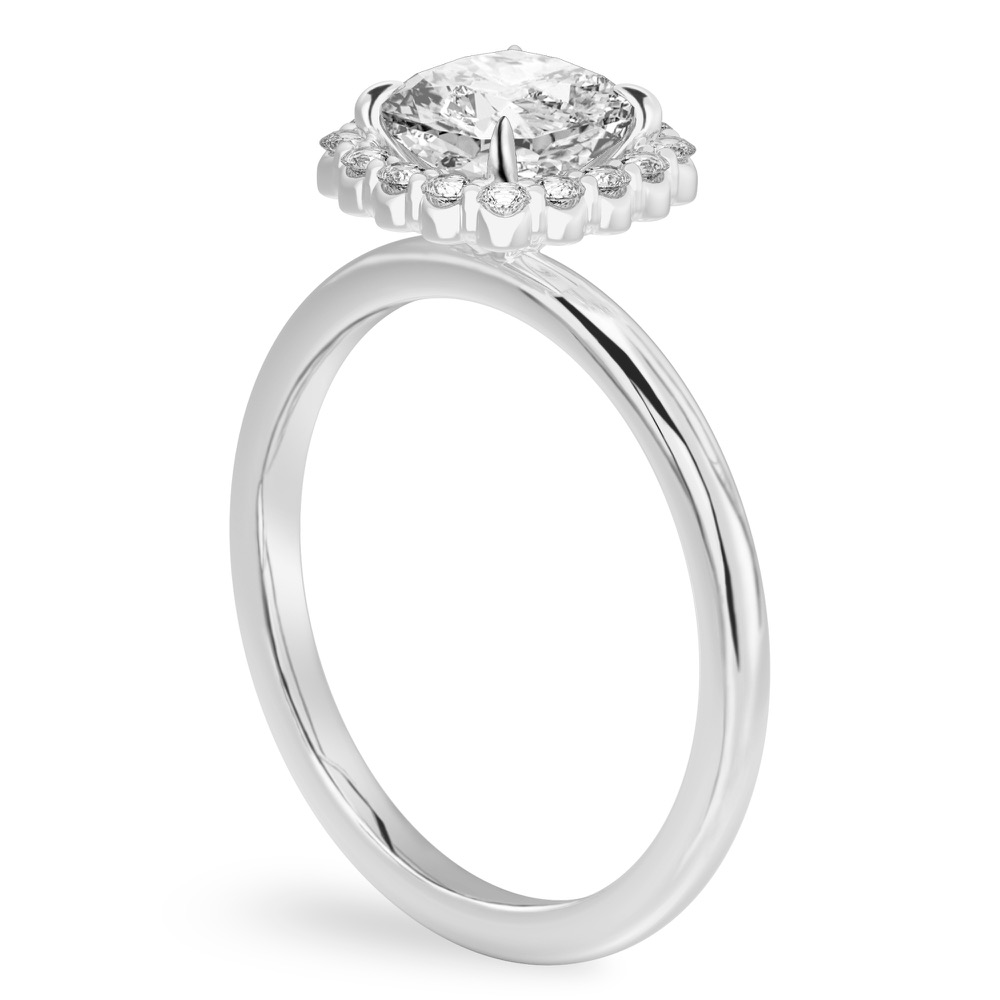
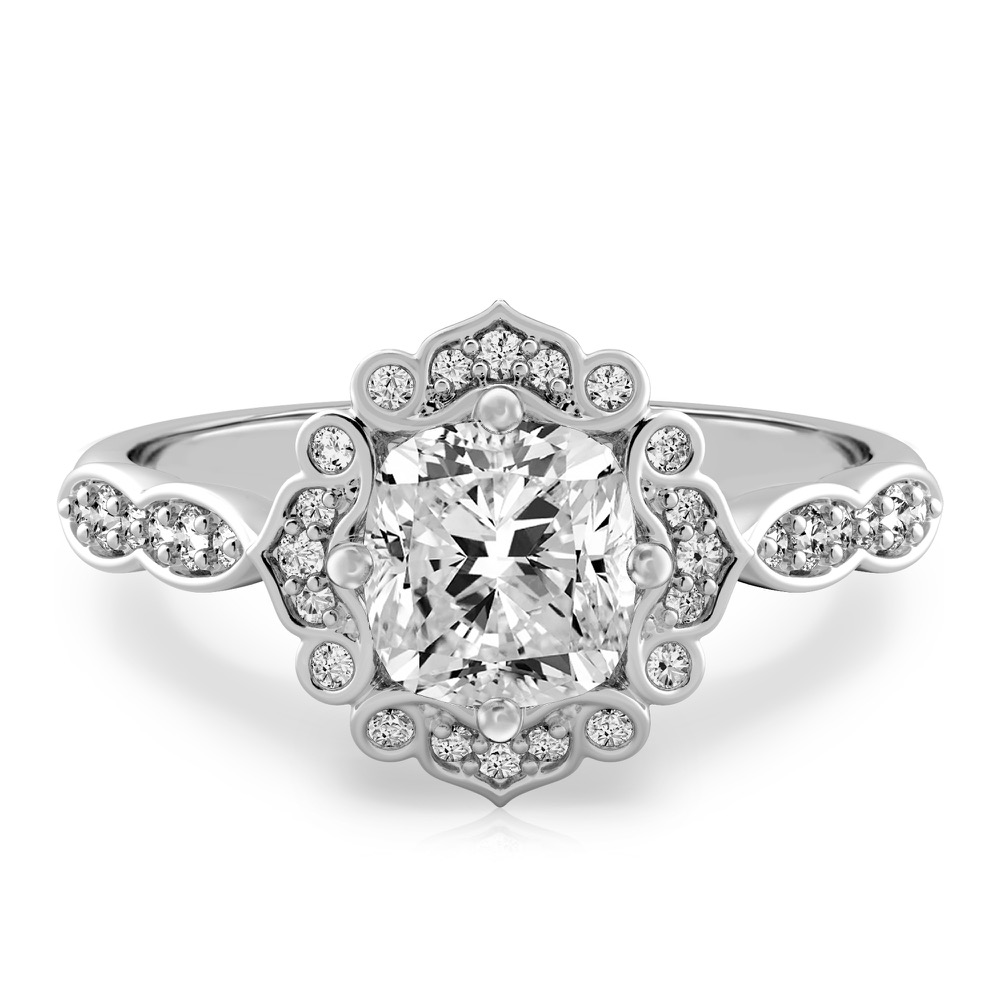
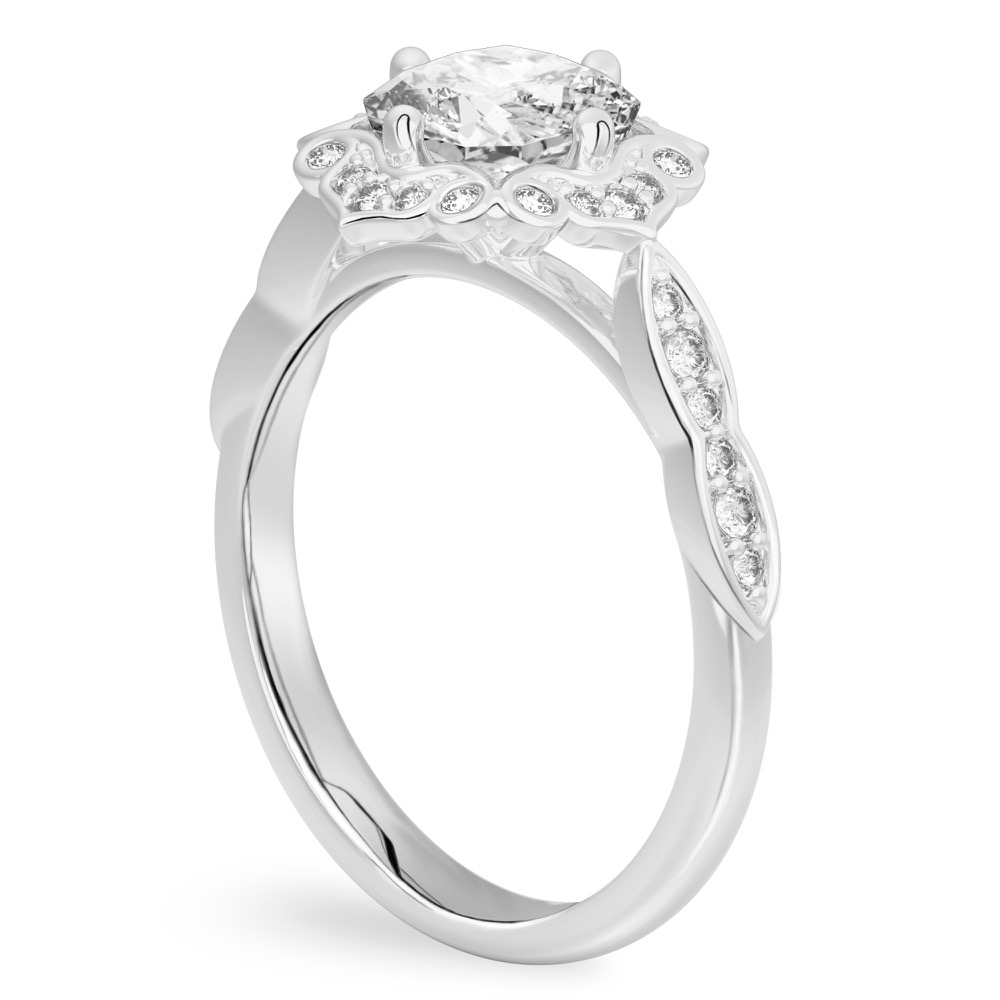
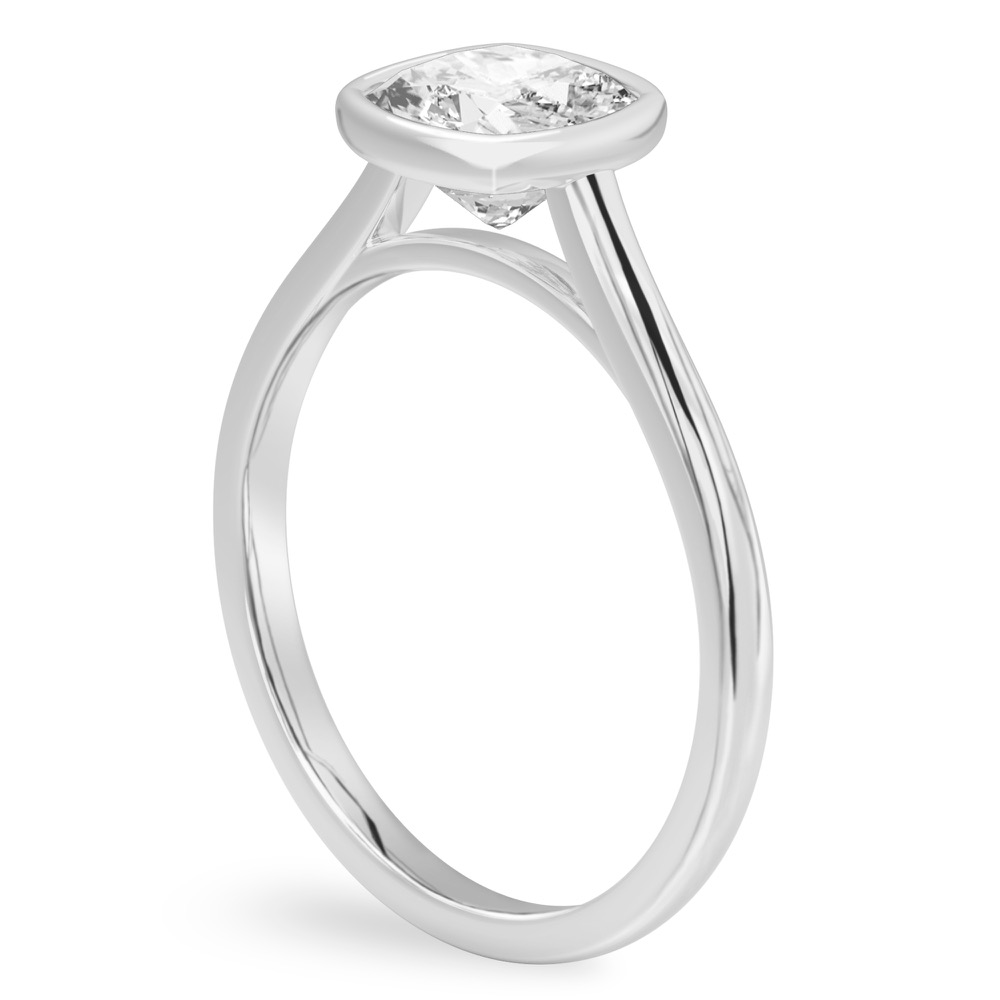
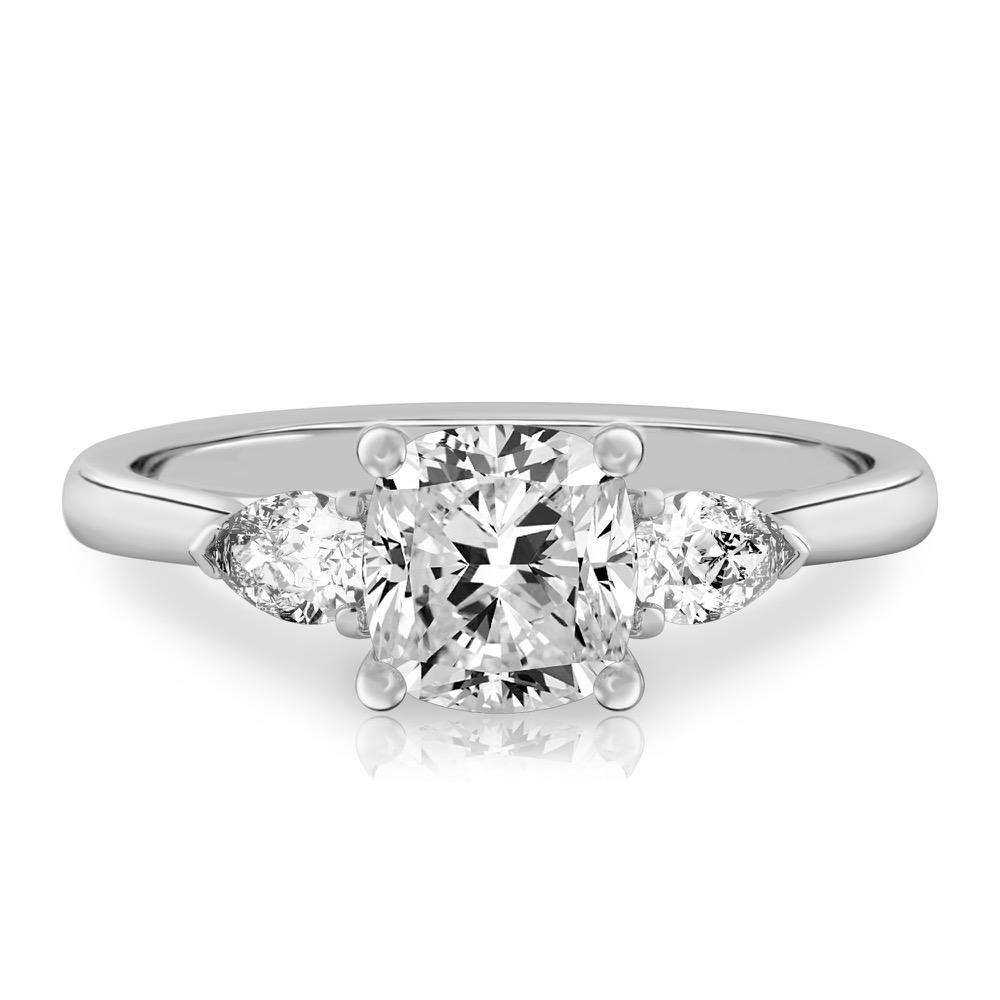
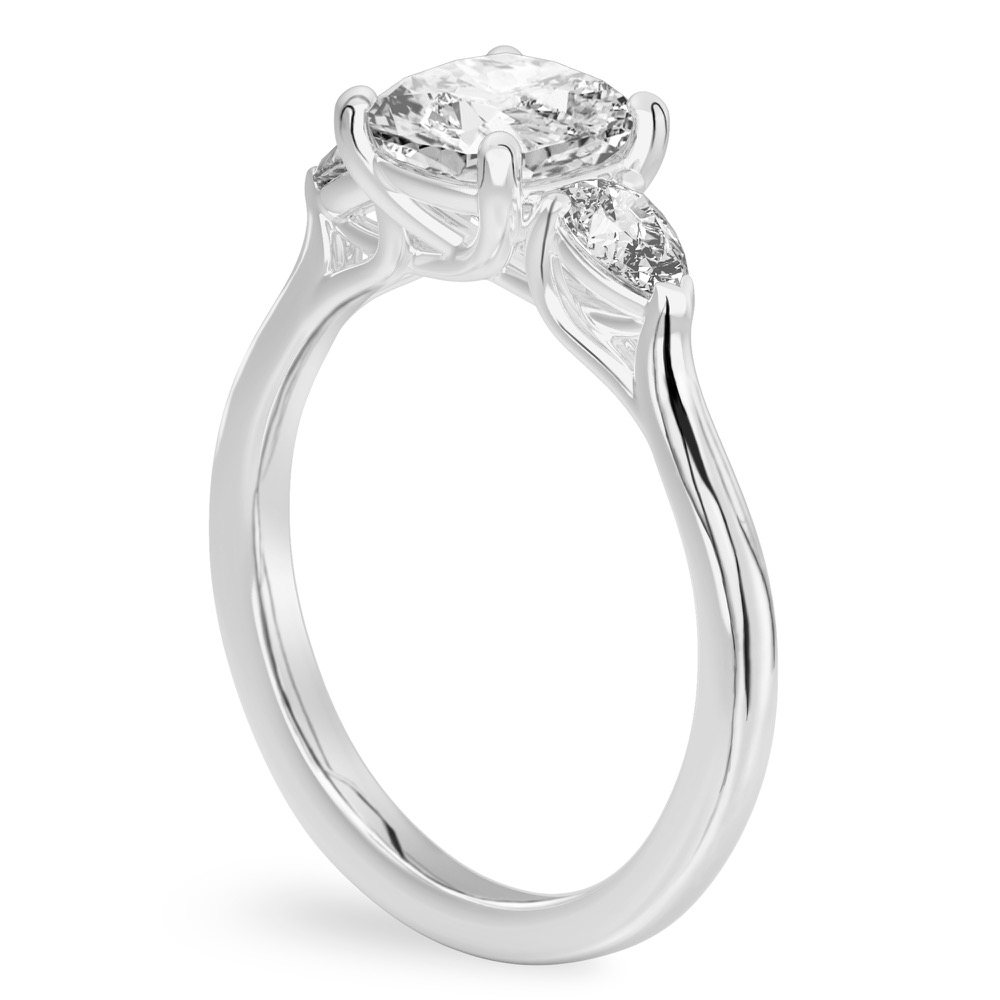
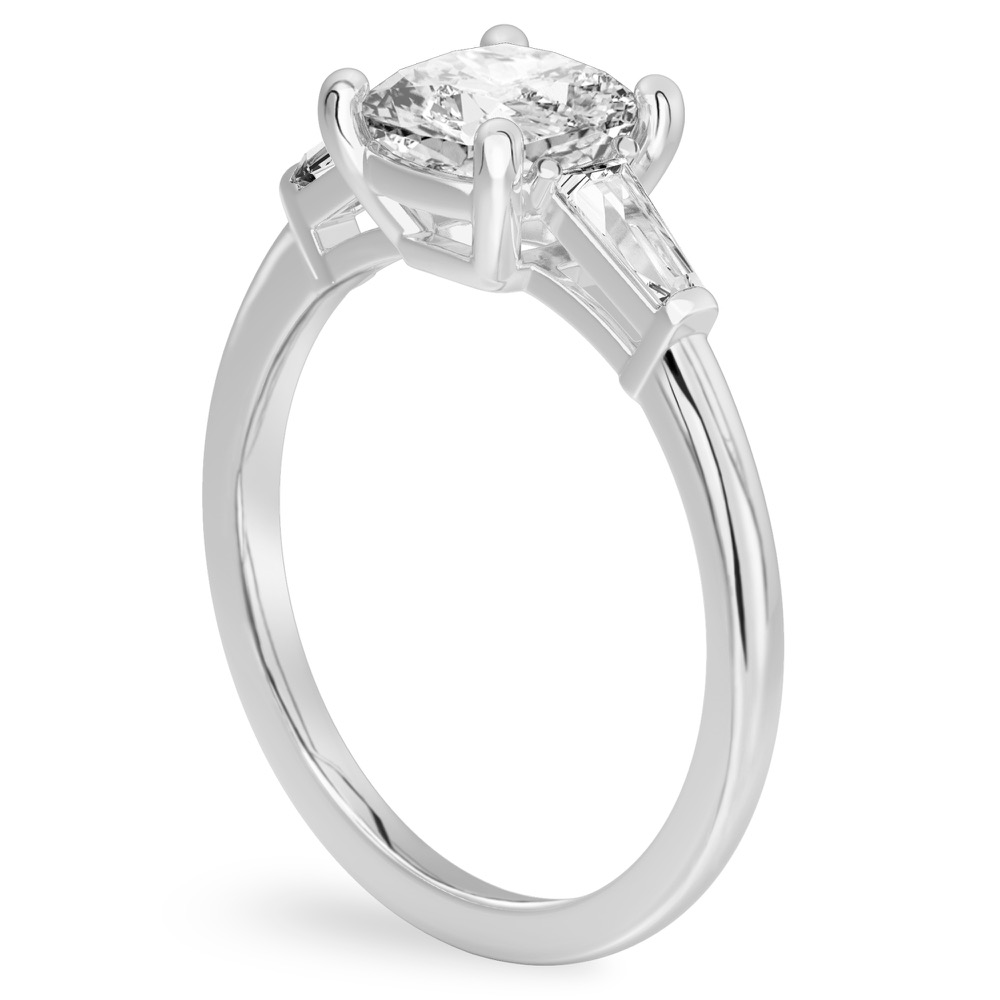
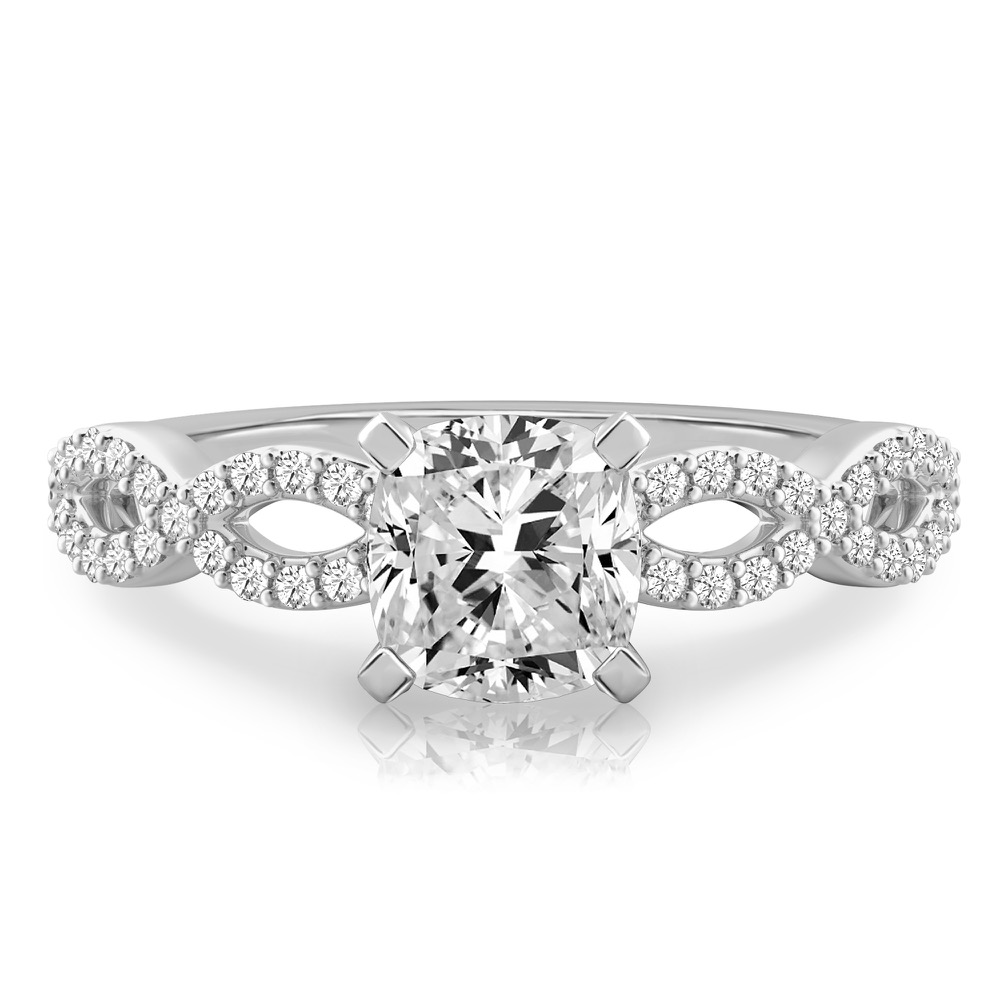
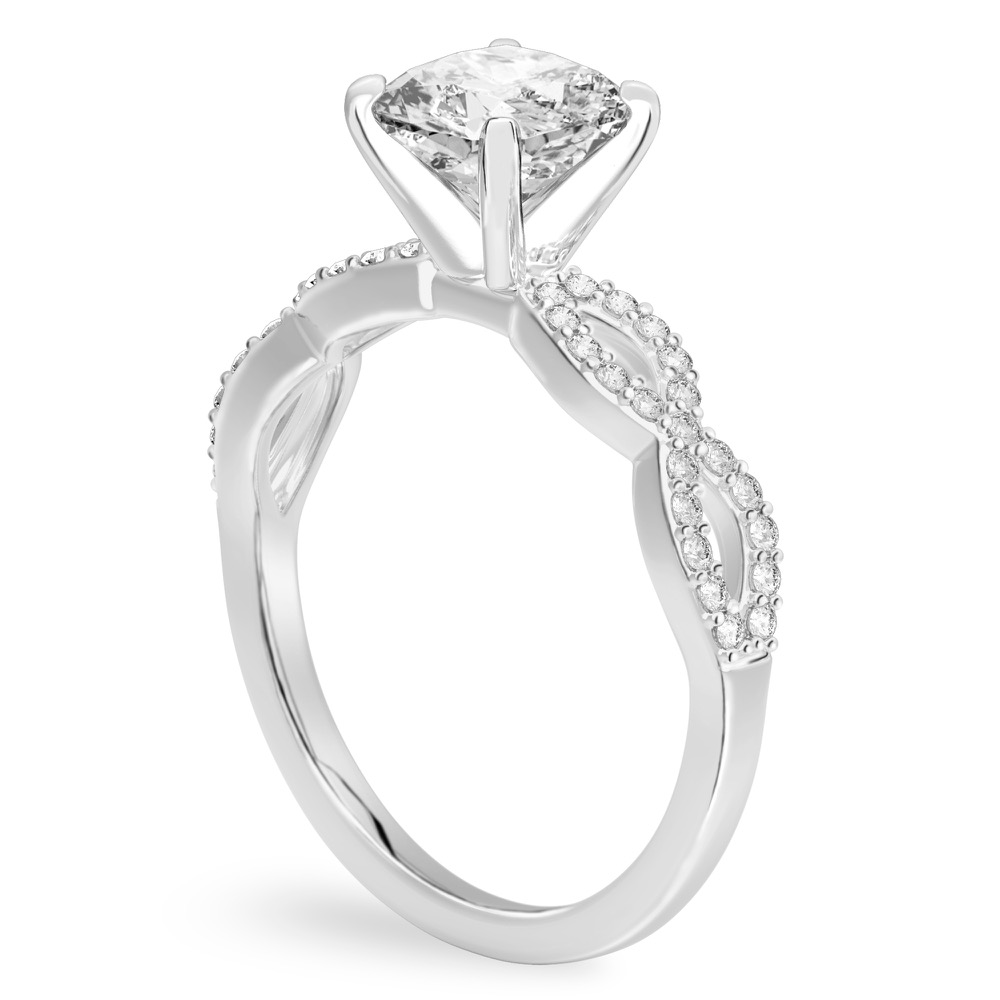
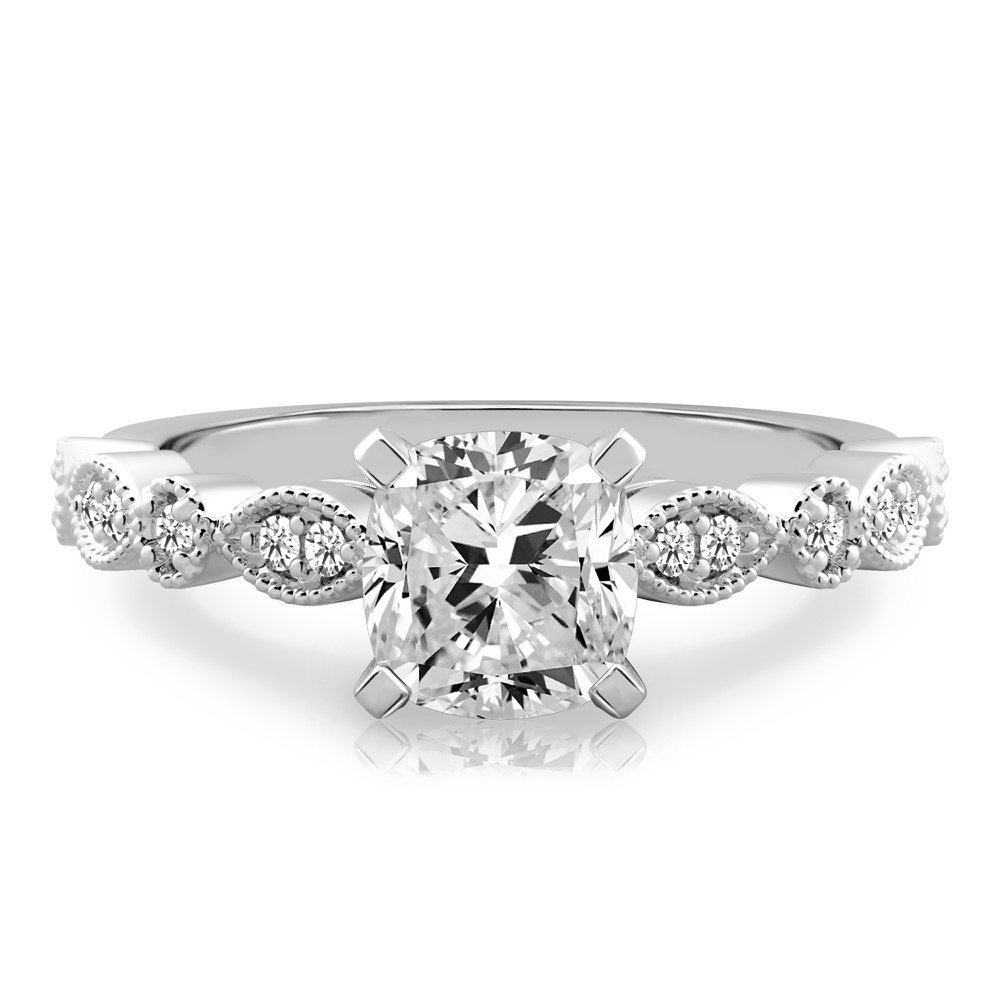
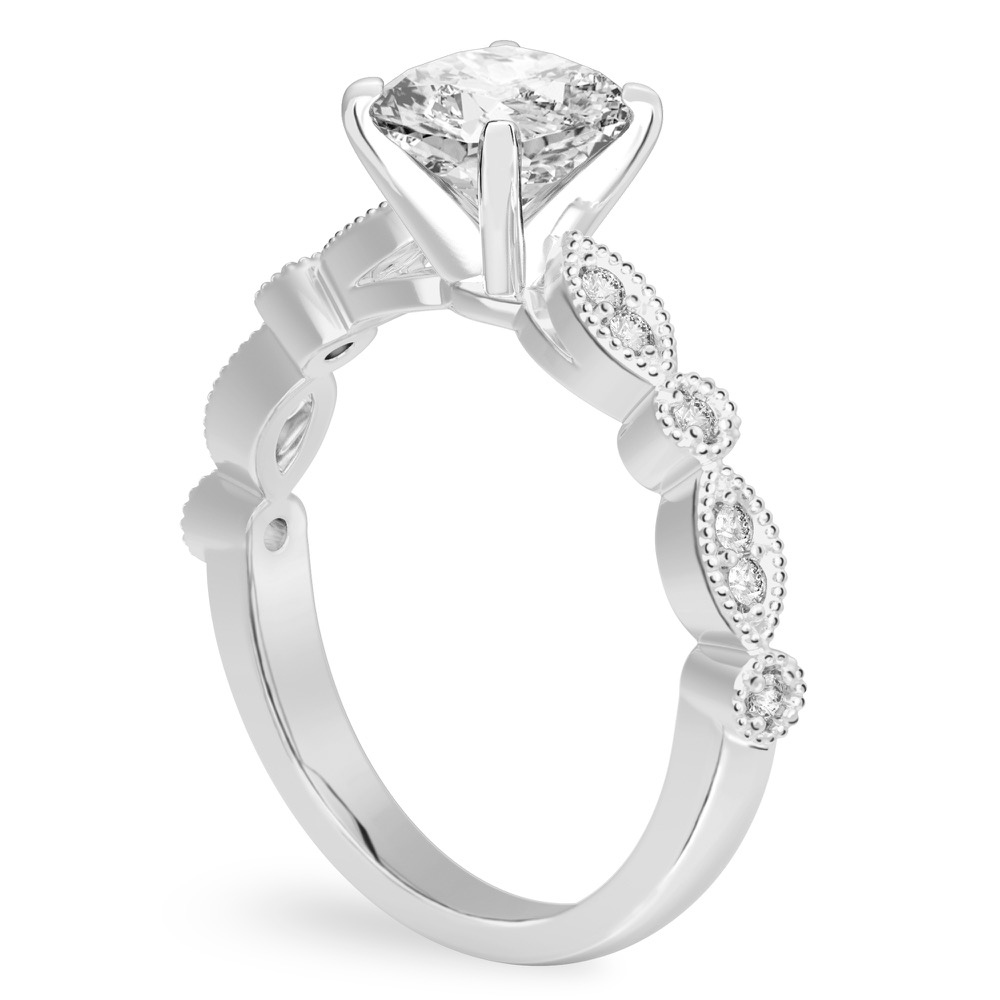
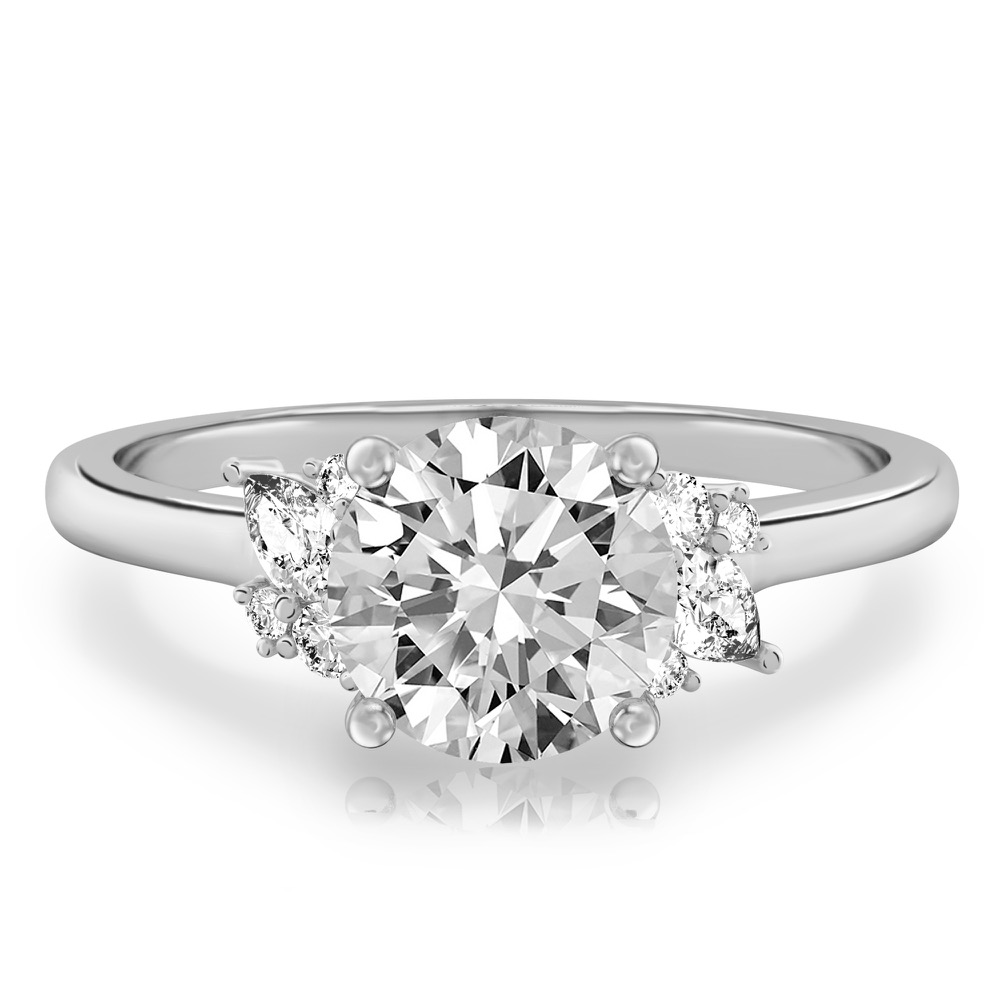
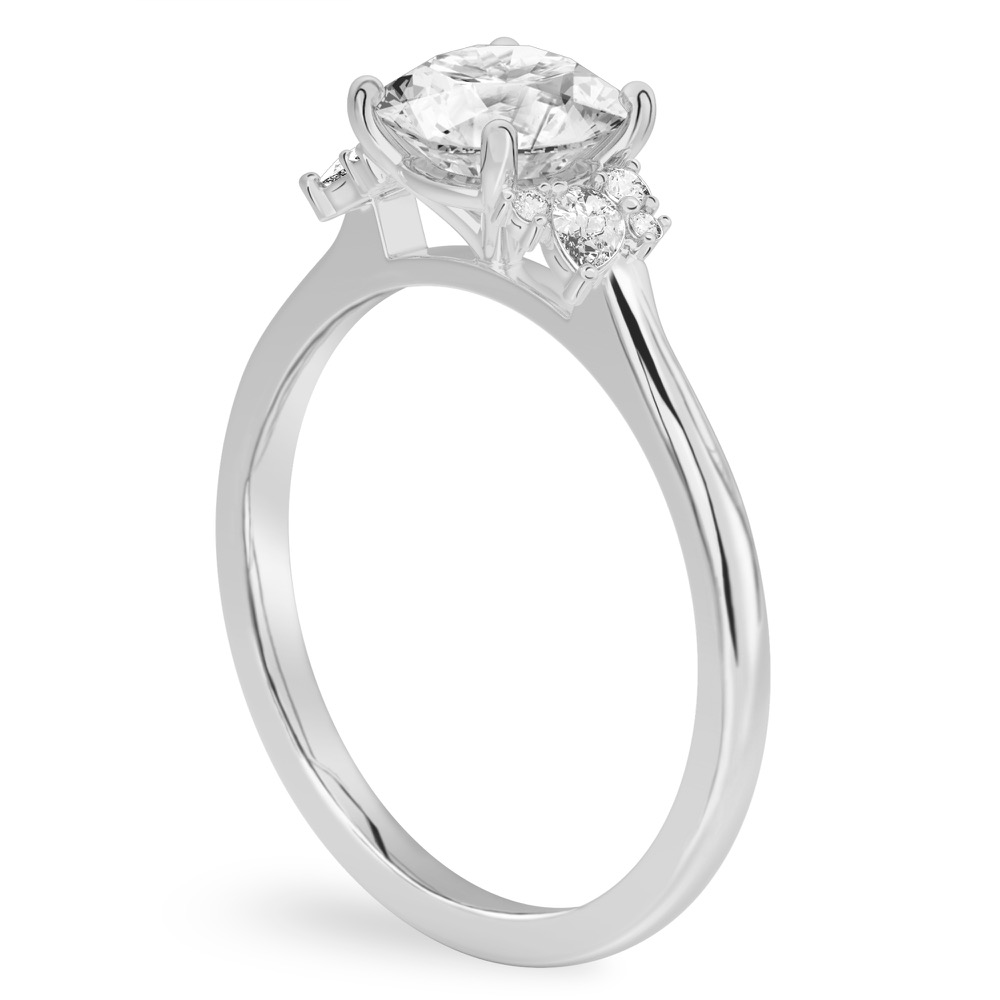
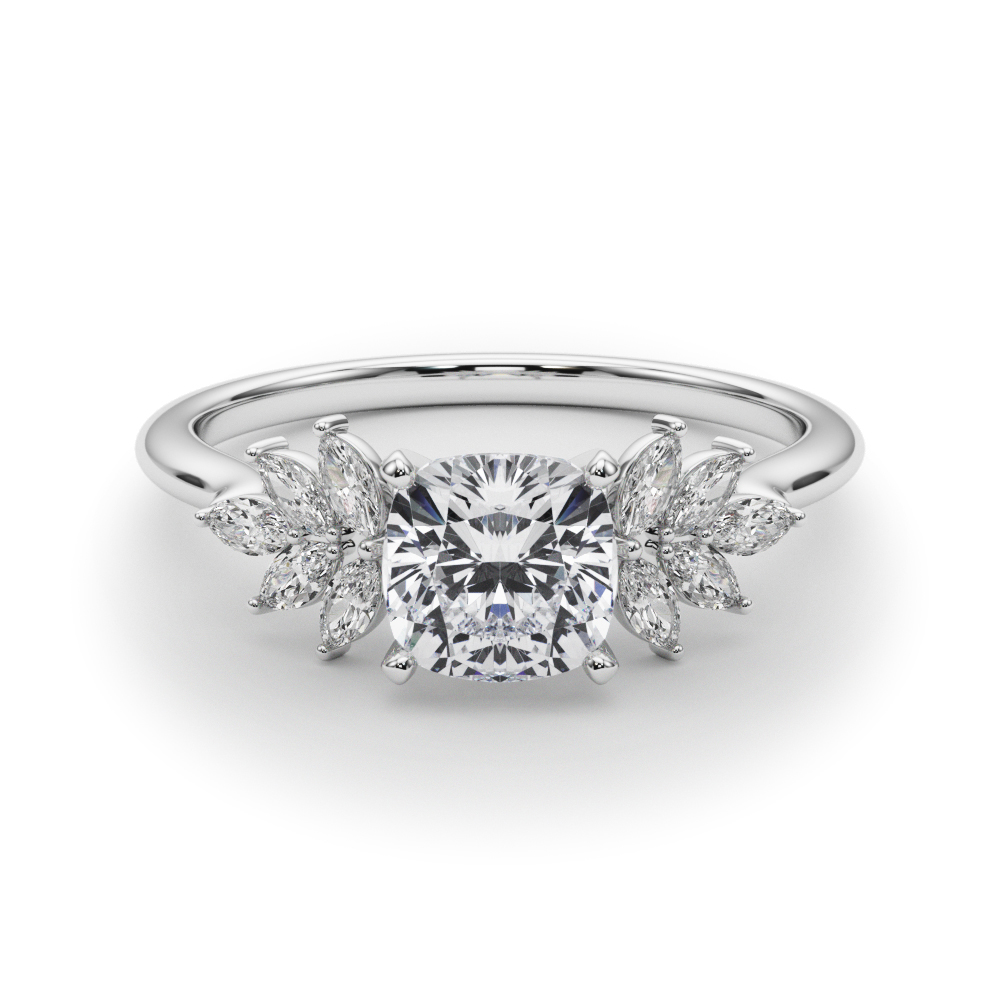
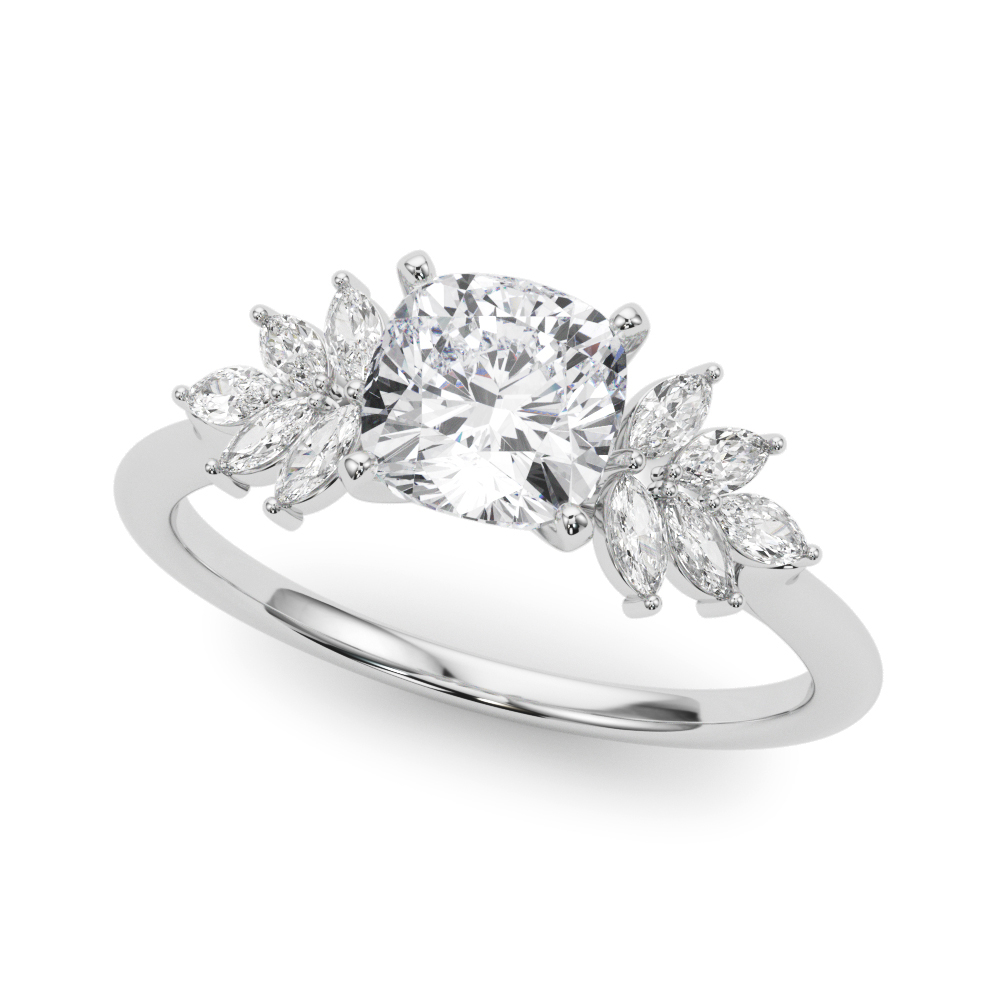
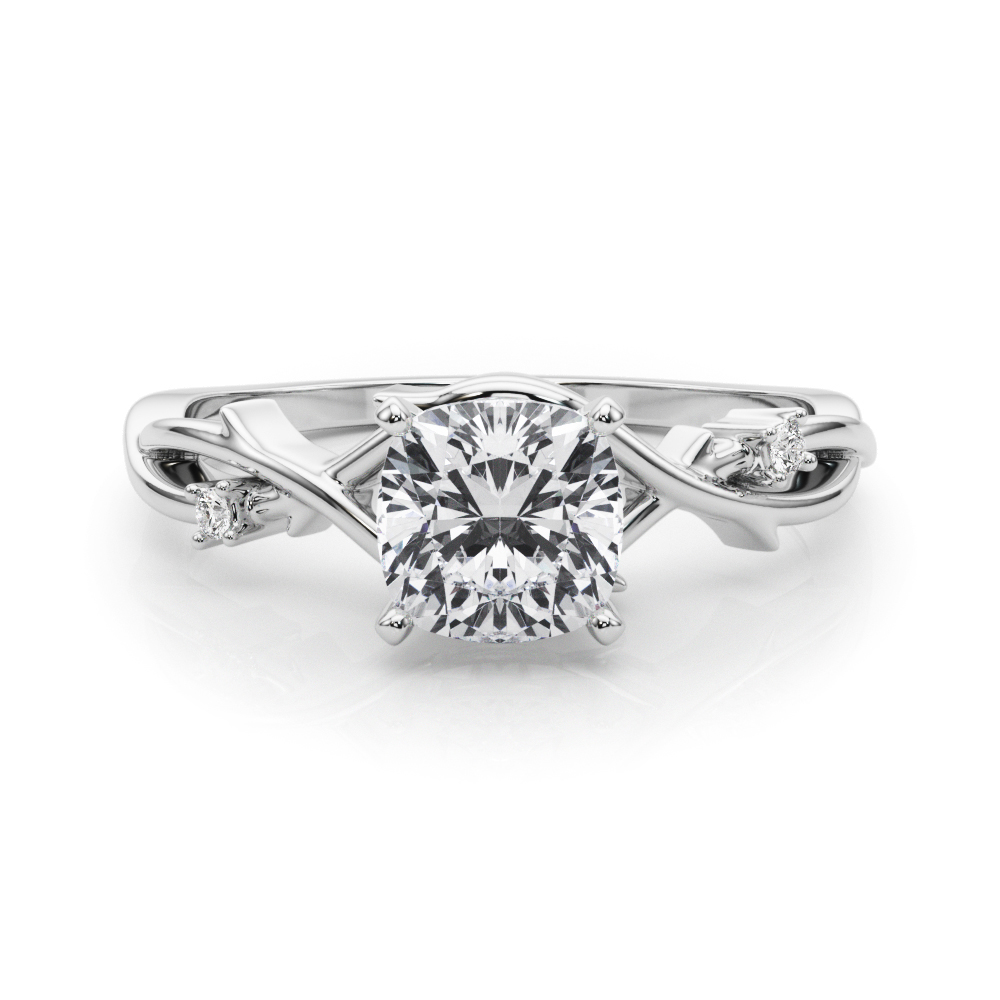
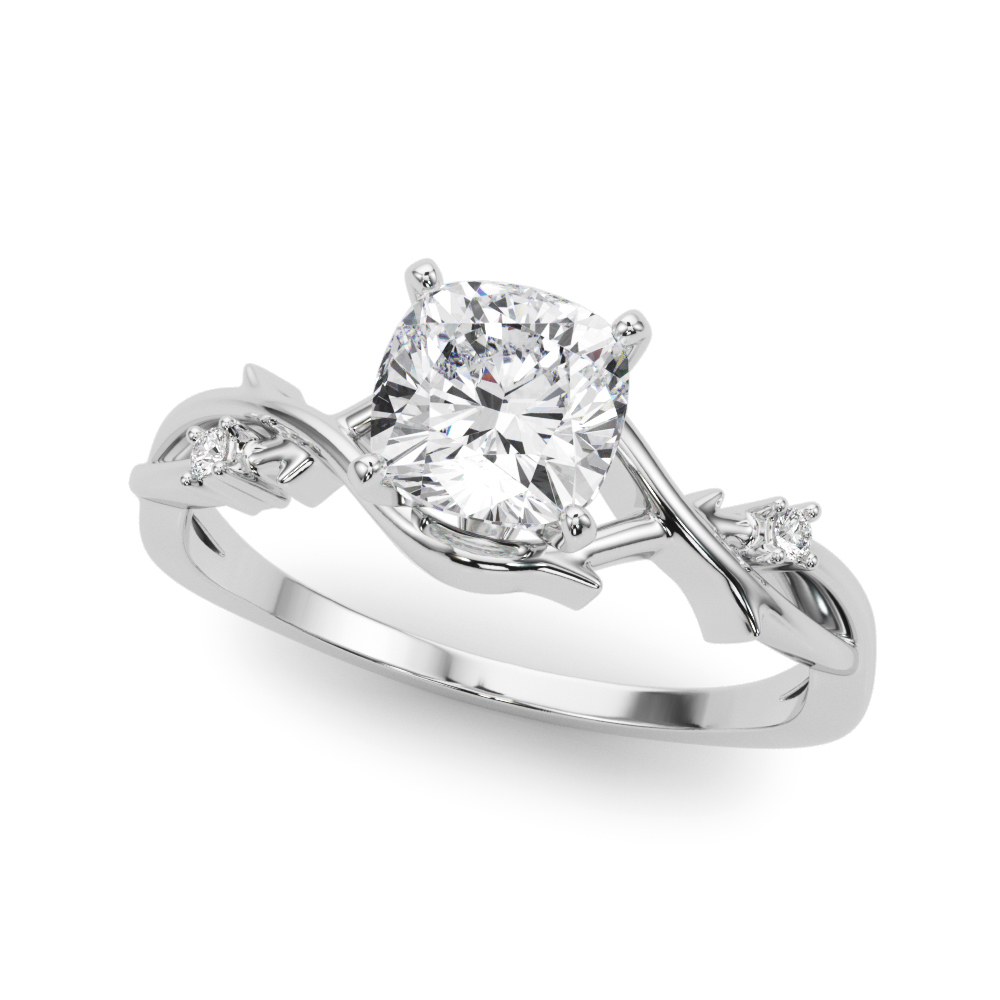
Platinum is 95% pure, naturally white, and the most durable precious metal option for a 1 carat cushion cut lab diamond. It will never yellow or need replating, letting the cushion's broad, romantic sparkle shine without maintenance. Do Amore sources recycled platinum and conflict-free lab diamonds, and their giving model has funded clean water for over 22,000 people across 14 countries since 2017.