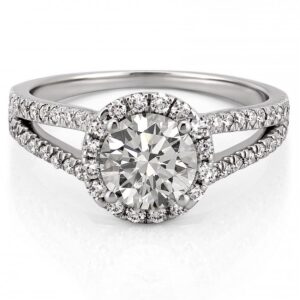
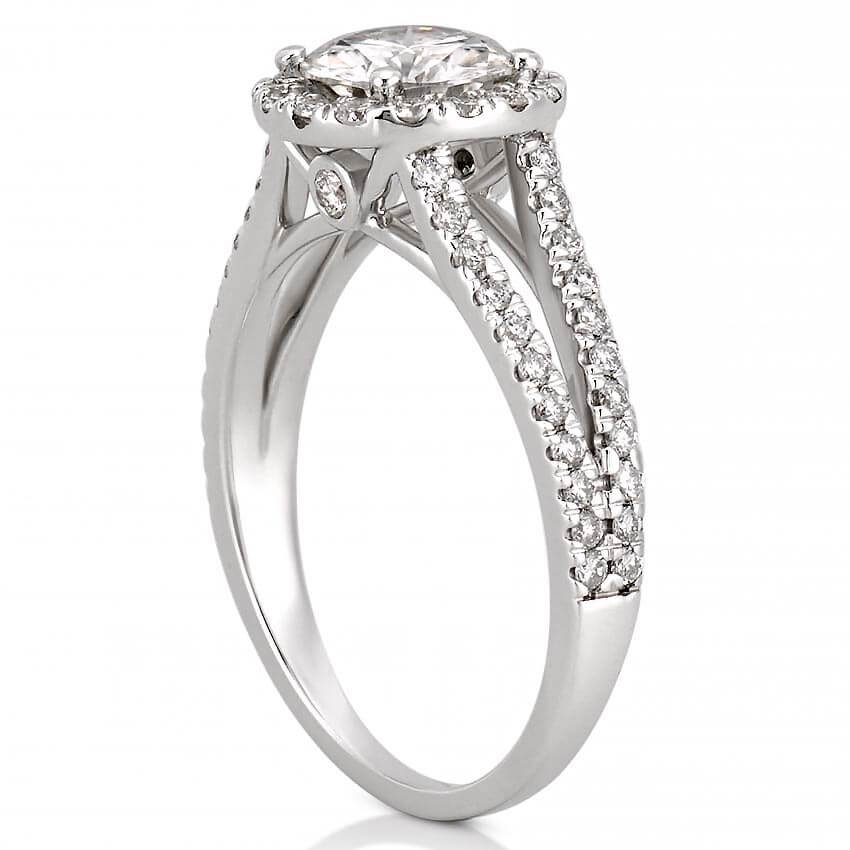
Yes. Lab diamonds are identical to mined diamonds in chemical composition, crystal structure, and optical properties. The only difference is origin: one forms underground over millions of years, the other is grown in a controlled lab environment. No jeweler can tell them apart without specialized equipment.
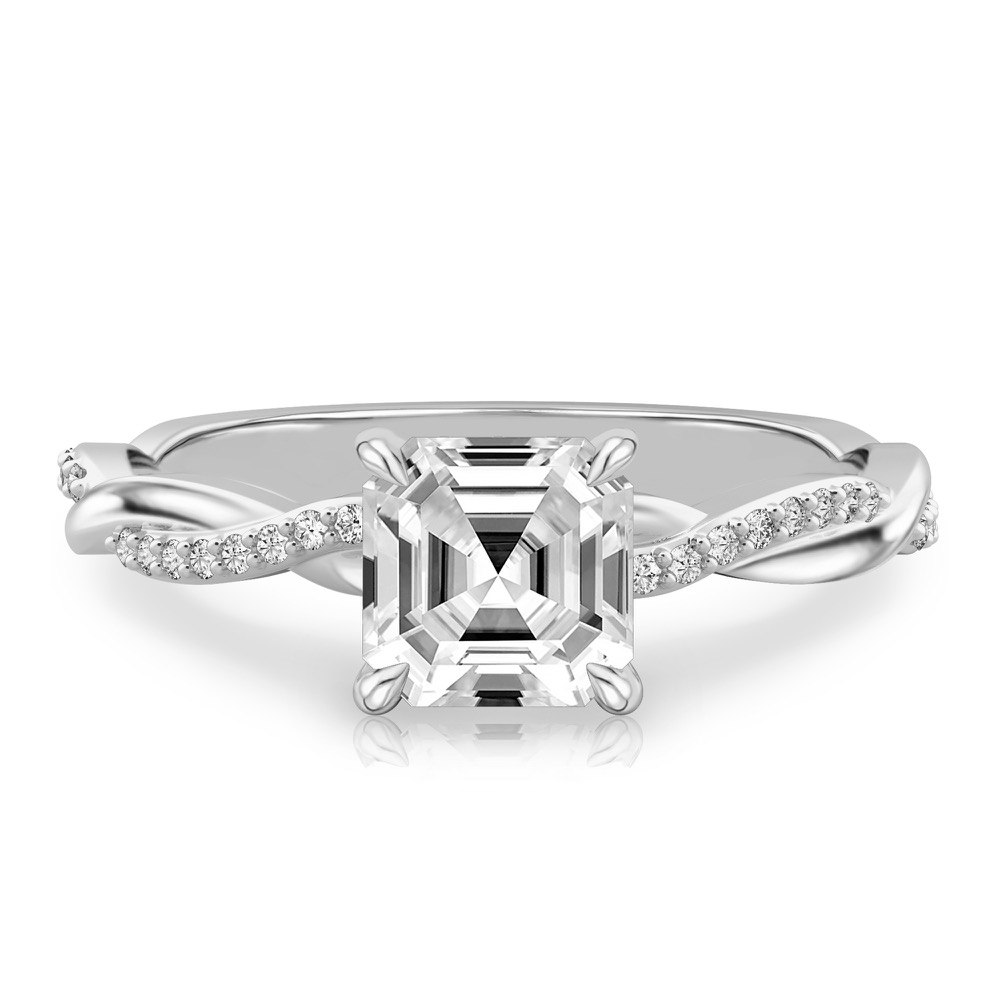
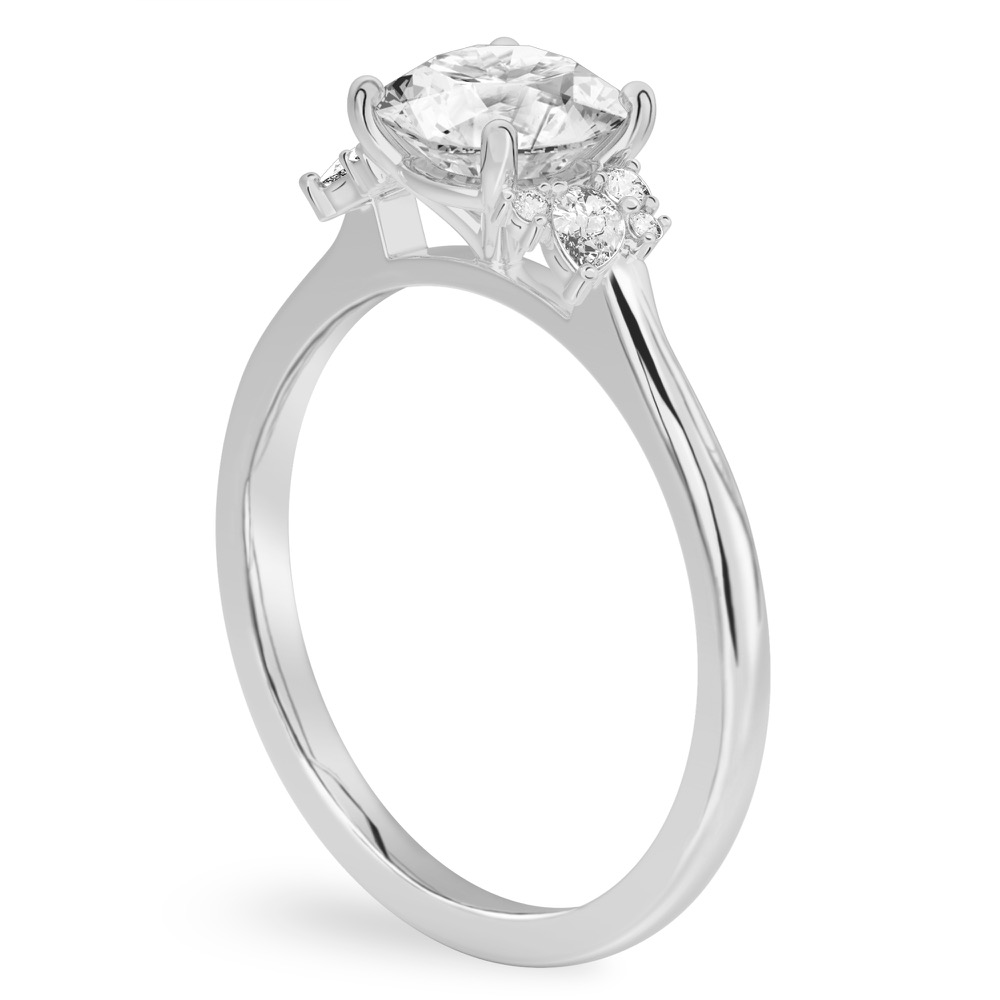
Most 14k white gold alloys do contain nickel, which is used to achieve the white color in the metal mix. People with nickel allergies should be aware of this before choosing white gold. If sensitivity is a concern, platinum or palladium are naturally white metals that do not contain nickel and are fully hypoallergenic.
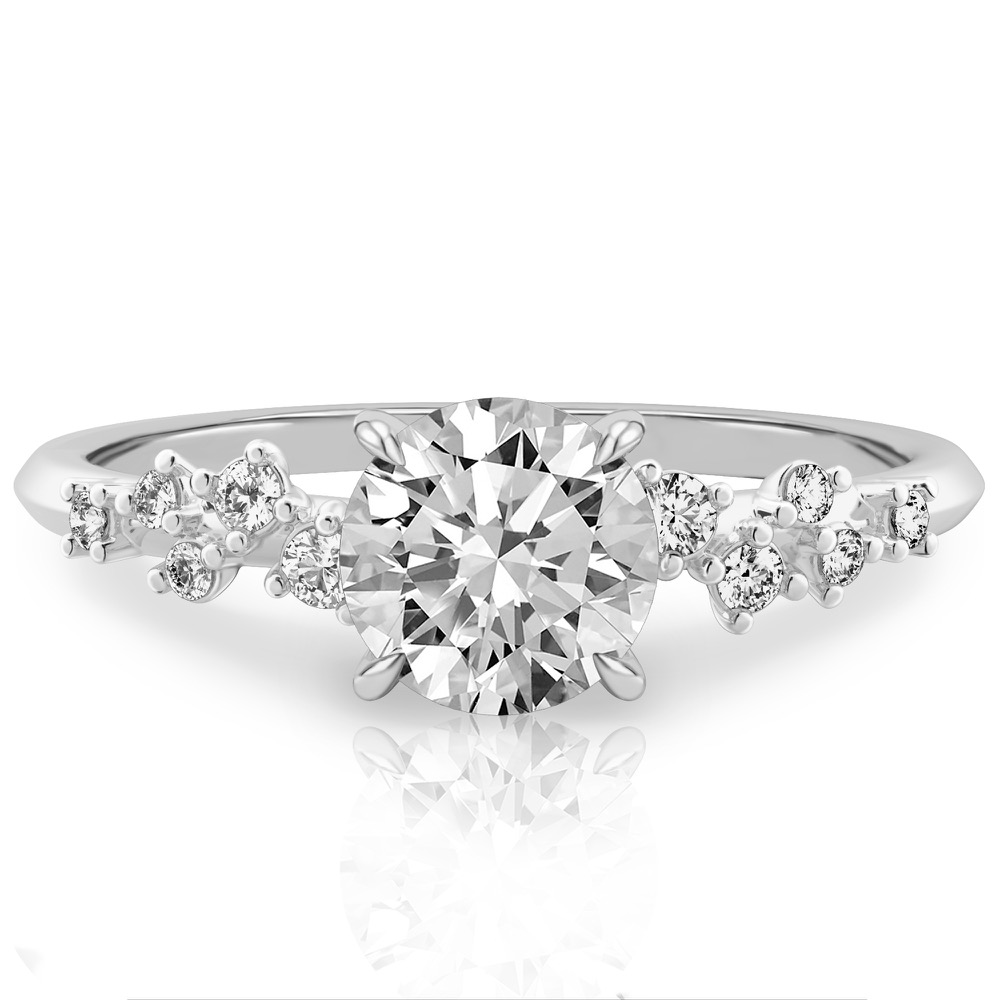
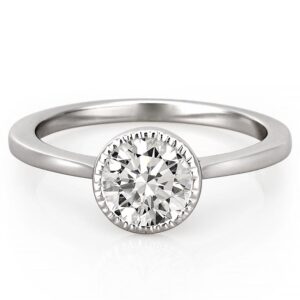
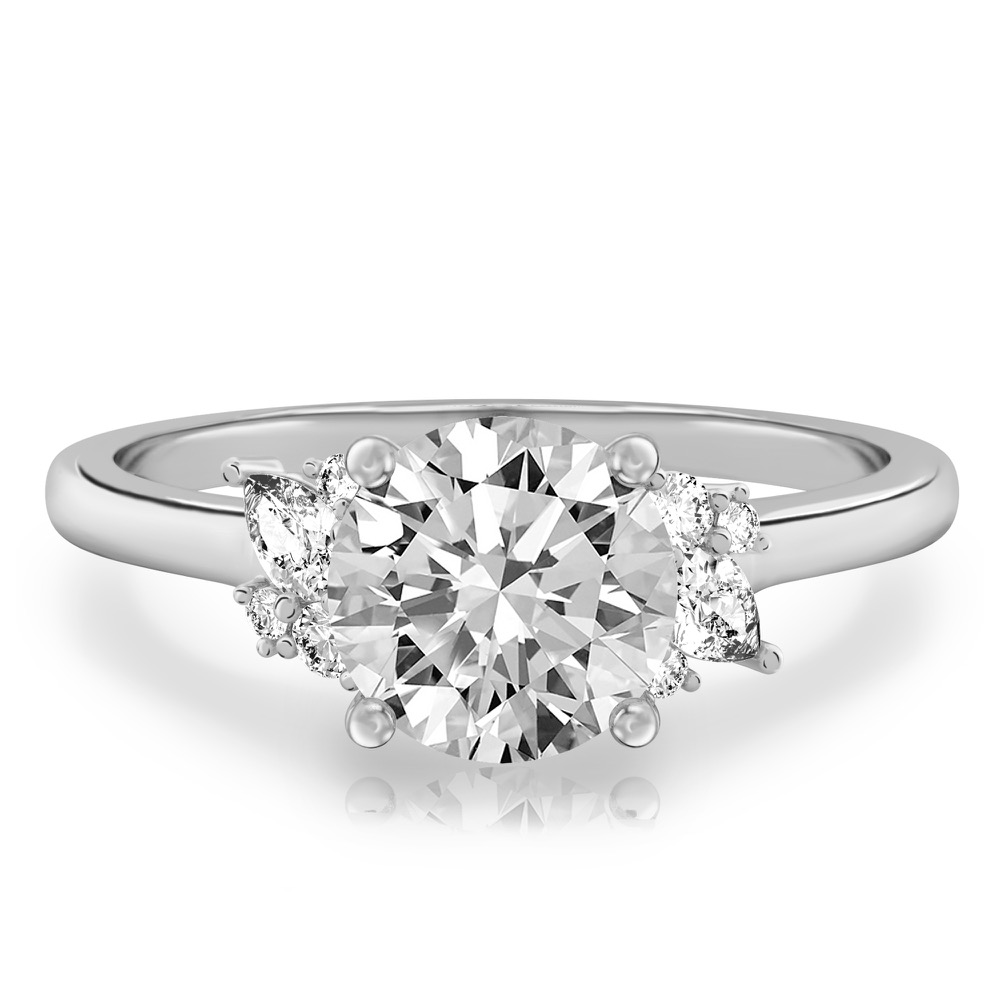
Yes. A 1 carat center stone is consistently the most popular engagement ring choice in the US. At 1 carat, this was the average diamond size for many decades before lab-grown diamonds came along, making it a proven, timeless choice. It offers a balanced, classic look that suits most hand sizes without feeling understated or overwhelming. At approximately 6.5mm across in a round brilliant cut, it is noticeable and elegant while remaining proportionate for daily wear.
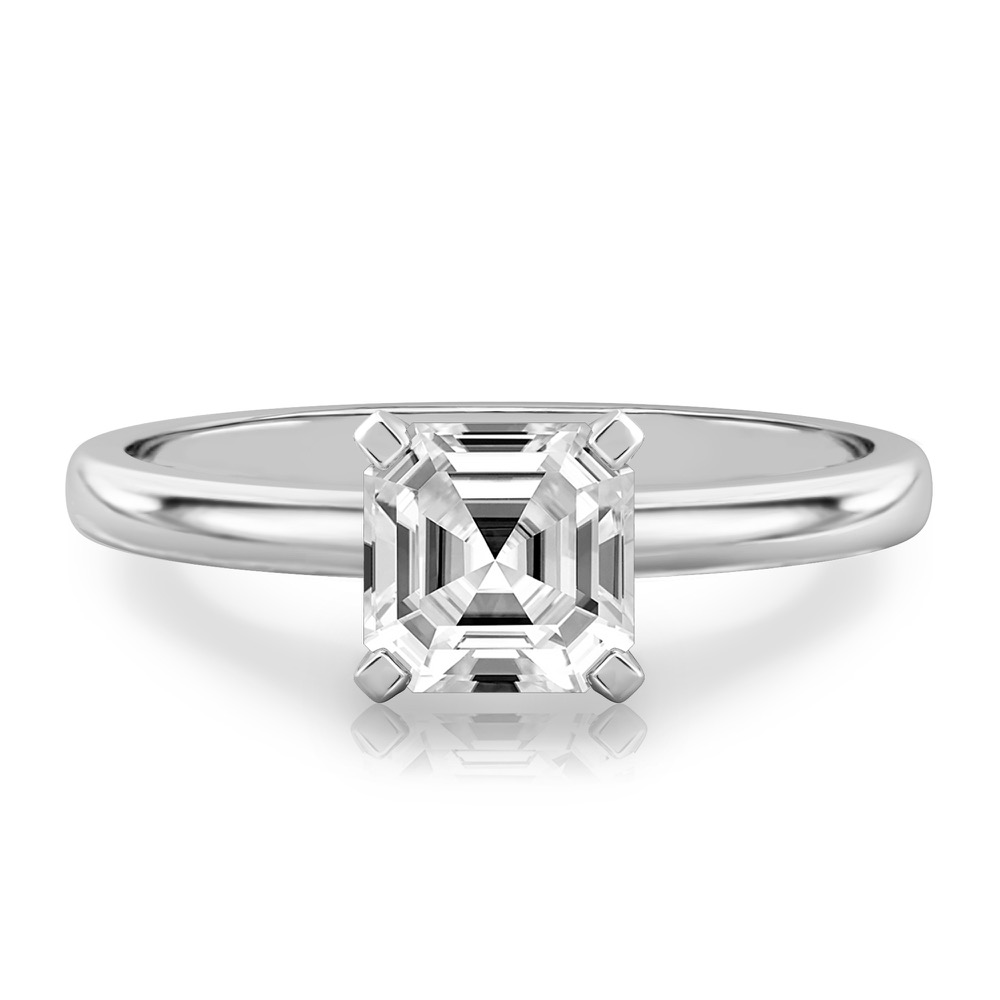
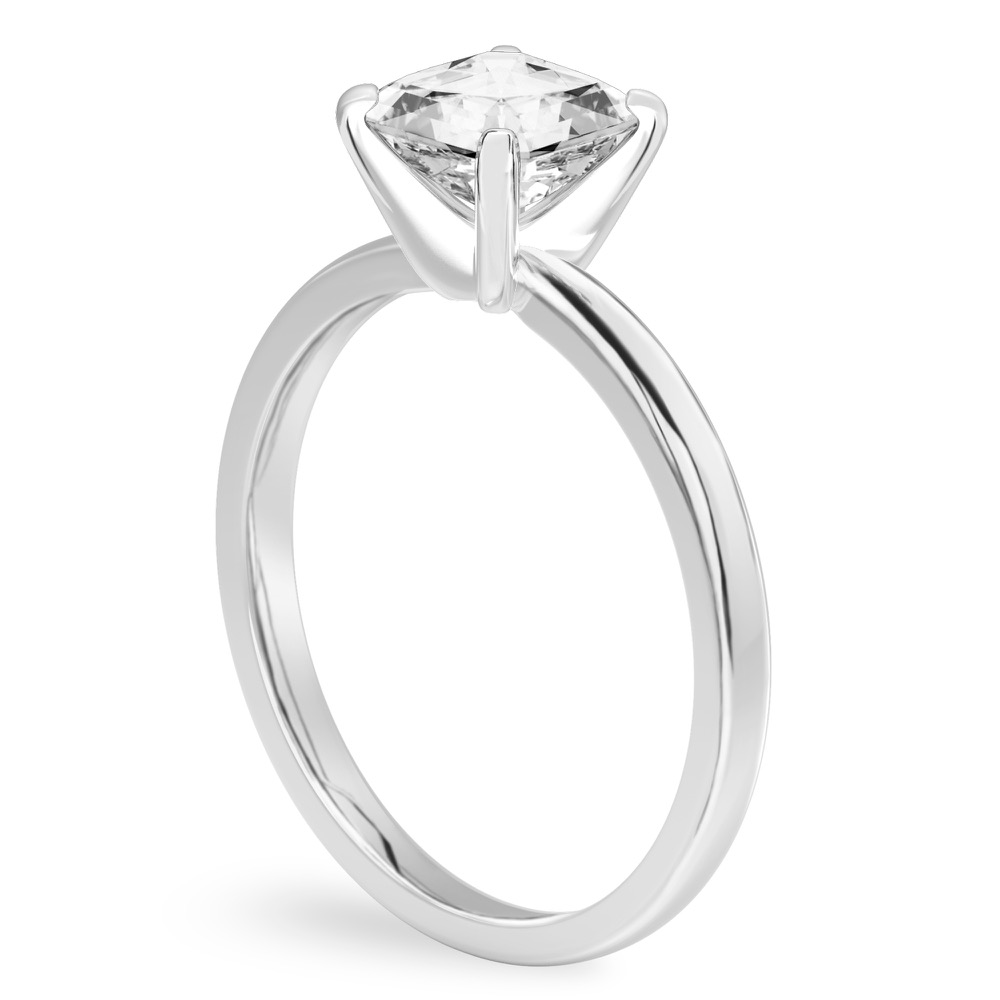
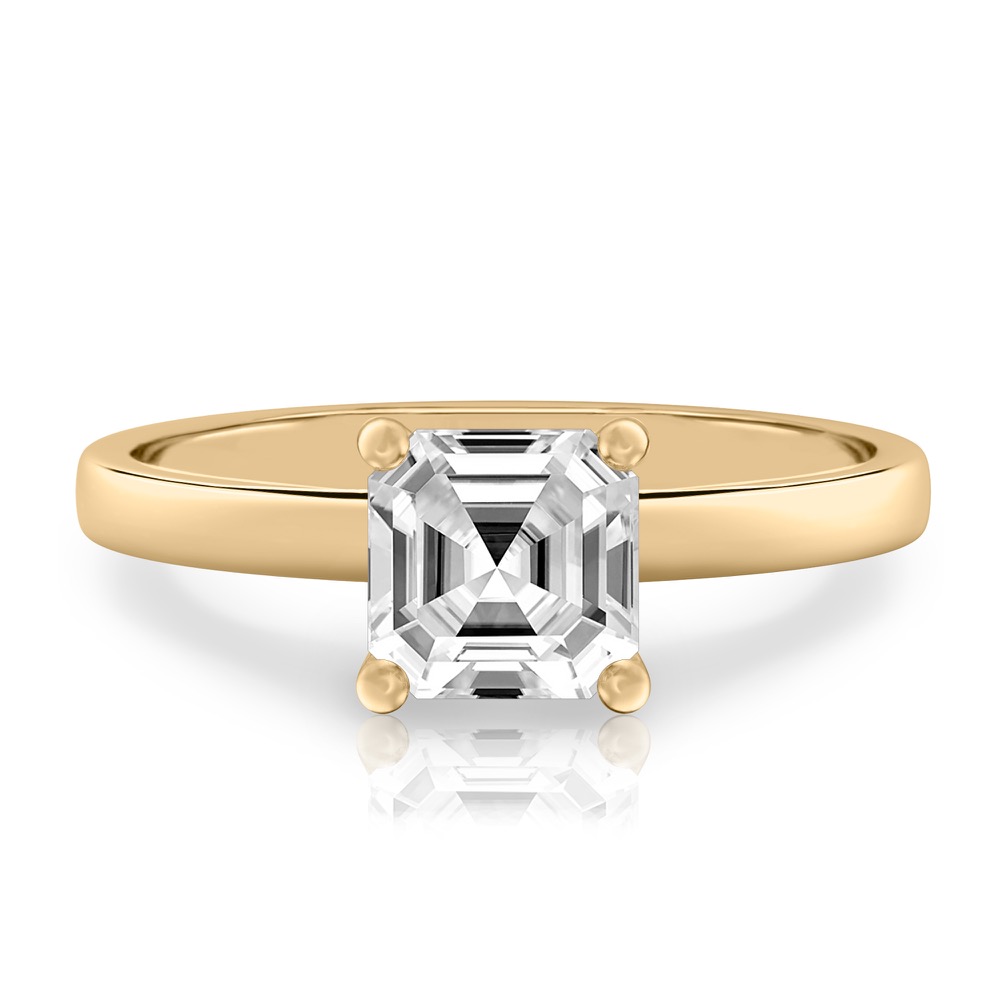
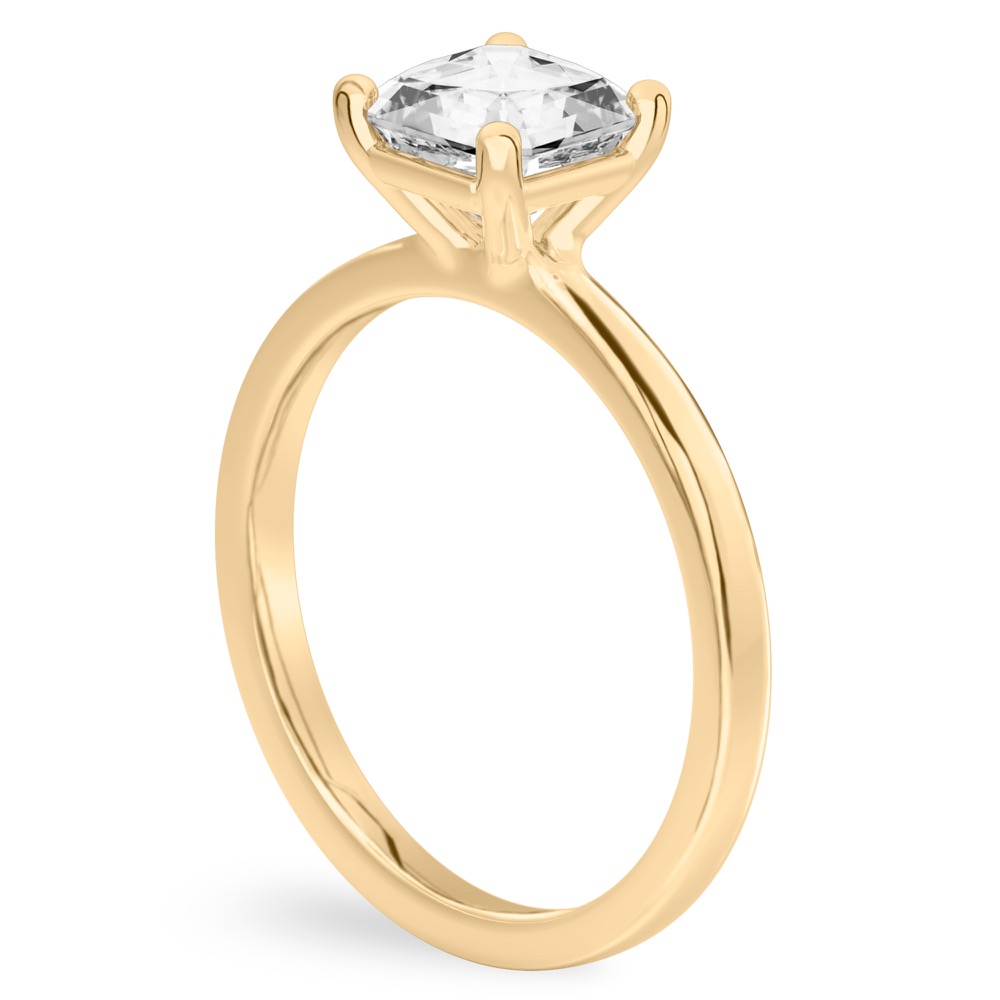
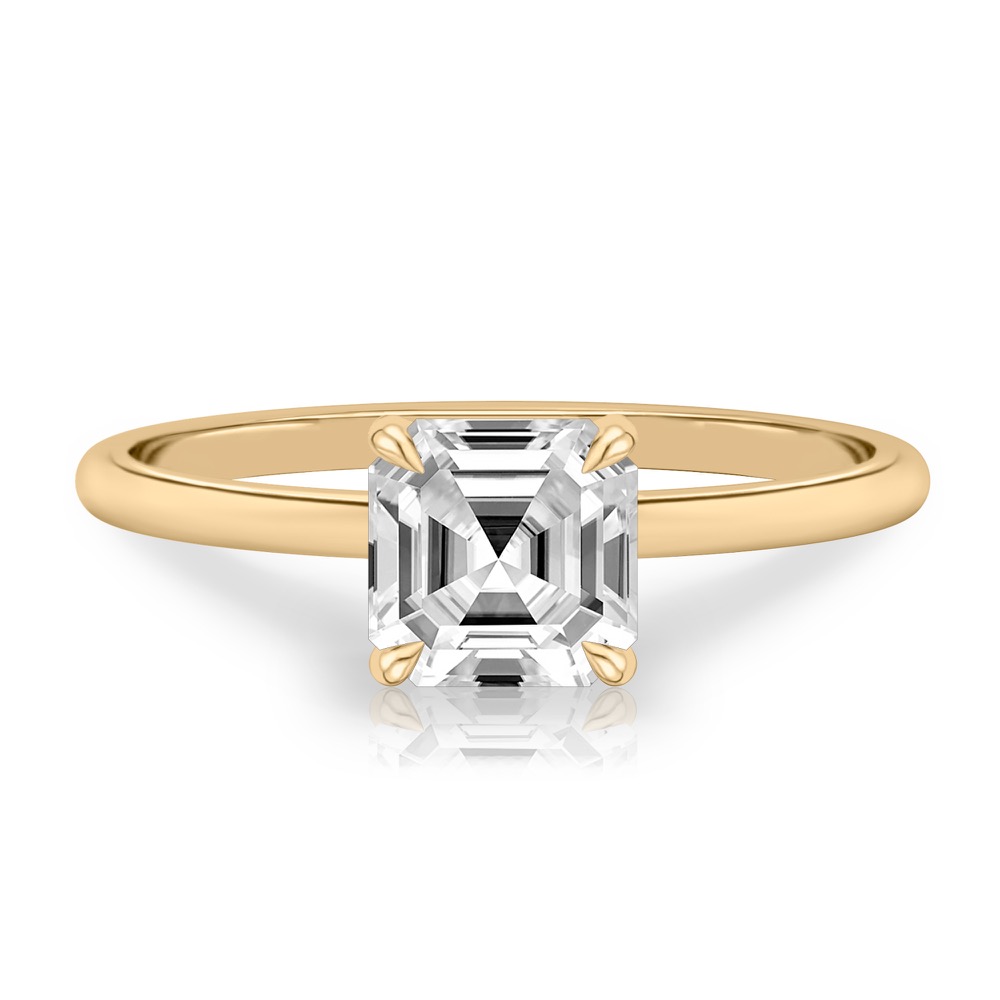
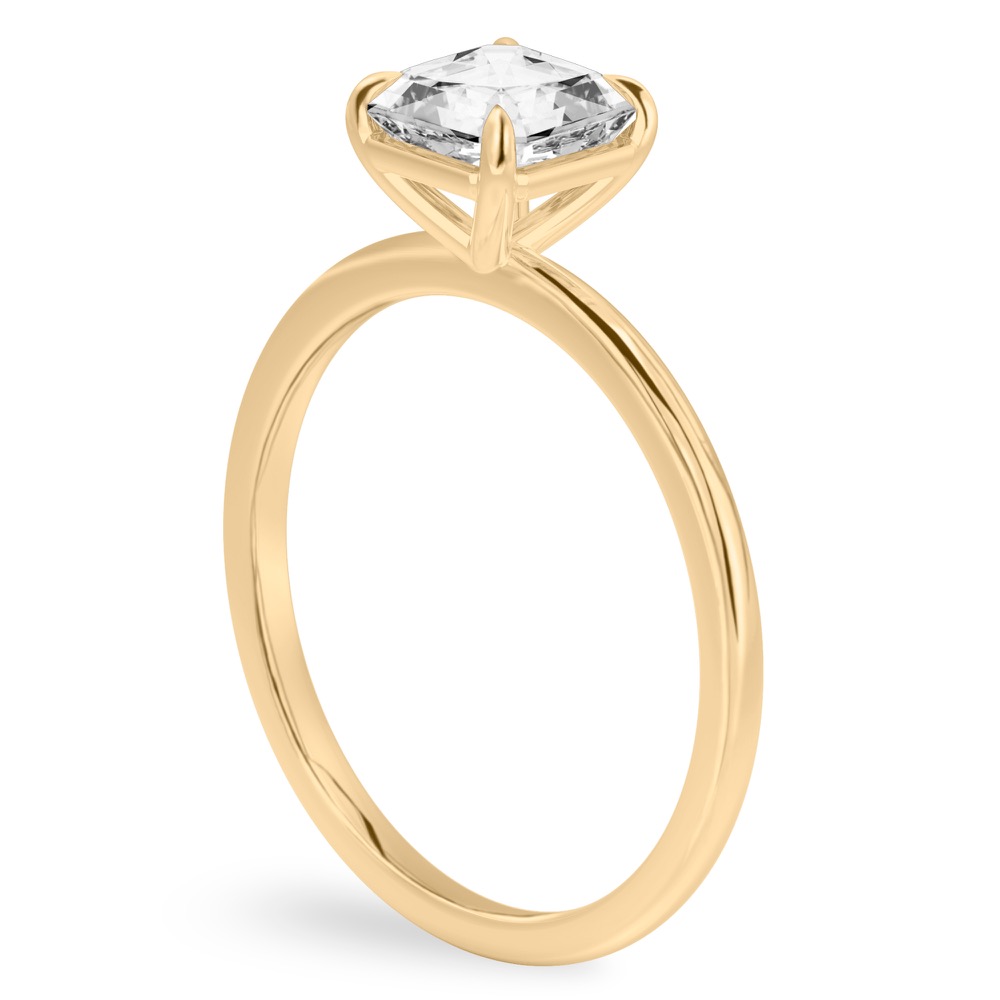
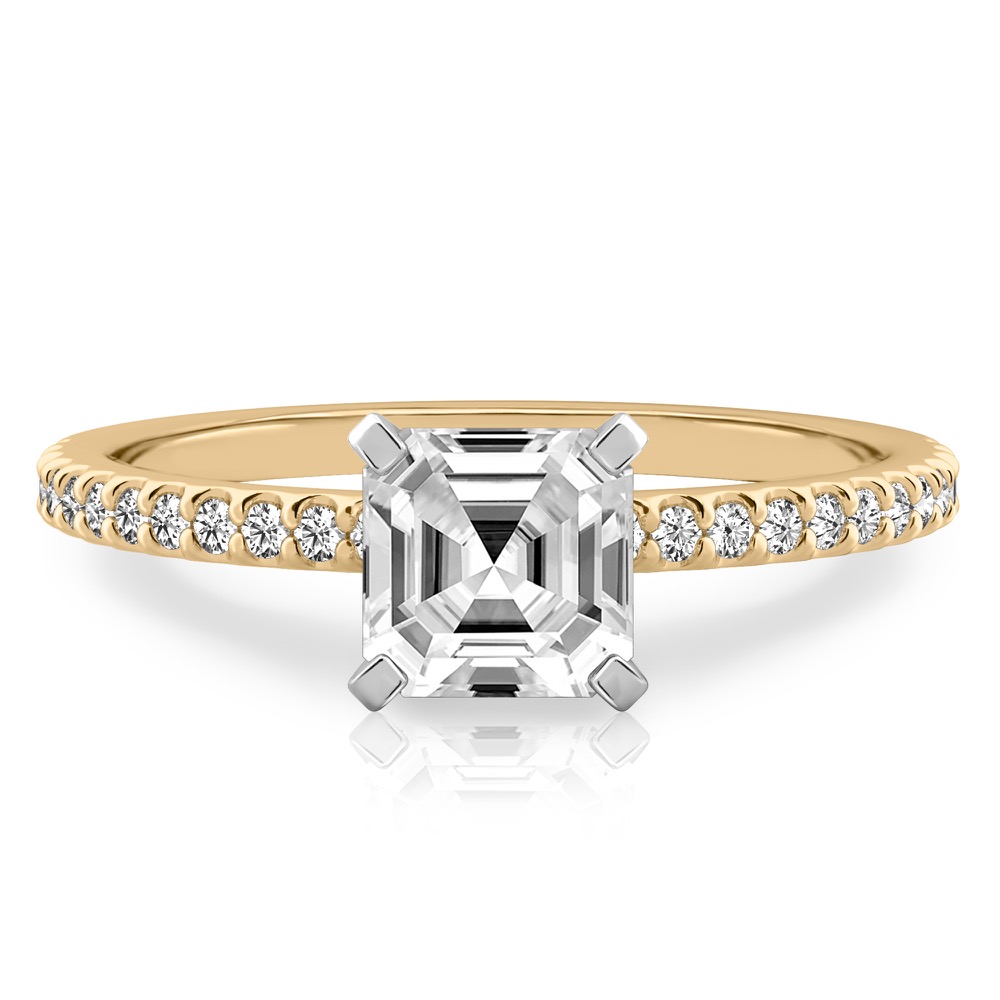
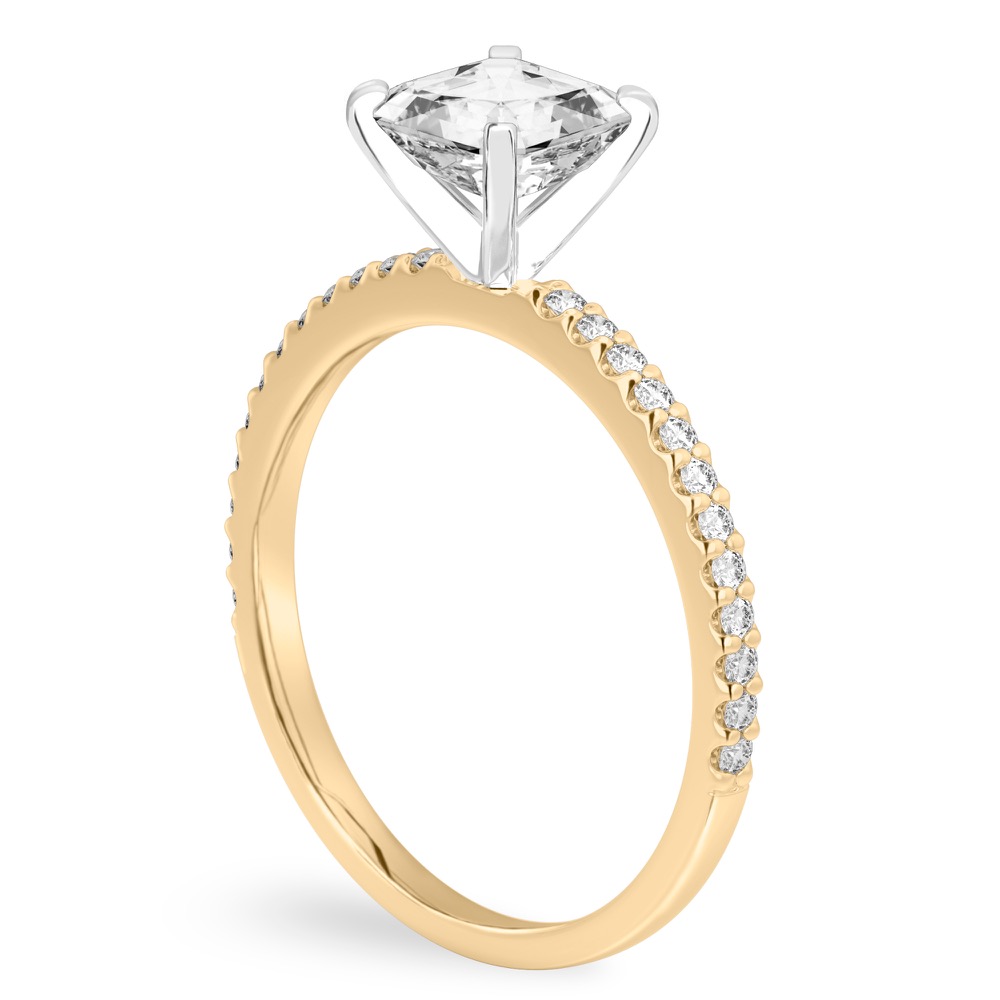
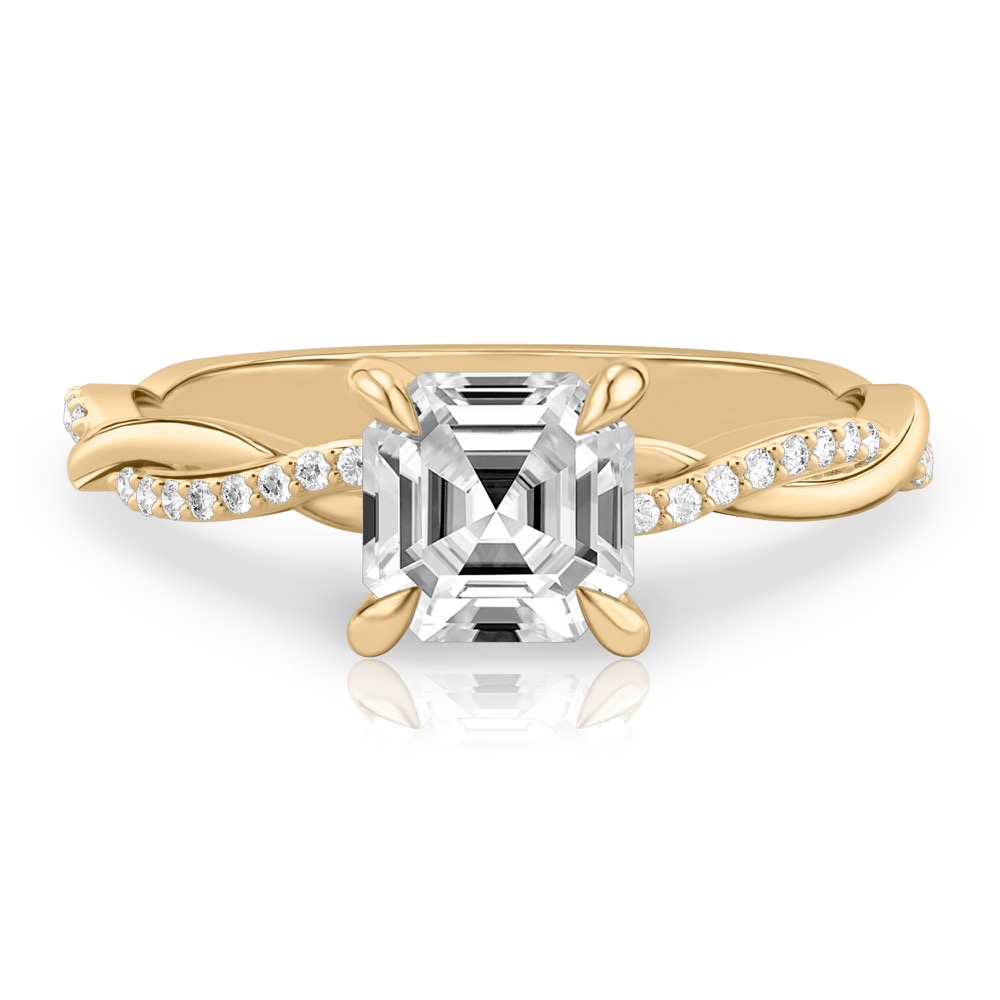
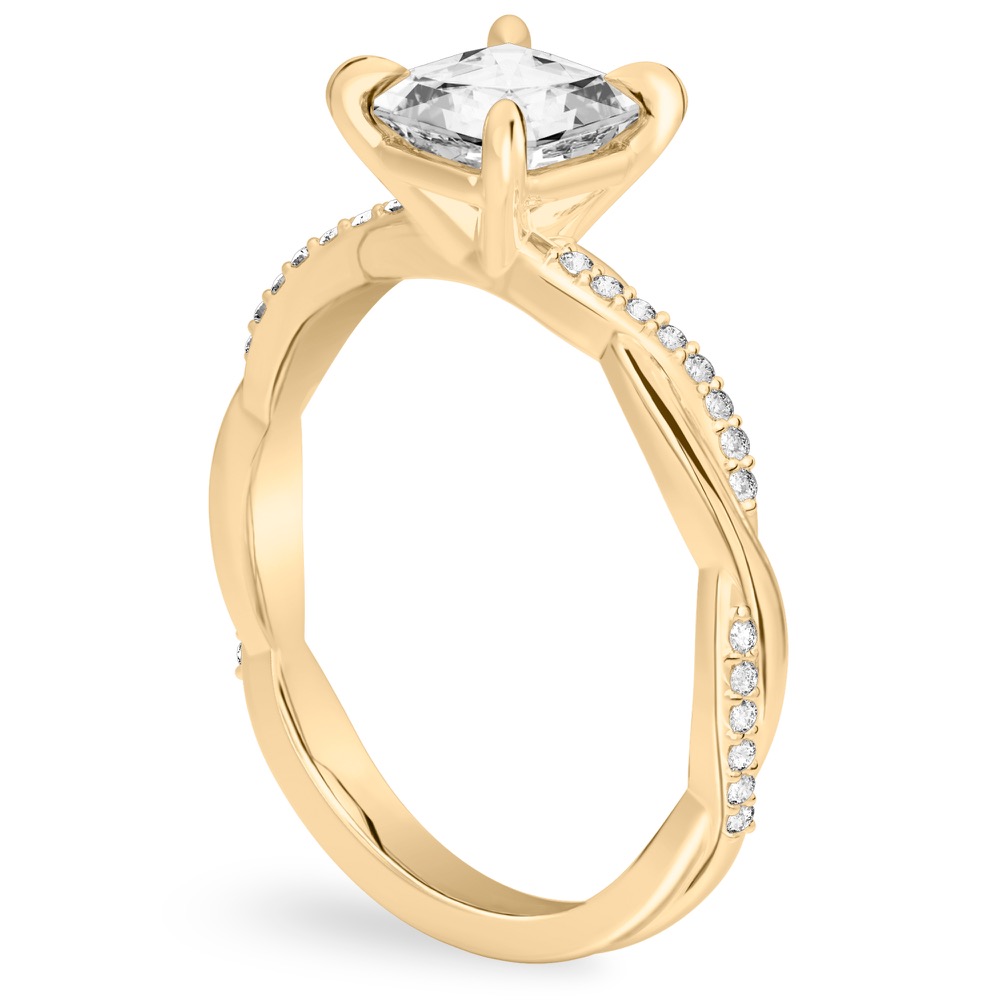
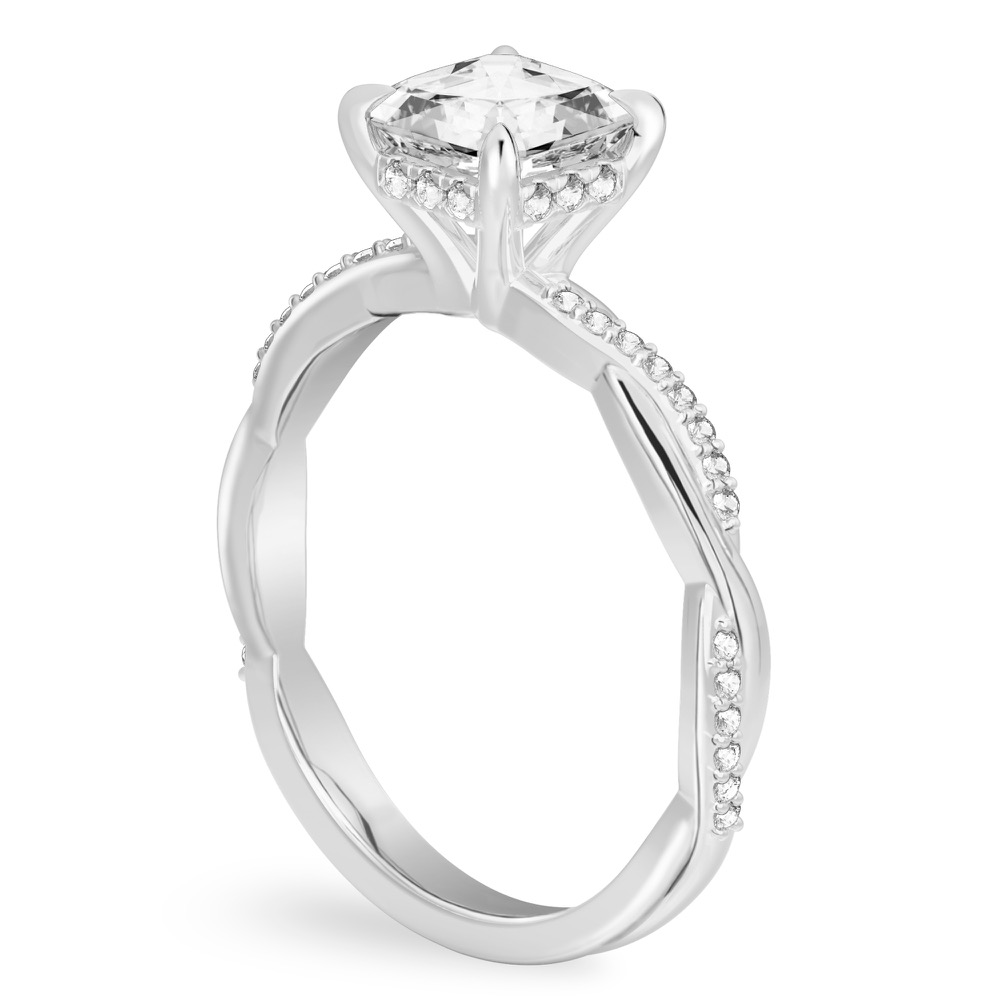
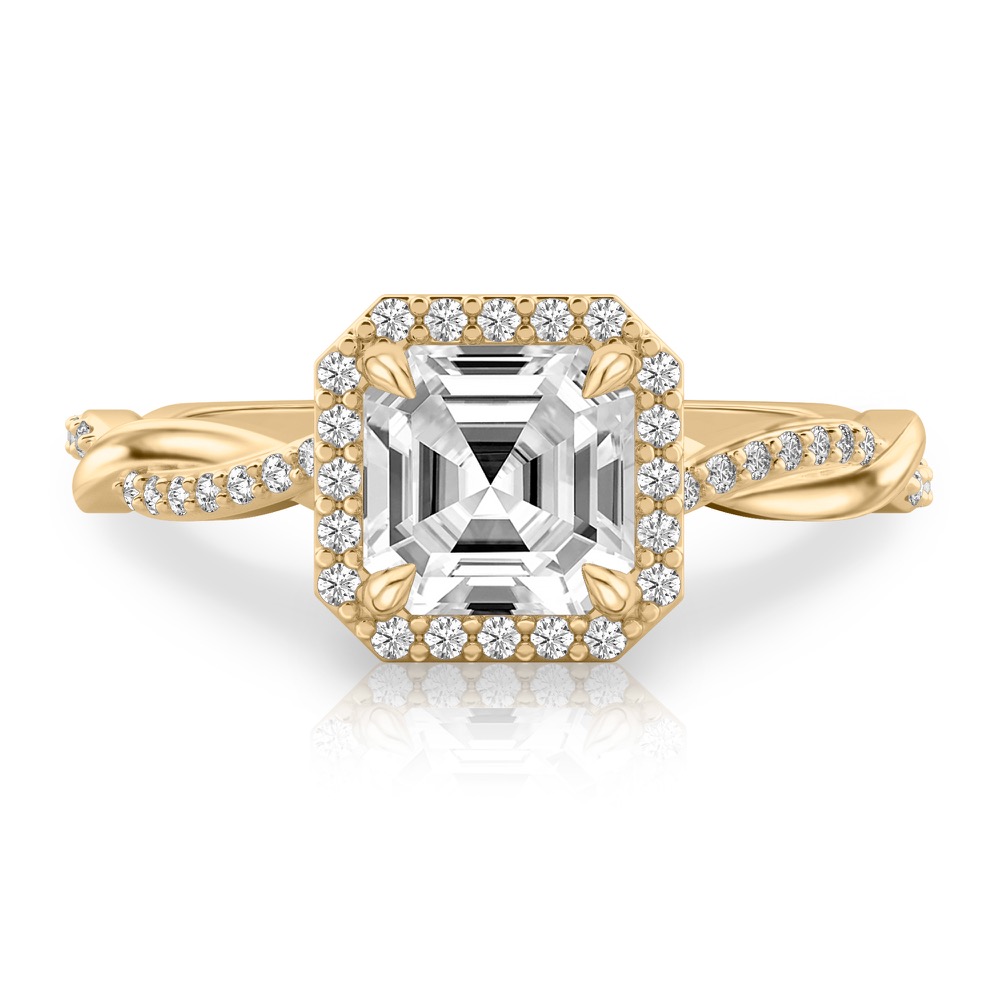
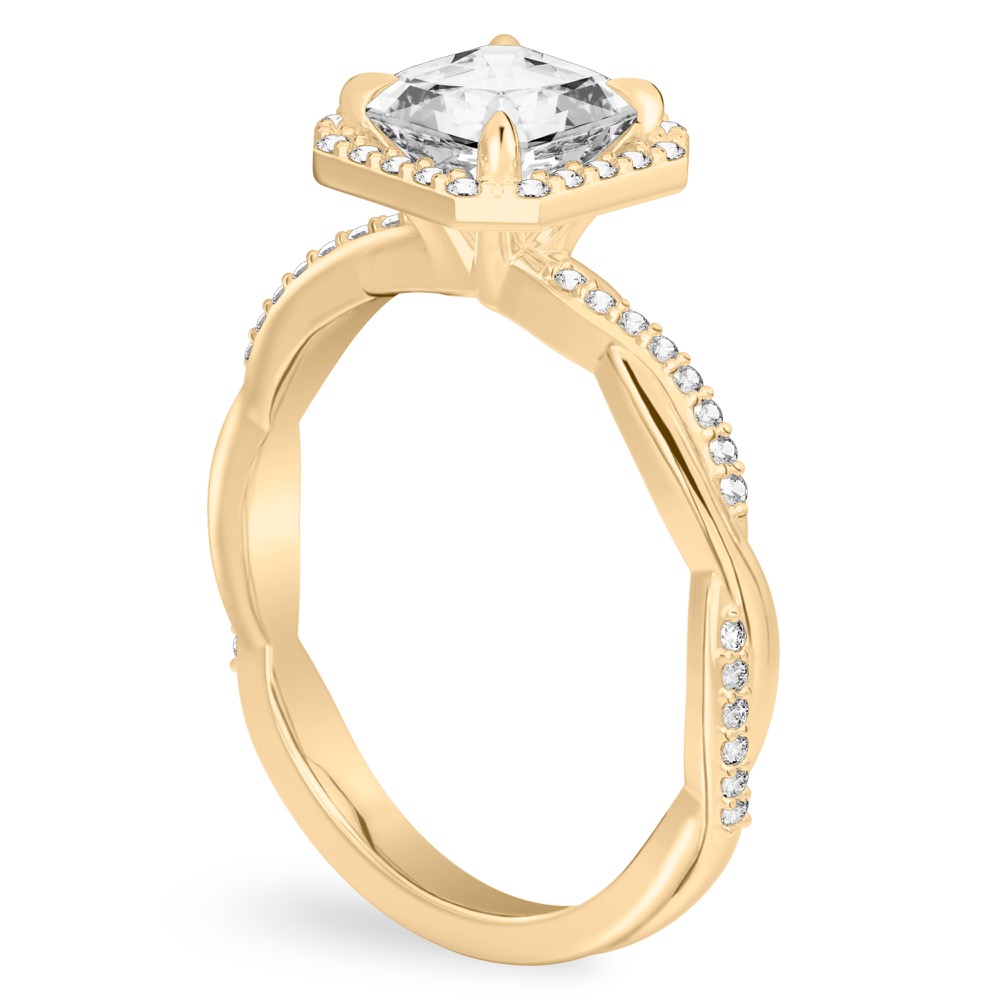
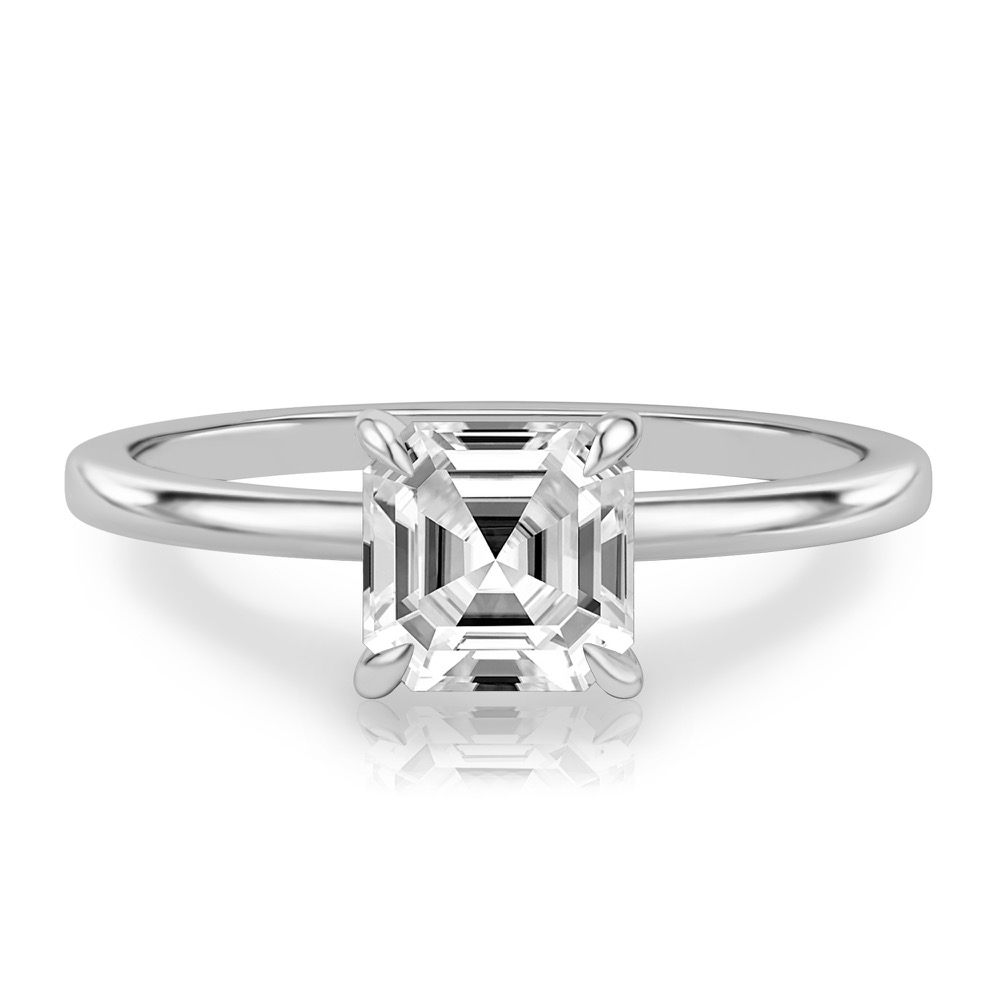
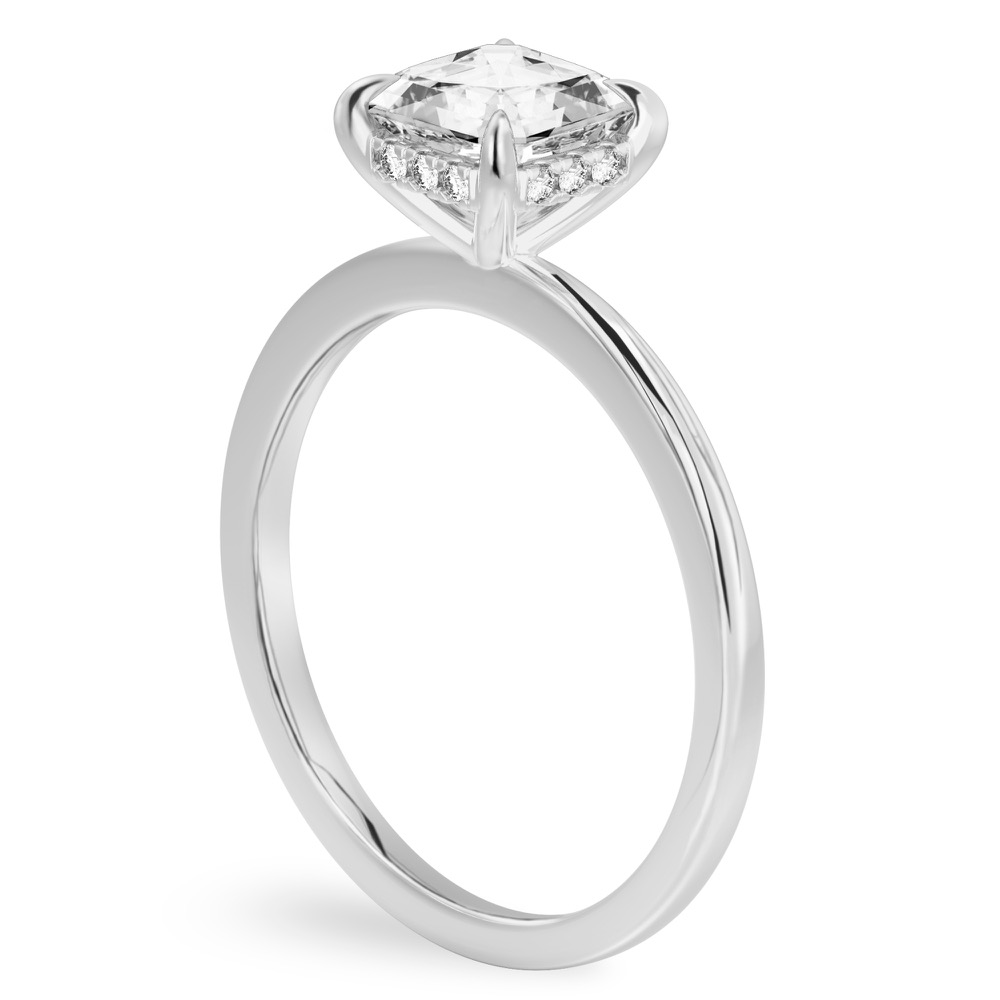
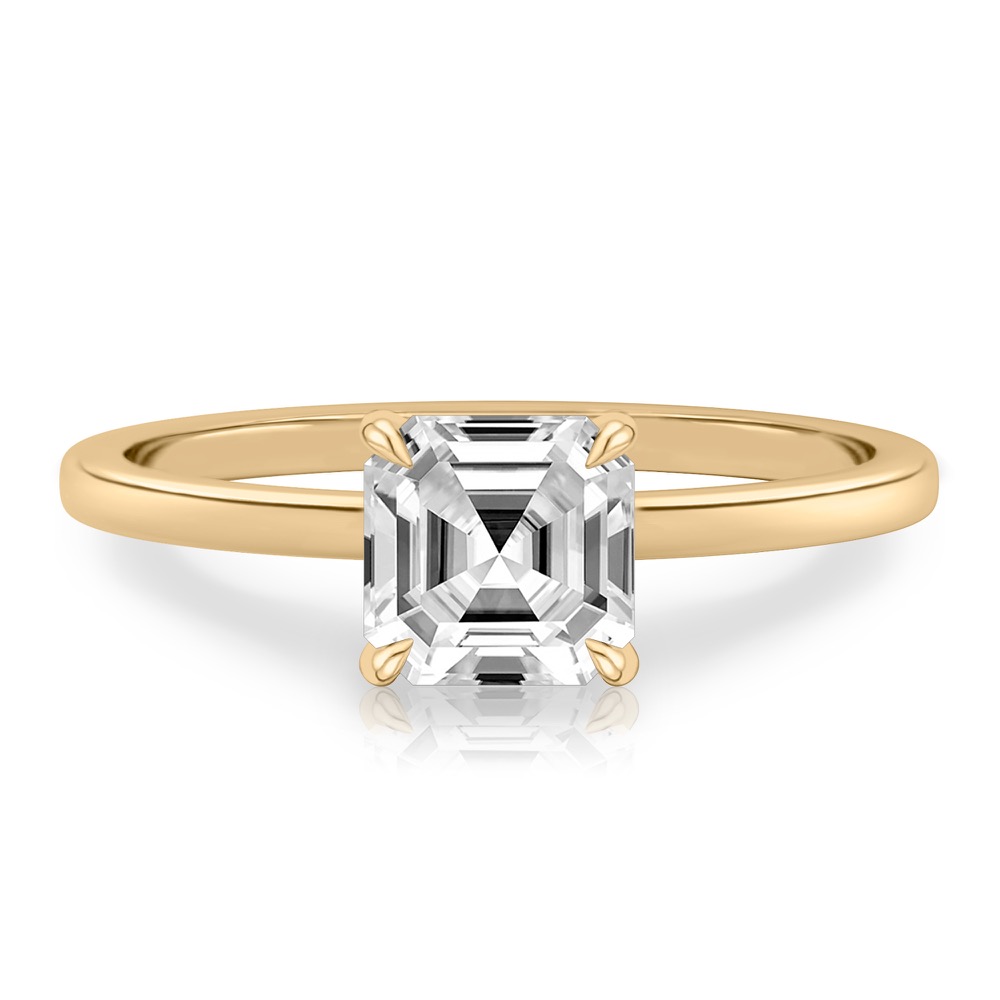
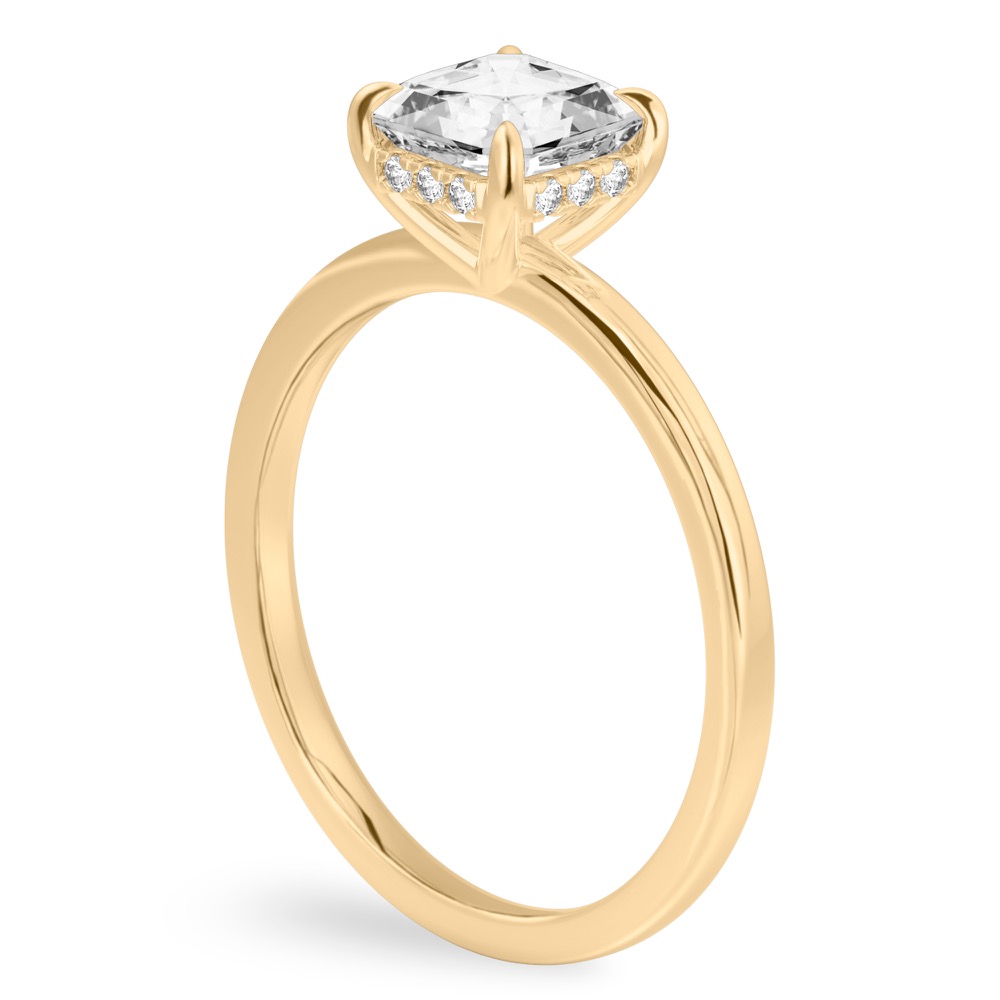
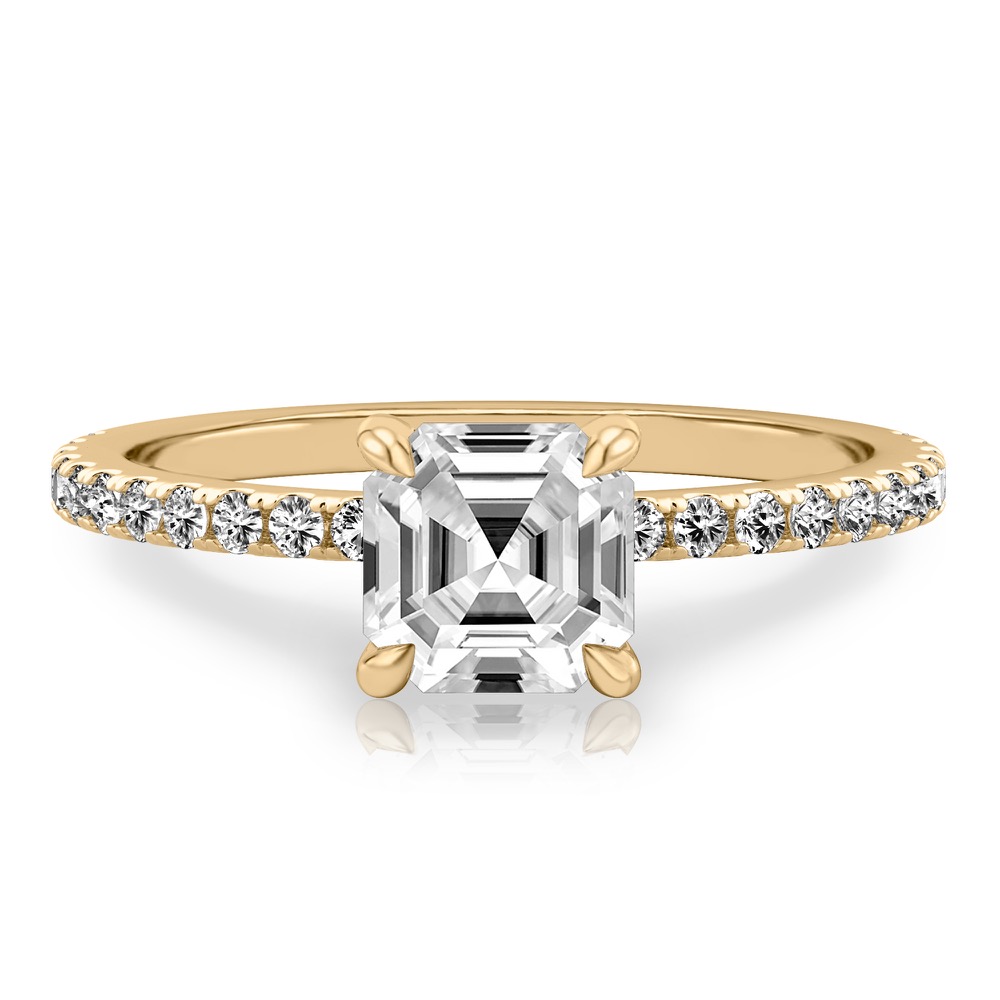
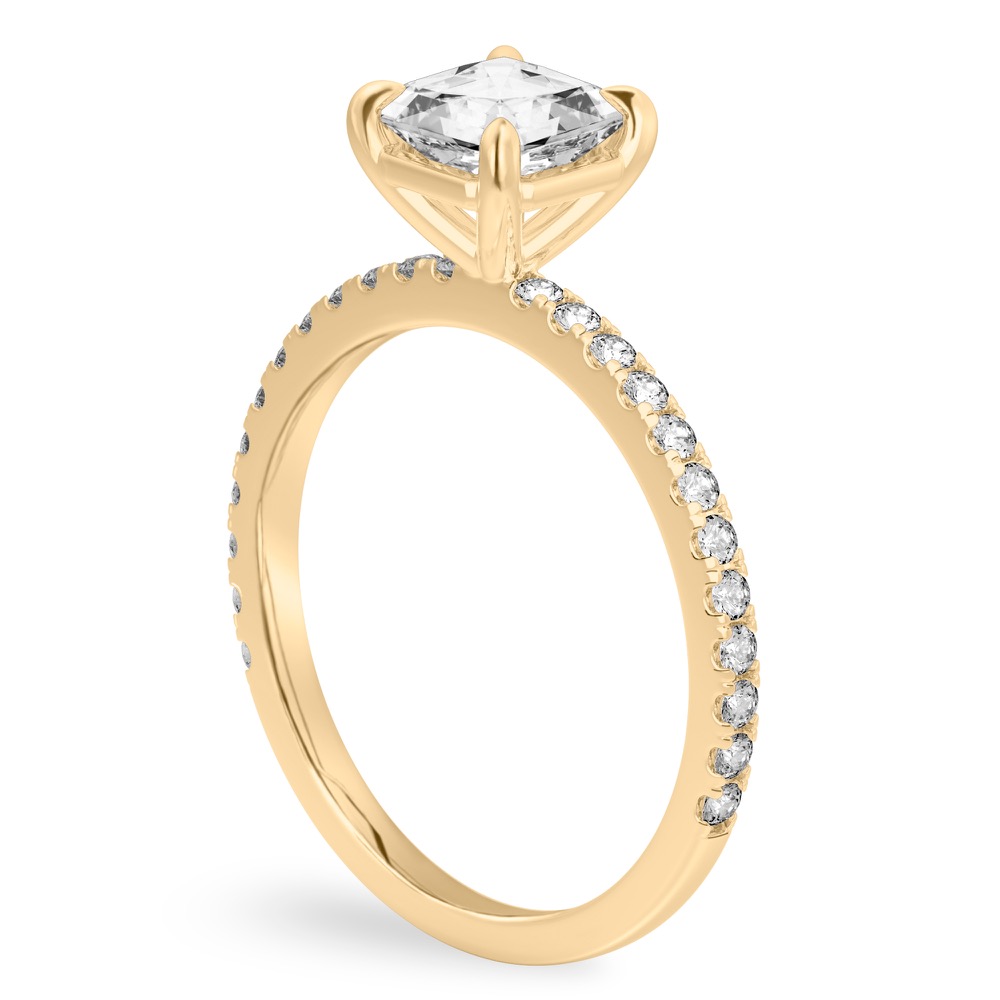
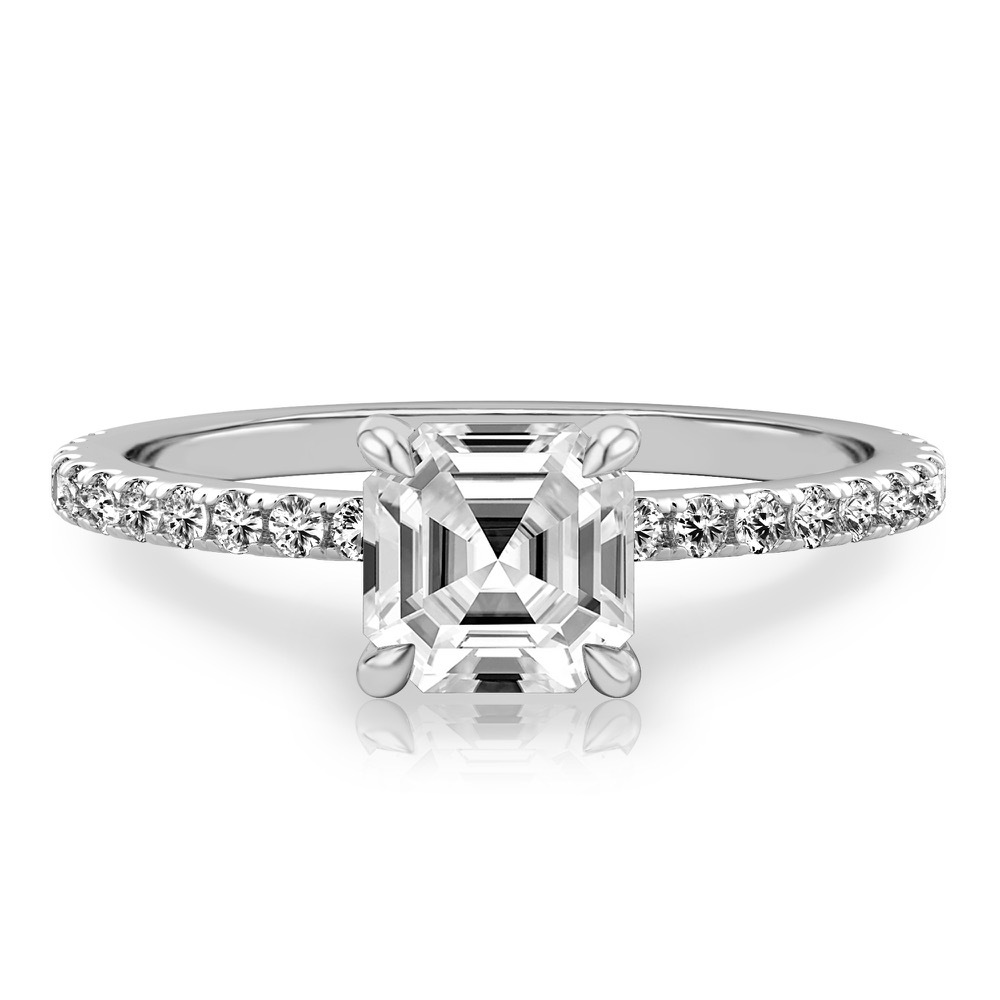
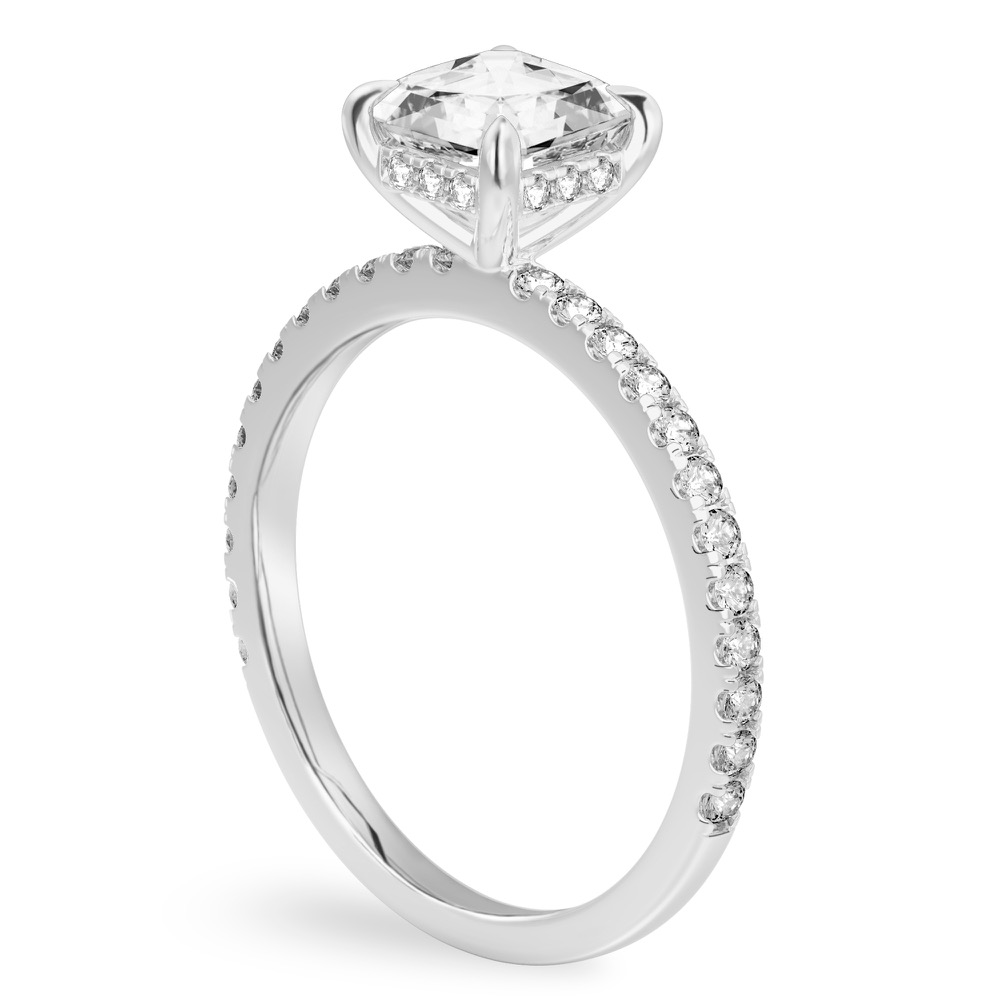
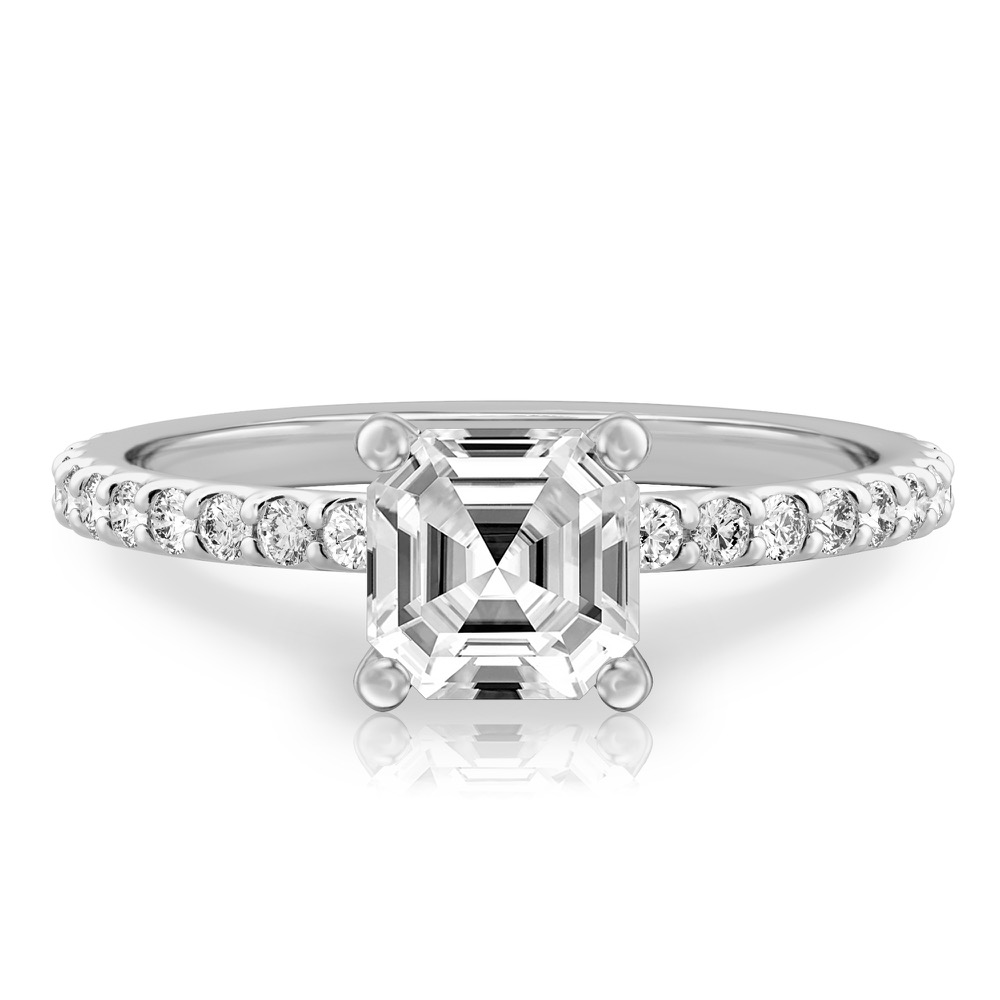
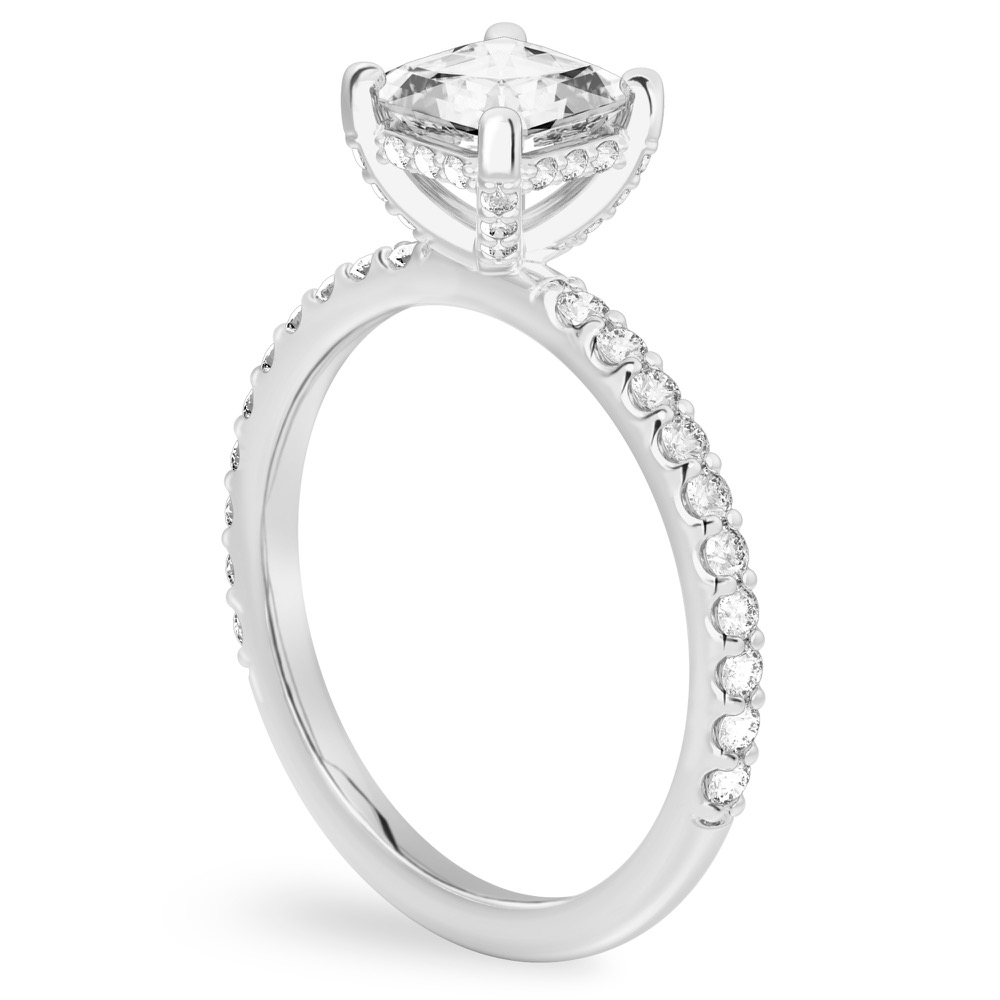
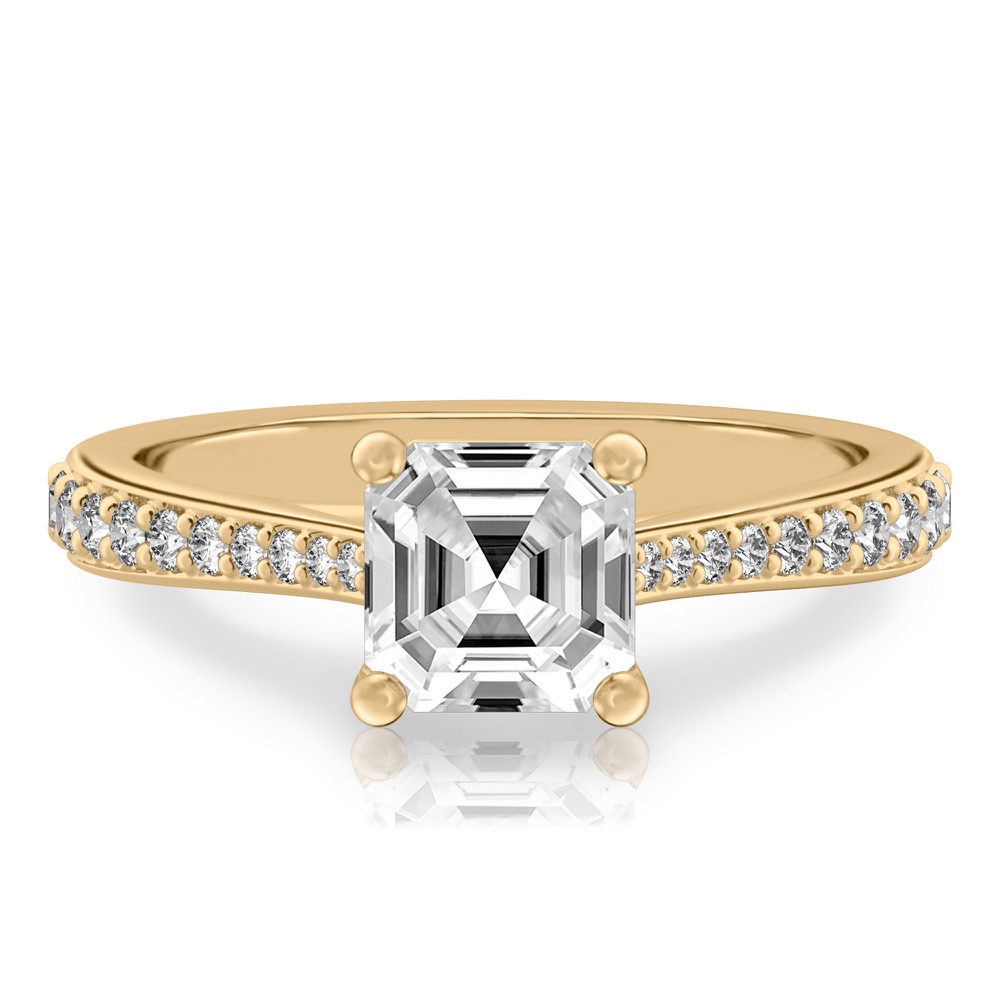
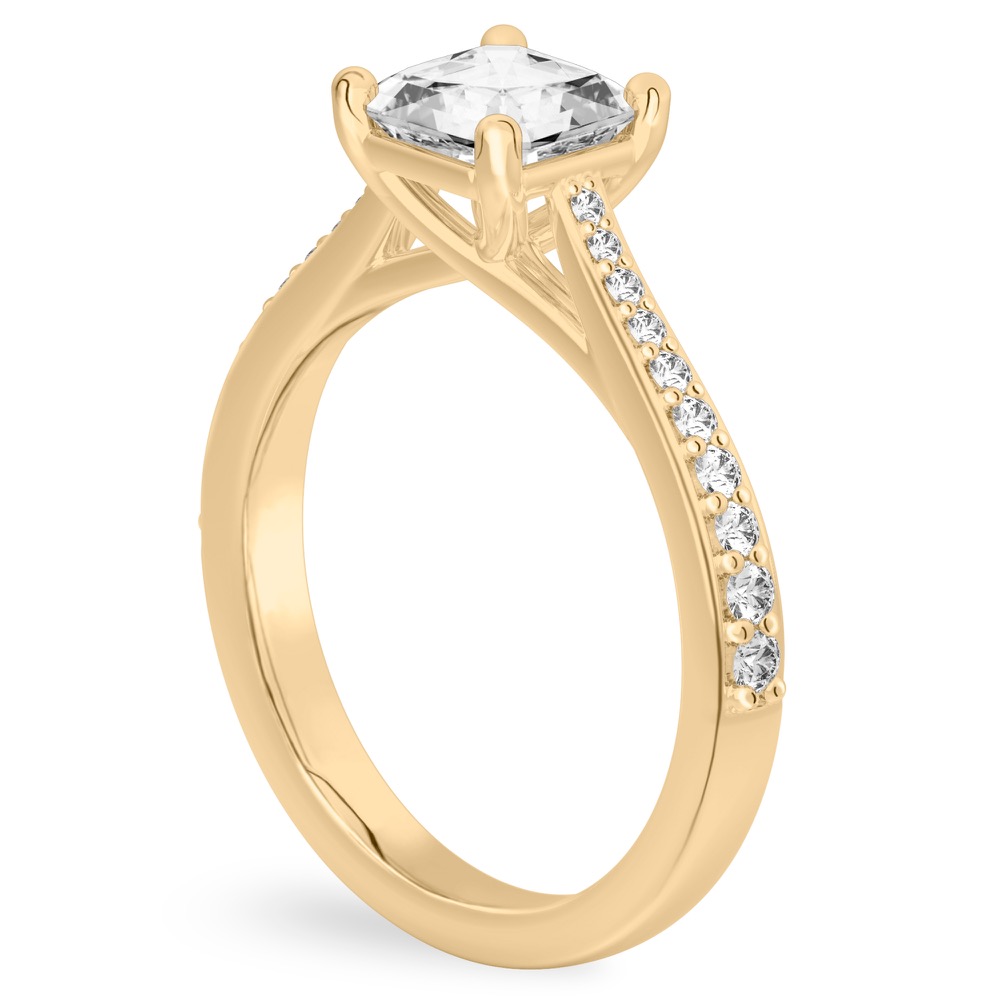
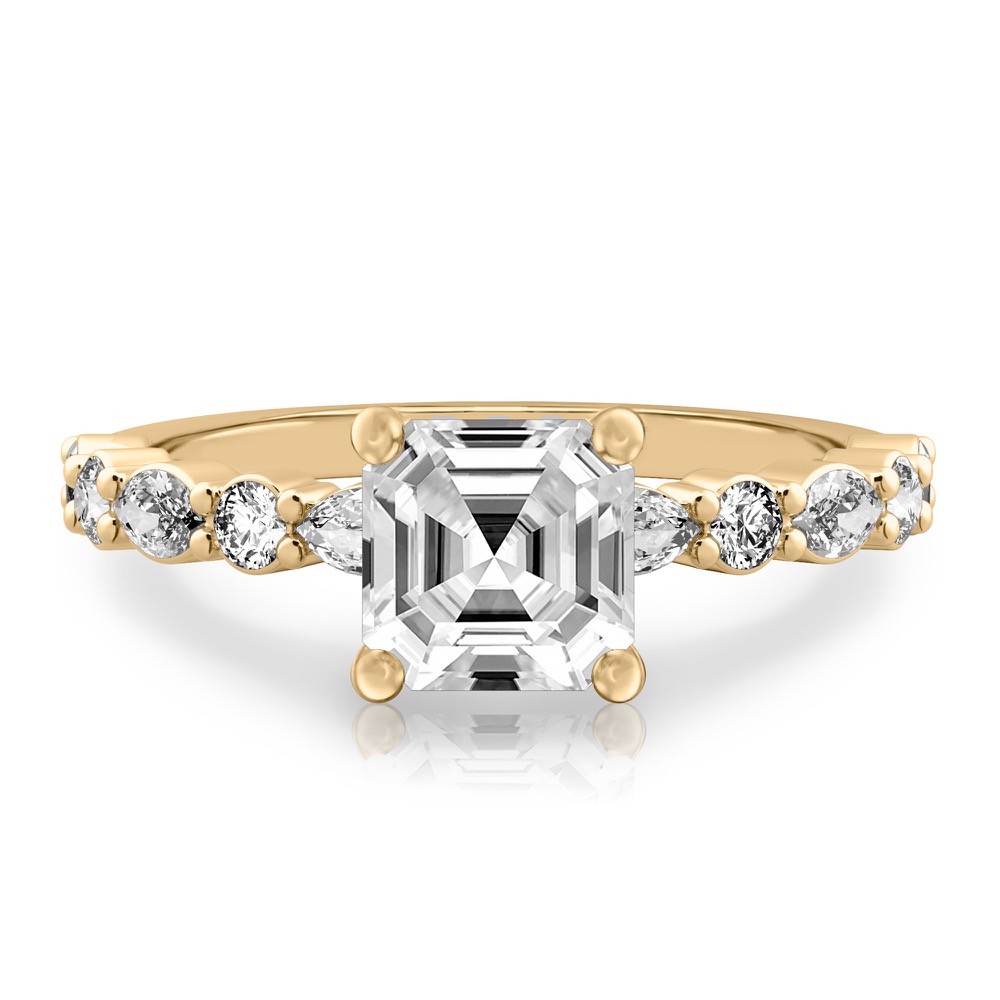
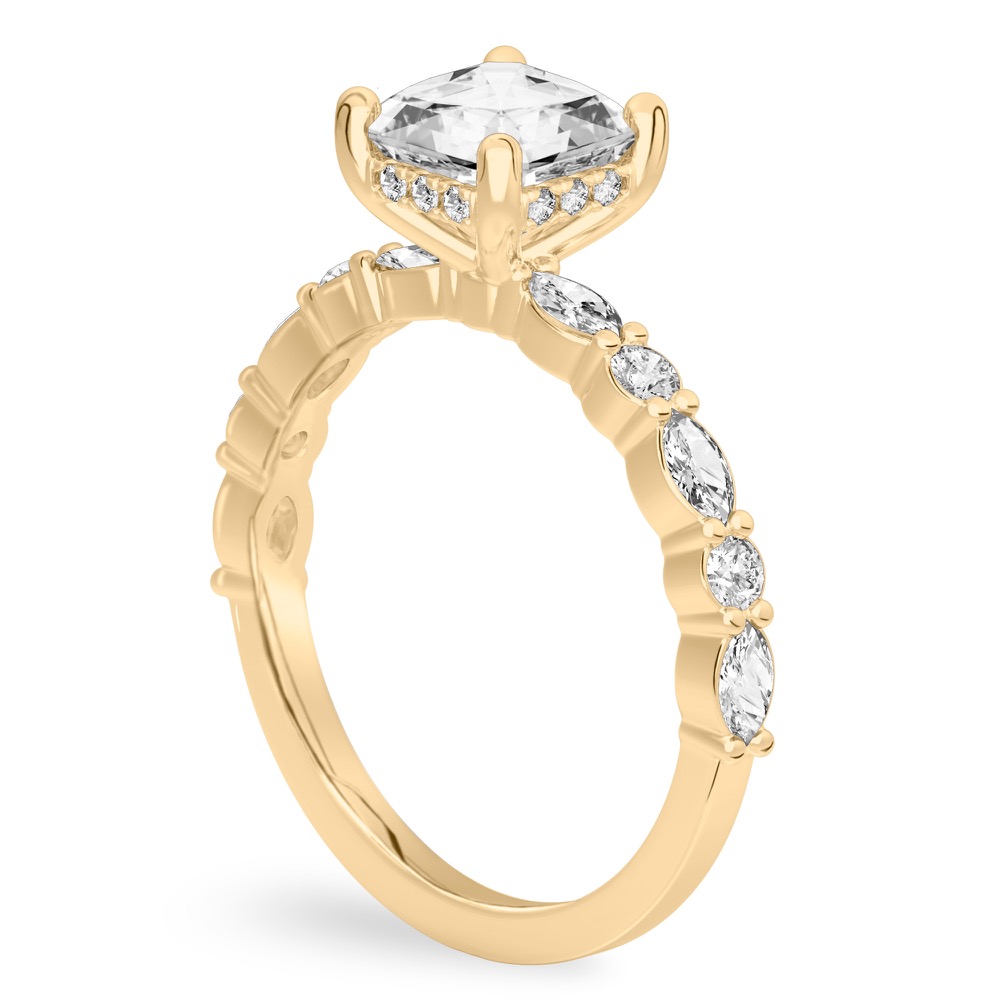
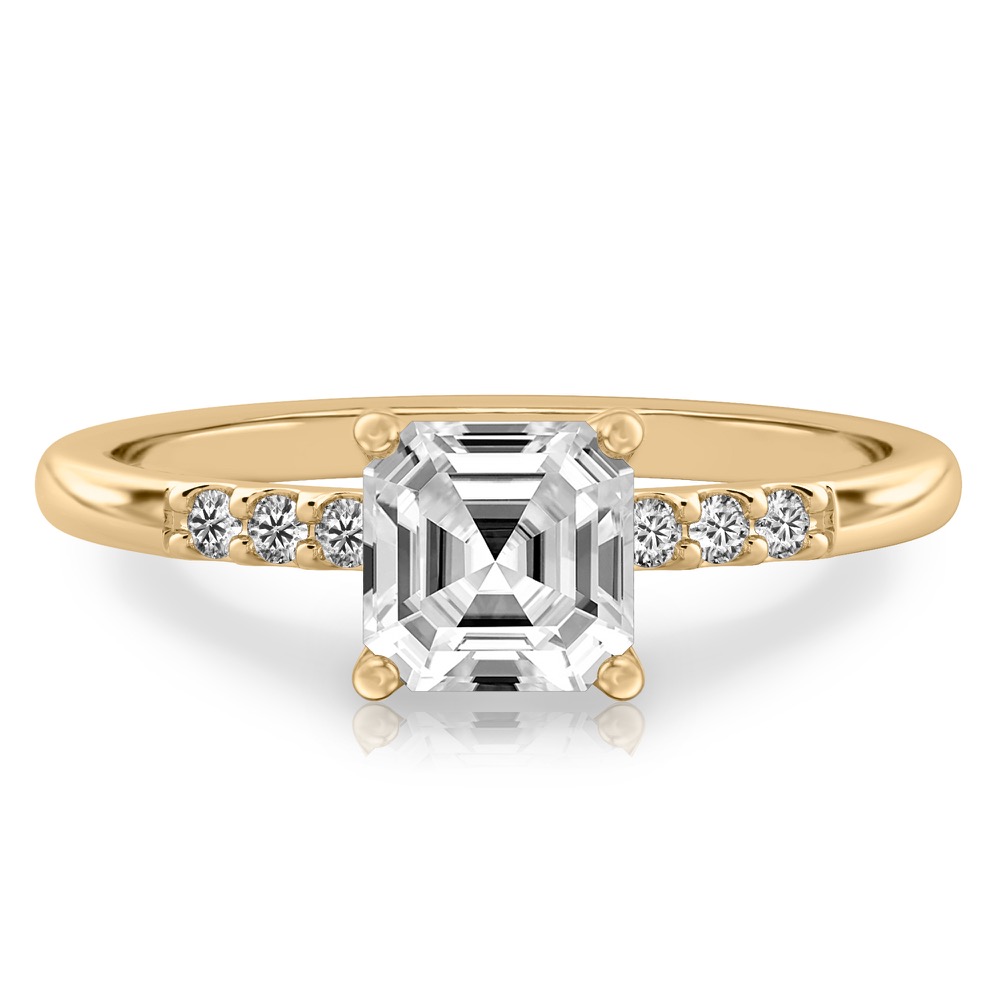
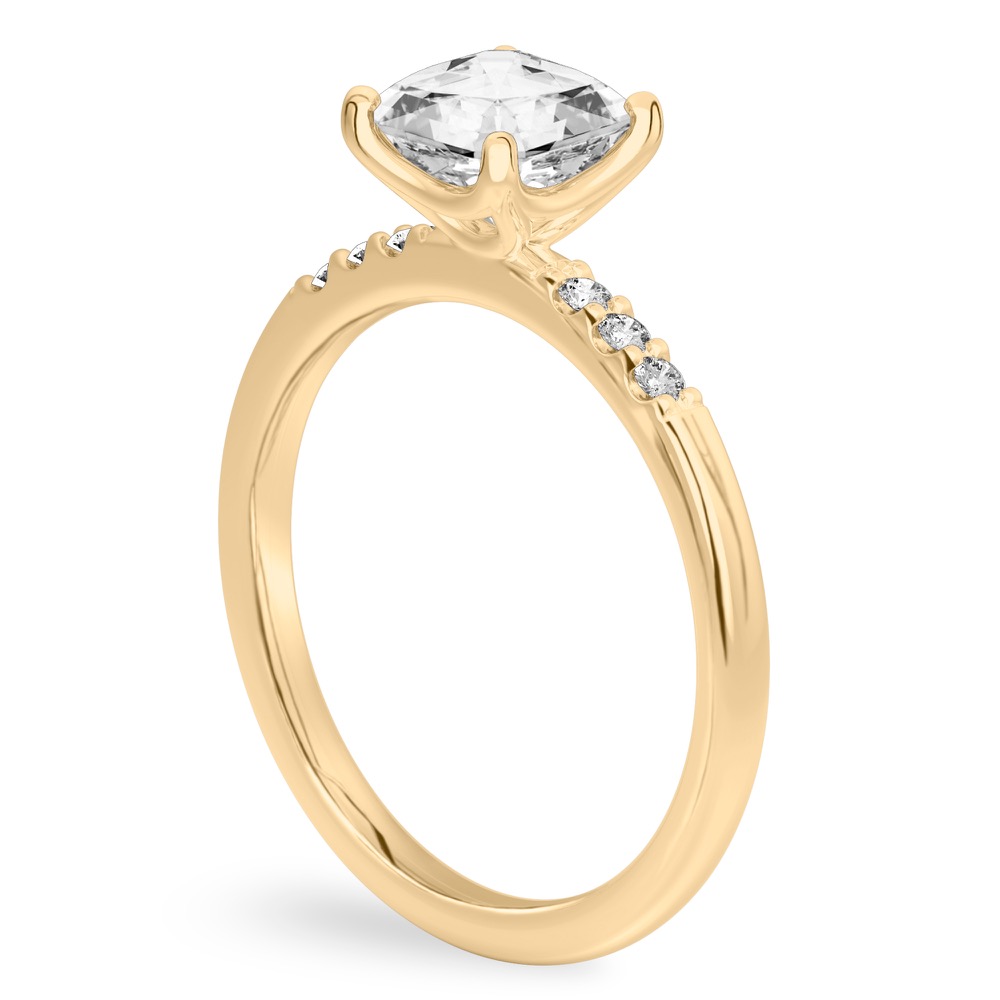
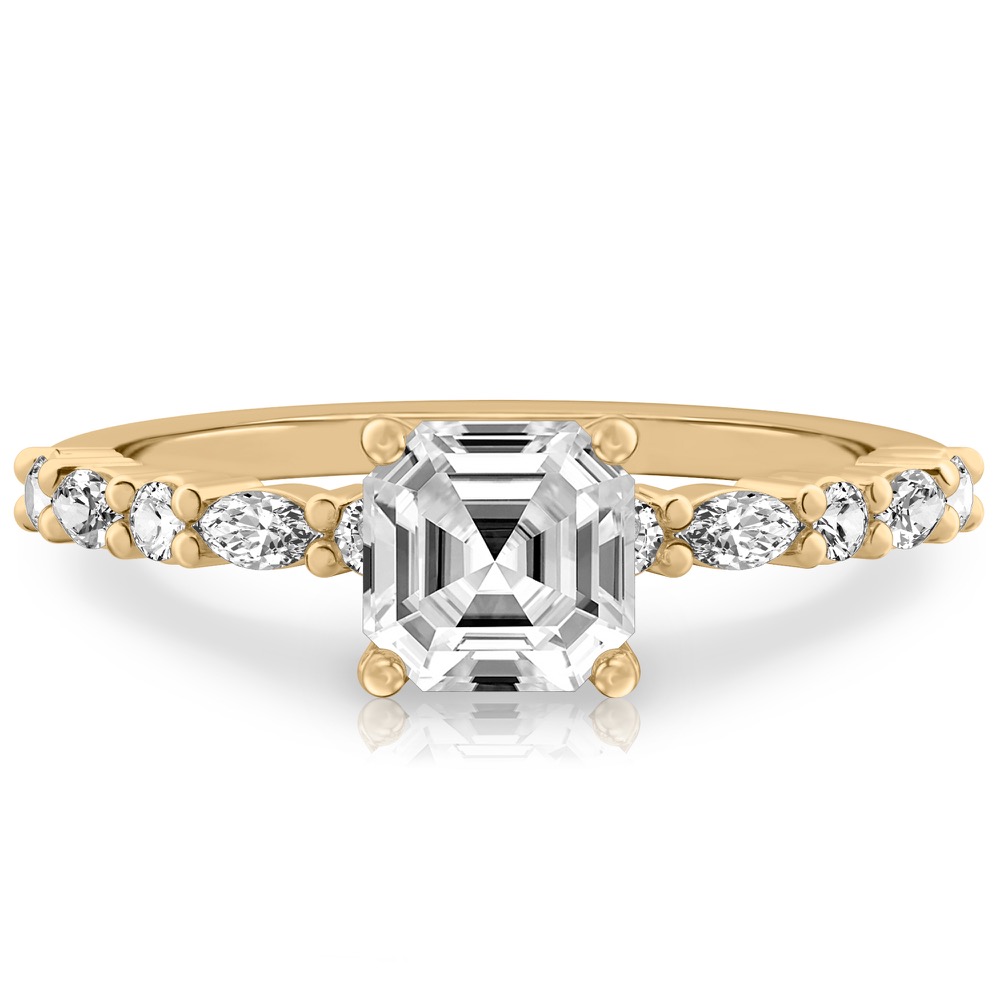
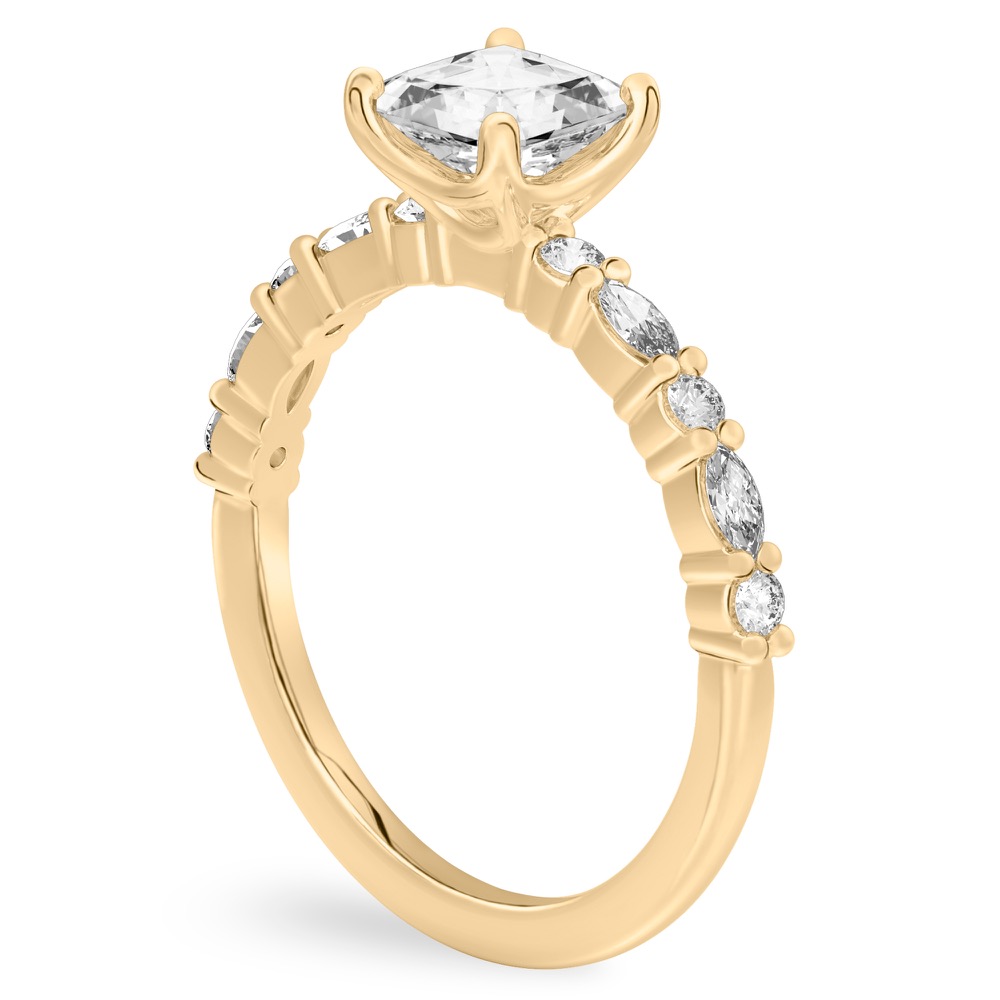
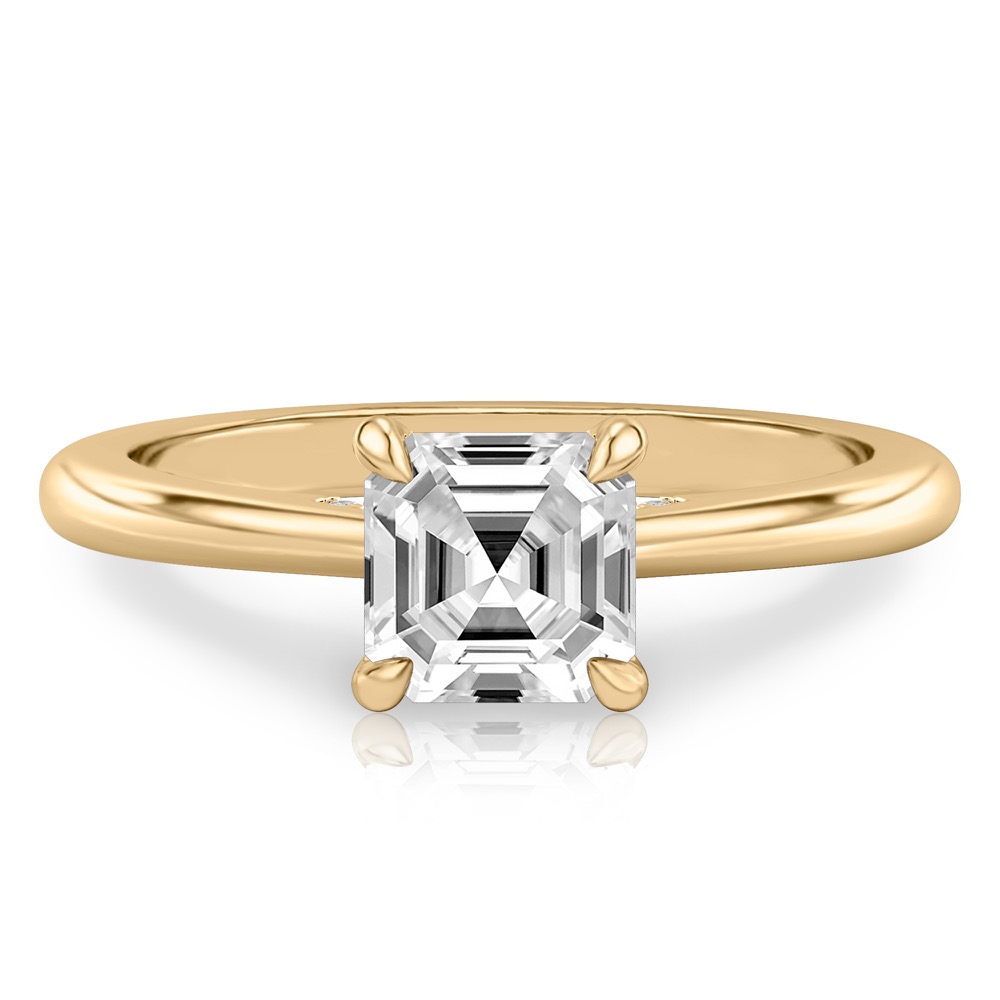
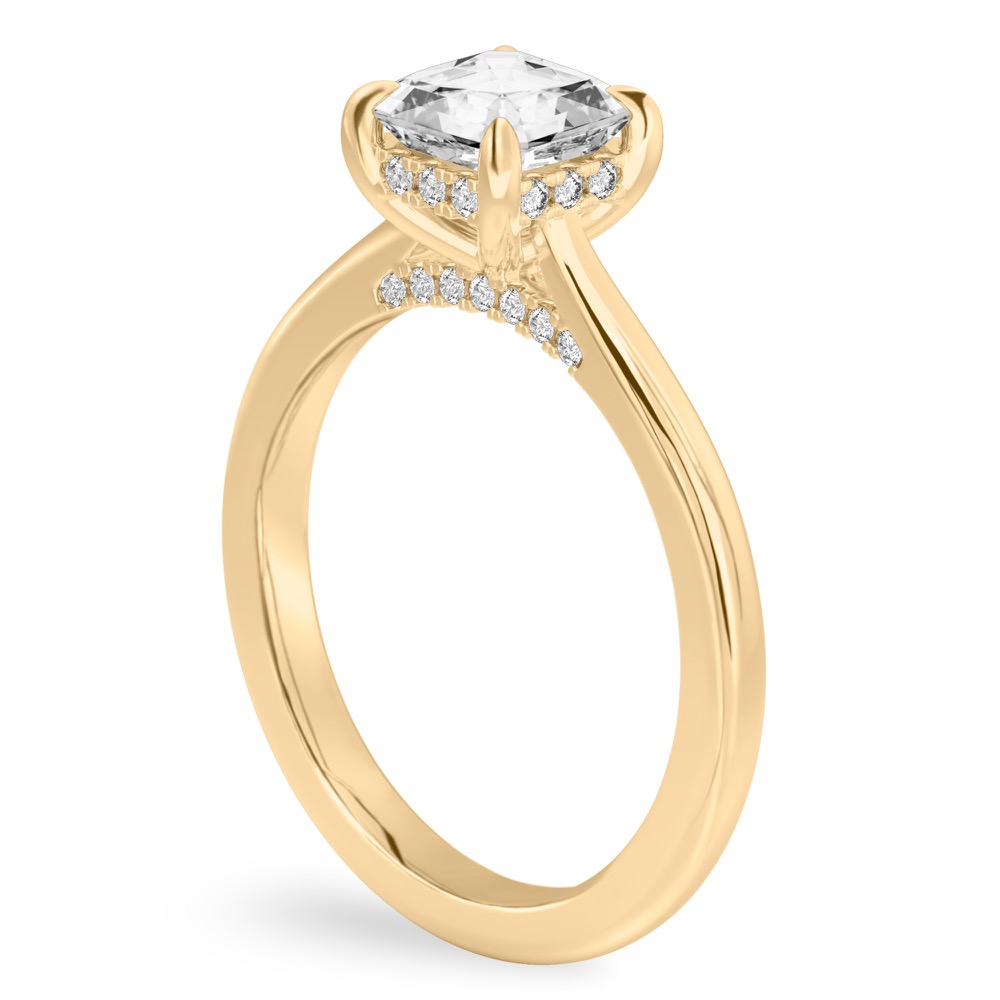
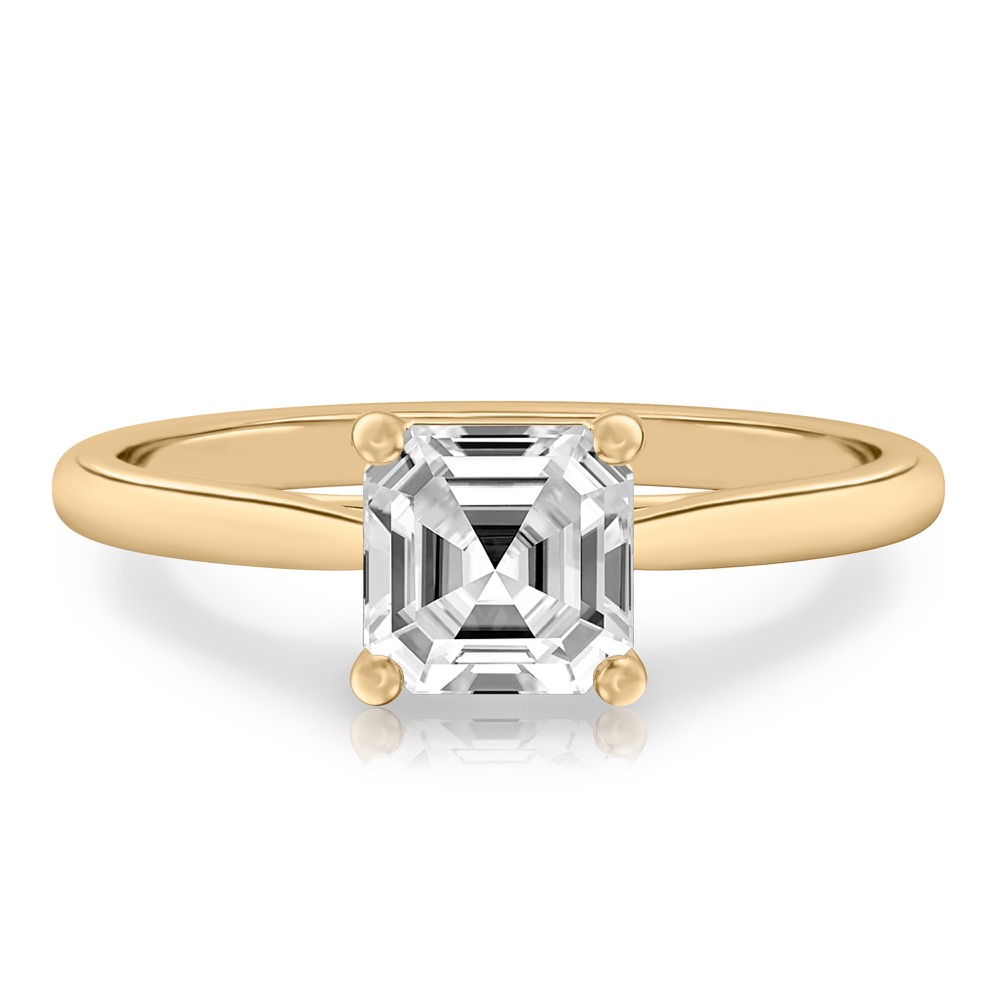
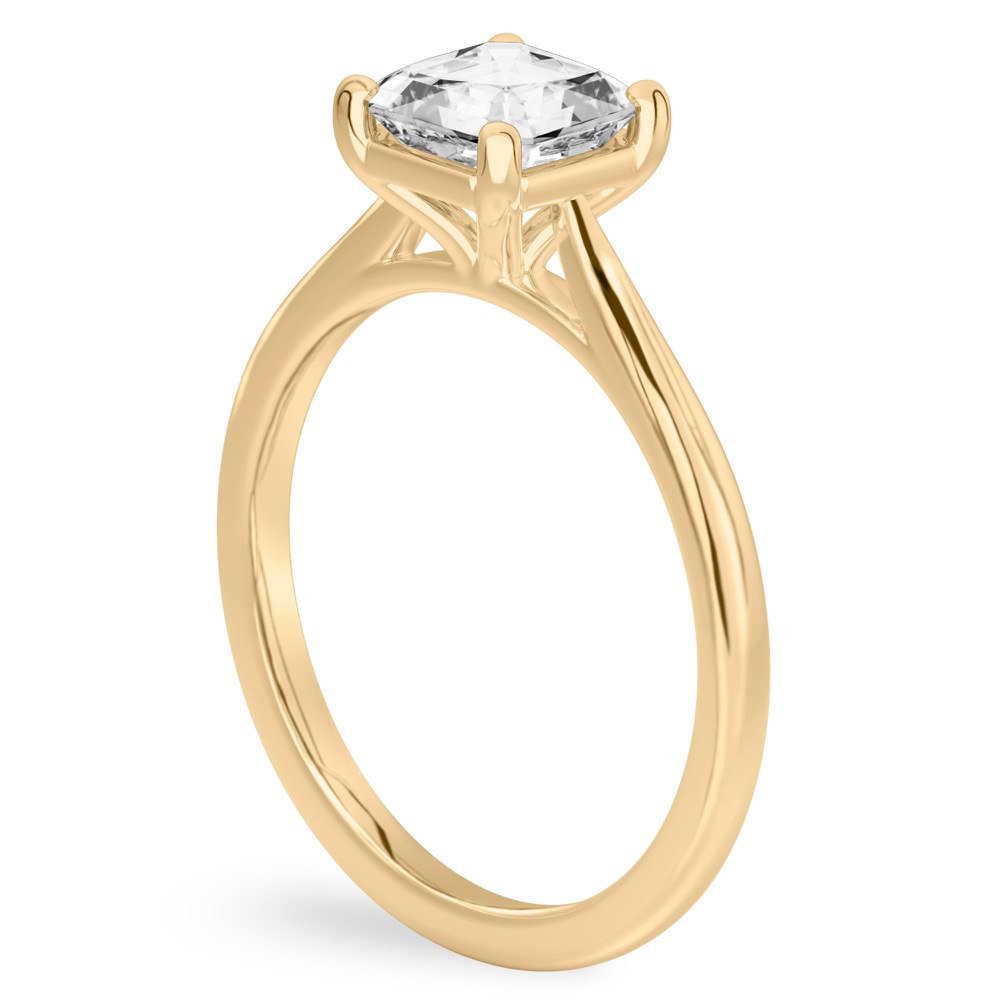
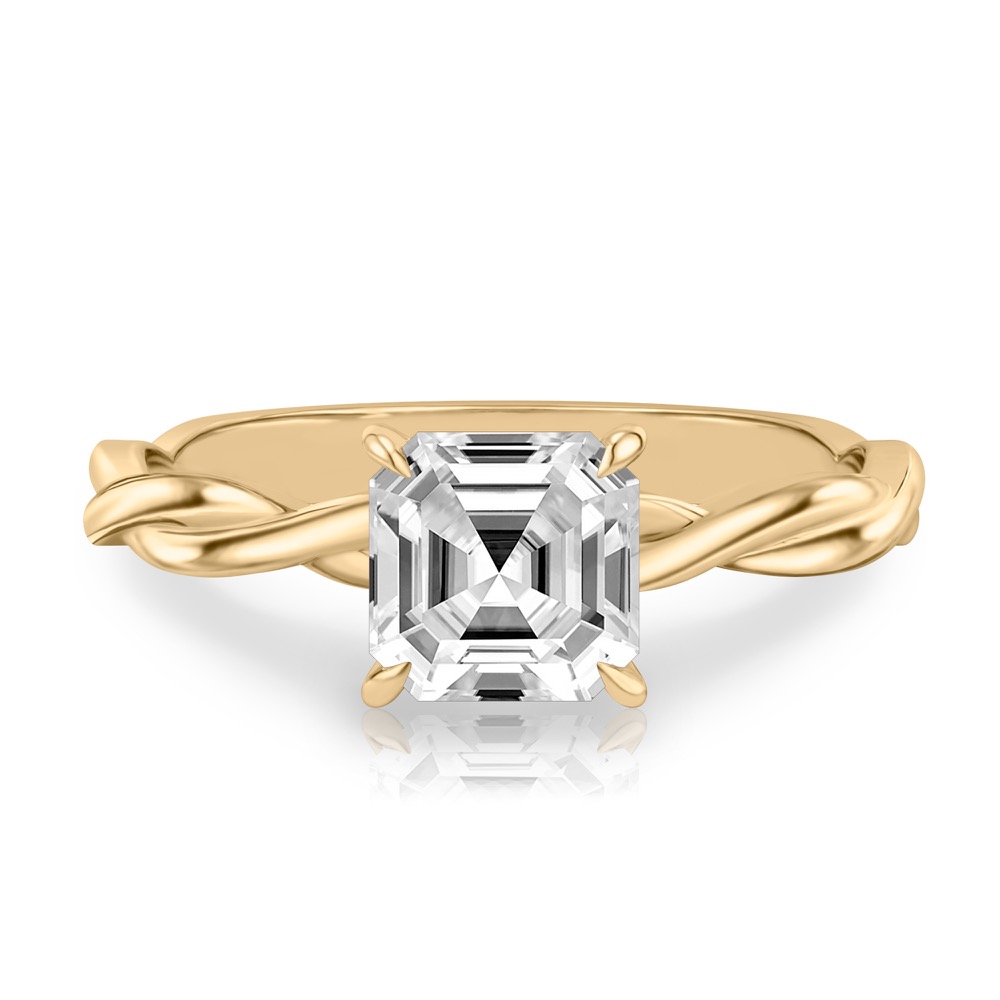
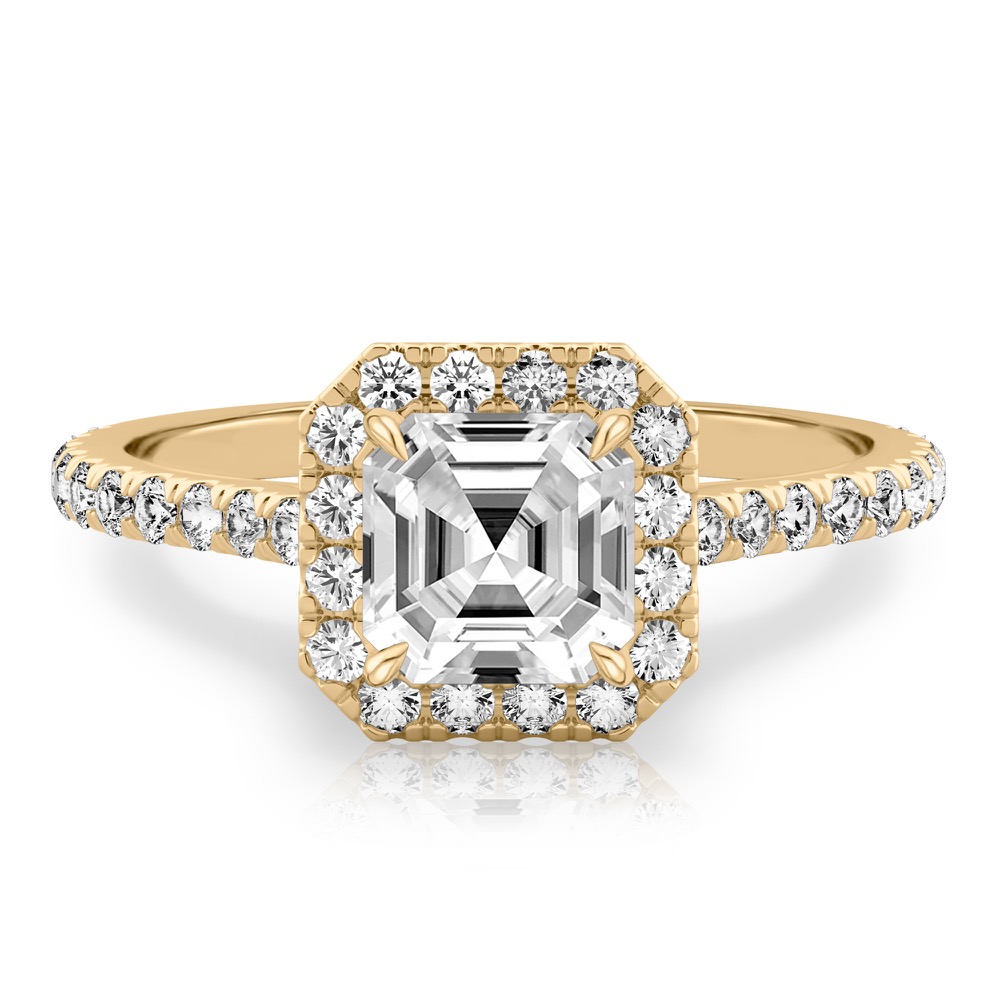
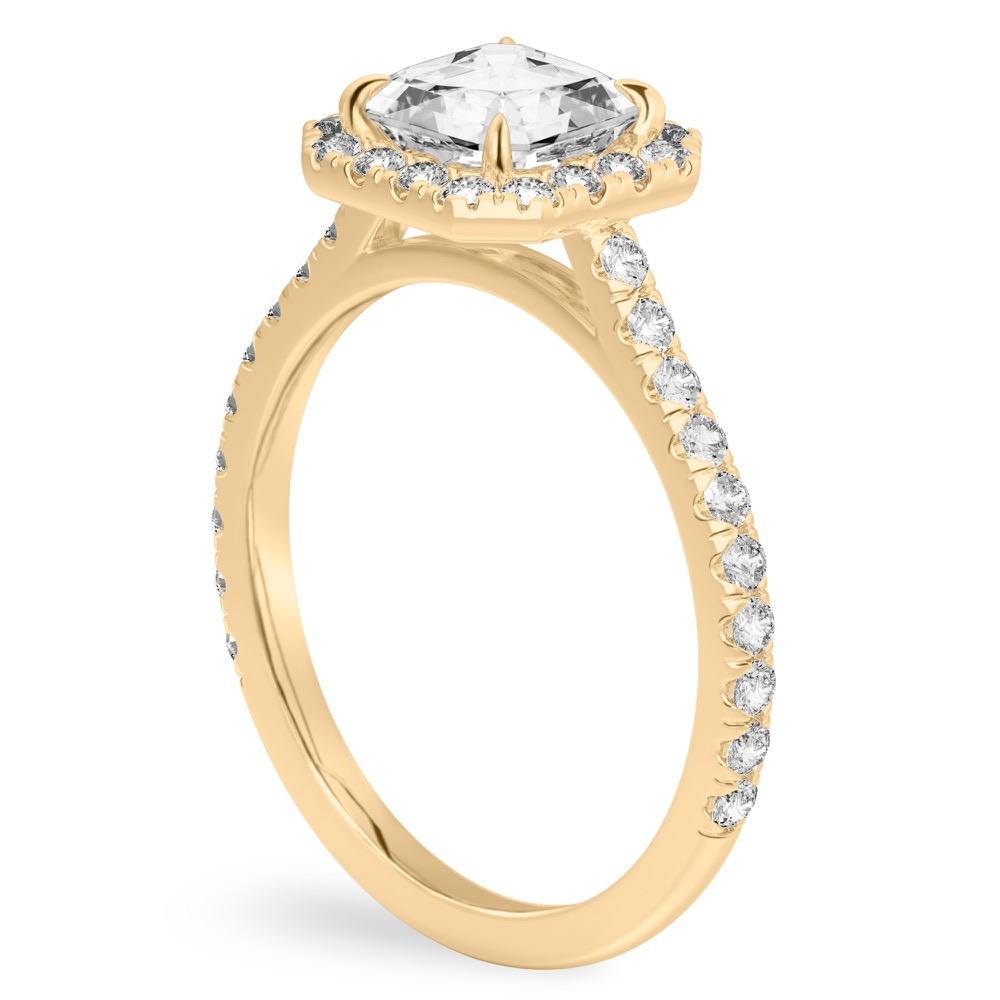
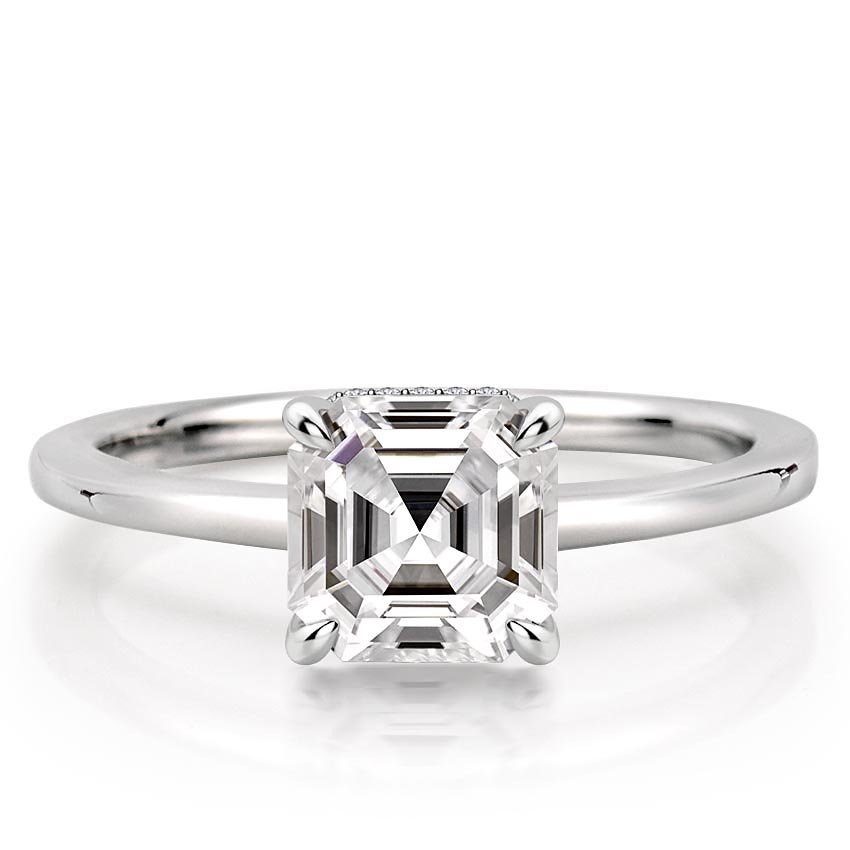
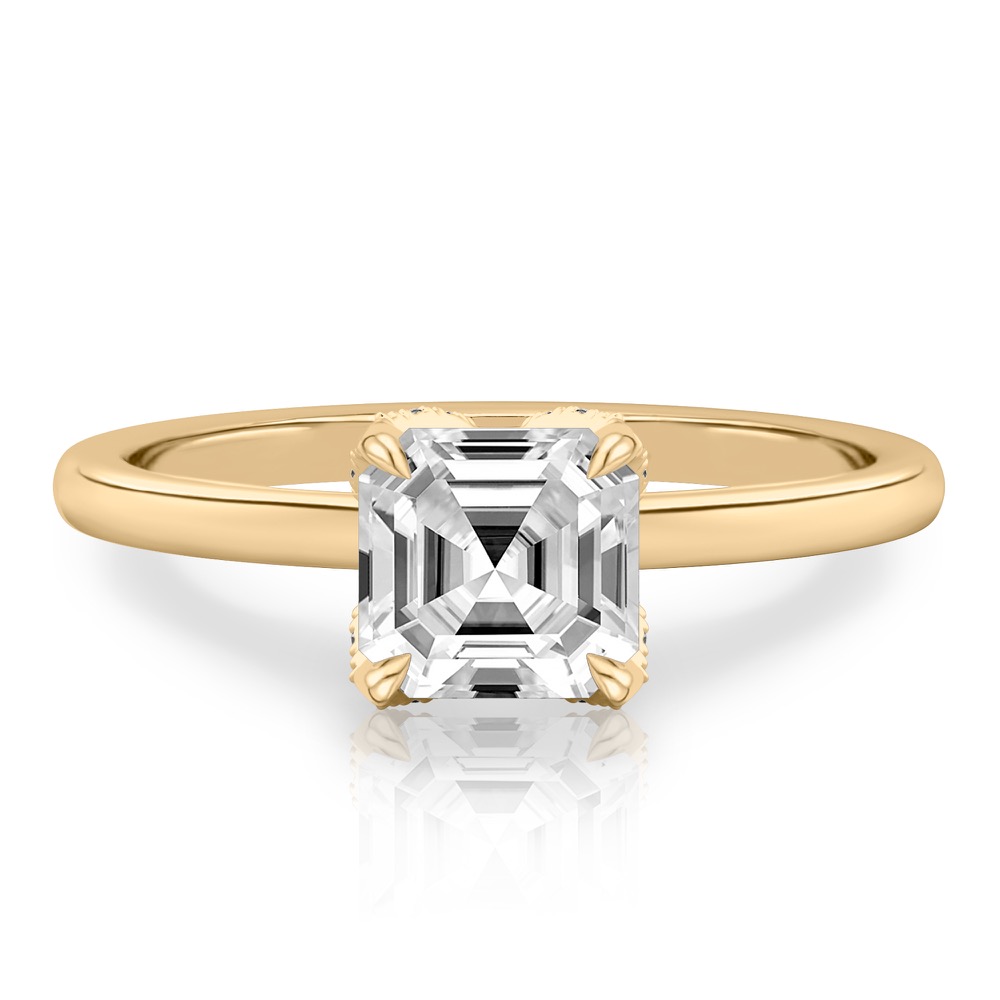
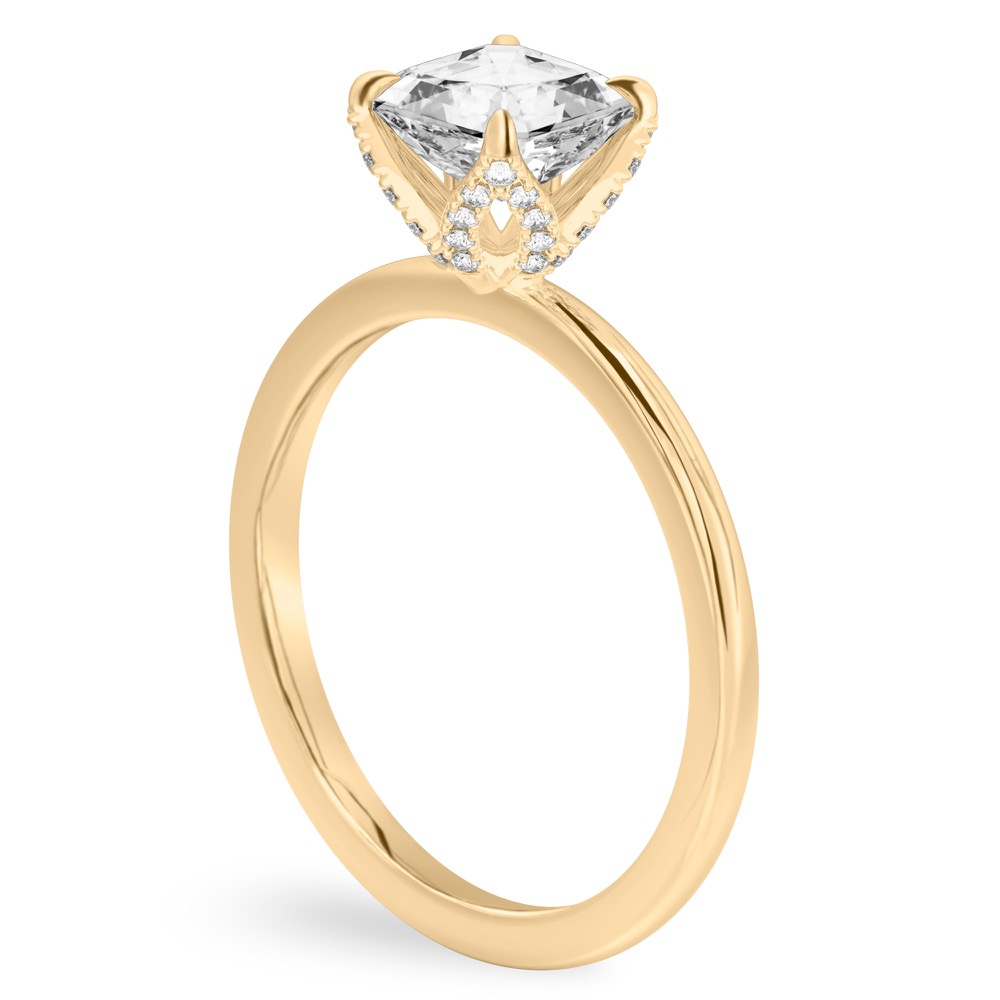
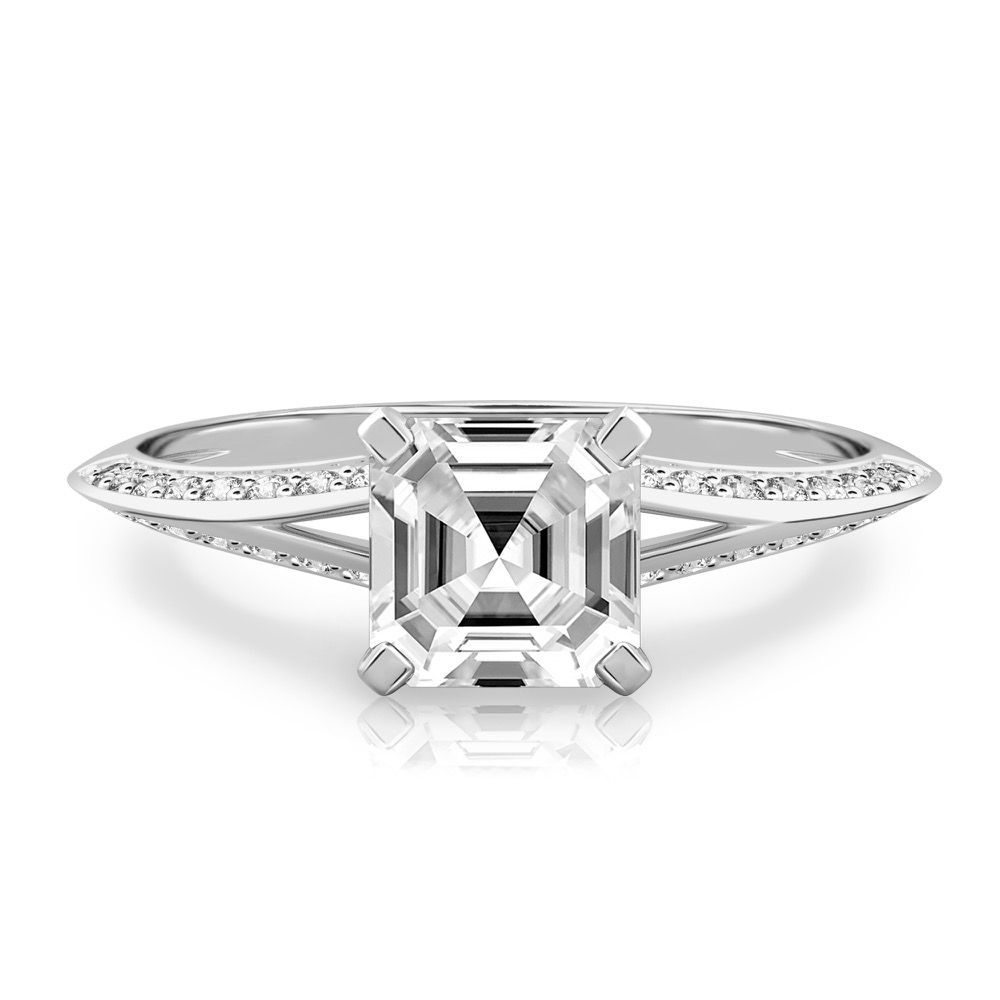
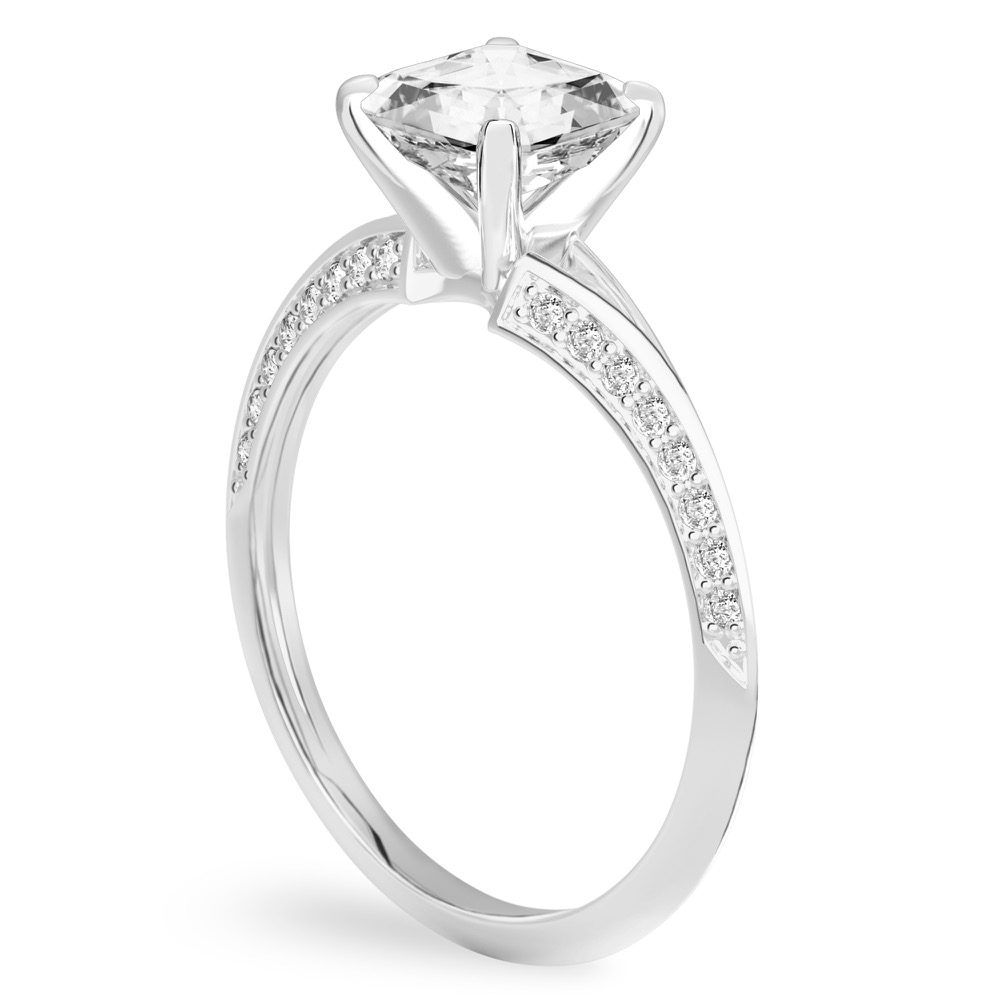
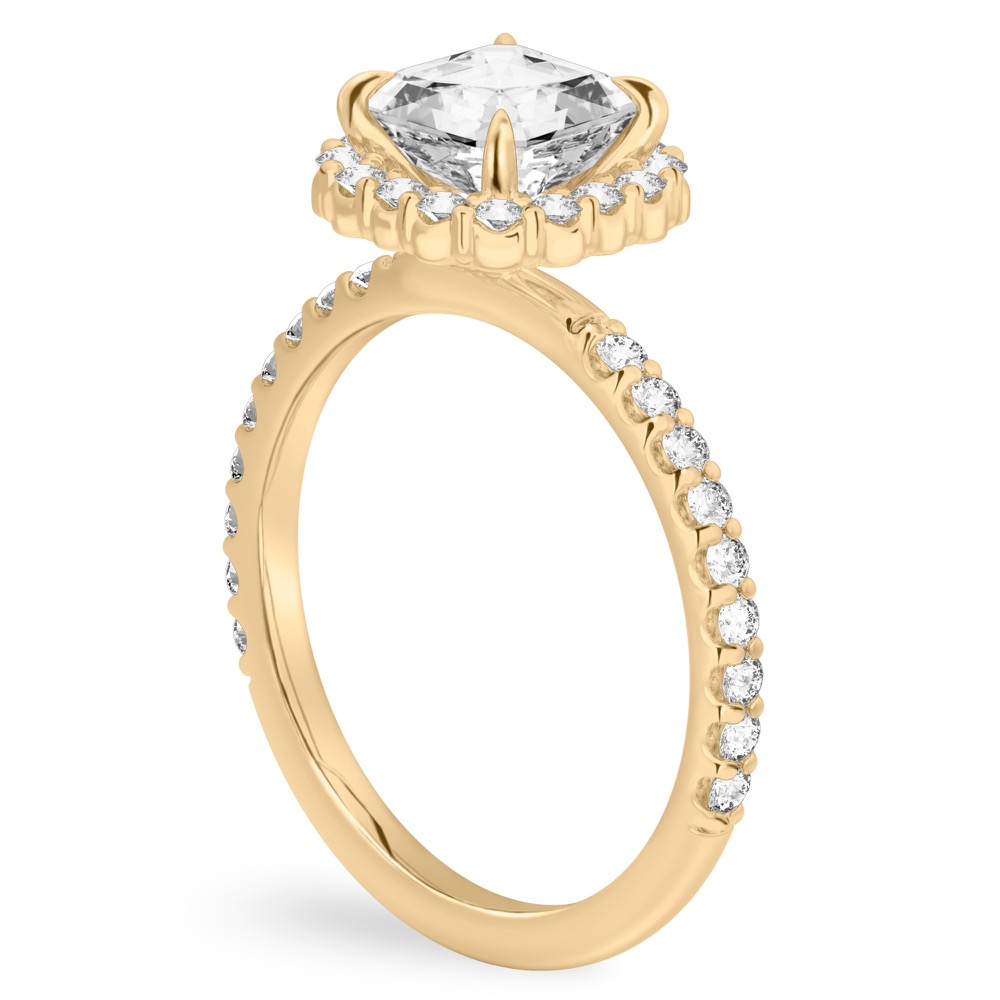
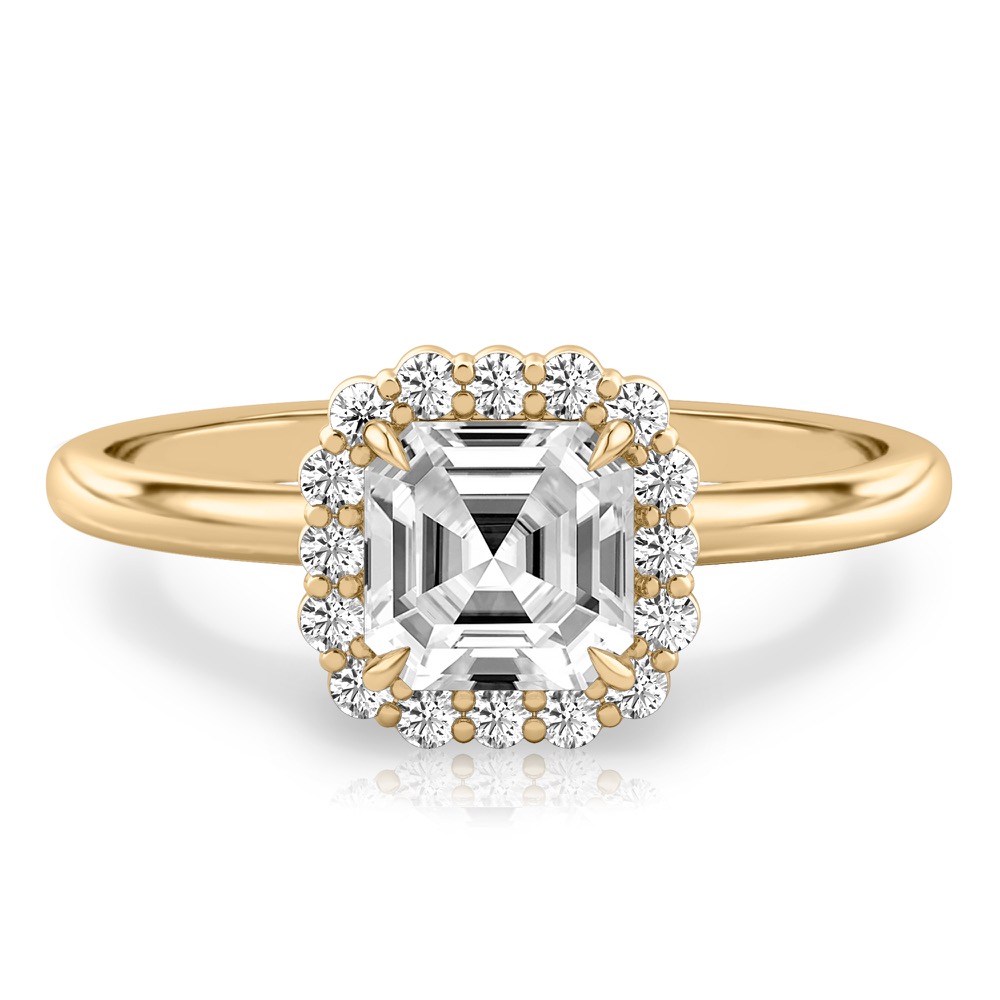
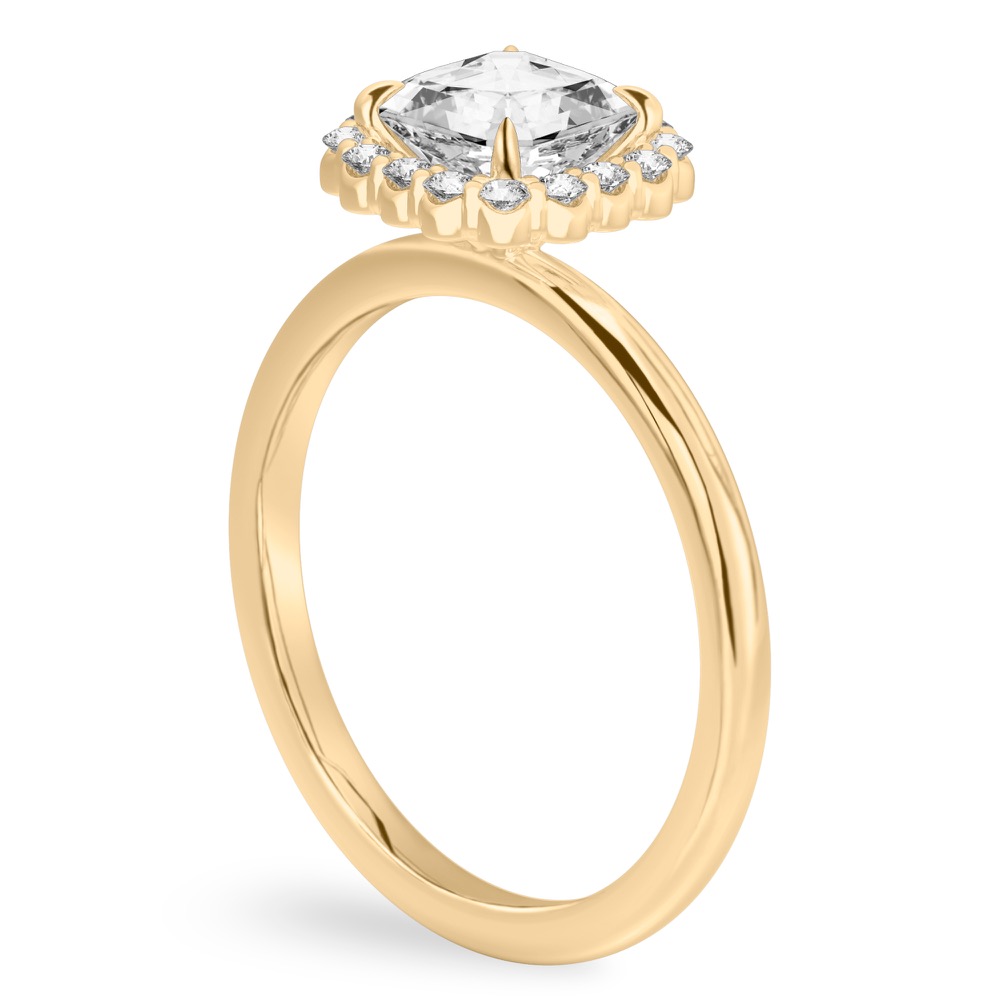
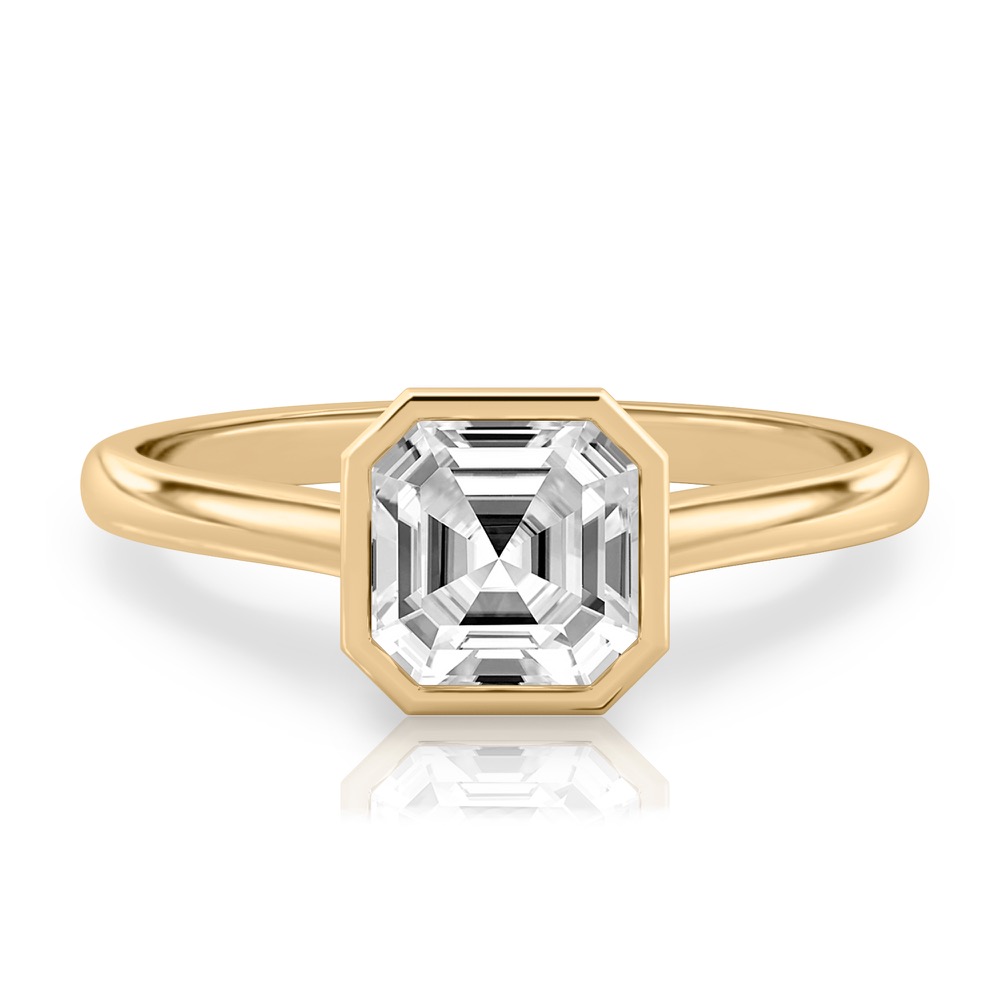
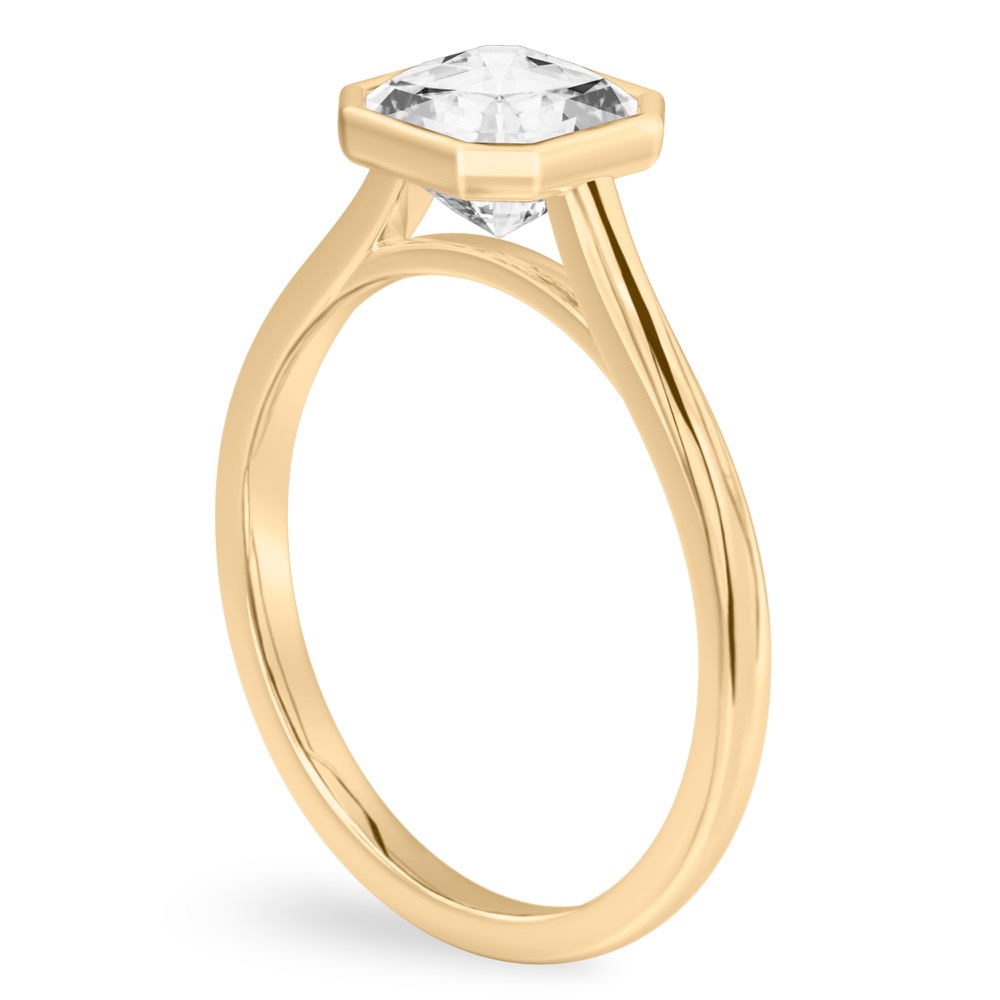
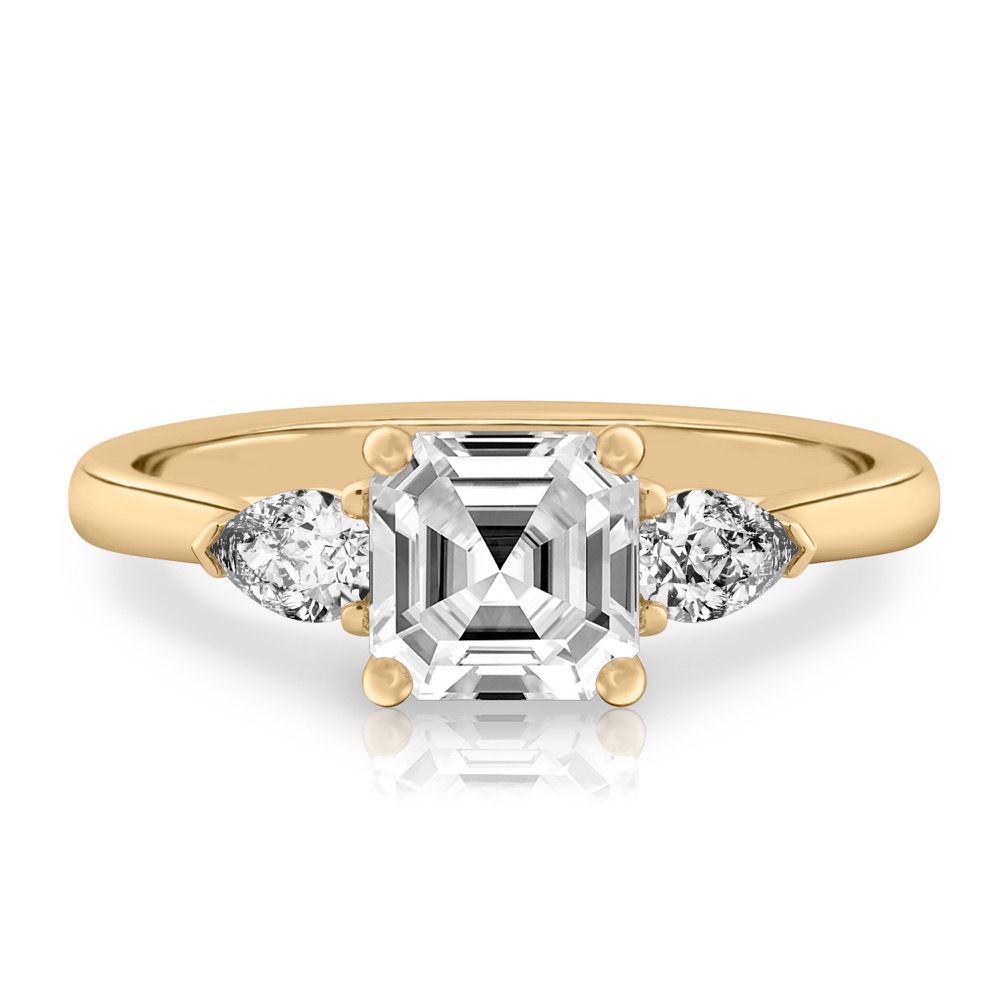
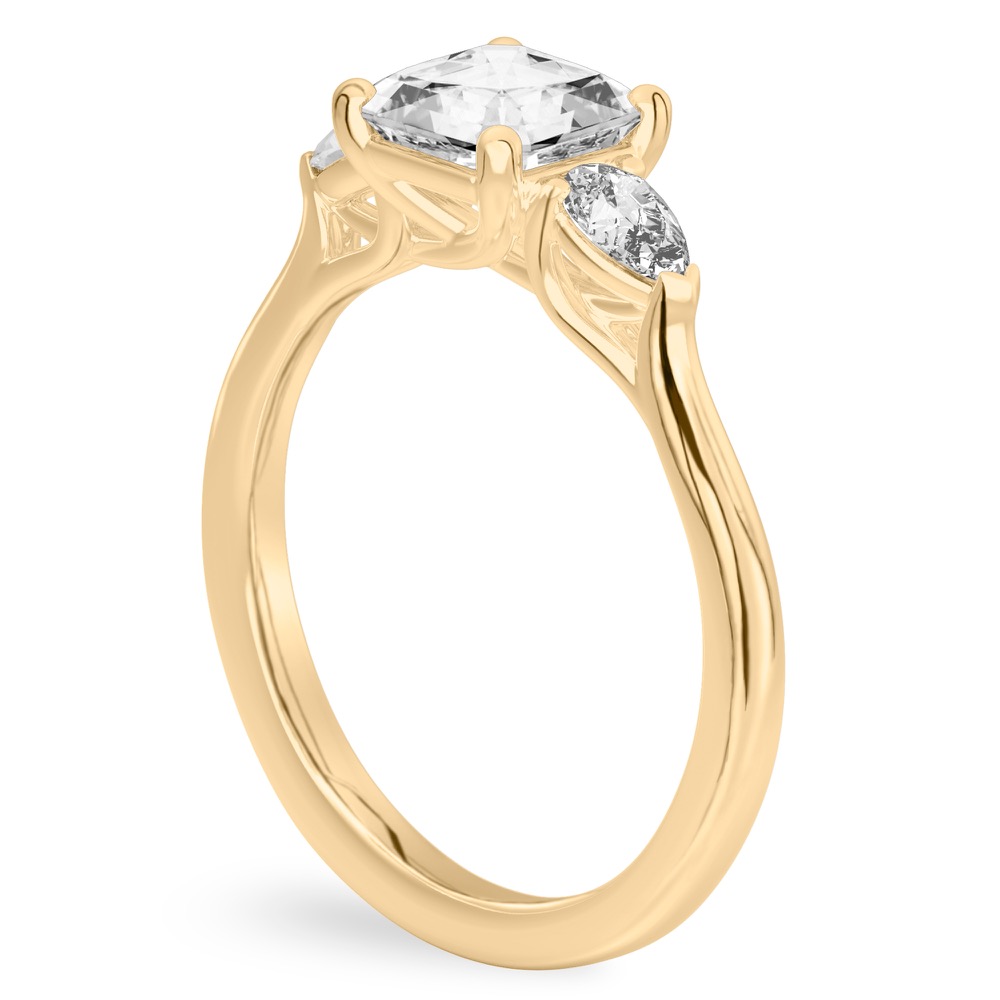
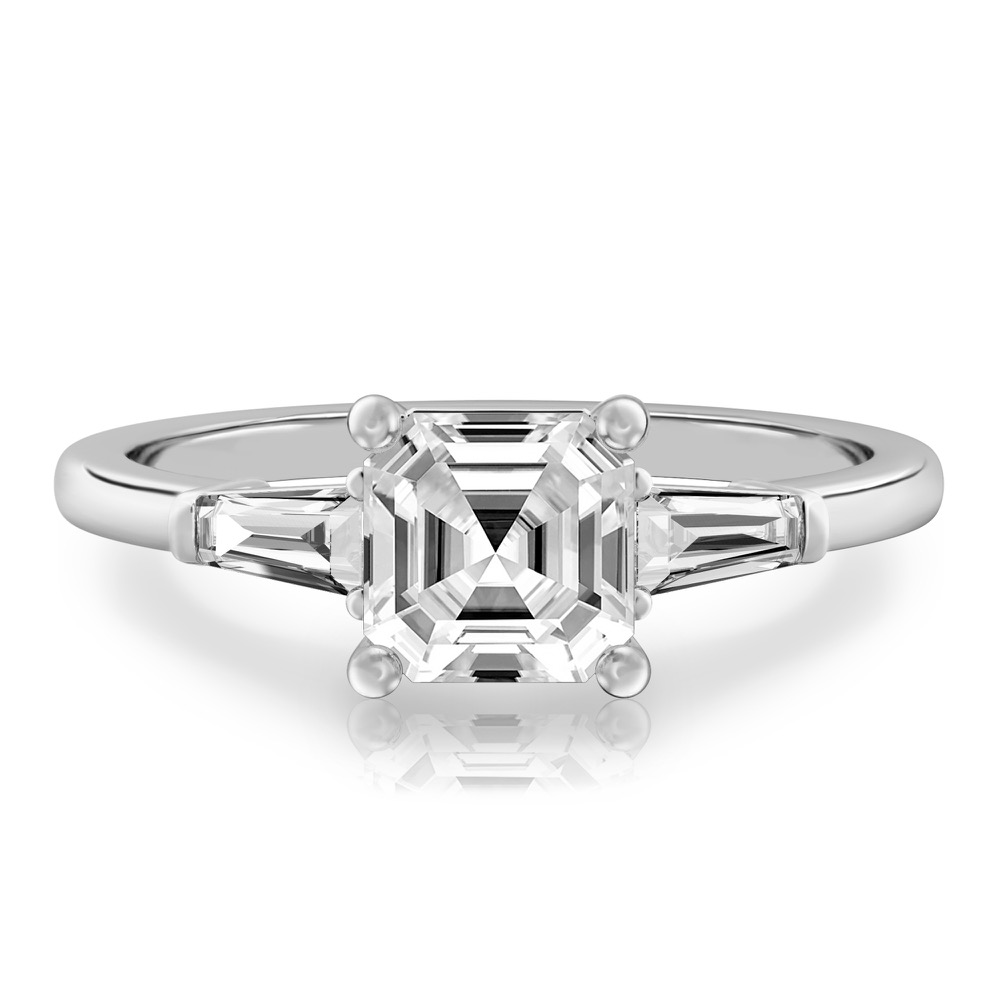
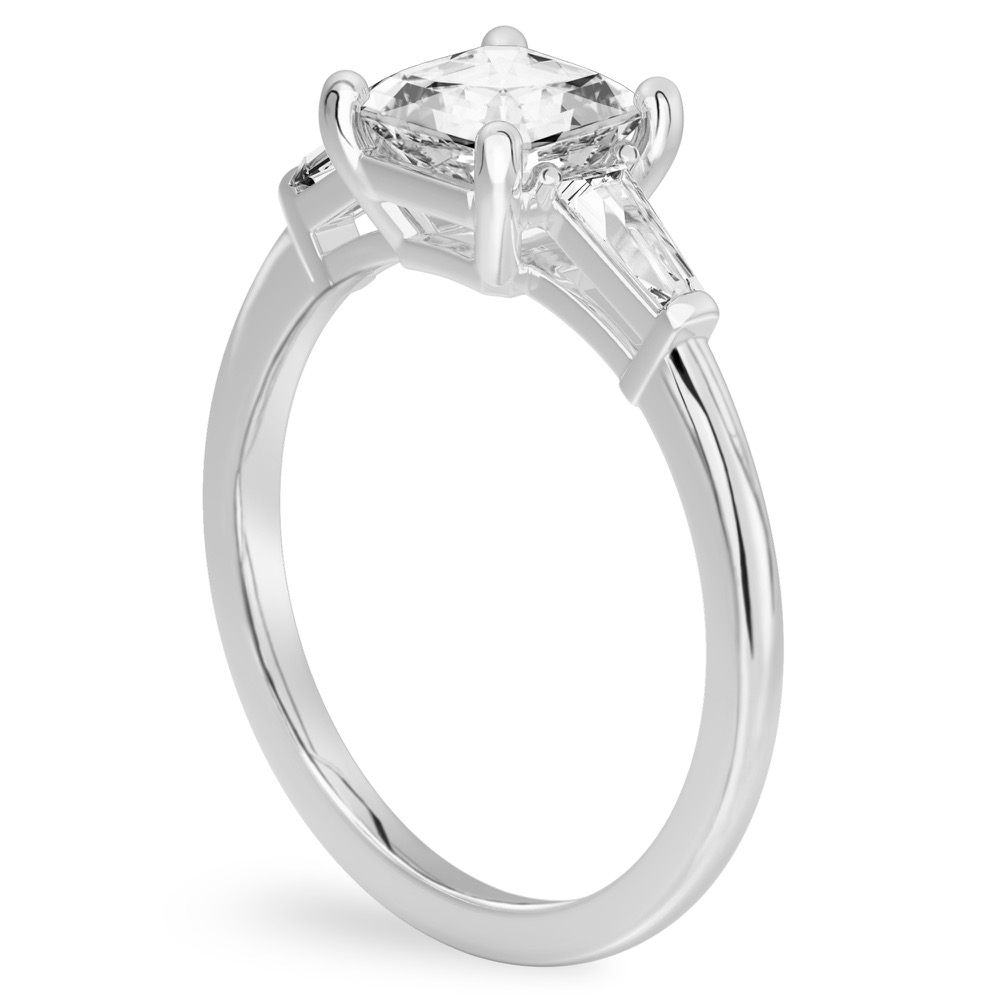
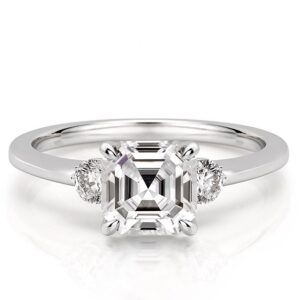
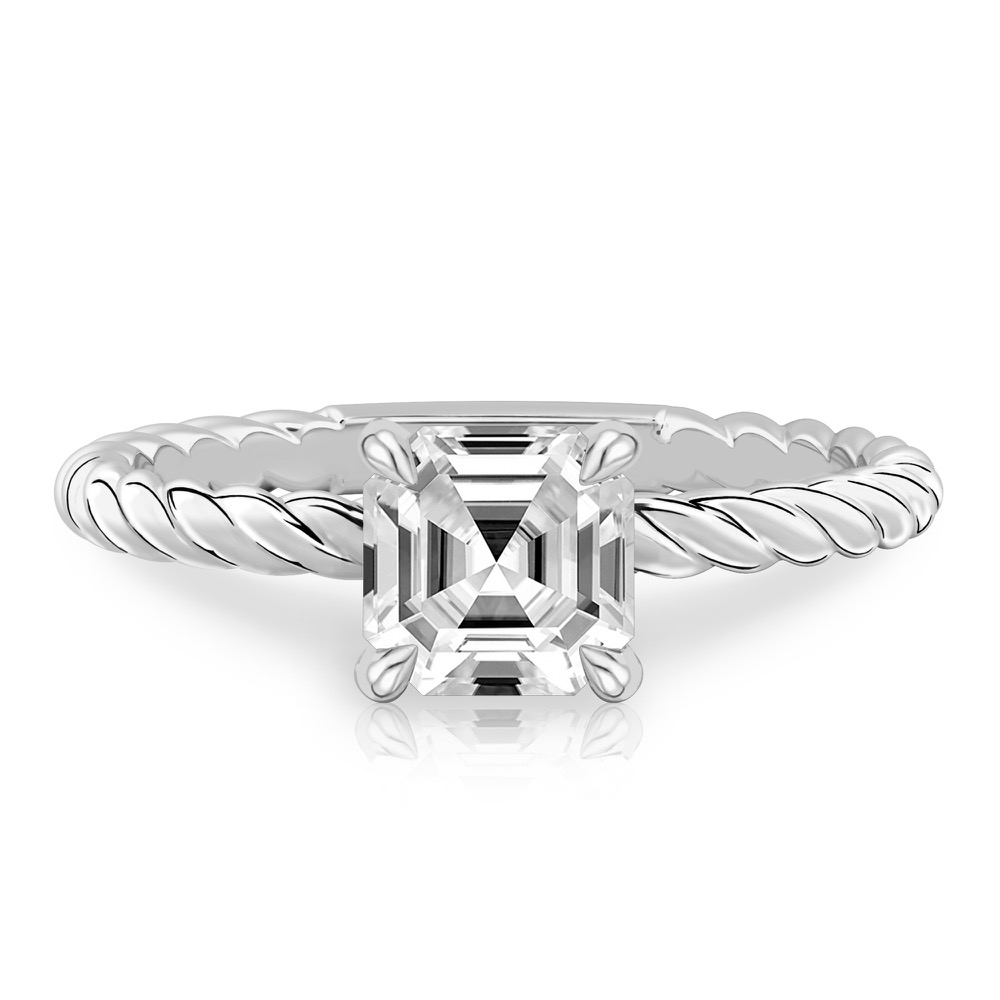
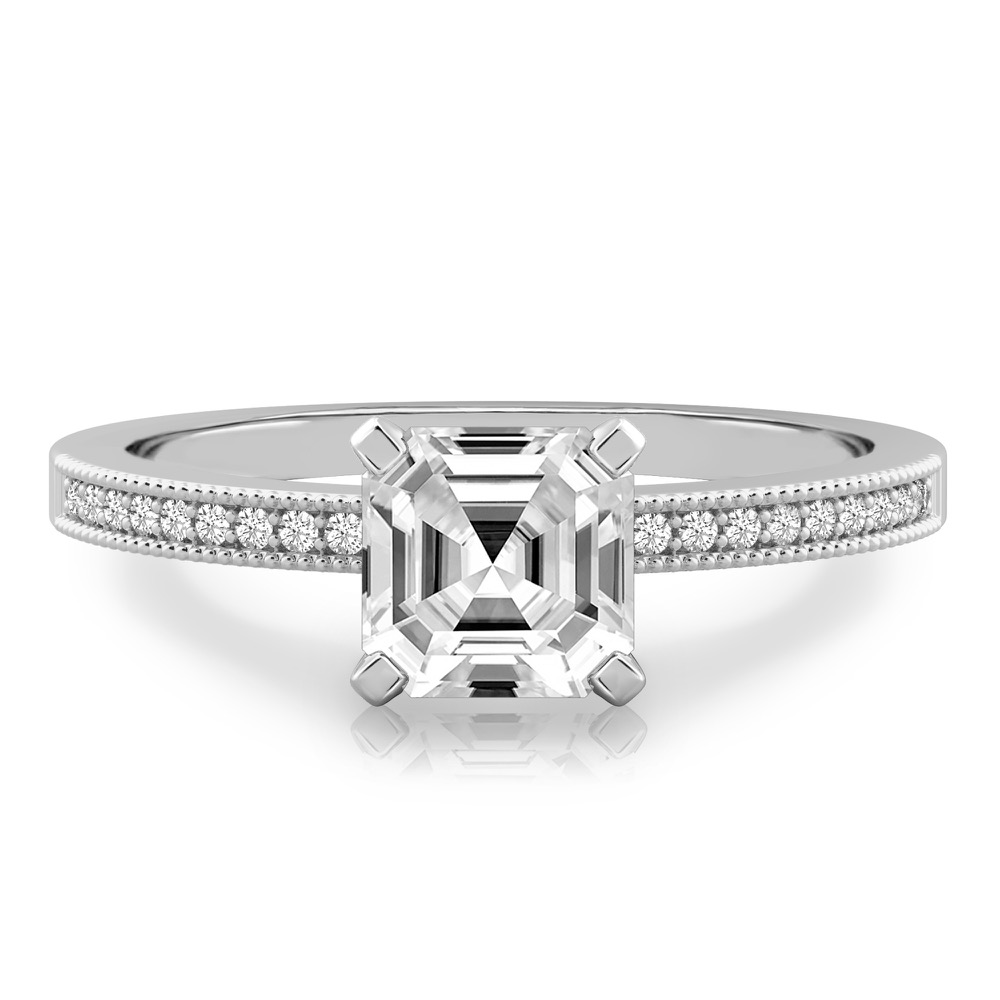
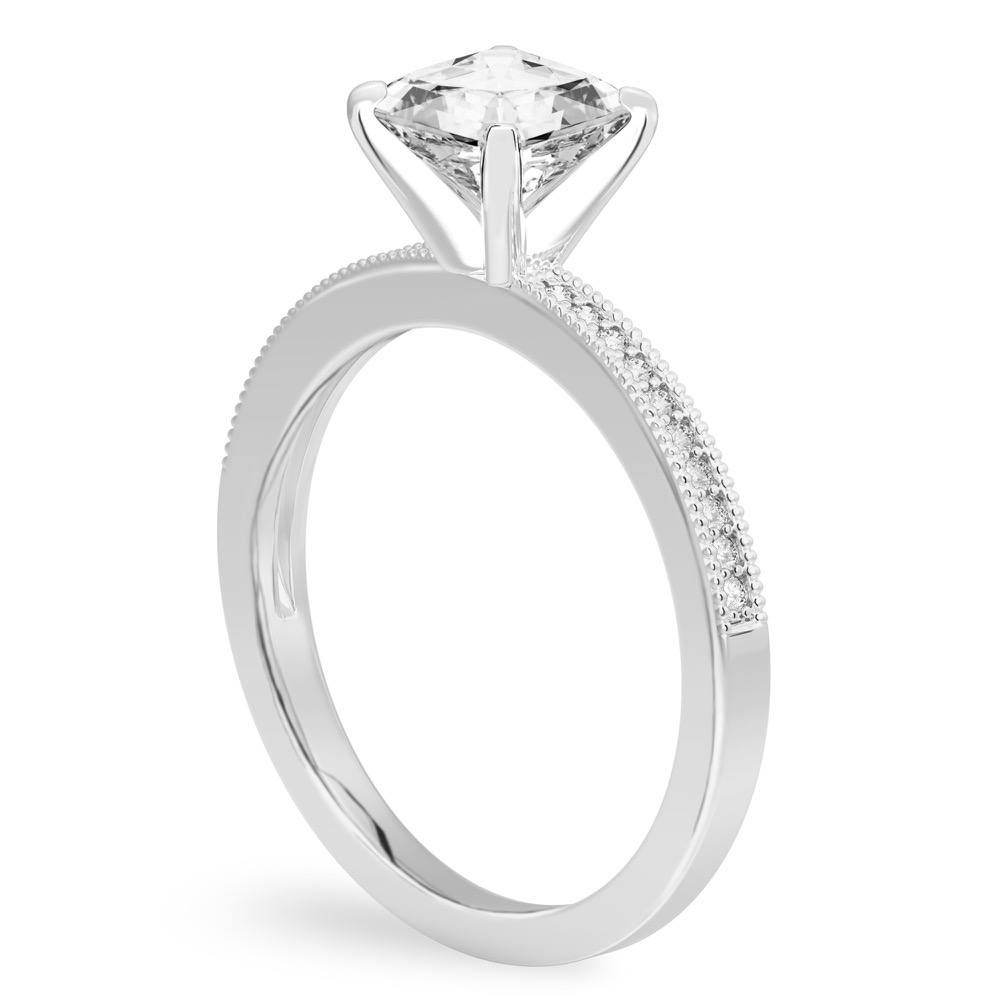
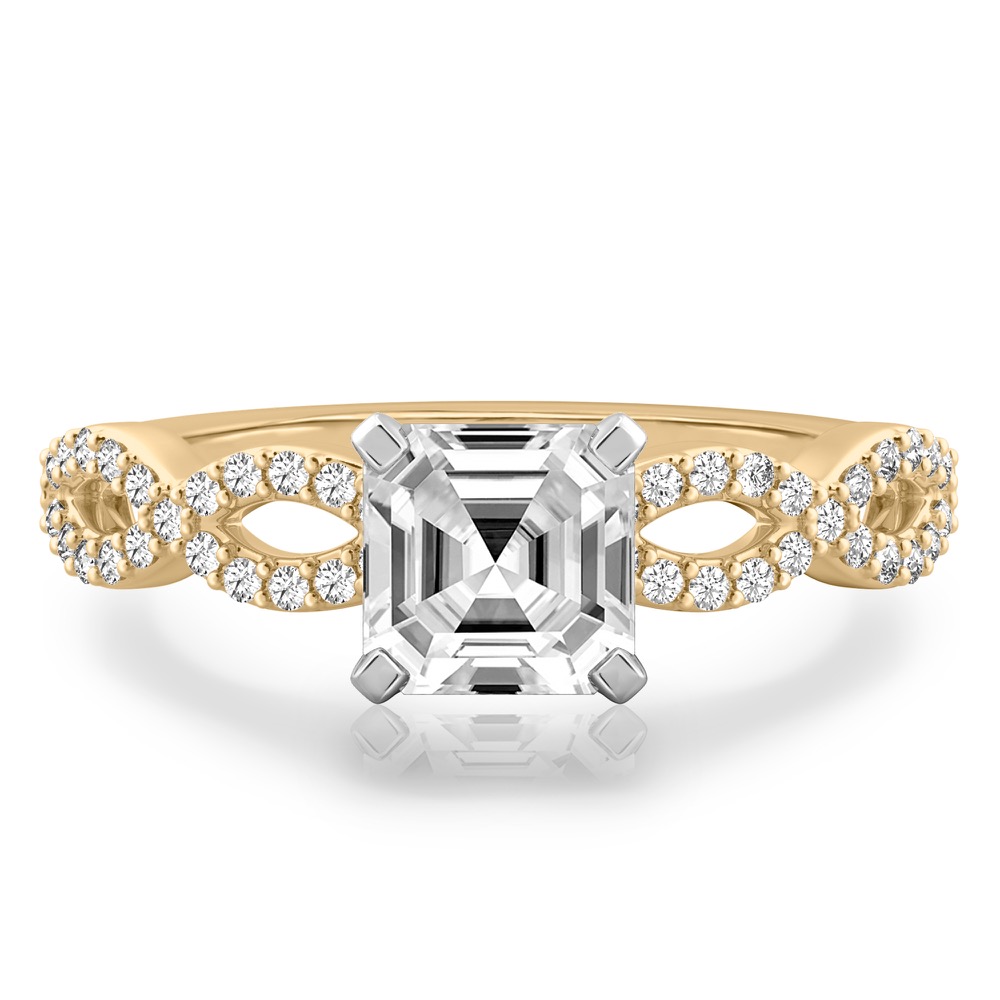
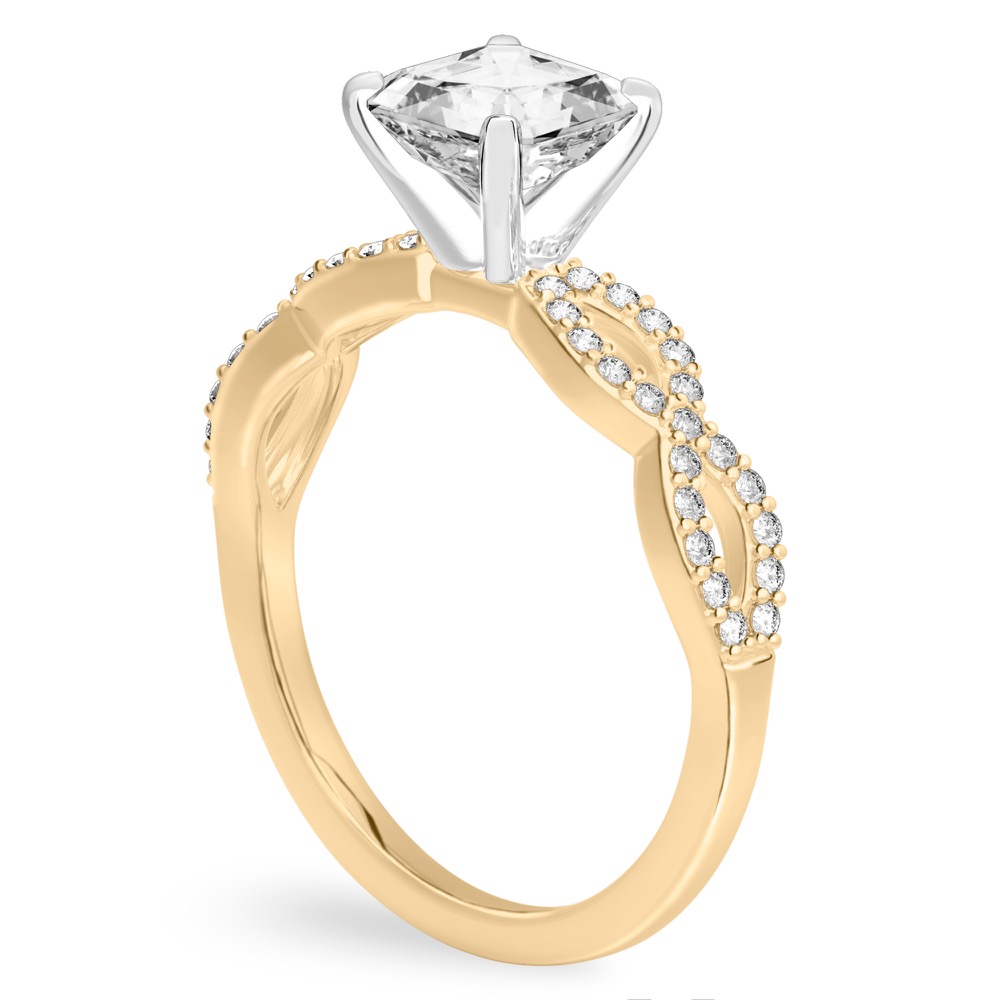
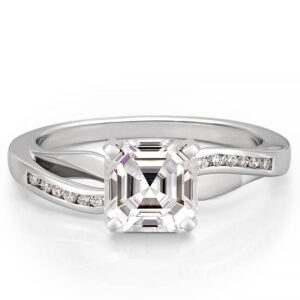
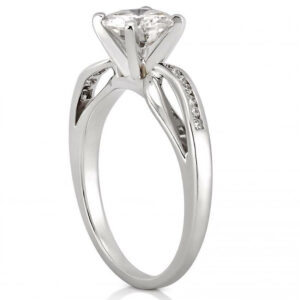
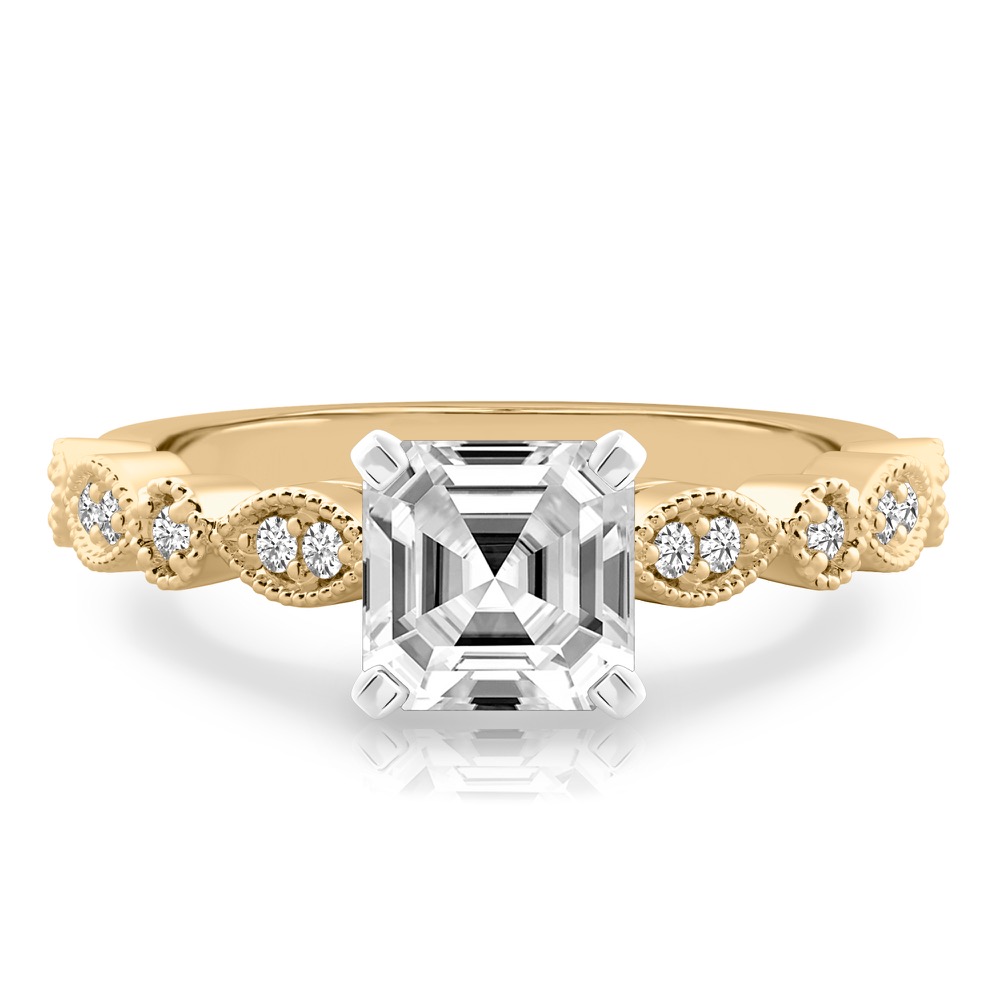
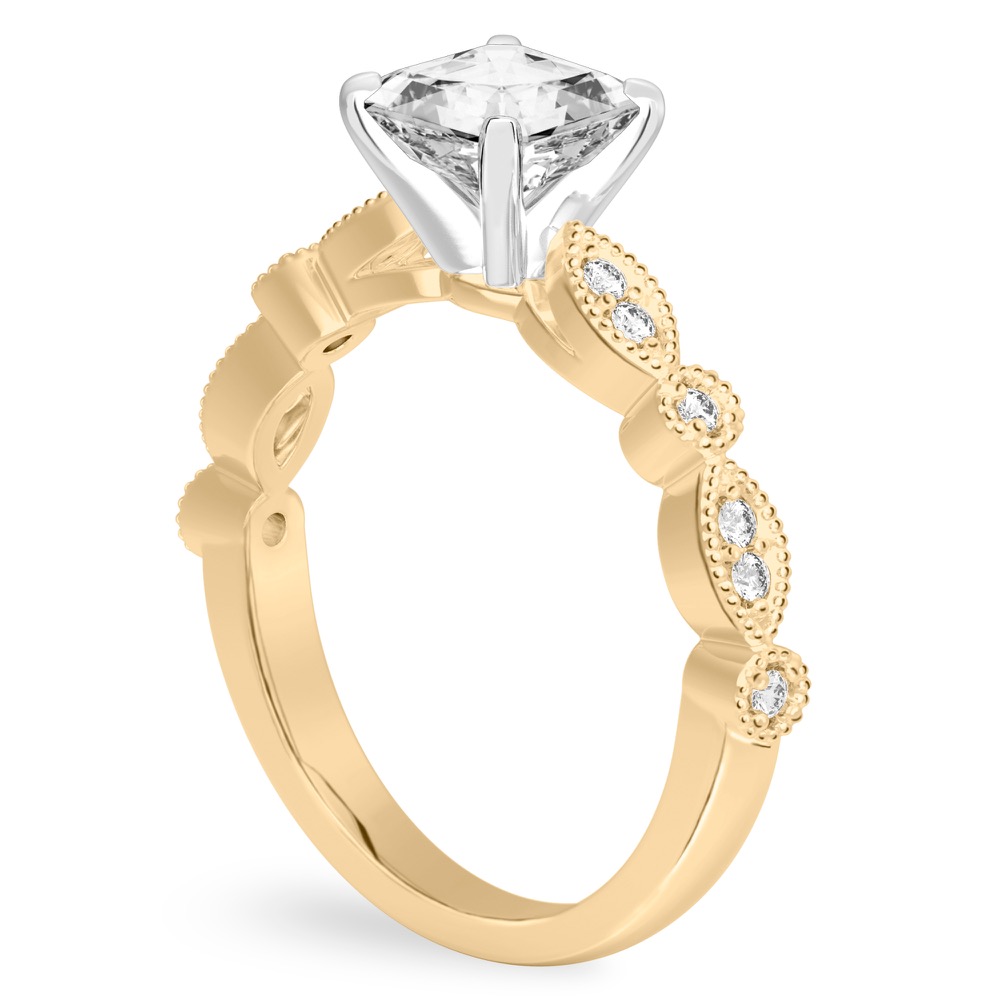
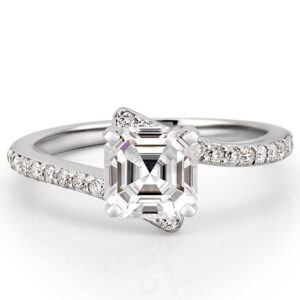
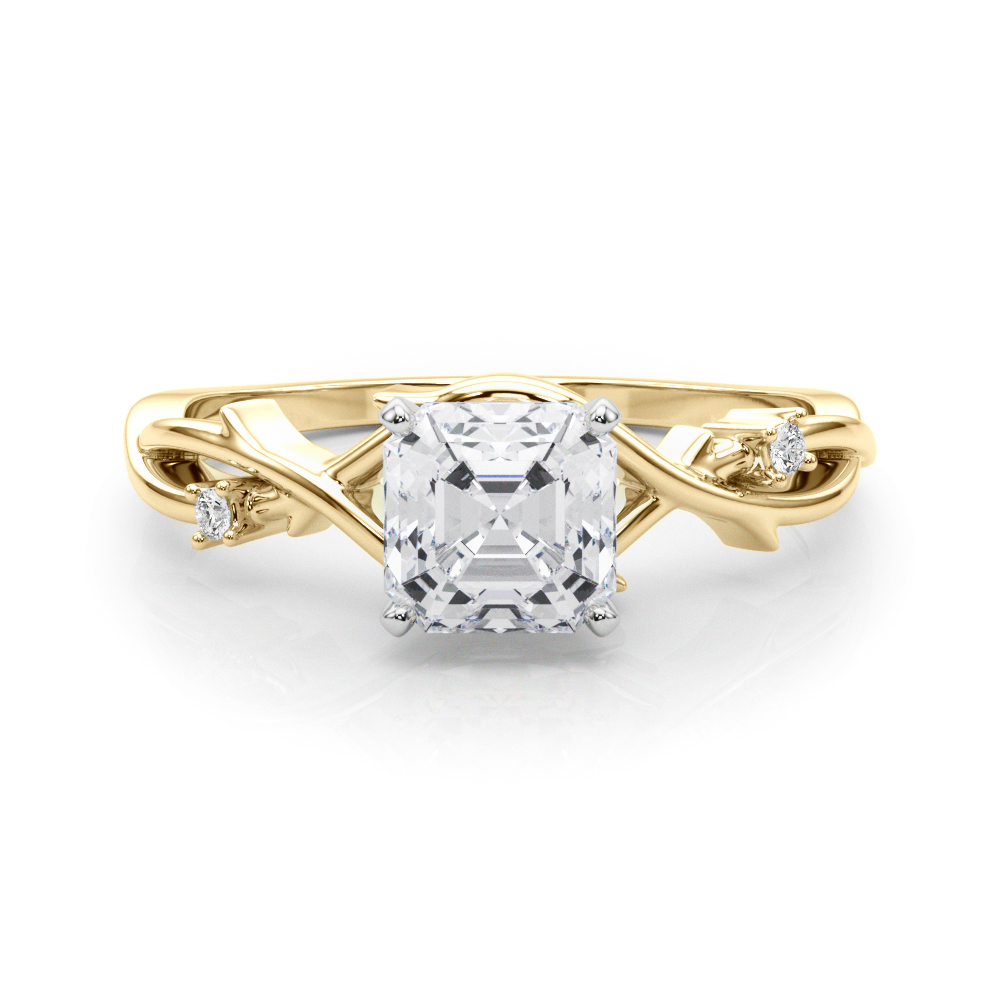
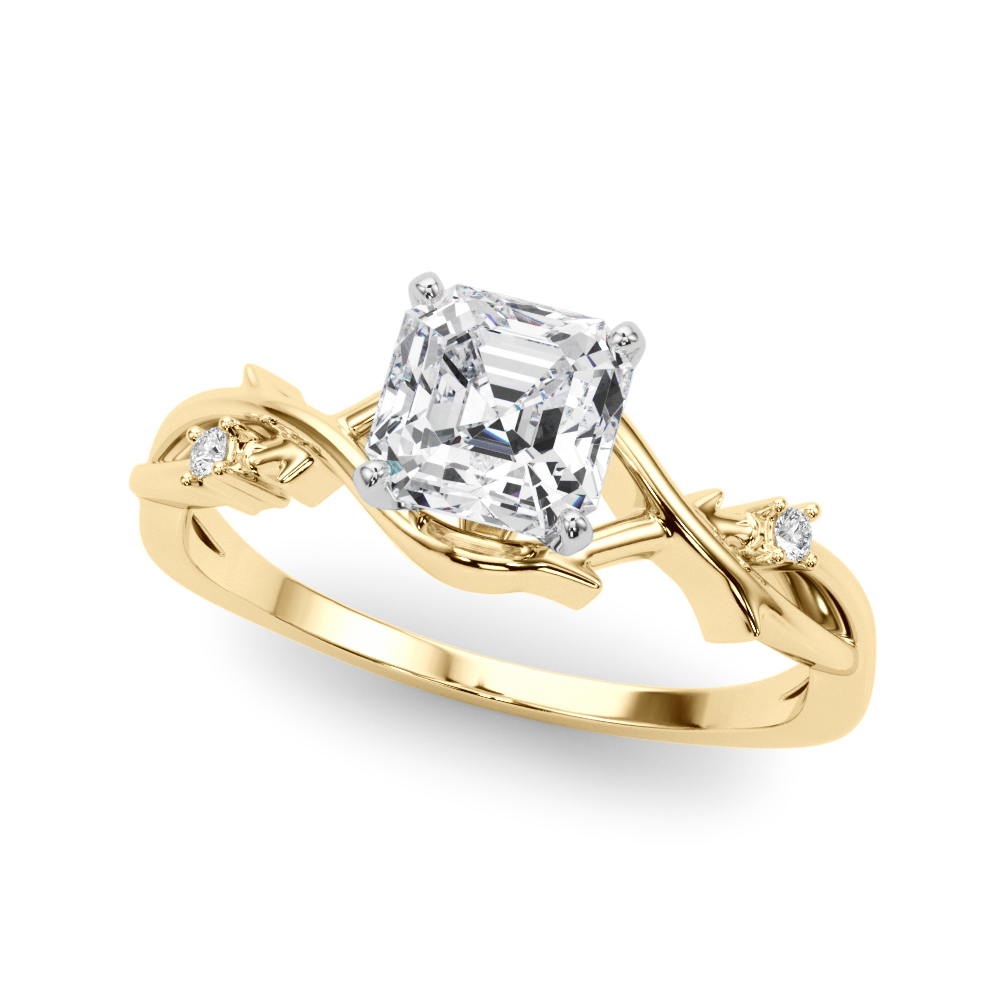
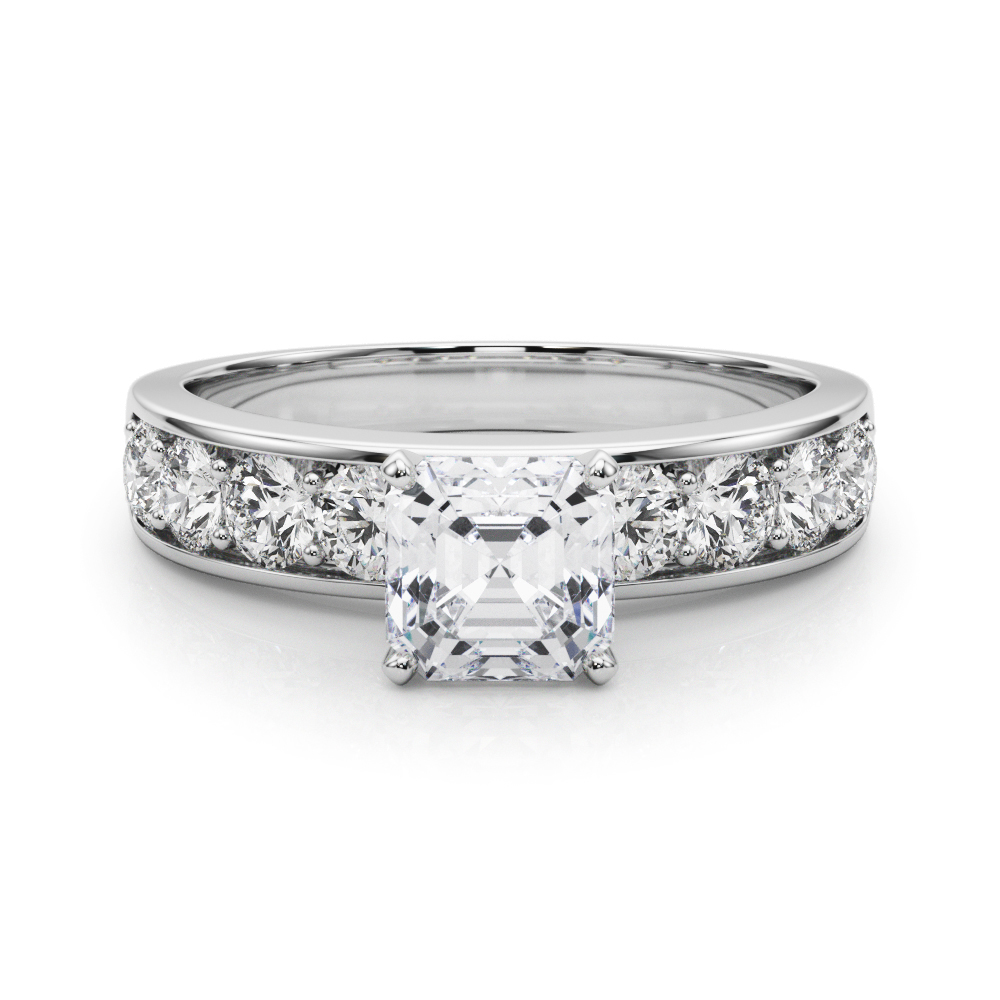
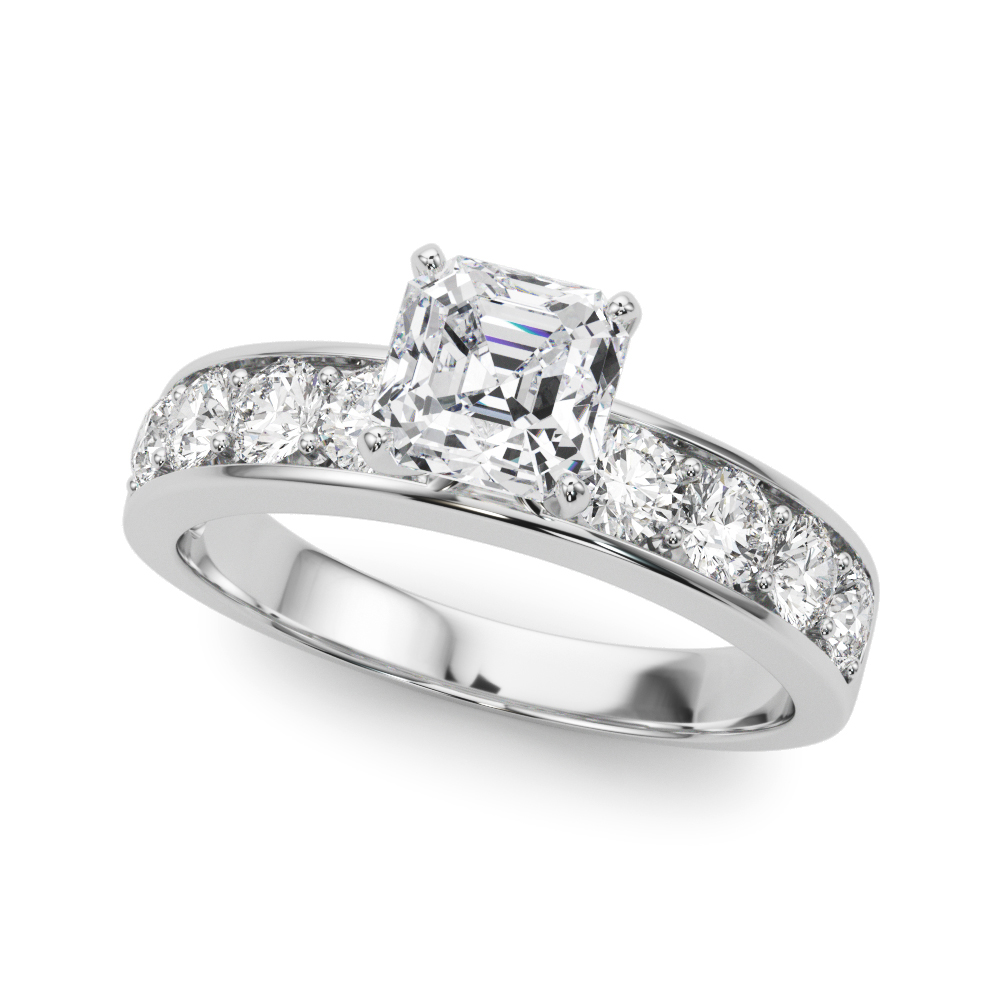
Both are step-cut stones with the characteristic hall-of-mirrors light effect. The key difference is shape: an emerald cut is rectangular, while an Asscher cut is square. Asscher cuts also typically have a smaller table facet and higher crown, producing a slightly more enclosed, geometric sparkle pattern. The result is a distinctive octagonal appearance when viewed face-up.
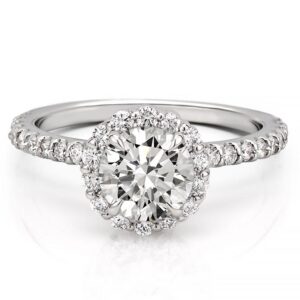
Do Amore offers all ten major engagement ring shapes: round, oval, princess, cushion, emerald, asscher, radiant, pear, marquise, and heart. This covers everything from the most popular round brilliant to distinctive fancy shapes and classic step cuts. All shapes are available across their stone options, including lab diamonds and moissanite. At 1 carat, this was the average diamond size for many decades before lab diamonds made larger sizes accessible, making it a classic, proven choice.